The LivingRoom at Summerhill Guest Estate

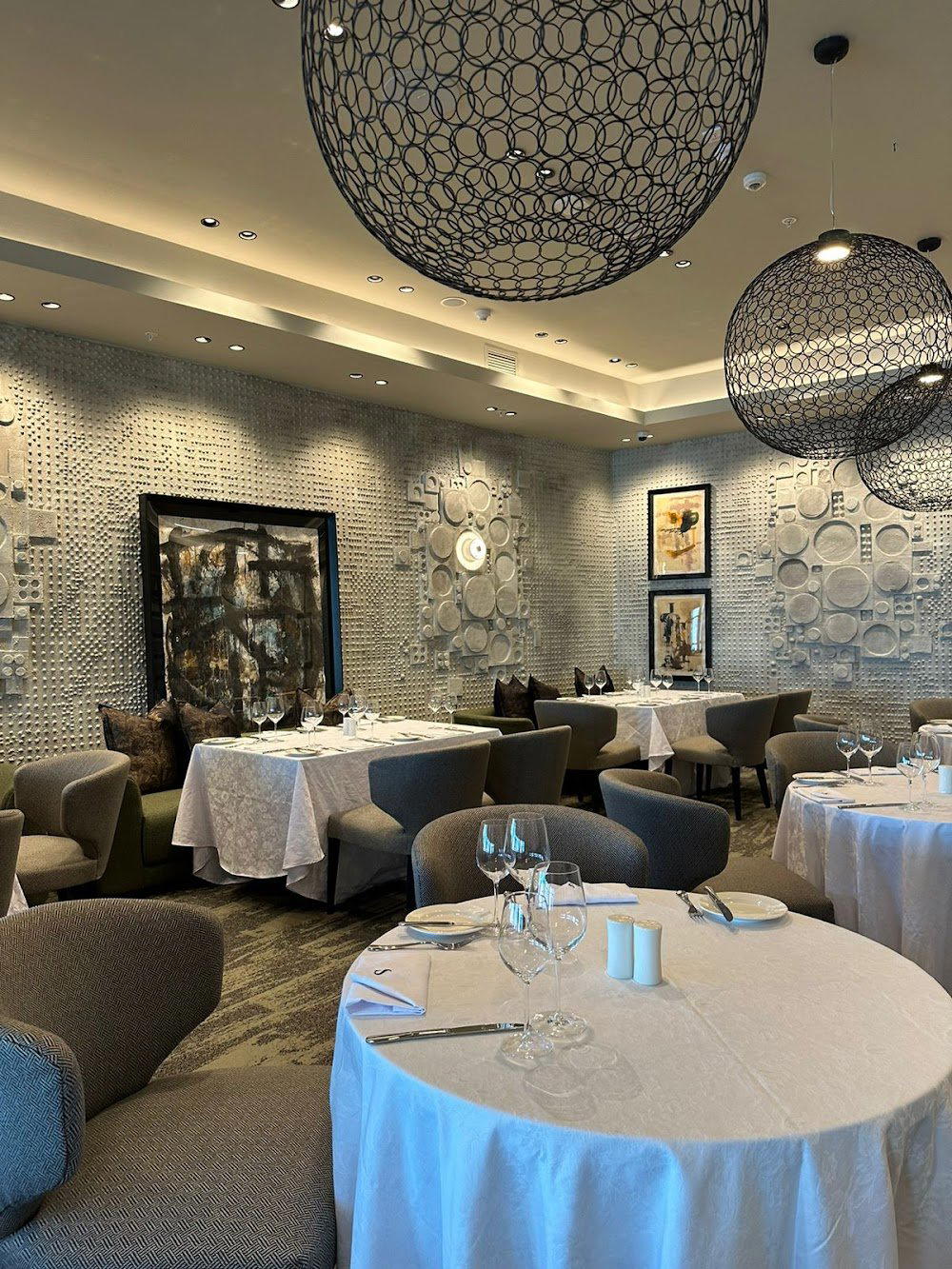
Set on a guest estate in Cowies Hill west of Durban, The LivingRoom at Summerhill operates in a tier of South African fine dining where setting and chef pedigree do most of the positioning. Chef Johannes Richter leads the kitchen, placing this address within a broader conversation about destination dining that has been quietly expanding beyond Cape Town and Johannesburg over the past decade.
Pearl is the En Primeur Club membership app — saves, bookings, and concierge access live there. Same editors, same standards.
- Address
- 9 Belvedale Rd, Cowies Hill, Pinetown, 3610, South Africa
- Phone
- +27 63 529 1966
- Website
- summerhillkzn.com
- Directions
- Get directions
 Saves & bookings on Pearl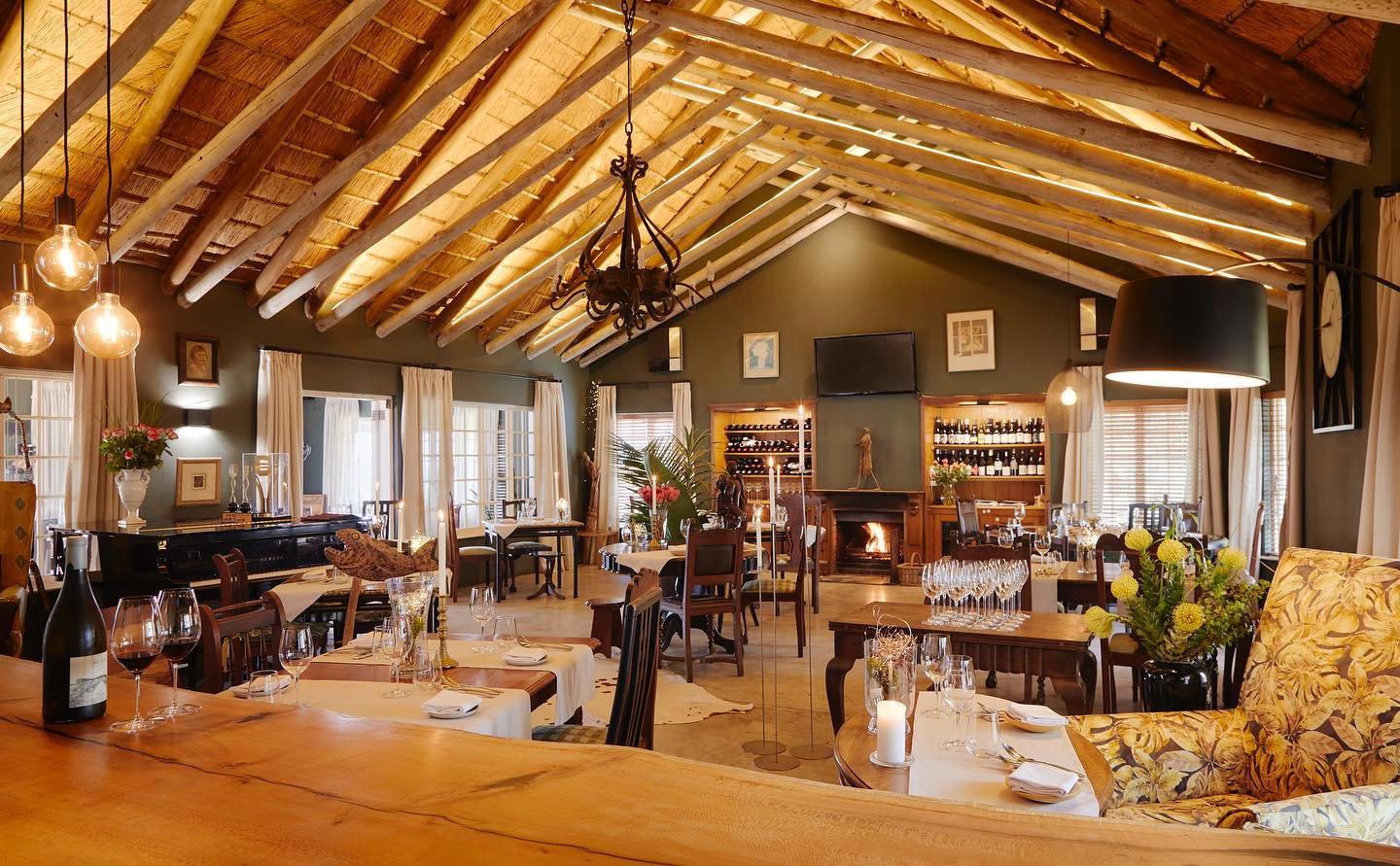
Estate Dining West of Durban
The approach to Cowies Hill tells you something before you arrive at the door. This is Durban's suburban hinterland, removed from the beachfront hotels and the restaurant strips of Florida Road, and that distance is deliberate. South Africa has developed a recognisable category of estate dining, where the journey out of the city centre is part of the contract: you are not dropping in, you are making an occasion of it. The LivingRoom at Summerhill Guest Estate, on Belvedale Road in Pinetown, sits inside that tradition. The estate format, the remove from the urban core, and the residential scale of the property place it in the same broad peer group as destination dining rooms attached to wine estates, safari lodges, and boutique guesthouses elsewhere in the country.
South Africa's fine dining conversation has long centered on the Cape Winelands and Cape Town's Atlantic Seaboard. Restaurants such as Le Quartier Français in Franschhoek, The Test Kitchen in Cape Town, and Wolfgat in Paternoster anchored the country's critical attention on the Western Cape. KwaZulu-Natal has operated in a different register: less press-covered, less internationally indexed, but sustaining its own dining culture shaped by the province's layered food history, its Indian Ocean trade influences, and a local hospitality tradition that tends toward the personal rather than the programmatic. Durban's fine dining scene reflects those conditions.
The Chef and the Context
Estate dining rooms in South Africa rise or fall on the person running the kitchen. The format offers little cover for an uncertain menu: the setting promises something considered, and the food has to deliver a comparable level of attention. Chef Johannes Richter leads the kitchen at Summerhill. Cape Town's fine dining tier is densely documented, with Michelin's 2023 South Africa list and the annual 50 Best Africa rankings generating a clear hierarchy.
The editorial angle that matters here is the category signal. South African fine dining has produced a generation of chefs with European classical training who returned to apply that grounding to local produce, seasonal cycles, and regional identity. You see the pattern at Dusk in Stellenbosch, at Ellerman House in Bantry Bay, and at lodge dining rooms such as Esiweni Luxury Safari Lodge near Memorial Gate and Londolozi Game Reserve in Kruger National Park. The same structural logic applies at estate properties: a European-trained or classically oriented chef running a small dining room within a residential-scale setting, where the food expresses the locale rather than mimicking an international template. Richter's placement at Summerhill positions the restaurant inside that tendency, even if the specifics of his training and menu are not publicly documented in full detail.
Where Summerhill Sits in the Durban Dining Picture
Durban's dining geography is more segmented than it appears from the outside. The beachfront and the Berea ridge support a mainstream restaurant sector, but the city also has pockets of serious cooking spread across suburbs that do not always register on national press radar. The Indian Ocean port history and the city's large South African Indian community have shaped a food culture that is genuinely distinct from Cape Town or Johannesburg, with dishes and ingredient combinations that draw on Malay, Indian, and Zulu culinary traditions in ways that even well-travelled South African eaters find unfamiliar. For further context on how the city's hospitality sector is structured, see the broader hospitality scene in Durban.
An estate dining room in Cowies Hill does not sit inside that street-level food culture; it occupies a different position, one closer to the private-occasion, destination-meal register. The comparison set is not the Florida Road strip or the Indian lunch counters of Victoria Street Market. It is closer to the dining rooms attached to the KwaZulu-Natal game reserves, or to the guesthouse kitchens of the Midlands Meander. For those interested in how South African wine intersects with that dining tradition, the broader national fine dining landscape is represented by properties including Klein Jan in the Kalahari, Jabulani Safari in Hoedspruit, and Morukuru Family De Hoop in De Hoop Nature Reserve. The pattern at all of these is consistent: cooking quality has to justify the effort of getting there, because the format itself makes no apology for the distance.
Cooking at Residential Scale
The residential guest estate format imposes a particular discipline on a dining room. Unlike a high-volume city restaurant where a poor meal gets absorbed into a noisy evening, the estate setting offers no atmospheric insulation. A meal at a property like Summerhill is held to the standard the setting implies: attentive, considered, and operating at a pace the guest controls rather than the house. Internationally, that format has performed well where the chef's technical range can sustain a small, evolving menu rather than a static one. The comparison at the furthest end of that spectrum would be a chef-driven counter like Atomix in New York City or the disciplined tasting approach at Le Bernardin, both of which rely on craft density rather than volume. South African estate dining operates at a different scale and price register, but the underlying logic is the same: fewer covers, more attention per plate. The format itself is structured to support it.
The urban parallel within South Africa's inland dining scene would be Gigi in Johannesburg, which similarly positions itself outside the mainstream strip-restaurant category. Estate and destination dining rooms, whether in Joburg's northern suburbs, the Cape Winelands, or the KZN Midlands, share a common premise: the meal as the reason for the evening rather than the evening as the frame for a meal.
Planning a Visit
Address at 9 Belvedale Road, Cowies Hill, Pinetown places Summerhill Guest Estate roughly within the western suburban belt of Greater Durban, accessible by car from the city centre. Given the estate and guesthouse format, advance booking is the sensible approach; dining rooms of this type typically run at limited cover counts and do not hold walk-in capacity in the way a larger restaurant would. Contacting the property directly is the standard route. For those combining the meal with a stay, the guesthouse accommodation on site removes the logistics of a late return drive entirely.
Frequently Asked Questions
- Is The LivingRoom at Summerhill Guest Estate suitable for children? The estate format and the fine dining register make this a more appropriate choice for adult occasions than for families with young children.
- Is The LivingRoom at Summerhill Guest Estate better for a quiet night or a lively one? For a quiet, occasion-led evening, this is a strong choice within Durban's dining options: the estate setting, low cover count, and chef-led kitchen place it firmly at the composed end of the spectrum rather than in the animated restaurant-bar territory that defines much of the city's livelier dining scene. Its award footprint is less documented than Cape Town peers, but the format itself signals what kind of evening to expect.
- What do regulars order at The LivingRoom at Summerhill Guest Estate? Go with whatever the kitchen is pushing as its current focus: at estate dining rooms run by a named chef like Johannes Richter, the menu tends to reflect what is seasonal and what the chef is most confident in at a given time, rather than anchoring to a fixed signature roster. Trust the format and ask the room.
Comparable Venues
Comparable venues nearby, for context on price, style, and recognition.
| Venue | Cuisine | Price | Notes |
|---|---|---|---|
| The LivingRoom at Summerhill Guest EstateThis venue — the venue you are viewing | Modern South African Fine Dining | $$$$ | Not listed |
| Signature Restaurant Umhlanga | Contemporary European Fine Dining | $$$$ | Umhlanga |
| The Chefs Table Restaurant | Seasonal Fine Dining | $$$ | Umhlanga Rocks |
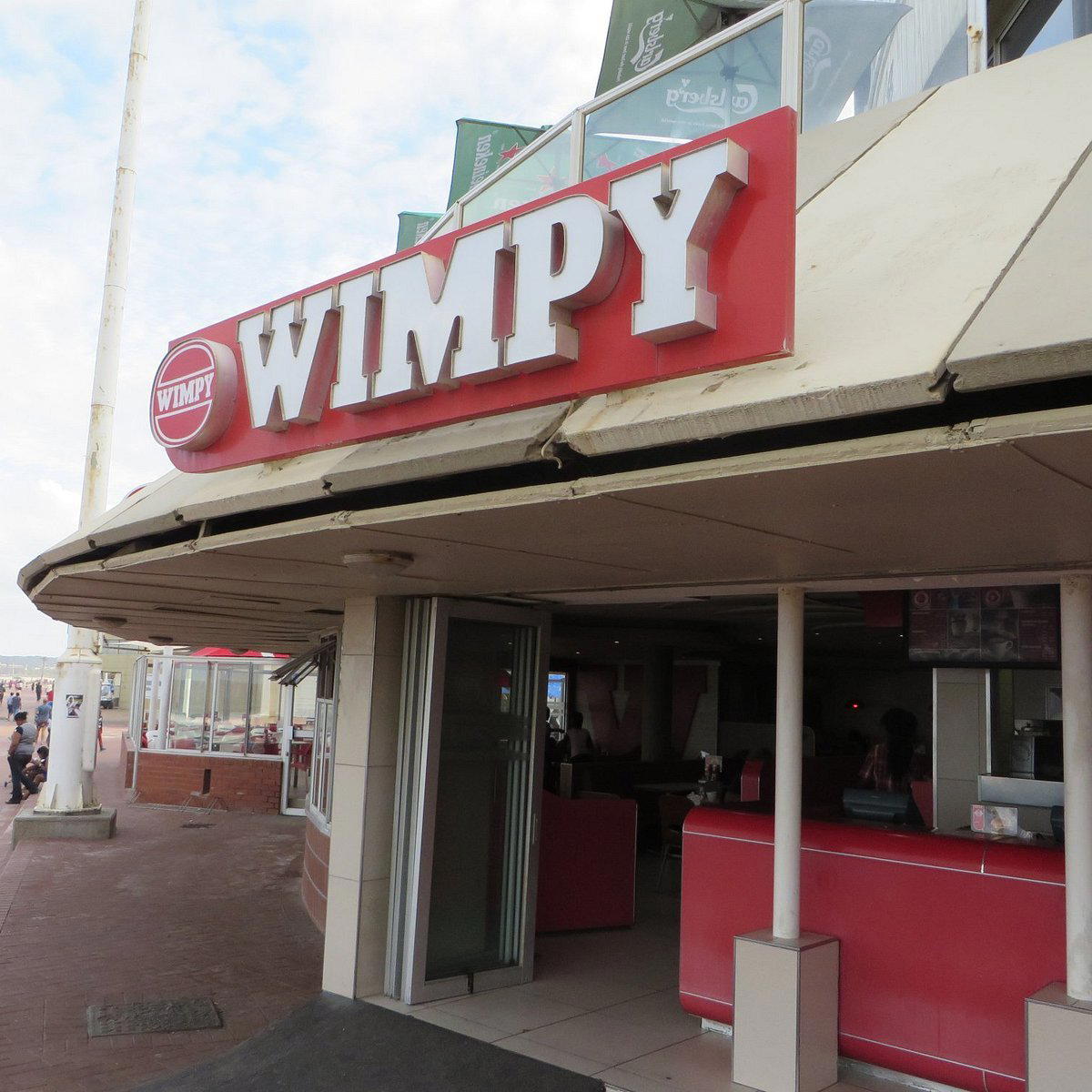
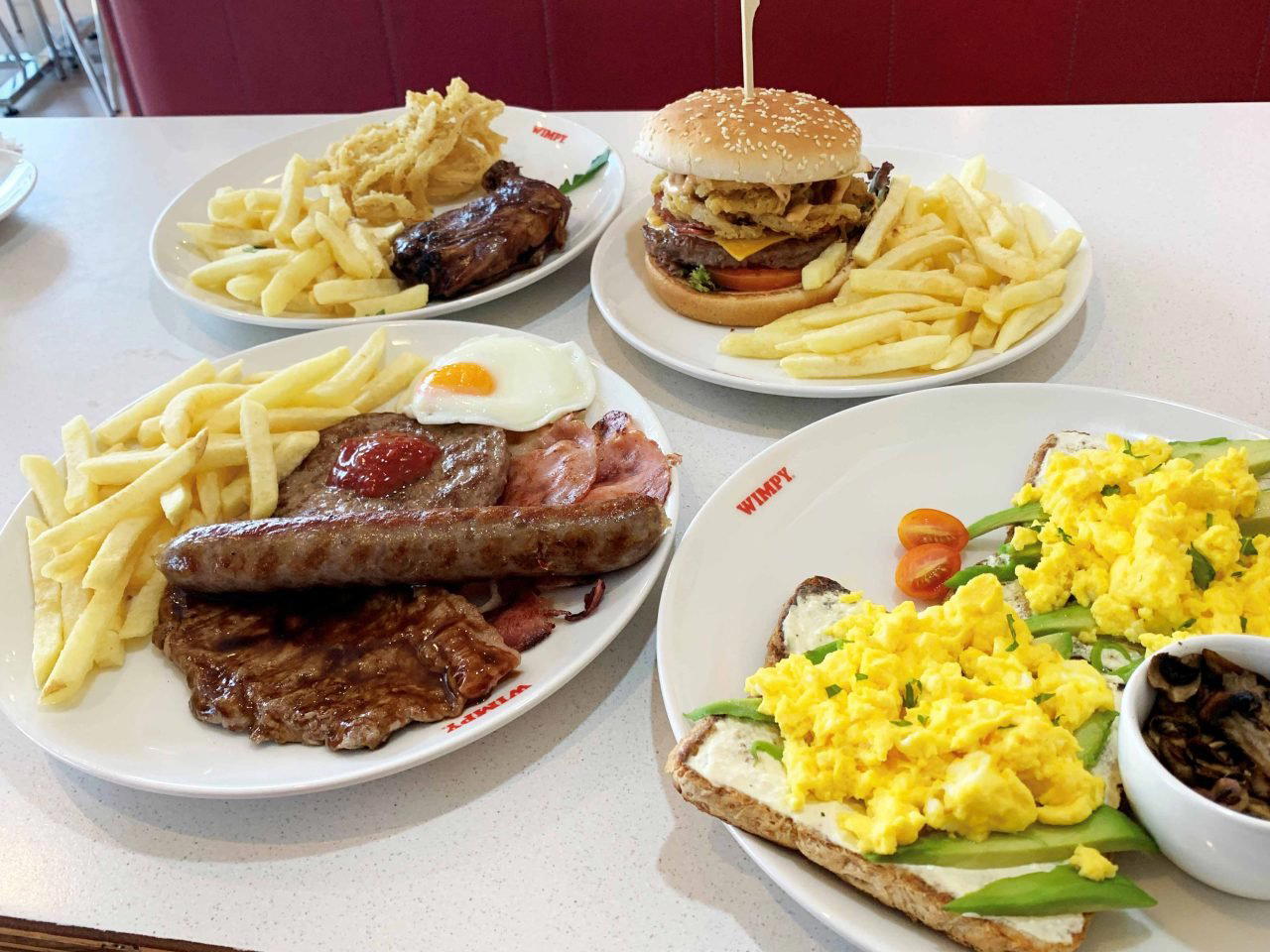
| Wimpy | South African Fast Food | $ | Durban Central |
| Greenhouse Restaurant Constantia | Modern African Fine Dining | $$$$ | Constantia |
| Nando's | Afro-Portuguese PERi-PERi Grilled Chicken | $ | Tongaat |
Recognition history
Dated appearances from independent guides and award organizations, with the underlying list record or original source where available.
The Best Chef Two Knives
The Best Chef
Continue exploring
More in Durban
Restaurants in Durban
Browse all →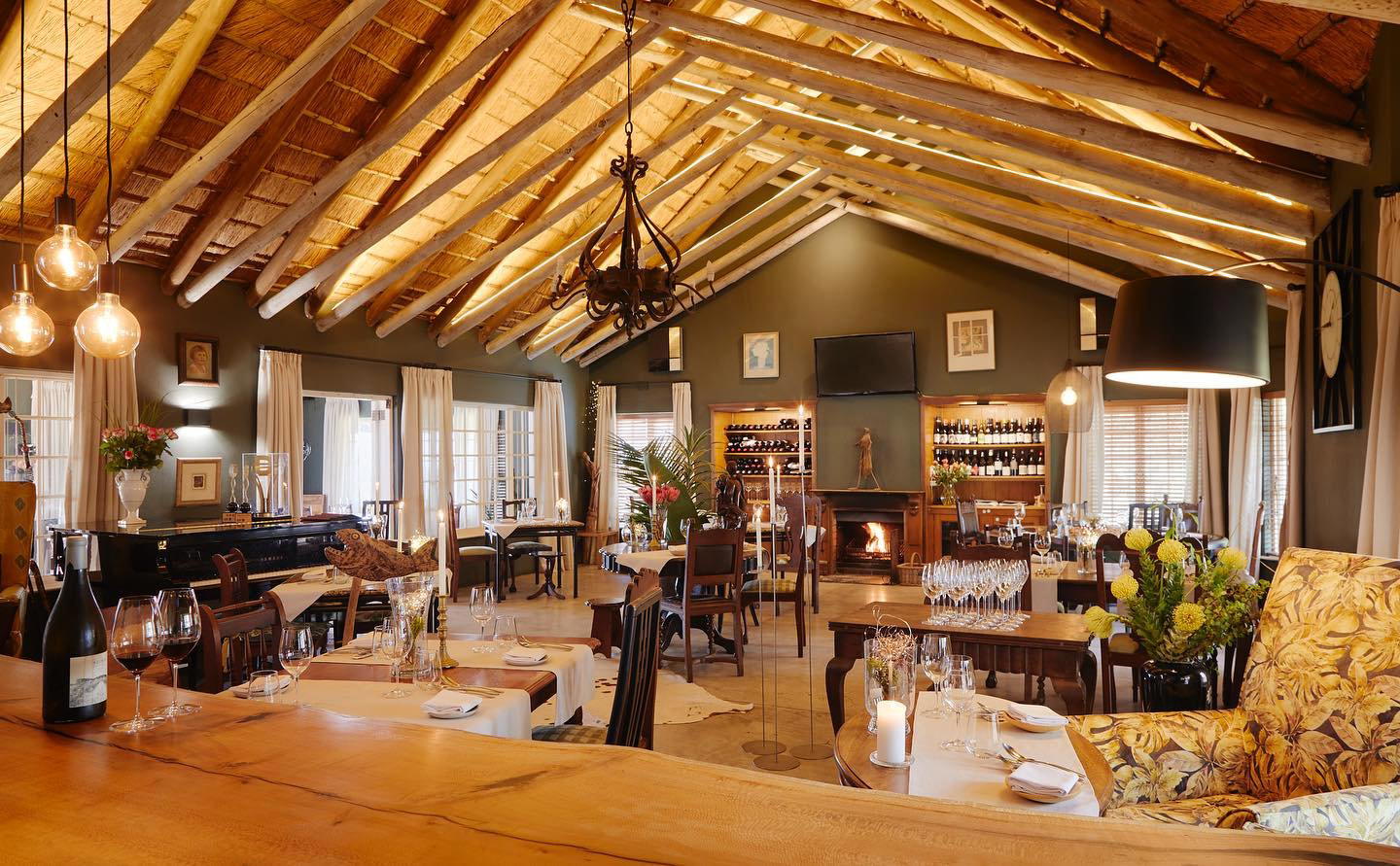
Bars in Durban
Browse all →
Hotels in Durban
Browse all →
At a Glance
- Intimate
- Elegant
- Cozy
- Scenic
- Sophisticated
- Date Night
- Special Occasion
- Garden
- Extensive Wine List
- Farm To Table
- Local Sourcing
- Garden
Warm, relaxing living room atmosphere with crackling fire, good music, and intimate lighting that feels like dining in a friend's home.