Our verdict
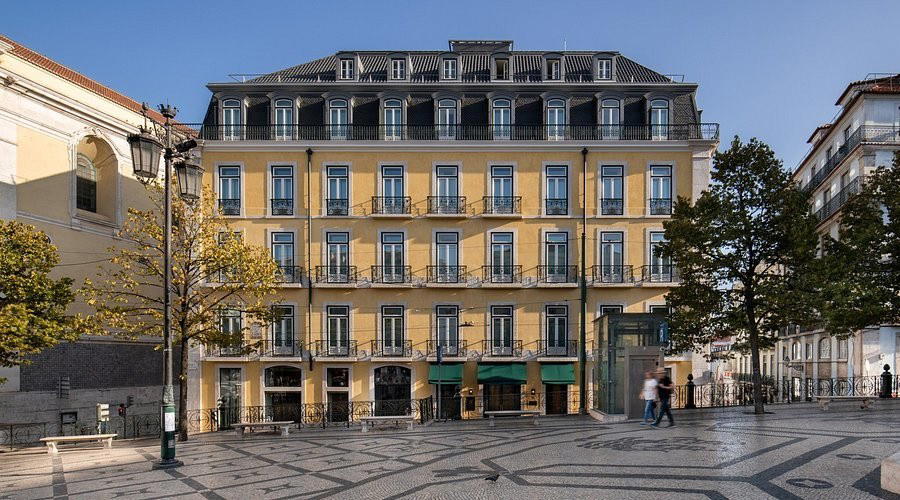
On Rua de Santa Catarina in Lisbon's Chiado quarter, The Lisbon Club 55 occupies a neighbourhood where serious wine culture and modern Portuguese dining converge. The address places it inside one of the city's most concentrated stretches of considered hospitality, making it a reference point for visitors building a Lisbon itinerary around cellar depth and curation rather than spectacle.

Pearl is the En Primeur Club membership app — saves, bookings, and concierge access live there. Same editors, same standards.
- Address
- R. de Santa Catarina 3, 1200-401 Lisboa, Portugal
- Phone
- +351211573055
- Hours
- Daily 12:30–3:30 PM, 7–10:30 PM
- Website
- module.thefork.com
- Directions
- Get directions
- Booking
- Book on TheFork
The menu
What to order
- Bacalhau à Brás
- Francesinha
- Arroz de Marisco
- Pastéis de Nata
- Grilled Sardines
Chiado's Wine-Led Dining Corridor
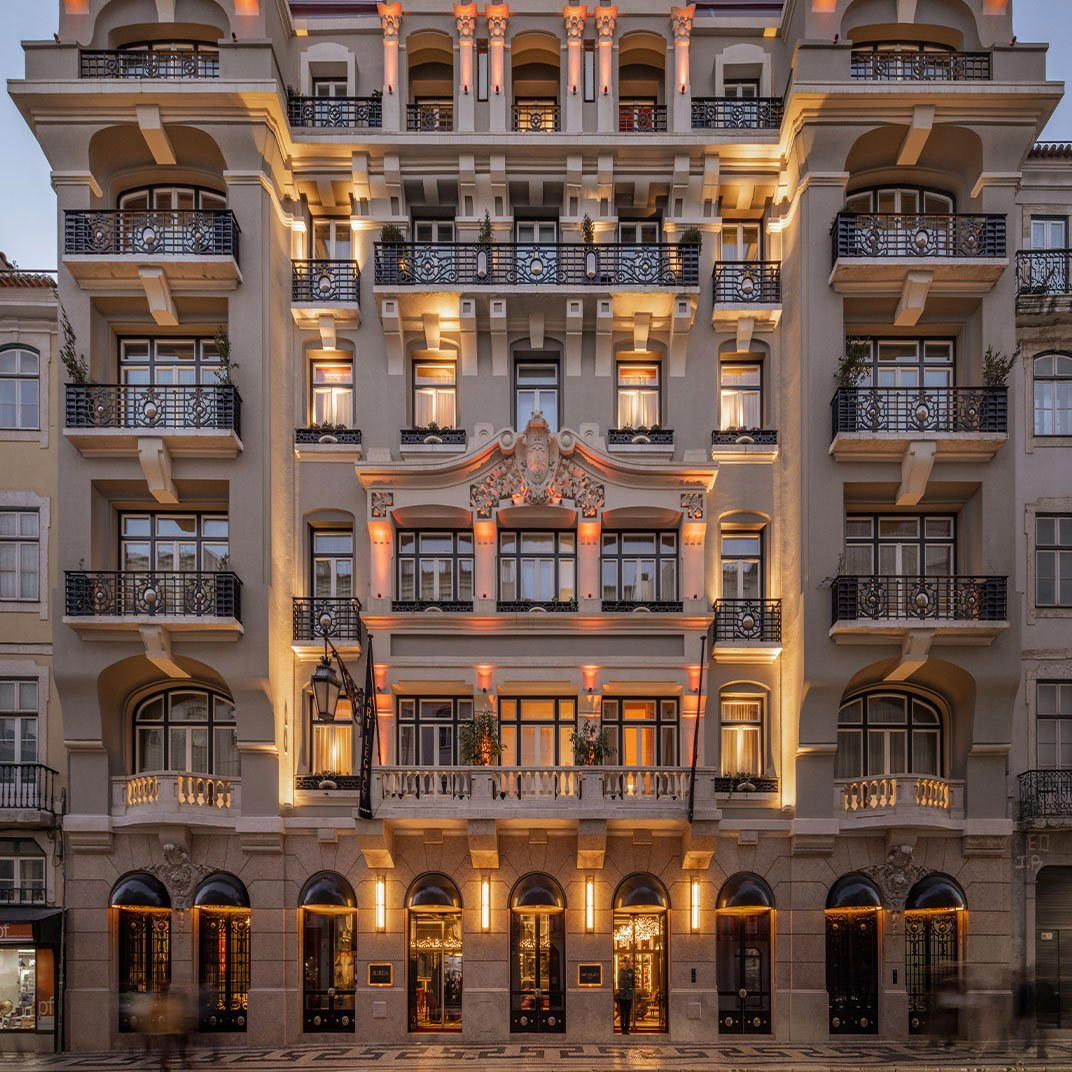
Rua de Santa Catarina runs through one of Lisbon's most compositionally layered neighbourhoods, where 18th-century tiled facades press up against contemporary wine bars, and the foot traffic at any hour skews toward people who know what they're looking for. This is Chiado's functional edge, close enough to the hilltop miradouros to catch the drift of fado from open windows, but grounded in the kind of everyday commerce that keeps a neighbourhood honest. It is within this context that The Lisbon Club 55 operates at number 3, drawing from a local dining culture that has spent the past decade reorientating itself around Portugal's serious wine credentials rather than tourist-facing fare.
Lisbon's premium dining scene now divides cleanly between two modes. The first is the tasting-menu format, represented by addresses like Belcanto, CURA, and Eleven, each operating at €€€€ price points with Michelin recognition and structured progression menus. The second is a smaller, less codified tier of wine-anchored rooms where the cellar does as much editorial work as the kitchen. The Lisbon Club 55 aligns with this second mode, positioning itself in a category where the list of producers matters as much as the list of dishes. For visitors arriving from cities where wine programs at this level are attached to enormous fine-dining infrastructures, the contrast is instructive.
What the Wine List Signals About a Room
Portugal's wine geography is arguably the most underread in Europe among international visitors. The country produces across more than a dozen demarcated regions, from the mineral-driven whites of Vinho Verde and the structured reds of Dão and Bairrada to the volcanic expressions of Pico in the Azores and the dense, sun-saturated output of the Alentejo. A wine list that takes these regions seriously, rather than defaulting to a handful of export-familiar labels, communicates something about a room's intended audience and operating philosophy.
This matters because wine curation in Lisbon, as in other European capitals undergoing a hospitality recalibration, has become a primary trust signal. Diners who book based on a list rather than a chef's name are often the most demanding and the most repeat. The model that The Lisbon Club 55 appears to work within, a club-format address with a wine-first orientation, sits within a broader European trend of members-led or members-adjacent spaces where the cellar is the anchor and the food programme supports rather than dominates. Comparable registers appear in London, Paris, and Porto, where Antiqvvm has built its own wine-integrated fine dining identity above the city's rooftops.
Placing the Address in Portugal's Wider Fine Dining Map
Any serious assessment of Lisbon dining requires situating the city within Portugal's broader geography of fine dining. Outside the capital, the country's Michelin-starred kitchens are concentrated in unexpected places: Vila Joya in Albufeira operates a two-star programme in the Algarve; Ocean in Porches and Bon Bon in Lagoa sustain serious kitchens in the same southern region; Casa de Chá da Boa Nova in Leça da Palmeira holds two Michelin stars in a Siza Vieira building that most architecture tourists visit without realising a significant kitchen operates inside it. Il Gallo d'Oro in Funchal extends that footprint to Madeira. Within this dispersed constellation, Lisbon functions as the entry point and the reference city, but it does not hold a monopoly on the country's most ambitious cooking.
What Lisbon does hold is density: a concentration of wine-literate operators, a growing cohort of sommeliers trained internationally and returned, and a drinking culture that treats the glass as a starting point rather than an afterthought. The Alentejo, Douro, and Setúbal Peninsula all produce at a level that rewards a knowledgeable list, and the leading Lisbon wine rooms are beginning to treat Azorean and Madeiran labels with the same seriousness once reserved for mainland appellations. This is the context in which a club-format address on Rua de Santa Catarina makes sense, and in which it should be evaluated.
The Club Format in European Context
The club-format dining and drinking room has experienced a measured revival across European capitals since roughly 2018. Unlike the members-only model of an earlier generation, which prioritised exclusivity as an end in itself, the contemporary version tends to use membership or club affiliation as a mechanism for curation and repeat trade rather than social gatekeeping. The emphasis falls on building a room of regulars who arrive with knowledge, and on sustaining a list or programme that rewards that knowledge over time.
Comparable premises in other cities, whether it is the wine-forward private dining rooms that have proliferated in Paris's 11th arrondissement or the members-adjacent cocktail rooms that now anchor the serious bar scene in New York, at venues like Atomix and Le Bernardin, share a preference for depth over breadth. The format works when the curation is serious. It fails when membership becomes the product and the programme becomes the pretext. At its finest, the club model produces the kind of room where the sommelier knows what you ordered six months ago and has already pulled something relevant from the back of the cellar.
Creative Lisbon and Its Adjacencies
The broader Chiado and Bairro Alto area supports some of Lisbon's most considered hospitality addresses. 2Monkeys operates in the creative register nearby, while 50 Seconds from Martin Berasategui brings a progressive Spanish approach to the refined Lisbon format. Further south, addresses in the Algarve like Al Sud in Lagos and A Ver Tavira in Tavira represent how Portugal's serious hospitality has expanded beyond Lisbon's orbit. In the north, A Cozinha in Guimarães sustains a Michelin-recognised kitchen in a city better known for its medieval centre. And for wine tourists, The Yeatman in Vila Nova de Gaia remains the reference address for Port-integrated fine dining. The Lisbon Club 55 fits within the capital chapter of this national map, serving readers who want the city's wine-led register and are building itineraries that extend into the country at large. Our full Lisbon restaurants guide maps the scene across formats and price points.
Planning Your Visit
The address, R. de Santa Catarina 3, 1200-401 Lisboa, places the venue within walking distance of Praça de Camões and the upper reaches of the Chiado. The neighbourhood is navigable on foot from most central Lisbon accommodation, and the 28 tram, which runs along the waterfront and up through Chiado, stops within a few minutes' walk. Given the club-format orientation, prospective visitors are advised to confirm booking procedures and current programming directly, as club-model venues in this tier typically maintain discretion around capacity and reservation access.
Frequently asked questions
What's the must-try dish at The Lisbon Club 55?
In wine-led rooms of this format across Lisbon and comparable European cities, the kitchen programme typically supports the cellar rather than leading it, so the more productive question is often which producer or region the sommelier is currently focused on, rather than a single dish. Visitors with dietary preferences or strong cuisine interests should confirm the current menu format directly with the venue before booking.
What's the ideal way to book The Lisbon Club 55?
Club-format venues in Lisbon's Chiado and Bairro Alto area often manage reservations through direct contact rather than third-party platforms, which is consistent with the format's preference for a curated, repeat-visitor audience. Given the venue's position at a premium Lisbon address, early contact is advisable, particularly during peak travel months from April through October when the city's hospitality sector runs at high occupancy.
What's The Lisbon Club 55 best at?
The venue's club format and location on Rua de Santa Catarina position it within Lisbon's wine-anchored hospitality tier, where cellar curation and a regulars-first operating philosophy are the primary differentiators from the broader tasting-menu circuit represented by addresses like Belcanto and CURA. Portugal's wine geography, spanning regions from Vinho Verde to the Alentejo and extending to the Azores, gives a serious Lisbon list significant range to work with.
How does The Lisbon Club 55 handle allergies?
In Lisbon, Portuguese food safety regulation requires venues to disclose the 14 major allergens on request, so any address operating at this level should be able to provide allergen information when contacted directly. Guests with serious dietary restrictions should raise this at the point of reservation rather than on arrival.
Is The Lisbon Club 55 suitable for wine enthusiasts visiting Lisbon for the first time?
The club format and wine-led orientation at this address make it better suited to visitors who already carry some familiarity with Portuguese wine regions, particularly Dão, Bairrada, and the Douro, rather than those seeking an introductory overview. That said, Lisbon's sommelier community has a consistent track record of calibrating recommendations to the visitor's reference points, so first-time explorers of Portuguese wine who arrive with genuine curiosity rather than a fixed list tend to be well served by rooms in this tier. For broader orientation before visiting, the EP Club Lisbon guide maps the city's wine and dining scene by format and investment level.
A Credentials Check
Comparable venues nearby, for context on price, style, and recognition.
| Venue | Cuisine | Price | Notes |
|---|---|---|---|
| The Lisbon Club 55This venue — the venue you are viewing | Traditional Portuguese | $30–50 | Not listed |
| Akla Restaurante | Contemporary Portuguese Mediterranean | $30–50 | Amoreiras |
| Fidalgo | Portuguese Tapas & Wine Bar | $10–20 | Chiado |
| Davvero Lisboa | Modern Italian | $50–100 | Amoreiras |
| Biclaque X | Modern Portuguese with European Influences | $30–50 | Olivais Sul |
| Lumi Rooftop | Contemporary Portuguese | Not listed | Rossio |
Continue exploring
More in Lisbon
Restaurants in Lisbon
Browse all →
Bars in Lisbon
Browse all →
Hotels in Lisbon
Browse all →

Details
- Cozy
- Romantic
- Intimate
- Classic
- Date Night
- Family
- Group Dining
- Special Occasion
- Private Dining
- Standalone
- Craft Cocktails
- Local Sourcing
- A La Carte
- Set Menu
- Signature Cocktails
- Pescatarian Friendly
Current opening hours
- Monday
- 12:30–3:30 PM, 7–10:30 PM
- Tuesday
- 12:30–3:30 PM, 7–10:30 PM
- Wednesday
- 12:30–3:30 PM, 7–10:30 PM
- Thursday
- 12:30–3:30 PM, 7–10:30 PM
- Friday
- 12:30–3:30 PM, 7–10:30 PM
- Saturday
- 12:30–3:30 PM, 7–10:30 PM
- Sunday
- 12:30–3:30 PM, 7–10:30 PM
Hours can change for holidays and private events. Last verified .
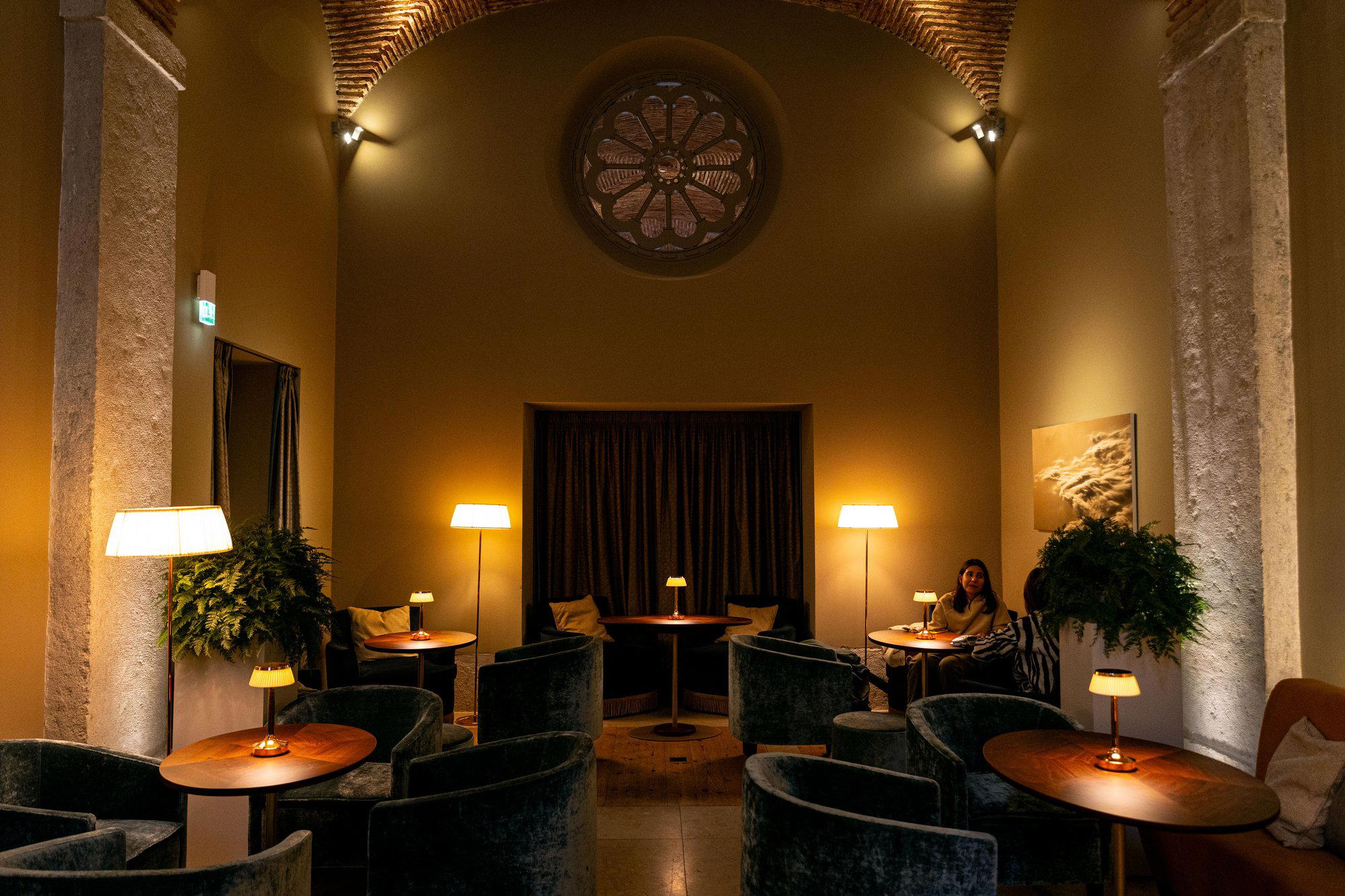
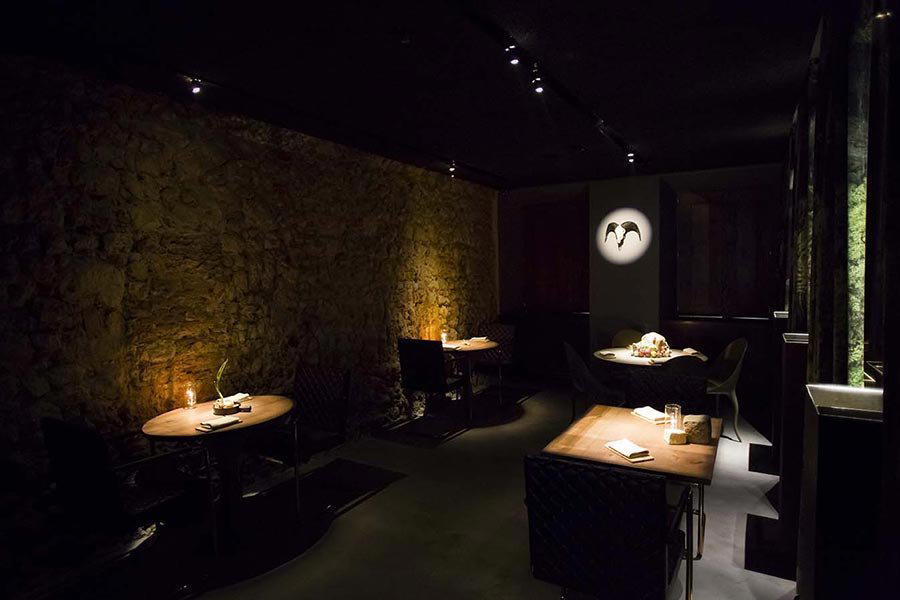
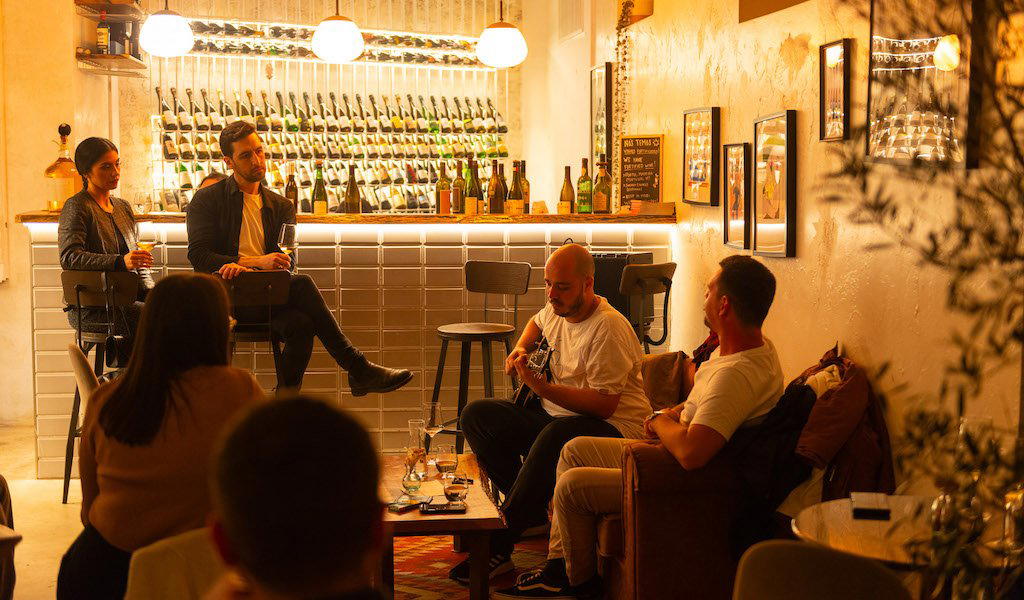
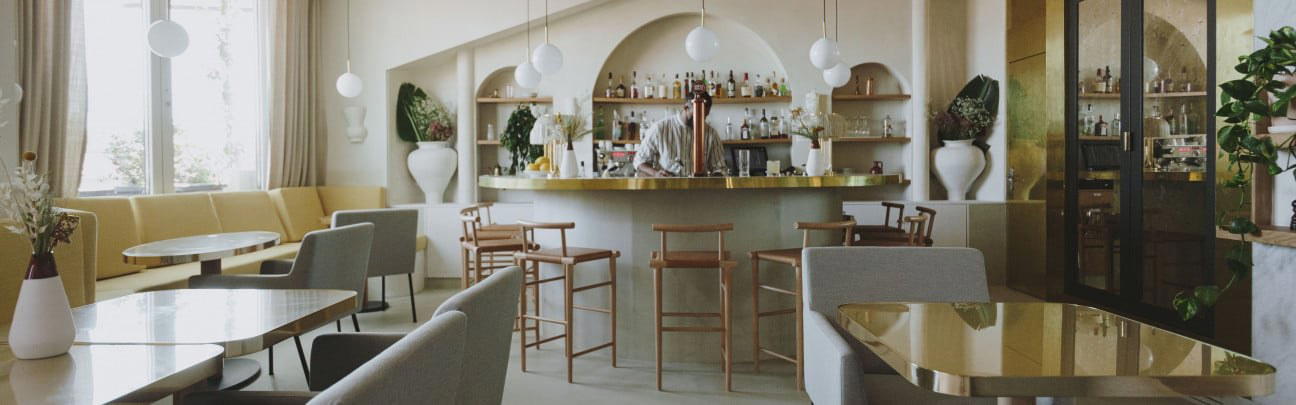
Cozy and inviting atmosphere with warm lighting and lively energy, designed for intimate dining experiences that honor Portuguese culinary heritage.