
The Legacy House at Rosewood Hong Kong belongs to the city’s polished Chinese dining tier, where Cantonese tradition is read through hotel-level service and a harbourfront luxury context. Its Black Pearl Restaurant Guide 2026 one-diamond recognition gives it a clear external signal in a market where dining rooms are judged as much on cultural fluency as on ceremony.
 Request Booking on Pearl
Pearl is the En Primeur Club membership app — saves, bookings, and concierge access live there. Same editors, same standards.
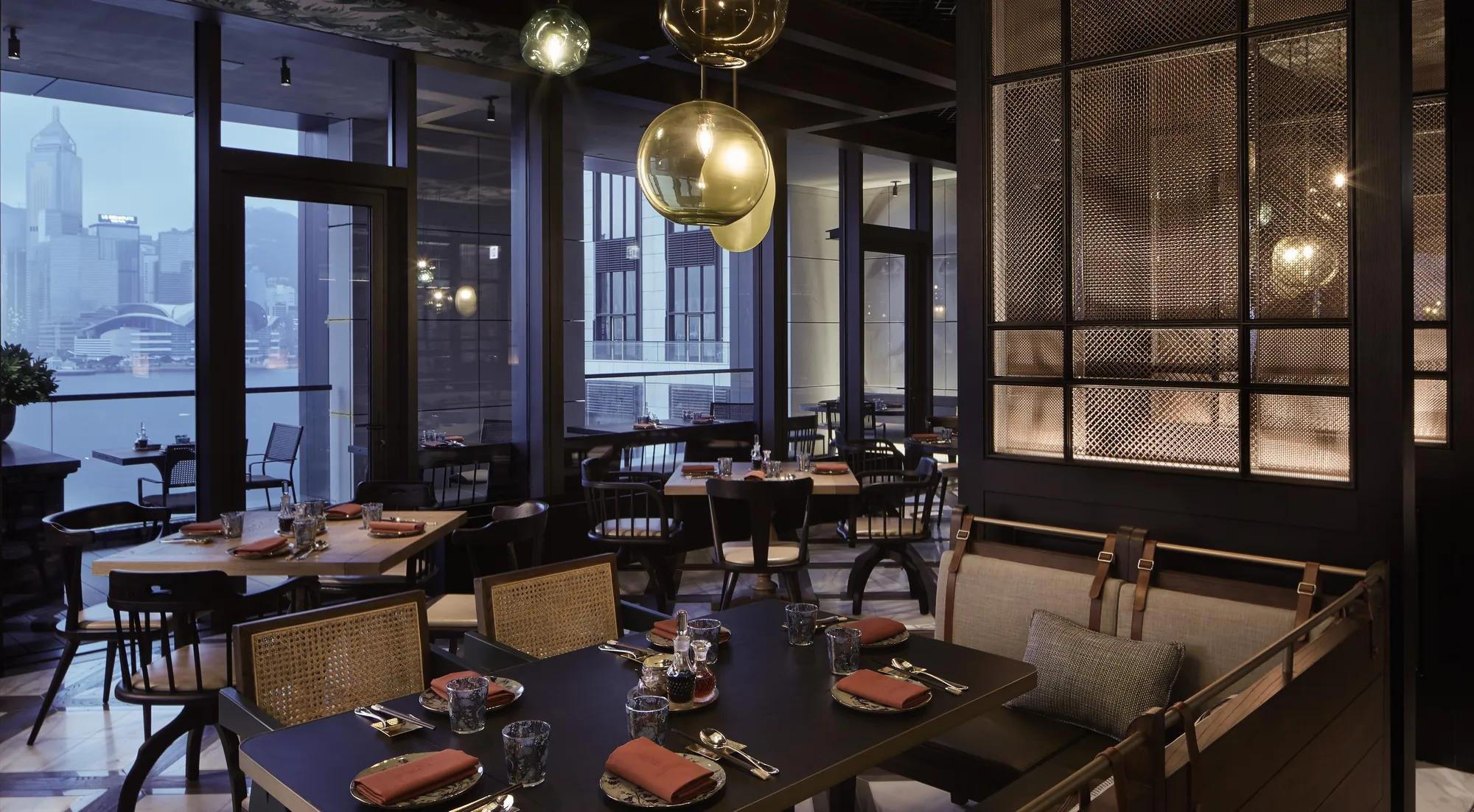
Approaching a serious Chinese dining room in Hong Kong is rarely just about appetite. The room has to carry family celebration, business protocol, and culinary memory at once: the quiet choreography of tea, the pacing of shared dishes, the sense that a table is being managed for conversation as much as for food. The Legacy House (Rosewood Hong Kong) sits inside that tradition, in a city where Cantonese cooking remains both daily language and luxury grammar.
Hong Kong’s high-end Chinese restaurants operate under a different pressure from tasting-menu rooms. They have to satisfy diners who know the cuisine from childhood, visiting guests who expect hotel polish, and business hosts who need discretion without stiffness. Recognition from the Black Restaurant Guide, where The Legacy House is listed among the 2026 one-diamond restaurants, places it within a mainland Chinese and Hong Kong evaluation culture that pays close attention to service, consistency, and regional identity.
Cantonese dining as civic ritual, not restaurant theatre
Cantonese cuisine in Hong Kong is built on timing, texture, and restraint. Luxury does not always announce itself through rare ingredients; it often appears in how cleanly a kitchen handles heat, how carefully a broth is clarified, or how a banquet sequence moves from lightness to weight. That makes the genre unusually demanding at the premium end. A Western tasting menu can lean on narrative. A Cantonese meal has to survive diners who understand the difference between polish and overwork.
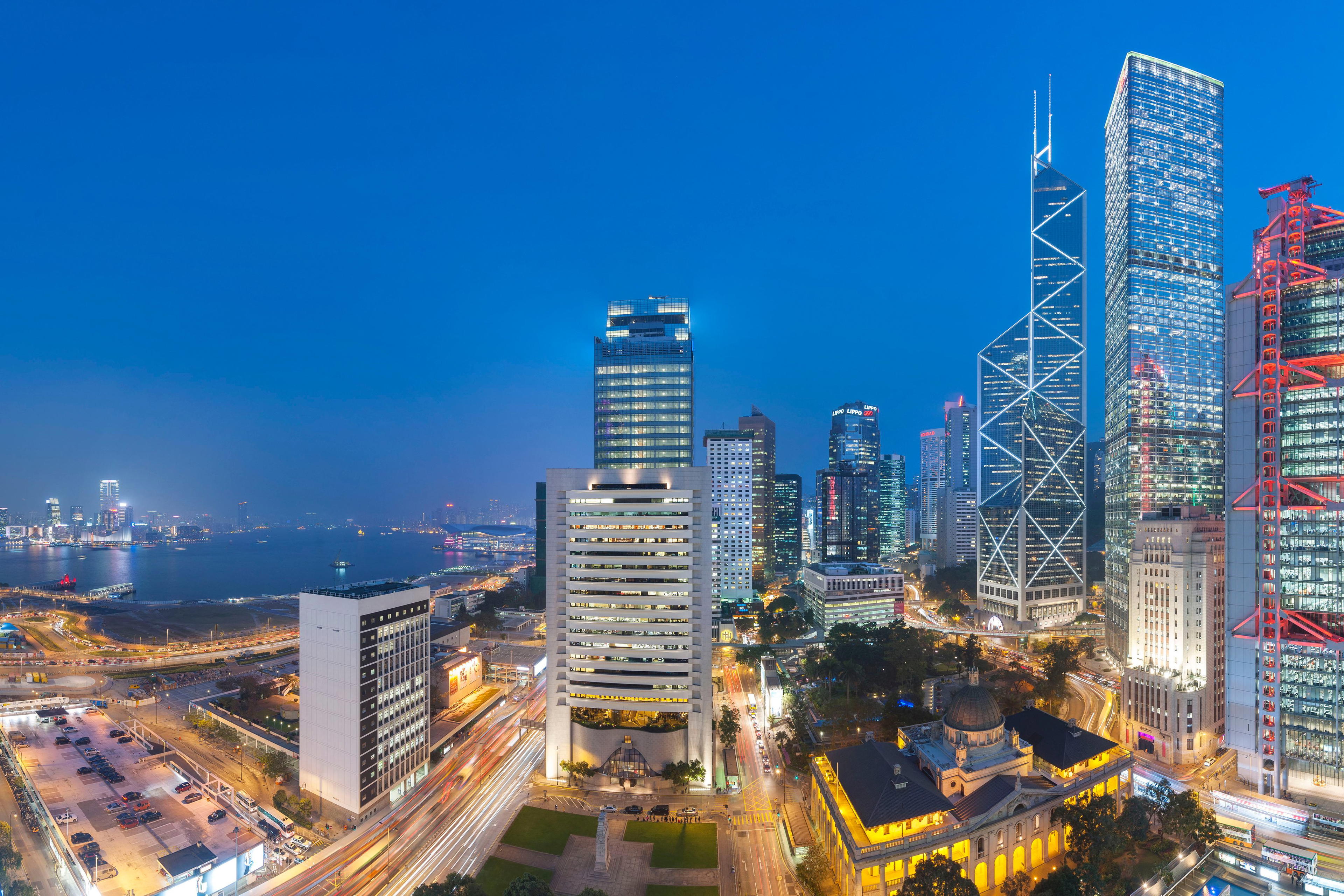
This is where the Rosewood setting matters without becoming the whole story. Hotel Chinese restaurants in Hong Kong have long acted as meeting points between private-club formality and public restaurant culture. They host the city’s power lunches, multigenerational dinners, and visitors seeking a controlled introduction to Cantonese dining. The room is expected to absorb ceremony, not perform it loudly. In that sense, The Legacy House is part of a broader Hong Kong pattern: Chinese cooking framed with international hotel discipline, but still judged by local expectations.
The cultural weight of the category also explains why awards carry a particular meaning here. A Black one-diamond listing is not a generic decoration; it signals relevance within a Chinese-language dining conversation that differs from Western guide logic. For diners comparing Hong Kong restaurants through regional Chinese standards, that recognition is a useful marker, especially in a city where reputation can be shaped by families, corporate hosts, and repeat local use as much as by travelling critics.
How to read the experience in Hong Kong's dining map
The Legacy House (Rosewood Hong Kong) belongs to the polished end of the city’s restaurant spectrum, but Hong Kong’s food culture is broader than hotel dining. The same trip can move from formal Chinese rooms to street-level noodle shops, Spanish small plates, Italian fine dining, and immersive dining formats without leaving the city’s restaurant conversation. For a wider scan, Our full Hong Kong restaurants guide gives useful context across formats.
Within that wider map, addresses become shorthand for dining habits. Central and Sheung Wan lean into business meals, wine-led rooms, and compact international restaurants, while Kowloon and the New Territories keep older neighbourhood food traditions in active circulation. Readers comparing the city’s range might look at 15-27 Cannon St, 208 Hollywood Rd, 22 Ships (Spanish-Tapas), 7 Paintings, and 8 1/2 Otto e Mezzo Bombana (Hong Kong) (Italian) as examples of how international and experiential formats sit beside Chinese dining rather than replacing it.
Neighbourhood-specific listings sharpen that view further. 8½ Otto e Mezzo BOMBANA in Central And Western points toward the city’s European fine-dining lane, while Block 18 Doggie's Noodle in Yau Tsim Mong, Chin Sik in Tsuen Wan, Enchanted Garden Restaurant in Islands, Former Jumbo Floating Restaurant in Aberdeen, and Habib's Indian & Middle Eastern Food in Kwun Tong show how dispersed Hong Kong dining remains across districts and price cultures.
Who this table makes sense for
This is a strong fit for diners who want Chinese fine dining interpreted through a luxury hotel frame rather than a chef-counter format. The appeal is less about novelty than about confidence: a Cantonese-rooted meal in a room designed for hosting, pacing, and cross-cultural comfort. That makes it especially relevant for business meals, family occasions, and visitors who want Hong Kong dining with a high degree of structure.
For planning beyond the meal, Hong Kong rewards category thinking. Pair formal dining with hotel research through Our full Hong Kong hotels guide, late-night drinking through Our full Hong Kong bars guide, wine context through Our full Hong Kong wineries guide, and cultural programming through Our full Hong Kong experiences guide. Travellers extending the itinerary outside Hong Kong can also compare different Asian and Pacific dining formats through Jōdo Saké Bar in Los Angeles and Onigiri Time in Pasadena, useful reminders that regional specificity matters more than broad luxury labels.
- Minced fish soup with fungus and dried tangerine peel
- Pan-fried fish head with ginger and spring onion
- Stir-fried fish noodles with bean sprout, mushroom and dried sole
- Deep-fried duck with mashed taro and 24-year dried tangerine peel
- Suckling pig
- Peking duck
Comparable Venues Nearby
Comparable venues nearby, for context on price, style, and recognition.
| Venue | Cuisine | Price | Notes |
|---|---|---|---|
| The Legacy House (Rosewood Hong Kong)This venue — the venue you are viewing | Shunde-style Cantonese Fine Dining | $$$$ | Not listed |
| Chengdu Yan | Upscale Sichuan-Cantonese | $$$$ | Central |
| Lai Ching Heen (Regent Hong Kong) | Cantonese Chinese Fine Dining | $$$$ | Tsim Sha Tsui |
| Imperial Court | Modern Lingnan Cantonese Fine Dining | $$$$ | NAPE |
| Tasting Court Chinese Cuisine | Traditional Cantonese Private Kitchen | $$$$ | Wan Chai |
| Big JJ Seafood Hotpot | Hong Kong-style seafood hotpot & wine bar | $$$ | Central |
Recognition history
Dated appearances from independent guides and award organizations, with the underlying list record or original source where available.
Black Pearl 1 Diamond
Black Pearl
Continue exploring
More in Hong Kong
Restaurants in Hong Kong
Browse all →
Bars in Hong Kong
Browse all →
At a Glance
- Elegant
- Sophisticated
- Modern
- Scenic
- Intimate
- Ornate
- Business Dinner
- Date Night
- Celebration
- Special Occasion
- Group Dining
- Private Event
- Waterfront
- Private Dining
- Panoramic View
- Design Destination
- Hotel Restaurant
- Terrace
- Extensive Wine List
- Craft Cocktails
- Sommelier Led
- Local Sourcing
- Waterfront
- Skyline
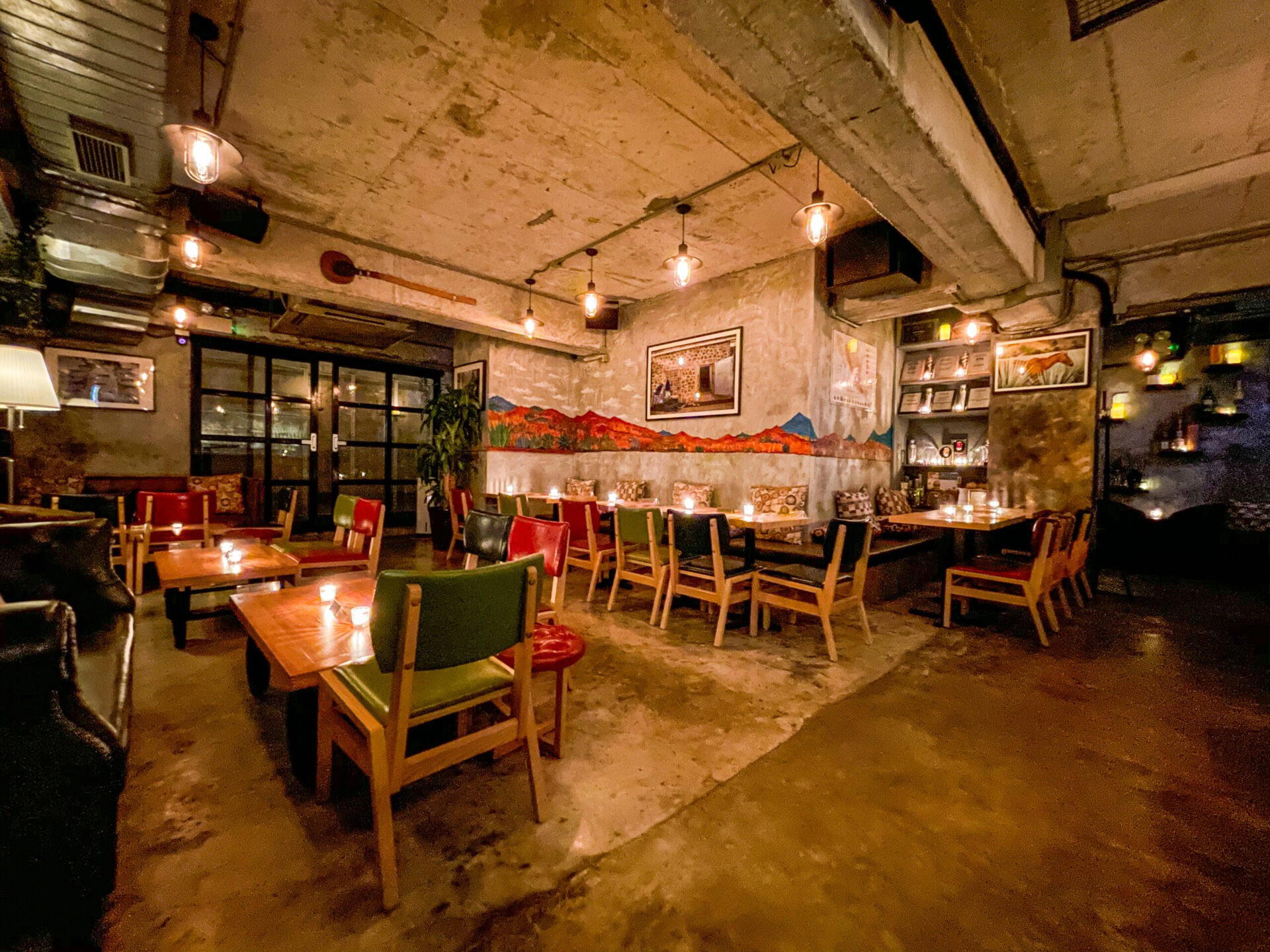
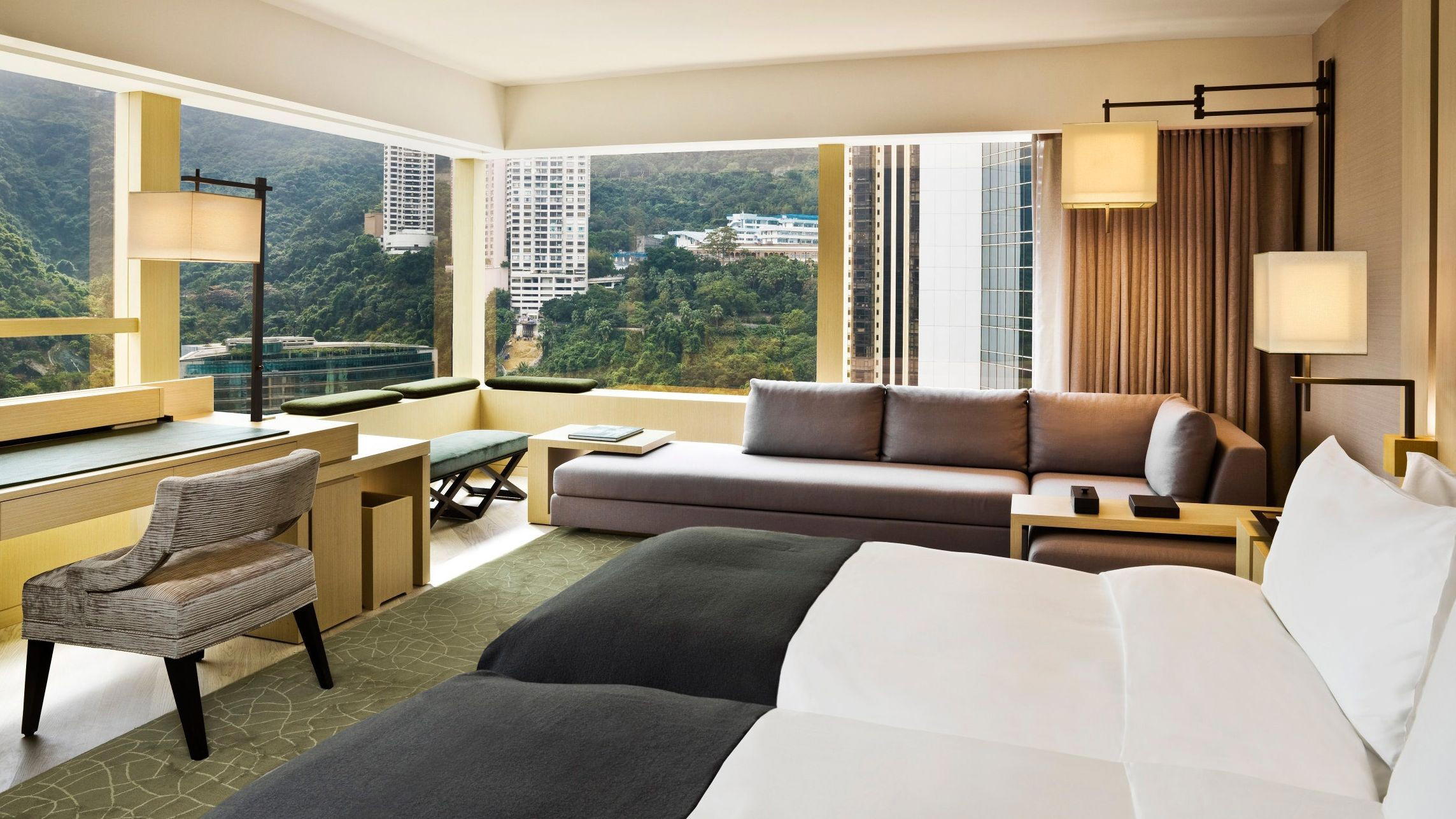
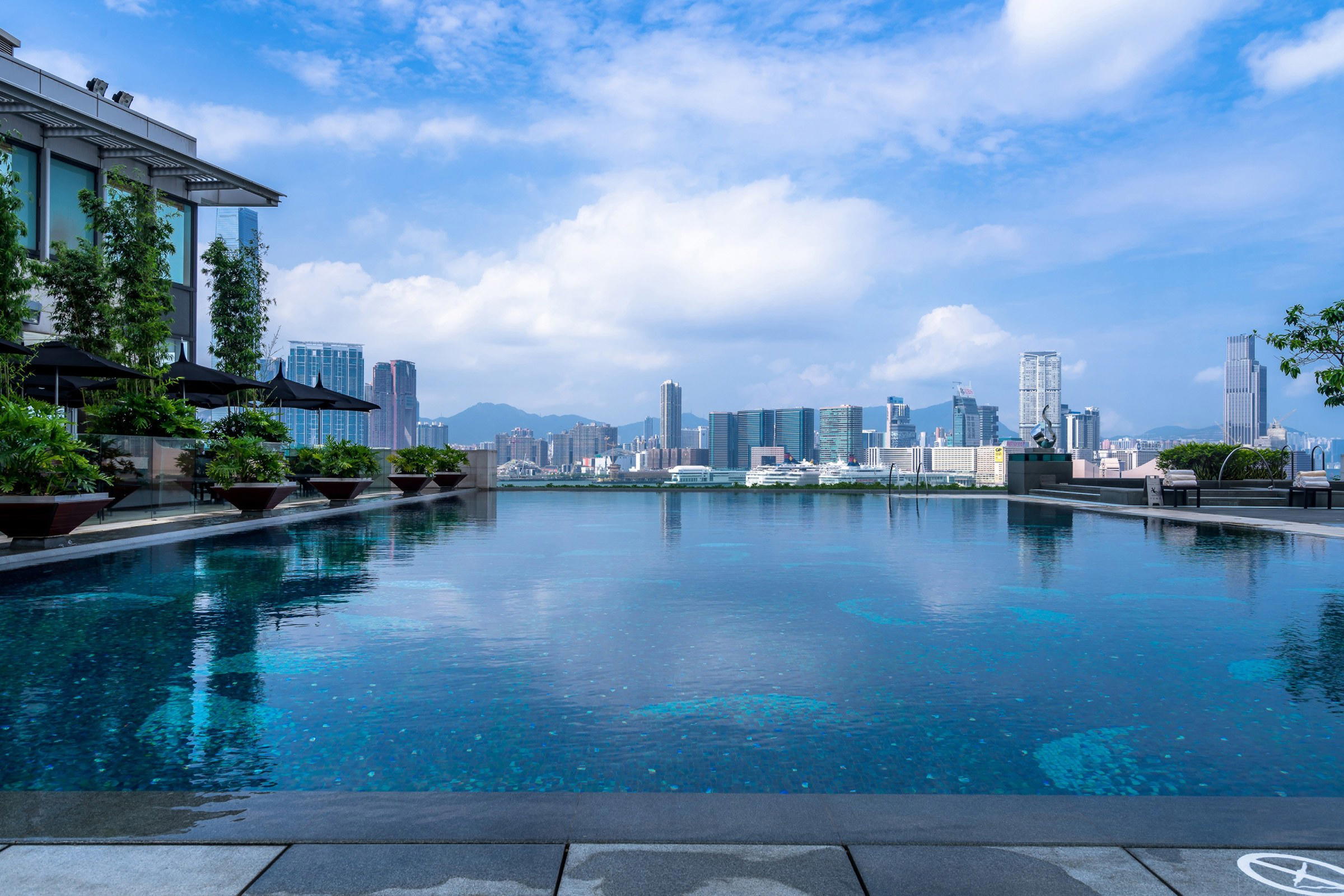
Moody, design-driven dining room with dark wood, metal and glass, sculptures and murals, house music and dim, atmospheric lighting that feels both modern and nostalgic, plus serene, more intimate private rooms themed around milestones in Dr Cheng Yu-Tung’s life.