The Japanese at Gütsch
The Japanese at Gütsch serves contemporary Japanese omakase and kaiseki with mountain views, formal service, and an extended pace suited to lunch or dinner.
Pearl is the En Primeur Club membership app — saves, bookings, and concierge access live there. Same editors, same standards.
- Address
- Gütsch, 6490 Andermatt, Switzerland
- Phone
- +41418887488
- Website
- thechediandermatt.com
- Directions
- Get directions
 Saves & bookings on Pearl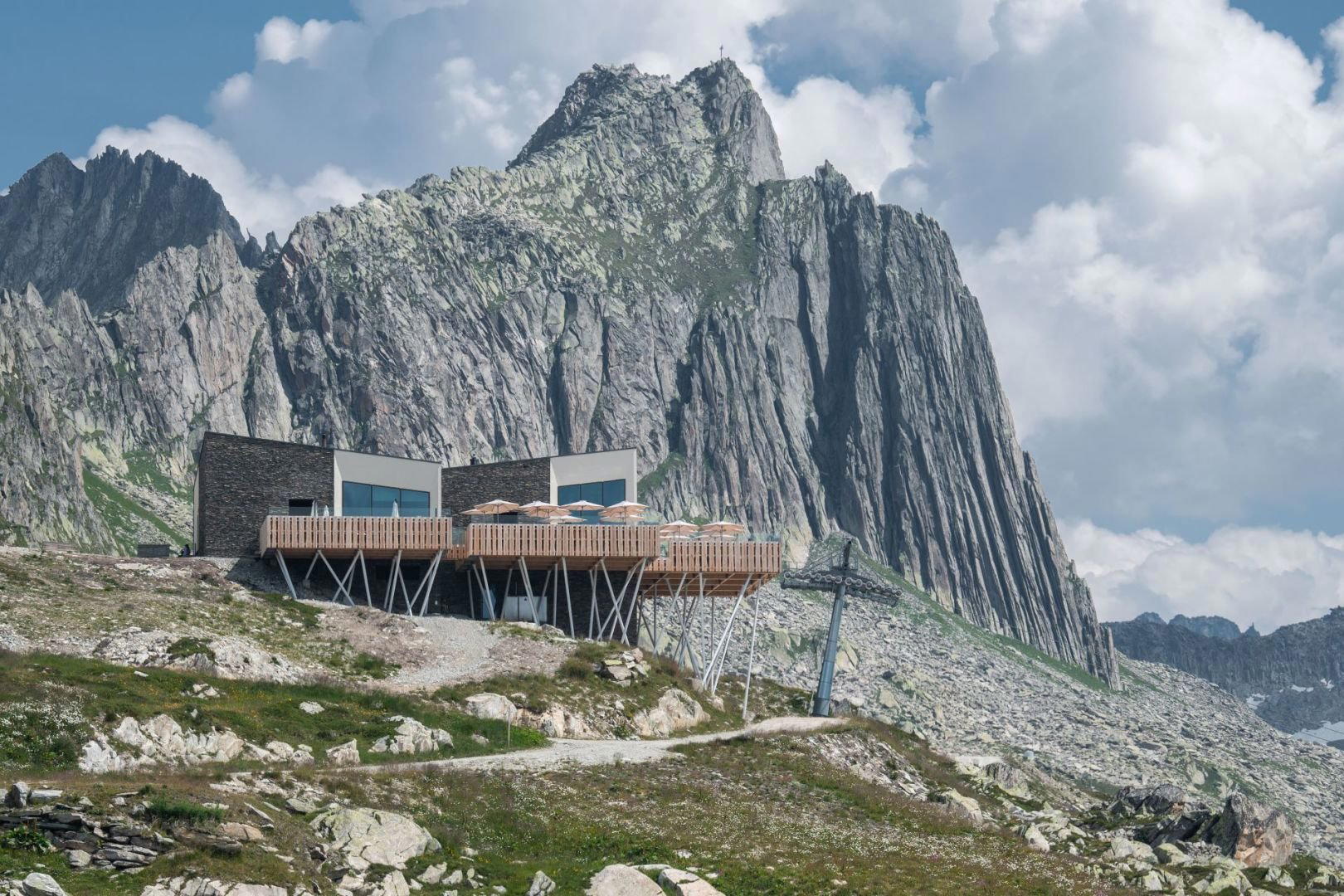
Japanese Precision in the Swiss Alps
Arriving at Gütsch by cable car or mountain path, you reach a position above Andermatt that changes the terms of the meal before you have ordered anything. The altitude, the alpine silence, and the stone-and-timber architecture of the Gütsch complex set a register that few restaurants in Switzerland share. Within that complex, The Japanese at Gütsch occupies a specific niche: Japanese cuisine placed at serious elevation, literally and conceptually, inside a Swiss mountain setting that asks harder questions of ingredient sourcing than almost any lowland dining room would.
Why Sourcing Matters More at Altitude
The broader challenge facing any serious Japanese kitchen outside Japan is provenance. The cuisine is built on precision of raw material: the right grade of fish, the right age of rice, the right mineral content in water for stock. In cities like Tokyo or even Zurich, supply chains for high-grade Japanese product are established. At Andermatt, at roughly 1,440 metres, the calculus shifts. The question is not merely what is on the menu, but what the kitchen can sustain at this address, in this season, at this remove from the major distribution hubs that feed Japan-facing kitchens in Geneva or Basel.
This tension between Japanese culinary demands and alpine geography is what makes The Japanese at Gütsch worth examining. Japanese Contemporary kitchens in Switzerland, including The Japanese Restaurant in the same resort, have increasingly positioned themselves around a dual sourcing logic: premium Japanese imports for core proteins and fermented condiments, and Swiss alpine produce for the seasonal and textural counterpoints. That dual logic, when executed with discipline, produces something more interesting than either tradition alone.
Andermatt's Place in Swiss Alpine Dining
Andermatt has developed into a serious dining destination faster than most alpine towns of comparable size. The investment that transformed the resort brought with it a concentration of dining formats that would be notable in a city three times its population. Within walking distance of The Japanese at Gütsch, you can eat at GÜTSCH by Markus Neff, a Classic French kitchen at the €€€ tier, or at IGNIV by Andreas Caminada, the sharing-format outpost of one of Switzerland's most awarded restaurant groups.
For context on the broader Swiss fine dining environment, the country's highest-profile rooms, from Hotel de Ville Crissier in Crissier to Schloss Schauenstein in Fürstenau and Cheval Blanc by Peter Knogl in Basel, operate in urban or semi-urban settings with the supply infrastructure that implies. Mountain kitchens in Switzerland, by contrast, have historically traded on setting rather than kitchen ambition. Andermatt is attempting to be both, and the restaurant is part of that argument.
The Japanese Format in a Mountain Context
Japanese Contemporary as a category, distinct from traditional omakase or izakaya formats, tends to operate with more flexibility on both sourcing and menu structure. It accommodates seasonal European produce alongside Japanese technique, which makes it better suited to an alpine address than a strictly classical Japanese kitchen would be. The format also allows for a broader price range within a single evening, which matters in a resort context where guests range from multi-night luxury visitors to day-trippers who have come up by cable car for lunch.
Other Swiss mountain rooms have found similar solutions in different culinary traditions. 7132 Silver in Vals and Memories in Bad Ragaz each demonstrate that destination kitchens in smaller Swiss towns can hold their own against urban competition when the setting and the supply discipline are both taken seriously. The restaurant operates within that same argument, just with a different culinary vocabulary.
Comparing the Andermatt Japanese Options
Andermatt now has more than one address making the Japanese cuisine case. The Japanese Restaurant sits at the €€€€ tier with a Japanese Contemporary designation, putting it at the upper end of the resort's dining price band. The Gütsch complex itself hosts multiple concepts, meaning the Japanese kitchen here competes not just with other alpine restaurants but with its immediate neighbours. For guests choosing between them, the question is format and setting rather than broad cuisine category, since both draw on broadly similar Japanese Contemporary traditions.
For comparison beyond Switzerland, the calibre of Japanese Contemporary dining in New York, represented by rooms like Atomix, sets a benchmark for what the format can achieve at its upper edge. The Swiss mountain version is not competing on those terms, but the reference is useful for understanding what the cuisine category is capable of when fully resourced.
Planning Your Visit
The Gütsch position means access is tied to the mountain, and timing your visit around cable car schedules and seasonal openings is a practical consideration that does not apply to urban dining. Andermatt's resort season concentrates demand in winter skiing months and again in summer, when the surrounding hiking terrain draws a different clientele. Booking ahead during peak season is direct logic at any Andermatt restaurant given the constrained seating numbers in mountain venues.
For readers planning a wider Swiss circuit that includes mountain and urban dining, pairing Andermatt with Colonnade in Lucerne or focus ATELIER in Vitznau makes geographic sense given the proximity to central Switzerland. Further east, Da Vittorio in St. Moritz and Einstein Gourmet in Sankt Gallen represent the kind of mountain-adjacent fine dining that can anchor a longer itinerary. For the Andermatt-based IGNIV concept in its Zurich format, IGNIV Zürich by Andreas Caminada gives a useful point of comparison on how the same kitchen group translates to an urban room.
Fast Comparison
Comparable venues nearby, for context on price, style, and recognition.
| Venue | Cuisine | Price | Awards | Notes |
|---|---|---|---|---|
| The Japanese at GütschThis venue — the venue you are viewing | Contemporary Japanese Omakase & Kaiseki | $$$$ | Not listed | Not listed |
| IGNIV by Andreas Caminada | Modern Swiss Sharing | $$$$ | Michelin Plate | Reuss |
| La Bonne Cave Andermatt | Wine Bar with Small Plates | $$$ | Not listed | Andermatt Reuss |
| The Chedi Andermatt | Asian-European Fusion Fine Dining | $$$$ | Not listed | Andermatt |
| GÜTSCH by Markus Neff | Classic French with Regional Influences | $$$$ | Michelin 1 Star | Gütsch |
| The Japanese Restaurant | Modern Japanese Omakase | $$$$ | Michelin 2 Star | Andermatt |
Continue exploring
More in Andermatt
Restaurants in Andermatt
Browse all →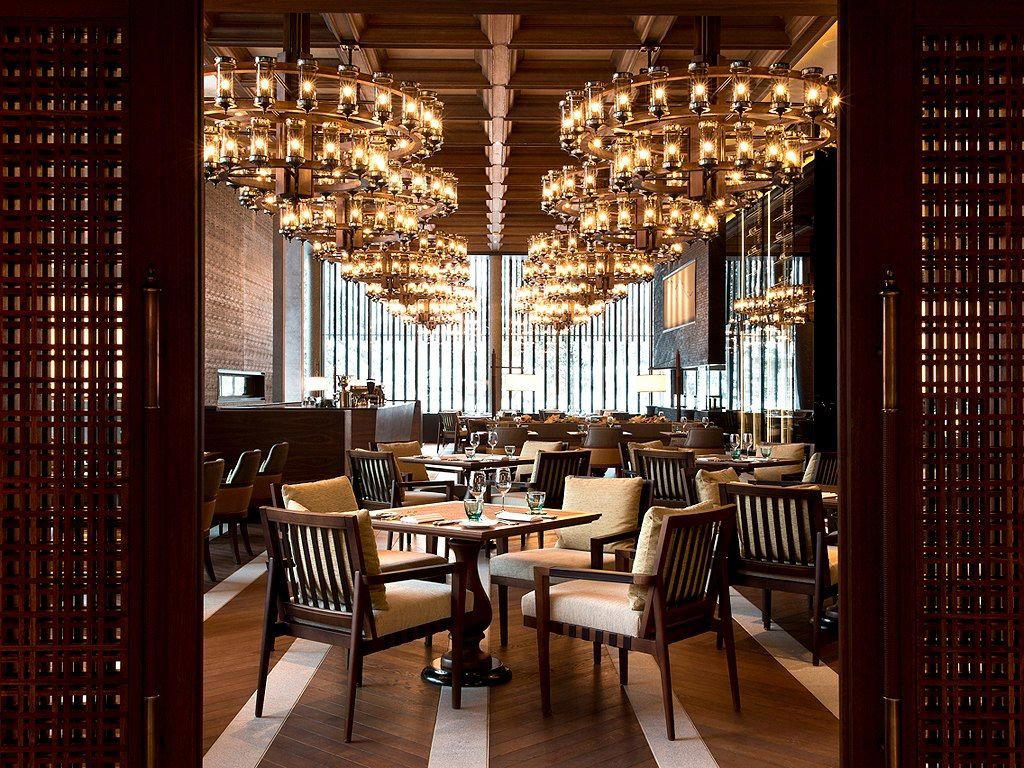
Bars in Andermatt
Browse all →

Hotels in Andermatt
Browse all →
Wineries in Andermatt
Browse all →
At a Glance
- Elegant
- Scenic
- Sophisticated
- Intimate
- Date Night
- Special Occasion
- Celebration
- Panoramic View
- Terrace
- Hotel Restaurant
- Open Kitchen
- Sake Program
- Sommelier Led
- Local Sourcing
- Sustainable Seafood
- Mountain
Current opening hours
- Monday
- Closed
- Tuesday
- Closed
- Wednesday
- 11:30 AM–4 PM
- Thursday
- 11:30 AM–4 PM
- Friday
- 11:30 AM–4 PM
- Saturday
- 11:30 AM–4 PM
- Sunday
- 11:30 AM–4 PM
Hours can change for holidays and private events. Last verified .
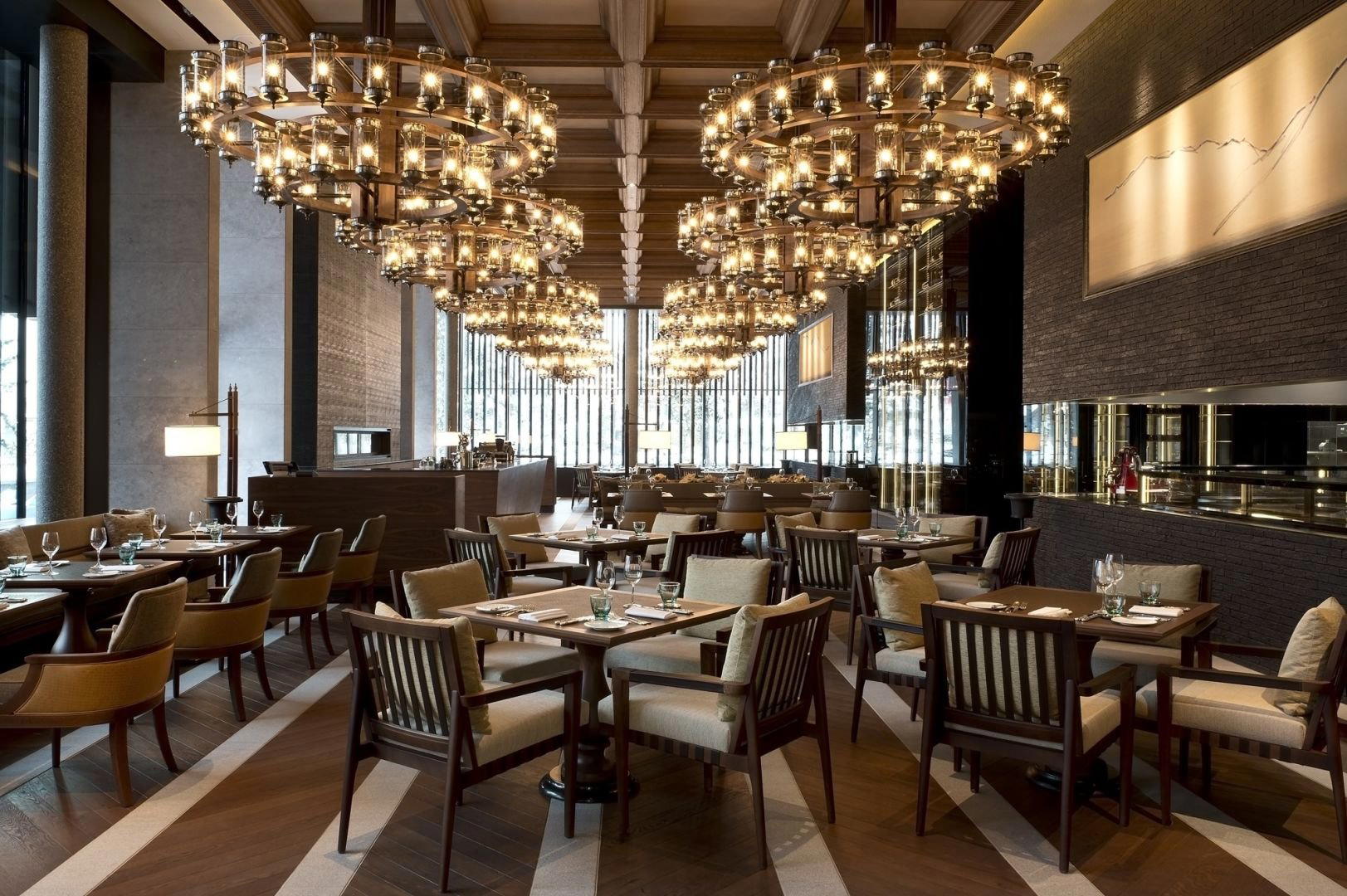
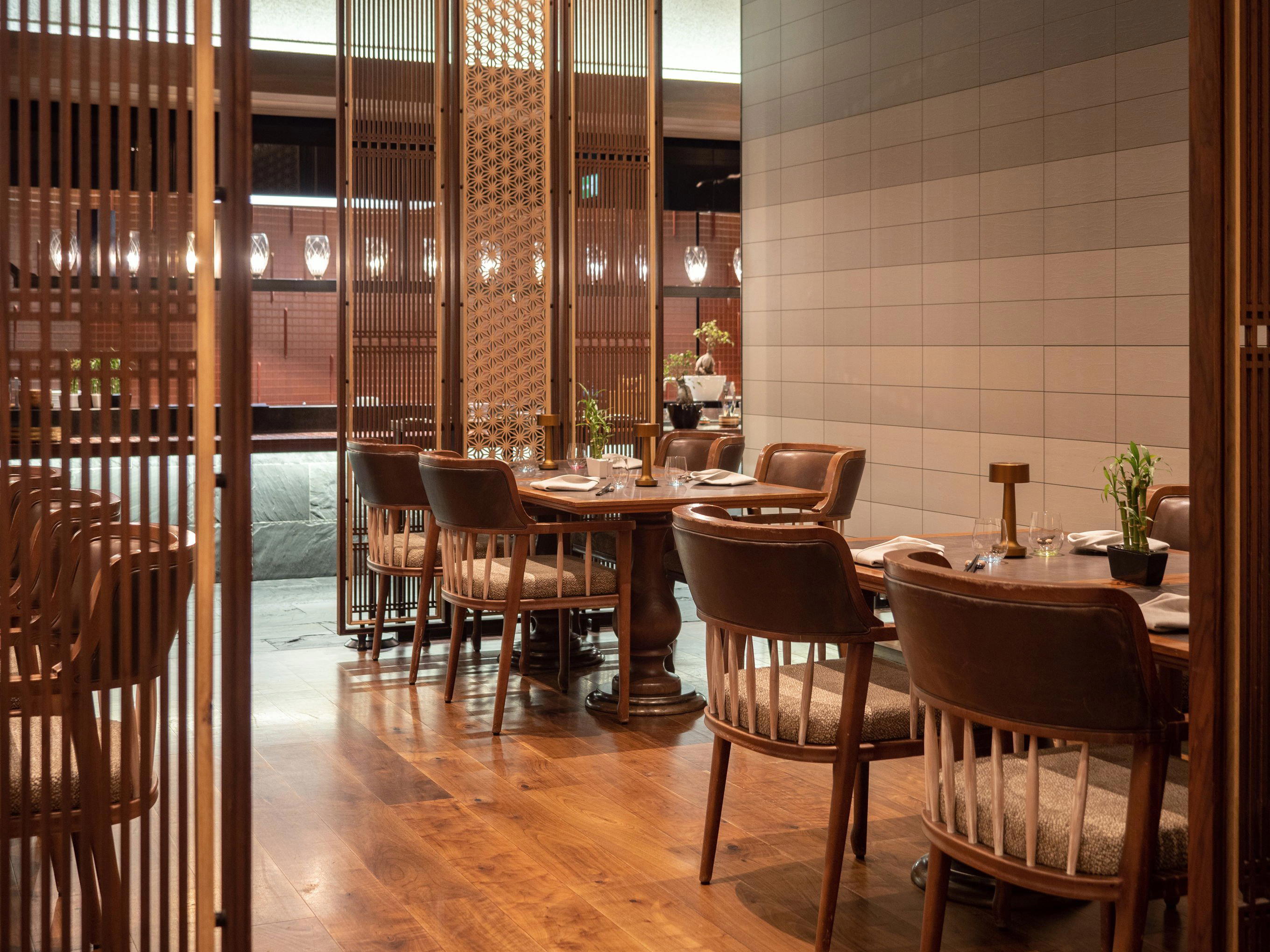
Serene and elegant with traditional Japanese aesthetics, sleek and chic interiors, complemented by a terrace overlooking majestic mountain peaks.