The Huxley
The Huxley occupies a prominent address at 1-3 Rutland Street, a short walk from Edinburgh's West End, and sits in a tier of Edinburgh dining rooms that take their cue from the city's broader shift toward considered, ingredient-led menus. Its presence on Rutland Street places it within easy reach of Princes Street and the financial district, making it a natural reference point for visitors assembling a serious Edinburgh dining itinerary.
Pearl is the En Primeur Club membership app — saves, bookings, and concierge access live there. Same editors, same standards.
- Address
- 1-3 Rutland St, Edinburgh EH1 2AE, United Kingdom
- Phone
- +441312293402
- Website
- thehuxley.co.uk
- Directions
- Get directions
 Saves & bookings on Pearl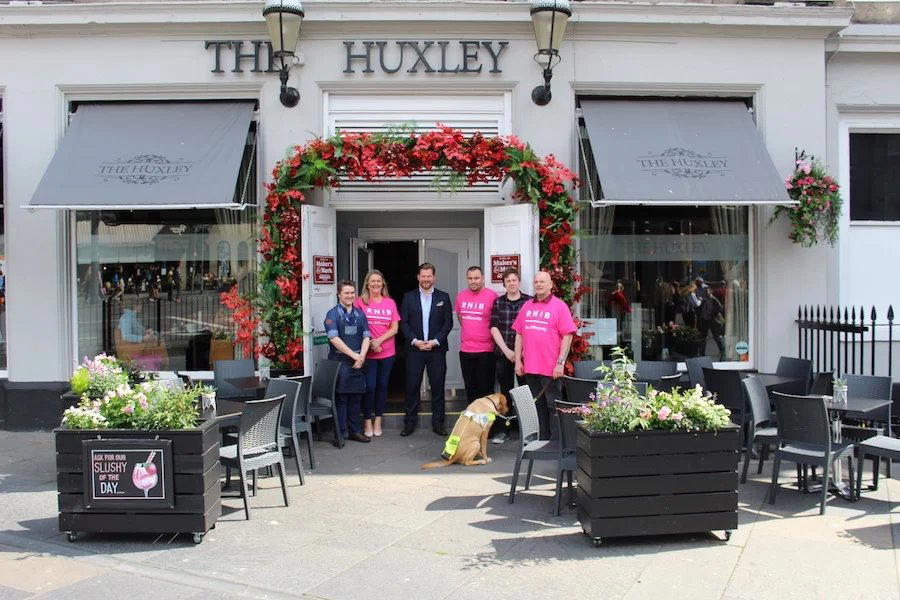
Where the West End Meets the Plate
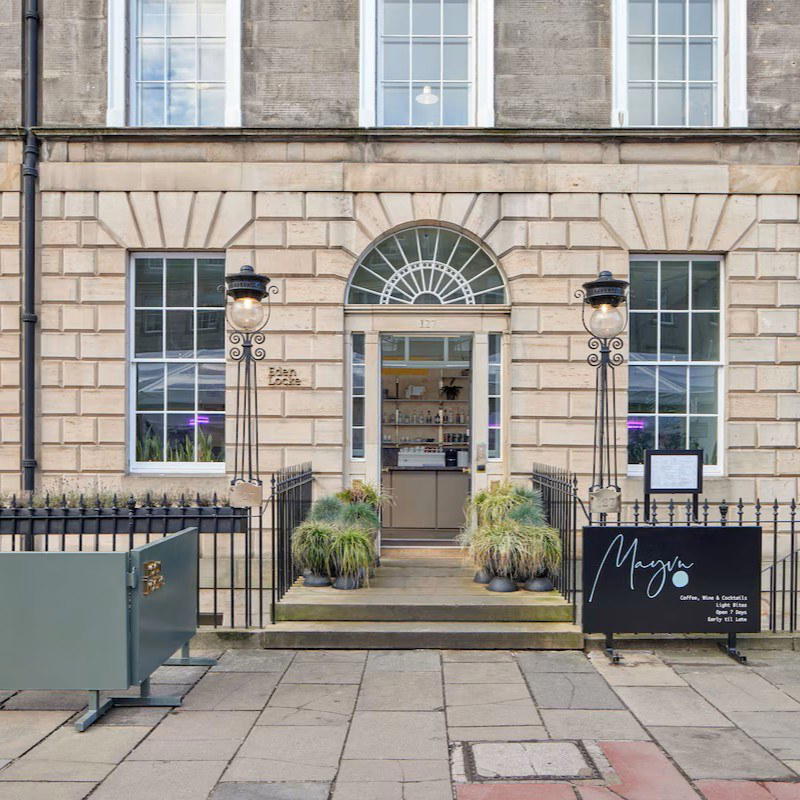
Rutland Street sits at the hinge between Edinburgh's financial core and the West End, a short descent from Lothian Road and a few minutes' walk from Princes Street. The physical approach to The Huxley at 1-3 Rutland Street is shaped by the Georgian sandstone register that defines this part of the city: ground-floor addresses with a certain civic weight, streets that feel purposeful rather than accidental. In Edinburgh's dining geography, this part of the city has historically housed hotel bars and brasseries oriented toward passing trade, which makes the emergence of a more considered dining room here worth examining on its own terms.
Edinburgh's mid-tier and premium dining scene has undergone sustained consolidation over the past decade. Properties that once competed on hospitality familiarity have had to sharpen their culinary identity as the city's restaurant culture grew more sophisticated. Venues such as The Kitchin and Martin Wishart anchored the upper end of that shift, drawing the city's dining expectations upward. The conversation has since broadened: Timberyard introduced a Nordic-influenced sensibility to modern British sourcing, while Condita and AVERY extended the range of creative formats available to diners seeking something beyond tasting-menu convention. The Huxley occupies a different register within that field, a West End address with the profile of a dining room that serves the rhythms of city life rather than special-occasion pilgrimages alone.
Reading the Menu as a Document
The editorial angle most useful for understanding a room like The Huxley is not the chef biography or the origin story: it is the architecture of the menu itself, because menus are the most honest record of what a restaurant thinks it is and who it thinks it is feeding. Edinburgh's current premium dining addresses have split broadly into two structural types. The first is the tasting-menu-only format, where the kitchen controls the entire sequence and the diner surrenders choice in exchange for coherence. The second is the à la carte or hybrid format, where flexibility is built into the structure because the room expects to serve multiple occasions in a single evening: a quick post-theatre dinner, a long business meal, a couple making a decision over a second glass of wine.
Across comparable West End addresses in British cities, the hybrid format tends to produce menus with a recognisable grammar: a snacks or small-plates register at the leading, designed to allow tables to graze or commit; a main section organised by protein or cooking method rather than strict starter-main-dessert sequencing; and a dessert tier that includes at least one simpler option for guests who arrived wanting something light. This structural logic reflects how urban dining rooms balance throughput with experience. It is a more demanding brief than the tasting menu, because the kitchen must deliver coherence across multiple entry points simultaneously. When it works, it reads as generosity. When it does not, it reads as a pub menu with ambition it has not earned.
The broader British dining room of this type, whether in London at CORE by Clare Smyth or at country houses such as Le Manoir aux Quat'Saisons and Moor Hall, has moved toward menus that signal sourcing provenance at every level. The practice of naming farms, fishing boats, or foraging suppliers in menu copy is no longer a point of distinction in the premium tier; it has become a baseline expectation. A dining room that omits this layer of information today reads as either deliberately pared-back or simply behind the curve. Internationally, this conversation is equally present: at Le Bernardin in New York City, ingredient precision on the menu functions as a structural argument about what the kitchen values. At Atomix, also in New York, the menu is literally a card-based presentation of ingredient context. The expectation has globalised.
The Edinburgh Context: What This Address Signals
A Rutland Street address in Edinburgh carries specific connotations. It is not Leith, where the waterfront restaurant cluster around The Shore has built a distinct identity around seafood and post-industrial cool. It is not the Old Town, where tourist density shapes the economics and ambition of most rooms. Rutland Street is a professional-quarter address, adjacent to the hotels and office buildings that cluster around the West End, and it draws accordingly: guests who know what they want, have eaten widely, and are making a deliberate choice rather than a spontaneous one. This is a useful frame for understanding what a menu in this location needs to do. It needs to be confident without being effortful, specific without being exclusionary, and it needs to work as well for a table of two celebrating something as for a group of four wrapping up a working day.
For comparison, Midsummer House in Cambridge operates in an analogous position: a premium address serving a professional and academic city, where the dining room must function across occasion types without losing its culinary identity. Opheem in Birmingham occupies a similarly hybrid civic role. The lesson from those rooms is that the menu architecture must do more communicative work than in a destination-only restaurant, because the audience arrives with more varied expectations.
The comparative reference points outside Scotland are also relevant: L'Enclume in Cartmel, Gidleigh Park in Chagford, Hand and Flowers in Marlow, and hide and fox in Saltwood all demonstrate how regional British rooms with serious ambition carve out durable identities. The Waterside Inn in Bray remains the reference point for classical European discipline in a non-London British context. These rooms succeed because their menus make a clear argument about what the kitchen believes in, and they sustain it across every course.
Know Before You Go
| Address | 1-3 Rutland St, Edinburgh EH1 2AE, United Kingdom |
|---|---|
| Neighbourhood | West End / Lothian Road, Edinburgh |
| Getting There | Walking distance from Princes Street; Haymarket station is the nearest rail stop, approximately 10 minutes on foot |
| Booking | |
| Dress Code | Not formally stated; West End dining rooms of this type typically expect smart casual |
- Gourmet hot dogs
- Chuck steak burgers
- Scotch egg with venison and black pudding
- Sausage roll with spicy lamb
- Brioche French toast with bacon and maple syrup
- Brisket sandwich
- Crispy haddock tacos
How The Huxley Edinburgh compares with similar nearby venues.
| Venue | Cuisine | Price |
|---|---|---|
| aizle | Modern Cuisine | £££ |
| Dulse | Seafood | ££ |
Continue exploring
More in Edinburgh
Restaurants in Edinburgh
Browse all →
Bars in Edinburgh
Browse all →
At a Glance
- Modern
- Lively
- Trendy
- Sophisticated
- Casual Hangout
- After Work
- Brunch
- Group Dining
- Family
- Standalone
- Historic Building
- Design Destination
- Craft Cocktails
- Beer Program
- Local Sourcing
- Street Scene
Current opening hours
- Monday
- 8 AM–11 PM
- Tuesday
- 8 AM–11 PM
- Wednesday
- 8 AM–11 PM
- Thursday
- 8 AM–11 PM
- Friday
- 8 AM–12 AM
- Saturday
- 8 AM–12 AM
- Sunday
- 8 AM–11 PM
Hours can change for holidays and private events. Last verified .
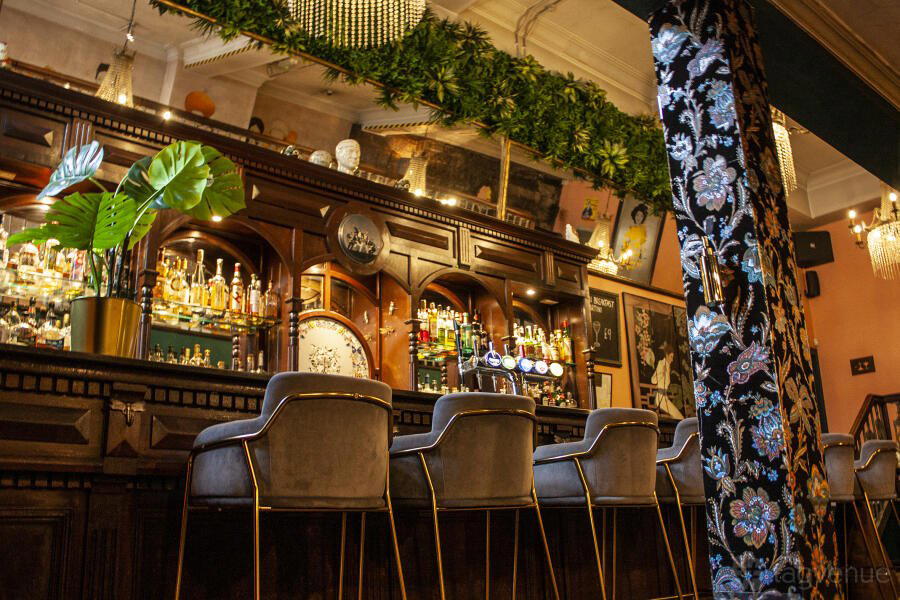
Bright and cosy interior blending retro Americana with Art Deco and 70s patterns; lively atmosphere with large windows onto busy Princes Street; sophisticated yet playful ambience.
Know Before You Go
- Getting there
- 1-3 Rutland St, Edinburgh EH1 2AE, United Kingdom