The Hudson Cafe
Our verdict
The Hudson Cafe sits along Troy's Somerset Collection corridor, where Michigan's suburban dining scene has quietly grown more ambitious. The cafe format here intersects local sourcing with technique-forward preparation, placing it in a broader conversation about how Midwest ingredients meet global culinary methods. For Troy, it represents the kind of neighborhood anchor that rewards repeat visits across seasons.

Pearl is the En Primeur Club membership app — saves, bookings, and concierge access live there. Same editors, same standards.
- Address
- 700 W Big Beaver Rd, Troy, MI 48084
- Phone
- (248) 509-7695
- Hours
- Daily 8 AM–3 PM
- Website
- hudson-cafe.com
- Directions
- Get directions
- Booking
- Book on OpenTable
Troy's Dining Corridor and Where the Hudson Cafe Sits Within It
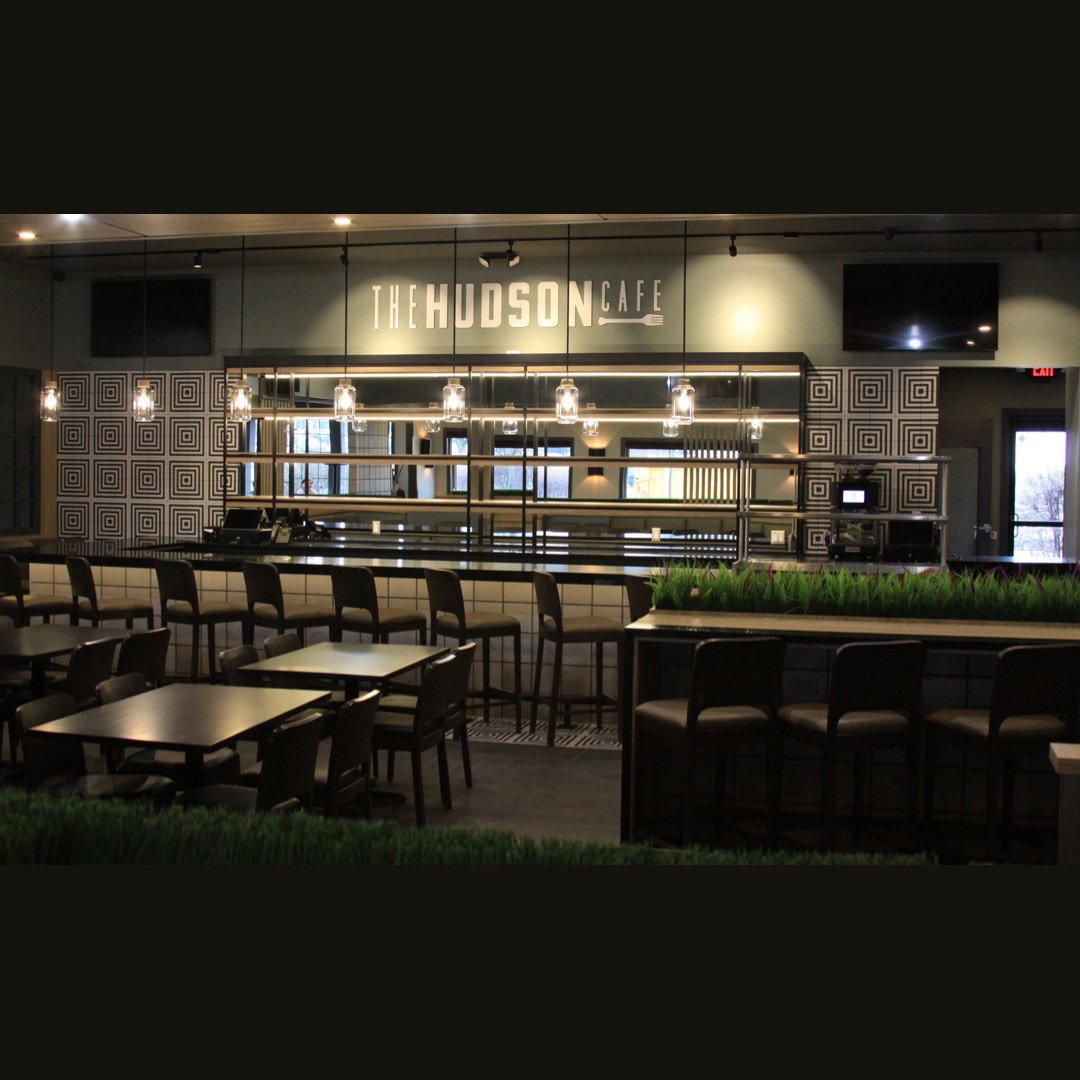
The stretch of Big Beaver Road running through Troy, Michigan has evolved considerably over the past decade. What was once a reliably predictable suburban restaurant row — chain anchors, a few regional standbys — has gradually accommodated more considered dining options, each making a different argument about what suburban Metro Detroit eating can look like. The Hudson Cafe, at 700 W Big Beaver Rd, occupies that corridor with a format that reads as cafe in name but aspires to something more deliberate in practice.
Troy's dining scene clusters into a few distinct tiers. On one end, you have the established regional players: Mon Jin Lau has held its position as a local institution for Asian-American cooking, and Ashoka Indian Cuisine draws a loyal following for South Asian cooking. On the more contemporary end, Grand Tavern and Kona Grill - Troy push toward polished American formats with broader menus. The Hudson Cafe occupies a space between these poles, more casual than a full-service dining room, more intentional than a quick-serve counter. For a fuller picture of how these venues map against each other, our full Troy restaurants guide breaks down the field by format and price tier.
The Intersection of Local Products and Imported Method
The broader story of ambitious cafe dining in the American Midwest is, in many ways, a story about technique traveling faster than ingredients used to. Culinary approaches refined at destination restaurants, the kind of farm-to-table discipline practiced at Blue Hill at Stone Barns in Tarrytown or the hyper-local sourcing philosophy embedded in operations like Single Thread Farm in Healdsburg, have filtered into regional markets in compressed timeframes. What once required a flight to New York or California can now appear, in adapted form, in suburban Michigan.
Michigan's agricultural calendar is genuinely rich: Great Lakes whitefish and perch from commercial fisheries, cherries and apples from the northwestern Lower Peninsula, a growing network of small farms supplying restaurants within a few hours of Detroit. The editorial tension in Troy, as in similar suburban markets, is whether a venue is actually drawing on that regional supply chain or simply invoking the language of local sourcing without the operational commitment. The Hudson Cafe's positioning along the Big Beaver corridor suggests a middle-ground approach, a cafe format that gestures toward ingredient awareness without the full apparatus of a farm-driven tasting menu program.
That middle-ground is, arguably, where most diners actually eat. The formal temples of technique, Alinea in Chicago, The French Laundry in Napa, Le Bernardin in New York City, matter as reference points and training grounds, but they are not where the daily conversation about American eating happens. That conversation happens in places like the Hudson Cafe: accessible formats in suburban corridors, where the cumulative choices of a kitchen about sourcing, preparation, and presentation add up to something meaningful without requiring a four-hour commitment or a three-month advance booking.
Seasonal Timing and the Troy Dining Calendar
For the Metro Detroit area, the seasonal argument for cafe dining is most coherent from late spring through early autumn. Michigan's agricultural output peaks in this window, stone fruits arrive in July, sweet corn and tomatoes follow in August, and the first cool-weather crops extend the local-ingredient story into October. A cafe operating with any genuine seasonal awareness will reflect these shifts on the plate, even in modest ways: a fruit preparation that changes by the month, a vegetable preparation that acknowledges what's actually available rather than defaulting to year-round commodity sourcing.
Winter dining in Troy defaults more heavily toward comfort-format cooking, and the suburban corridor tends to thin out in January and February as the city's restaurant scene contracts slightly around the colder months. If the seasonal angle matters to your visit, the late-summer window offers the most coherent version of what a locally-inflected menu can deliver in this region.
The Big Beaver corridor also sees significant foot traffic from the Somerset Collection, one of Metro Detroit's primary luxury retail anchors. Lunch and weekend brunch windows tend to draw a higher volume of proximity diners, shoppers extending a retail visit into a meal, while weekday dinner operates at a lower and often more considered pace. That rhythm is worth factoring into when you visit if atmosphere and attentiveness matter more than convenience.
How the Hudson Cafe Compares Within Troy's Field
Positioned against Troy's current dining options, the Hudson Cafe fits a category that's underrepresented in the suburb: the mid-register cafe that takes food seriously without the formality of a full-service restaurant. NM Cafe, attached to the Neiman Marcus at Somerset, occupies adjacent territory in terms of format and clientele but carries the constraints of a retail anchor context. The Hudson Cafe operates independently of that retail logic, which gives it somewhat more latitude in how it positions the menu and the dining experience.
Against national comparators in the chef-driven, technique-forward mid-casual tier, venues like Lazy Bear in San Francisco, Emeril's in New Orleans, or the more approachable end of operations like Providence in Los Angeles, the Hudson Cafe is operating at a very different scale and ambition level. The comparison is not one of equivalence but of direction: the question is whether the kitchen's choices signal a genuine engagement with ingredient quality and preparation discipline, or whether the cafe format is largely surface-level.
Other ambitious American destinations worth measuring against for technique and sourcing commitment include Atomix in New York City, Addison in San Diego, and The Inn at Little Washington in Washington, all of which represent the far end of that spectrum. Internationally, the conversation about local-ingredient discipline intersects with global technique at places like 8 1/2 Otto e Mezzo Bombana in Hong Kong, where European classical training meets Asian market sourcing at a high level. The Hudson Cafe is not in that conversation, but understanding where that bar sits helps calibrate expectations for what mid-market American cafe dining can reasonably deliver.
Planning Your Visit
The Hudson Cafe is located at 700 W Big Beaver Rd in Troy, Michigan 48084, accessible from the Somerset Collection area with direct parking in the surrounding commercial district. Given the proximity to the mall and the lunch-hour foot traffic that generates, arrival at off-peak times, mid-morning on weekdays, or early evening rather than peak lunch, tends to translate into a quieter, more attentive experience.
Frequently asked questions
What part of town is The Hudson Cafe in?
The Hudson Cafe is located at 700 W Big Beaver Rd, Troy, MI 48084, Troy.
Is The Hudson Cafe near the Somerset Collection in Troy, MI?
The Hudson Cafe is located at 700 W Big Beaver Rd in Troy, Michigan 48084, which places it within the Somerset Collection commercial corridor, one of Metro Detroit's primary retail and dining zones. That proximity makes it a practical stop for visitors to the area who want a sit-down cafe option without leaving the Big Beaver Road stretch. Parking in the area is generally accessible given the suburban format of the corridor.
What's the must-try dish at The Hudson Cafe?
Confirmed menu data for the Hudson Cafe is not on file, so pointing to a specific preparation would be speculative. What the cafe's placement on Troy's Big Beaver Road corridor does suggest is a kitchen oriented toward the mid-register dining category, where approachable execution and locally sourced ingredients tend to drive the daily offer. Checking current specials on arrival or contacting the venue directly at 700 W Big Beaver Rd is the most reliable way to get an accurate read on what's performing well.
Should I book The Hudson Cafe in advance?
Troy's Big Beaver Road sees concentrated weekend lunch traffic tied directly to the Somerset Collection retail district, which sits within close proximity of 700 W Big Beaver Rd. That volume makes advance planning sensible, particularly for weekend midday visits or larger parties. Calling ahead or arriving during off-peak hours on weekdays is the practical way to avoid a wait.
Similar Picks
Comparable venues nearby, for context on price, style, and recognition.
| Venue | Cuisine | Price | Notes |
|---|---|---|---|
| The Hudson CafeThis venue — the venue you are viewing | American Grill | $10–20 | Not listed |
| Recipes | American Breakfast & Brunch Cafe | $10–20 | Troy |
| Grand Tavern | Modern American | $20–30 | Troy |
| Ashoka Indian Cuisine | North Indian, South Indian & Moghali Cuisine | $10–20 | Troy |
| Kona Grill - Troy | American Grill with Sushi | $30–50 | Big Beaver |
| Mon Jin Lau | Nu-Asian Fusion with Sushi | $30–50 | Troy |



Details
- Casual Hangout
- A La Carte
Current opening hours
- Monday
- 8 AM–3 PM
- Tuesday
- 8 AM–3 PM
- Wednesday
- 8 AM–3 PM
- Thursday
- 8 AM–3 PM
- Friday
- 8 AM–3 PM
- Saturday
- 8 AM–3 PM
- Sunday
- 8 AM–3 PM
Hours can change for holidays and private events. Last verified .
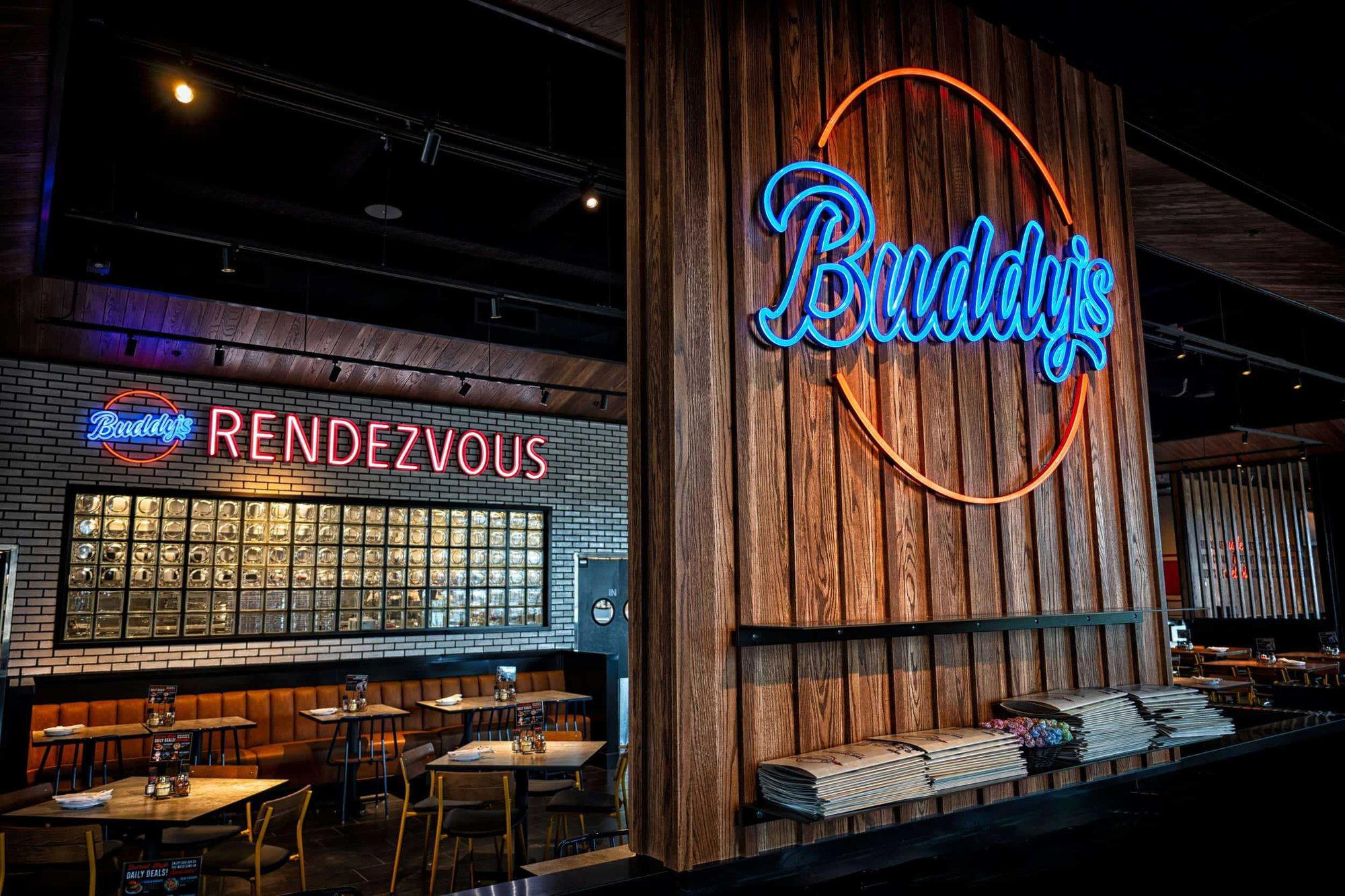
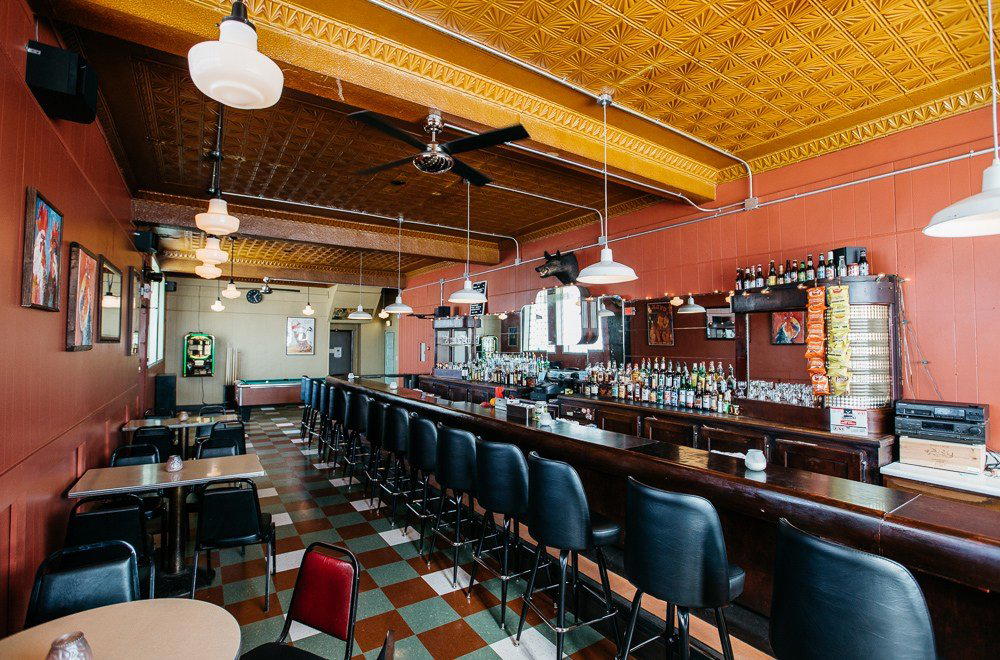
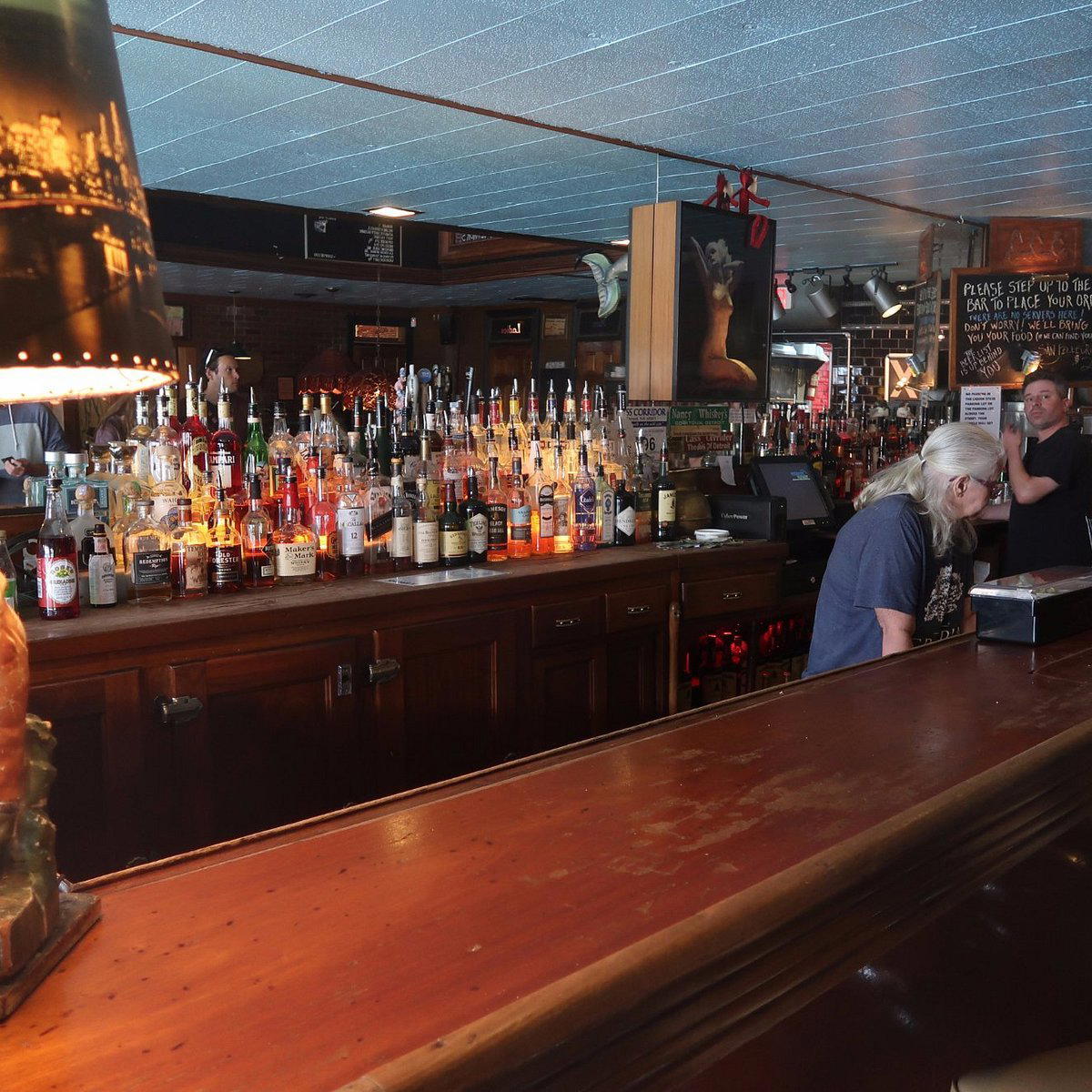
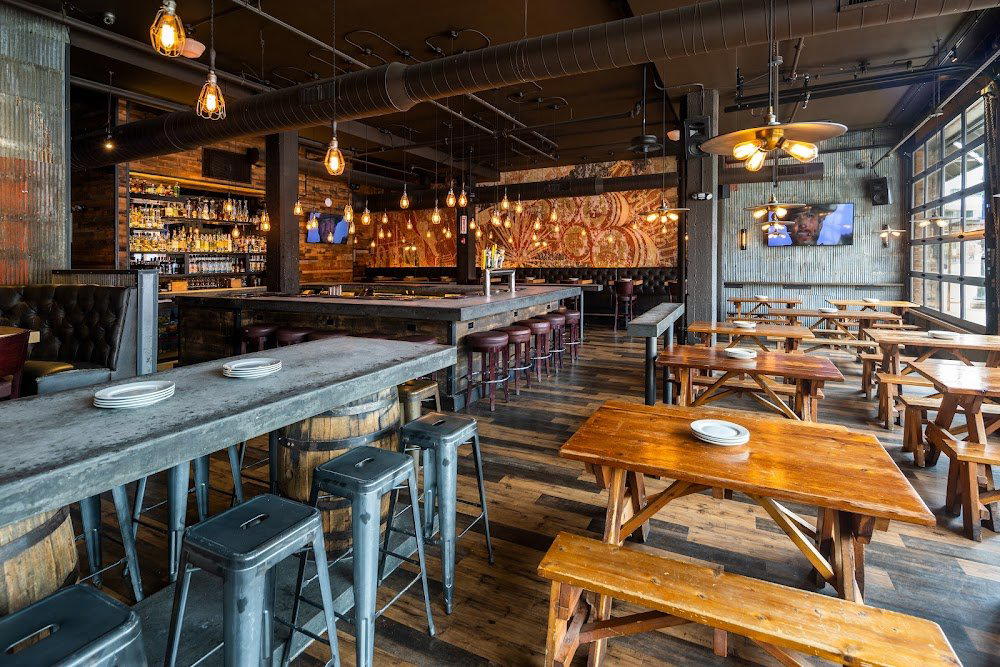
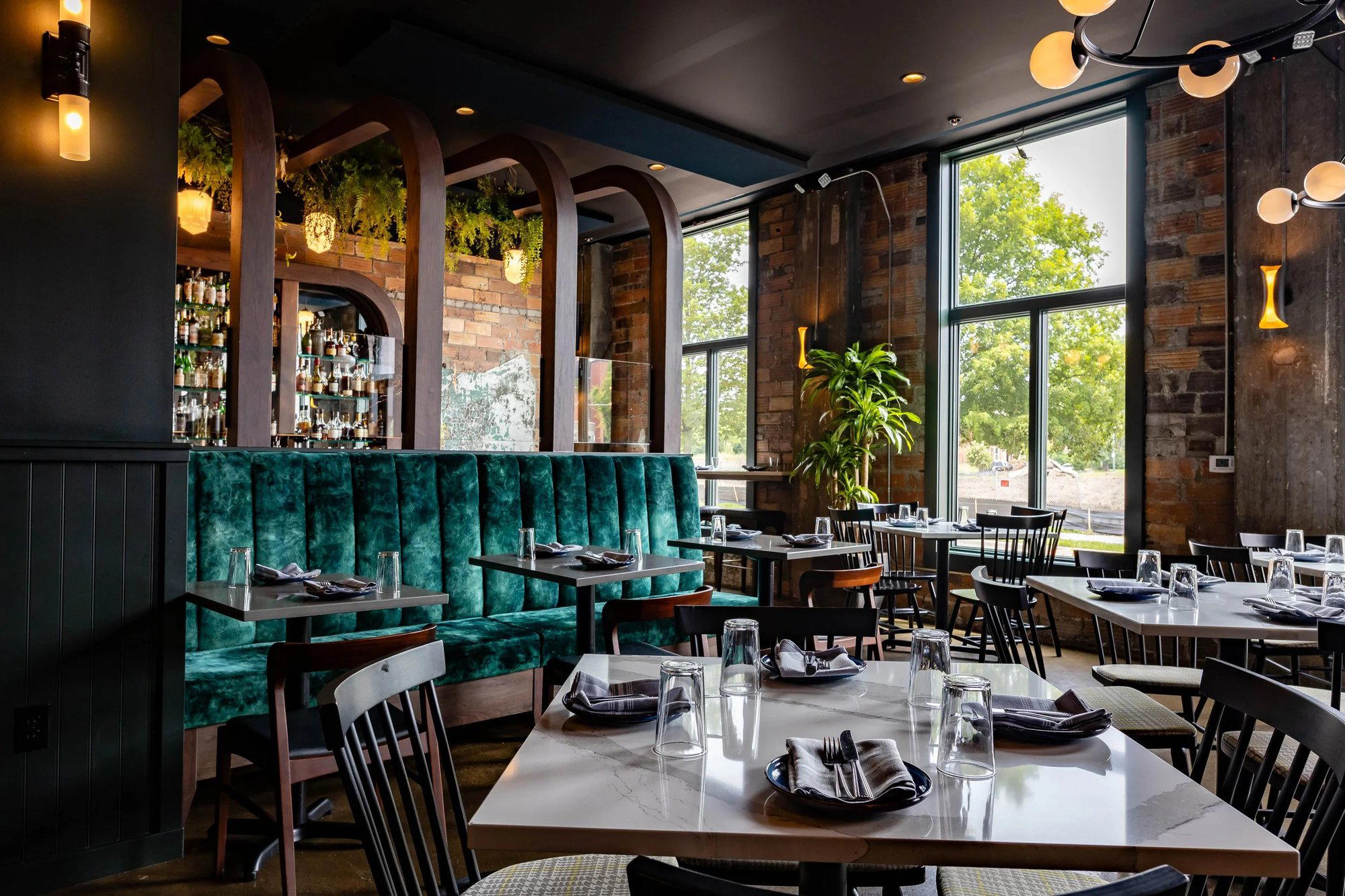
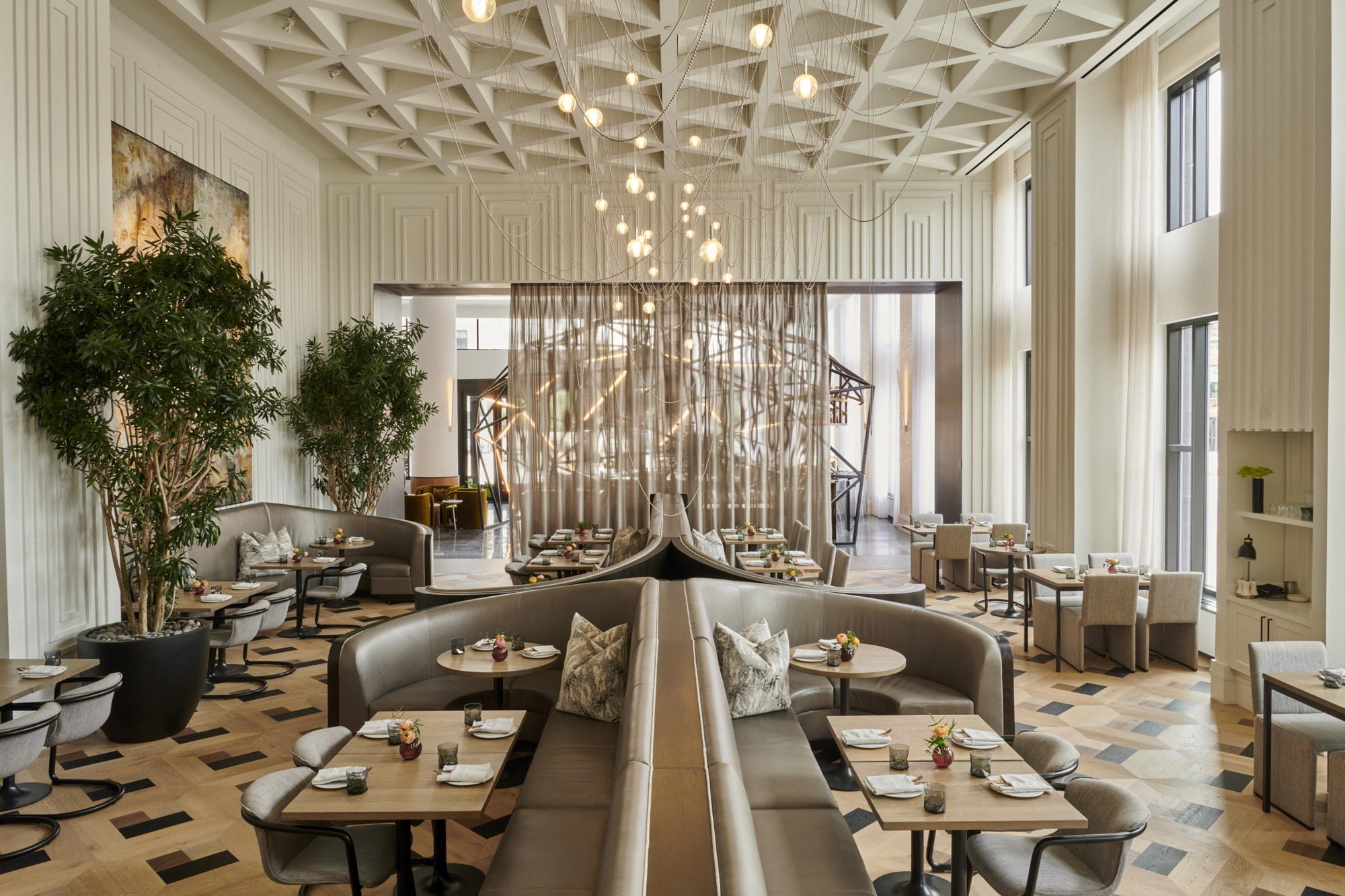
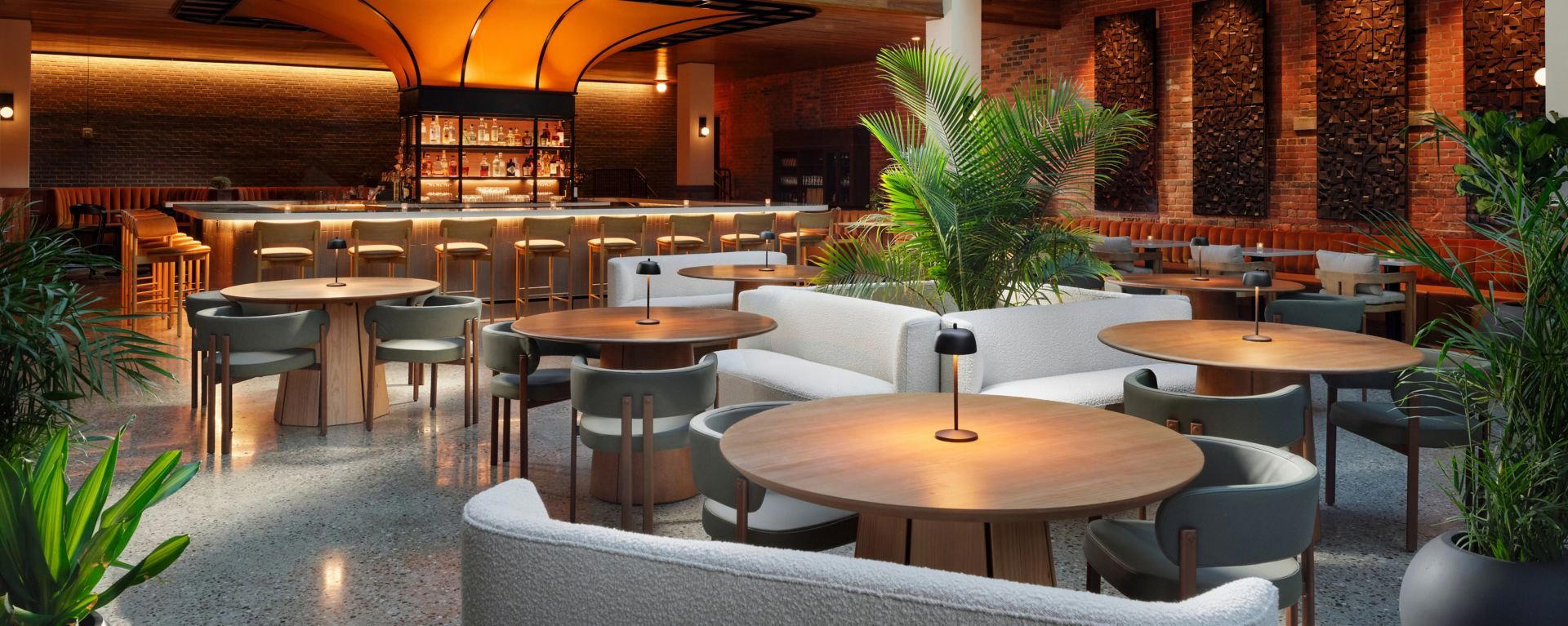
Casual and welcoming with standard lighting suitable for everyday meals.