Polish Village Cafe

Polish Village Cafe on Yemans Street sits at the center of Hamtramck's enduring Polish-American identity, serving the kind of hearty, unfussy Central European food that has anchored this community for generations. The dining room draws a cross-section of longtime residents and curious visitors in roughly equal measure. It is the sort of place that makes sense only when you understand the neighborhood that shaped it.
Pearl is the En Primeur Club membership app — saves, bookings, and concierge access live there. Same editors, same standards.
- Address
- 2990 Yemans St, Hamtramck, MI 48212
- Phone
- +1 313 874 5726
- Website
- polishvillage.cafe
- Directions
- Get directions
 Saves & bookings on Pearl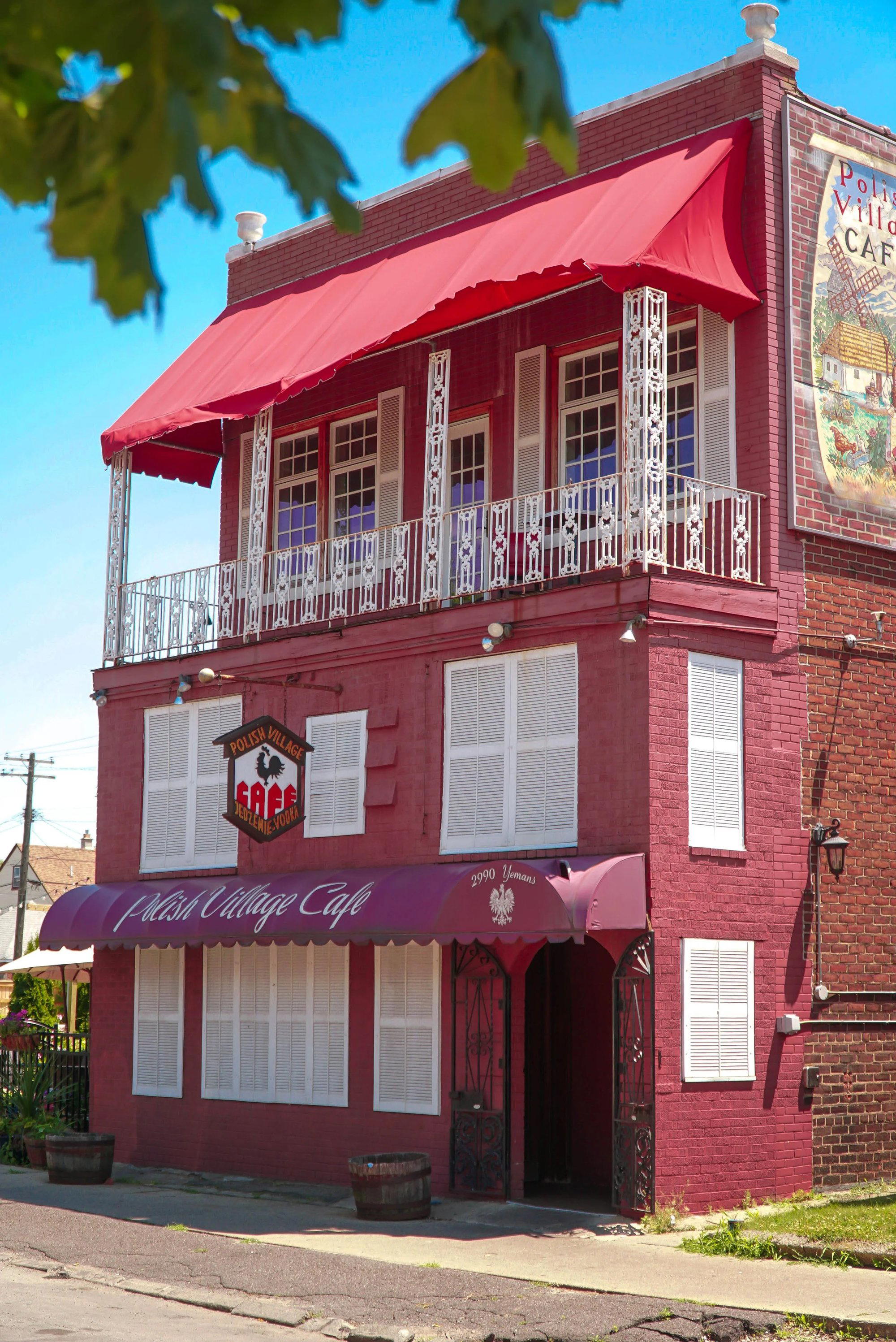
Hamtramck and the Polish Table It Kept Alive
Hamtramck is a small, densely packed city entirely surrounded by Detroit, and its dining culture reflects the layered immigration history that has defined it since the early twentieth century. Polish workers arrived en masse during the Ford and Dodge manufacturing booms, and the food they brought with them, pierogi, bigos, żurek, stuffed cabbage, became embedded in the everyday fabric of the city in a way that outlasted the factories. That food is not a historical artifact here. It is still being cooked, ordered, and eaten by people for whom it is simply lunch.
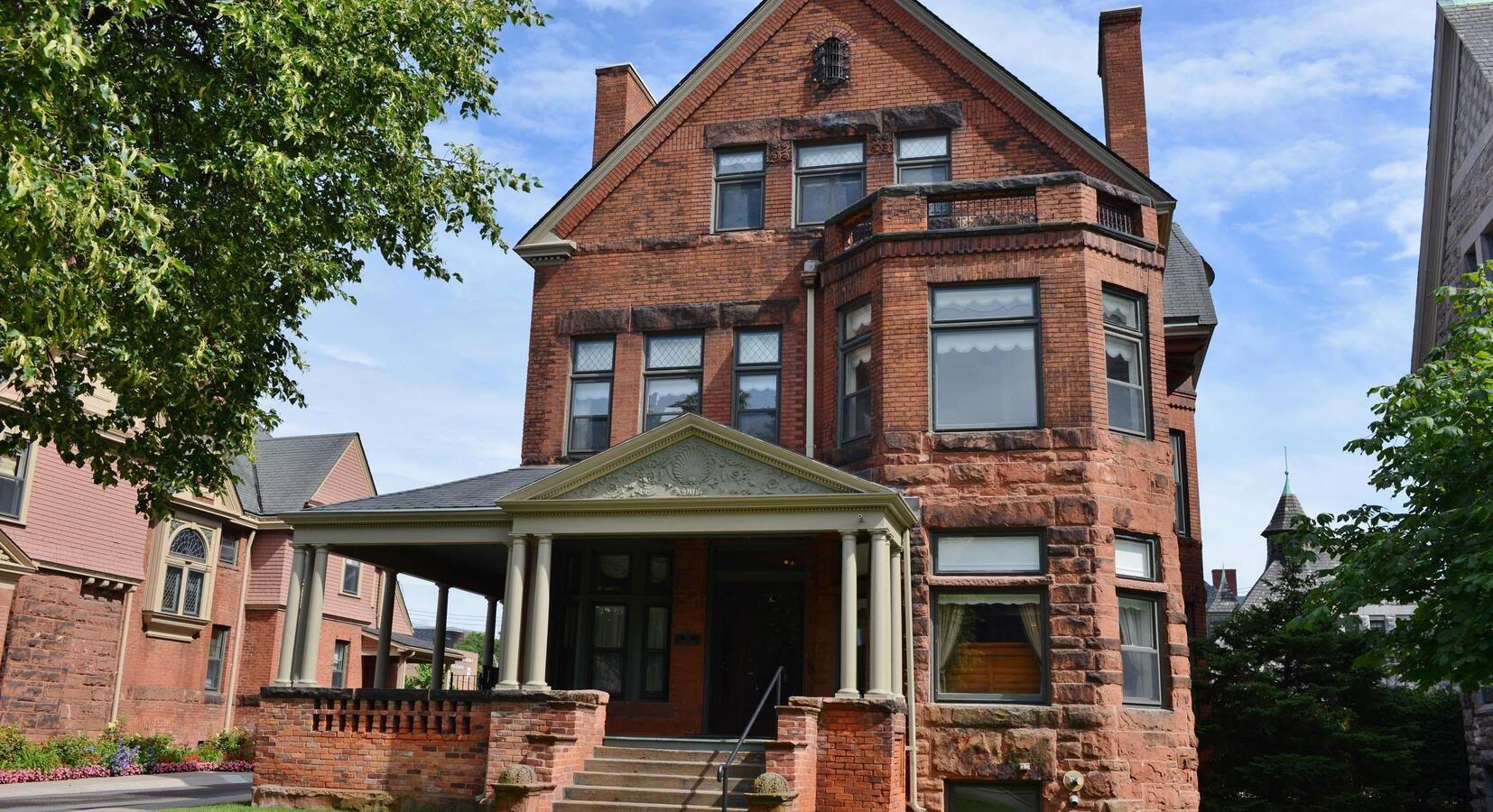
Polish Village Cafe on Yemans Street sits squarely inside that tradition. The address, a residential-scale street in a neighborhood that has never tried to make itself look like anything other than what it is, tells you something before you walk through the door. This is not a Polish restaurant dressed up for a downtown dining audience. It belongs to Hamtramck in the same way the corner bakeries and the St. Florian church spire belong to it: functionally, without affectation.
What the Room Tells You
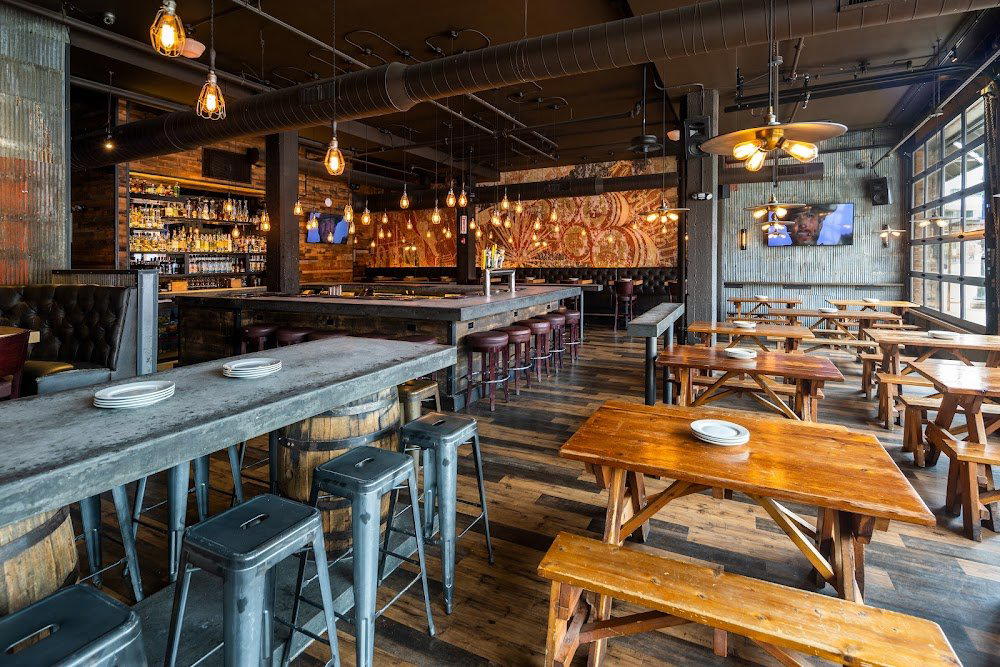
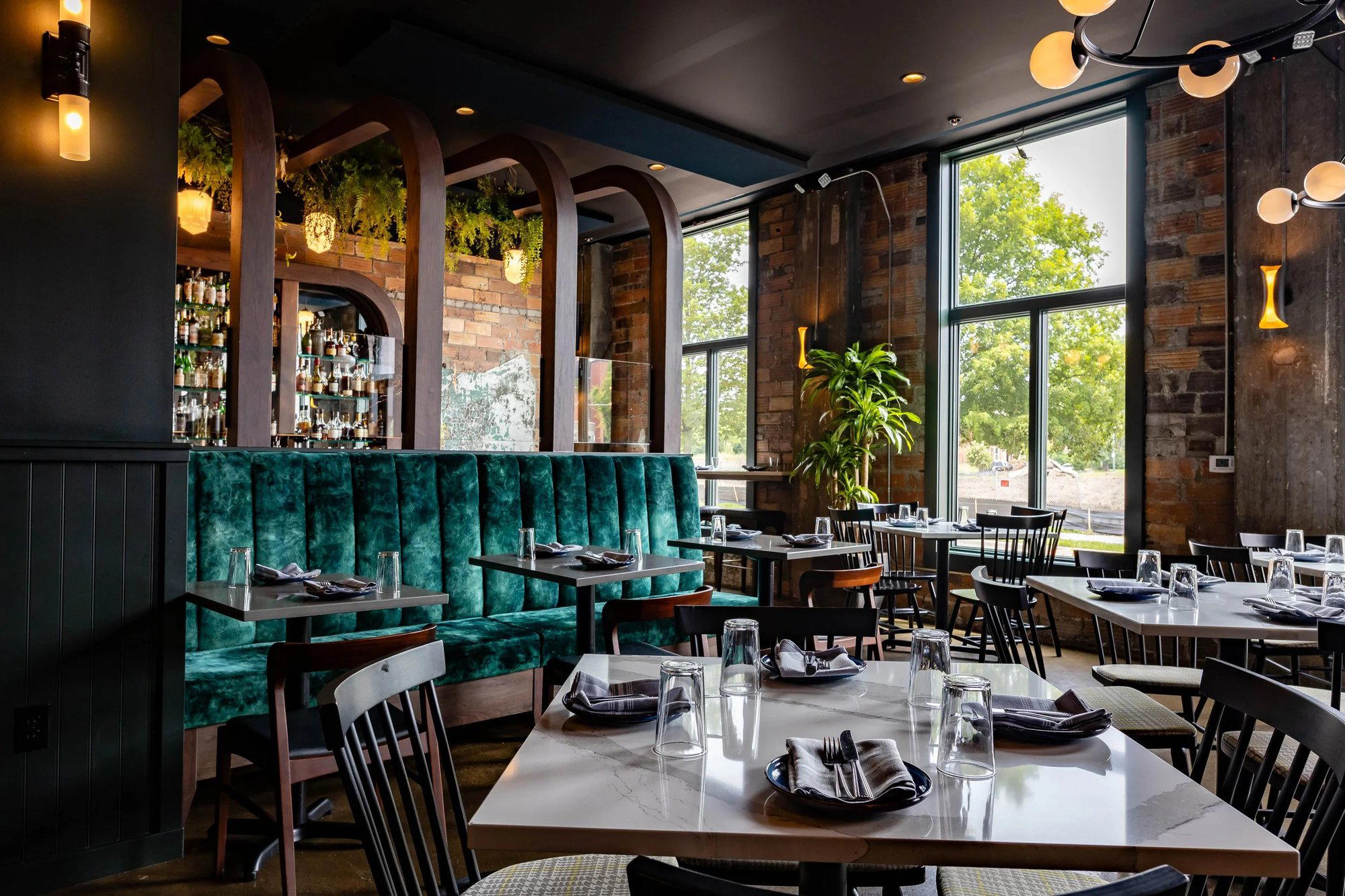
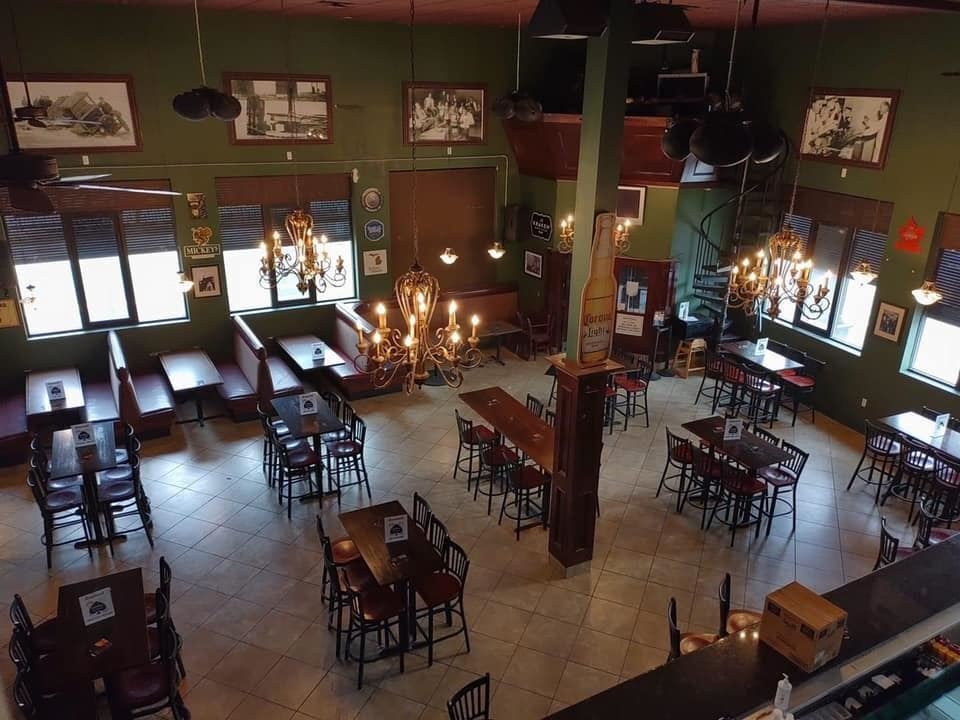
Central European immigrant dining rooms of this type share a particular visual logic. The interiors tend toward functionality over design, the kind of space where the priority was always the food on the table, not the lighting above it. Polish Village Cafe operates in that register. The atmosphere is closer to a neighborhood hall than to a contemporary dining concept, and that is precisely the point. In American cities where Polish-American communities have thinned out, the equivalent spaces have mostly closed or been converted. Hamtramck kept them because the community kept them. The cafe exists as evidence of that continuity.
The clientele at a place like this tends to span decades in a way that more trend-sensitive restaurants do not. Older regulars who have been eating here for years sit alongside younger residents and visitors who arrived in Hamtramck via the city's more recent Bangladeshi, Yemeni, and Bosnian immigration waves. That demographic layering is characteristic of Hamtramck as a whole, a city that has absorbed successive waves of working-class immigrants without losing the architectural or culinary traces of the ones who came before.
Polish-American Food at This Price Point and in This Context
The broader Polish-American dining tradition in the United States has split into roughly two formats. On one end sit upscale interpretations, where chefs apply contemporary technique to Central European ingredients, plating beet soup with the precision and portion logic of a tasting menu. On the other end sits the community institution, where the food is cooked at volume, priced accessibly, and evaluated by standards that have nothing to do with culinary trend cycles. Polish Village Cafe belongs firmly to the second category.
That positioning is worth taking seriously as a critical stance, not just a description. The restaurants that hold this kind of space in American immigrant communities are under sustained pressure from rising rents, generational turnover, and the economics of cooking scratch food at neighborhood prices. That Polish Village Cafe continues to occupy its Yemans Street address is, in the context of what has happened to similar institutions in Detroit and its surroundings, a meaningful data point about Hamtramck's particular civic character.
For visitors whose reference points for serious American dining run toward places like Le Bernardin in New York City, Lazy Bear in San Francisco, Smyth in Chicago, or The French Laundry in Napa, a meal at Polish Village Cafe operates on an entirely different axis of evaluation. The ambition here is fidelity to a cooking tradition, not innovation within one. Those are different projects, and conflating them produces unhelpful comparisons. The same logic applies across the community-institution tier: Emeril's in New Orleans and Providence in Los Angeles are doing something categorically different, and price or format comparison between those restaurants and a Hamtramck neighborhood cafe tells you nothing useful about either.
The Cuisine Itself: Central European Cooking in the American Midwest
Polish cooking traveled to the American Midwest largely intact because the communities that carried it were large, concentrated, and economically self-sufficient enough to sustain their own supply chains, bakeries, butchers, and restaurants for generations. The food at the core of that tradition, dumplings filled with potato and cheese or meat, braised meats with sauerkraut, rich soups built on sour rye or tripe, cucumber salads dressed in dill and cream, is not particularly fashionable in contemporary dining terms. It is, however, coherent, well-developed over centuries, and deeply satisfying in the register it intends.
What distinguishes this cooking from its Central European counterparts in more tourist-facing contexts is that it has not been edited for outside consumption. The portions are calibrated for people who do physical work. The flavors lean toward the assertive: sour, smoky, fatty, substantial. It is food that made sense in the context of Polish winters and Polish-American factory shifts, and it retains that character in Hamtramck in a way that approximates authenticity more closely than most.
Hamtramck's food scene is broader than its Polish identity suggests. Bon Bon Bon Hamtramck Manufactory represents a different strand of the city's culinary character entirely. For a fuller map of where Polish Village Cafe sits within the city's dining options, our full Hamtramck restaurants guide places it in neighborhood context alongside the rest of the scene.
Planning a Visit
Polish Village Cafe is located at 2990 Yemans St, Hamtramck, MI 48212. The address is walkable from several points in the city and accessible from Detroit's east side. No booking method, dress code, or formal reservation system has been confirmed. The informality of the space makes a drop-in approach standard, though weekend afternoons, when Hamtramck's foot traffic peaks, can produce waits.
Visitors arriving from destinations like Blue Hill at Stone Barns in Tarrytown, Addison in San Diego, Single Thread Farm in Healdsburg, or The Inn at Little Washington should calibrate expectations accordingly. The value proposition here has nothing to do with fine-dining production values and everything to do with the density of cultural meaning packed into a direct neighborhood meal. That is a different kind of return on a dining decision, and for a certain kind of traveler, a more interesting one.
Other dining contexts worth understanding for comparison: Frasca Food & Wine in Boulder and The Wolf's Tailor in Denver both take European culinary tradition seriously at the fine-dining level. ITAMAE in Miami, Oyster Oyster in Washington, D.C., Atomix in New York City, and Atelier Moessmer Norbert Niederkofler in Brunico each anchor immigrant or regional tradition in technically ambitious contemporary formats. Polish Village Cafe is the other end of that spectrum, and deliberately so.
Cost Snapshot
| Venue | Cuisine | Price | Awards |
|---|---|---|---|
| Polish Village CafeThis venue — the venue you are viewing | Not listed | This venue | Not listed |
| Le Bernardin | French, Seafood | $$$$ | Michelin 3 Star |
| Lazy Bear | Progressive American, Contemporary | $$$$ | Michelin 2 Star |
| Atomix | Modern Korean, Korean | $$$$ | Michelin 2 Star |
| Per Se | French, Contemporary | $$$$ | Michelin 3 Star |
| Masa | Sushi, Japanese | $$$$ | Michelin 3 Star |
Recognition history
Dated appearances from independent guides and award organizations, with the underlying list record or original source where available.
Diners, Drive-Ins and Dives Featured Restaurant
Diners, Drive-Ins and Dives · 2026 Diners, Drive-Ins and Dives Featured Restaurants
Continue exploring
More in Hamtramck
Restaurants in Hamtramck
Browse all →
Bars in Hamtramck
Browse all →
At a Glance
- Cozy
- Rustic
- Classic
- Intimate
- Family
- Casual Hangout
- Group Dining
- Historic Building
- Beer Program
Current opening hours
- Monday
- 11 AM–9 PM
- Tuesday
- 11 AM–9 PM
- Wednesday
- 11 AM–9 PM
- Thursday
- 11 AM–9 PM
- Friday
- 11 AM–9 PM
- Saturday
- 11 AM–9 PM
- Sunday
- 12–8 PM
Hours can change for holidays and private events. Last verified .
Cozy, laid-back old-world atmosphere evoking 1920s-1940s Detroit ethnic neighborhoods with warm lighting and nostalgic decor.
Know Before You Go
- Getting there
- 2990 Yemans St, Hamtramck, MI 48212