Ashoka Indian Cuisine
Our verdict
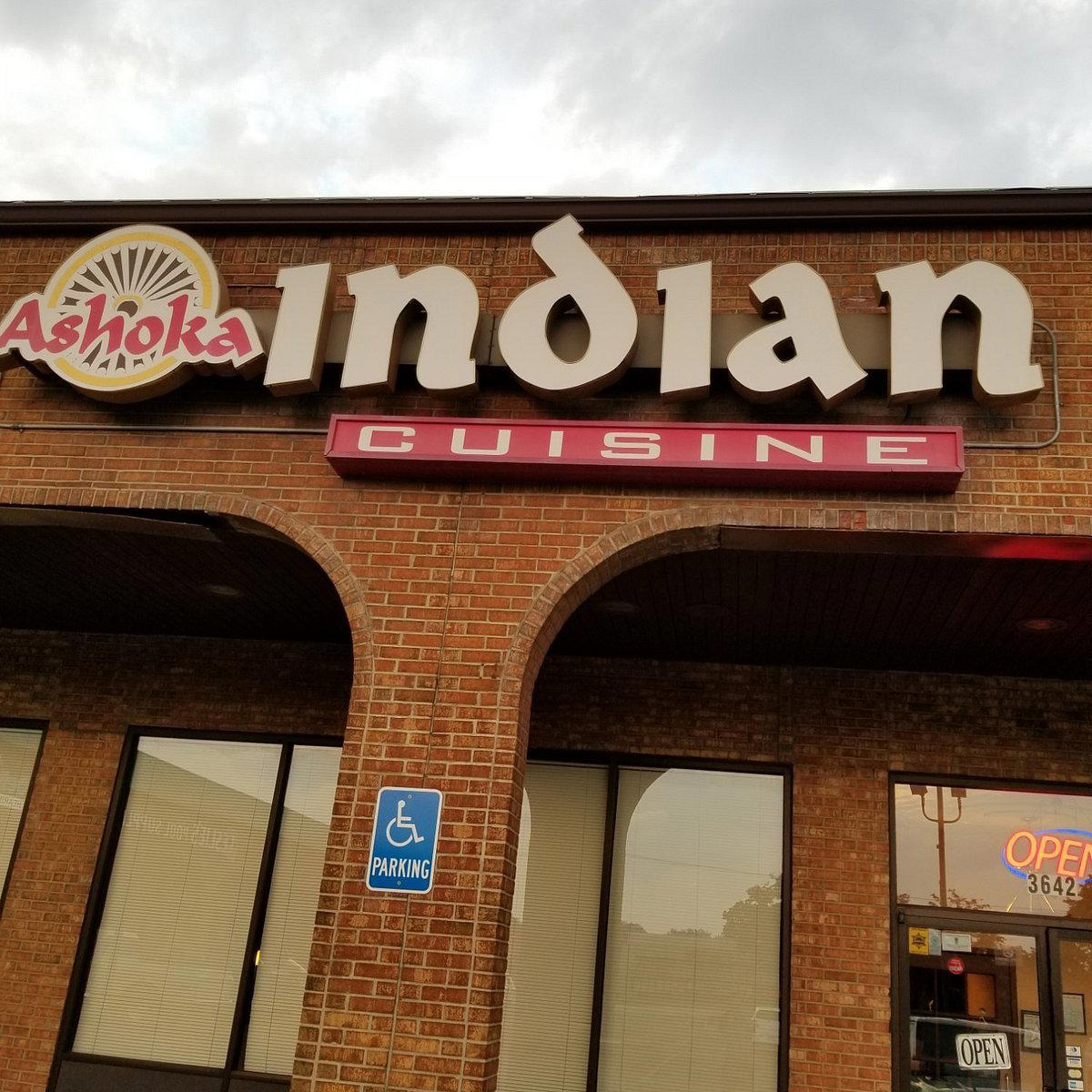
On Rochester Road in Troy, Michigan, Ashoka Indian Cuisine sits within a suburban dining corridor that has gradually absorbed a wider range of South Asian cooking than most comparable Midwest markets. The restaurant draws from the deeper traditions of Indian regional cooking at a price point that keeps it accessible to the broader Troy community, making it a practical anchor for the area's Indian food options.

Pearl is the En Primeur Club membership app — saves, bookings, and concierge access live there. Same editors, same standards.
- Address
- 3642 Rochester Rd, Troy, MI 48083
- Phone
- (248) 689-7070
- Hours
- Mon–Thu 11 AM–2:30 PM, 5:30–10 PMFri 11 AM–2:30 PM, 5:30–10:30 PMSat 11:30 AM–3 PM, 5:30–10:30 PMSun 11:30 AM–3 PM, 5:30–9 PM
- Website
- ashokaindiancuisine.com
- Directions
- Get directions
The menu
What to order
- Chicken Tikka Masala
- Tandoori Mixed Grill
- Lamb Biryani
- Chicken Manchurian
- Dosas
Rochester Road and the Indian Dining Tier in Troy
Troy's dining strip along Rochester Road has developed quietly over the past two decades into one of suburban Michigan's more diverse corridors, shaped in part by the area's large South Asian professional population. That demographic pressure has done something meaningful to local restaurant standards: Indian restaurants here compete against a customer base that has direct reference points for what the food should taste like. Ashoka Indian Cuisine, at 3642 Rochester Rd, operates in that environment, where the expectation is not novelty but accuracy. The room sits in a stretch of Troy that functions more as a working dining corridor than a destination block, which means the pressure falls on the food rather than the atmosphere or address.
For context on where Troy's dining scene sits more broadly, our full Troy restaurants guide maps the range from casual to upscale across the city's main corridors. Ashoka occupies the middle of that range, positioned in a tier where value density matters as much as ambition.
The Sourcing Argument Behind Indian Regional Cooking
Indian cuisine's credibility in American suburban markets has always rested on one specific question: how close is the spice work to what it references? At the high end of the American Indian restaurant spectrum, places have begun treating sourcing with the same seriousness that farm-to-table American restaurants applied to produce in the 2010s. Operations like Blue Hill at Stone Barns in Tarrytown built their identity around ingredient provenance as a first principle, and while the comparison is structural rather than culinary, the underlying logic applies: what arrives at the kitchen shapes what arrives at the table.
For Indian cooking specifically, the ingredient chain runs through whole spices, legumes, and proteins, each of which degrades in flavor significantly when sourced for price rather than quality. The difference between a dal cooked with fresh, properly stored lentils and aromatics versus one built from older stock and pre-ground spice blends is not subtle. It shows up in depth, in finish, and in whether the dish tastes like a reduction of its parts or something that has been built up. This is the sourcing argument that defines the difference between Indian restaurants that hold a loyal regular base and those that cycle through a more transient clientele.
Troy's South Asian community is a useful pressure test for this. A restaurant serving an audience that cooks this food at home, buys spices from Indian grocery stores, and has family reference points for regional dishes cannot sustain itself on shortcuts for long. That market dynamic is one of the more reliable quality signals in suburban Indian dining, more reliable in some ways than formal awards, because it operates continuously rather than on an annual review cycle.
Regional Breadth and What It Signals
The name Ashoka carries a historical register in Indian culinary culture, invoking the Maurya emperor associated with a period of cultural consolidation across the subcontinent. Whether or not the restaurant leans into that register consciously, the name positions it toward a pan-Indian rather than narrowly regional identity. In practice, most American Indian restaurants operating at this tier offer a menu that spans North Indian tandoor traditions, curries from the Mughal-influenced central belt, and some South Indian representation, typically through rice dishes or lentil preparations.
That breadth is a double-edged commitment. The restaurants that execute it well tend to have kitchens that understand each dish on its own terms rather than treating the menu as a single undifferentiated category. The ones that struggle tend to smooth everything into a common sauce base that loses regional distinction. Which side of that line Ashoka occupies is the central question for a first visit.
Ashoka sits in its own lane within that landscape, competing primarily on cuisine type rather than format or price tier against most of those neighbors.
How Troy Compares to Larger Indian Dining Markets
The broader American Indian restaurant scene has become significantly more stratified in the past decade. At the high end, there are now operations in New York and Chicago that function with the same tasting-menu rigor as Atomix in New York City applies to Korean cuisine: small-format, sourcing-obsessed, course-driven. At the accessible end, there is the suburban curry-house model, which does not aspire to that register and does not need to.
Troy is not a market where the high-end Indian tasting-menu format has established itself, at least not in the same way it has in Chicago or New York. What the market does support is the mid-tier that prioritizes consistency, value, and alignment with a community that knows the food. That is a legitimate and demanding tier to operate in, and it is the tier where Ashoka competes. The gap between this and, say, the sourcing programs at Single Thread Farm in Healdsburg or the precision of The French Laundry in Napa is a function of format and market rather than ambition alone.
Planning a Visit
Ashoka is located at 3642 Rochester Rd, Troy, MI 48083, which places it within easy reach of the main commercial corridor running through the city. There is no published booking method, dress code, or specific format noted, which suggests the operation runs as a walk-in or phone-based casual dining format standard to this tier.
For visitors building a broader Troy itinerary, cross-referencing Ashoka against the full range covered in our Troy guide will help frame where Indian cuisine sits relative to the city's other dining options. Those with interest in how American regional cooking handles ingredient sourcing at a different scale and price point can also look at Emeril's in New Orleans, Lazy Bear in San Francisco, Providence in Los Angeles, Alinea in Chicago, Addison in San Diego, The Inn at Little Washington, Le Bernardin in New York City, and 8 1/2 Otto e Mezzo Bombana in Hong Kong as reference points for how sourcing philosophy scales across different kitchen formats and price tiers globally.
Frequently asked questions
Is Ashoka Indian Cuisine suitable for children?
Indian restaurant menus at this tier typically include a range of mild preparations alongside spiced dishes, making them workable for families. Troy's Rochester Road corridor attracts a mixed residential crowd, and Indian restaurants in the area have historically served multi-generational tables. Confirm current menu options directly with the venue at 3642 Rochester Rd before visiting with young children.
Is Ashoka Indian Cuisine better for a quiet night or a lively one?
Suburban Indian dining rooms in the Troy corridor tend to run at a moderate, conversation-friendly volume rather than the louder energy of city-centre spots. Rochester Road is a commercial strip rather than a nightlife zone, which shapes the pace. Ashoka at 3642 Rochester Rd is positioned in that context — more suited to a relaxed dinner than a high-energy evening out.
Does Ashoka Indian Cuisine focus on a specific regional Indian cooking style?
The name Ashoka carries cultural weight tied to a pan-Indian historical register, which often signals broader subcontinental range rather than a single-state or single-community focus. Troy's Indian dining corridor on Rochester Road has grown alongside a significant South Asian residential population in Oakland County, creating demand for cooking that goes beyond generalist curry-house formats. For specifics on which regional traditions are represented on the current menu, contacting the restaurant at 3642 Rochester Rd directly is the most reliable route.
What's the best thing to order at Ashoka Indian Cuisine?
As a general orientation, Indian restaurants with regional breadth in their naming and positioning tend to reward ordering beyond the familiar curry-and-naan defaults — asking staff about regional specialities is usually the more instructive approach.
A Quick Peer Check
Comparable venues nearby, for context on price, style, and recognition.
| Venue | Cuisine | Price | Notes |
|---|---|---|---|
| Ashoka Indian CuisineThis venue — the venue you are viewing | North Indian, South Indian & Moghali Cuisine | $10–20 | Not listed |
| Mon Jin Lau | Nu-Asian Fusion with Sushi | $30–50 | Troy |
| Grand Tavern | Modern American | $20–30 | Troy |
| The Hudson Cafe | American Grill | $10–20 | Troy |
| Kona Grill - Troy | American Grill with Sushi | $30–50 | Big Beaver |
| Recipes | American Breakfast & Brunch Cafe | $10–20 | Troy |
Details
- Classic
- Cozy
- Family
- Group Dining
- Casual Hangout
- Business Dinner
- Standalone
- Beer Program
- Local Sourcing
- Buffet
- A La Carte
- Indian Brews
- Wine
- Vegetarian Friendly
- Vegan Options
- Gluten Free Options
- Halal
Current opening hours
- Monday
- 11 AM–2:30 PM, 5:30–10 PM
- Tuesday
- 11 AM–2:30 PM, 5:30–10 PM
- Wednesday
- 11 AM–2:30 PM, 5:30–10 PM
- Thursday
- 11 AM–2:30 PM, 5:30–10 PM
- Friday
- 11 AM–2:30 PM, 5:30–10:30 PM
- Saturday
- 11:30 AM–3 PM, 5:30–10:30 PM
- Sunday
- 11:30 AM–3 PM, 5:30–9 PM
Hours can change for holidays and private events. Last verified .
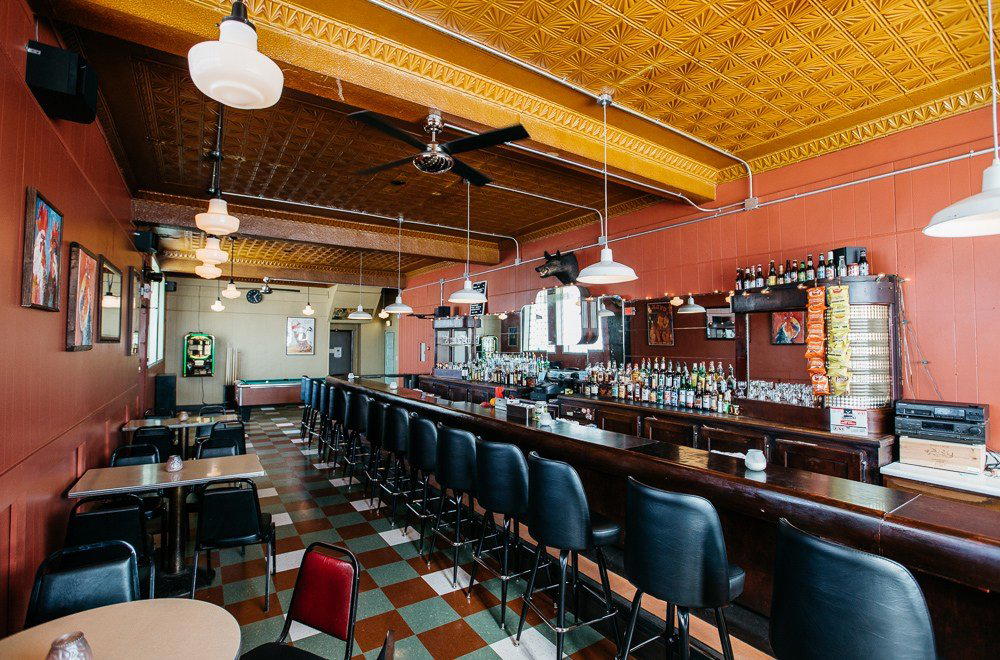
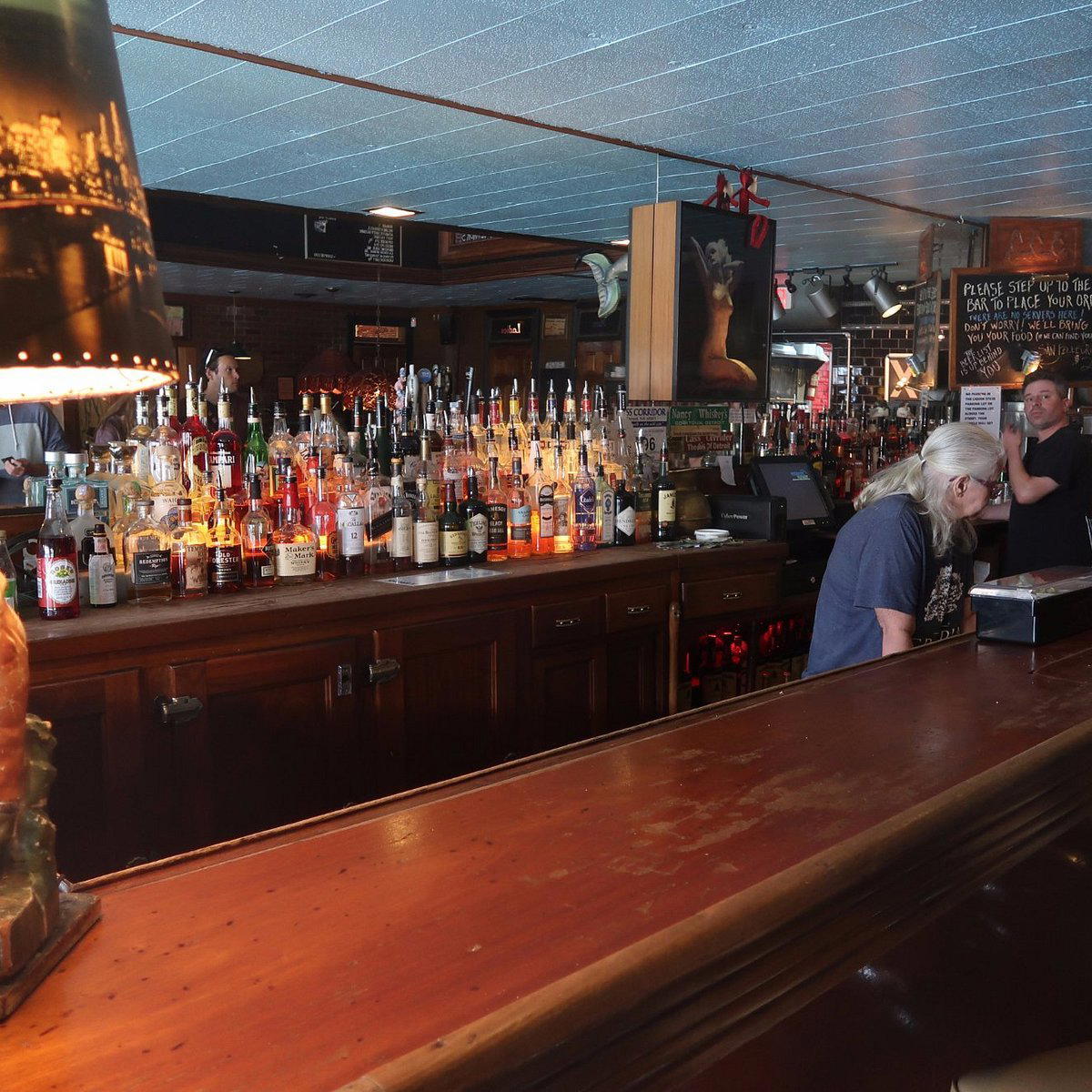
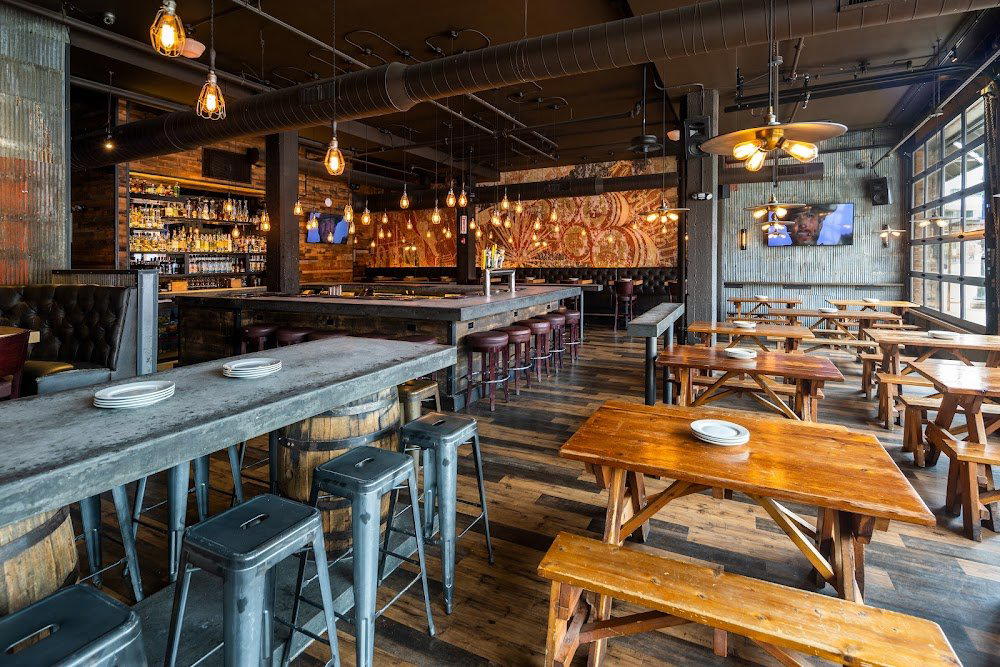
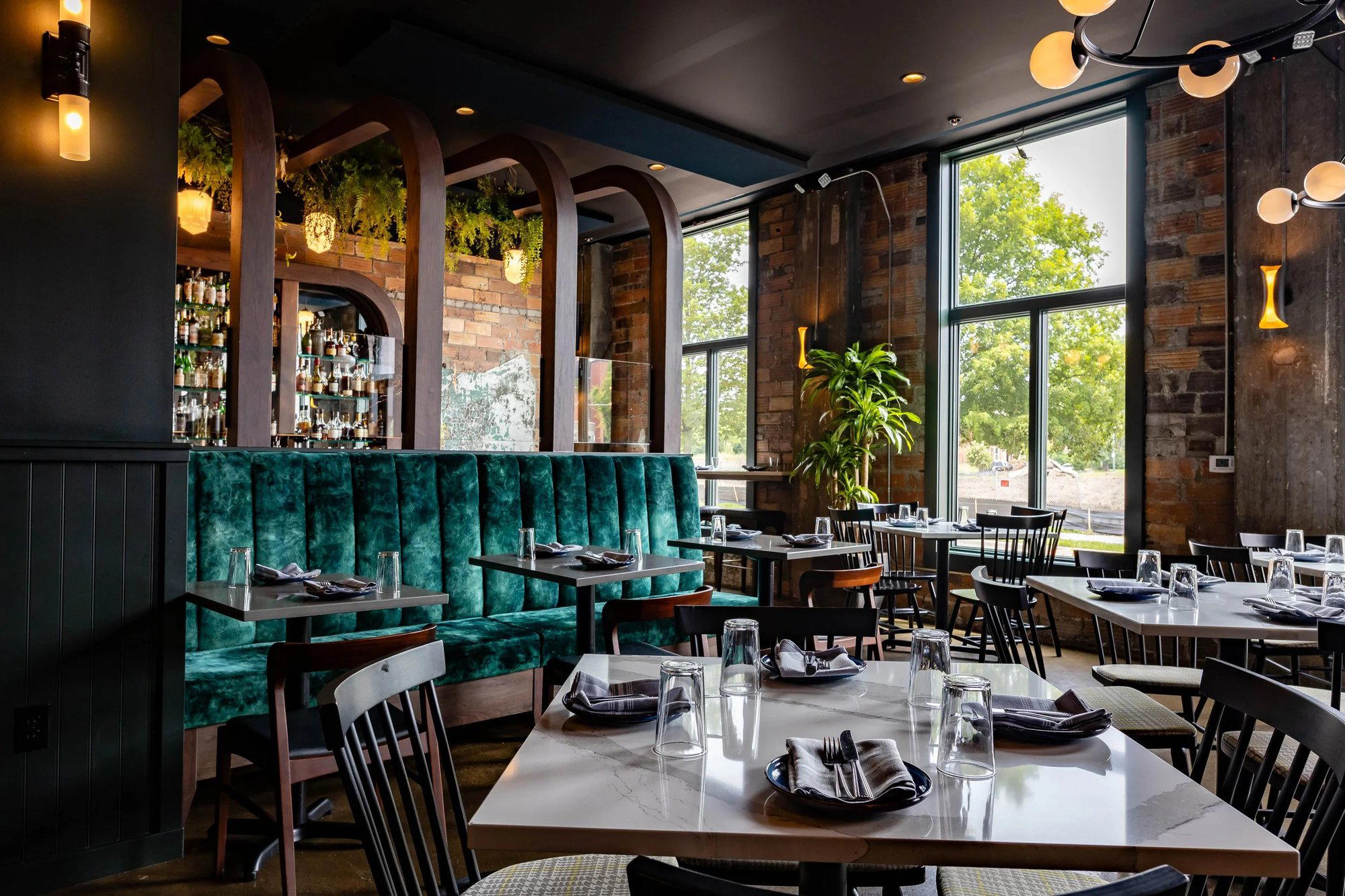
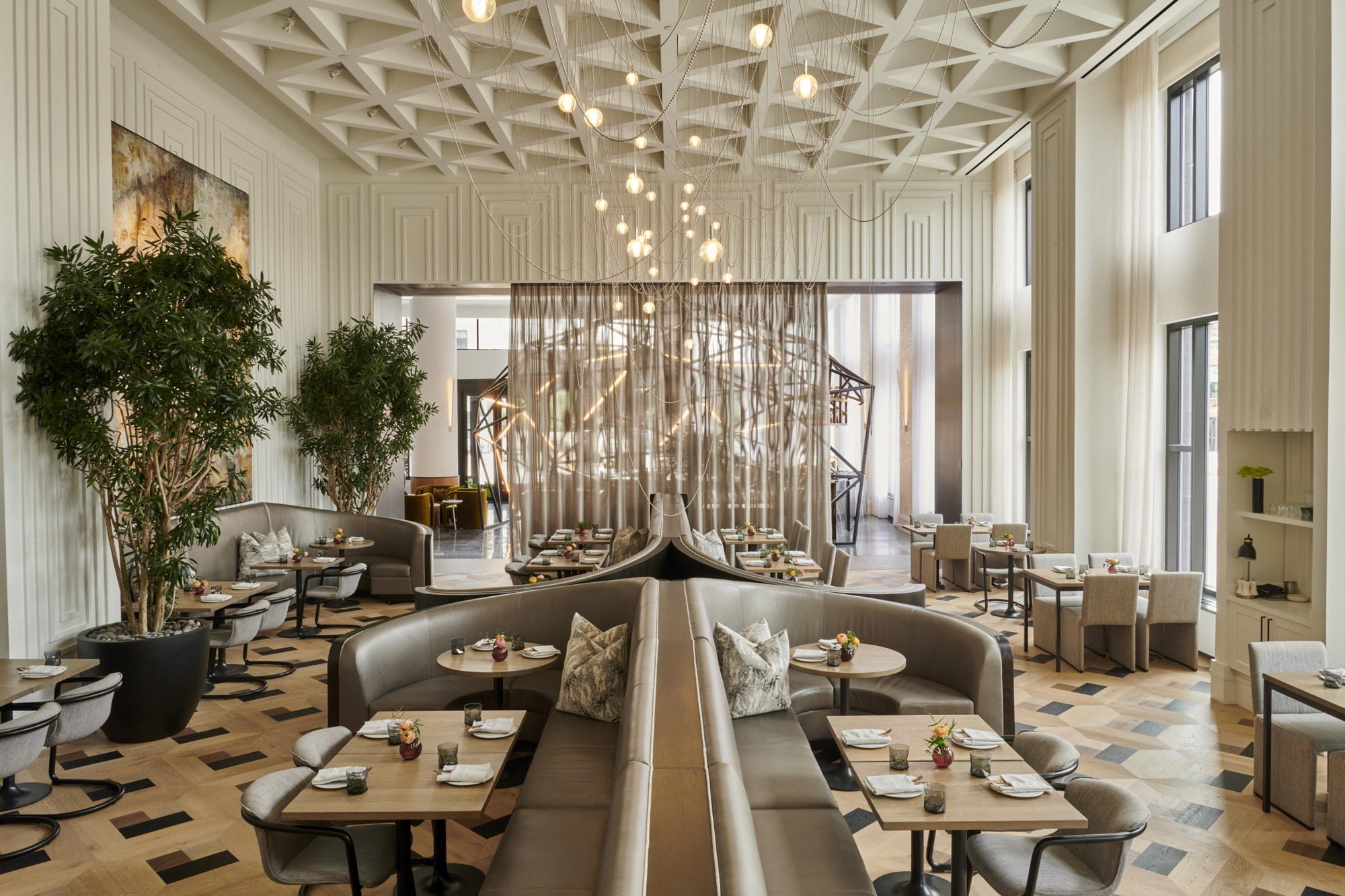
Casual dining environment with modest décor; dimly lit with a focus on food quality over aesthetics; attentive service staff create a pleasant atmosphere despite simple surroundings.