Randys Donuts
Our verdict
No reservations, no tasting menu, just a straightforward hierarchy of fried dough that has outlasted decades of dining trends. A reference point for understanding how LA eats when it isn't trying to impress anyone.

Pearl is the En Primeur Club membership app, where members save venues, book tables and use the concierge.

The menu
What to order
- Original glazed
- Maple raised
- Apple fritter
- Bear claw
The Counter That Predates the Freeway
Randy's Donuts opened in 1952, the same decade Los Angeles was still building the infrastructure that would define it. The giant rooftop donut at the original Inglewood location, a piece of roadside architecture from the programmatic design era, became one of the city's most reproduced images, appearing in film, television, and advertising so frequently that it functions less as a logo than as a landmark.
In a city where the full restaurant spectrum runs from omakase counters to Michelin-starred tasting rooms, Randy's occupies a different register entirely. It doesn't compete with Providence, Kato, or Somni. It doesn't need to. The value proposition is transparent and unchanging: fried dough made to a consistent standard, available without a booking window, a waiting list, or a dress consideration.
How the Menu Is Actually Structured
The donut case at Randy's functions as a two-axis grid. The first axis is dough type: yeast-raised donuts, which are lighter and more open in crumb, versus cake donuts, which are denser and slightly more acidic from the chemical leavening. The second axis is finish: glazed, filled, frosted, or plain. Cross those two variables and you get a menu that is genuinely small by fast-food standards but covers the full range of American donut tradition.
Yeast-raised glazed donuts sit at the center of that tradition. The glaze-to-dough ratio is the key architectural decision in any serious donut program, and the version here trends toward a thinner coat that lets the fermentation flavor of the dough come through rather than masking it with sugar. Cake donuts, by contrast, reward the frosted and topped variations, where the denser crumb holds up against heavier finishes without becoming structurally compromised.
The filled variants, typically fruit jam or cream, represent a separate eating context. They're less about the dough itself and more about the ratio of filling to shell, which is a different craft problem. Randy's has been solving it the same way for over seven decades, which is itself a form of editorial judgment: this is what the menu is, and it does not require updating.
That stability is the menu's defining characteristic. There is no seasonal rotation, no collaboration with a guest pastry chef, no limited-release flavor tied to a cultural moment. What the case holds today is structurally identical to what it held in 1975. For a food category that has attracted considerable chef-driven reinvention in the last decade, that rigidity reads less as conservatism and more as confidence.
Randy's in the Context of Los Angeles Food Culture
Los Angeles has spent the last twenty years building a reputation for serious dining. Hayato, Osteria Mozza, and the broader concentration of technique-driven kitchens have positioned the city alongside destinations like San Francisco, Chicago, and New York in terms of ambition and critical attention. But that narrative coexists with a parallel food culture that predates it and will likely outlast any particular fine-dining cycle.
Randy's sits in that parallel tradition alongside taco stands, pastrami counters, and the other walk-up formats that define how a significant portion of the city actually eats on a daily basis. The San Fernando Valley specifically has a food identity that diverges from the west-side and downtown dining scenes: lower price points, longer operating hours, formats built around car culture and working schedules rather than reservation windows. This isn't a heritage donut shop positioned as an experience for dining tourists, it's a functioning counter that serves the surrounding community at hours when other options are limited. That use pattern is part of what has kept the format unchanged: the menu serves a real demand rather than a constructed one.
For visitors oriented around LA's bar scene, hotel options, wineries, or experiences, Randy's functions as a useful counterpoint to the curated end of the city's hospitality offering. It is what Los Angeles looked like before the Michelin guide arrived, and it has not adjusted its self-presentation to accommodate the new audience.
The Rooftop Donut as Cultural Object
It would be a mistake to discuss Randy's without acknowledging the rooftop structure, which is the kind of vernacular American architecture that preservation movements now treat with the same seriousness once reserved for civic buildings. The giant donut belongs to a mid-century tradition of programmatic or mimetic architecture in which the building's form advertised its function, common across California in the decades when the automobile was reorganizing commercial space. Most of those structures are gone. Randy's remains one of the few in active commercial use, which gives it a documentary function beyond the food itself. Both operate in a space where the architecture does communicative work that no amount of interior design can replicate: it announces itself at road speed and makes the category legible before the car stops. Reservations: Not applicable, counter service only, no booking required. Dress: No code. Budget: Donuts are priced at the lower end of the casual food spectrum; expect to spend a few dollars per item. Timing: Early morning visits align with peak freshness for yeast-raised varieties, when turnover is highest and the case is fully stocked.
For context on how Randy's fits into the broader Los Angeles food picture, see our full Los Angeles restaurants guide.
Frequently asked questions
What's the signature dish at Randy's Donuts?
Is Randy's Donuts reservation-only?
What's the defining dish or idea at Randy's Donuts?
Can Randy's Donuts adjust for dietary needs?
Is a meal at Randy's Donuts worth the investment?
Why does Randy's Donuts appear so frequently in film and television productions shot in Los Angeles?
Cuisine Lens
Comparable venues nearby, for context on price, style, and recognition.
| Venue | Cuisine | Price | Notes |
|---|---|---|---|
| Randys DonutsThis venue (the venue you are viewing) | Classic American Donuts | $1–10 | Not listed |
| Simplethings 3rd Street | American Sandwich & Pie Shop | Not listed | Beverly Grove |
| Sweet Rose Creamery | Organic Ice Cream Shop | $1–10 | Brentwood |
| Reddi Chick Rotisserie BBQ | Classic Rotisserie BBQ Chicken | $10–20 | Brentwood |
| COFAX | Coffeehouse / Breakfast Burritos | $10–20 | Fairfax |
| Jack's Family Kitchen | Southern Soul Food & Comfort Breakfast | $10–20 | Exposition Park |
Continue exploring
More in Los Angeles
Restaurants in Los Angeles
All restaurants in Los Angeles →
Bars in Los Angeles
All bars in Los Angeles →
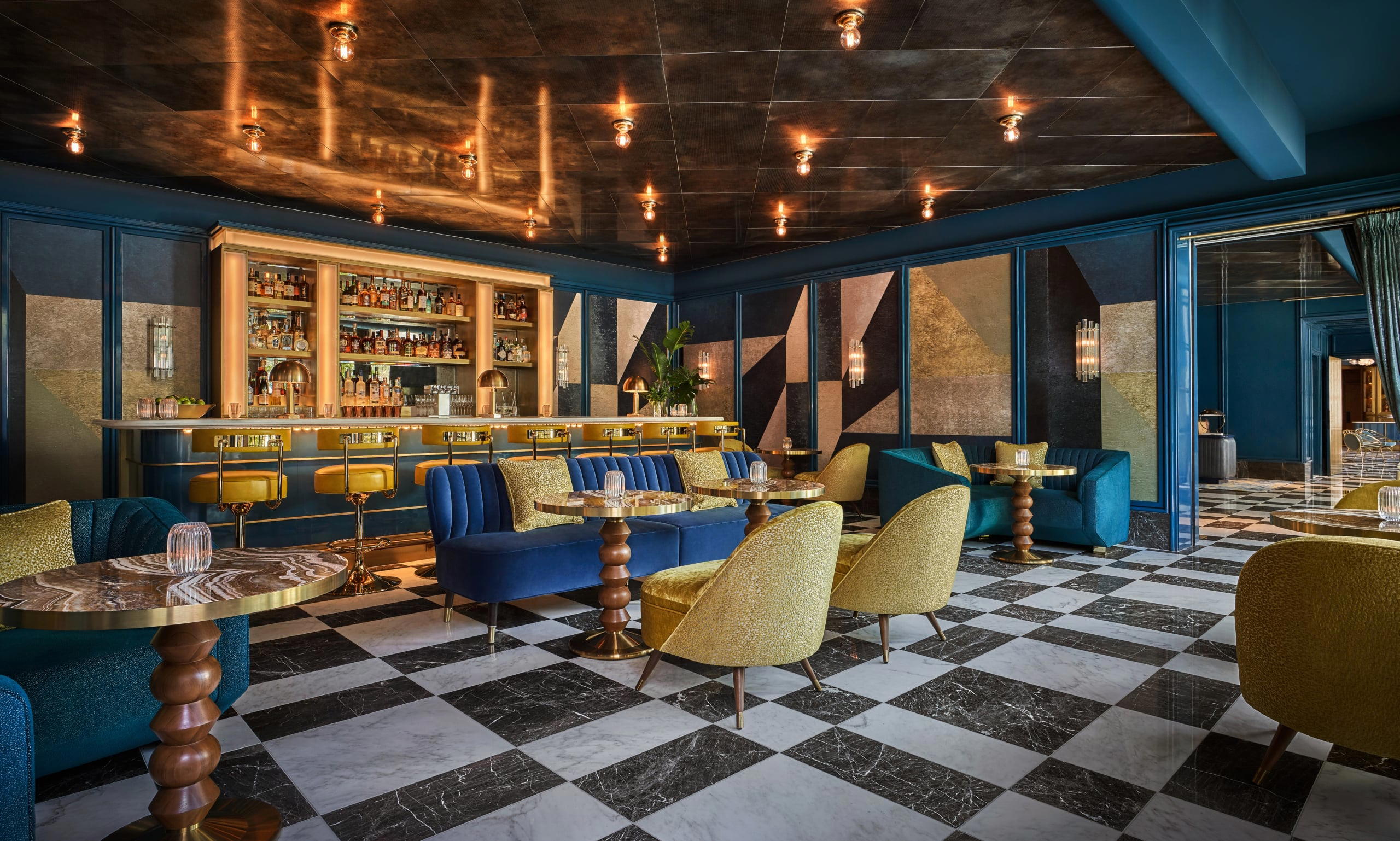
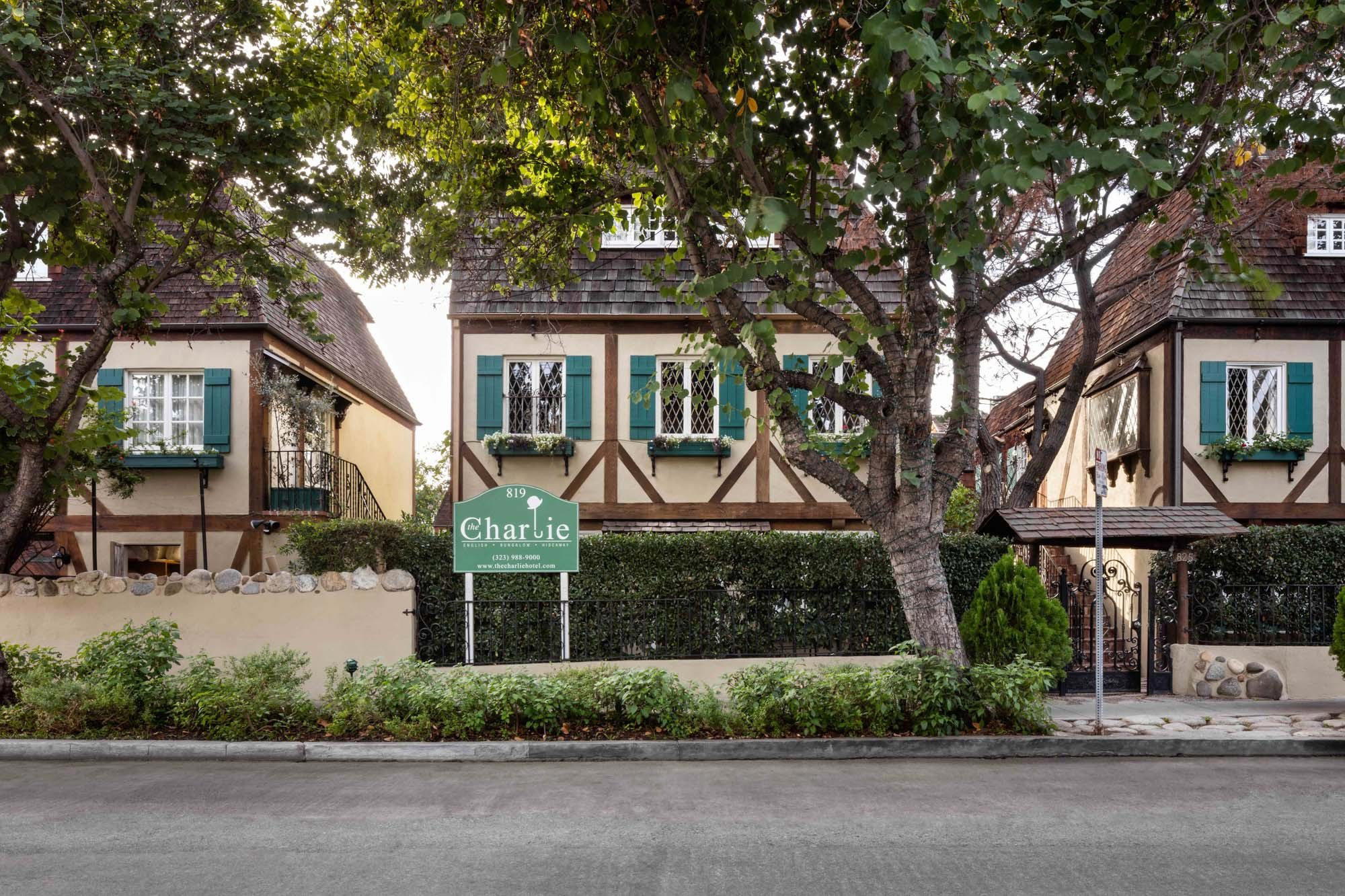
Hotels in Los Angeles
All hotels in Los Angeles →
Wineries in Los Angeles
All wineries in Los Angeles →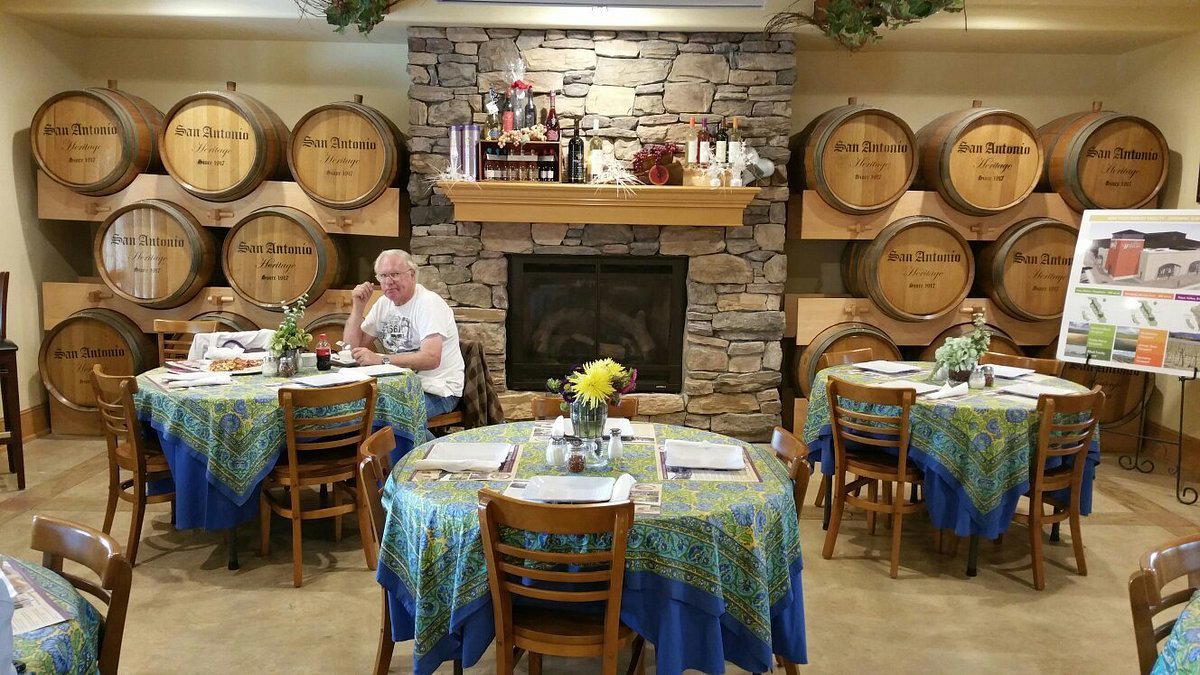

Details
- Well Known
- Classic
- Casual Hangout
- Late Night
- Family
- Standalone
- Historic Building
- A La Carte
Current opening hours
- Monday
- 6 AM–9 PM
- Tuesday
- 6 AM–9 PM
- Wednesday
- 6 AM–9 PM
- Thursday
- 6 AM–9 PM
- Friday
- 6 AM–9 PM
- Saturday
- 6 AM–9 PM
- Sunday
- 6 AM–9 PM
Hours can change for holidays and private events. Hours as of .
Casual walk-up counter service with a bustling, nostalgic atmosphere centered around fresh donuts and quick grabs.