

Wine Spectator Award of Excellence · Forbes Recommended
Our verdict
The Grill aboard Silver Origin operates as the expedition ship's open-air dining centerpiece, known for its interactive 'Hot Rocks' cooking format using lava stones heated to 750°F. Lunch pivots to a Galapagos Seafood Market format with ultra-fresh Ecuadorian catch. Wine Director Andi Caruso oversees a 130-selection list with around 2,000 bottles in inventory, including a curated range of Ecuadorian wines.

Pearl is the En Primeur Club membership app, where members save venues, book tables and use the concierge.
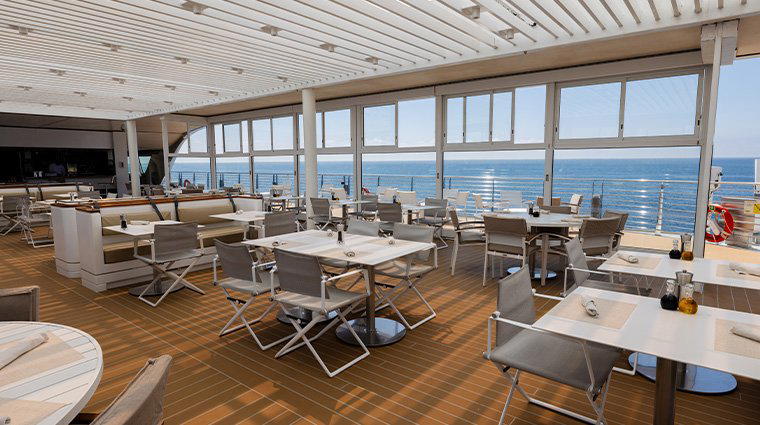
Hot Stone, Open Deck: The Grill Aboard Silver Origin
On most expedition ships, the onboard restaurant is an afterthought, a serviceable dining room that competes with the view out the porthole. The Grill aboard Silver Origin operates on a different premise. Positioned as an open-air venue, it places guests within the Galapagos environment rather than insulating them from it. The format is built around exposure: sea breezes, ambient light, and a cooking approach that puts the process visibly in the guest's hands. That interactive model sits within a broader shift in premium cruise dining, where the leading ship restaurants have moved away from white-tablecloth formality toward something more experiential and ingredient-led, a shift reflected at properties like Elsa on the Côte d'Azur, where outdoor setting and local-sourcing philosophy define the offer as much as the food itself.
The Format: Lava Stones and Galapagos Catch
The Grill's dinner service is built around the 'Hot Rocks' format: lava stones heated to 750 degrees Fahrenheit, placed directly at the table, on which guests cook their own cuts of protein. The stones retain heat for close to an hour, which means pacing matters, rush the process, and you risk overcooking seafood that deserves more careful handling. Thick cuts such as filet mignon and lamb chops benefit from the sustained heat, while thinner preparations like beef tenderloin and veal medallions can be executed more quickly for guests who prefer a shorter service.
The stronger editorial argument for The Grill lies not in its steak program but in its seafood sourcing. Chef Javier Corona circulates through the dining room during service to present the day's freshest local offerings, Ecuadorian catch pulled from waters the ship has been sailing through. This is not a fixed menu item but a daily variable, and the inspector's notes are clear: following the chef's recommendations on the day's catch outperforms ordering against a static menu. That approach aligns with the philosophy seen at institutions like Aponiente in El Puerto de Santa María, where the argument for proximity to the sea is made through the ingredient itself, not the preparation's complexity.
For dessert, the format continues the fire-forward theme. Roasted pineapple with spiced caramel and passion fruit sauce, served with coconut sorbet, reflects the tropical latitude. A baked s'more, chocolate-bourbon marshmallow on salted cookies with chocolate, reads as a deliberate crowd-pleaser. Both are grilled options, maintaining the interactive format through to the end of service.
Lunch: The Galapagos Seafood Market
The daytime version of The Grill operates as a distinct offer. The Galapagos Seafood Market format is ingredient-forward and lighter in format: ultra-fresh Ecuadorian catch, vegetable-forward entrees, and a salad bar served in the open air. The shift between lunch and dinner is marked enough that treating them as the same dining experience misses the point. Lunch here functions more like a well-sourced market table than a restaurant service, the kind of midday offer that rewards guests who want proximity to ingredients over ceremony. Inspector notes recommend against skipping the lunch service, which tends to receive less attention than the evening Hot Rocks format.
The Wine Program
Wine Director Andi Caruso oversees a list of approximately 130 selections with around 2,000 bottles in inventory. The list carries a single-dollar-sign pricing designation, meaning a meaningful share of bottles sit below $50, an accessible range by the standards of premium cruise dining. Corkage is set at $35 for guests who choose to bring their own bottle.
The geographical emphasis falls on California and France, the two anchors of most American-audience wine programs. What distinguishes the list at The Grill is the inclusion of Ecuadorian wines, a regionally specific addition that few ship wine programs attempt. Inspector notes single out the crisp whites and aromatic blends from Ecuador as natural complements to the seafood-forward menu. The argument for ordering from the Ecuadorian section rather than defaulting to familiar Californian or French labels is contextual: you are in these waters, and the wine reflects that. For comparison, the sommelier programs at Alain Ducasse at Louis XV and Les Ambassadeurs by Christophe Cussac operate at a different price tier and formality, but the underlying logic, that local or regionally specific wine selection deepens the dining argument, is consistent across serious programs.
Where This Sits in the Monte Carlo Dining Context
The Grill aboard Silver Origin is not a Monaco land-based restaurant, but its port association and the broader EP Club Monte Carlo dining context make the comparison useful. Monaco's premium dining tier is dense with Michelin-recognised addresses: Blue Bay Marcel Ravin holds two stars and operates in the creative register; L'Abysse Monte-Carlo represents Japanese counter dining at the four-euro-sign tier. The Grill operates in a fundamentally different category, expedition dining rather than destination fine dining, but the guest profile that moves between these contexts is the same. A traveller spending time in Monte Carlo who then boards Silver Origin for a Galapagos expedition will find The Grill occupying a coherent position in their dining sequence: less formal than Hostellerie Jerome in La Turbie or Alléno Paris au Pavillon Ledoyen, but more deliberately ingredient-led than most ship dining programs in its class.
Two-dollar-sign cuisine pricing places typical two-course meal cost in the $40–$65 range, which represents reasonable value against the backdrop of expedition cruise pricing. Lunch and dinner are both offered. The dress code runs smart casual for dinner, with the practical caveat that long, flowing sleeves are inadvisable when cooking at a 750-degree lava stone surface. Casual dress suffices for lunch service. General Manager Jim Waldrop and Wine Director Andi Caruso form the management team under Silver Dollar Inc. ownership.
For readers planning broader travel in the region, our full Monte Carlo restaurants guide covers the complete dining range from the principality's formal Michelin circuit to its more accessible neighbourhood addresses. The Monte Carlo hotels guide, bars guide, wineries guide, and experiences guide cover the full scope of the destination. For reference points elsewhere, seafood-forward serious dining in different markets, Le Bernardin in New York and Lazy Bear in San Francisco represent the land-based end of the spectrum that places ingredient provenance and interactive format at the centre of the offer. The 8½ Otto e Mezzo Bombana in Hong Kong and Atomix in New York offer useful reference for how tasting-format dining operates at different latitudes and price points. Emeril's in New Orleans provides a further American point of comparison for the kind of regional-ingredient-forward cooking that The Grill attempts, albeit in a very different format and geography.
Frequently asked questions
Is The Grill (Silver Origin) child-friendly?
The format requires some caution with younger guests: lava stones heat to 750 degrees Fahrenheit and stay scorching for close to an hour, meaning tableside cooking demands attention to safety. The open-deck setting and ingredient-forward lunch service are more relaxed, but the interactive dinner format is better suited to older children and adults who can manage the cooking process independently.
What kind of setting is The Grill (Silver Origin)?
The Grill is an open-deck restaurant aboard the Silver Origin expedition vessel, operating in the Galapagos Islands. Dinners follow the Hot Rocks format with lava stones placed at the table; lunches shift to a Galapagos Seafood Market layout with a salad bar and sea breezes. The dress code is smart casual in the evening, with a more relaxed standard at lunch.
What's The Grill (Silver Origin) known for in terms of accolades?
The Grill (Silver Origin) has received recognition including: WINE: Wine Strengths: California, France Pricing: $ i Wine pricing: Based on the list\'s general markup and high and low price points:$ has many bottles < $50;$$ has a range of pricing;$$$ has many $100+ bottles Corkage Fee: $35 Selections:….
What dish is The Grill (Silver Origin) famous for?
The Hot Rocks dinner is the format the inspector singles out as the highlight: guests cook Ecuadorian seafood and locally sourced cuts directly on 750-degree lava stones at their table. The inspector specifically recommends following the chef's daily suggestions on fresh local catch rather than defaulting to the standard menu. Dessert options run to fire-grilled preparations including roasted pineapple with spiced caramel and a chocolate-bourbon s'more.
Where the Accolades Land
A small set of peers for context, based on recorded venue fields.
| Venue | Cuisine | Price | Awards | Notes |
|---|---|---|---|---|
| The Grill (Silver Origin)This venue (the venue you are viewing) | Grill with Hot Rocks | Not listed | Wine Spectator Award of Excellence · Forbes Recommended | Not listed |
| Pavyllon, un restaurant de Yannick Alléno, Monte-Carlo | Cuisine Moderne Française Méditerranéenne | $200–300 | 1 Michelin Star · Star Wine List | Modern Cuisine |
| Alain Ducasse- Louis XV | Modern French Riviera Fine Dining | $300–500 | 3 Michelin Stars · World's 50 Best #43 | French - Provençal |
| L'Abysse Monte-Carlo | Modern Japanese Omakase | $300–500 | 2 Michelin Stars · La Liste Top Restaurants | Japanese |
| Blue Bay Marcel Ravin | Caribbean-Mediterranean Fusion Fine Dining | $200–300 | 2 Michelin Stars · La Liste Top Restaurants | Creative |
| Elsa | Michelin-starred Mediterranean seafood fine dining | $150–200 | 1 Michelin Star · Relais Chateaux Award | Mediterranean Cuisine |
Recognition history
Dated appearances from independent guides and award organizations, with the underlying list record or original source where available.
Forbes Recommended
Forbes
Wine Spectator Award of Excellence
Wine Spectator
Continue exploring
More in Monaco
Restaurants in Monaco
All restaurants in Monaco →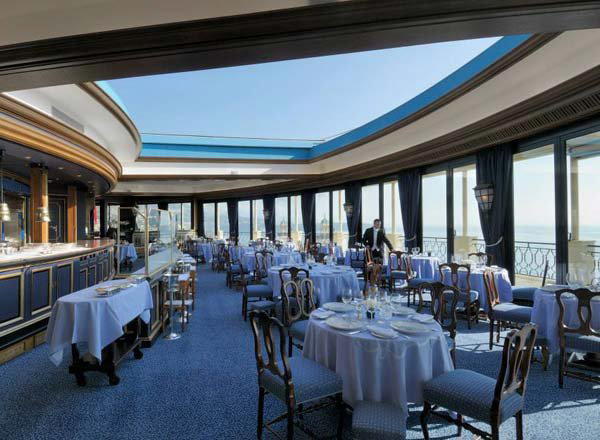
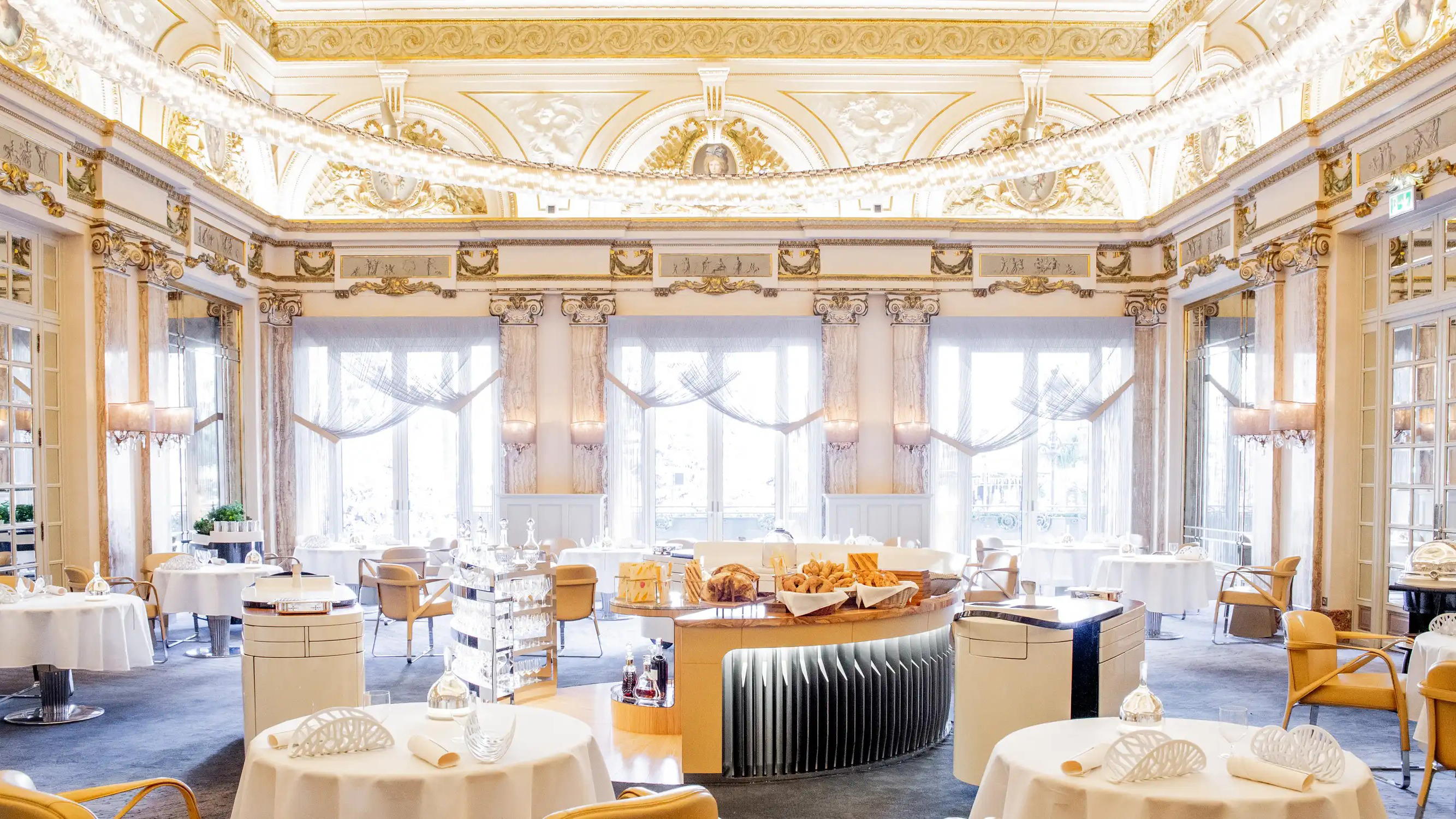
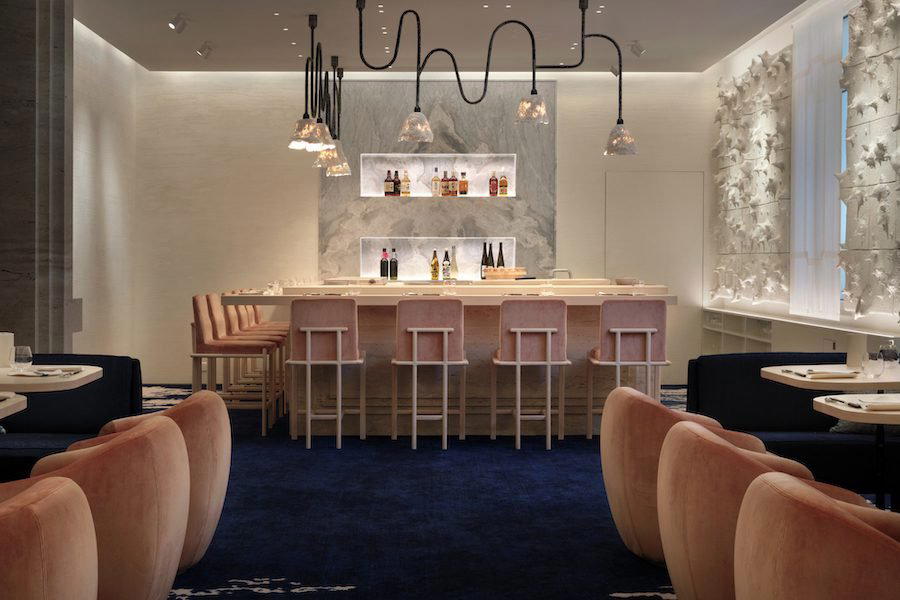
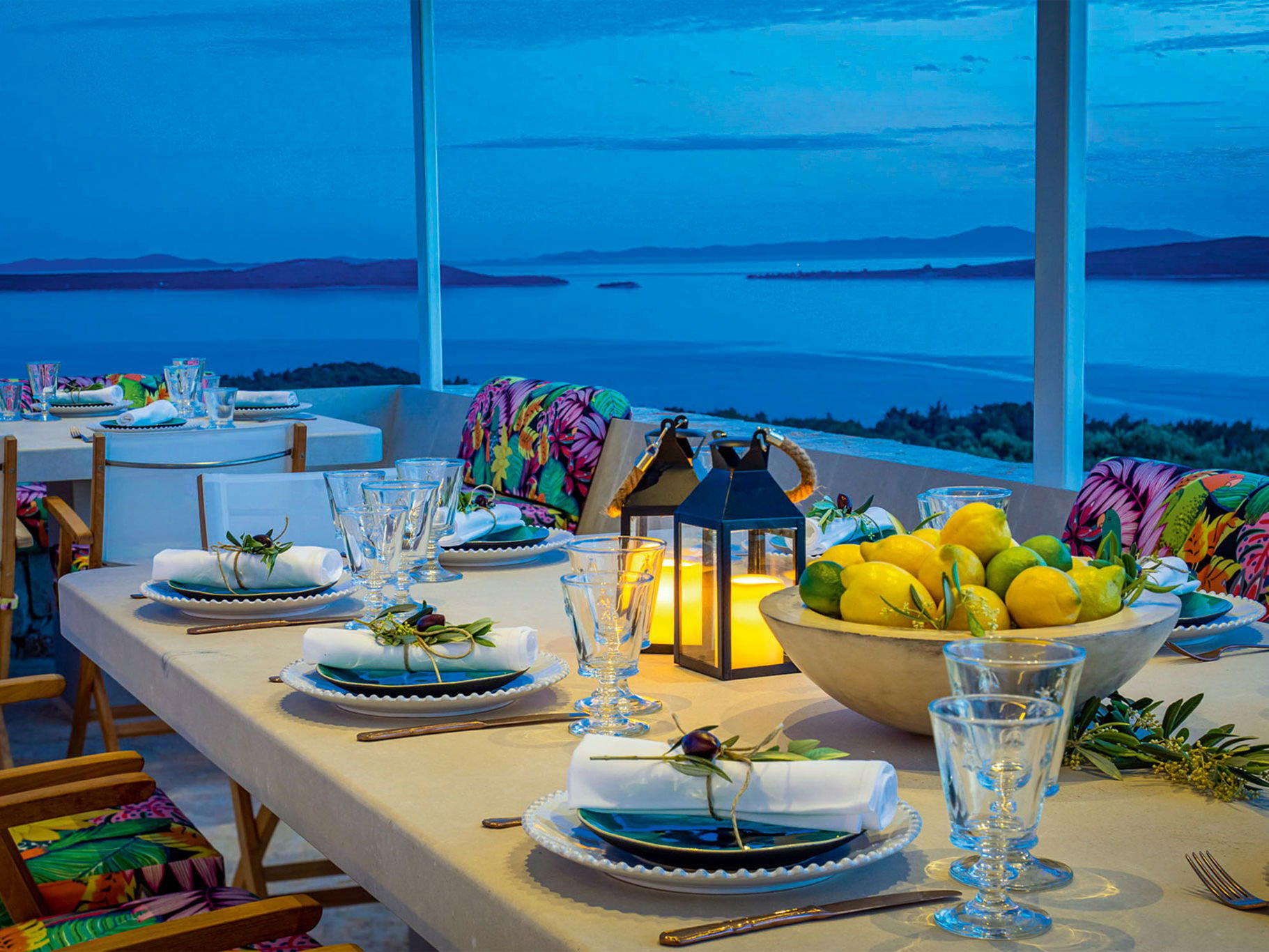
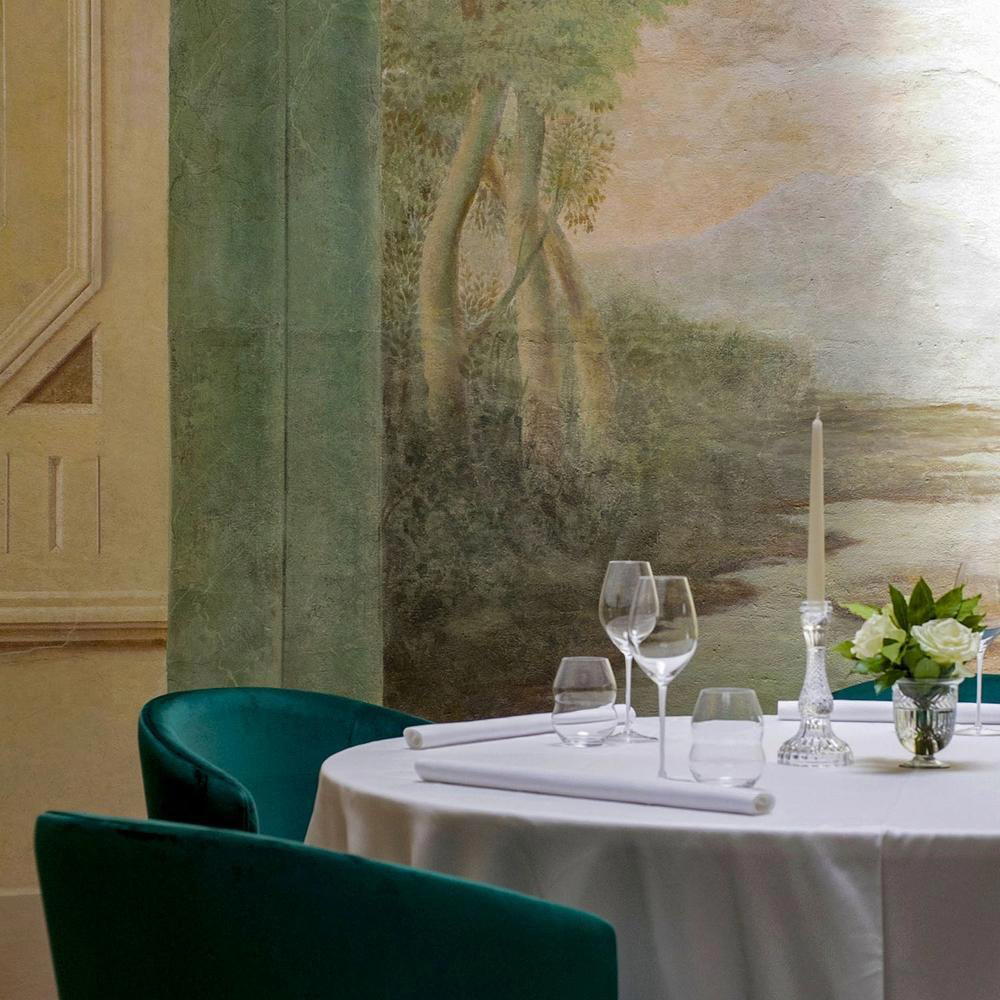
Bars in Monaco
Browse all →
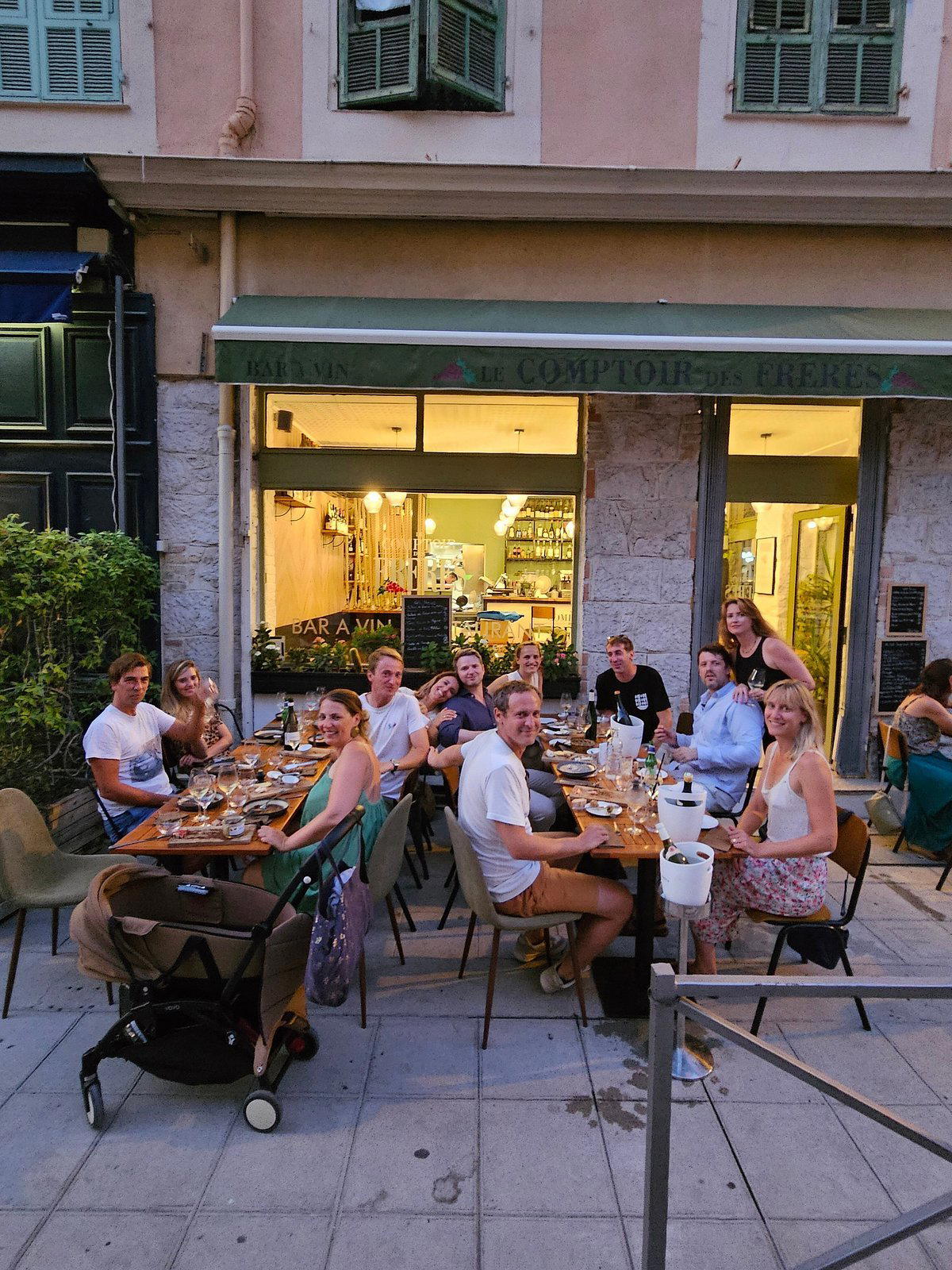
Hotels in Monaco
All hotels in Monaco →
Wineries in Monaco
Browse all →
The Grill (Silver Origin)
The wine
The Grill (Silver Origin) holds the Wine Spectator Award of Excellence, which Wine Spectator gives to lists of usually 90 or more selections.
- Wine program
- Deep wine list
- Wine Spectator
- Wine Spectator Award of Excellence
- Selections
- 130
- Bottles in cellar
- 2,000
- List strengths
- California, France
- Wine director
- Andi Caruso
- Sommelier-led
Details
- Elegant
- Sophisticated
- Well Known
- Special Occasion
- Terrace
- Panoramic View
- Hotel Restaurant
- Sommelier Led
- Local Sourcing
- Skyline
- A La Carte