The Glasshouse
Our verdict
The Glasshouse on Station Parade sits within the smaller tier of destination restaurants that suburban London has quietly produced over the past two decades. With a kitchen reputation built on sourcing discipline and a format that rewards repeat visits, it occupies a considered position in Richmond's dining scene, distinct from the casual riverside trade that defines much of the borough's restaurant offer.

Pearl is the En Primeur Club membership app, where members save venues, book tables and use the concierge.

Richmond's Quieter Dining Register
Suburban London's better restaurants tend to operate at a remove from the noise that surrounds their Central London peers. They don't benefit from passing foot traffic or the editorial cycles that favour Soho and Mayfair, and so the ones that sustain a reputation do so on a narrower, more loyal customer base. Richmond, with its proximity to the Thames path, Kew Gardens, and the green expanse of Richmond Park, draws a different kind of diner: one more likely to plan ahead than to walk in, and more attuned to the rhythm of a neighbourhood restaurant with genuine culinary intention. The Glasshouse at Our full Richmond restaurants guide occupies that register. Located at 14 Station Parade, Richmond TW9 3PZ, it sits close enough to Richmond station to function as a practical destination without being absorbed into the transient energy of a transport hub.
Where the Food Comes From
The most instructive question to ask of any serious British restaurant in 2024 is not what it cooks but where it sources. The past decade has produced a generation of kitchens that have reorganised themselves around supply chains rather than around technique or national tradition. The model, broadly, is this: a small number of trusted growers, farmers, and fishmongers whose seasonal availability shapes what appears on the menu week to week. This is a different discipline from classic French brigade cooking, where the kitchen is the engine and ingredients arrive to serve it. In the sourcing-led model, the kitchen's role is partly curatorial, knowing when a product is at its point and building around it rather than against it.
This approach is not unique to London's suburbs, but it is particularly well suited to them. Restaurants like L'Enclume in Cartmel have demonstrated at the highest level that proximity to land and a fixed relationship with producers can sustain decades of critical attention. The same logic, scaled differently, applies to neighbourhood restaurants operating at a quieter frequency. The Glasshouse fits that framework: a kitchen positioned within reach of the Thames Valley's agricultural and horticultural supply without the overhead of a Central London address to support.
The Broader Suburban Fine Dining Tier
Among Britain's destination restaurants outside major city centres, there is a coherent peer group that has built long-term reputations without the institutional support of hotel backing or celebrity chef branding. Waterside Inn in Bray and Le Manoir aux Quat'Saisons in Oxford represent the historic apex of that group, though both carry hotel infrastructure that changes the economics considerably. Further down the scale, places like Midsummer House in Cambridge and hide and fox in Saltwood occupy positions that reward a specific kind of commitment from diners willing to travel or plan around a single meal.
The Glasshouse belongs to a subset of this pattern: the suburban London restaurant that competes on kitchen output rather than destination mystique. Richmond's distance from Central London is short enough, roughly 30 minutes by South Western Railway from Waterloo, that it does not require an overnight stay, but far enough that the meal itself needs to justify the trip. That dynamic shapes what serious restaurants in the area are required to offer. Hand and Flowers in Marlow has shown that a commutable distance from London is no barrier to sustained critical recognition when the cooking is consistent.
Richmond's Dining Context
Richmond's restaurant scene is broader than its size suggests. The borough contains a range of formats: the East Asian seafood operators clustered around certain parade addresses, the casual dining that fills the riverside on warmer evenings, and a smaller number of restaurants that operate with genuine kitchen ambition. Alewife and Baan Lao represent different positions within that range, the former tilting toward natural wine and contemporary small plates, the latter toward the kind of regional Thai specificity that rarely survives in suburban settings. Asian Pearl Seafood Restaurant and the trade it represents point toward a different sourcing tradition entirely, one organised around live tanks and Cantonese preparation discipline.
Across that range, The Glasshouse sits in a narrower, more considered tier. It is the kind of restaurant where the kitchen's relationship to ingredients is the primary editorial statement, and where the room functions to support that focus rather than compete with it. For diners used to the compressed intensity of Central London's leading tables, CORE by Clare Smyth or the tasting menu format of Atomix in New York City as a global reference point, The Glasshouse operates at a quieter register without abandoning the underlying discipline.
Planning a Visit
Station Parade is a short walk from Richmond station, served by both South Western Railway from London Waterloo and the District line, making The Glasshouse one of the more accessible destination restaurants in the Greater London commuter belt. The address itself is direct to reach without a car, which is worth noting for a dining context where wine matters. The Glasshouse shares the general Richmond pattern of restaurants that reward advance planning over walk-in impulse: booking ahead is the sensible approach for any meal you've organised a journey around.
For those building a wider Richmond day, the proximity to Kew Gardens and Richmond Park means the restaurant fits naturally into a longer itinerary. Other addresses worth considering in the area include 2207 Macdonald and 8 ½ in The Fan for a sense of the neighbourhood's range. Further afield, the regional British fine dining circuit includes Moor Hall in Aughton, Gidleigh Park in Chagford, and Opheem in Birmingham for a broader map of what British restaurants are producing at present.
Frequently asked questions
What's the signature dish at The Glasshouse?
What's the ideal way to book The Glasshouse?
What's the standout thing about The Glasshouse?
Is The Glasshouse good for vegetarians?
How does The Glasshouse compare to other fine dining options in the wider London area?
Recognition, Side-by-Side
Comparable venues nearby, for context on price, style, and recognition.
| Venue | Cuisine | Price | Notes |
|---|---|---|---|
| The GlasshouseThis venue (the venue you are viewing) | Modern French Bistro | $50–100 | Not listed |
| Original Maids of Honour | Traditional British Bakery & Tea Room | $10–20 | Kew |
| Efes Plus | Modern Turkish & Mediterranean | $10–20 | Richmond |
| Buenos Aires Argentine Steakhouse - Richmond | Argentine Steakhouse | $50–100 | Richmond-upon-Thames |
| Q Verde | Authentic Italian | Not listed | Kew |
| Palmyra | Authentic Lebanese | Not listed | Kew |
Continue exploring
More in Richmond
Restaurants in Richmond
All restaurants in Richmond →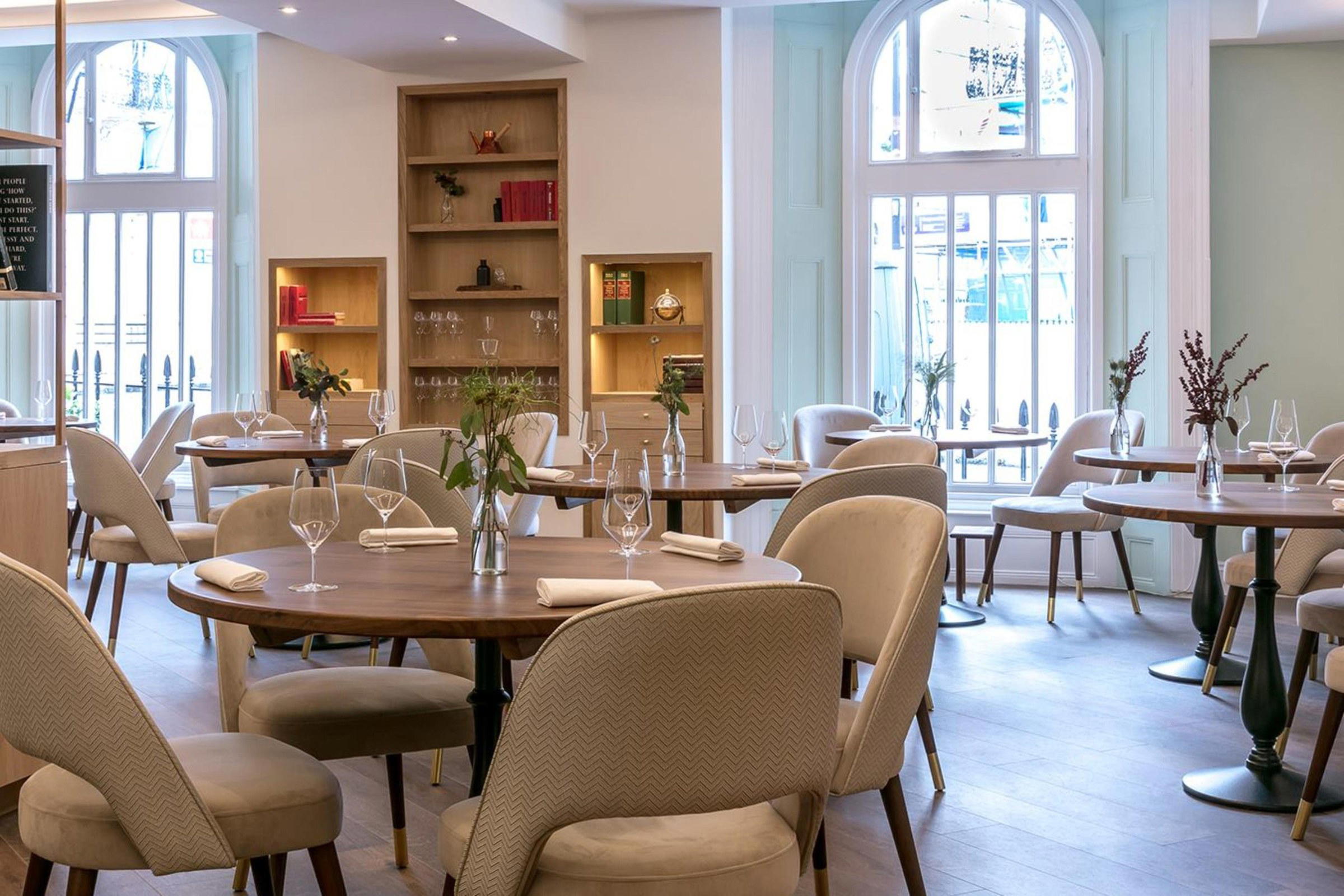
Bars in Richmond
Browse all →



Details
- Modern
- Elegant
- Sophisticated
- Special Occasion
- Date Night
- Standalone
- A La Carte
Current opening hours
- Monday
- 8 AM–4 PM
- Tuesday
- 8 AM–4 PM
- Wednesday
- 8 AM–4 PM
- Thursday
- 8 AM–4 PM
- Friday
- 8 AM–4 PM
- Saturday
- 8 AM–4 PM
- Sunday
- 8 AM–4 PM
Hours can change for holidays and private events. Hours as of .
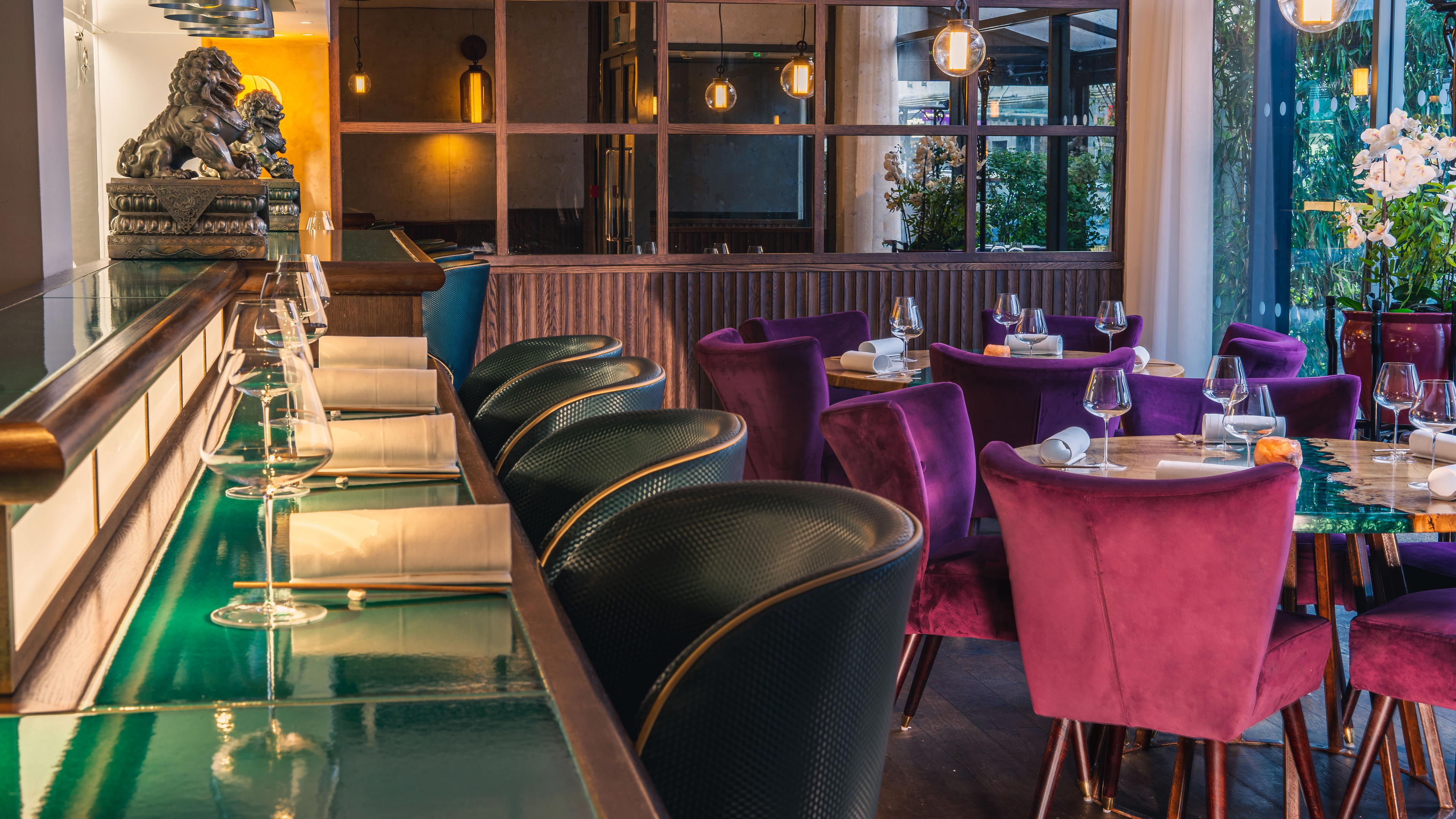
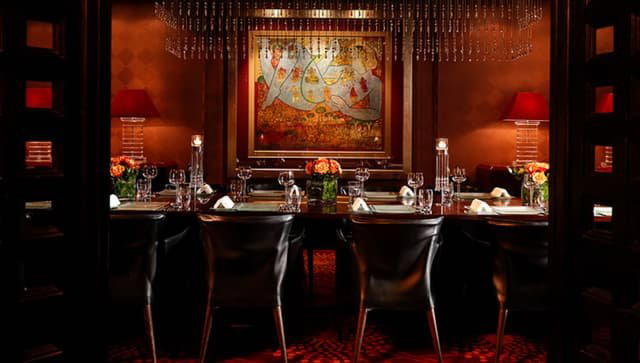
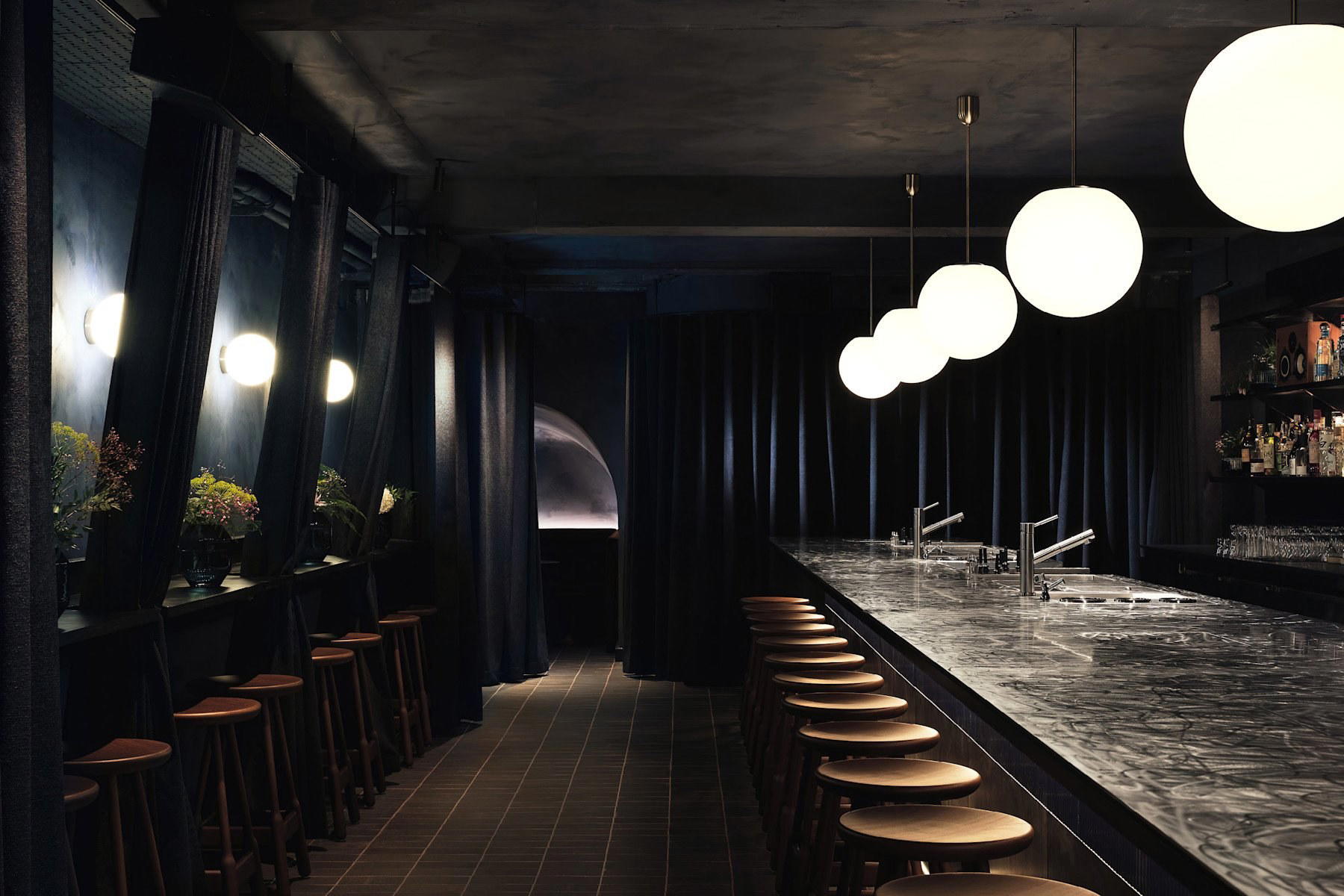
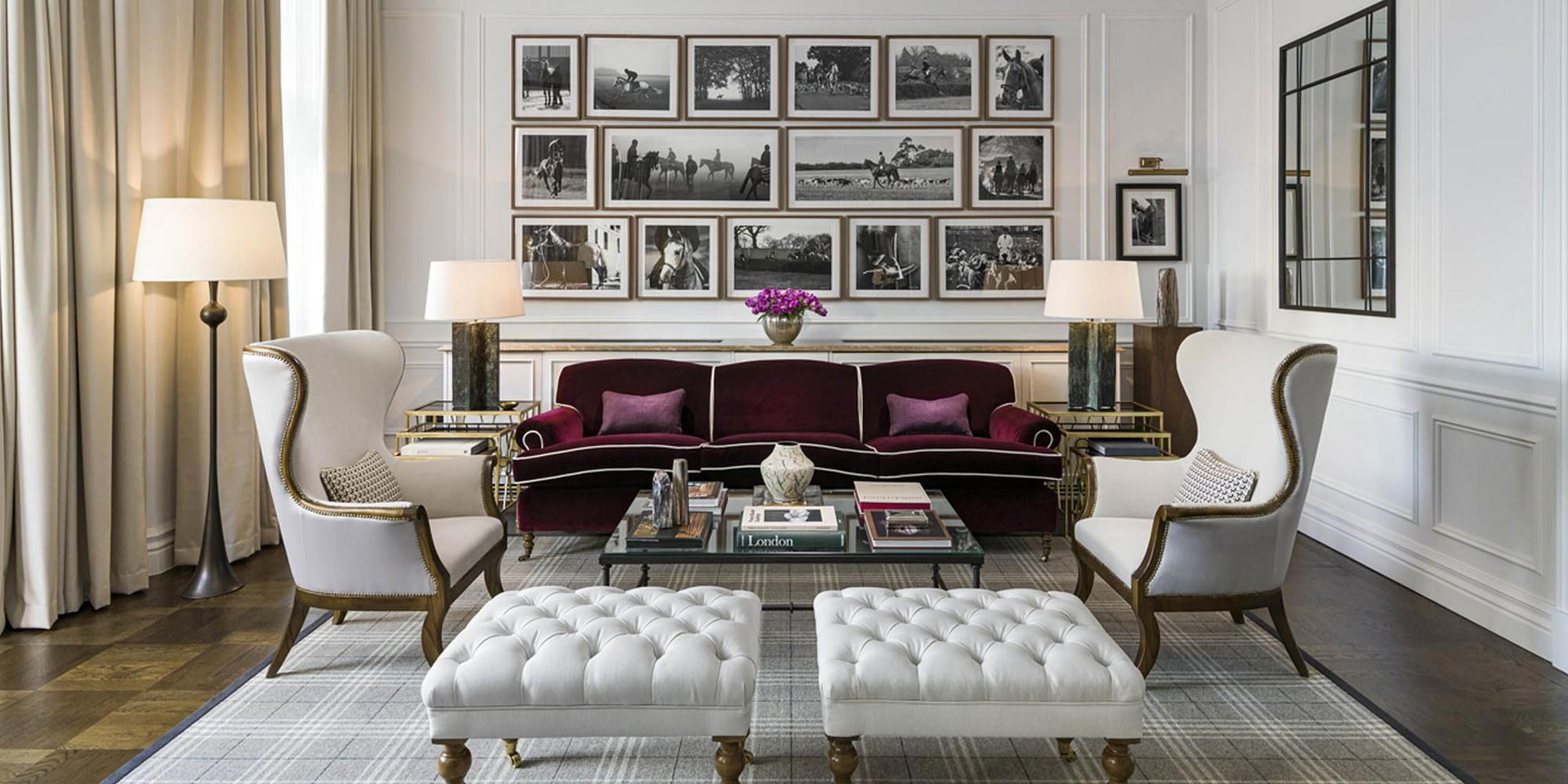
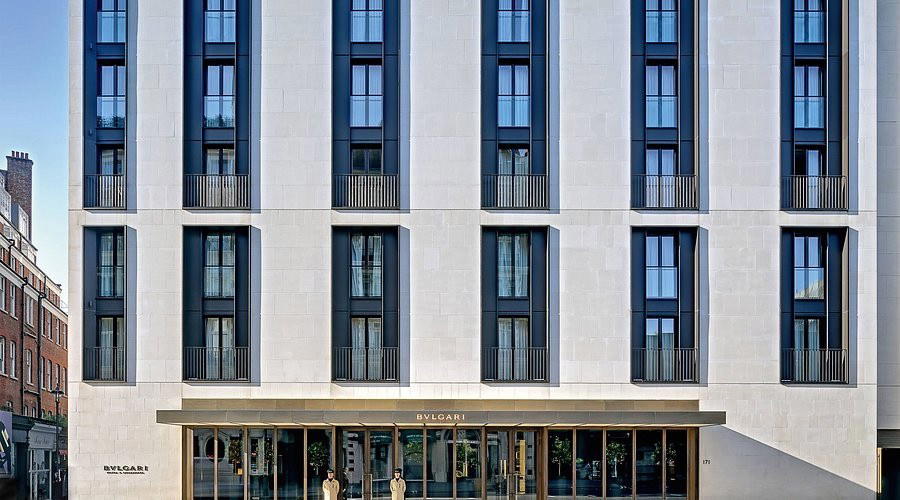
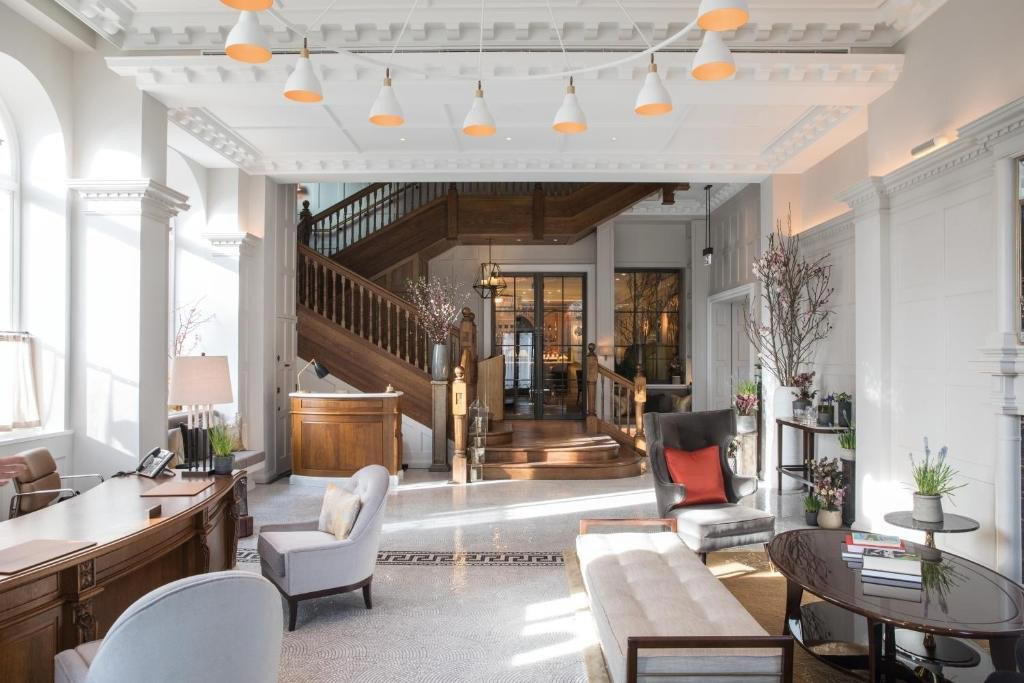
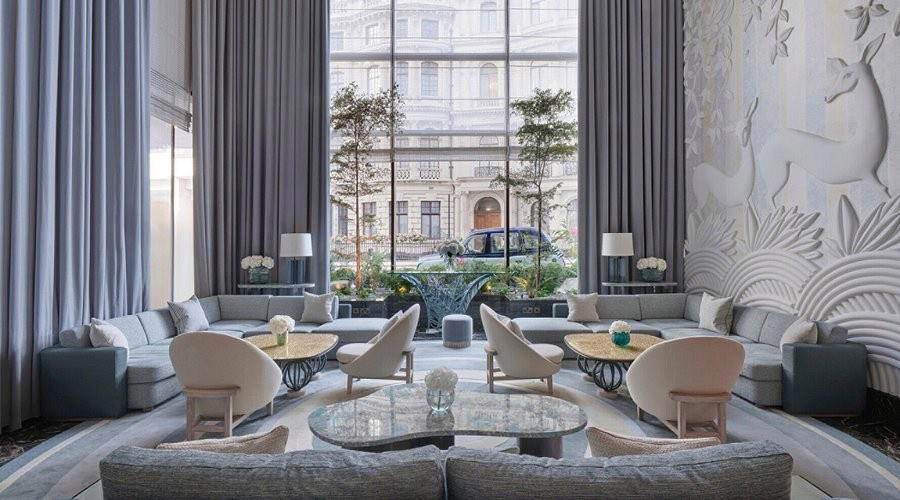
Modern décor with floor-to-ceiling glass windows creating a bright, comfortable, and self-confident atmosphere.