Skip to Main Content
Modern Gastropub
← Collection
Stockholm, Sweden

The Flying Elk

Price≈$50
Dress CodeSmart Casual
ServiceUpscale Casual
NoiseLively
CapacityMedium

The Flying Elk at Mälartorget 15 sits in the older, denser part of Stockholm's Gamla Stan-adjacent waterfront, where the city's pub-dining tradition meets a more considered kitchen. The address places it in a mid-tier bracket distinct from the tasting-menu circuit anchored by Frantzén and AIRA, making it a reference point for visitors tracking the gap between Stockholm's fine-dining peak and its everyday serious cooking.

Pearl is the En Primeur Club membership app — saves, bookings, and concierge access live there. Same editors, same standards.

Plan your visit on PearlPlan Your Visit
Address
Mälartorget 15, 111 27 Stockholm, Sweden
Phone
+46 8 20 85 83
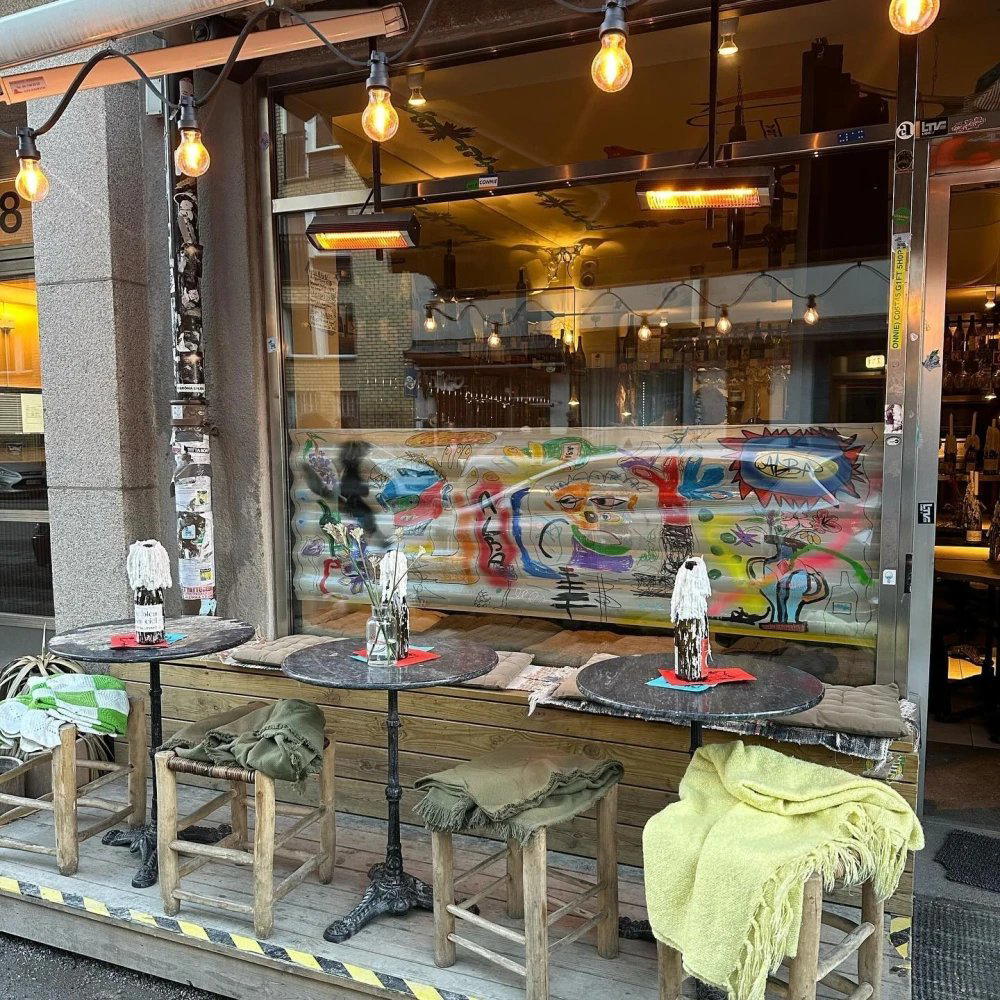
The Flying Elk restaurant in Stockholm, Sweden
About

Where Stockholm's Waterfront Pub Tradition Meets a Deliberate Kitchen

Stockholm's dining scene has sorted itself into recognisable tiers over the past decade. At the leading, a cluster of tasting-menu restaurants, including Frantzén and AIRA, operate at price points and booking difficulty that place them in a separate category from the city's broader dining life. Below that sits a more interesting and arguably more useful middle ground: kitchens that cook with genuine ambition but present themselves through a pub or bistro format that permits walk-ins, weekday lunches, and a bill that doesn't require advance financial planning. The Flying Elk, at Mälartorget 15 in the older quarter near Gamla Stan, occupies that middle tier.

Mälartorget sits on the water, in a part of the city where the built environment compresses the streets and the light off Lake Mälaren arrives at an angle that changes the feeling of an afternoon entirely. Stockholm's pub-dining tradition in this neighbourhood is not the same as the gastropub wave that swept London or the craft-beer hall model that took hold in Gothenburg. The format here tends toward something more restrained: dark wood, a bar that functions as the room's social axis, and a menu that moves between accessible and technical without announcing the shift too loudly.

Lunch and Dinner: Two Different Arguments for the Same Address

The lunch-versus-dinner divide is where The Flying Elk makes its most legible editorial case. Stockholm's mid-tier kitchens split sharply across daylight and evening service, and understanding that divide is the most practical way to calibrate a visit. Lunch in this bracket typically offers a compressed menu at a significantly lower price, with the same sourcing and kitchen discipline applied to fewer courses. The value case for lunch is stronger here than at the tasting-menu end of the market, where the price gap between lunch and dinner menus is narrower in proportional terms.

Evening service at addresses like this one tends to shift register. The room fills differently, the bar program becomes more central, and the kitchen is more likely to run specials that reflect what arrived that day rather than what was engineered into the menu weeks earlier. For visitors tracking the gap between Stockholm's fine-dining peak and its serious everyday cooking, the dinner service at a venue like The Flying Elk offers a more honest cross-section of how the city actually eats than a tasting menu at Operakällaren or Aloë on a special-occasion budget.

The practical implication: if the goal is value and a quieter room, lunch is the stronger play. If the goal is seeing how the kitchen performs under full load, with the bar operating properly and the room at capacity, evening is the correct session. Both are worth considering independently rather than treating either as a fallback for the other.

The Swedish Kitchen at Pub Scale

Sweden's restaurant conversation has been dominated for years by the New Nordic framework, a set of sourcing and technique principles that spread outward from the Copenhagen axis and found genuine local expression in Stockholm kitchens like Adam/Albin. The more interesting question now is what happens when those principles filter down into the pub-dining format. A kitchen operating at The Flying Elk's scale and price register cannot sustain the same foraging-and-fermentation infrastructure as a tasting-menu kitchen, but it can apply selective versions of the same sourcing discipline: Swedish produce, seasonal responsiveness, a preference for domestic protein over imported luxury ingredients.

That selective application is what distinguishes the better mid-tier Stockholm kitchens from venues that simply trade on atmosphere. The pub format is the vehicle, not the content. Across Sweden, similar dynamics are visible at different scales and in different cities: Vollmers in Malmö, PM & Vänner in Växjö, and more rurally, Knystaforsen in Rydöbruk each represent the same argument: that serious cooking does not require the tasting-menu format to be taken seriously. The Flying Elk sits within that national conversation at the Stockholm end, where the audience is larger and the competition for attention from visitors is sharper.

Positioning in Stockholm's Competitive Middle

For visitors who have already worked through the leading tasting-menu tier, or who are building a longer Stockholm itinerary that requires variety, the mid-tier addresses are where the city reveals more character. The comparison set for The Flying Elk is not AIRA or Frantzén. It sits alongside Stockholm's pub-bistro addresses where the kitchen has enough technical footing to be discussed in the same breath as the city's award circuit, without being enrolled in it.

Internationally, the closest structural analogues are kitchens that operate with a bar as their social anchor and a menu that functions as its own argument rather than as a support act for the drinking. Lazy Bear in San Francisco represents an American version of that model at a higher price point and with a more theatrical format. The Flying Elk's European pub context keeps the register lower and the format less declarative, which is appropriate for the neighbourhood and consistent with how Stockholm's older-city dining addresses have always presented themselves.

Sweden's broader dining geography, from Signum in Mölnlycke to ÄNG in Tvååker and VYN in Simrishamn, shows a pattern of serious kitchens distributed across the country rather than concentrated solely in the capital. Stockholm's mid-tier, which The Flying Elk represents, functions as the city's most accessible entry point into that national pattern for visitors who arrive without a reservation at one of the leading tiers.

Planning a Visit

The Flying Elk is located at Mälartorget 15, 111 27 Stockholm, in the older waterfront quarter that connects Gamla Stan with the Riddarholmen shoreline. The address is walkable from the central T-bana stations and from most hotel districts in the inner city. For visitors building a Stockholm itinerary across multiple days, it fits logically as a lunch stop on a day that includes the Gamla Stan streets or the Riddarfjärden waterfront, or as an early-evening dinner before moving to a bar in the Södermalm direction. Given the pub format, booking ahead is advisable for dinner on Thursday through Saturday; lunch periods typically carry less pressure. For those extending into southern Sweden after Stockholm, Hoze in Gothenburg, Claesgatan 8 in Malmö, Sydkustens at Pillehill in Skivarp, and Bistro Jarlen in Halmstad represent the same mid-tier seriousness across the southwest corridor.

Signature Dishes
fish and chipsschnitzel Björn Frantzéncheeseburger
Frequently asked questions

Budget Reality Check

Comparable venues nearby, for context on price, style, and recognition.

At a Glance
Vibe
  • Lively
  • Modern
  • Rustic
  • Trendy
Best For
  • Group Dining
  • Casual Hangout
  • After Work
Experience
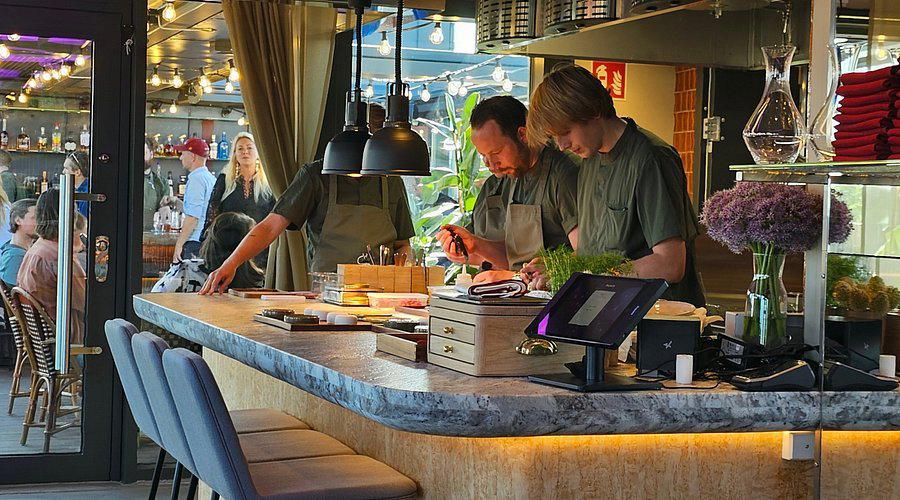
  • Open Kitchen
Drink Program
  • Craft Cocktails
  • Beer Program
Sourcing
  • Local Sourcing
Views
  • Street Scene
Dress CodeSmart Casual
Noise LevelLively
CapacityMedium
Service StyleUpscale Casual
Meal PacingStandard

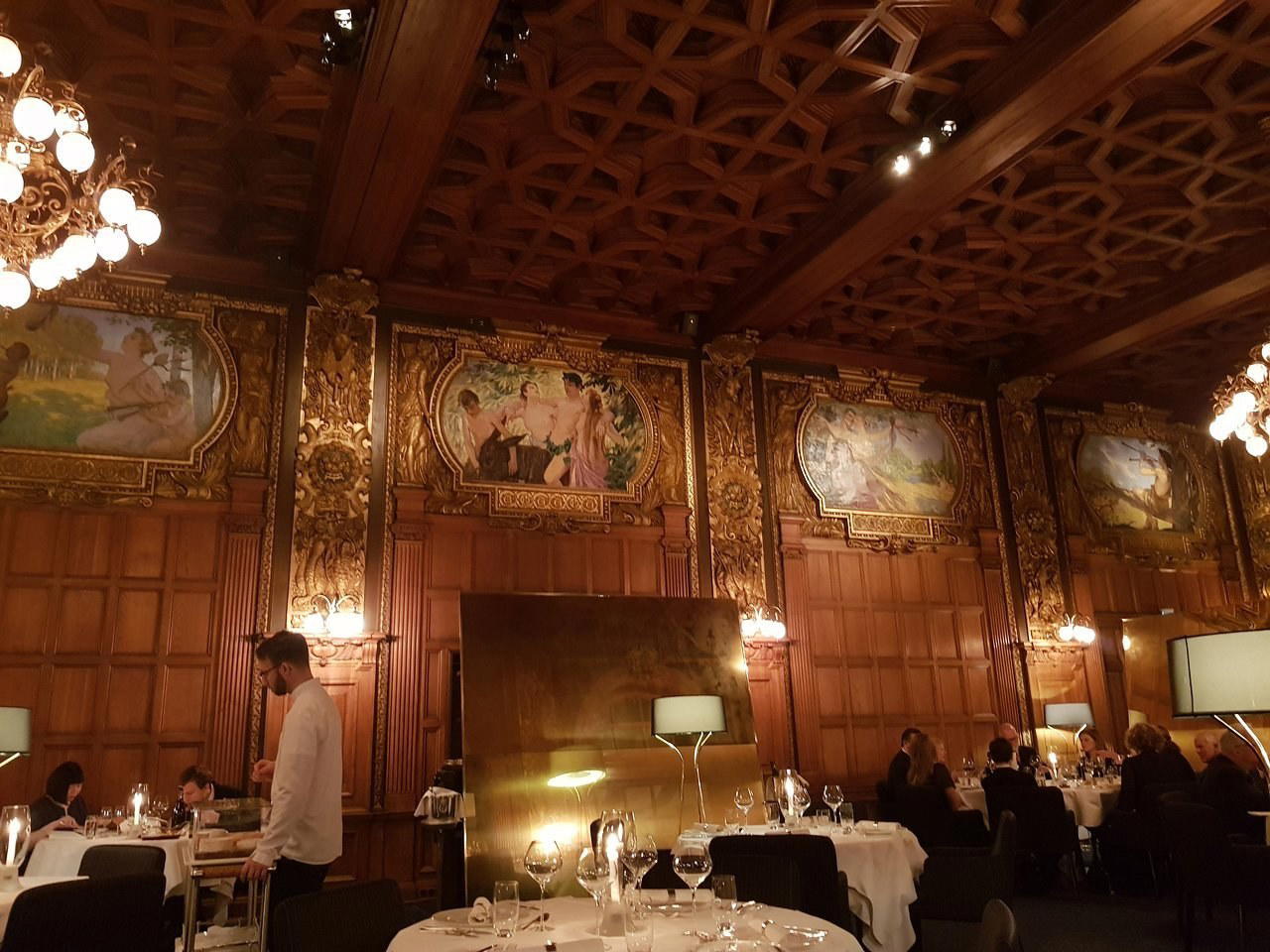
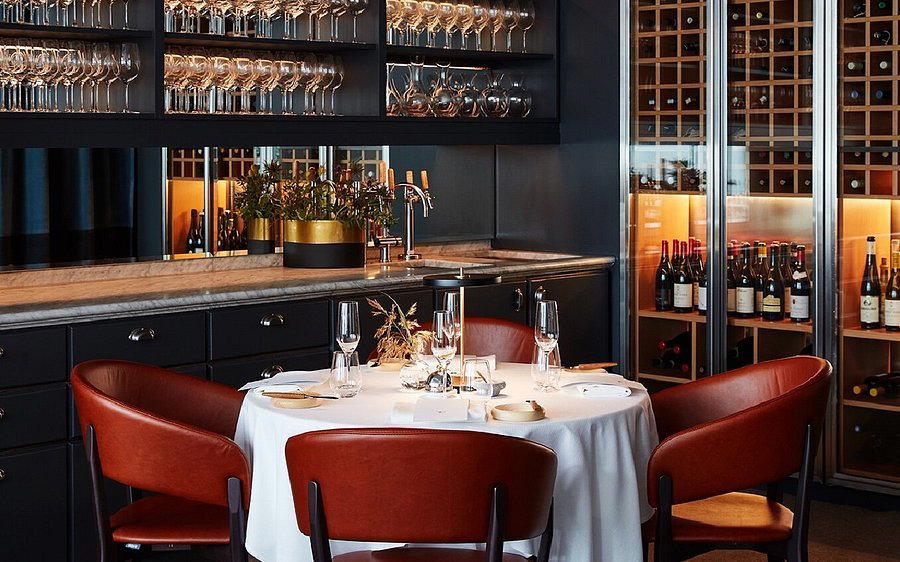
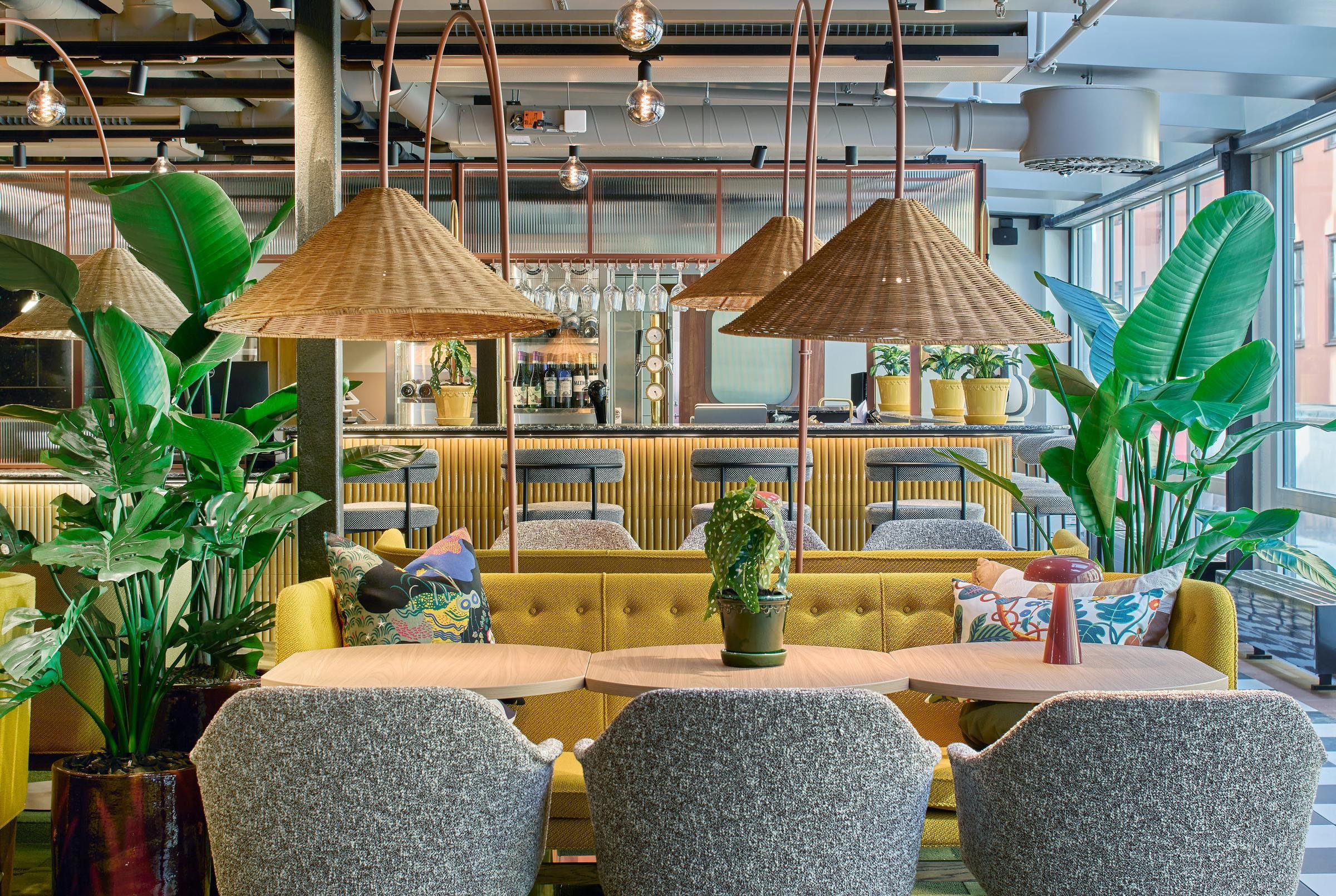
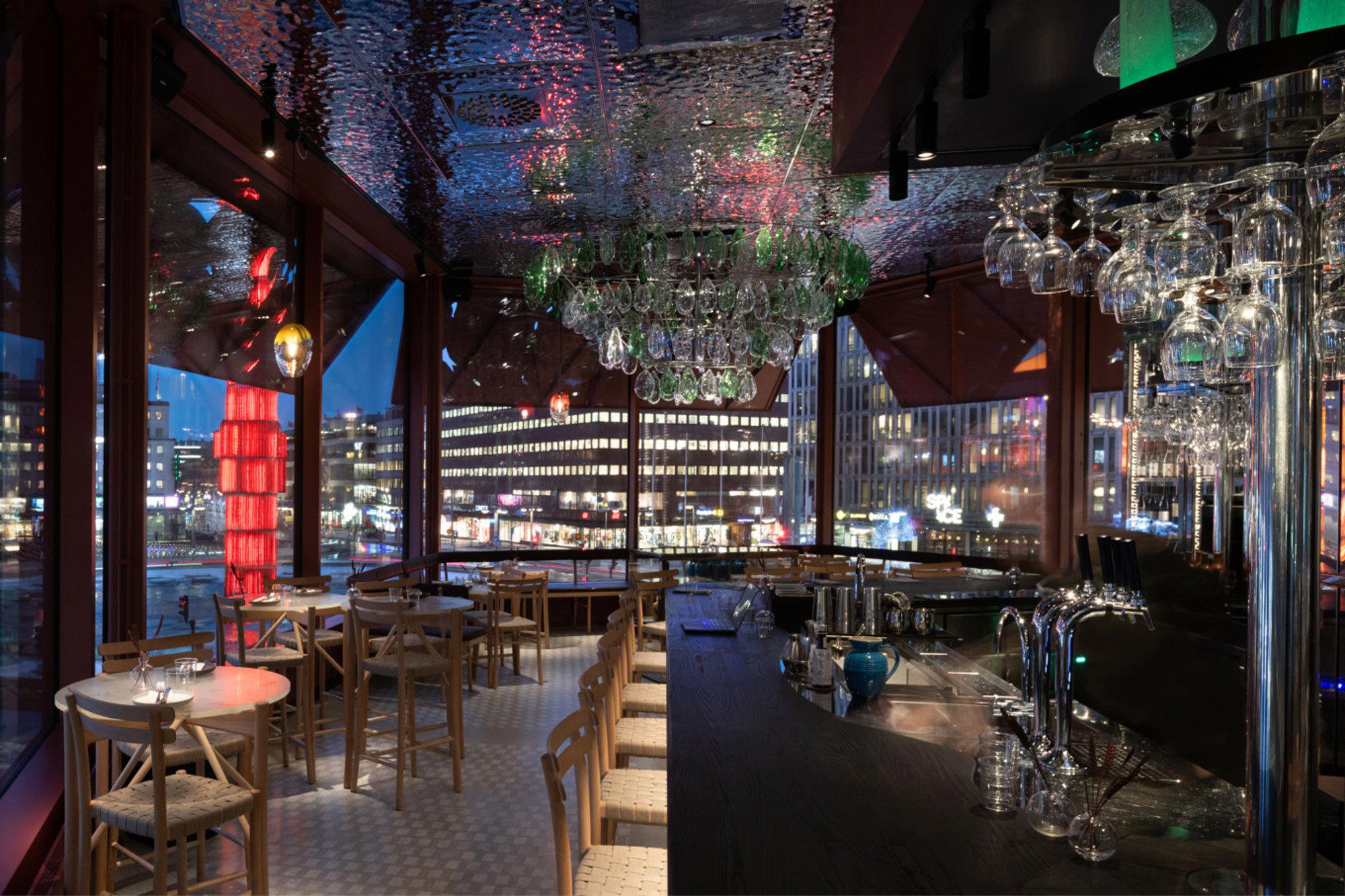
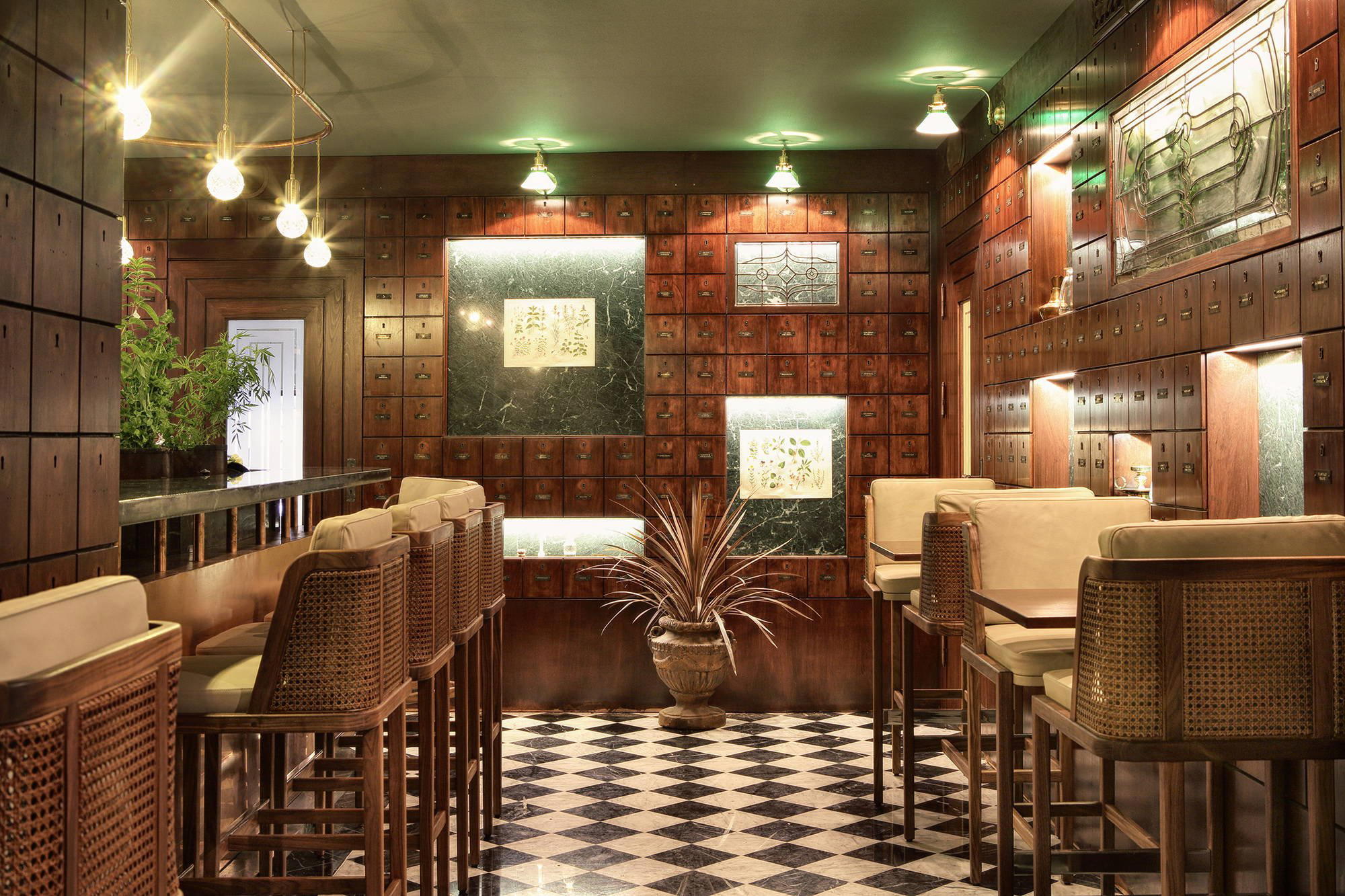
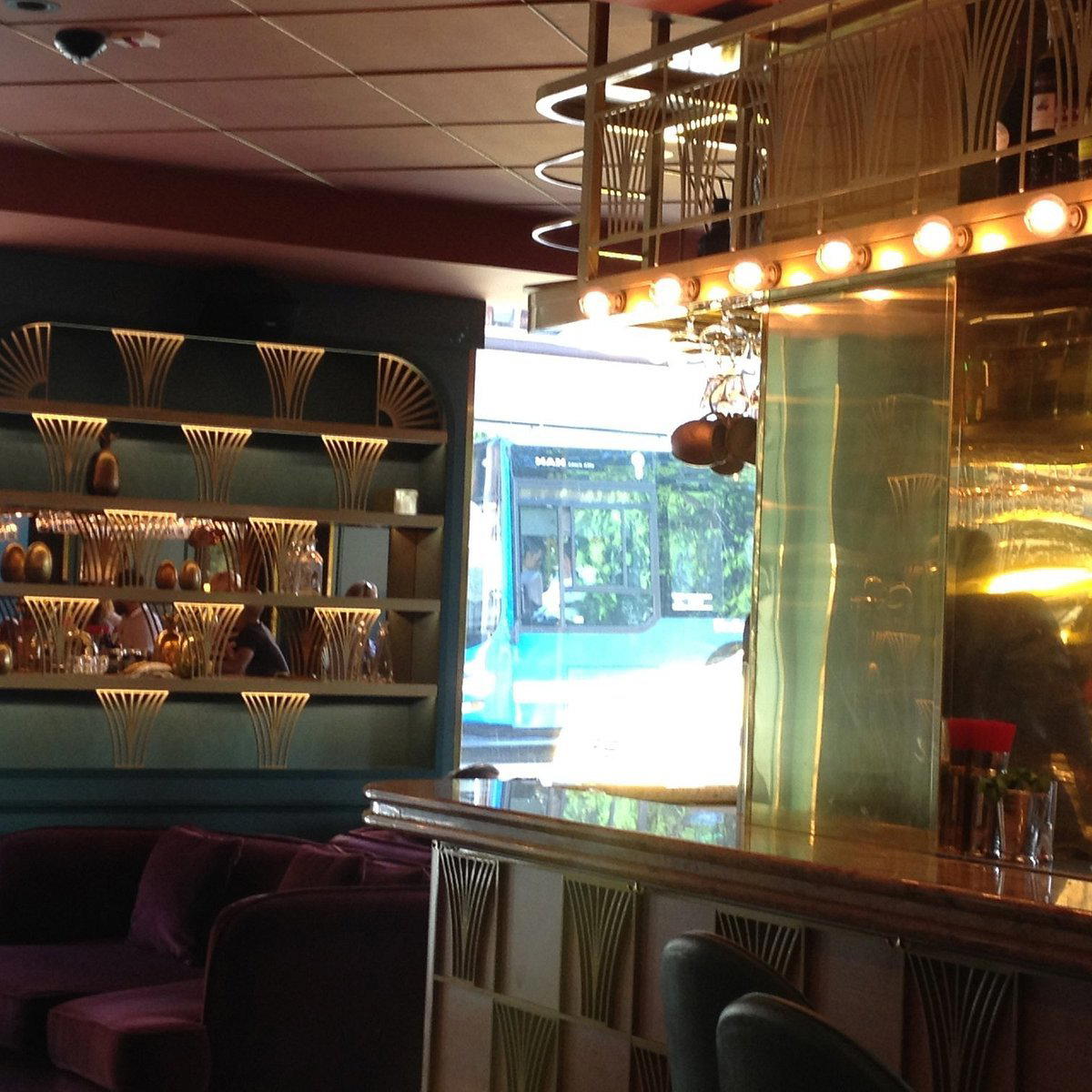
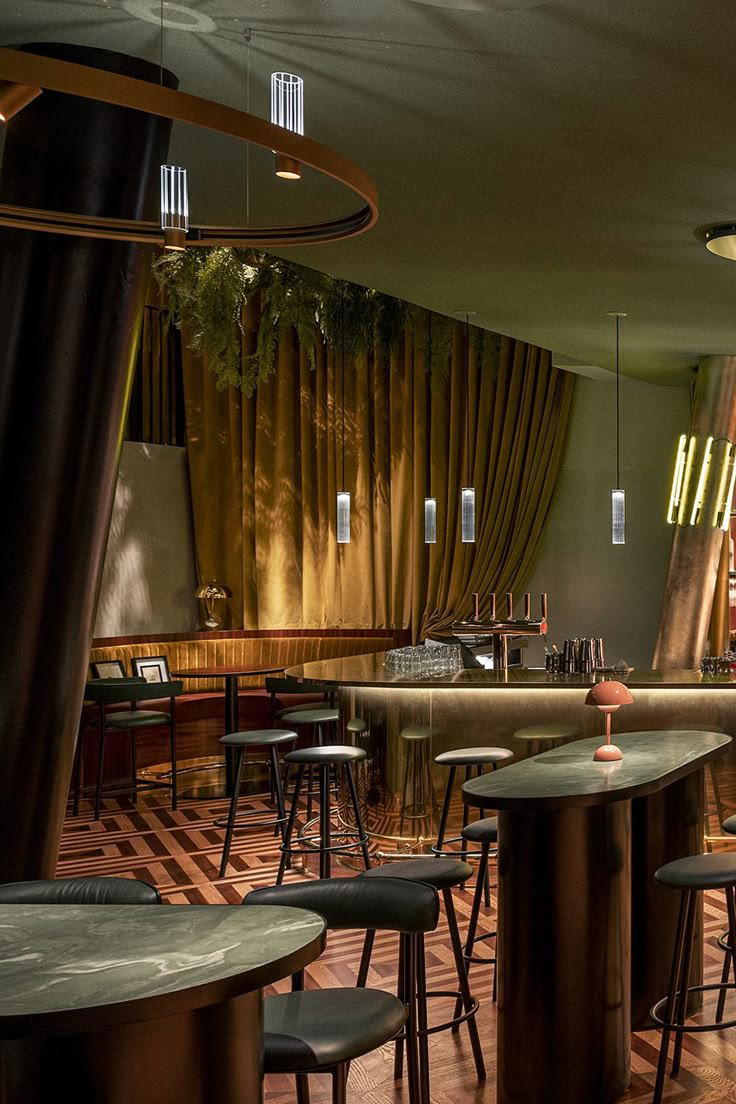
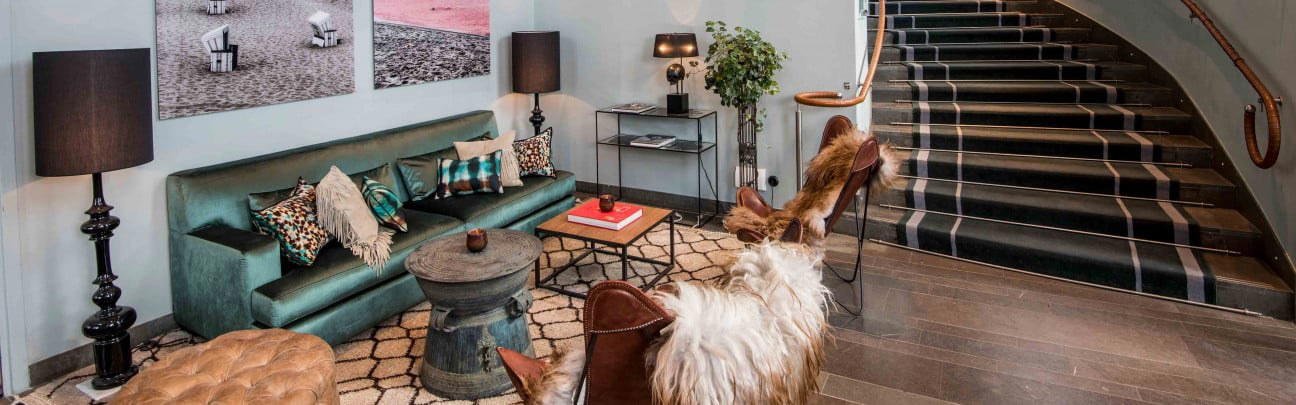
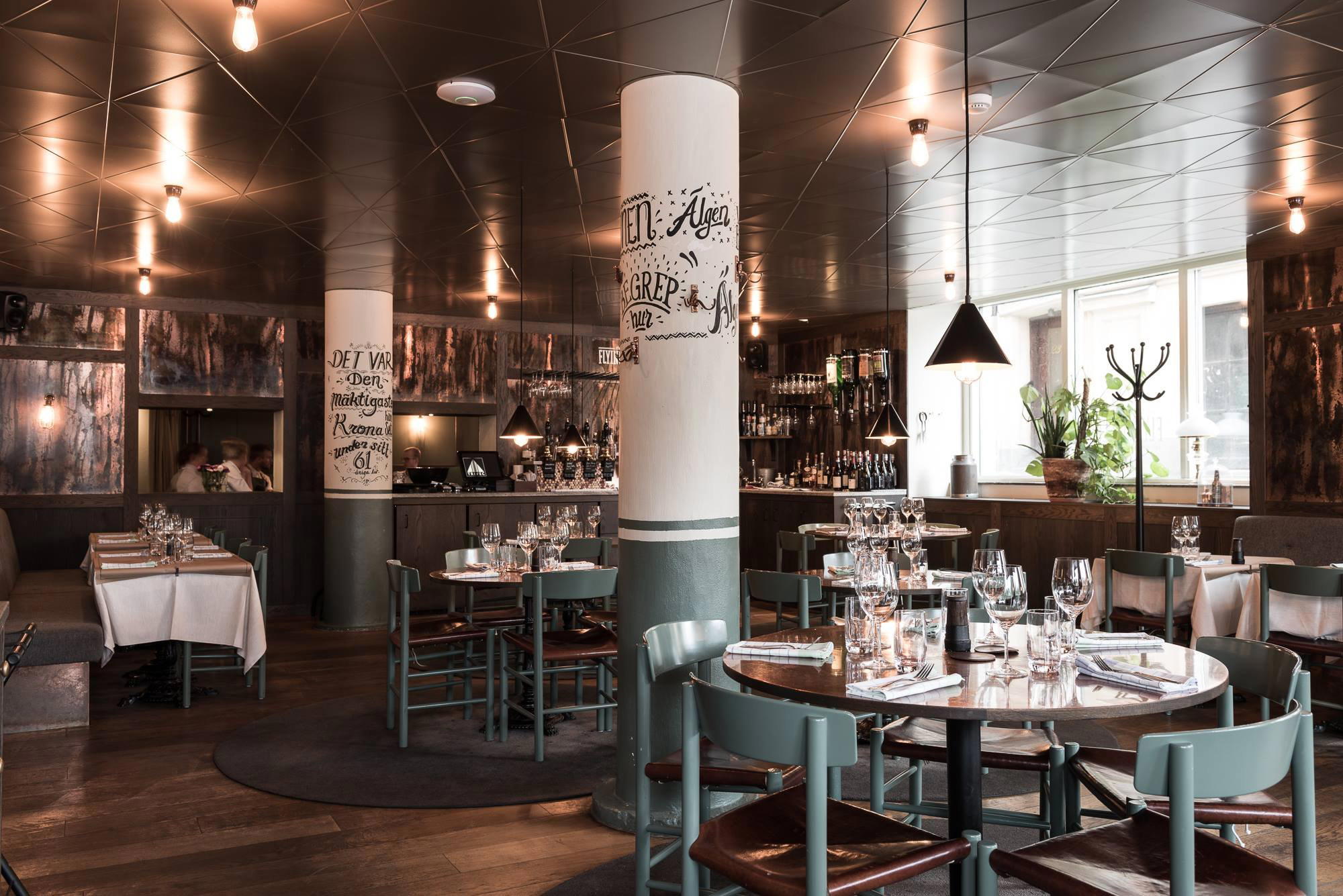
Slickly designed large space with oak and copper panels, Chesterfield-style seating, and Tom Dixon lamps, creating a modern Nordic pub atmosphere that gets busy but maintains quality.

Signature Dishes
fish and chipsschnitzel Björn Frantzéncheeseburger