Restaurant Pelikan on Blekingegatan is one of Södermalm's most enduring institutions, a grand brasserie where the beer-hall ceilings, dark wood panelling, and schnapps-friendly menu have kept Stockholm's regulars returning for generations. The cooking centres on Swedish husmanskost, the kind of meatballs, herring, and pickled accompaniments that fine-dining neighbours in the city rarely attempt. For visitors wanting to understand Swedish table culture rather than its tasting-menu ambitions, Pelikan is the reference point.
Pearl is the En Primeur Club membership app — saves, bookings, and concierge access live there. Same editors, same standards.
- Address
- Blekingegatan 40, 116 62 Stockholm, Sweden
- Phone
- +46 8 556 090 90
- Website
- pelikan.se
- Directions
- Get directions
 Saves & bookings on Pearl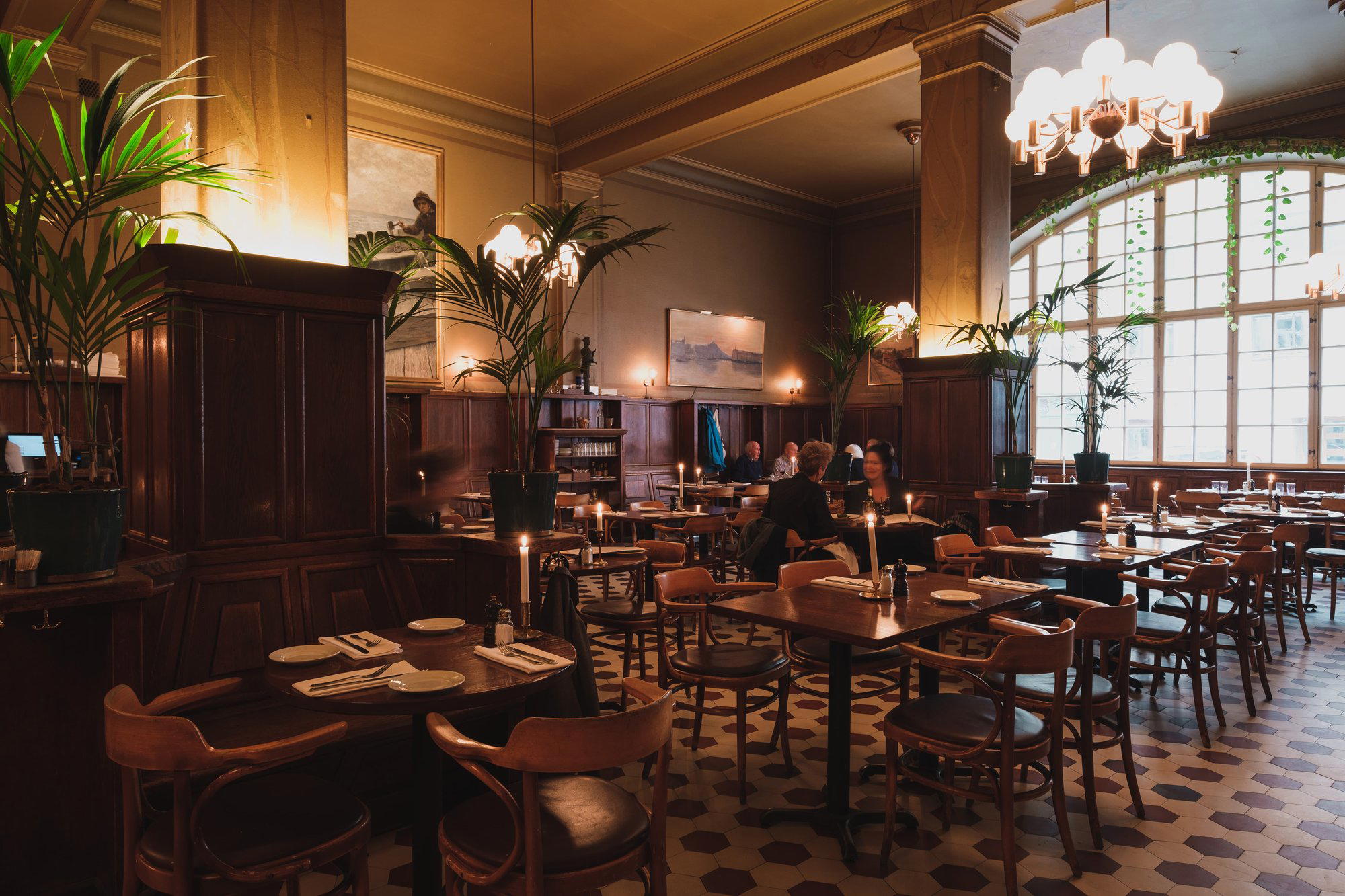
A Room That Has Already Made Up Its Mind
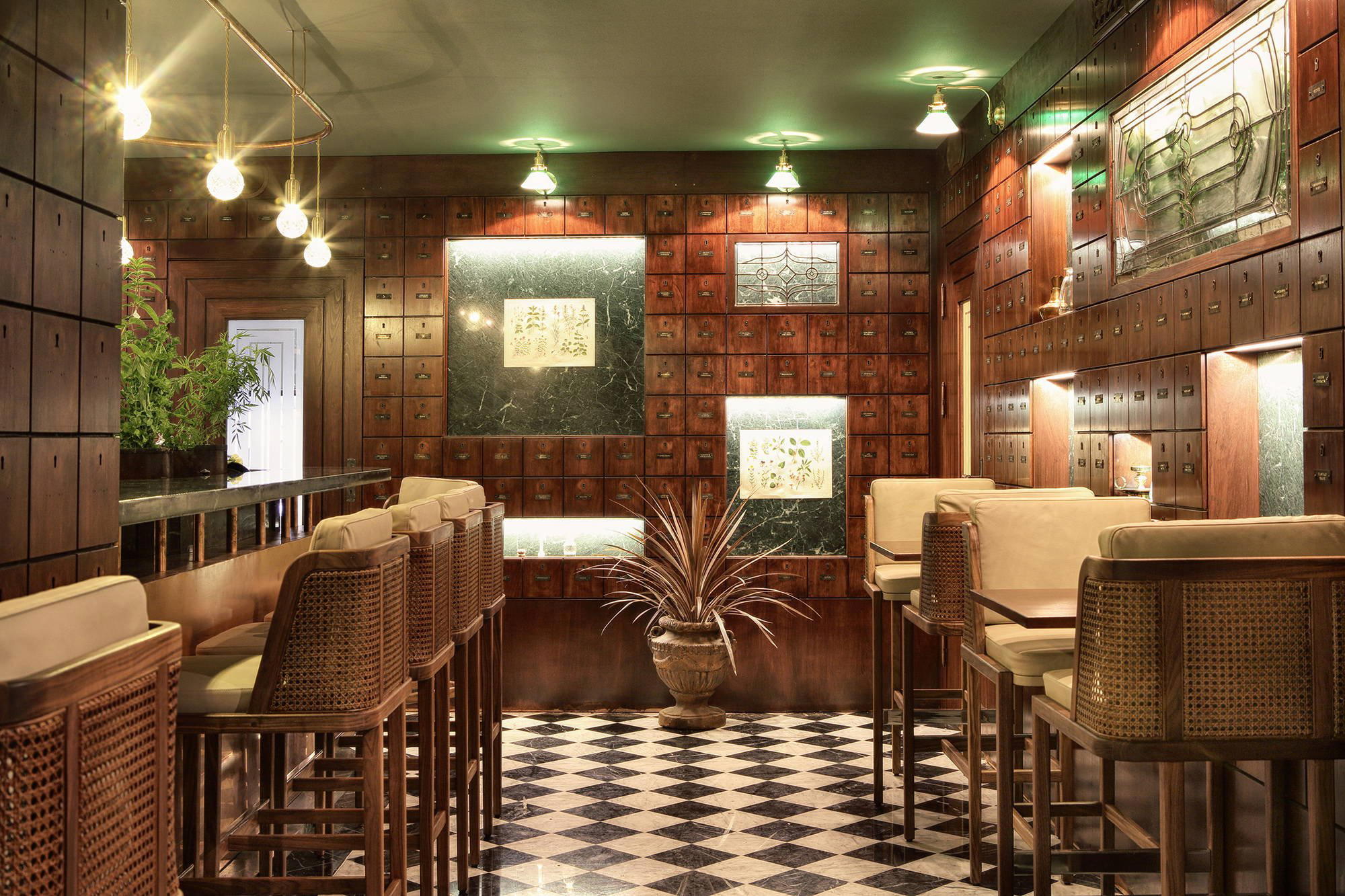
There are restaurants that spend considerable effort signalling what they want you to feel. Pelikan on Blekingegatan 40 in Södermalm does none of that. The dining room, high coffered ceilings, worn wooden floors, tiled columns, amber light from globe fittings, has the settled authority of a space that stopped worrying about its identity sometime in the early twentieth century. Walking in, particularly on a weekday evening when the room is two-thirds full, you are not entering a concept. You are entering a room that has already been argued over, celebrated in, and returned to by several generations of Stockholm residents.
That continuity is the point. In a city where the restaurant conversation is increasingly dominated by tasting menus, New Nordic technique, and the competitive pressure of Michelin recognition, venues like Frantzén, AIRA, and Aloë occupying the higher-ambition tier, Pelikan holds a category that is genuinely harder to sustain: the grand Swedish brasserie, built around husmanskost, done without apology or irony.
What the Regulars Actually Order
The loyalty of Pelikan's regular clientele is not built on novelty. Swedish husmanskost, the working-class comfort cooking that forms the backbone of this menu, does not reward constant reinvention. What keeps people returning to places like this is precision in the familiar: meatballs that are correctly seasoned and properly textured, herring preparations that are balanced rather than aggressively cured, accompaniments, pickled cucumber, lingonberry, cream sauces, that observe proportion rather than abundance.
Across Scandinavia, brasseries and konditorier operating in a similar register to Pelikan have either drifted toward bistro modernism or retreated into tourist-menu caricature. The challenge of staying genuinely useful to a local population, rather than performing tradition for visitors, is one that most period dining rooms fail within a decade. The regulars who fill Pelikan's wooden booths on Thursday evenings are not there for nostalgia tourism. They are there because the kitchen delivers against a fixed, understood standard, and has done so with enough consistency to make the room part of their social infrastructure.
In the broader Swedish dining context, that regulars-first orientation places Pelikan in a distinct peer group from the destination restaurants that dominate the city's critical coverage. Adam/Albin and Operakällaren serve a customer who plans a visit; Pelikan serves a customer who simply goes, sometimes without a reservation, sometimes twice in the same week. That is a functionally different restaurant.
Södermalm and the Geography of Stockholm Eating
Södermalm's position in Stockholm's dining geography matters here. The island has long operated as the counterweight to Östermalm's more formal dining rooms and Norrmalm's corporate lunch culture. It has a higher density of neighbourhood restaurants, places where the audience is local, the margins are real, and the test of longevity is repeat business rather than first-visit impressions. Pelikan sits at the older, more institutionalised end of that Södermalm tradition, a counterpoint to the newer wine bars and natural-wine-focused bistros that have colonised the same postcodes in recent years.
For anyone building a broader sense of Swedish regional cooking, it is worth noting that the husmanskost tradition Pelikan represents is not distinctive to Stockholm. Across southern and western Sweden, similar kitchens operate with varying levels of ambition, from the refined rural cooking at ÄNG in Tvååker and Knystaforsen in Rydöbruk to more grounded expressions in places like Bistro Jarlen in Halmstad and PM & Vänner in Växjö. What Pelikan offers that those destinations do not is urban scale, the brasserie format, the high-ceilinged room, the ability to seat a large party or absorb a solo diner with equal ease.
The Unwritten Menu
Any restaurant that has operated for as long as Pelikan develops what might be called an unwritten menu: a set of understandings between the kitchen and the regulars that never appears on the printed card. It is the knowledge of which schnapps is worth ordering, which preparation of herring is the kitchen's reference version rather than its compromise version, which tables catch the leading light in winter. This layer of institutional knowledge is not accessible on a first visit, but it is why the room fills with people who have been coming for years rather than people who found the address on a travel platform that morning.
For the first-time visitor, the practical approach is to treat the menu as a survey of Swedish table tradition rather than a list of individual dishes to be optimised. Order the meatballs, order herring in at least one preparation, observe what the table next to you is drinking. The room will teach you more than the menu will.
Planning a Visit
Pelikan's address, Blekingegatan 40 in Södermalm, places it within walking distance of the Skanstull metro station, making it direct to reach from most central Stockholm locations. The room is large by Stockholm brasserie standards, which means walk-in availability is more realistic here than at the tasting-menu counters elsewhere in the city, though weekend evenings will test that tolerance. The format suits a range of group sizes, from two to larger gatherings, and the beer-hall character of the room means the noise level absorbs conversation rather than suppressing it.
Cost Snapshot
Comparable venues nearby, for context on price, style, and recognition.
| Venue | Cuisine | Price | Notes |
|---|---|---|---|
| Restaurant PelikanThis venue — the venue you are viewing | Södermalm, Traditional Swedish | $$ | Not listed |
| Meatballs | Södermalm, Traditional Swedish Meatballs | $$ | Not listed |
| Knut Upplandsgatan | Norrmalm, Northern Swedish | $$ | Not listed |
| Tennstopet Grill | Not listed | $$ | Vasastan, Traditional Swedish Husmanskost |
| Restaurant Bakfickan | Not listed | $$ | Norrmalm, Traditional Swedish Home Cooking |
| Pom Friterie | Not listed | $$ | Norrmalm, Dutch Street Food - Artisanal Fries |
Continue exploring
More in Stockholm
Restaurants in Stockholm
Browse all →
Bars in Stockholm
Browse all →
At a Glance
- Classic
- Well Known
- Rustic
- Group Dining
- Casual Hangout
- Historic Building
- Beer Program
Current opening hours
- Monday
- 11:30 AM–1 AM
- Tuesday
- 11:30 AM–1 AM
- Wednesday
- 11:30 AM–1 AM
- Thursday
- 11:30 AM–1 AM
- Friday
- 11:30 AM–1 AM
- Saturday
- 11:30 AM–1 AM
- Sunday
- 11:30 AM–1 AM
Hours can change for holidays and private events. Last verified .
Nostalgic atmosphere with grand wood-paneled interior, high ceilings, and classic wooden furniture in a spacious beer-hall setting.