On Swedenborgsgatan in Södermalm, Morfar Ginko occupies the quieter, more local end of Stockholm's dining spectrum — a neighbourhood fixture that rewards guests who seek out context over celebrity. The address places it among the cafes and independent spots that define the district's character, where provenance and seasonal rhythm tend to matter more than formal ceremony.
Pearl is the En Primeur Club membership app — saves, bookings, and concierge access live there. Same editors, same standards.
- Address
- Swedenborgsgatan 13, 118 48 Stockholm, Sweden
- Phone
- +46 8 641 13 40
- Website
- morfarginko.se
- Directions
- Get directions
 Saves & bookings on Pearl
Södermalm's Quieter Register
Stockholm's restaurant conversation tends to collect around a handful of well-documented addresses: the tasting-menu temples of Östermalm, the grand rooms of Gamla Stan, and the Michelin-tracked counters that draw international visitors. Södermalm operates on a different frequency. The neighbourhood's dining identity has long been shaped by a denser, more residential logic — places that function as extensions of the surrounding streets rather than destinations engineered for occasion. Morfar Ginko, at Swedenborgsgatan 13, sits inside that pattern. The address is close enough to Mariatorget and the SoFo quarter to draw from both, yet the street itself maintains the low-register character that distinguishes this part of Stockholm from the city's more performed dining corridors.
Visiting Södermalm in the shoulder seasons — late autumn and early spring, makes the neighbourhood's particular appeal clearer. Summer terraces and tourist traffic thin out, and what remains is the area's actual social fabric: regulars, local professionals, the kind of unhurried lunch crowd that signals a place has roots in its immediate community rather than in any given year's press cycle. Morfar Ginko's position on Swedenborgsgatan places it in that daily rhythm.
Where the Food Comes From
Sweden's relationship with ingredient sourcing has changed substantially over the past two decades. What began as a Nordic fine-dining argument, that Swedish produce, properly understood, could anchor menus of international ambition, has filtered down through price tiers and into neighbourhood dining in ways that are now structural rather than promotional. The country's short growing season, combined with a culture of preservation and fermentation that predates the New Nordic movement by centuries, means that seasonal sourcing in a Stockholm restaurant is not simply a marketing position. It reflects genuine supply constraints and, in many cases, longstanding supplier relationships.
In the neighbourhood-restaurant tier where Morfar Ginko operates, that sourcing logic tends to show up less in elaborate menu language and more in what actually appears on the plate from week to week. The Södermalm dining scene has produced several venues that treat provenance as operational rather than decorative, places where the menu shifts because the supply shifts, not because a creative direction requires it. That model demands more flexibility from the kitchen and more trust from the regular guest, but it also produces food that reads differently across visits. This is the tradition Morfar Ginko's address and character place it within, even if the specific sourcing relationships the kitchen maintains are not publicly documented.
For context on what sourcing-led cooking looks like at the higher price tiers in Sweden, properties like ÄNG in Tvååker and Knystaforsen in Rydöbruk have built reputations around direct producer relationships and hyper-local sourcing in rural settings. VYN in Simrishamn and Signum in Mölnlycke demonstrate how southern Swedish kitchens work with coastal and agricultural suppliers in ways that differ noticeably from Stockholm's landlocked urban sourcing patterns. Morfar Ginko, operating at street level in Södermalm, works within a different constraint set, urban, small-scale, neighbourhood-facing, but the broader Swedish preoccupation with where ingredients originate runs through venues at every tier.
The Stockholm Tier This Address Occupies
Stockholm's dining market has stratified clearly. At the leading, a cluster of tasting-menu operations, Frantzén, AIRA, and Aloë, compete internationally and price accordingly. A middle tier, which includes institutions like Operakällaren and more contemporary formats like Adam / Albin, serves occasion dining at significant price points. Below that, a neighbourhood tier operates with fewer formal signals, no tasting menus required, no dress code pressure, no international reservation queues, but often with comparable seriousness about what ends up on the table.
Morfar Ginko occupies this third tier, which in Södermalm means something specific. The neighbourhood's independent restaurant culture has historically been resistant to the formality that dominates Östermalm, and that resistance has produced a set of venues where the quality argument is made through the plate rather than through the room's finish or the reservations system. Peer comparisons outside Stockholm reinforce what this tier can achieve: Vollmers in Malmö, PM & Vänner in Växjö, and Bistro Jarlen in Halmstad each demonstrate how regional Swedish restaurants can carry serious ambitions without the apparatus of fine dining. Hoze in Gothenburg and Claesgatan 8 in Malmö similarly point to a broader Scandinavian pattern of neighbourhood venues that earn loyalty through consistency rather than spectacle.
Internationally, the neighbourhood-serious model has well-documented precedents. Lazy Bear in San Francisco represents how a communal, informal format can carry technical ambition without the conventional fine-dining frame. Le Bernardin in New York City sits at the opposite end of the formality scale, but both cases illustrate the same principle: the room's register and the food's register don't have to match for a venue to carry weight. Sydkustens at Pillehill in Skivarp offers another Swedish data point for how rural and small-format venues can operate with outsized ambition relative to their size.
Planning a Visit
Morfar Ginko is reachable on foot from Mariatorget metro station in under five minutes, placing it comfortably within the SoFo grid that defines the neighbourhood's most active dining zone. Swedenborsgatan is a residential street rather than a commercial corridor, which means the venue's walk-in and booking dynamics are worth confirming directly before visiting. Stockholm restaurants at this tier vary considerably: some operate as genuine drop-in venues, others have moved to partial or full reservation systems in response to demand. Given the limited publicly available data on Morfar Ginko's current format, contacting the venue ahead of any planned visit is the practical minimum. For a broader map of where Stockholm's dining scene sits across its various tiers and neighbourhoods, the EP Club Stockholm guide covers the city's full range.
Nearby-ish Comparables
| Venue | Cuisine | Price |
|---|---|---|
| Morfar GinkoThis venue — the venue you are viewing | This venue | Not listed |
| Operakällaren | Swedish, Modern Cuisine | €€€€ |
| AIRA | Modern European, Modern Cuisine | €€€€ |
| Adam / Albin | New Nordic | €€€€ |
| Ekstedt | Progressive Asador, Grills | €€€€ |
| Etoile | Contemporary French, Creative | €€€€ |
Continue exploring
More in Stockholm
Restaurants in Stockholm
Browse all →
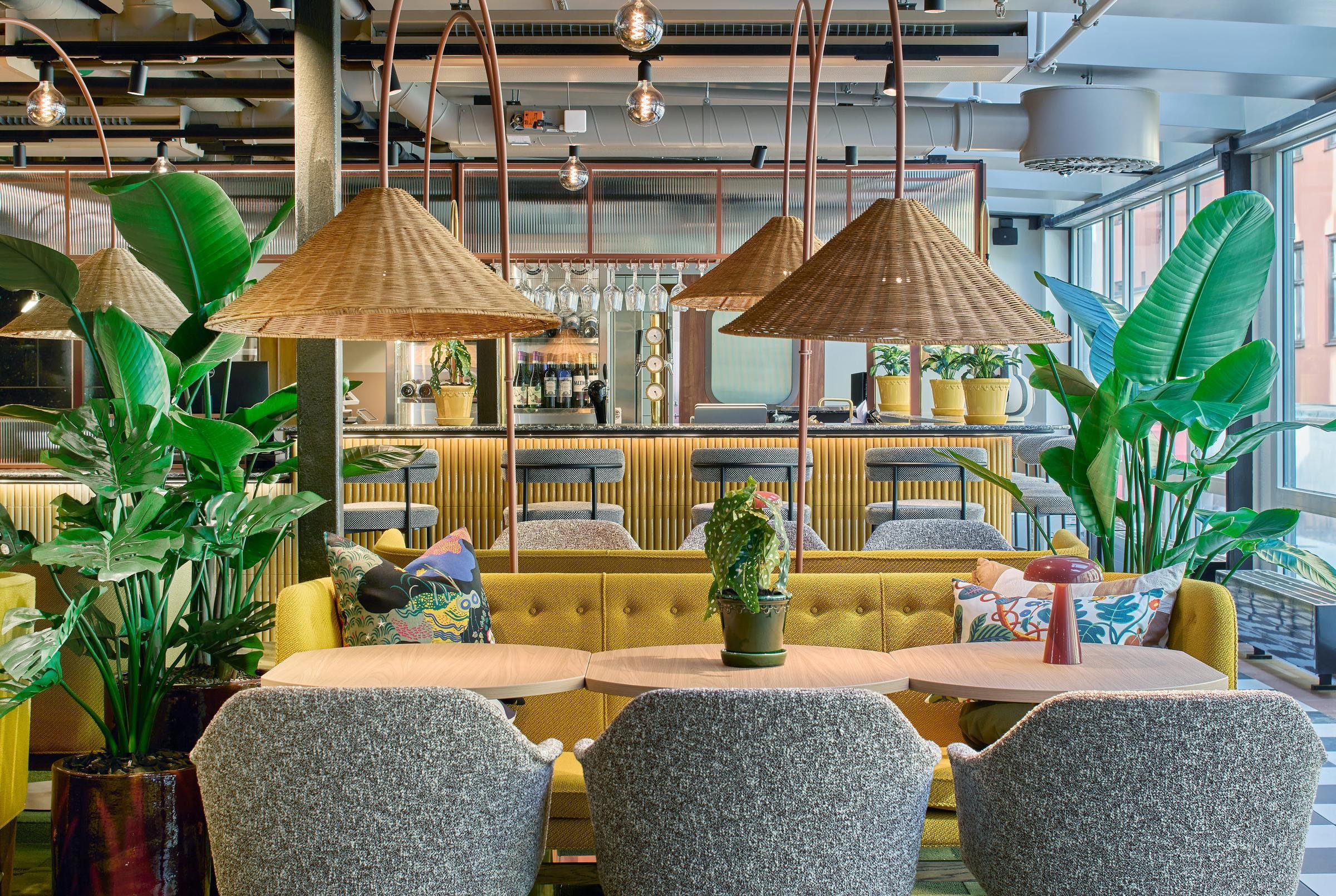
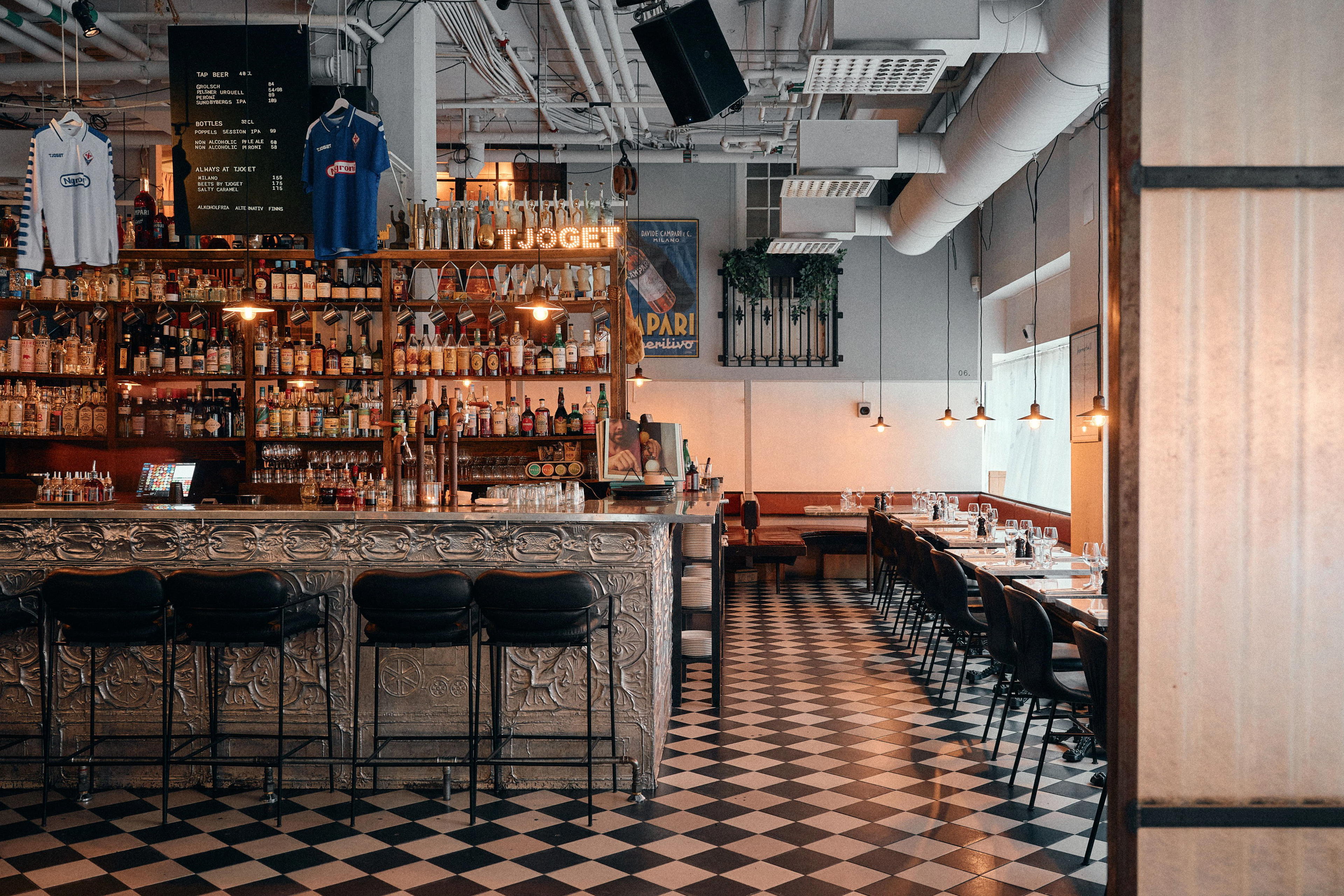
Bars in Stockholm
Browse all →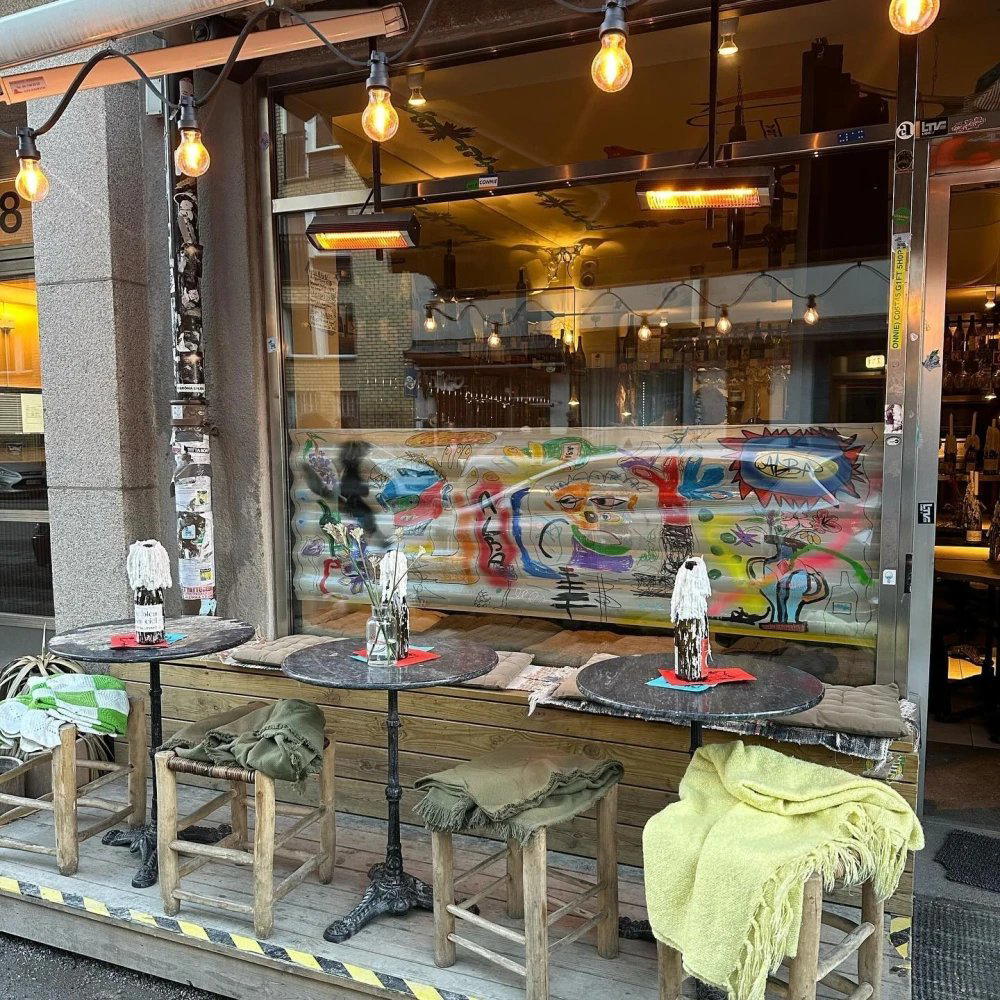
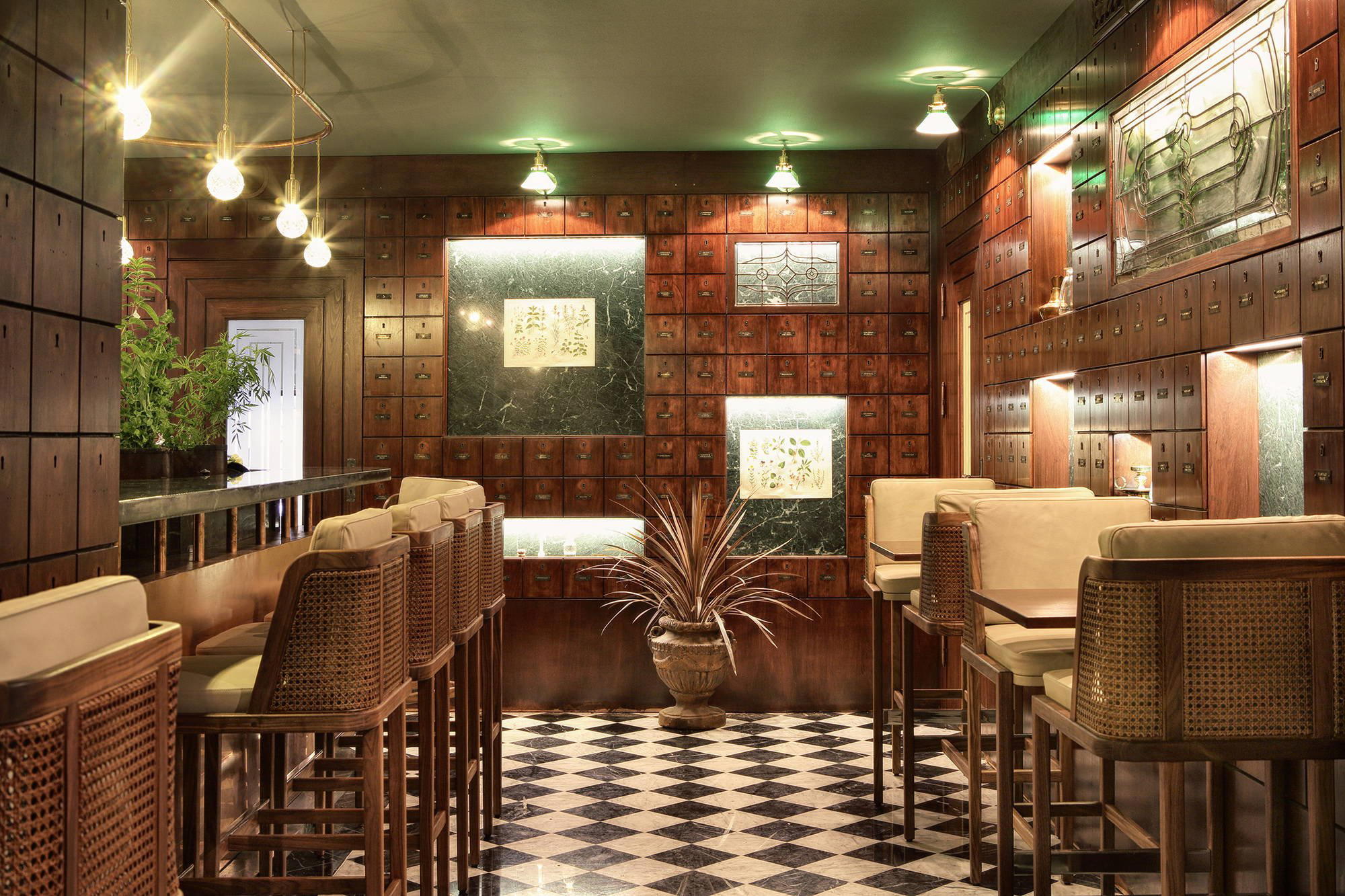
At a Glance
- Trendy
- Lively
- Industrial
- Energetic
- Casual Hangout
- After Work
- Group Dining
- Open Kitchen
- Craft Cocktails
Current opening hours
- Monday
- 5 PM–1 AM
- Tuesday
- 5 PM–1 AM
- Wednesday
- 5 PM–1 AM
- Thursday
- 5 PM–1 AM
- Friday
- 4 PM–1 AM
- Saturday
- 4 PM–1 AM
- Sunday
- Closed
Hours can change for holidays and private events. Last verified .
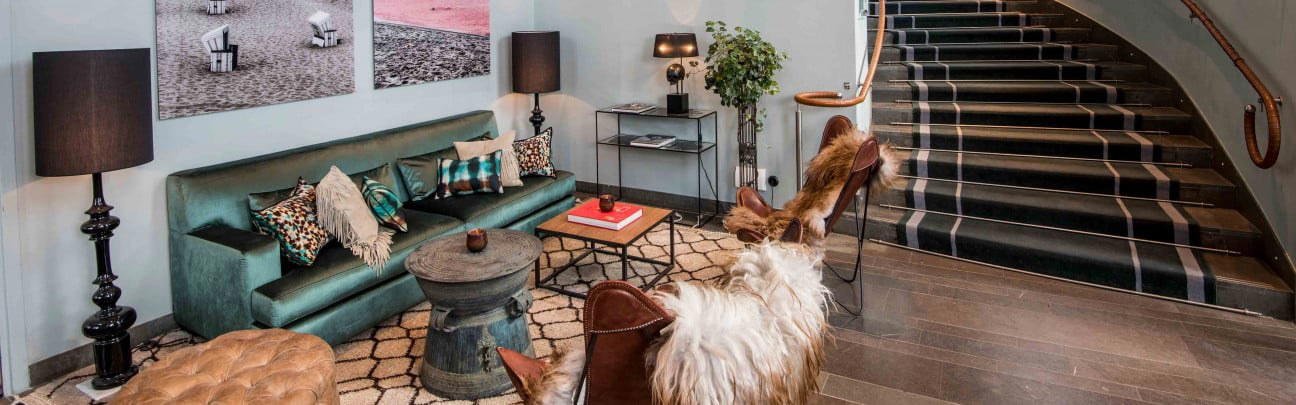
Lively industrial-chic atmosphere with glowing pastel neon signs, exposed pipes, and lively energy popular with young crowds.
Know Before You Go
- Getting there
- Swedenborgsgatan 13, 118 48 Stockholm, Sweden