Our verdict
In the coffee and spice hills above Salem, The Fig Tree Place brings a locally grounded approach to dining that is increasingly rare in Tamil Nadu's hill station circuit. The kitchen draws on fresh, seasonal produce sourced from the surrounding Shevaroy Hills, placing Yercaud's agricultural identity at the centre of the plate. For travellers seeking a meal that reflects where they actually are, it earns serious attention.

Pearl is the En Primeur Club membership app — saves, bookings, and concierge access live there. Same editors, same standards.
- Address
- Yercaud, India
- Directions
- Get directions
The menu
What to order
- Chicken steak
Where the Shevaroy Hills Meet the Plate
Yercaud sits at around 1,515 metres in the Shevaroy Hills of Tamil Nadu, a hill station that has largely avoided the commercial pressure that reshaped Ooty and Kodaikanal over the past three decades. The altitude brings cool air, red loam soil, and a growing season that produces coffee, pepper, cardamom, oranges, and jackfruit across the surrounding estates. Dining here, when it is done well, reflects that agricultural character directly. The Fig Tree Place positions itself within that tradition, building its menu around fresh, seasonal, and locally sourced ingredients at a moment when that phrase has become both more meaningful and more contested in Indian restaurant culture.
The name alone signals an orientation toward place. Fig trees in this part of the Eastern Ghats are not ornamental — they mark old boundaries, shade smallholder plots, and carry the kind of rootedness that takes generations to establish. A restaurant that names itself after one is making a quiet editorial statement about where its priorities lie.
The Sourcing Argument in a Hill Station Context
Across India's premium dining tier, the conversation around ingredient provenance has accelerated sharply. Restaurants like Farmlore in Bangalore have built their entire identity around farm-to-table sourcing with documented supply chains, attracting significant critical attention in the process. At the other end of the geographic spectrum, places like Naar in Kasauli have shown that hill station dining can carry genuine culinary ambition when it is grounded in what the local terrain actually produces.
Yercaud's agricultural output gives The Fig Tree Place a credible raw material base. The Shevaroy Hills supply pepper that is harvested within walking distance, oranges that are a regional signature, and coffee grown on estates that have operated since the colonial period. A kitchen committed to seasonal and local sourcing in this setting is not working with a narrow pantry — it is working with one of the more varied hill-station larders in South India. The editorial question is always whether the kitchen is actually using that proximity or simply invoking it as a positioning device. Without a documented menu or named dishes on record, the sourcing claim remains the primary signal, and it is one worth testing in person.
Placing The Fig Tree Place in Yercaud's Dining Scene
Yercaud's restaurant scene operates at a different register than the major Indian culinary cities. There is no equivalent here of the competitive density that defines Mumbai's dining culture, The Table in Mumbai operates in a market where dozens of serious restaurants compete for the same informed diner. In Yercaud, the competitive set is smaller, and the venues that do the most interesting work tend to do so by leaning into the hill station's specific character rather than importing urban dining formats wholesale.
That makes ingredient provenance not just a culinary choice but a strategic one. Hill station dining earns its relevance by being somewhere, by making the location legible through the food. Restaurants that could be anywhere, serving a generic continental or pan-Indian menu, tend to disappear from the conversation quickly. Those that make the Shevaroy Hills tangible on the plate have a more durable reason to exist. The Fig Tree Place, on its stated terms, is attempting the latter.
For broader context on where to eat across the hill station and surrounding region, our full Yercaud restaurants guide maps the scene in more detail. If you are planning a longer stay, our Yercaud hotels guide and our Yercaud experiences guide cover the wider picture.
How This Fits the Broader Indian Farm-to-Table Moment
The sourcing-led restaurant has become a recognisable format across India's more ambitious dining tier over the past decade. Farmlore in Bangalore has pressed this furthest in South India, with a documented relationship with named farms and a menu that changes with genuine seasonal discipline. In Delhi, Dum Pukht and Jamavar Delhi represent a different lineage, classical Indian cooking where ingredient quality matters but where the tradition, not the provenance narrative, is the primary frame.
The Fig Tree Place occupies a distinct position in that spectrum. It is not operating in a metropolitan market where sourcing claims are tested daily by critics and informed regulars. It is operating in a hill station where the ingredients are genuinely proximate and where the case for local sourcing does not require a philosophical argument, it requires a good orange, a properly handled pepper, a vegetable that arrived from a farm that morning rather than a cold-storage facility in Salem. That kind of immediacy is harder to fake and, when it is working, immediately apparent to anyone paying attention at the table.
Travellers comparing notes on India's hill station dining scene might also find it useful to look at how sourcing-led approaches have played out in other distinct regional settings: Bomras in Anjuna and Chandni in Udaipur both illustrate how a strong sense of place can anchor a restaurant's identity across very different climatic and cultural contexts. Further afield, Dining Tent in Jaisalmer shows how environment itself can become a component of the meal rather than just a backdrop.
Planning Your Visit
Yercaud is accessible by road from Salem, approximately 32 kilometres and roughly an hour's drive through the ghat section, which involves a series of switchbacks that make the altitude gain feel earned. The leading window for a visit runs from October through February, when the post-monsoon air is clear, temperatures are mild, and the harvest season means local produce is at its most varied. The summer months from March to May bring a different kind of visitor, those escaping the plains heat, and the town is noticeably busier. Booking ahead is advisable if you are visiting during peak season or a public holiday weekend, though specific reservation policies for The Fig Tree Place are best confirmed directly with the venue. For complementary reasons to be in the area, our Yercaud bars guide and our Yercaud wineries guide round out the picture.
Frequently asked questions
Is The Fig Tree Place suitable for children?
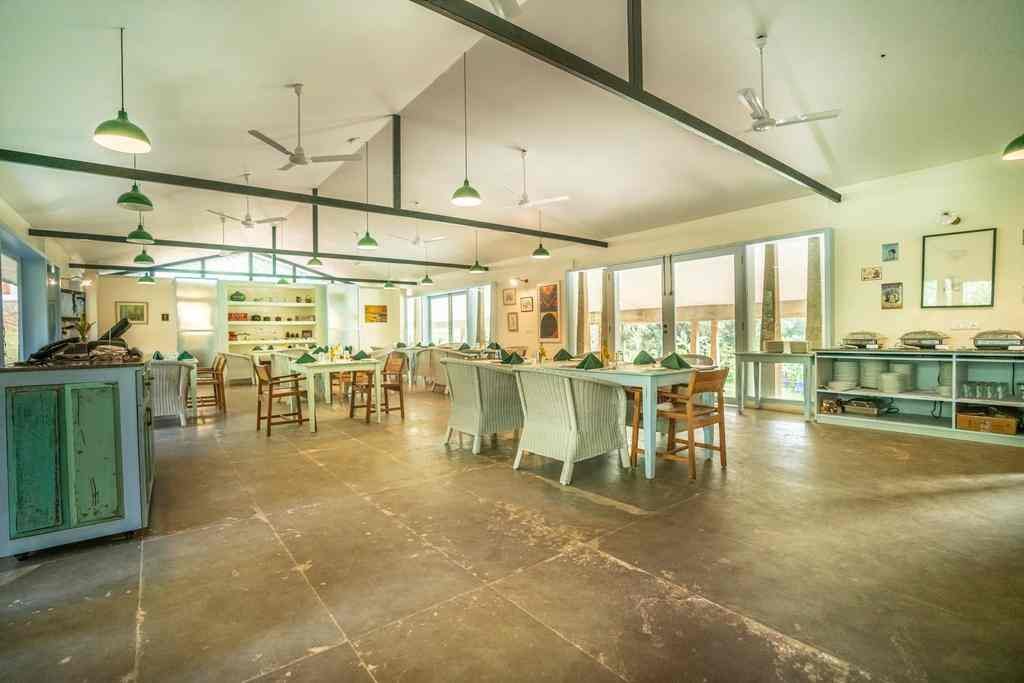
The Fig Tree Place's focus on fresh, seasonal, and locally sourced cuisine in Yercaud's relaxed hill station setting makes it a reasonable choice for families.
What kind of setting is The Fig Tree Place?
The Fig Tree Place sits in Yercaud, a hill station at approximately 1,515 metres in the Shevaroy Hills of Tamil Nadu — a location that has largely escaped the commercial development seen in more prominent Indian hill destinations. The setting is consistent with the venue's kitchen philosophy: locally rooted, unhurried, and oriented around what the surrounding landscape produces seasonally.
Does The Fig Tree Place reflect a specific regional culinary tradition, or is it cuisine-agnostic in its sourcing approach?
The Fig Tree Place is defined by its sourcing principle — fresh, seasonal, and locally sourced — rather than by a fixed regional cuisine category. Yercaud and the Shevaroy Hills produce coffee, pepper, cardamom, and a range of temperate vegetables, which gives any kitchen operating here a distinctive ingredient base compared to the plains below. Whether the menu channels Tamil Nadu's culinary traditions or takes a broader approach is not documented, making it a question worth raising at the time of booking.
Is The Fig Tree Place reservation-only?
Given Yercaud's status as a weekend destination from Salem and the broader Tamil Nadu region, booking ahead is advisable, particularly during peak travel periods such as the summer months when hill station traffic increases significantly.
What makes The Fig Tree Place worth seeking out?
The Fig Tree Place operates in a part of Tamil Nadu — the Shevaroy Hills above Salem — where farm-to-table dining of any seriousness is rare. Its stated commitment to fresh, seasonal, and locally sourced cuisine places it in a category that larger Indian cities have spent years trying to build, here delivered from a hill station that still has direct access to the produce. For travellers already making the 32-kilometre ghat drive up to Yercaud, it represents the most ingredient-honest cooking option in the area.
Comparison Snapshot
Comparable venues nearby, for context on price, style, and recognition.
| Venue | Cuisine | Price | Notes |
|---|---|---|---|
| The Fig Tree PlaceThis venue — the venue you are viewing | Continental and Multi-Cuisine | $10–20 | Not listed |
| Sesame | Contemporary Japanese and Pan-Asian Fusion | $20–30 | Juhu Beach, Mumbai |
| Farzi Cafe | Modern Indian Fusion | $20–30 | Connaught Place |
| Copper Chimney Cyber Hub- Gurugram | North Indian Mughlai | $20–30 | Cyber Hub, DLF Phase 2, Sector 25 |
| Sakura | Award-winning Japanese Fine Dining | Not listed | Connaught Place |
| Tadka | Awadhi & North-West Frontier Indian Fine Dining | Not listed | Cantonment |

Details
- Bohemian
- Cozy
- Scenic
- Family
- Casual Hangout
- Garden
- Terrace
- Mountain
- A La Carte
Good ambience with outdoor sitting options in a scenic resort setting.