The Farmhouse
Our verdict
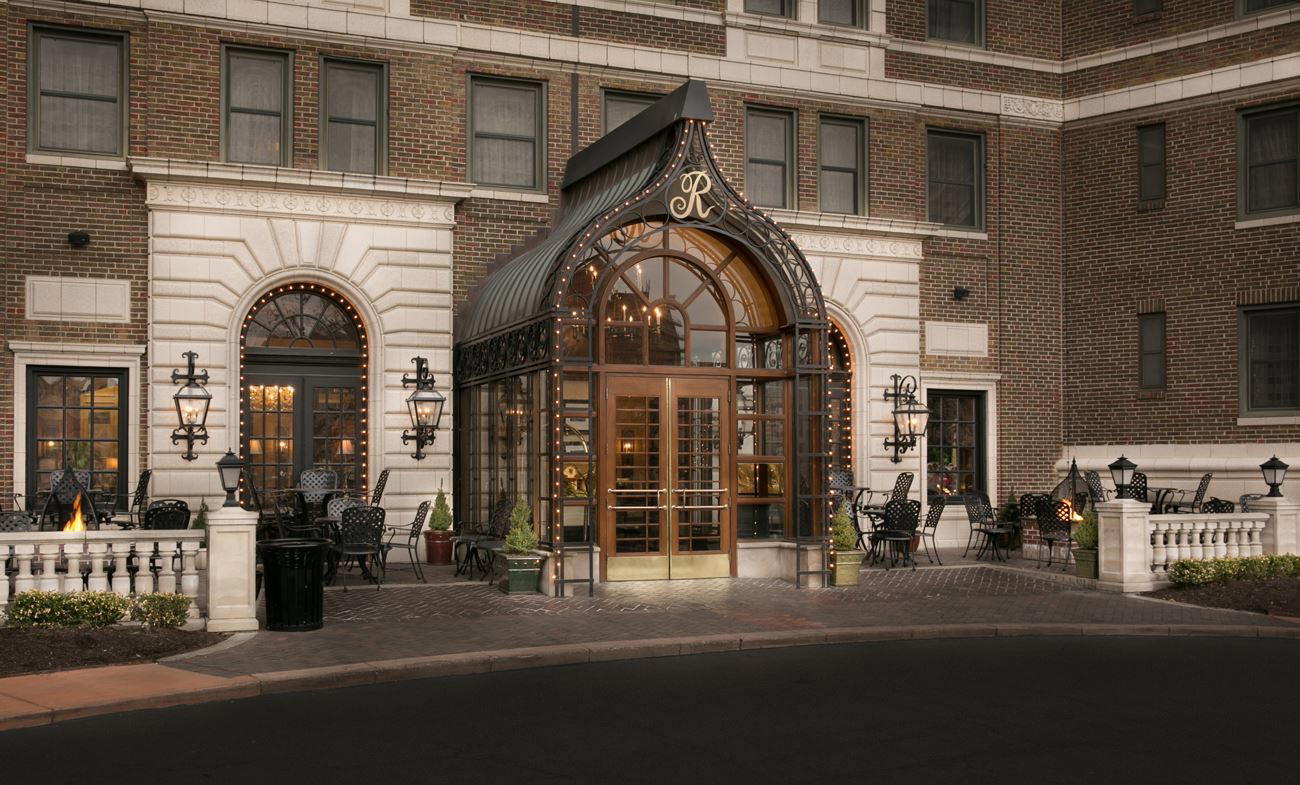
The Farmhouse at 300 Delaware Street sits in Kansas City's River Market district, where the farm-to-table format carries genuine regional weight rather than menu-copy sentiment. The kitchen builds its program around Missouri and Kansas sourcing networks, placing it in a tier of American restaurants where the supply chain is the editorial statement. For Kansas City, that positioning is less common than the city's barbecue reputation suggests.

Pearl is the En Primeur Club membership app — saves, bookings, and concierge access live there. Same editors, same standards.
- Address
- 300 Delaware St, Kansas City, MO 64105
- Phone
- (816) 569-6032
- Hours
- Mon–Tue ClosedWed–Sun 9 AM–2 PM
- Website
- eatatthefarmhouse.com
- Directions
- Get directions
- Booking
- Book on the venue's website
The menu
What to order
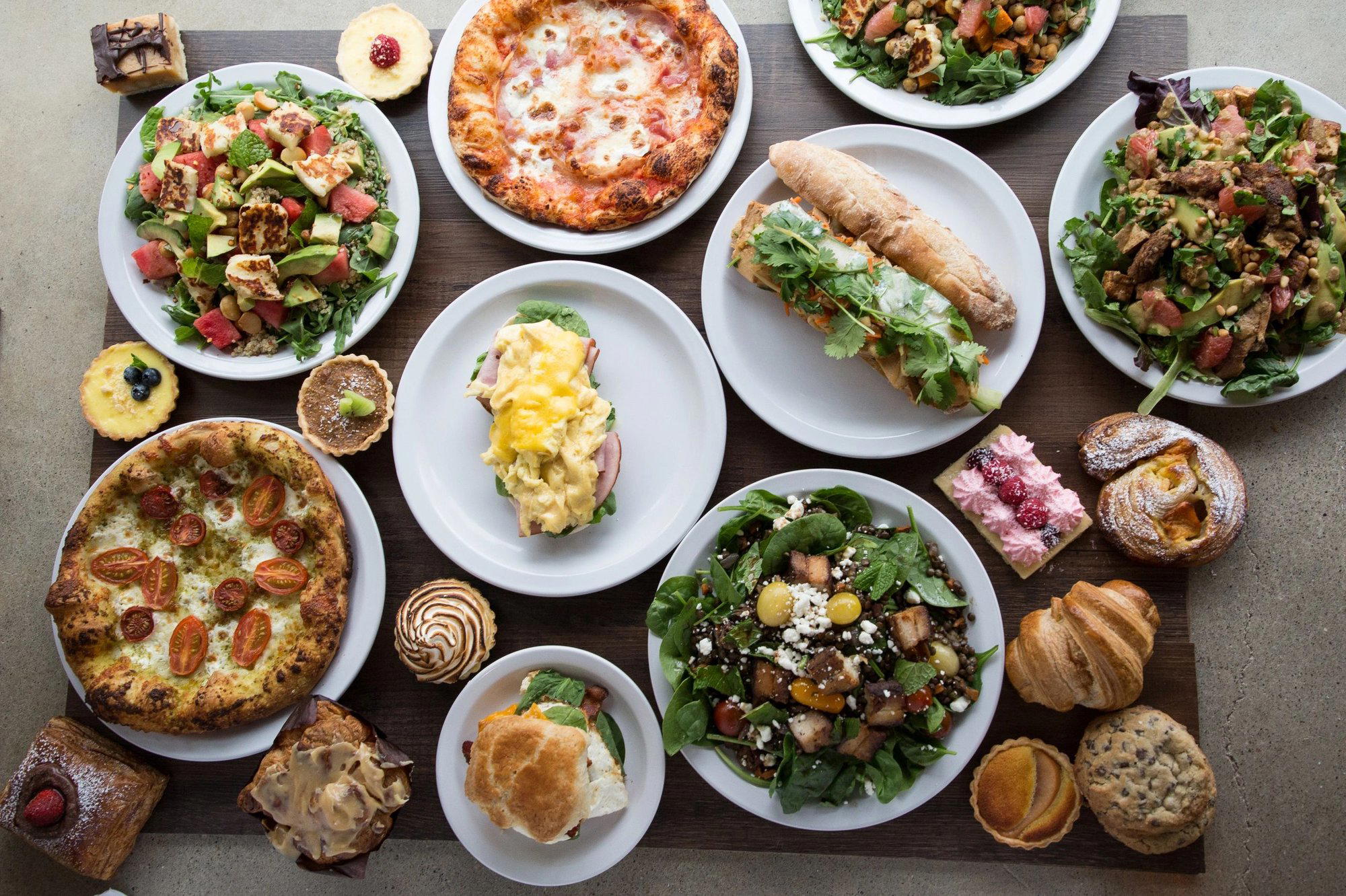
- Farmhouse Omelet
- Eggs Benedict
- Cinnamon Roll French Toast
- Braised Beef Cheeks
- Award-winning Reuben
- Corned Beef Hash
River Market, Provenance, and the Harder Question of Where Food Comes From
The River Market district in Kansas City has a particular logic to it. Farmers have been selling produce at the City Market, a few blocks north of Delaware Street, since the 1850s. That proximity to primary supply is not incidental to what The Farmhouse does at 300 Delaware St. In American farm-to-table dining, the phrase has become so broadly applied that it often functions as atmosphere rather than commitment. The River Market location, however, places the restaurant within walking distance of an operating wholesale and retail produce hub, which gives the sourcing premise a geographic basis that many urban farm-to-table concepts lack entirely.
Kansas City's dining identity, in most national coverage, begins and ends with barbecue. Arthur Bryant's Barbeque anchors one end of that conversation, and the category runs wide and deep across the metro. But a parallel track has been building for some years, one that looks at Missouri's agricultural output and asks what a full-service restaurant kitchen can do with regional grain, pastured protein, and seasonal produce grown within a few hundred miles. The Farmhouse operates on that track. It is not competing with the barbecue tradition; it is addressing a different question about Kansas City's food geography entirely.
The Sourcing Frame: Why Ingredient Origin Is an Editorial Position
In the tier of American restaurants that takes sourcing seriously as a structural commitment, the supply chain becomes the primary lens through which a menu is understood. Blue Hill at Stone Barns in Tarrytown operates its own farm. Single Thread Farm in Healdsburg runs a farm-to-counter model with documented seasonal cycles. Smyth in Chicago builds its program around a named farm operation tied directly to the menu's evolution. These restaurants share a structural premise: the origin of ingredients shapes the dish before any technique is applied.
The Farmhouse positions itself within this American farm-sourcing tradition, applying it to the Missouri and Kansas agricultural region rather than to coastal or Napa-adjacent supply chains. For a Midwestern context, that distinction matters. The region produces a different profile of ingredients than coastal counterparts: heritage grains, river-valley produce, pastured livestock, and seasonal cycles defined by continental climate rather than temperate coast conditions. A restaurant kitchen that genuinely engages with that supply chain is working with a different pantry than a Chicago or New York counterpart, and the menu reflects different seasonal pressures and different ingredient strengths.
This is the editorial argument that farm-to-table dining in the Midwest makes at its most serious: that regional sourcing is not just a preference but a disciplinary frame that shapes what a kitchen can and should cook. It is a harder commitment to maintain than branding suggests, because seasonal availability in Missouri is more volatile than in California, and regional supply chains for specialty proteins and artisan products are thinner. The restaurants that sustain it over time, including operations like Antler Room in Kansas City, tend to build long-term supplier relationships rather than sourcing opportunistically.
Kansas City's Wider Dining Context
The Kansas City restaurant scene has broadened considerably in recent years beyond its barbecue base. A cluster of serious independent restaurants has developed, each addressing a different gap in the local dining picture. Affäre brings a German-influenced fine-dining perspective. Aixois works a French bistro register. Beer Kitchen represents the gastropub tier. These restaurants collectively signal a city that is building a more pluralistic dining identity, even if national food media tends to reduce Kansas City to a single category.
Within that wider context, the farm-to-table format at The Farmhouse addresses a specific reader: someone interested in how Midwestern agriculture translates to the plate, in a restaurant format that takes the supply chain as its primary creative constraint. That is a narrower audience than barbecue commands, but it is a coherent one, and the River Market location gives the premise a physical grounding that most urban farm-to-table operations cannot replicate.
For comparison, the restaurants that have most successfully operationalized this model at the national level, places like The French Laundry in Napa or Addison in San Diego, do so within wine-country or coastal ecosystems where ingredient supply is dense and well-documented. The Farmhouse makes the same structural bet in a landlocked agricultural region, which is a harder version of the same argument and, if executed consistently, a more distinctly regional one.
Practical Planning
The Farmhouse is located at 300 Delaware Street in Kansas City's River Market district, a neighborhood that is walkable from the City Market and accessible from the River Market streetcar stop. The district's character, a mix of produce vendors, warehouses, and independent restaurants, makes it a logical base for a sourcing-driven restaurant concept. For visitors approaching Kansas City as a dining destination, the River Market offers a different register than the Power and Light district or Westport; it is a working neighborhood with a market history that predates the city's restaurant scene by generations.
Given the limited data available for The Farmhouse, prospective diners should verify current hours, booking availability, and menu format directly with the restaurant before visiting. Seasonal menus in farm-sourcing restaurants shift with agricultural cycles, and what is on offer in summer differs substantially from the winter program. Timing a visit to align with Missouri's growing season, roughly May through October, will generally produce a menu that reflects the widest range of regional produce. For context on the full Kansas City dining picture before or after a visit here, see our full Kansas City restaurants guide.
Where The Farmhouse Sits in American Farm-to-Table Dining
The American farm-to-table tier now spans a wide range of formats and price points, from the tasting-menu operations of Le Bernardin in New York City and Atomix in New York City to regional American kitchens like Emeril's in New Orleans and the European alpine sourcing model of Atelier Moessmer Norbert Niederkofler in Brunico. What connects the strongest examples across that range is a verifiable, sustained relationship with named suppliers and a menu that reflects the actual constraints of regional seasonality rather than an idealized version of it.
The Farmhouse operates in that tradition applied to the Missouri River corridor. Its position in the River Market, its sourcing orientation, and its distance from the coastal dining circuits where farm-to-table has been most heavily theorized, all mark it as a Midwestern expression of an argument that American dining has been having for two decades. Lazy Bear in San Francisco, Providence in Los Angeles, and The Inn at Little Washington in Washington each represent regional expressions of sourcing-driven American cooking in their own markets. The Farmhouse makes a version of the same case for Kansas City, in a neighborhood that has the market infrastructure to support it.
Frequently asked questions
What's The Farmhouse's location?
The Farmhouse is located at 300 Delaware St, Kansas City, MO 64105, Kansas City.
Is The Farmhouse in Kansas City a good choice for a farm-to-table dinner near the City Market?
The Farmhouse sits at 300 Delaware Street, placing it within walking distance of the City Market, Kansas City's primary farmers' market hub operating continuously since 1857. That geographic relationship is not incidental: the restaurant uses the River Market district's supply infrastructure as a direct sourcing channel. For diners interested in ingredient provenance as a defining part of the meal, the location is the clearest credential.
What dish is The Farmhouse famous for?
The Farmhouse at 300 Delaware Street builds its menu around what regional farms are producing at a given time, which means the roster shifts rather than anchoring to a single signature plate. The kitchen's reputation rests on its sourcing framework, not on a fixed dish. Expect preparations that reflect what the City Market area farmers are bringing in, rather than year-round constants.
How hard is it to get a table at The Farmhouse?
The Farmhouse occupies a specific niche in Kansas City's River Market district, where serious independent restaurants have drawn a more deliberate dining crowd in recent years. Demand at this tier of farm-driven American dining typically requires advance planning, particularly on weekends. Check current availability directly through the restaurant, as reservation windows vary by season.
What's the signature at The Farmhouse?
The signature is structural rather than dish-specific: ingredient origin is treated as a primary editorial position, not a menu footnote. Sitting a few blocks from the City Market, one of Kansas City's oldest produce hubs, the restaurant has a shorter supply chain than most of its peers. That proximity shapes what the kitchen can credibly offer and how frequently the menu moves.
Can The Farmhouse adjust for dietary needs?
Kitchens operating within a farm-to-table format, where the menu follows seasonal supply rather than fixed preparations, are generally better positioned to accommodate dietary requests than those running rigid tasting menus. Contact The Farmhouse directly at 300 Delaware Street, Kansas City, to confirm current accommodations before booking, as options depend on what the seasonal menu supports at that time.
Comparable Venues
Comparable venues nearby, for context on price, style, and recognition.
| Venue | Cuisine | Price | Notes |
|---|---|---|---|
| The FarmhouseThis venue — the venue you are viewing | Farm-to-Table American | $20–30 | Not listed |
| The Bite | American Sandwiches & Tacos | Not listed | Downtown |
| Fiorella's Jack Stack Barbecue | Kansas City Barbecue | $30–50 | Country Club Plaza |
| Cafe Trio | Contemporary American with Seafood | $30–50 | Country Club Plaza |
| Michael Smith | Modern American with Italian Influence | Not listed | Crossroads Art District |
| Room 39 | Farm-to-Table Contemporary American | $20–30 | Midtown |