1587 Prime

Wine Spectator Best of Award of Excellence
Our verdict
1587 Prime adds a steakhouse lens to Kansas City dining, a city better known nationally for smoke, sauce, and beef handled over live fire. The useful way to read it is through the cuts: ribeye for fat and char, strip for cleaner structure, filet for tenderness, and tomahawk for table theatre rather than subtlety.

Pearl is the En Primeur Club membership app — saves, bookings, and concierge access live there. Same editors, same standards.
- Address
- 1500 Baltimore Ave, Kansas City, MO 64108
- Phone
- (913) 222-8891
- Hours
- Mon–Wed 4:30–9 PMThu–Sat 4:30–10 PMSun 4:30–9 PM
- Website
- 1587prime.com
- Directions
- Get directions
- Booking
- Book on SevenRooms
The menu
What to order
- American Wagyu steak
- Japanese A5 Wagyu steak
- Seafood towers
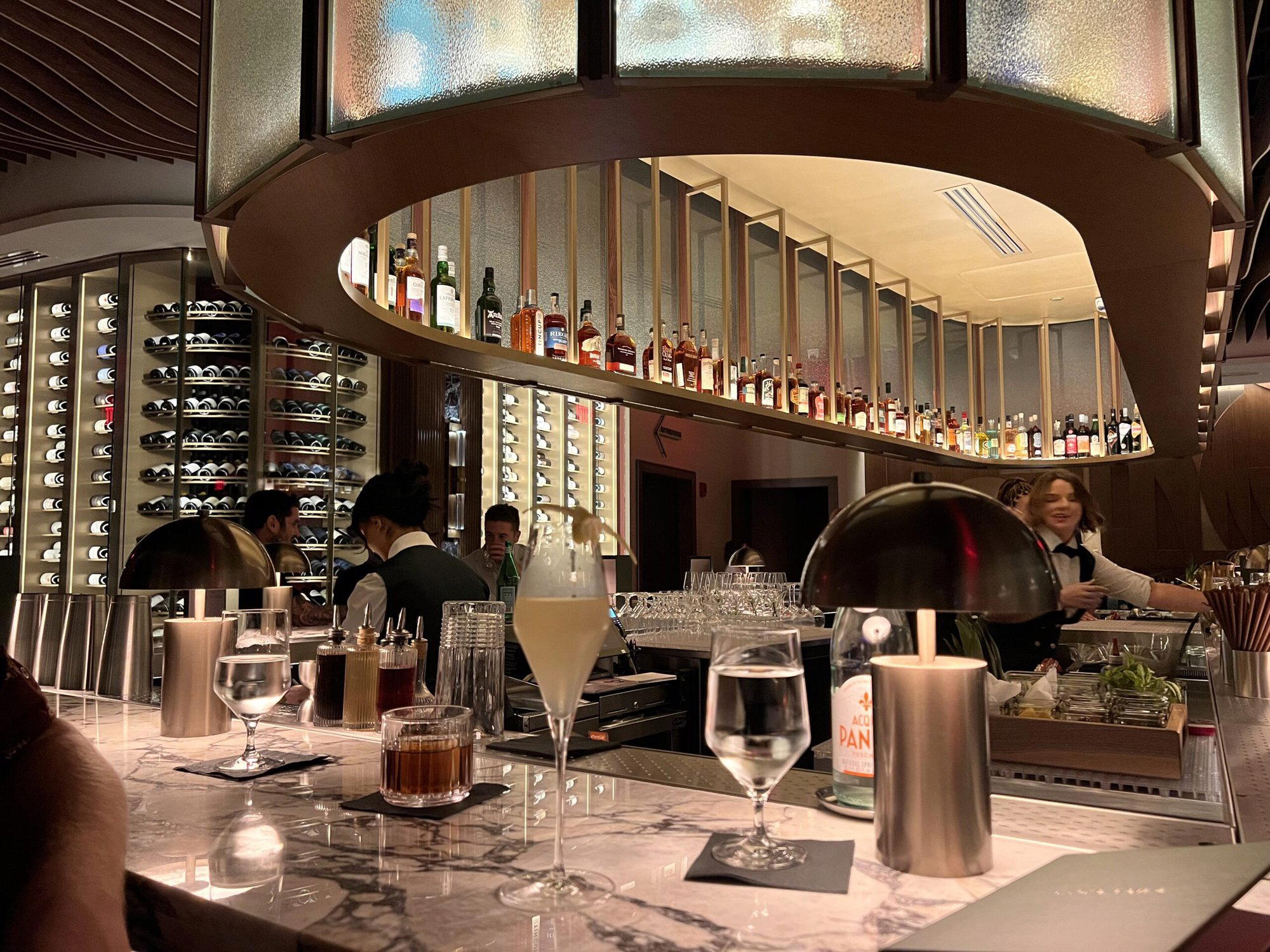
The modern American steakhouse announces itself before the first plate arrives: darker room, heavier glassware, the low percussion of knives against porcelain, and a menu built around beef as the central decision. In Kansas City, that format carries extra weight. This is a city where meat culture is not imported dining-room theatre but part of the local grammar, shaped by stockyards history, barbecue smoke, and a public that knows the difference between richness, tenderness, and char.
1587 Prime enters that conversation as a steakhouse rather than a barbecue house, which matters. Kansas City visitors often arrive expecting sauce and burnt ends; the steakhouse asks a different question. Instead of smoke time and pit technique, the meal turns on cut selection, doneness, crust, fat distribution, and how much ceremony the table wants around the beef. That makes the ordering decision more technical than it first appears.
Ribeye, strip, filet, tomahawk: the cut decides the night
The ribeye is the steakhouse extrovert. Its value is marbling, and marbling needs heat, salt, and enough char to keep the fat from reading as heavy. For diners who want the plate to feel generous and expressive, ribeye is the natural order. It is also the cut most likely to expose whether a kitchen understands balance: under-sear it and the fat turns soft; overwork it and the edge goes bitter.
The strip sits closer to the steakhouse purist’s lane. It has less interior fat than ribeye, more chew than filet, and a cleaner line between crust and center. In a city where beef has long been tied to fire and texture, the strip can feel more Kansas City than the more polished cuts, because it rewards diners who care about structure rather than softness alone.
Filet occupies a different social role. It is tenderness first, beef intensity second. That is not a flaw, but it changes the meal. Filet suits a table that wants steak without wrestling with fat or bone, and it often benefits from sauce, sides, or a richer starter to avoid becoming too restrained. The tomahawk, by contrast, is partly about display. Bone length and tableside scale create the drama; the diner should order it for shared appetite and visual impact, not because bone alone guarantees deeper flavor.
This cut-first reading is useful because 1587 Prime arrives with real recognition attached: it has been cited as Kansas City’s No. 10 best new restaurant, with national buzz around its celebrity-backed luxury steakhouse profile and owners Patrick Mahomes and Travis Kelce. The sharper assessment still comes from category discipline: does the restaurant understand the difference between a steakhouse built for spectacle and one built for beef? The answer begins with how the room frames those choices and how confidently the menu lets steakhouse decisions feel deliberate.
Kansas City beef culture without the barbecue shorthand
Kansas City’s dining identity is often compressed into barbecue, but that shortcut misses how broad the city’s meat vocabulary has become. A steakhouse in this market has to coexist with smokehouses, neighborhood kitchens, beer-driven casual rooms, and ambitious independent restaurants. That pressure is healthy. It means the steakhouse cannot rely on beef alone as a novelty; it has to justify itself through pacing, service rhythm, sides that do not feel automatic, and a beverage program capable of handling salt, fat, and char.
For readers mapping a wider trip, the city’s range is clearer when 1587 Prime is placed alongside other local modes rather than treated in isolation. Other Kansas City dining rooms represent the smokehouse side of the city’s meat culture, while still more local restaurants show how the city moves between polished dining, casual service, and broader contemporary cooking. The useful planning move is not to rank these rooms against one another, but to understand the role each plays in a Kansas City itinerary.
Steakhouse dining also behaves differently from tasting-menu dining. The guest has more control, and that control creates the risk. A table can build a lean, restrained meal or a heavier one around richer steakhouse choices and a structured red. Neither is wrong. The point is to order with intention, because the category rewards diners who think in terms of fat, salt, heat, and pacing rather than simply choosing the largest steak on the page.
How to place it in a Kansas City trip
1587 Prime makes the most sense for a night when the meal is meant to carry the evening: a composed dinner, a celebratory table, or a visitor who wants Kansas City beef culture in a dining-room format rather than a barbecue line. Families should read the room before treating it as an all-ages default; steakhouse pacing can work for children who are comfortable with longer dinners, but this is not the same proposition as a quick casual stop.
For a fuller city plan, use Our full Kansas City restaurants guide for dining, then pair it with Our full Kansas City hotels guide, Our full Kansas City bars guide, Our full Kansas City wineries guide, and Our full Kansas City experiences guide. Readers comparing steakhouse formats beyond Kansas City can also think generically about how the genre changes when it leans toward polished luxury, celebrity spectacle, or clubby ritual rather than treating any outside room as a local peer.
Broader restaurant planning often benefits from contrast. A Kansas City steakhouse night reads differently when set against other dining formats, from precise bar experiences and compact comfort-food counters to casual regional cooking, plant-based menus, coastal dining, or resort restaurants. That contrast is the point: 1587 Prime belongs to the steakhouse tradition, and the better meal comes from treating it as a study in cut, heat, and appetite rather than as a generic special-occasion booking.
Frequently asked questions
Is 1587 Prime child-friendly?
1587 Prime is a Kansas City steakhouse, so it reads more naturally as a composed dinner spot than a place built around children’s menus. The setting suits a meal centered on steakhouse dining rather than a quick casual family stop.
Is 1587 Prime better for a quiet night or a lively one?
1587 Prime is a Kansas City luxury steakhouse with celebrity-backed spectacle, so it is best understood as a sit-down meal where the table carries the evening.
What type of food is 1587 Prime known for?
1587 Prime is known as a steakhouse in Kansas City.
Is 1587 Prime reservation-only?
1587 Prime is a steakhouse in Kansas City, a format that generally rewards advance planning for dinner. The venue’s dining style suggests making arrangements ahead rather than relying on a casual drop-in.
In Context
Comparable venues nearby, for context on price, style, and recognition.
| Venue | Cuisine | Price | Awards | Notes |
|---|---|---|---|---|
| 1587 PrimeThis venue — the venue you are viewing | Contemporary Fine-Dining Steakhouse | $150–200 | Wine Spectator Best of Award of Excellence | Not listed |
| CORVINO | Modern American Fine Dining | Not listed | Not listed | Crossroads, Modern American Fine Dining |
| Voltaire | Global Fusion with American, Thai, Moroccan & Spanish Influences | $30–50 | Not listed | West Bottoms, Global Fusion with American, Thai, Moroccan & Spanish Influences |
| Chaz on the Plaza | Modern American Fine Dining | $50–100 | Not listed | Country Club Plaza, Modern American Fine Dining |
| Jess & Jim's Steak House | Classic Kansas City Steakhouse | $50–100 | Not listed | Martin City, Classic Kansas City Steakhouse |
| Trezo Mare | Italian Fine Dining with Seafood and Steaks | $50–100 | Not listed | The Village at Briarcliff, Italian Fine Dining with Seafood and Steaks |
Recognition history
Dated appearances from independent guides and award organizations, with the underlying list record or original source where available.
Wine Spectator Best of Award of Excellence
Wine Spectator
Continue exploring
More in Kansas City
Restaurants in Kansas City
Browse all →
Bars in Kansas City
Browse all →




Details
- Modern
- Energetic
- Elegant
- Trendy
- Sophisticated
- Well Known
- Date Night
- Business Dinner
- Group Dining
- Celebration
- Special Occasion
- Private Event
- Wine Cellar
- Design Destination
- Hotel Restaurant
- Standalone
- Private Dining
- Extensive Wine List
- Craft Cocktails
- Sommelier Led
- Farm To Table
- Local Sourcing
- A La Carte
- Wine
- Craft Cocktails
- Vegetarian Friendly
- Gluten Free Options
Current opening hours
- Monday
- 4:30–9 PM
- Tuesday
- 4:30–9 PM
- Wednesday
- 4:30–9 PM
- Thursday
- 4:30–10 PM
- Friday
- 4:30–10 PM
- Saturday
- 4:30–10 PM
- Sunday
- 4:30–9 PM
Hours can change for holidays and private events. Last verified .
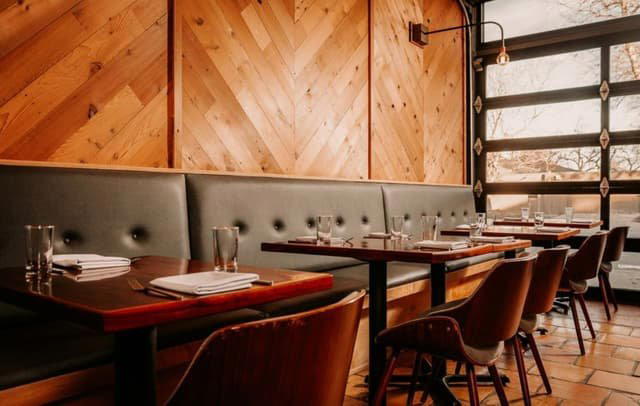
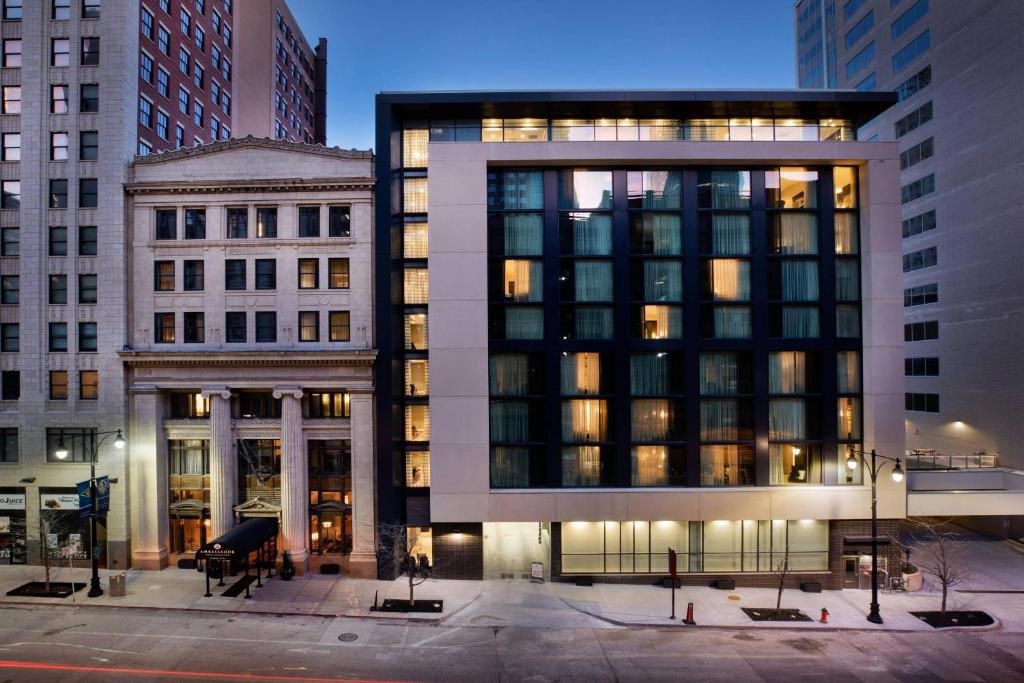
A polished, contemporary steakhouse setting inside a modern hotel, with dramatic design touches and a lively, energetic dining room oriented around premium steaks, a serious wine list, and upscale service.