The Edmondson Faculty Center
Our verdict
The Edmondson Faculty Center occupies a specific position within the institutional dining tier of Los Angeles's Health Sciences campus at 1969 Zonal Ave. Readers planning a visit should verify current hours and booking directly with USC's campus services.

Pearl is the En Primeur Club membership app, where members save venues, book tables and use the concierge.

Institutional Dining and the Larger Los Angeles Context
Los Angeles has developed one of the most layered dining ecosystems in the United States, stretching from hyper-technical tasting menus at venues like Somni and produce-driven Japanese kaiseki at Hayato down through neighborhood bistros and campus facilities that serve specific professional communities. The Edmondson Faculty Center, located at 1969 Zonal Ave in Los Angeles's Health Sciences district, sits within that latter category: a facility oriented toward faculty and staff rather than the broader dining public.
Understanding where a venue like this fits requires understanding the geography. The Zonal Avenue address places The Edmondson Faculty Center within the USC Health Sciences campus, a concentrated medical and research environment distinct from the university's main University Park location. Dining options in this corridor are shaped less by neighborhood restaurant culture and more by the rhythms of academic and clinical schedules. That context matters for any visitor assessing whether a detour here makes sense alongside a broader Los Angeles itinerary that might otherwise include Kato or Osteria Mozza.
What the Venue Data Does and Does Not Tell Us
The available record for The Edmondson Faculty Center carries no cuisine type, no price range, no awards, no chef attribution, and no hours. That absence of data is itself informative. Venues in the institutional and faculty-club tier rarely accumulate the kind of public-facing press or award recognition that characterizes destination restaurants. They operate within closed or semi-closed systems, serving defined communities on predictable schedules, and are rarely reviewed in the publications that cover Providence or Le Bernardin in New York City.
This is not a criticism. Faculty clubs and institutional dining rooms in American academic settings have a distinct tradition, often dating back decades, of providing a retreat from the pressures of academic and clinical work. Some, particularly those at research-intensive universities, have invested in sourcing programs and culinary credentialing that place them closer to the broader farm-to-table movement that venues like Blue Hill at Stone Barns in Tarrytown or Single Thread Farm in Healdsburg helped define for American fine dining.
Ingredient Sourcing in the Institutional Dining Tier
The editorial lens of ingredient sourcing is worth applying to venues in this category, even where specific sourcing data is absent, because the question reveals something about how institutional dining has evolved in American cities. Through the 1990s and into the early 2000s, the gap between university dining and destination restaurants was nearly total: one relied on centralized contract purchasing, the other built relationships with individual farmers, fishmongers, and ranchers. That gap has narrowed in some institutional contexts, particularly at universities with agricultural programs or urban farming initiatives, though it remains wide at most health sciences campuses where food service priorities are shaped by clinical and logistical considerations.
California's position as an agricultural state creates conditions where even institutional purchasers can access seasonal, locally grown produce more readily than counterparts in other regions. The concentration of farmers' markets in Los Angeles and the proximity of growing regions in Ventura, Santa Barbara, and the Central Valley mean that sourcing quality, even in non-destination settings, can exceed what comparable institutions manage in less agriculturally rich states. Whether those structural advantages translate into practice at The Edmondson Faculty Center is a question that verified venue data would need to answer.
For comparison, the sourcing ambition at venues like Addison in San Diego or Bacchanalia in Atlanta demonstrates what deliberate procurement looks like when it becomes a defining editorial commitment. Both operate with named farm relationships that are built into the menu identity. Institutional venues rarely structure sourcing that way, but the question of where produce, protein, and dairy originate is increasingly relevant across all tiers of American dining.
Los Angeles as Context: A Competitive Dining Environment
Any dining decision in Los Angeles benefits from understanding the depth of competition at every level. At the tasting-menu tier, Somni and Hayato operate in a nationally competitive bracket, comparable in ambition and price to Alinea in Chicago or Atomix in New York City. At the mid-tier, the city's diversity of Asian, Latin, and European-influenced cooking produces a density that few American cities match. Institutional venues exist in parallel to that ecosystem, serving a different functional purpose.
The Health Sciences corridor specifically does not draw the kind of dining tourism that neighborhoods like Silver Lake, West Hollywood, or Downtown Los Angeles attract. Visitors arriving at 1969 Zonal Ave are most likely doing so because of a connection to the USC campus rather than a destination dining motivation. That framing is not pejorative: faculty clubs serve their communities with a consistency and familiarity that destination restaurants, with their seasonal rotations and reservation pressures, are not designed to provide. The comparison set for The Edmondson Faculty Center is not Providence or The French Laundry in Napa; it is other faculty and professional dining facilities at research universities across the country.
For readers building a broader Los Angeles itinerary, the our full Los Angeles restaurants guide provides a mapped view of the city's dining options by neighborhood, cuisine type, and price tier. Readers interested in comparable institutional-meets-destination dining experiments internationally might also look at how venues like 8 1/2 Otto e Mezzo Bombana in Hong Kong or Emeril's in New Orleans have navigated the space between institutional recognition and broader culinary ambition.
Planning a Visit: What to Know
Faculty clubs at research universities typically operate on weekday schedules aligned with academic calendars, with reduced or suspended service during holidays and inter-session periods. Access may be restricted to faculty, staff, and their guests rather than the general public. Prospective visitors should clarify access requirements, current hours, and any reservation requirements directly with the USC campus before planning a trip to this address. The venue's position within a health sciences campus also means parking and campus access protocols apply and are subject to USC security policies.
For readers whose primary interest is Los Angeles dining at a higher level of editorial confidence, venues like Lazy Bear in San Francisco and The Inn at Little Washington in Washington represent the kind of documented, data-rich profiles where planning decisions can be made with considerably more certainty.
Frequently asked questions
What should I order at The Edmondson Faculty Center?
No menu data, signature dishes, or chef information is documented in available public records for The Edmondson Faculty Center. Readers seeking Los Angeles restaurants with documented menus and clear ordering guidance will find more detailed recommendations through our full Los Angeles restaurants guide, which covers venues from Kato to Osteria Mozza with verified cuisine and award data.
How far ahead should I plan for The Edmondson Faculty Center?
No booking window, reservation system, or access policy is recorded in available data. If The Edmondson Faculty Center follows the pattern of comparable faculty dining rooms at research universities, walk-in access may be available for credentialed guests during standard service hours, though this cannot be confirmed without direct verification. In a city where tasting-menu venues like Somni require bookings weeks or months in advance, institutional venues typically operate on shorter or no advance booking cycles, but campus access policies may affect this. Contact USC Health Sciences directly before visiting.
Is The Edmondson Faculty Center open to the public, or is it restricted to USC affiliates?
Faculty centers at research universities in the United States are commonly restricted to faculty, staff, and their invited guests rather than operating as public restaurants. The Edmondson Faculty Center is located within the USC Health Sciences campus at 1969 Zonal Ave, a campus environment with its own access protocols. No public-facing booking system or open-access policy is documented in available data. Visitors without a USC affiliation should contact the campus directly to confirm whether guest access is permitted and under what conditions before making a trip to this address.
A Pricing-First Comparison
Comparable venues nearby, for context on price, style, and recognition.
| Venue | Cuisine | Price | Awards | Notes |
|---|---|---|---|---|
| The Edmondson Faculty CenterThis venue (the venue you are viewing) | American Farm-to-Table | $20–30 | Not listed | Not listed |
| Stout Burgers & Beers | Gourmet Burgers & Craft Beer | Not listed | Not listed | Hollywood, Gourmet Burgers & Craft Beer |
| NADC Burger | Wagyu Smashburgers | $20–30 | Not listed | Westwood, Wagyu Smashburgers |
| Patrick's Roadhouse | Classic American Diner | $20–30 | Diners, Drive-Ins and Dives Featured Restaurant | Pacific Palisades, Classic American Diner |
| 25 Degrees | American Burgers & Bar | $20–30 | Not listed | Hollywood, American Burgers & Bar |
| Swingers | Retro American Diner | $20–30 | Not listed | Beverly Grove, Retro American Diner |
Continue exploring
More in Los Angeles
Restaurants in Los Angeles
All restaurants in Los Angeles →
Bars in Los Angeles
All bars in Los Angeles →

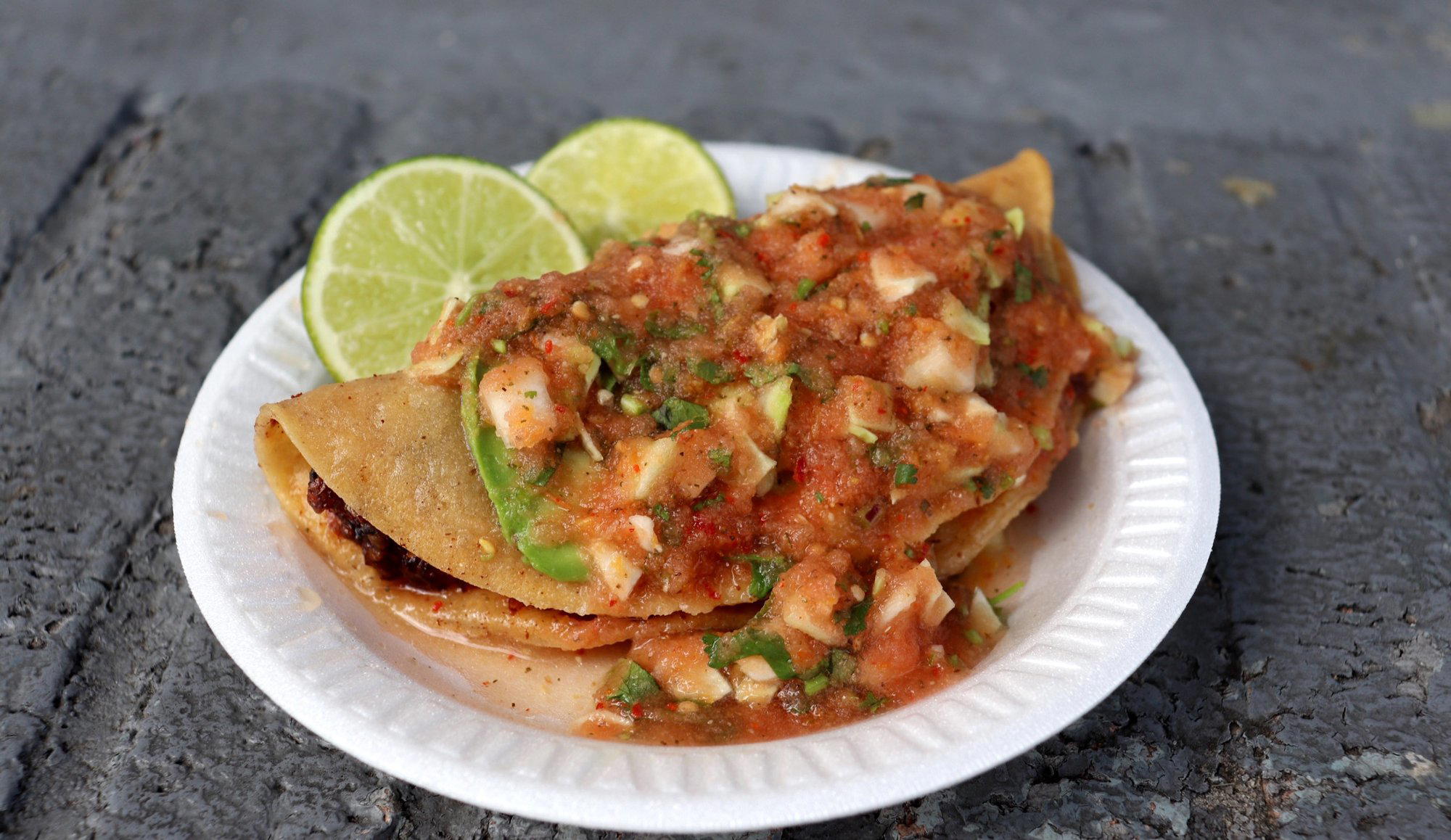
Hotels in Los Angeles
All hotels in Los Angeles →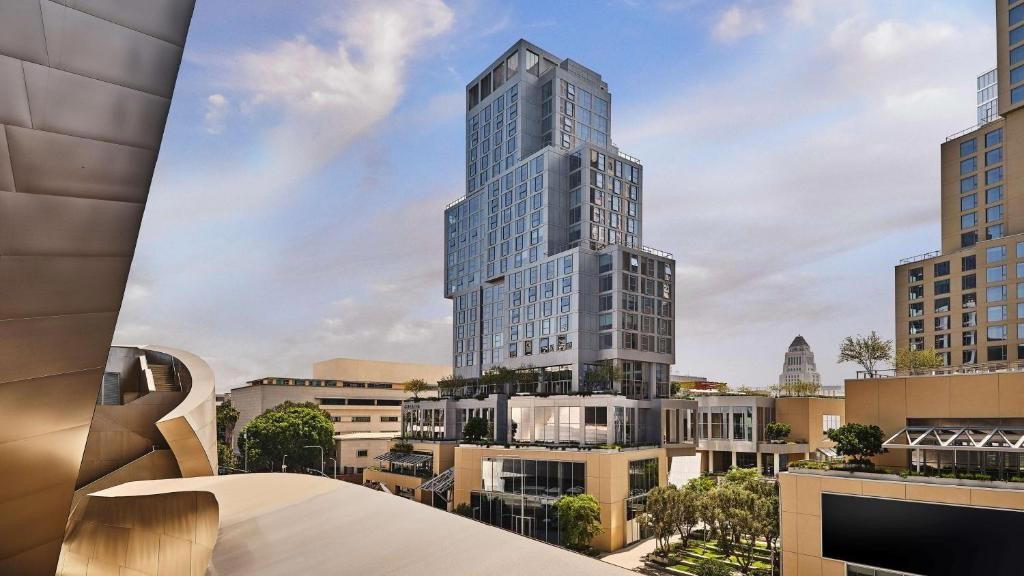
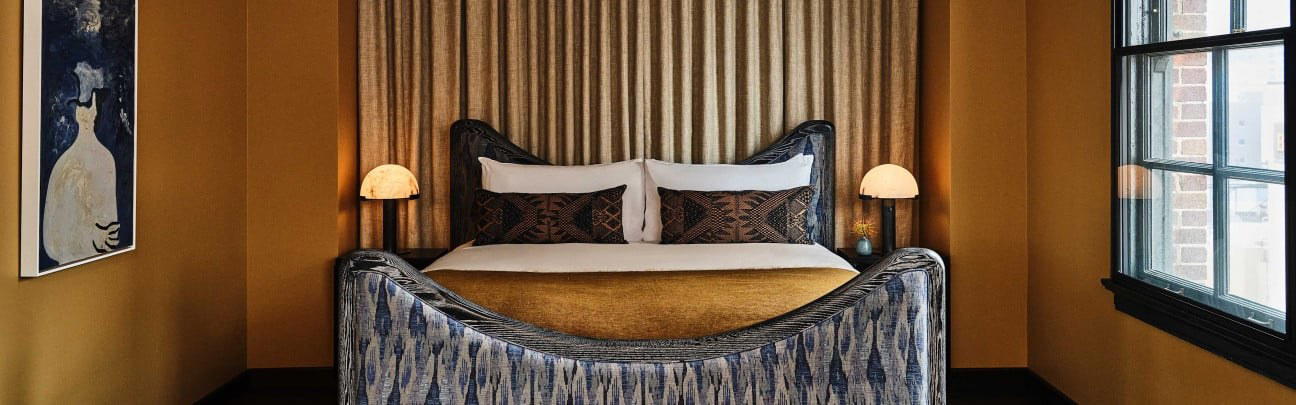
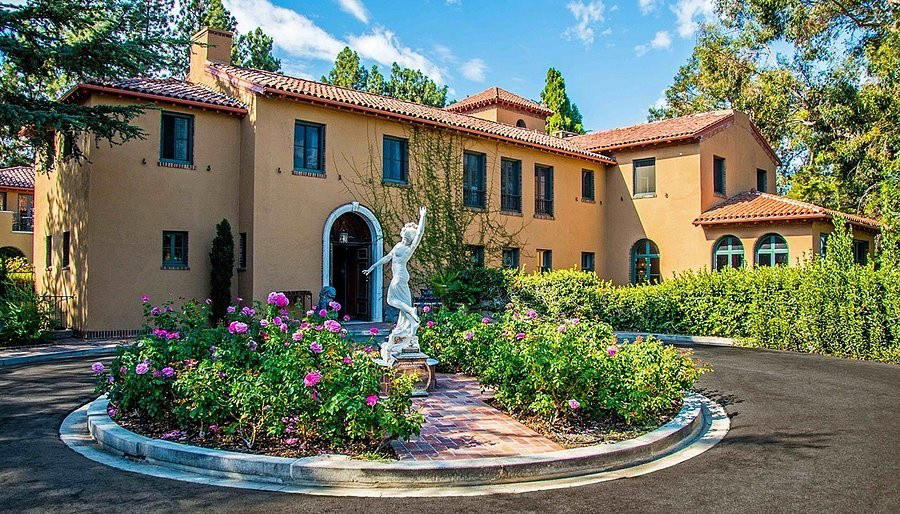
Wineries in Los Angeles
All wineries in Los Angeles →

Details
- Classic
- Business Dinner
- Group Dining
- Private Dining
- Farm To Table
- A La Carte
Current opening hours
- Monday
- 11 AM–2 PM
- Tuesday
- 11 AM–2 PM
- Wednesday
- 11 AM–2 PM
- Thursday
- 11 AM–2 PM
- Friday
- 11 AM–2 PM
- Saturday
- Closed
- Sunday
- Closed
Hours can change for holidays and private events. Hours as of .
Relaxed atmosphere suitable for business-casual dining.