The Edmon
On Melrose Avenue in Hollywood, The Edmon occupies a stretch of Los Angeles dining that has cycled through several identities over the years. Its address at 5168 Melrose Ave places it in a corridor where neighbourhood ambition and reinvention are constants. For readers tracking how mid-city Los Angeles continues to reshape its fine and casual dining tiers, The Edmon is a useful reference point.
Pearl is the En Primeur Club membership app — saves, bookings, and concierge access live there. Same editors, same standards.
- Address
- 5168 Melrose Ave, Los Angeles, CA 90038
- Phone
- +13236455225
- Website
- theedmon.com
- Directions
- Get directions
 Saves & bookings on Pearl
Melrose Avenue and the Art of the Pivot
Los Angeles has always rewarded reinvention over consistency. The city's dining corridors, Melrose, Fairfax, La Brea, have a documented history of absorbing ambitious openings, watching them evolve under pressure, and occasionally producing something more considered than the original concept. The Edmon is a Modern American Gastropub at 5168 Melrose Ave in Los Angeles. Its address alone places it in a neighbourhood that has shifted markedly over the past decade, moving from a strip associated with vintage retail and casual eating toward a more layered hospitality identity where the line between neighbourhood spot and destination dining has grown noticeably thinner.
That evolution matters as context. When you look at what has happened to Melrose as a dining corridor, with a growing number of serious kitchens setting up between the major cross streets, The Edmon sits within a broader argument about how Los Angeles's mid-city zones are absorbing the kind of deliberate, considered food operations that once defaulted to Silver Lake or the Westside. The Edmon is part of that redistribution.
Where The Edmon Sits in the Los Angeles Dining Tier
Los Angeles's premium dining scene has stratified considerably over the past several years. At the upper tier, places like Providence, operating as one of the city's most consistently recognised seafood-focused fine dining rooms, and Somni, which occupies its own category in progressive tasting formats, represent the city's national reference points. Below that, a middle tier has grown more competitive and, more interesting: places where the format is less rigid, the price point is less prohibitive, and the cooking is doing something specific rather than something comprehensive.
Kato, which has built a reputation for New Taiwanese cooking at a level that draws comparisons beyond the city, and Hayato, which operates one of Los Angeles's most controlled Japanese omakase formats, both demonstrate that the mid-city and adjacent neighbourhoods can carry serious intent. The restaurant's Melrose location places it in a similar geographic band, even if its format and cuisine approach occupy different coordinates within that competitive space.
For readers who track how American fine dining has evolved across multiple cities, that the pressure Los Angeles restaurants face is national in scope. Operations like Le Bernardin in New York City, Alinea in Chicago, and The French Laundry in Napa set benchmarks that reverberate into how ambitious Los Angeles kitchens position themselves, even when the format and price tier differ substantially.
The Neighbourhood Argument
Melrose Avenue, specifically the stretch between Highland and Western, has undergone a quiet but measurable shift. What was once a corridor defined by its retail character and a handful of casual dining rooms has absorbed a more serious cohort of operators. This is partly a real estate story: as costs have intensified in Silver Lake and on the Westside, Melrose has become a workable alternative for chefs and operators who want proximity to a built-in evening crowd without the ceiling-level rents of some of the city's more established dining districts.
The broader Hollywood-adjacent zone also benefits from being genuinely central. For diners coming from the Eastside or from mid-Wilshire, 5168 Melrose represents a more accessible coordinate than a Malibu or Brentwood address. That accessibility has historically shaped what kind of operation thrives here: rooms that are legible rather than theatrical, where the cooking does the work rather than the staging. Compared to more conceptually elaborate formats like those found at Lazy Bear in San Francisco or Blue Hill at Stone Barns in Tarrytown, the Melrose corridor tends to favour rooms where the relationship between kitchen and guest is more direct.
Evolution as Operating Strategy
Particularly durable Los Angeles restaurants are rarely those that launched with the fanfare. More often, they are the ones that diagnosed what wasn't working and adjusted, in format, in focus, in the relationship between price point and perceived value. That pattern holds across the city's dining history and across American dining more broadly. Emeril's in New Orleans and Bacchanalia in Atlanta are both examples of operations that built longevity through deliberate recalibration rather than through static identity. Single Thread Farm in Healdsburg and Addison in San Diego represent a different California model: operations that found a specific lane and committed to it at a high level of execution.
Edmon's position on Melrose Avenue situates it in a neighbourhood where that kind of operational evolution is both possible and necessary. Los Angeles diners are, as a cohort, more attentive to the arc of a restaurant's development than they are often given credit for. The city's dining conversation is active enough, across publications, across social channels, across the word-of-mouth circuits that still drive reservation behaviour, that a room that adjusts its offer in response to what the market is telling it has a better long-term outlook than one that holds a fixed position regardless of feedback.
For context on how other serious operations have handled that challenge, it's worth looking at The Inn at Little Washington, Atomix in New York City, and 8 1/2 Otto e Mezzo Bombana in Hong Kong, each of which has maintained relevance across a decade or more by treating its original format as a starting point rather than a fixed identity.
Also Worth Knowing
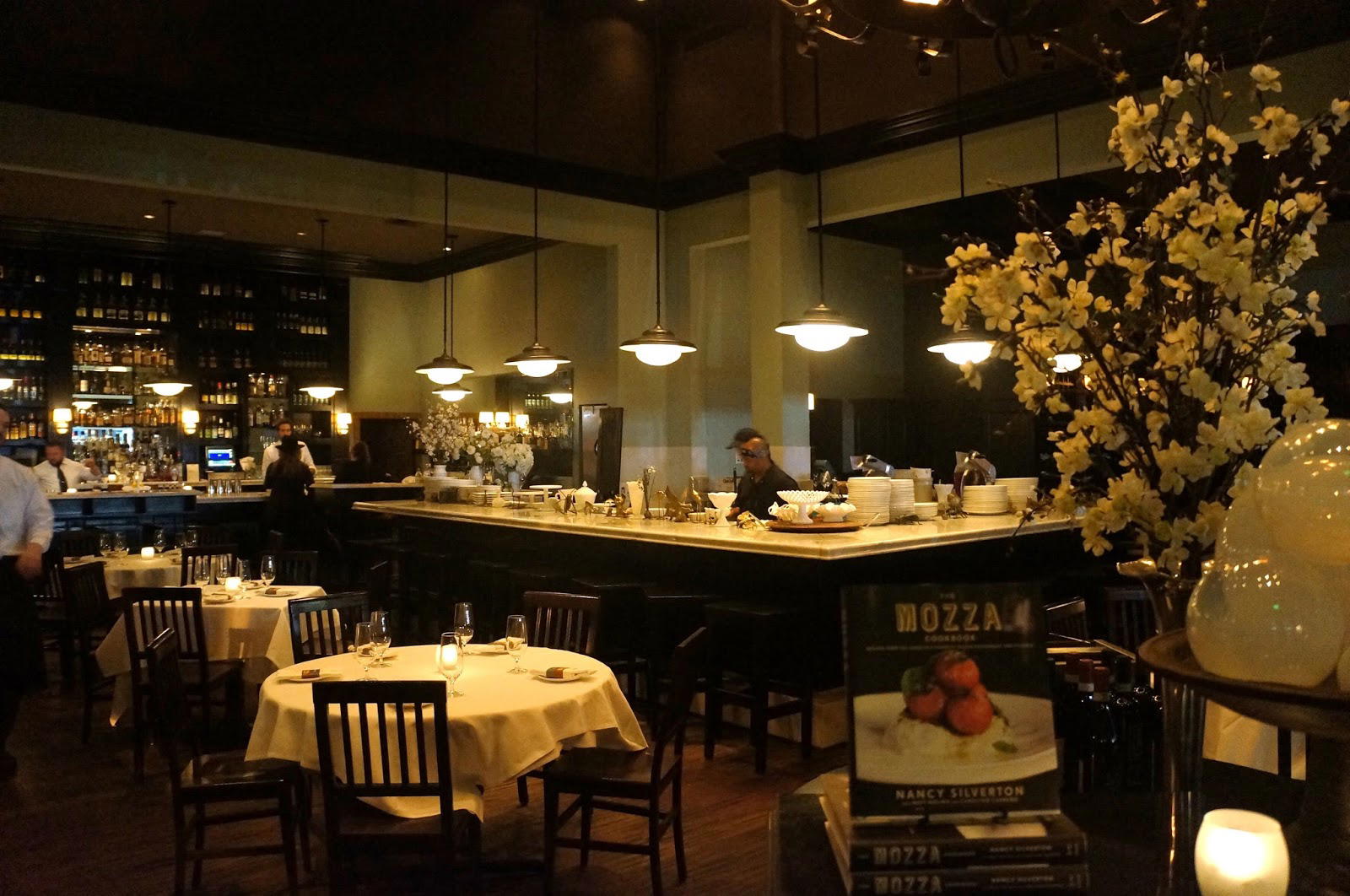
Osteria Mozza on Melrose Place, a short distance from the restaurant's address, remains one of the neighbourhood's most consistent reference points for Italian cooking at a serious level, and its longevity offers a useful benchmark for what sustained quality looks like on this stretch of the city. For readers building a broader picture of Los Angeles dining, our full Los Angeles restaurants guide maps the city's current tier structure in detail.
The restaurant's address at 5168 Melrose Ave is accessible by car and sits within reach of street parking on adjacent blocks, though peak evening hours on Melrose make earlier arrival practical.
Comparable Venues
Comparable venues nearby, for context on price, style, and recognition.
| Venue | Cuisine | Price | Notes |
|---|---|---|---|
| The EdmonThis venue — the venue you are viewing | Modern American Gastropub | $$ | Not listed |
| Honey Hi | Gluten-Free Organic Cafe | $$ | Echo Park |
| Breakroom Juice Bar & Cafe | Healthy Juice Bar & Cafe | $$ | Hollywood Hills |
| Mixt | Fast-Casual American Salads | $$ | Financial District |
| Truxton's American Bistro | American Comfort Bistro | $$ | Westchester |
| Umami Burger | Gourmet Umami Burgers | $$ | Fairfax |
Continue exploring
More in Los Angeles
Restaurants in Los Angeles
Browse all →
Bars in Los Angeles
Browse all →

Hotels in Los Angeles
Browse all →
Wineries in Los Angeles
Browse all →
At a Glance
- Elegant
- Intimate
- Classic
- Romantic
- Sophisticated
- Date Night
- Casual Hangout
- After Work
- Group Dining
- Historic Building
- Hotel Restaurant
- Live Music
- Terrace
- Craft Cocktails
- Beer Program
Current opening hours
- Monday
- 4 PM–12 AM
- Tuesday
- 4 PM–12 AM
- Wednesday
- 4 PM–12 AM
- Thursday
- 4 PM–12 AM
- Friday
- 4 PM–1 AM
- Saturday
- 4 PM–1 AM
- Sunday
- Closed
Hours can change for holidays and private events. Last verified .
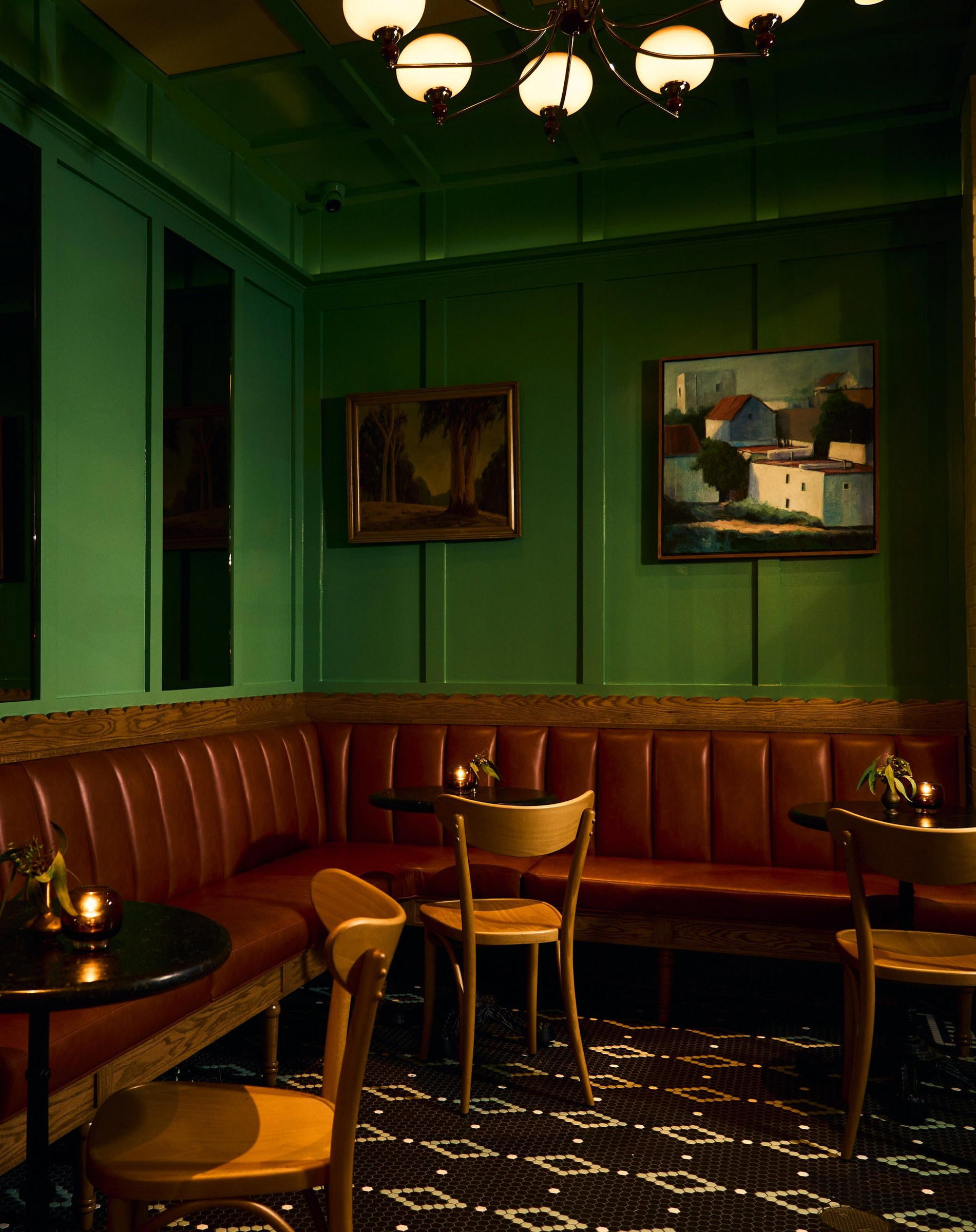
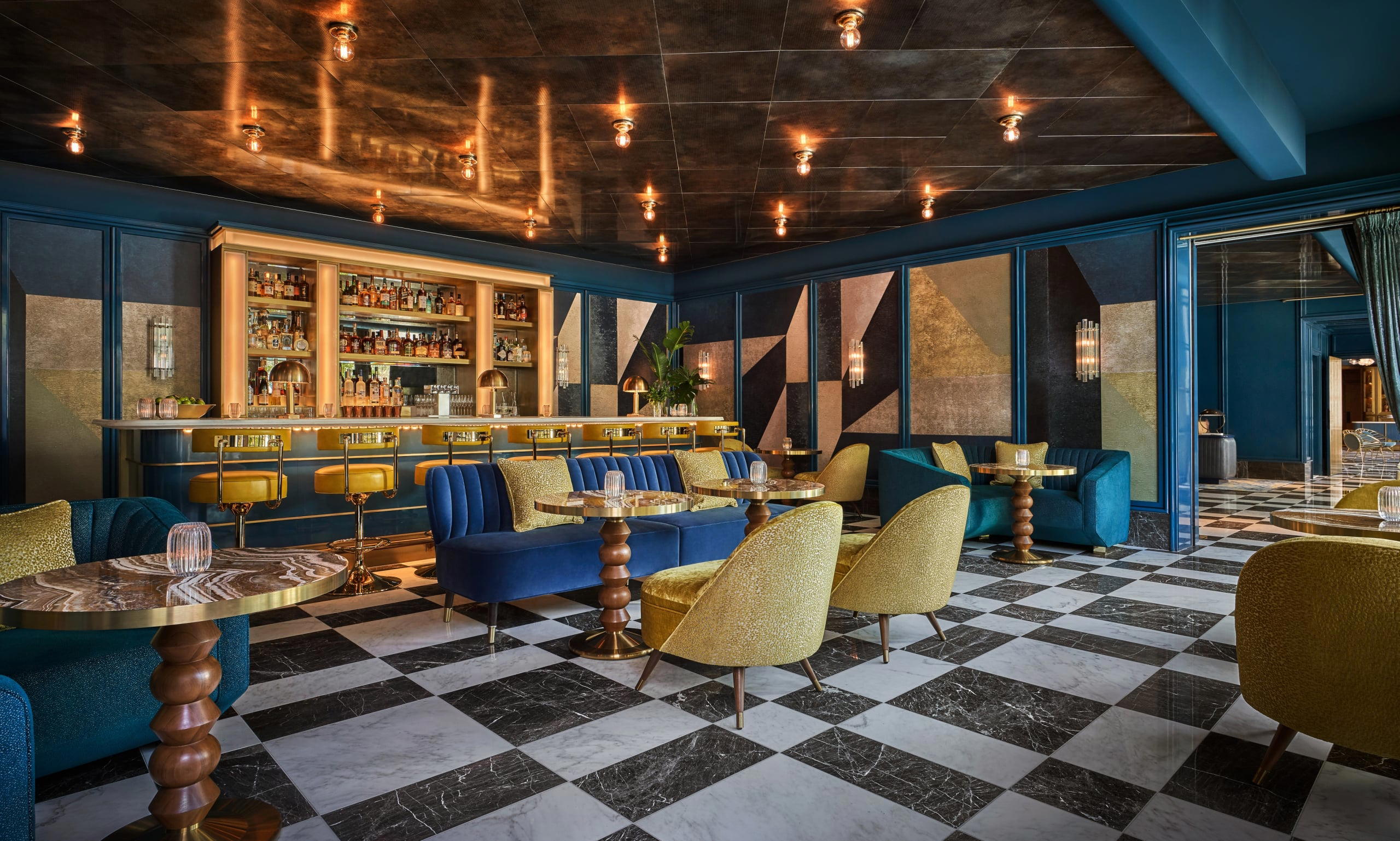
Luxuriant Art Deco design with candlelit tables, vintage fin-de-siècle atmosphere, warm lighting, and an intentionally screen-free environment that evokes old Hollywood glamour without pretension.