Our verdict
The Blue Cargo sits on Avenue du Lac in Bidart, a small Basque village where the Atlantic defines both the table and the terrain. Bidart's dining scene divides between high-investment modern kitchens and more grounded neighbourhood spots, and The Blue Cargo occupies the latter register. Confirmation of specific menus, hours, and pricing requires direct contact with the venue.

Pearl is the En Primeur Club membership app — saves, bookings, and concierge access live there. Same editors, same standards.
- Address
- 2 Av. du Lac, 64210 Bidart, France
- Phone
- +33 5 59 23 54 87
- Hours
- Daily 12 PM–2 AM
- Website
- bluecargo.fr
- Directions
- Get directions
- Booking
- Book on the venue's website
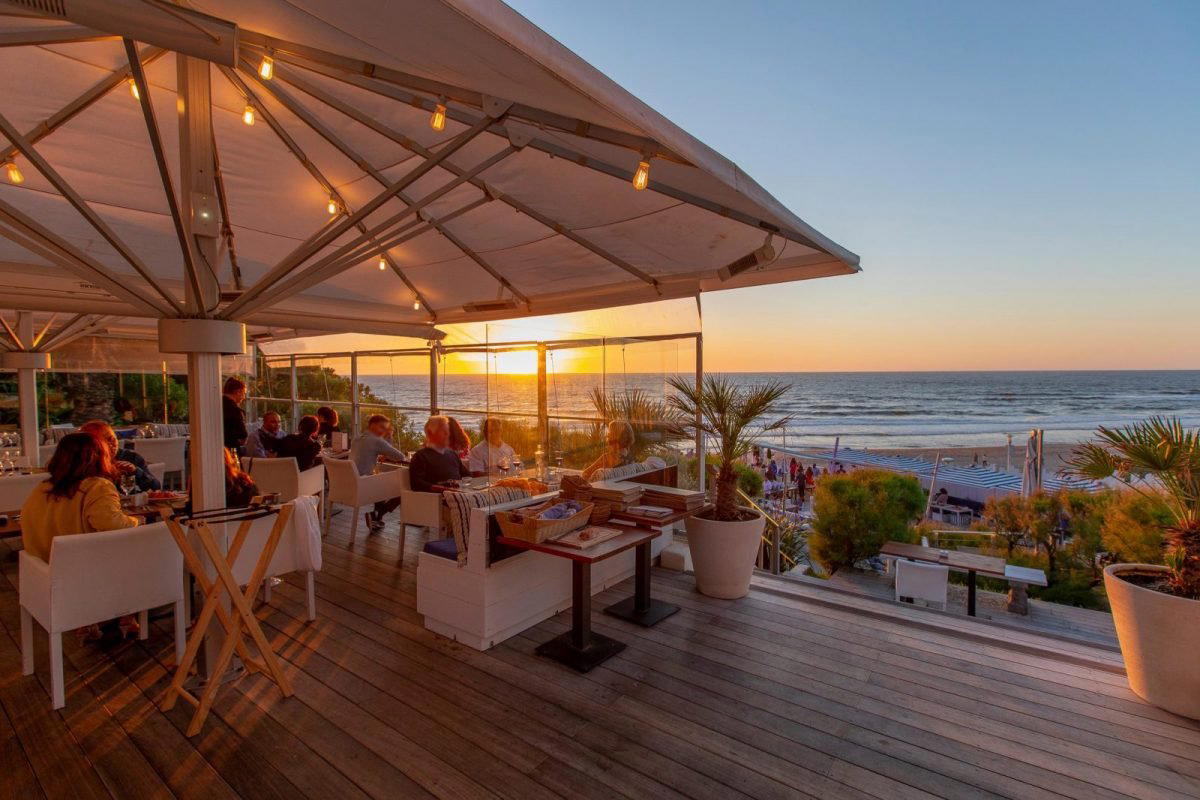
Where the Basque Coast Sets the Table
Bidart is a village that most travellers pass through on the road between Biarritz and Saint-Jean-de-Luz, which is precisely why its restaurant scene repays closer attention. The town sits above a stretch of Atlantic coastline that supplies some of the finest seafood on the French side of the Basque Country, and the local dining culture reflects that geography directly: fish and shellfish pulled from the Bay of Biscay, peppers and tomatoes grown on the inland hillsides, lamb from the Pyrenean foothills that begin less than an hour's drive east. The Blue Cargo, at 2 Avenue du Lac, positions itself within that tradition rather than against it.
The address on Avenue du Lac places the restaurant away from Bidart's central square and the surf-adjacent bustle of the coastal path, giving it a neighbourhood character that the village's more destination-oriented tables lack. Approaching from the lake side, the setting reads as deliberately low-key: a counter-argument, in architectural terms, to the polished ambitions of Bidart's upper tier, represented by La Table des Frères Ibarboure, which operates at the €€€€ end of the local price spectrum. The Blue Cargo reads as a different kind of proposition entirely.
Ingredient Geography on the Basque Coast
The sourcing logic of any serious Basque kitchen begins with the sea. The Bay of Biscay produces line-caught sea bass, turbot, and anchovies of a quality that has made the Spanish side of the border, particularly San Sebastián, a reference point for ingredient-led cooking across Europe. On the French side, that same supply chain feeds kitchens from Bayonne down through the Labourd district, and Bidart sits squarely within that network. Restaurants working at any price point in this geography have access to product that would be a deliberate sourcing exercise elsewhere: here, it is simply the local supply.
Basque interior adds a second sourcing register. The Espelette pepper, grown in the canton of Espelette roughly 20 kilometres inland, carries an AOC designation that makes it one of the few spice products in France with protected geographical status. It appears in kitchens across the region as a baseline seasoning rather than a garnish, and any restaurant operating in this zone with serious intentions will treat it accordingly. Similarly, Basque-Béarnaise lamb from breeds like the Manech and the Basco-Béarnaise has a flavour profile shaped by mountain pasture that no lowland equivalent replicates. These ingredients do not require a three-Michelin-star kitchen to communicate their character: they require a kitchen that does not obscure them.
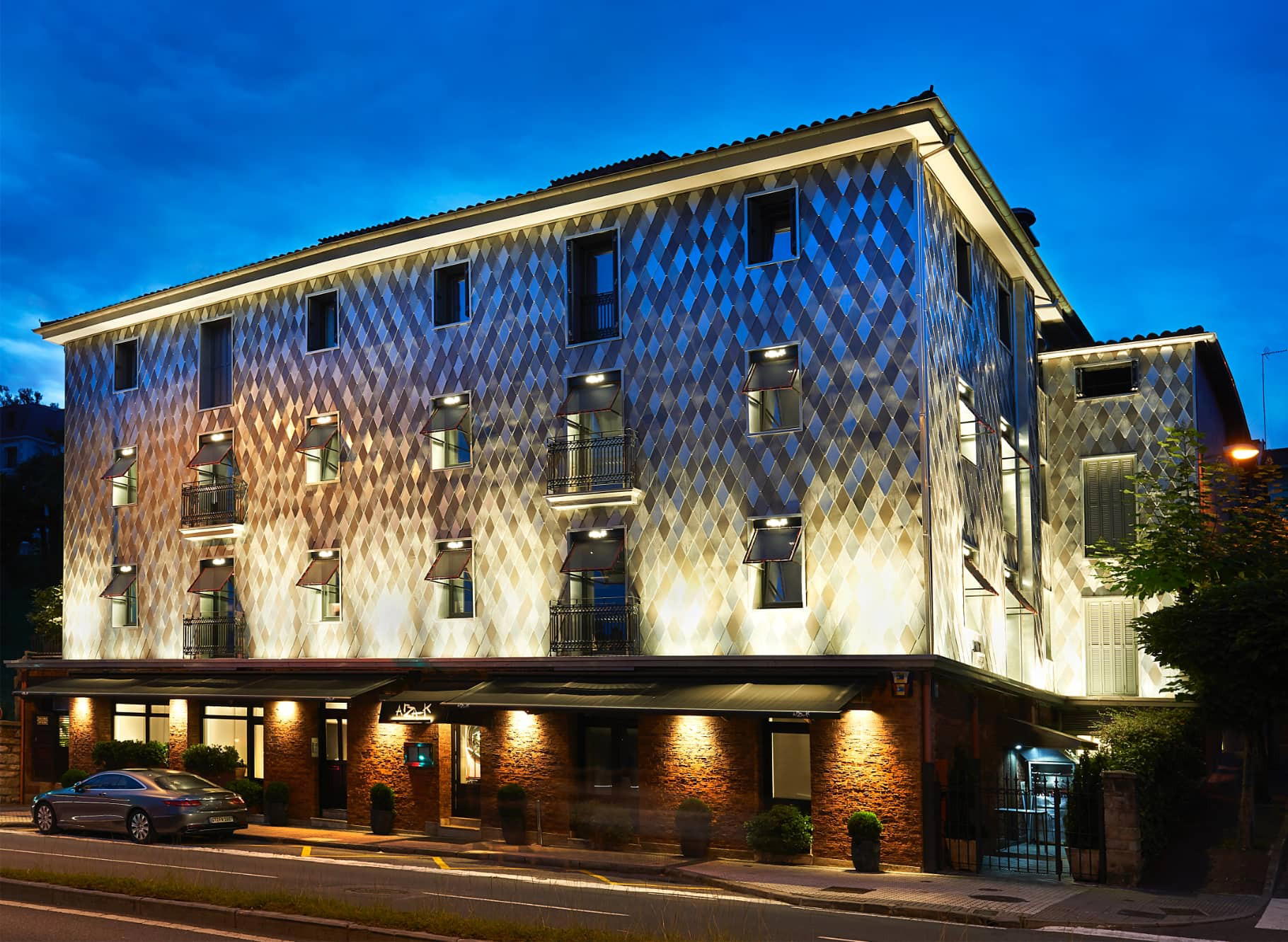
This is the context in which Bidart's mid-register and neighbourhood tables operate. Ahizpak, which sits at the most accessible price point in the local modern cuisine tier, and Ezkia, operating one rung above, both illustrate how kitchens at different budget levels in Bidart engage with the same regional larder.
Bidart in the Wider French Restaurant Conversation
France's restaurant geography divides, broadly, between the prestige corridors (Paris, Lyon, the Côte d'Azur) and the regional tables that often deliver more honest cooking at a fraction of the cost. The Basque coast sits in the second category, though not because of any deficit in technical ambition: Mirazur in Menton and Bras in Laguiole both demonstrate that regional French kitchens can operate at the highest international level while remaining rooted in a specific landscape. The difference in the Basque Country is that the ingredient quality distributes more evenly across price points than it does in, say, the Loire or Burgundy, where the prestige of the product tends to concentrate at the top end of the market.
That distribution means a table like The Blue Cargo operates in territory where the gap between neighbourhood cooking and destination cooking is narrower than it would be in many other French regions. A kitchen that sources carefully, seasons with Espelette rather than generic pepper, and handles Atlantic fish without overcooking it is already working at a standard that visitors from outside the region would recognise as materially better than their local equivalent. For comparison, restaurants like Alléno Paris au Pavillon Ledoyen or Assiette Champenoise in Reims operate in a register where the ingredient quality is engineered at considerable cost and effort. In Bidart, much of that work is done by geography.
Planning a Visit
The Blue Cargo is located at 2 Avenue du Lac, 64210 Bidart, a short distance from the village centre and walkable from the main residential neighbourhoods that surround the lake. Bidart is served by the Biarritz-Anglet-Bayonne airport, approximately 10 kilometres to the north, and by the Biarritz TGV station, which connects to Paris Montparnasse in around five hours. The town is also accessible by the coastal road linking Biarritz and Saint-Jean-de-Luz. For visitors touring Bidart's dining options across multiple price tiers, the full Bidart restaurants guide maps the local scene from Ahizpak at the entry level through La Table des Frères Ibarboure at the leading.
Frequently asked questions
Is The Blue Cargo child-friendly?
Bidart's neighbourhood restaurants, particularly those away from the formal dining rooms clustered around Biarritz, tend to run at a more relaxed register that suits families. The Blue Cargo's position on Avenue du Lac, in a residential part of the village, points toward that same informal character.
Is The Blue Cargo better for a quiet night or a lively one?
The Avenue du Lac address places The Blue Cargo in a quieter residential pocket of Bidart rather than on the village's main commercial strip, which suggests a pace suited to a unhurried evening rather than a high-energy night out. Bidart itself sits between the surf bars of Biarritz and the more polished scene of Saint-Jean-de-Luz, occupying a middle register that generally favours conversation over crowd. For a livelier atmosphere, the Biarritz waterfront is a short drive.
Is The Blue Cargo worth visiting as part of a Basque Country road trip between Biarritz and Saint-Jean-de-Luz?
Bidart sits directly on the D918 between Biarritz and Saint-Jean-de-Luz, making The Blue Cargo a natural stop rather than a detour. The village is often bypassed in favour of its more prominent neighbours, which means its restaurant scene operates with less tourist volume and more local character. The Avenue du Lac address puts it within walking distance of the village centre, making it a practical anchor for anyone spending time along the Basque Coast rather than racing between the bigger towns.
What's the signature dish at The Blue Cargo?
In the context of serious Basque kitchens in this coastal corridor, the Bay of Biscay supply chain — line-caught sea bass, turbot, and anchovies — tends to anchor any menu with genuine regional intent, often finished with Espelette pepper from the hills twenty kilometres inland. What The Blue Cargo specifically does with those ingredients is best confirmed directly with the restaurant.
At-a-Glance Comparison
Comparable venues nearby, for context on price, style, and recognition.
| Venue | Cuisine | Price | Awards | Notes |
|---|---|---|---|---|
| The Blue CargoThis venue — the venue you are viewing | Modern Basque-French Beach Bistro | Not listed | Not listed | Not listed |
| Cucaracha | Traditional Basque Spanish | $30–50 | Not listed | Bidart |
| Ahizpak | Modern Basque French | $30–50 | Michelin Plate | Bidart |
| Ezkia | Modern Basque Coastal | $50–100 | Michelin Plate | Bidart |
| La Table des Frères Ibarboure | Modern Basque Fine Dining | $150–200 | 1 Michelin Star · We're Smart World 2 Radishes | Bidart |
| La Taverne Basque | Traditional Basque Bistro | $20–30 | Not listed | Rue de la République |
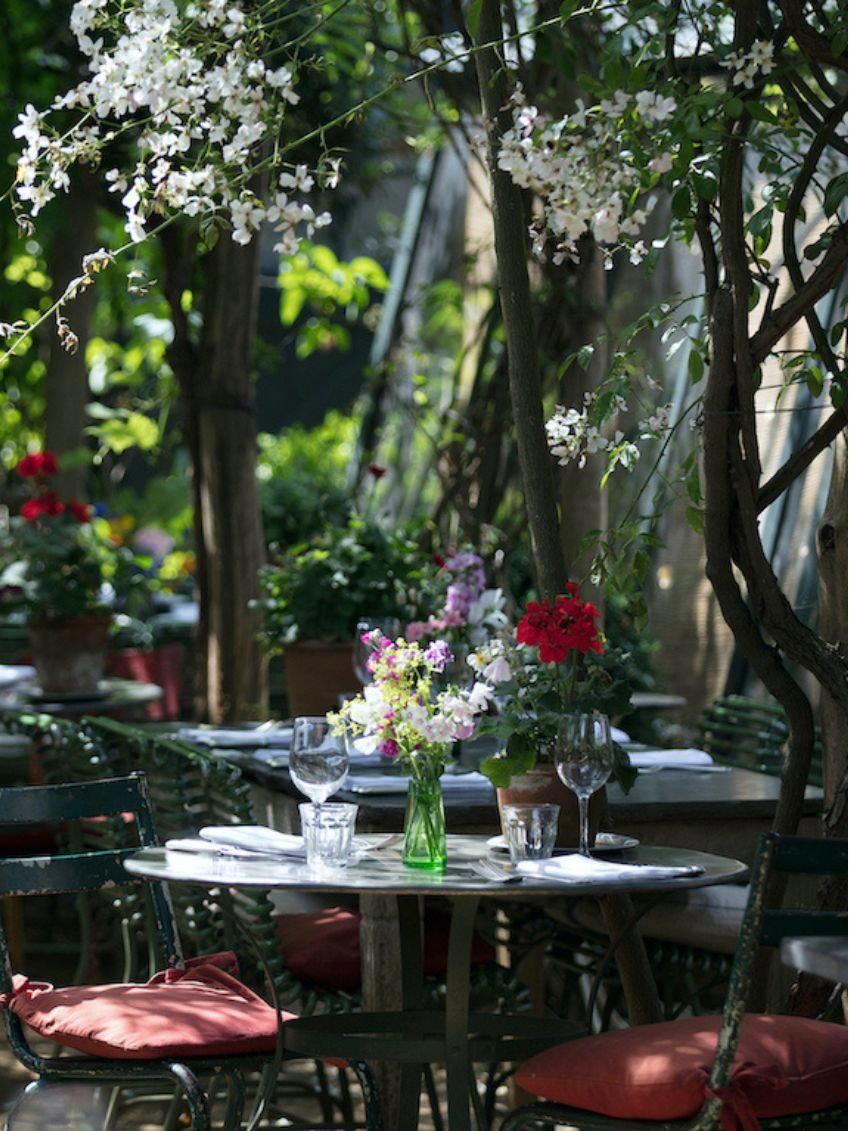
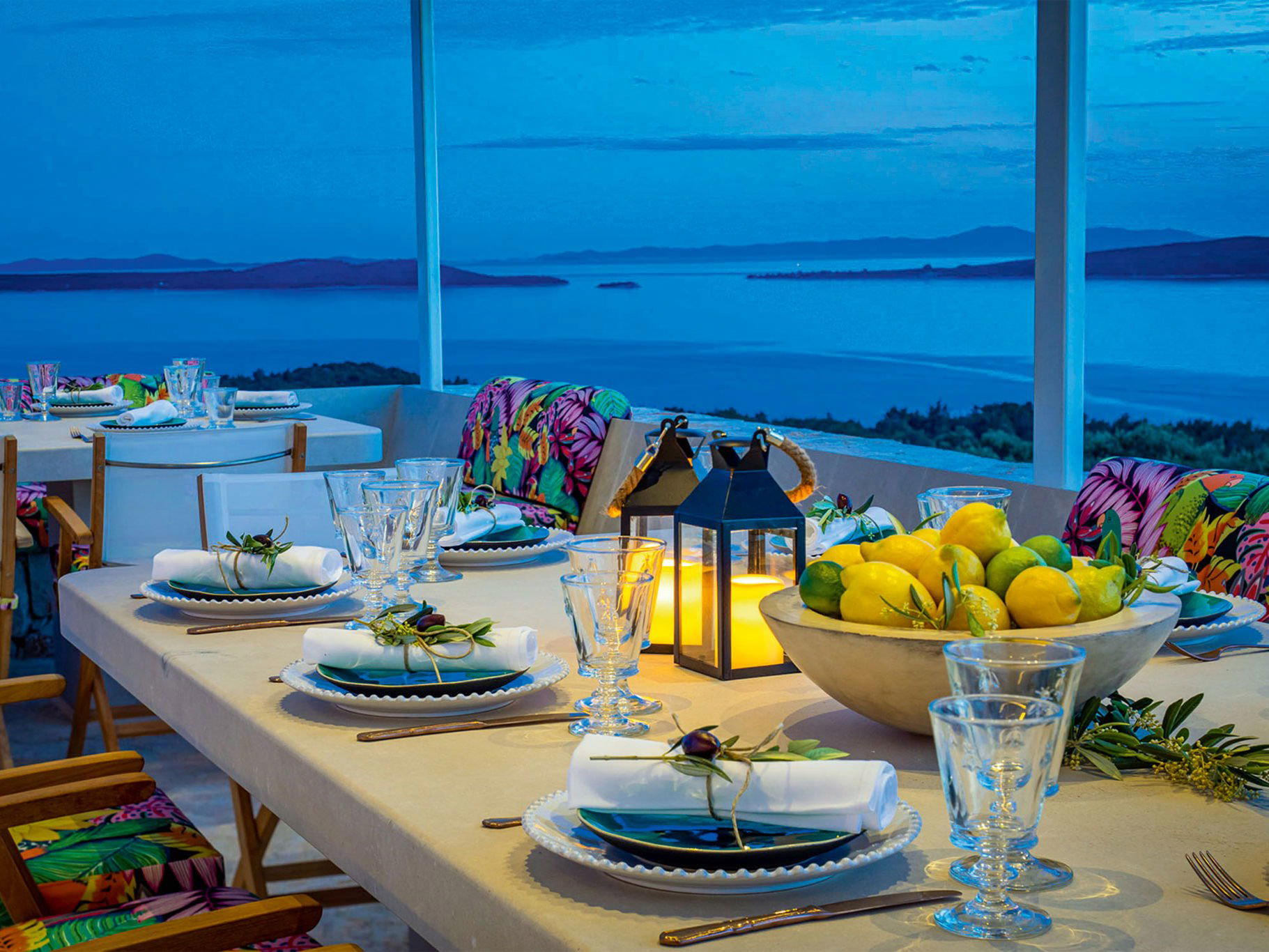
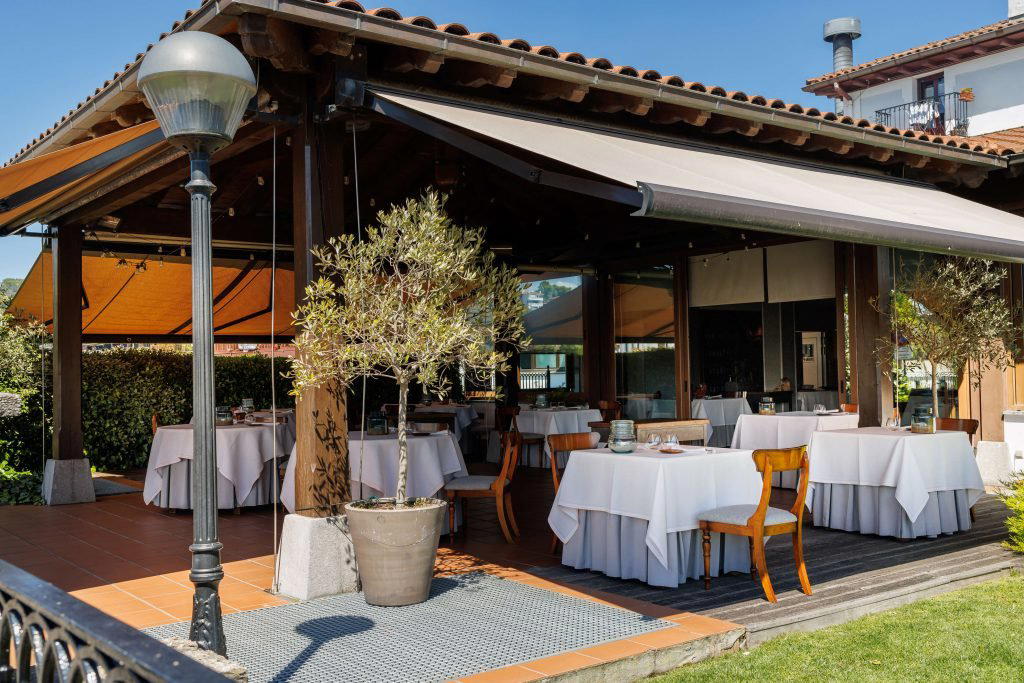
Details
- Trendy
- Lively
- Scenic
- Casual Hangout
- Group Dining
- Late Night
- Waterfront
- Terrace
- Open Kitchen
- Craft Cocktails
- Local Sourcing
- Waterfront
- A La Carte
- Small Plates
- Vegetarian Friendly
Current opening hours
- Monday
- 12 PM–2 AM
- Tuesday
- 12 PM–2 AM
- Wednesday
- 12 PM–2 AM
- Thursday
- 12 PM–2 AM
- Friday
- 12 PM–2 AM
- Saturday
- 12 PM–2 AM
- Sunday
- 12 PM–2 AM
Hours can change for holidays and private events. Last verified .
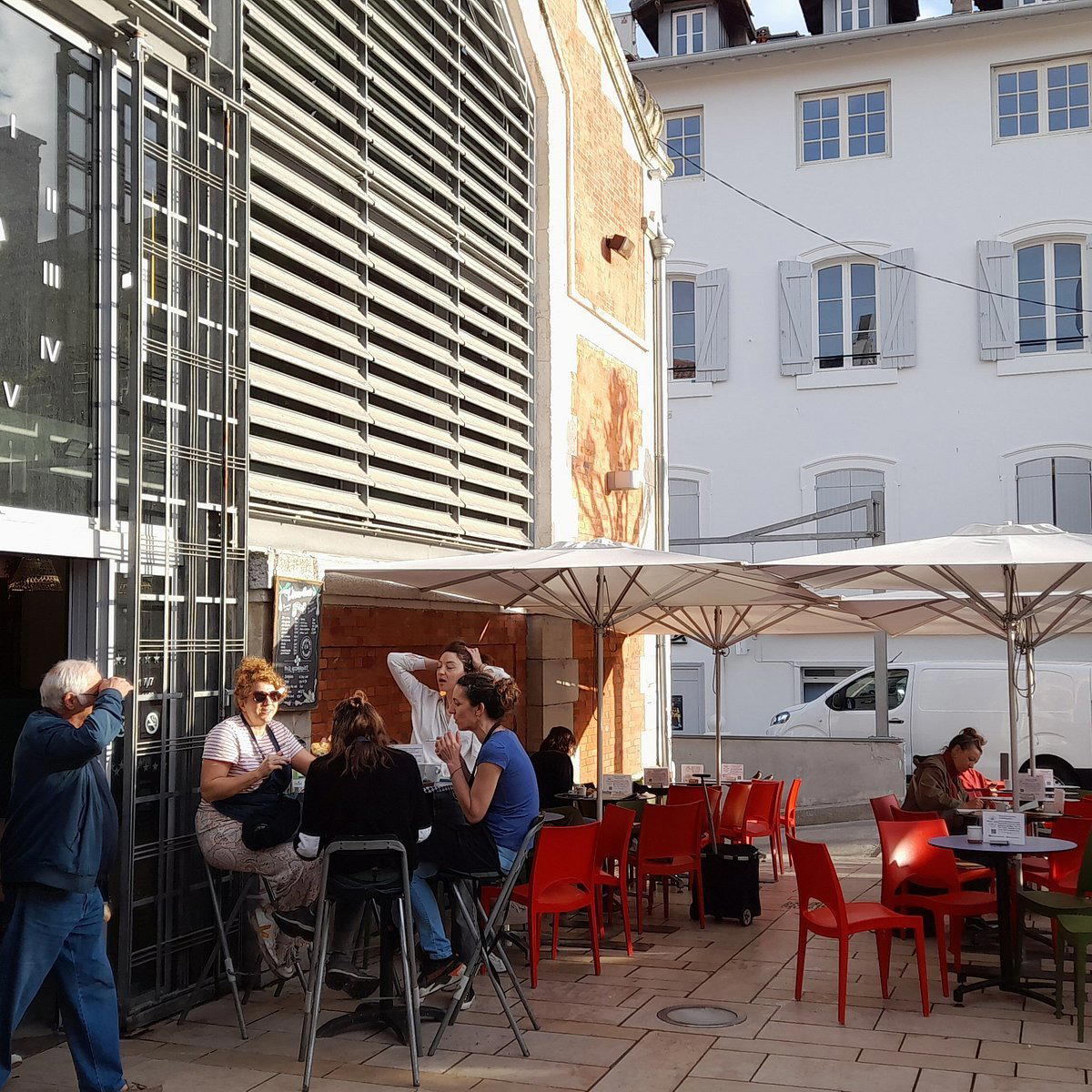
Trendy and lively beach atmosphere by day, elegant terrace dining at night with live music, DJs, and sunset vibes over the ocean.