Our verdict
On a quiet street in Bidart, a short walk from the Basque coast, Cucaracha sits within a dining scene increasingly defined by its relationship to local land and sea. The address alone — 53 Rue de l'Uhabia — places it in a village where the Pyrenean foothills and the Atlantic converge, shaping what ends up on the plate as much as any kitchen philosophy does.

Pearl is the En Primeur Club membership app — saves, bookings, and concierge access live there. Same editors, same standards.
- Address
- 53 Rue de l'Uhabia, 64210 Bidart, France
- Phone
- +33559549289
- Hours
- Daily 12–2 PM, 7–10 PM
- Website
- cucaracha-bidart.fr
- Directions
- Get directions
- Booking
- Book on the venue's website
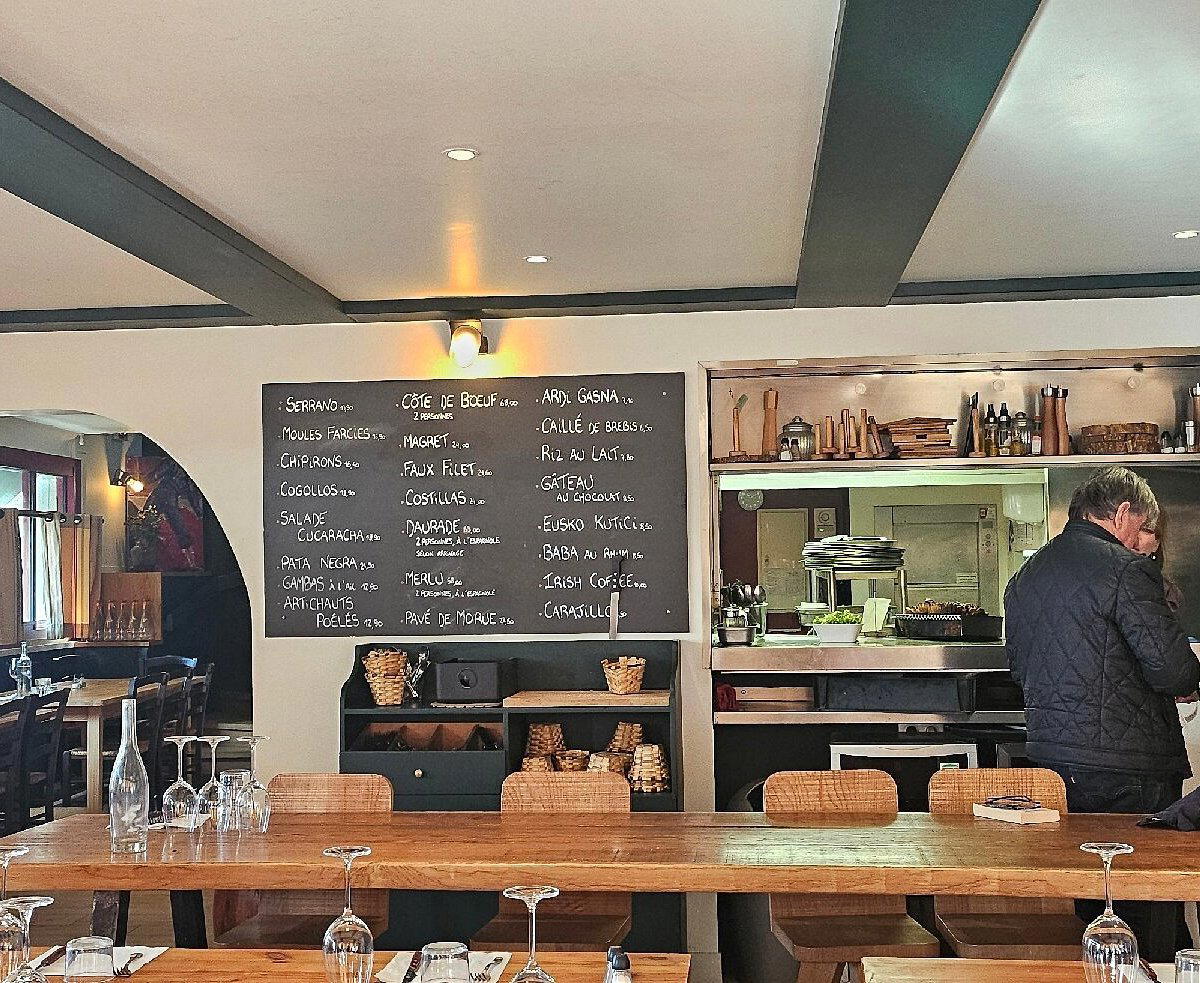
The menu
What to order
- Stuffed mussels
- Prime rib
- Cucaracha salad
- Chipirons
Where the Basque Interior Meets the Atlantic Table
Bidart is not a food destination by accident. The village sits at a geographic crossroads that has always made sourcing easy for those paying attention: the Pyrenean foothills pushing down from the east, the Atlantic a few kilometres to the west, and the Basque agricultural belt filling in the middle. Farms producing piment d'Espelette, Manex sheep dairies, fishing boats working out of Saint-Jean-de-Luz and Hendaye — this is the supply chain that defines what the Basque Country puts on the table, and Cucaracha, at 53 Rue de l'Uhabia, occupies that geography directly.
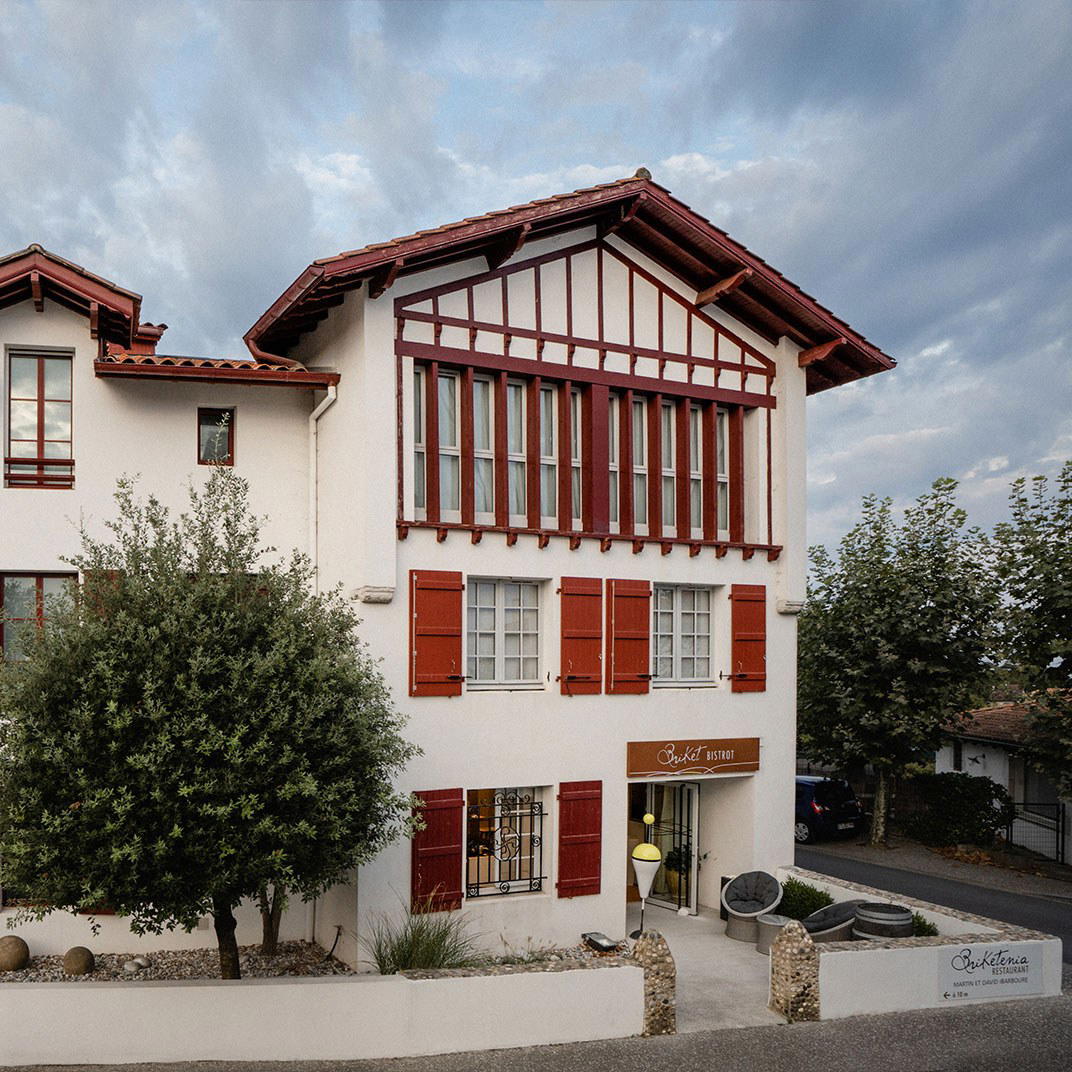
The Rue de l'Uhabia address is telling. Uhabia is the small river that threads through Bidart toward the sea, and the street that follows it sits away from the main tourist arteries — quieter, more residential, the kind of location that rewards those who plan rather than those who wander in off the beach promenade. Approaching the address, the surrounding neighbourhood gives little away. That restraint is consistent with how much of the Basque Country operates: the serious eating happens behind unremarkable facades, and the cooking tends to do the talking.
The Ingredient Logic of the Basque Coast
The Basque Country's ingredient culture is distinctive enough to deserve its own frame of reference, separate from broader French gastronomy. The region's pintxos bars and formal restaurants alike draw from the same short-radius supply, Bayonne charcuterie, Ossau-Iraty-style aged sheep cheeses, axoa (a veal and piment preparation that is effectively a regional signature), and the Atlantic's contribution of anchovies, bonito, and merlu (hake) prepared with a directness that avoids the classical French sauce architecture.
This matters for understanding where a venue like Cucaracha sits relative to peers. Bidart's more formally credentialed restaurants, including La Table des Frères Ibarboure at the leading price tier and Ezkia at a mid-range, each work within this same ingredient geography but apply different levels of technique and formality. The question for any Bidart restaurant is not whether to use local ingredients (that is table stakes here) but how directly or elaborately those ingredients are treated. At the more casual end of the local spectrum, represented by addresses like Ahizpak, the emphasis falls on accessibility over elaboration. The Blue Cargo represents yet another register, closer to the Atlantic edge and oriented around a different kind of coastal casualness.
Cucaracha's name, Spanish for cockroach, a word the Basque borderland uses without irony as a familiar colloquial term, signals something about the register. This is not a venue naming itself after a Michelin-starred lineage or a chef's surname. The name suggests something closer to the ground, direct in its humour, not positioning toward the formal dining circuit that connects Bidart to the wider French fine-dining geography running from Mirazur in Menton through to Flocons de Sel in Megève or the grande maison tradition represented by Auberge de l'Ill and Paul Bocuse.
What the Basque Sourcing Tradition Produces at Table
Across the French Basque Country, the sourcing tradition produces a particular style of eating: generous in portion, direct in flavour, grounded in protein and vegetable combinations that have been refined over generations rather than decades. The piment d'Espelette, the region's protected-origin chilli pepper, dried and ground to a mild, fruity heat, appears in preparations ranging from scrambled eggs to braised meats. It functions not as a seasoning flourish but as a structural ingredient, one that carries an AOP designation and cannot legally be labelled as such if it comes from outside its defined growing zone in the Basque valleys.
This kind of geographic specificity in ingredient sourcing is what separates the French Basque table from generic southern French cooking, and it is the lens through which any serious dining address in Bidart should be read. The venues earning sustained recognition further afield, from Bras in Laguiole with its Aubrac terroir focus, to Les Prés d'Eugénie in Eugénie-les-Bains with its spa-linked garden sourcing, to Auberge du Vieux Puits in Fontjoncouse, each built their identities around ingredient provenance as a primary editorial statement. At the village level, that same logic operates without the formal architecture.
Bidart in Context: Planning a Meal Here
Bidart sits between Biarritz to the north and Saint-Jean-de-Luz to the south, roughly equidistant from both, and reachable from either in under ten minutes by car. The village's restaurant density is high relative to its size, which creates a genuine peer-comparison decision for visitors. The formal end of the local market is served by La Table des Frères Ibarboure, which has carried Michelin recognition over multiple editions and represents the kind of multi-generational Basque cooking that invites comparison with destinations like Troisgros in Ouches or Georges Blanc in Vonnas in terms of family-continuity narrative. Cucaracha operates in a different register entirely, closer to the neighbourhood-restaurant end of the spectrum, where the priority is a dependable meal rooted in local ingredients rather than a formal tasting experience.
For visitors to Bidart, the practical advice is to approach the Rue de l'Uhabia address as you would approach any embedded local address in a Basque village: come with reasonable expectations for atmosphere (informal, residential-street setting), check opening periods in advance given the seasonal rhythm of Basque coastal dining, and understand that this part of the French Basque coast sees its peak activity from June through September. The shoulder seasons, May and October, tend to offer the most workable combination of good weather, accessible reservations, and a local crowd. See our full Bidart restaurants guide for a complete picture of the village's dining options across price tiers.
For those building a broader French dining itinerary around the Basque coast, the regional comparisons that make sense are lateral: La Table du Castellet in the Var, Alléno Paris au Pavillon Ledoyen, and international reference points like Le Bernardin in New York or Lazy Bear in San Francisco operate in a different altitude of ambition and price. What connects them to the Basque village table is the same underlying logic: the leading ingredient sourcing is geographically specific, and restaurants that understand their own terrain tend to cook with more authority than those that don't.
Frequently asked questions
Does Cucaracha work for a family meal?
Bidart's village restaurants generally operate at a pace and scale that suits shared, unhurried meals, and Cucaracha on Rue de l'Uhabia fits that character. The Basque tradition of generous, direct cooking tends to translate well across age groups. For specific seating arrangements or children's provisions, contacting the venue directly is advisable.
How would you describe the vibe at Cucaracha?
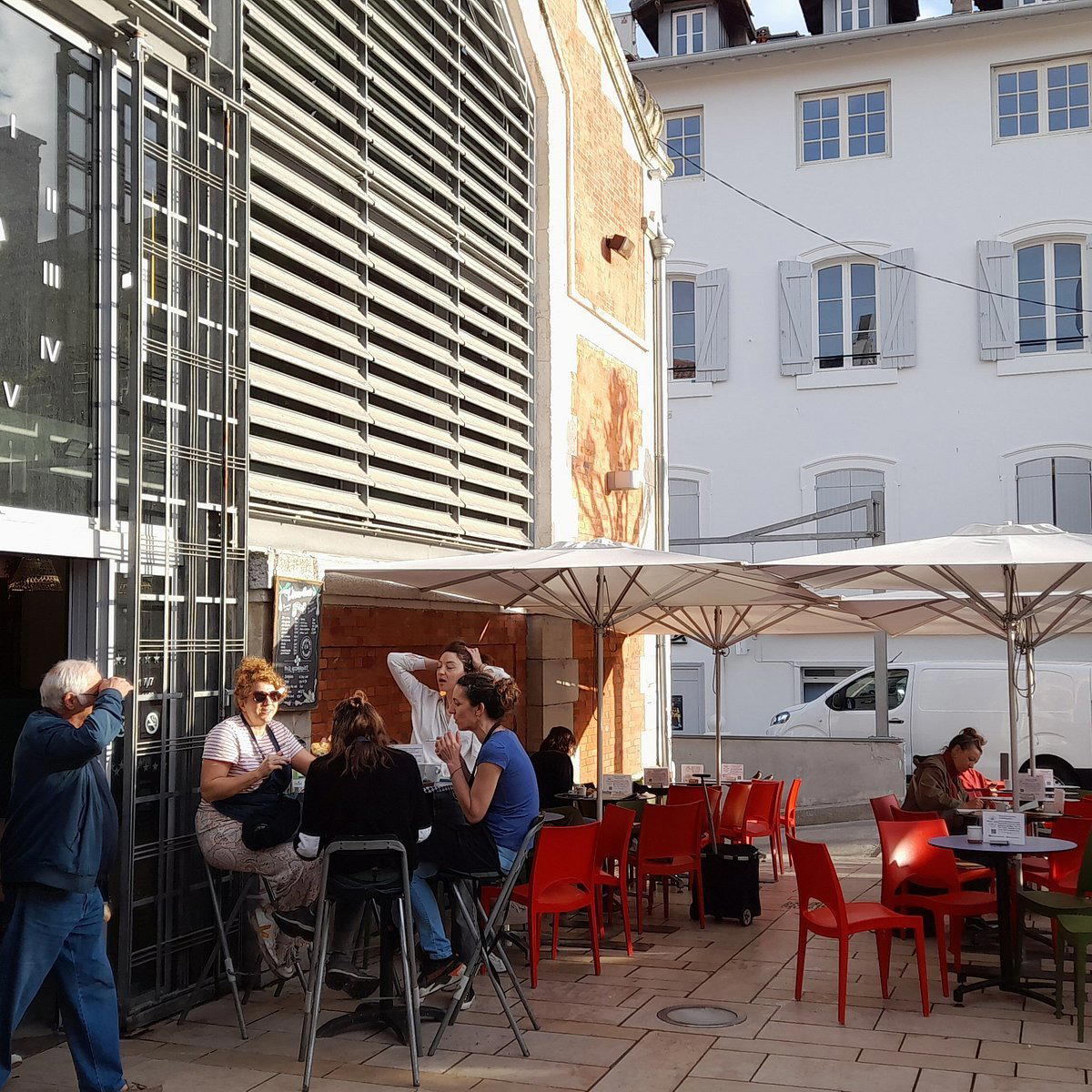
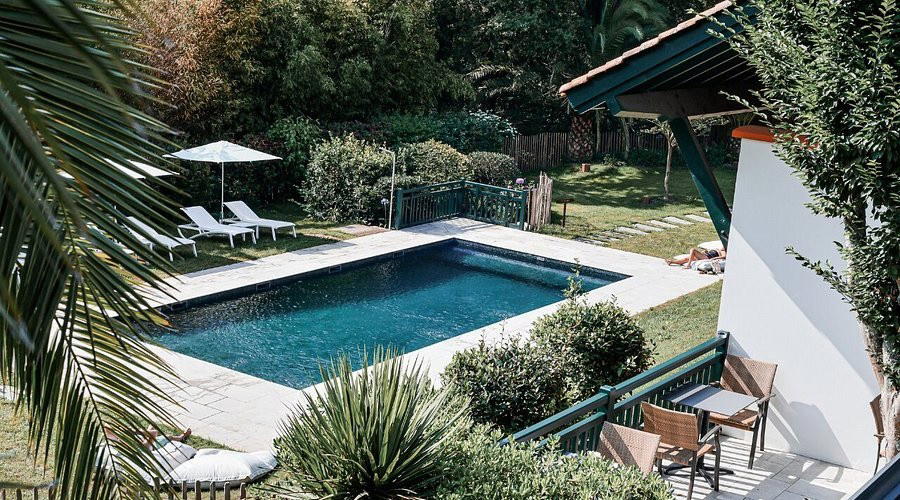
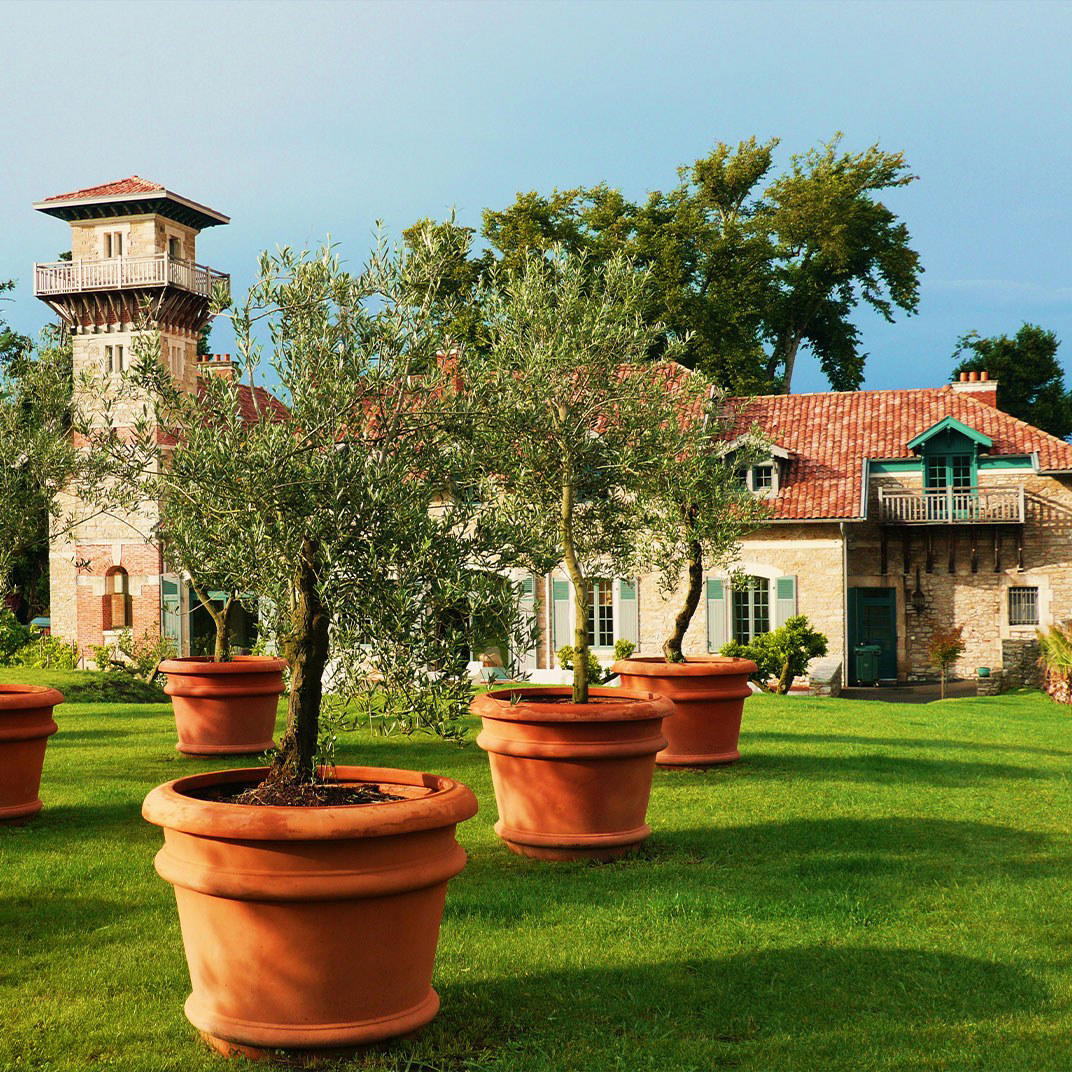
Bidart sits outside the commercial buzz of Biarritz, and its dining rooms reflect that — smaller, less performative, closer to the rhythm of the village itself. Cucaracha on Rue de l'Uhabia occupies that register: a Basque coast address where the setting serves the food rather than competing with it. Expect something closer to a local room than a destination showpiece.
Is Cucaracha close to the beach in Bidart?
Cucaracha is at 53 Rue de l'Uhabia in Bidart, a street that runs near the Uhabia river valley in the lower part of the village, within reasonable walking distance of Bidart's Atlantic coastline. The proximity to both the coast and the village centre makes it a practical stop whether you're arriving from the beach or from the D810 road corridor linking Biarritz and Saint-Jean-de-Luz.
What do people recommend at Cucaracha?
For current menu direction at Cucaracha, checking in with the restaurant directly will give you the most reliable picture.
Where do I go for Cucaracha?
Cucaracha is located at 53 Rue de l'Uhabia, 64210 Bidart, France, Bidart.
Should I book Cucaracha in advance?
Bidart's dining rooms are small by design, and summer demand along this stretch between Biarritz and Saint-Jean-de-Luz runs high from July through August. Booking ahead is sensible for any meal during that window. Current reservation availability is best confirmed directly with Cucaracha at its Rue de l'Uhabia address.
What's Cucaracha best at?
Cucaracha sits in the French Basque village of Bidart, a location that puts it close to some of the region's most consistent sourcing networks: Atlantic fish landed at Saint-Jean-de-Luz, Ossau-Iraty producers inland, and the seasonal market culture that runs through the Labourd. That geographic logic shapes what kitchens in this village do well — ingredient-forward cooking grounded in proximity rather than concept.
Side-by-Side Snapshot
Comparable venues nearby, for context on price, style, and recognition.
| Venue | Cuisine | Price | Awards | Notes |
|---|---|---|---|---|
| CucarachaThis venue — the venue you are viewing | Traditional Basque Spanish | $30–50 | Not listed | Not listed |
| The Blue Cargo | Modern Basque-French Beach Bistro | Not listed | Not listed | Ilbarritz |
| Ahizpak | Modern Basque French | $30–50 | Michelin Plate | Bidart |
| Ezkia | Modern Basque Coastal | $50–100 | Michelin Plate | Bidart |
| La Table des Frères Ibarboure | Modern Basque Fine Dining | $150–200 | 1 Michelin Star · We're Smart World 2 Radishes | Bidart |
| Hernani | Basque Sidreria | Not listed | Not listed | Biarritz center |
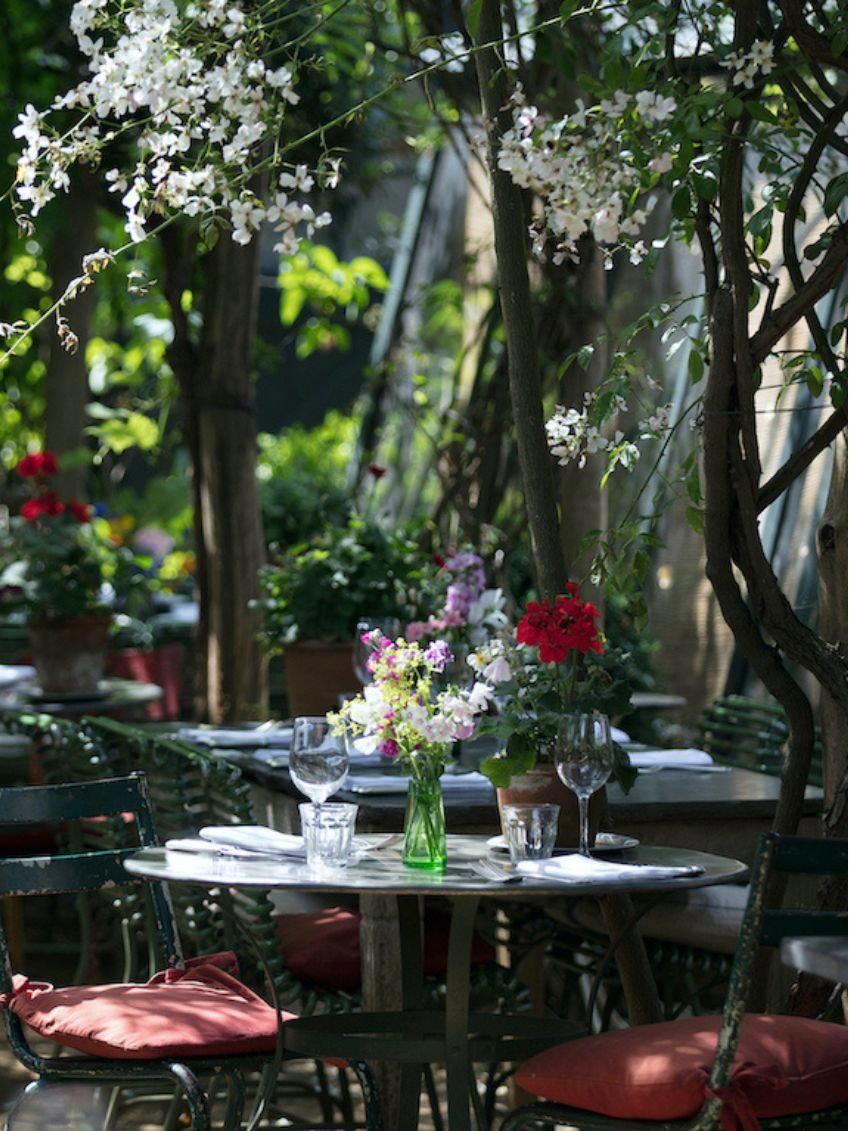
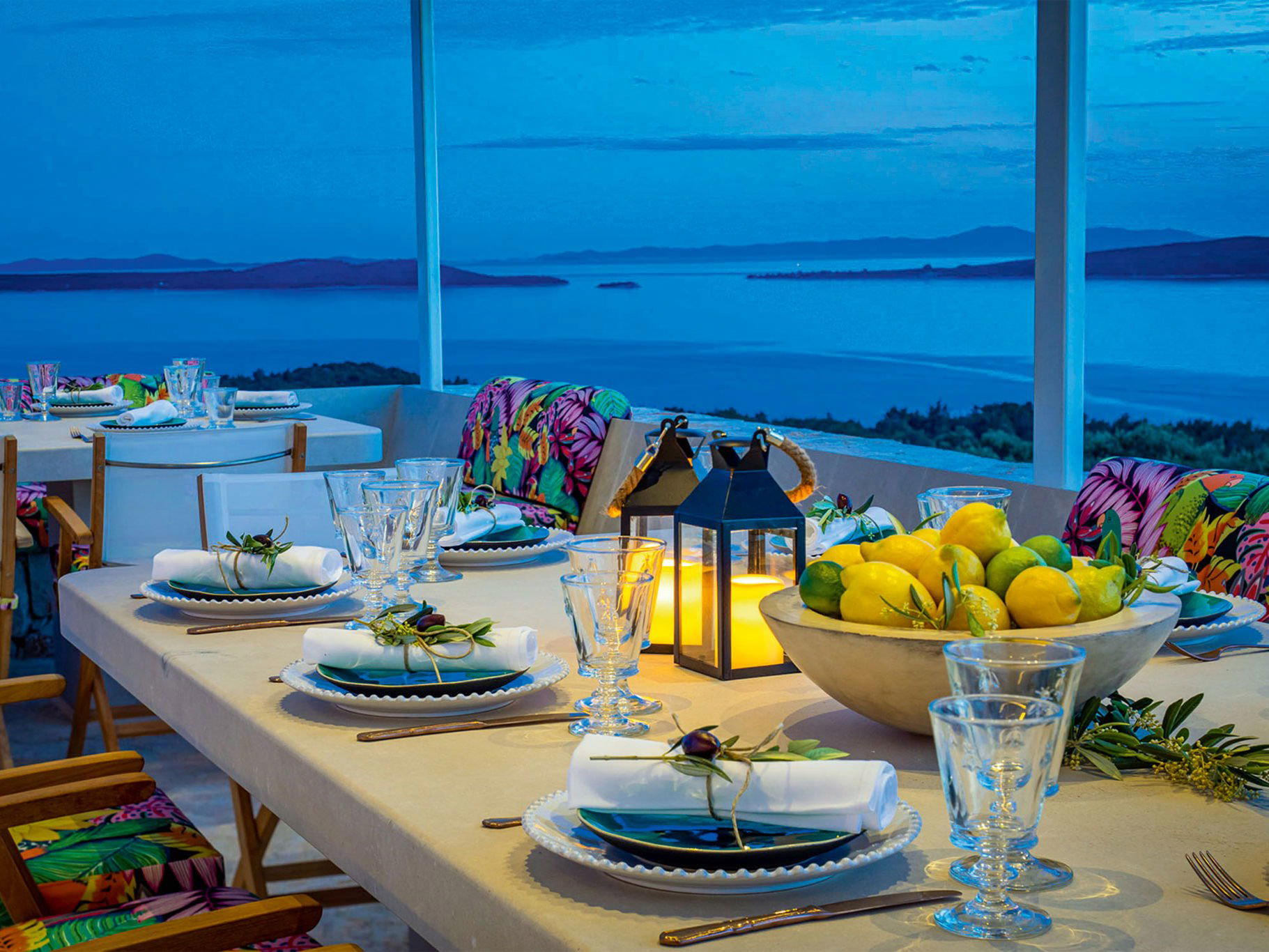
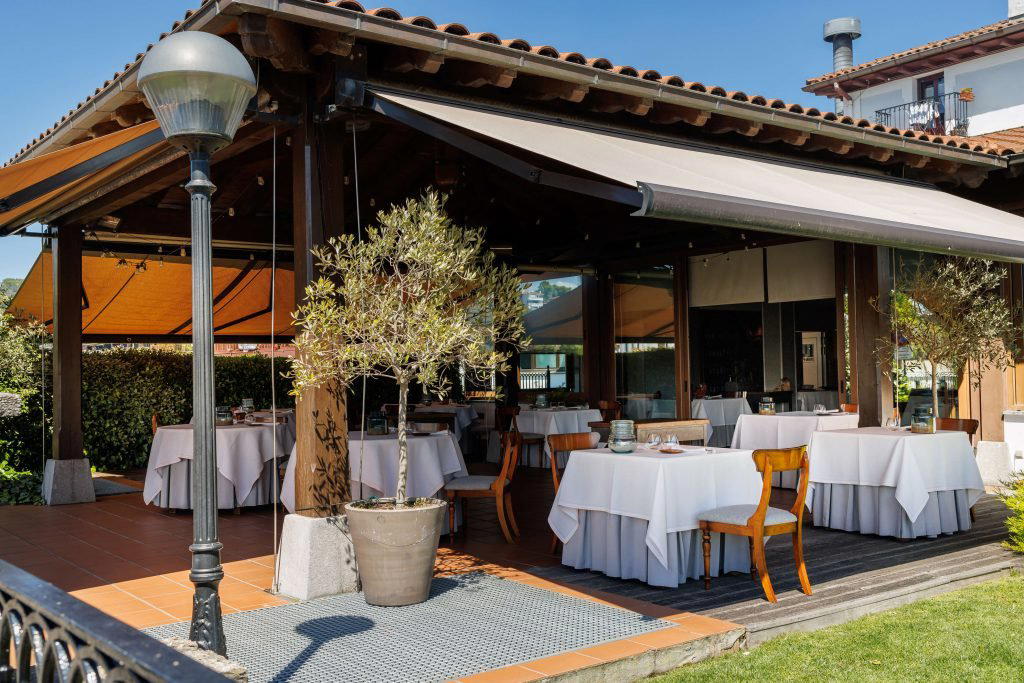
Details
- Cozy
- Lively
- Rustic
- Casual Hangout
- Group Dining
- Terrace
- Waterfront
- Extensive Wine List
- Waterfront
- A La Carte
Current opening hours
- Monday
- 12–2 PM, 7–10 PM
- Tuesday
- 12–2 PM, 7–10 PM
- Wednesday
- 12–2 PM, 7–10 PM
- Thursday
- 12–2 PM, 7–10 PM
- Friday
- 12–2 PM, 7–10 PM
- Saturday
- 12–2 PM, 7–10 PM
- Sunday
- 12–2 PM, 7–10 PM
Hours can change for holidays and private events. Last verified .
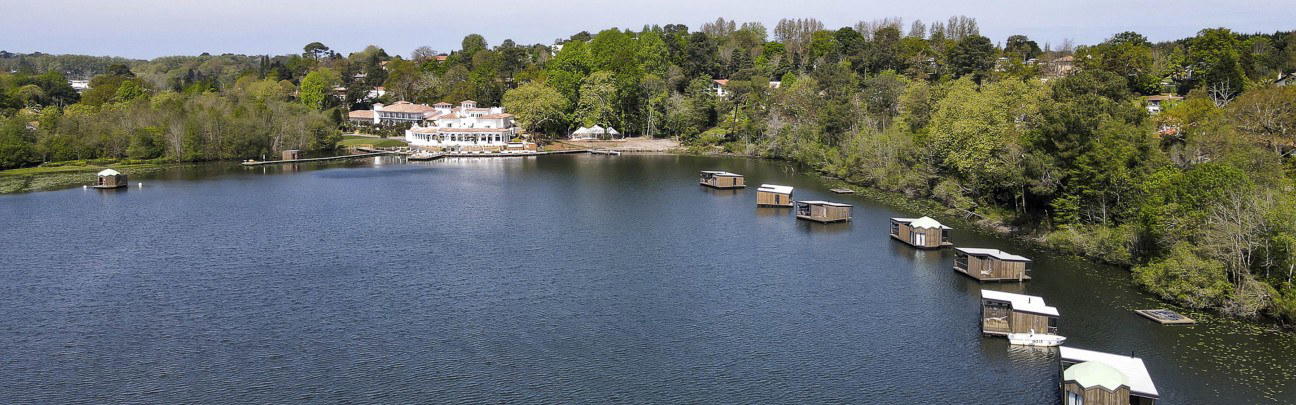
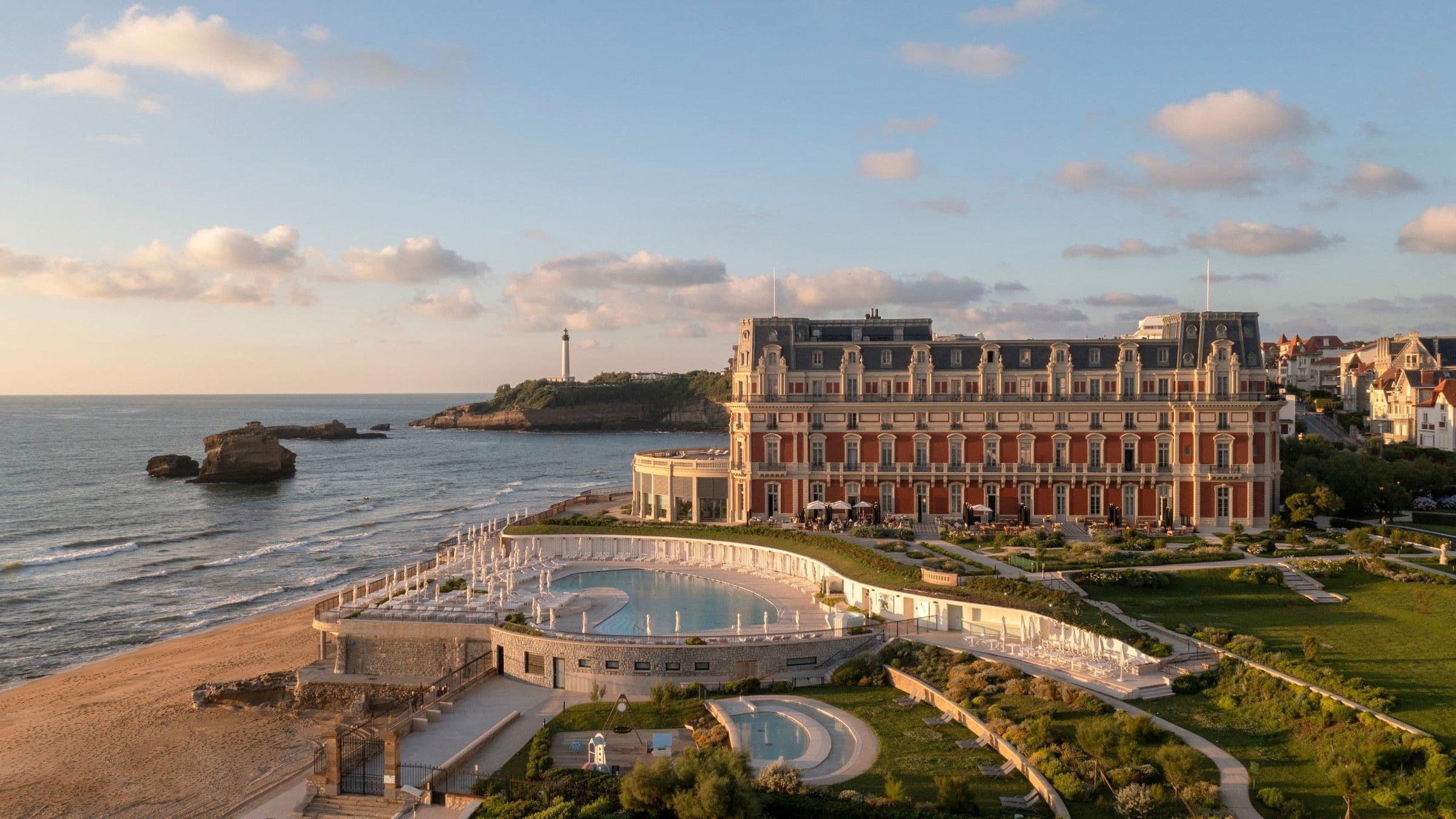
Warm and welcoming atmosphere with sea views from terrace and light music.