The Barton House

A Star Wine List White Star recipient in Salado, Texas, The Barton House brings a wine-forward dining sensibility to a town better known for antiques and Hill Country day-trippers. The recognition signals a wine program with more depth than the zip code would suggest, placing it in a distinct tier among Central Texas dining options.
Pearl is the En Primeur Club membership app — saves, bookings, and concierge access live there. Same editors, same standards.
- Address
- 101 N Main St, Salado, TX 76571
- Phone
- (254) 947-0441
- Website
- thebartonhousesalado.com
- Directions
- Get directions
 Saves & bookings on Pearl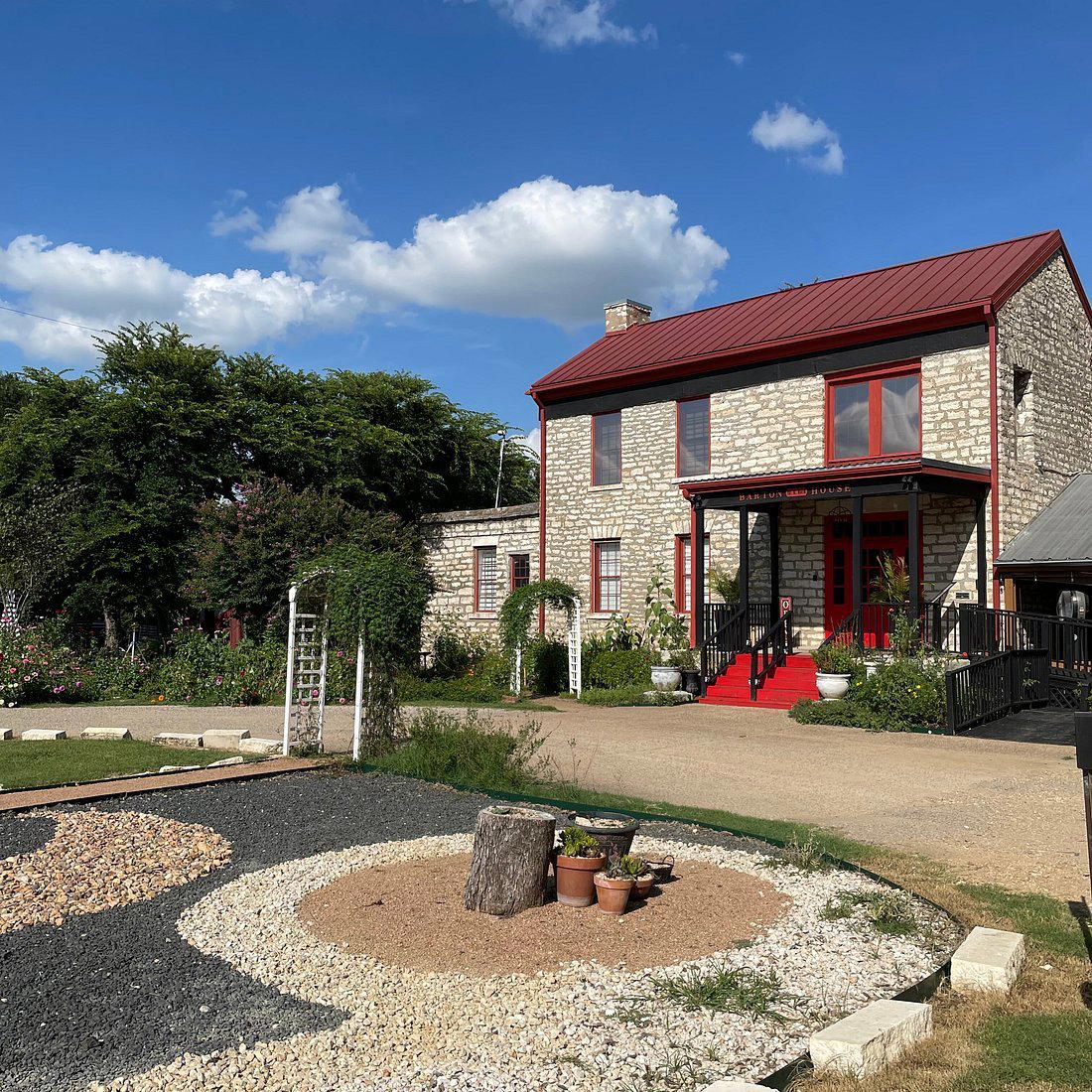
Salado sits at the intersection of I-35 and genuine Texas small-town character, roughly equidistant between Austin and Waco, and the main strip along North Main Street reads more like a curated village than a highway stop. Nineteenth-century limestone buildings house galleries, boutiques, and a handful of restaurants that have gradually drawn a more deliberate dining crowd. The Barton House is an American fine dining restaurant in Salado, Texas, at 101 N Main St. It sits in a building that carries the weight of a historic streetscape, in a town where the dining scene punches above its population count.
A Wine Program That Earns Its Recognition
Small-town Texas restaurants rarely attract the attention of serious wine media. The fact that The Barton House earned a White Star designation from Star Wine List places it in a distinct category. Star Wine List's White Star tier recognizes restaurants with wine programs that demonstrate genuine curation and depth, not just a commercially safe list padded with recognizable labels. In a state where the wine conversation tends to cluster around Houston and Austin, that designation is a signal worth taking seriously.
For context, the venues that appear alongside White Star recipients nationally include some of the country's most deliberate dining programs. The kind of attention to sourcing and selection that earns this recognition typically reflects a kitchen and front-of-house operating with shared values about where ingredients and bottles come from. At the price points and scales of venues like Single Thread Farm in Healdsburg or Blue Hill at Stone Barns in Tarrytown, ingredient sourcing and wine alignment are inseparable from the restaurant's identity. The White Star designation at a Salado address suggests a similar, if differently scaled, intentionality.
Central Texas Sourcing and What It Implies
Central Texas is unusually well-positioned for this kind of sourcing: the Hill Country within an hour's drive produces beef, lamb, heritage pork, seasonal produce, and increasingly credible olive oil. Farms between Fredericksburg and the Colorado River corridor have built supply relationships with Austin's more exacting restaurant kitchens, and the same network is accessible to a Salado operator willing to build those connections.
Restaurants that take sourcing seriously tend to show it in menu structure rather than menu language. The vocabulary of farm-to-table marketing has been so thoroughly diluted that the actual signal is in specificity: named farms, seasonal rotations that reflect actual harvest windows, proteins that change with what the region produces well at a given time of year. Kitchens that build serious wine lists tend to be the same kitchens building serious sourcing relationships; the two disciplines require the same disposition toward quality over convenience.
This places The Barton House in an interesting position within Salado's dining scene more broadly. The town draws visitors for its historic district and proximity to the natural landscape, but the dining options that have built reputations beyond day-tripper traffic are those that treat the Central Texas larder as an asset rather than an afterthought.
Where It Sits in the Wider Conversation
The restaurants that define ingredient-sourcing as a primary editorial frame in American dining operate at a range of scales and price points. At the high end, programs like The French Laundry in Napa and Providence in Los Angeles have built sourcing relationships over decades, with the kitchen garden or the named fishing boat becoming part of the restaurant's identity. At a more accessible register, venues like Lazy Bear in San Francisco and Addison in San Diego demonstrate that regional sourcing discipline can coexist with genuine hospitality ambition outside the obvious metropolitan centers.
What these programs share is a commitment to the idea that where food comes from shapes what it tastes like, and that communicating that origin is part of the dining experience rather than a marketing exercise. The White Star wine recognition at the restaurant positions it as a Salado operator working in that tradition, even if the scale and format differ substantially from its more decorated peers.
For travelers passing through the I-35 corridor, or making a deliberate stop as part of a wider exploration of Salado's cultural offerings, that positioning matters. It separates a restaurant with genuine program depth from the considerable number of Central Texas dining rooms that rely on location and atmosphere to carry the experience.
Planning a Visit
Salado is a direct drive from Austin, roughly 55 miles north on I-35, making it a viable lunch or dinner destination for visitors based in the capital. The town's compact historic district means the restaurant at 101 N Main St is within walking distance of the antique shops, galleries, and the creek-side paths that define the visitor experience. For those making an overnight trip, Salado's hotel options include several properties that cater to the same traveler looking for a considered Texas Hill Country experience. Reservations are recommended.
A Quick Peer Check
Comparable venues nearby, for context on price, style, and recognition.
| Venue | Cuisine | Price | Notes |
|---|---|---|---|
| The Barton HouseThis venue — the venue you are viewing | American Fine Dining in Historic House | $$ | Not listed |
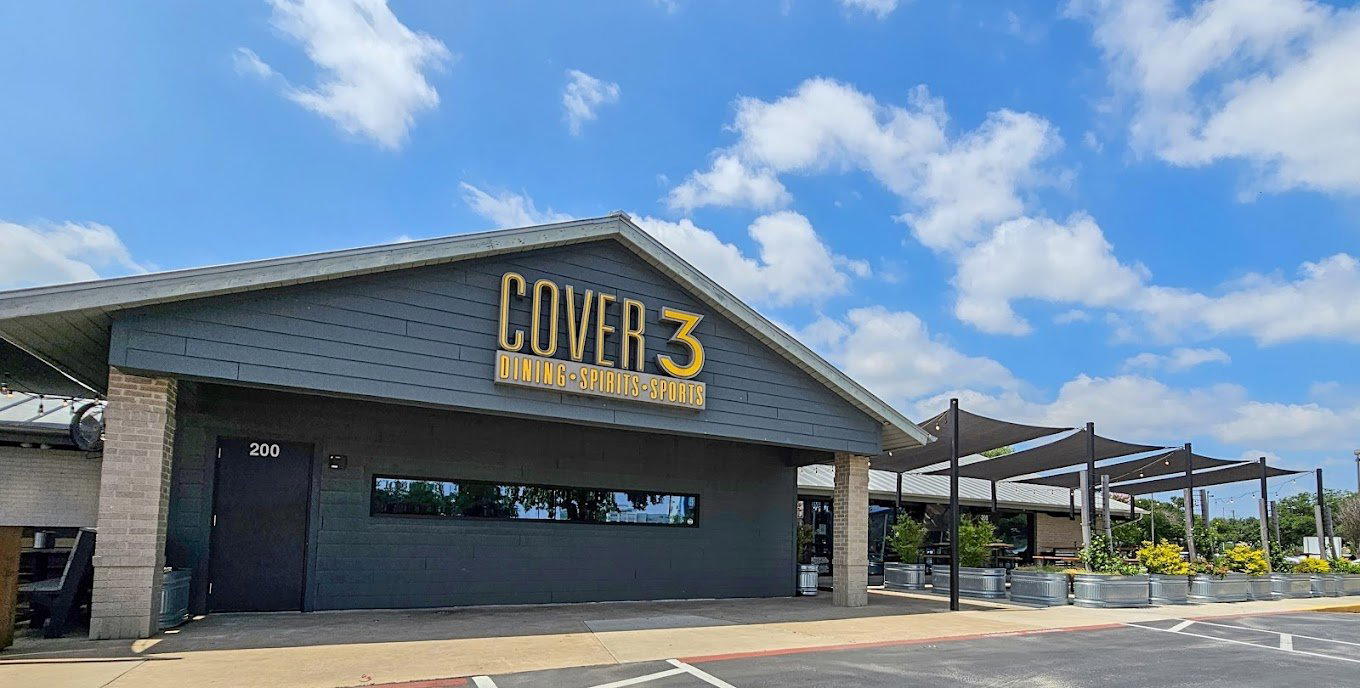
| COVER 3 Round Rock | American Gastropub | $$ | Round Rock |
| Citizens All Day | Aussie-inspired all-day café and restaurant | $$ | North Austin |
| Josephine House | American Farm-to-Table | $$ | Old Enfield |
| Garage | Pizza & Cocktails | $$ | Congress Ave District |
| Bikinis Sports Bar & Grill | American Sports Bar Grill | $$ | Congress Ave District |
Recognition history
Dated appearances from independent guides and award organizations, with the underlying list record or original source where available.
Star Wine List
Star Wine List
Continue exploring
More in Salado
Restaurants in Salado
Browse all →
Bars in Salado
Browse all →
Hotels in Salado
Browse all →
Wineries in Salado
Browse all →
At a Glance
- Rustic
- Historic
- Cozy
- Elegant
- Date Night
- Special Occasion
- Brunch
- Historic Building
- Private Dining
- Terrace
- Extensive Wine List
- Farm To Table
Current opening hours
- Monday
- 5–9 PM
- Tuesday
- 5–9 PM
- Wednesday
- 5–9 PM
- Thursday
- 5–9 PM
- Friday
- 11 AM–10 PM
- Saturday
- 11 AM–10 PM
- Sunday
- 11 AM–9 PM
Hours can change for holidays and private events. Last verified .
Charming historic house atmosphere with elegant, differently decorated dining rooms, cozy patio, and warm lighting that evokes a classic, intimate feel.