The Bank
Our verdict
The Bank occupies a converted premises on Station Approach in Chorleywood, positioning it within Rickmansworth's small but growing dining scene. With its address on a commuter-belt high street, it draws from both local residents and rail-connected visitors. For context on the wider area's restaurants, EP Club's Rickmansworth guide covers the full picture.

Pearl is the En Primeur Club membership app — saves, bookings, and concierge access live there. Same editors, same standards.
- Address
- The Bank, 3-5 Station Approach, Chorleywood, Rickmansworth WD3 5PF, United Kingdom
- Phone
- +441923521521
- Hours
- Mon 5–10:30 PMTue–Thu 5–11:30 PMFri–Sat 11 AM–12:30 AMSun 11 AM–11:30 PM
- Website
- thebankchorleywood.co.uk
- Directions
- Get directions
- Booking
- Book on the venue's website
The menu
What to order
- Raja’s Mini Dosas
- Egg Kejriwal
- The Bank’s Signature Pancakes
Station Approach, Converted Space, Commuter-Belt Dining
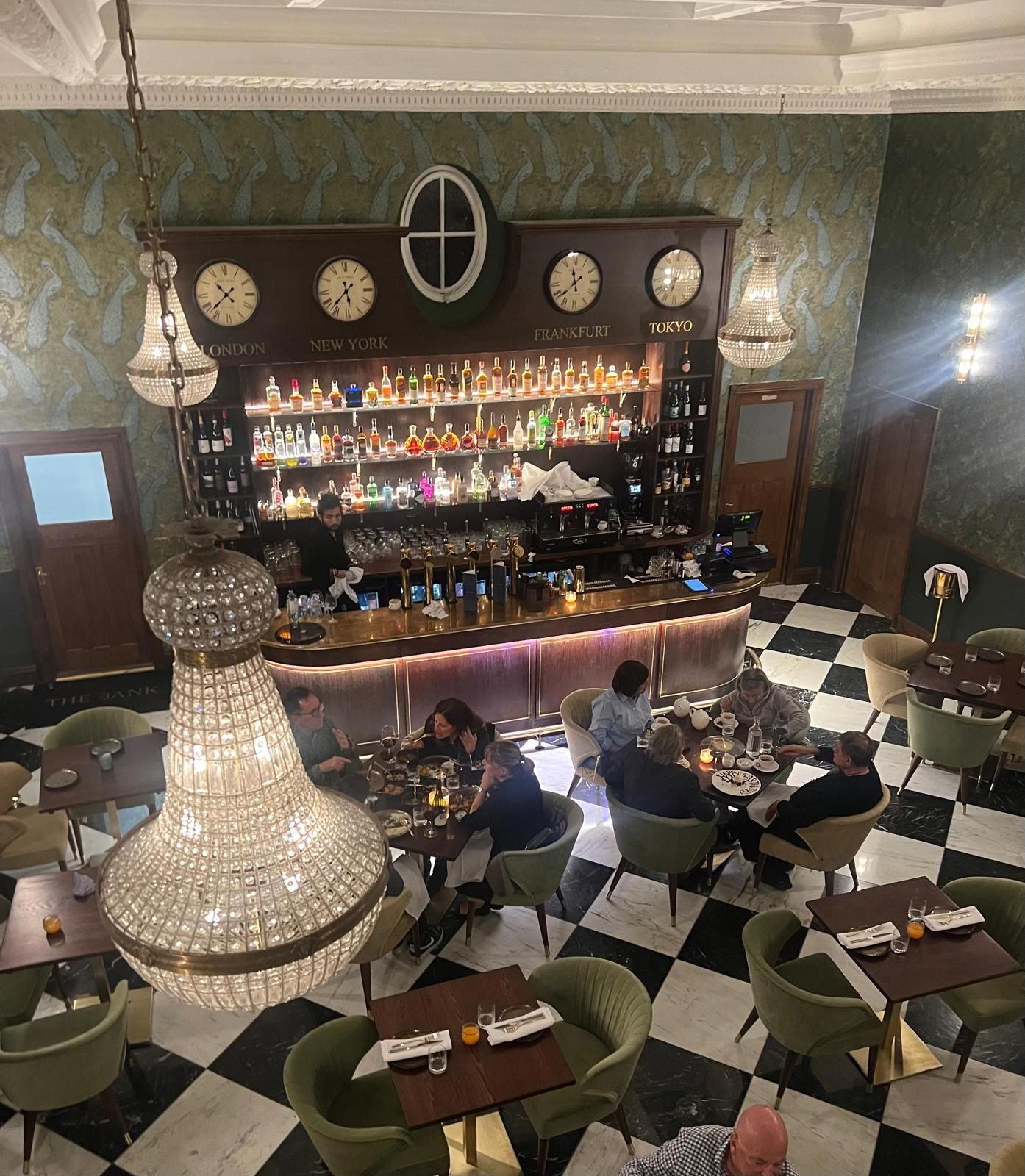
Chorleywood's high street has the particular quality of many outer-London commuter villages: a railway station that connects the area to central London in under forty minutes, a cluster of independent businesses that serve residents rather than tourists, and a gradual emergence of dining options that reflect rising local expectations. The Bank sits on Station Approach at 3-5, occupying a building whose name alone signals a former life as a financial institution. In Britain, converted bank premises have become a recognisable category of hospitality venue, typically offering high ceilings, solid architectural bones, and a sense of civic weight that purpose-built restaurant rooms rarely achieve. Whether The Bank here follows that template in full is a question the visit itself answers, but the address places it squarely in a neighbourhood where the dining scene is defined more by proximity to London than by any independent culinary identity.
Rickmansworth and its surrounding villages, including Chorleywood, sit within the Three Rivers district of Hertfordshire, close enough to the capital to attract residents who eat regularly in London but far enough to have developed a local restaurant culture of its own. That culture tends toward accessible neighbourhood formats rather than destination dining. Venues like Dolce Caffè & Restaurant, Madhus At The Grove, and The Cafe in the Park reflect that local character: places serving a community rather than drawing visitors from outside it. Our full Rickmansworth restaurants guide maps the area's options in more detail.
Ingredient Sourcing and the Commuter-Belt Context
In British dining broadly, sourcing has become the axis on which neighbourhood restaurants distinguish themselves. The shift away from imported commodity produce toward regional suppliers, seasonal menus, and named farms has moved down from destination-dining tier properties to high-street independents over the past decade. The question of where a kitchen's food comes from matters differently in a commuter-belt village than it does at a Michelin-starred country house, but it matters nonetheless. Hertfordshire and the surrounding Home Counties sit within reasonable reach of some of the United Kingdom's better produce networks: the Vale of Aylesbury for duck and waterfowl, Bedfordshire and Buckinghamshire market gardens for vegetables, and the broader Southeast for game during the autumn season.
Venues operating in this tier, between the casual café and the formal restaurant, often make sourcing decisions that reflect their position: local enough to use regional suppliers where cost allows, pragmatic enough to supplement from wider networks. The converted-premises format, which The Bank's name suggests, has historically lent itself to pub-restaurant hybrids in British high streets, a format where the bar trade subsidises a more considered kitchen. That structure, when it works, produces some of the more interesting local dining in England. The Hand and Flowers in Marlow, just over the Buckinghamshire border, is the clearest regional example of a pub-restaurant format reaching destination level, though that comparison operates several tiers above where most commuter-belt venues sit.
The Wider Regional Dining Frame
To calibrate expectations for a venue in Chorleywood, it helps to map the regional dining hierarchy. The upper tier of country-house and destination dining in the Southeast and Home Counties includes properties with sustained critical recognition and international reputations. Waterside Inn in Bray and Le Manoir aux Quat'Saisons in Oxford define that tier regionally. Below that, a middle layer of serious independent restaurants operates in market towns and commuter settlements, often without awards recognition but with consistent local followings. What the address and setting do confirm is that this is a neighbourhood venue in a commuter village, and should be assessed on those terms.
For readers whose reference points extend to the destination-dining tier nationally, the contrast is useful. Properties like L'Enclume in Cartmel, Moor Hall in Aughton, or Restaurant Sat Bains in Nottingham represent what sourcing-led cooking at the formal end of British dining looks like. Further afield, Gidleigh Park in Chagford and Restaurant Andrew Fairlie in Auchterarder anchor the country-house tradition at its most committed. In London proper, CORE by Clare Smyth and, for a different register entirely, Midsummer House in Cambridge, Opheem in Birmingham, and hide and fox in Saltwood illustrate the range within formal British dining. Internationally, the sourcing-led ethos that defines the upper tier of British cooking has clear parallels in the precision cooking at Le Bernardin in New York City and the Korean-American tasting format at Atomix in New York City. These comparisons exist not to oversell what Chorleywood offers but to give readers a complete frame of reference for British dining at different levels.
Planning a Visit
The Bank's address at 3-5 Station Approach, Chorleywood, WD3 5PF places it within walking distance of Chorleywood station on the Metropolitan and Chiltern lines, which connects directly to central London in roughly thirty-five to forty minutes. For visitors arriving by car, the Three Rivers area has reasonable road access from the M25 at junction 18.
Frequently asked questions
Would The Bank be comfortable with kids?
The venue occupies a converted space at 3-5 Station Approach, Chorleywood — a setting that tends to suit the neighbourhood's family-oriented commuter demographic. The station-adjacent location means access is straightforward from Chorleywood's Metropolitan and Chiltern line stop.
What is the atmosphere like at The Bank?
The Bank takes its character from the building itself: a converted space on the station approach in Chorleywood, where the architecture does the contextual work that a purpose-built restaurant interior rarely achieves. Chorleywood sits firmly in the outer-London commuter belt, so the room draws a crowd shaped by that local identity — professionals winding down rather than destination diners travelling in. Expect a neighbourhood register rather than a metropolitan one.
Is The Bank in Chorleywood easy to reach without a car?
Yes — the address at 3-5 Station Approach places The Bank directly beside Chorleywood station, which sits on both the Metropolitan and Chiltern lines and connects to central London in under 40 minutes. That rail access is the defining practical advantage of this location for visitors coming from the city, and it removes the parking calculus that complicates most Hertfordshire dining trips.
What dish is The Bank famous for?
No specific signature dish is documented for The Bank at this stage. The venue is based at 3-5 Station Approach, Chorleywood WD3 5PF, and given the commuter-belt context, the kitchen is likely to reflect the broader British neighbourhood dining shift toward seasonal, locally sourced menus — though confirmed dish details are not currently available.
What part of town is The Bank in?
The Bank is located at The Bank, 3-5 Station Approach, Chorleywood, Rickmansworth WD3 5PF, United Kingdom, Rickmansworth.
Fast Comparison
Comparable venues nearby, for context on price, style, and recognition.
| Venue | Cuisine | Price | Notes |
|---|---|---|---|
| The BankThis venue — the venue you are viewing | Modern Indian Fine Dining | $30–50 | Not listed |
| Madhus At The Grove | Punjabi Indian | $50–100 | Chandler's Cross |
| The Cafe in the Park | Sustainable British Cafe | $10–20 | Rickmansworth Aquadrome |
| Dolce Caffè & Restaurant | French-Italian Fusion | $20–30 | Rickmansworth |
| Manthan | Modern Indian Fine Dining | $50–100 | Mayfair |
| Chourangi | Calcutta Indian Cuisine | $50–100 | Marble Arch |
Continue exploring
More in Rickmansworth
Restaurants in Rickmansworth
Browse all →
Bars in Rickmansworth
Browse all →
Hotels in Rickmansworth
Browse all →

Details
- Modern
- Elegant
- Cozy
- Sophisticated
- Special Occasion
- Group Dining
- Brunch
- Historic Building
- Craft Cocktails
- A La Carte
- Small Plates
- Vegetarian Friendly
- Vegan Options
- Gluten Free Options
Current opening hours
- Monday
- 5–10:30 PM
- Tuesday
- 5–11:30 PM
- Wednesday
- 5–11:30 PM
- Thursday
- 5–11:30 PM
- Friday
- 11 AM–12:30 AM
- Saturday
- 11 AM–12:30 AM
- Sunday
- 11 AM–11:30 PM
Hours can change for holidays and private events. Last verified .
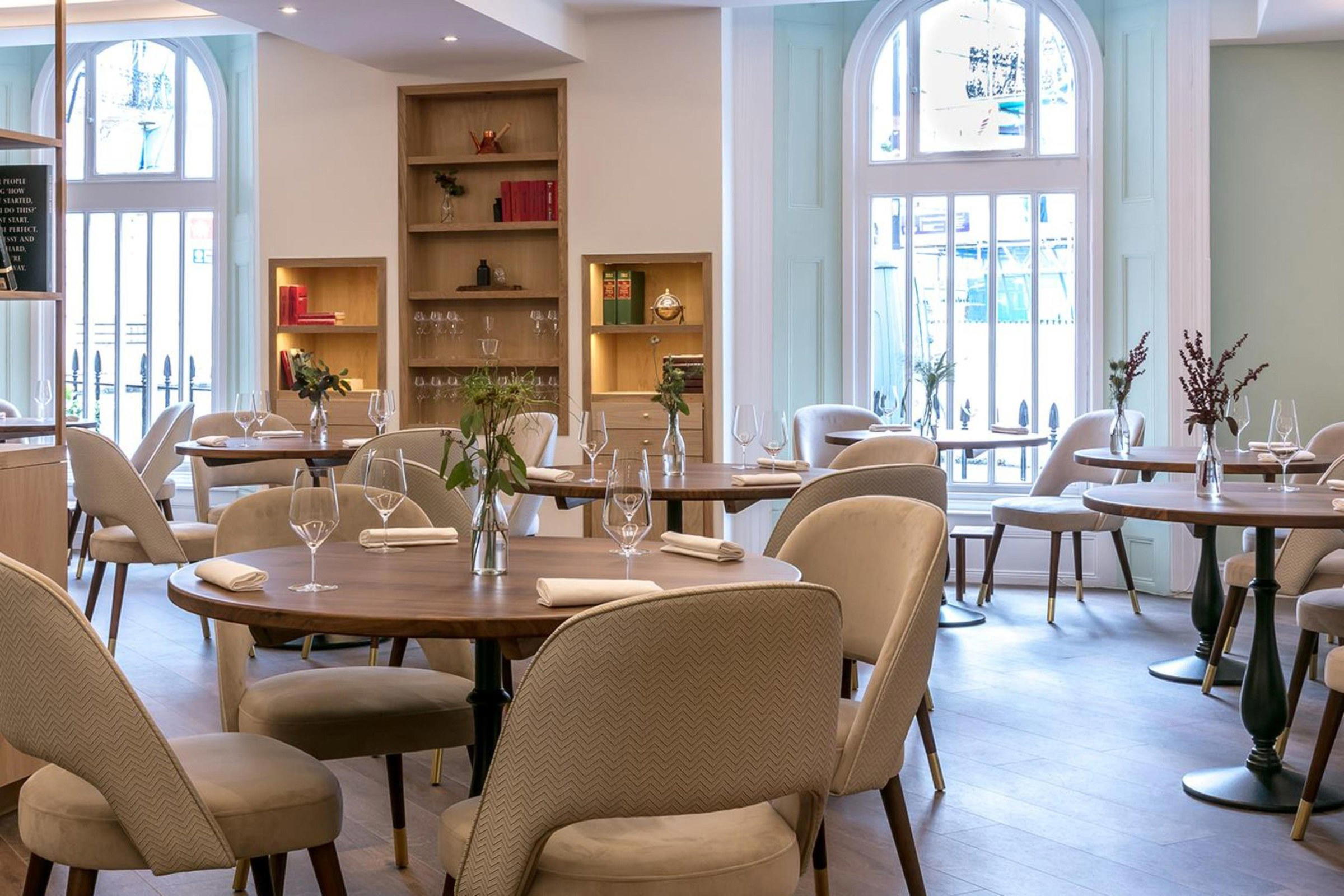
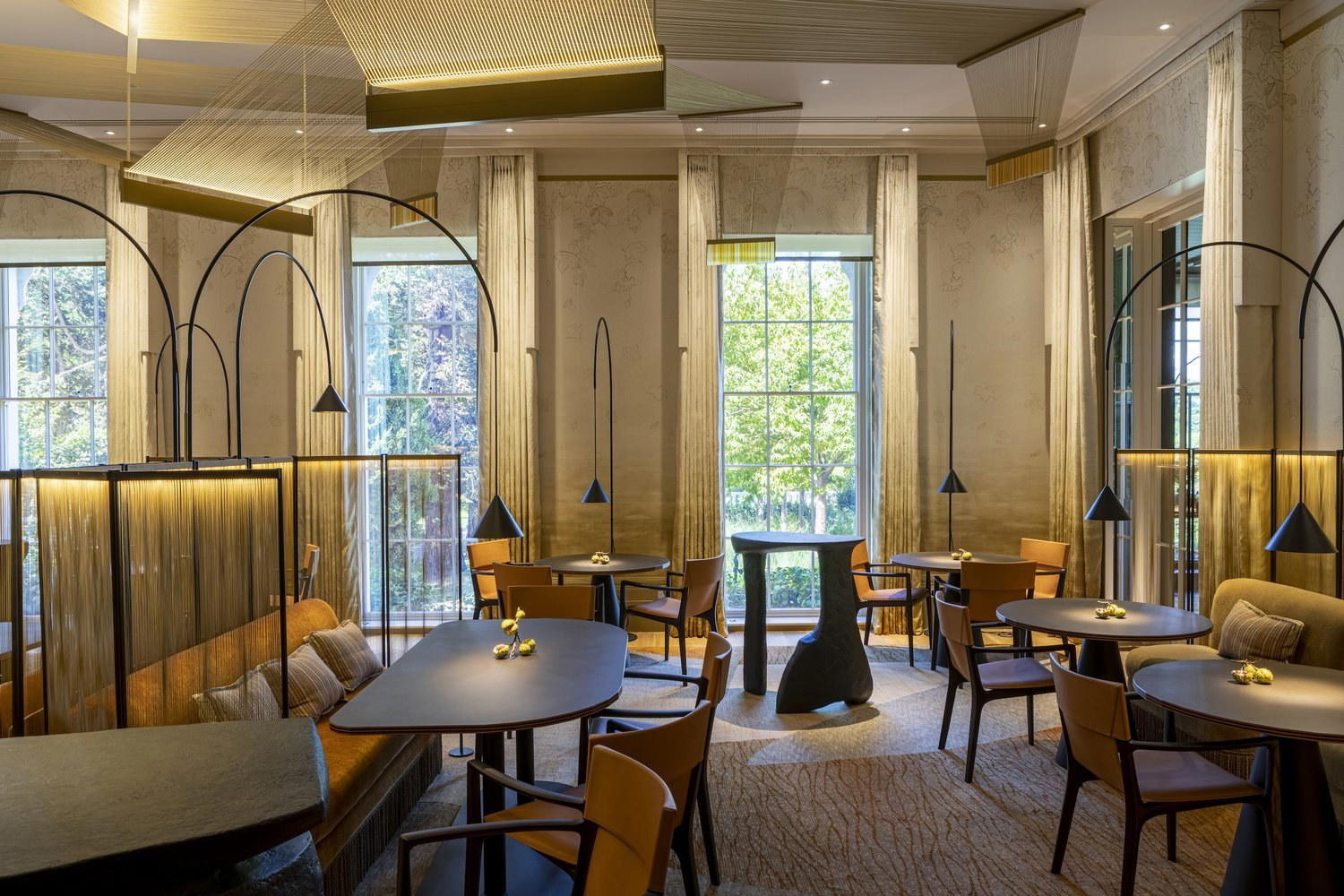
Warm lighting, plush seating, and a sophisticated blend of historic charm with contemporary elegance.