Dolce Caffè & Restaurant
Our verdict
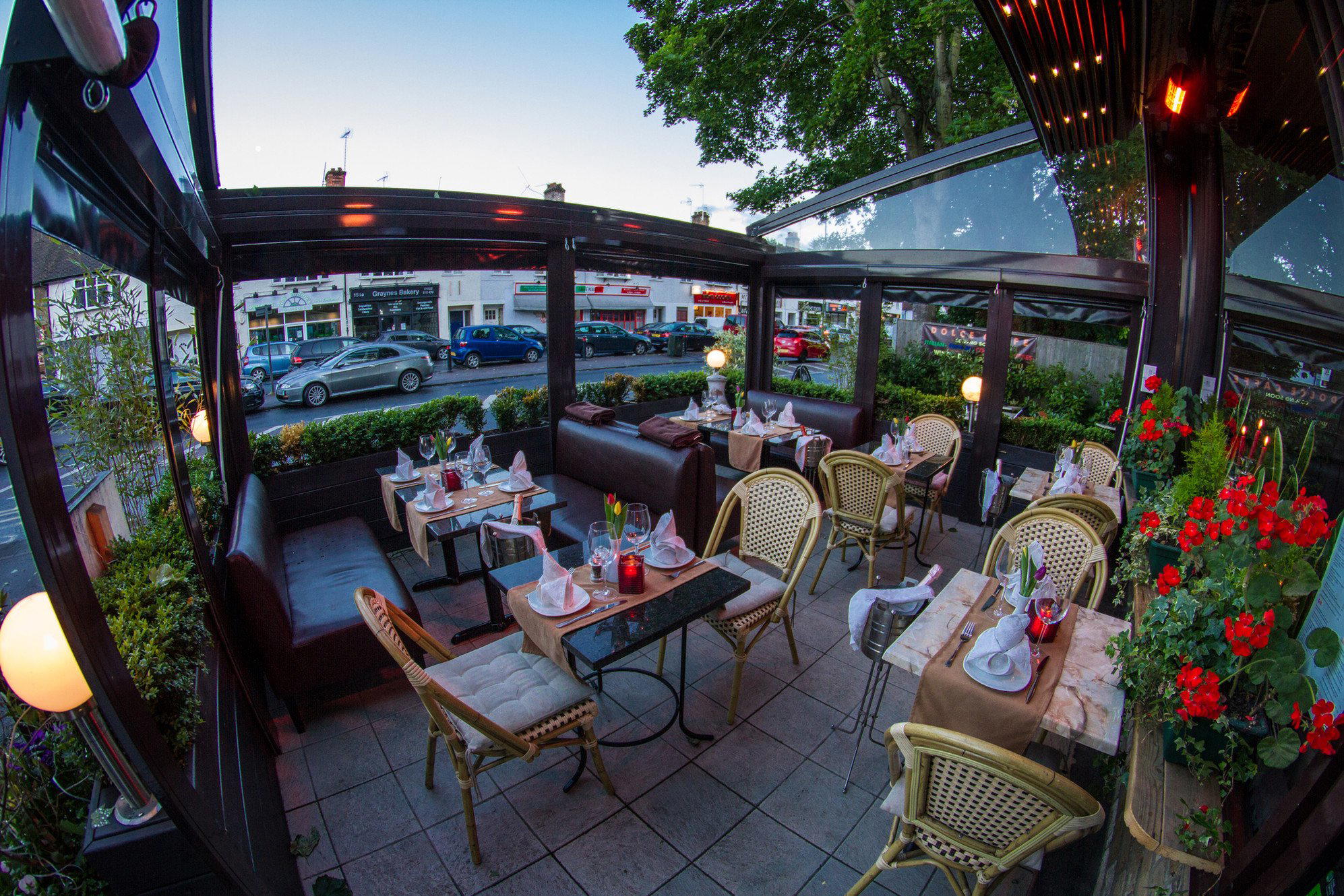
A neighbourhood Italian café and restaurant on Moneyhill Parade in Rickmansworth, Dolce Caffè sits within a local dining scene that rewards those who look past the obvious. With a name that signals its Mediterranean intent, it occupies a tier of everyday Italian hospitality that Hertfordshire's commuter belt has quietly sustained for decades. An approachable address for coffee, casual meals, and longer Italian-style sittings.

Pearl is the En Primeur Club membership app — saves, bookings, and concierge access live there. Same editors, same standards.
- Address
- 16 Moneyhill Parade, Uxbridge Rd, Rickmansworth WD3 7BE, United Kingdom
- Phone
- +441923777040
- Hours
- Mon–Sat 8 AM–11 PMSun 10 AM–6 PM
- Website
- dolcecaffe.co.uk
- Directions
- Get directions
- Booking
- Book on OpenTable
The menu
What to order
- White chocolate and raspberry cheesecake
- Vegan breakfast
Moneyhill Parade and the Italian Café Tradition in Commuter Hertfordshire
Strip-parade dining in the commuter towns west of London operates by a different logic than the restaurant-dense neighbourhoods of the capital. In places like Rickmansworth, where the Metropolitan line deposits workers who have largely made peace with the trade-off between space and urban convenience, the neighbourhood café or trattoria fills a role that no aspirational tasting menu can easily replace. It is the place you return to on a Tuesday, the one that does not require a booking three months ahead, the one where the kitchen's relationship with its ingredients is legible in what lands on the table rather than announced on a printed card. Dolce Caffè and Restaurant, at 16 Moneyhill Parade on Uxbridge Road, sits in that tradition.
The address itself is worth reading as context. Moneyhill Parade is a local retail strip, not a destination food quarter, which means Dolce Caffè competes for repeat custom rather than one-time footfall. In that format, consistency of sourcing matters more than theatrical presentation. Italian café culture has always understood this: the espresso bar that earns daily loyalty does so through the provenance of its beans and the reliability of its extraction, not through rotating seasonal menus or chef-driven press cycles. The same principle applies when you extend that model to a full restaurant offering.
Where Italian Sourcing Logic Meets an English Town
The Italian restaurant tradition that British towns absorbed across the postwar decades arrived with specific sourcing priorities baked in. Quality olive oil, dried pasta from durum wheat with appropriate protein content, cured meats from established regional producers, and espresso coffee blended for a particular extraction profile: these were the elements that separated the credible neighbourhood Italian from the red-checkered-tablecloth approximation. Over time, those sourcing habits either deepened or eroded depending on ownership commitment and supplier relationships.
In Hertfordshire's suburban ring, the venues that have held ground are generally those that maintained direct supplier relationships rather than switching to broader wholesale networks when margins tightened. This is the quiet differentiator in a market where most diners cannot read the label on a tin of tomatoes or tell San Marzano from a generic Italian plum. A café and restaurant operating under the Dolce name in this postcode is positioning itself within the Italian hospitality tradition, which carries its own implied standards around ingredient origin, even when those standards are not always explicit on a menu.
Rickmansworth's dining options have diversified in recent years. Madhus At The Grove brings a formal Indian dining offer attached to the Grove hotel complex north of town, while The Bank and The Cafe in the Park occupy different parts of the casual dining spectrum. Against that backdrop, an Italian café-restaurant on a neighbourhood parade serves a specific function: it is the informal anchor, the place where the format allows both a quick espresso at the bar and a longer lunch that does not demand ceremony. Our full Rickmansworth restaurants guide maps the wider picture for those planning across multiple sittings.
The Wider Standard: What Ingredient-Led Italian Dining Looks Like at Its Ceiling
For a sense of where sourcing-led cooking reaches its most rigorous expression in the UK, the reference points sit elsewhere. Le Manoir aux Quat' Saisons in Great Milton built its kitchen garden model over four decades and set the institutional standard for produce-led fine dining in England. CORE by Clare Smyth in London made British-grown ingredients the explicit editorial framework for a three-Michelin-star menu. Further out, L'Enclume in Cartmel and Moor Hall in Aughton operate kitchen farms that give their menus a direct-from-soil traceability that few UK restaurants match.
Those examples belong to a different category of dining, of course. The comparison is useful not to suggest equivalence but to illustrate that the sourcing conversation in British restaurants now spans every tier, from Michelin-starred estates in Cheshire to the Italian cafés lining commuter-town parades in Hertfordshire. What changes across the tiers is the formality of the sourcing language and the cost of accessing it, not the underlying principle that where ingredients come from shapes what ends up in front of the diner.
Internationally, that principle is even more embedded. Le Bernardin in New York City built its reputation on the specific traceability of its seafood sourcing. Lazy Bear in San Francisco frames its communal tasting format around a forager-and-farm sourcing narrative. Closer to home, Waterside Inn in Bray, Gidleigh Park in Chagford, Hand and Flowers in Marlow, hide and fox in Saltwood, Midsummer House in Cambridge, Opheem in Birmingham, Ynyshir Hall in Machynlleth, and Restaurant Andrew Fairlie in Auchterarder each demonstrate, at different price points and in different regional contexts, that the credibility of a kitchen's sourcing decisions is what separates a restaurant worth returning to from one that simply fills a gap in the market.
Planning a Visit
Dolce Caffè and Restaurant is located at 16 Moneyhill Parade, Uxbridge Road, Rickmansworth WD3 7BE, a short walk from Rickmansworth town centre and accessible from the Metropolitan line station. The café-restaurant format suggests it operates across both daytime café hours and evening restaurant sittings, though specific opening hours, pricing, and booking arrangements are best confirmed directly with the venue before travelling. For visitors arriving from London, the Metropolitan line to Rickmansworth takes around 35 minutes from Baker Street, making this a practical daytime destination without requiring a car.
Frequently asked questions
Is Dolce Caffè & Restaurant okay with children?
A neighbourhood Italian café at a parade-side address like 16 Moneyhill Parade tends to suit families well — the format is casual rather than occasion-driven, and the price point in this category sits well below London restaurant norms. Expect a relaxed room rather than formal table service.
What's the vibe at Dolce Caffè & Restaurant?
The address on Moneyhill Parade, Uxbridge Road places this firmly in everyday commuter-town territory rather than destination dining. The café-restaurant format typical of this kind of strip parade — coffee service alongside a lunch or dinner menu — creates a low-key, local feel. No awards or destination-dining credentials are attached to this venue, which makes it a practical neighbourhood option rather than an occasion restaurant.
Is Dolce Caffè & Restaurant a good option for a coffee stop near Rickmansworth Metropolitan line station?
The Moneyhill Parade location on Uxbridge Road sits within practical walking distance of Rickmansworth Metropolitan line station, which positions Dolce Caffè as a plausible pre- or post-commute stop. Italian café-restaurants at this type of parade address typically run espresso-led coffee service alongside a food menu. Specific hours have not been confirmed, so checking current opening times before a visit is advisable.
What's the signature dish at Dolce Caffè & Restaurant?
No specific signature dish is confirmed for Dolce Caffè in the public record. Italian café-restaurants of this type in British commuter towns generally anchor their offer around espresso-based coffee, pasta, and pizza rather than a single showpiece dish.
Comparable Spots, Quickly
| Venue | Cuisine | Price |
|---|---|---|
| Dolce Caffè & RestaurantThis venue — the venue you are viewing | French-Italian Fusion | $20–30 |
| Madhus At The Grove | Punjabi Indian | $50–100 |
| The Bank | Modern Indian Fine Dining | $30–50 |
| The Cafe in the Park | Sustainable British Cafe | $10–20 |
Continue exploring
More in Rickmansworth
Restaurants in Rickmansworth
Browse all →
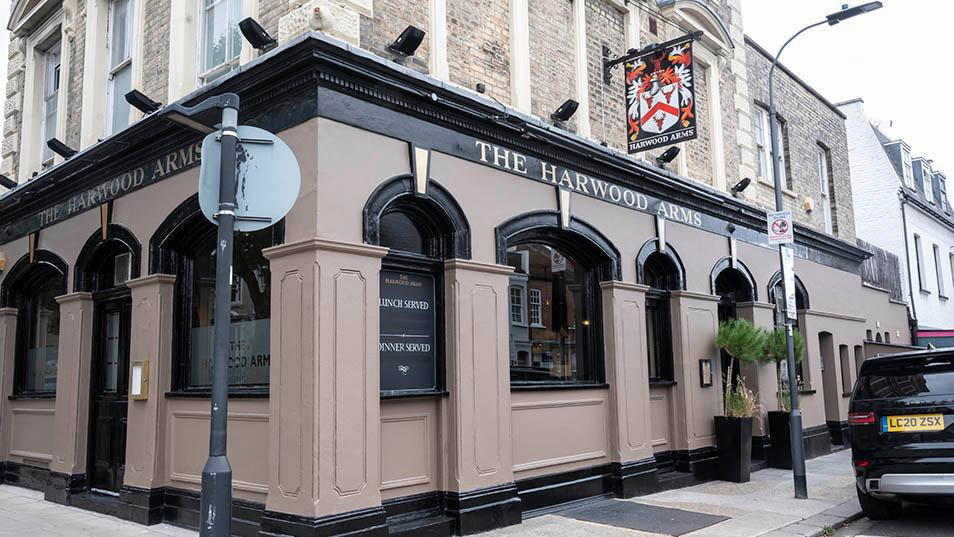
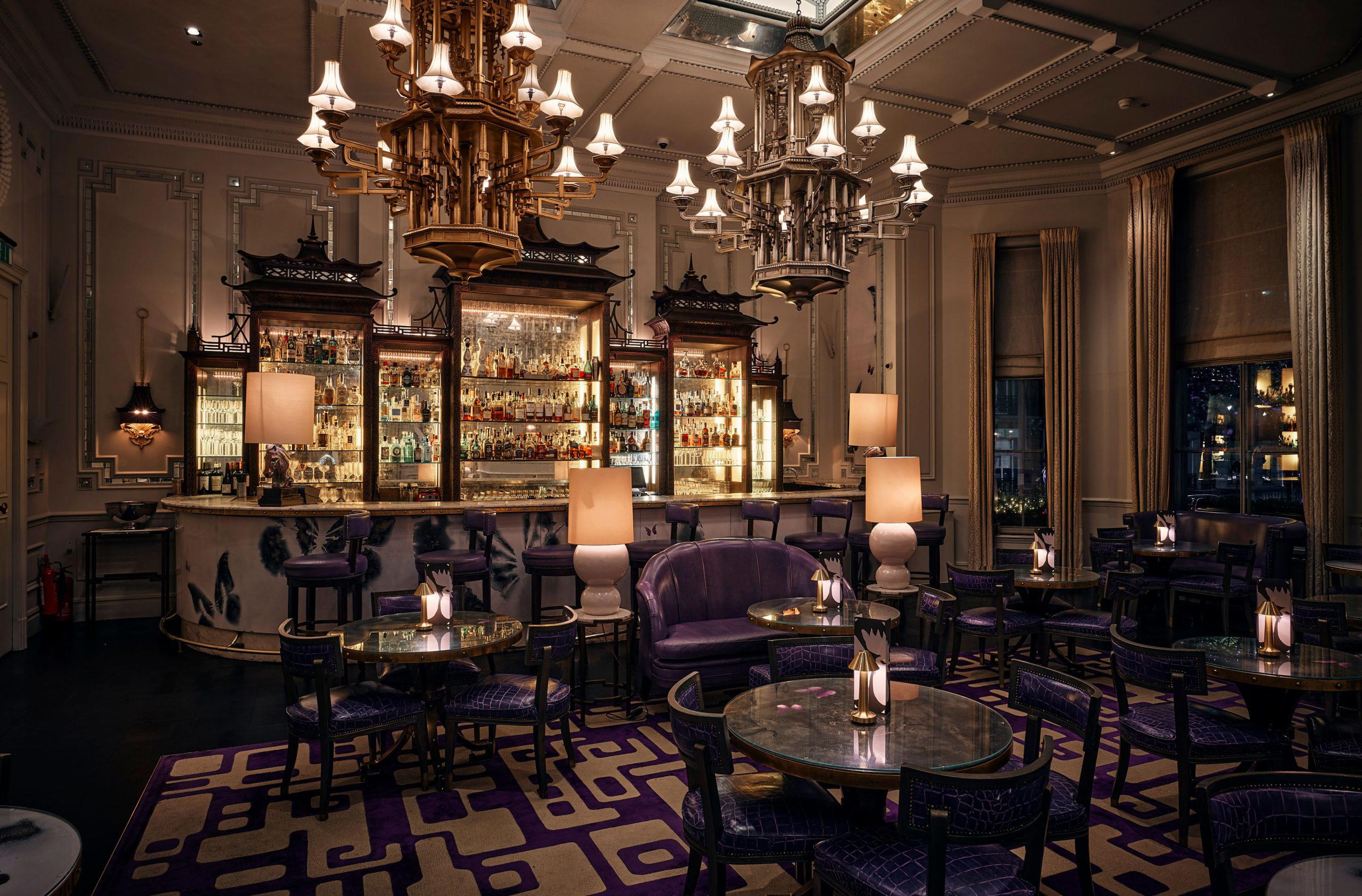
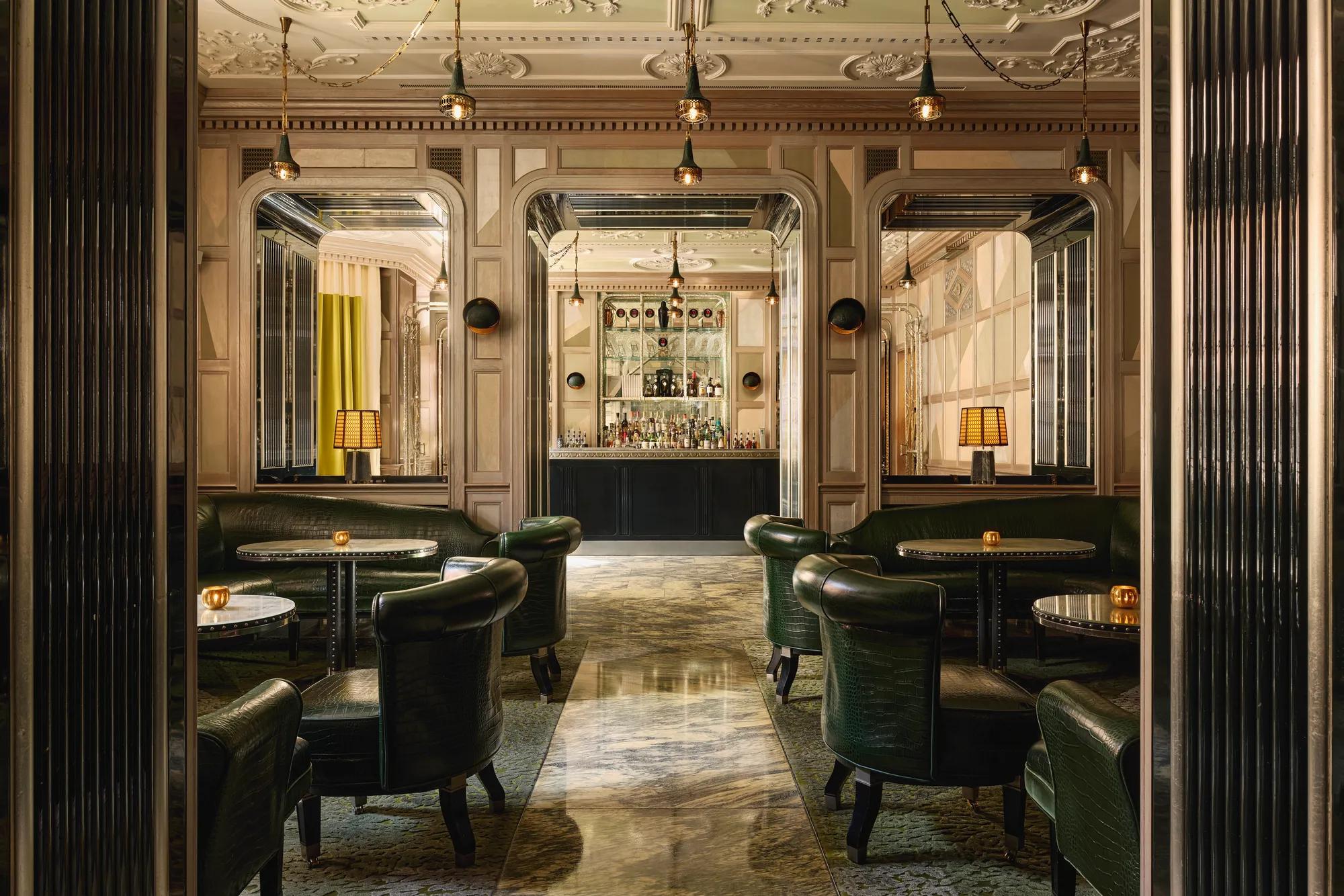
Bars in Rickmansworth
Browse all →
Hotels in Rickmansworth
Browse all →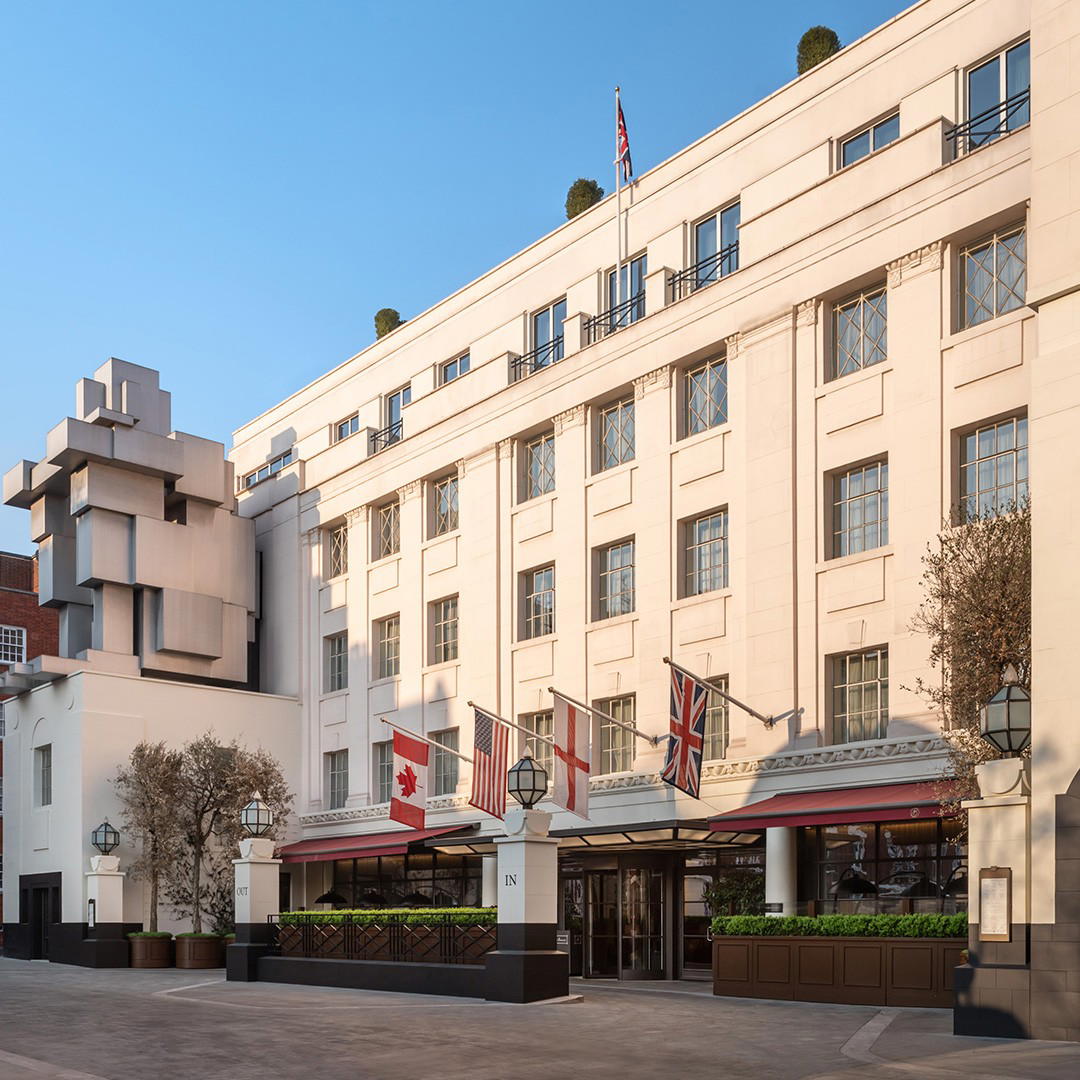

Details
- Cozy
- Elegant
- Intimate
- Family
- Group Dining
- Brunch
- Celebration
- Standalone
- A La Carte
- Vegetarian Friendly
- Vegan Options
- Gluten Free Options
Current opening hours
- Monday
- 8 AM–11 PM
- Tuesday
- 8 AM–11 PM
- Wednesday
- 8 AM–11 PM
- Thursday
- 8 AM–11 PM
- Friday
- 8 AM–11 PM
- Saturday
- 8 AM–11 PM
- Sunday
- 10 AM–6 PM
Hours can change for holidays and private events. Last verified .
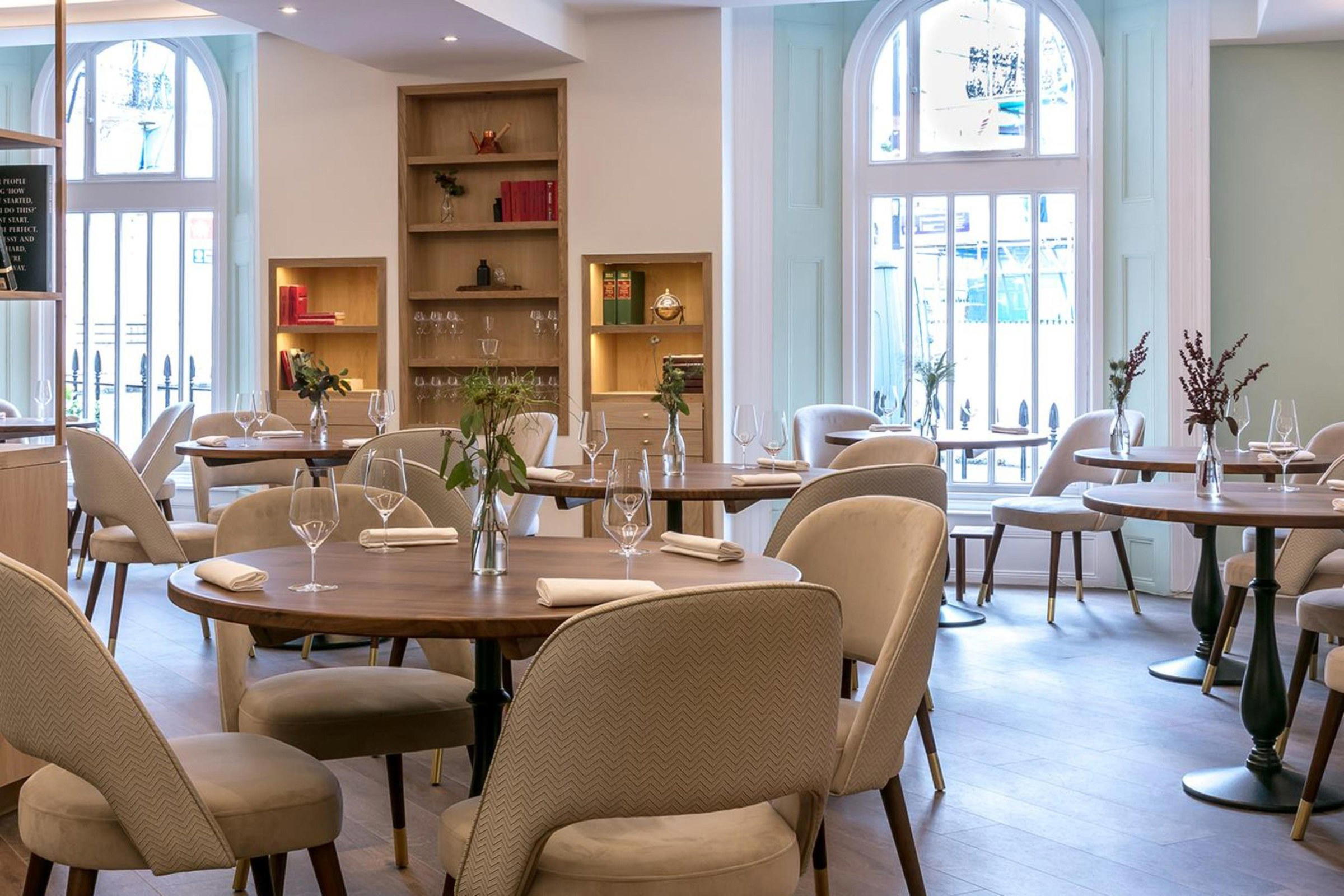
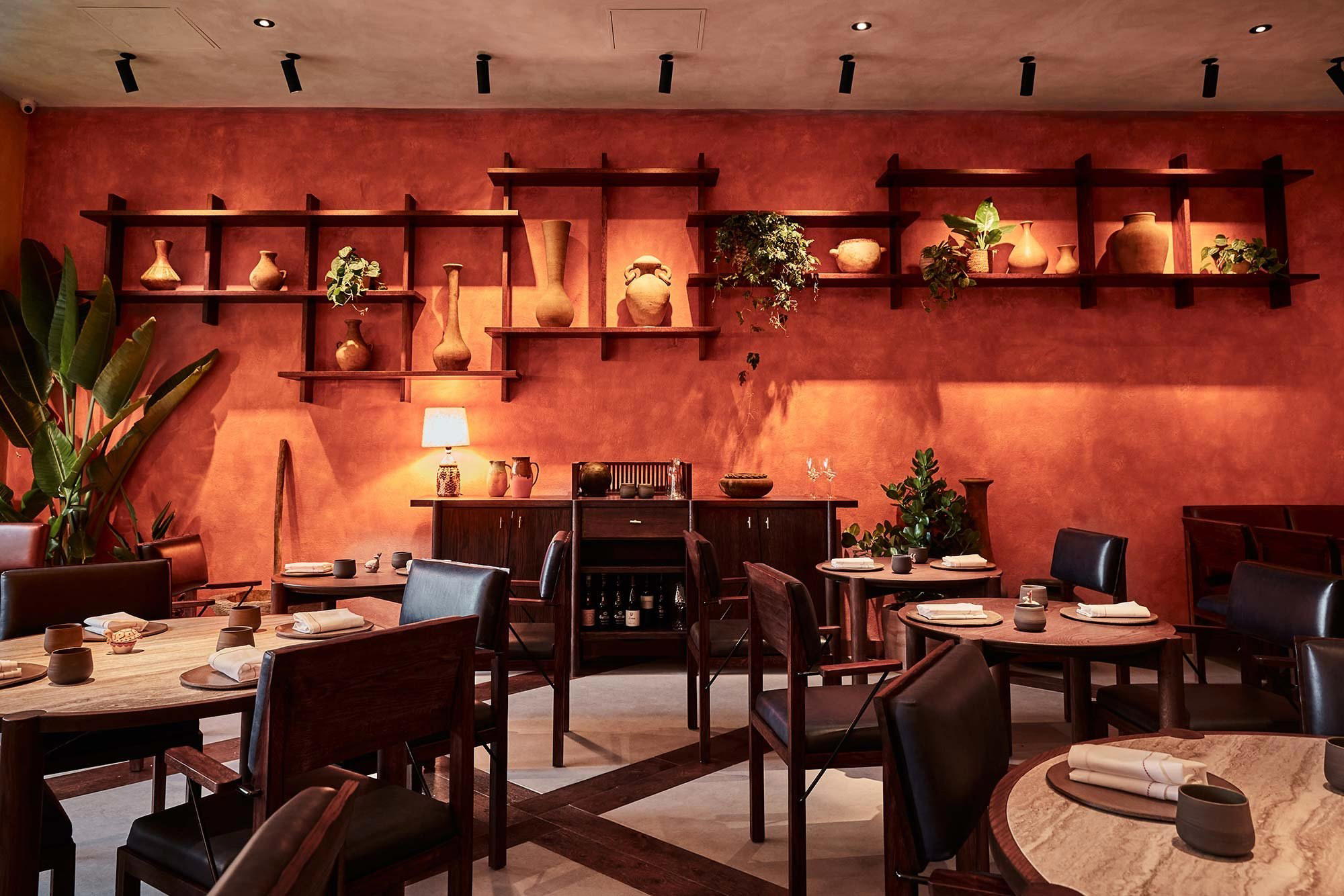
Cozy and beautifully decorated with inviting atmosphere, praised for comfort and warmth in guest reviews.