The Asbury
The Asbury occupies a prominent position on North Tryon Street in Uptown Charlotte, placing it within reach of the city's concentrated dining corridor. The kitchen draws on the Carolina low-country and piedmont traditions that increasingly define Charlotte's more serious dining rooms, situating it in a tier that balances sourcing ambition with approachable execution.
Pearl is the En Primeur Club membership app — saves, bookings, and concierge access live there. Same editors, same standards.
- Address
- 235 N Tryon St, Charlotte, NC 28202
- Phone
- +17043421193
- Website
- theasbury.com
- Directions
- Get directions
 Saves & bookings on Pearl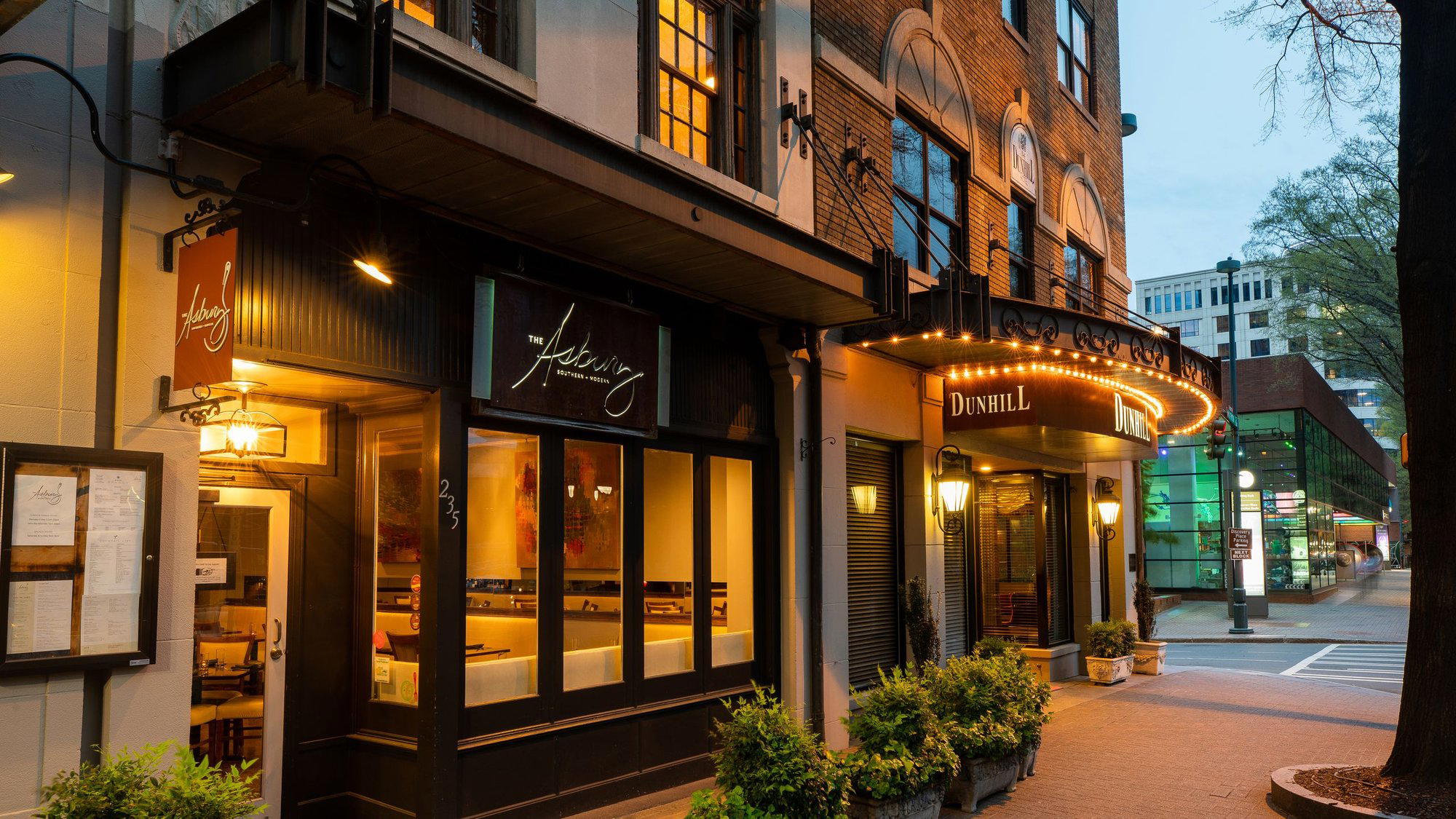
Uptown Charlotte's Shifting Dining Register
Charlotte's Uptown corridor has spent the better part of a decade sorting itself into recognizable tiers. On one side: high-volume hotel restaurants and sports-adjacent bars built around proximity to the Spectrum Center. On the other: a smaller cohort of kitchens that have used the neighborhood's captive business-travel audience to fund something more considered. The Asbury is a restaurant in Charlotte at 235 N Tryon St, serving Modern Southern cooking with a price tier of 3. Its address places it at the center of Charlotte's commercial core, but the dining room's orientation reads more like a deliberate counterpoint to the surrounding noise than a product of it.
That positioning matters in a city where the conversation about Southern food has grown more precise. Where Charlotte once defaulted to a kind of generalized New American vocabulary, a wave of openings over the past five years has pushed toward specificity: piedmont sourcing, low-country technique, Appalachian preservation methods. The Asbury operates within that shift, functioning less as a hotel dining room in the conventional sense and more as a reference point for what regionally grounded cooking looks like in a mid-sized Southern city finding its culinary footing.
Sourcing as Structure, Not Decoration
The more interesting story at restaurants like The Asbury is rarely what arrives on the plate in isolation. It is the infrastructure behind it. Across the tier of Southern restaurants that have earned sustained recognition in the last decade, from Blue Hill at Stone Barns in Tarrytown to Single Thread Farm in Healdsburg, the defining editorial move has been to treat sourcing not as a marketing claim but as a structural constraint that shapes the menu. The dish is a consequence of the supply chain, not the other way around.
That logic, applied at the restaurant's scale in an Uptown Charlotte context, produces a kitchen that works against the easier option available to most hotel restaurants: the broad, seasonless menu designed to satisfy the widest possible range of business travelers. Leaning instead toward regional producers and seasonal parameters narrows the audience slightly but sharpens the identity considerably. It also places the restaurant in a more honest competitive frame alongside spots like Angeline's and 204 North Kitchen and Cocktails, where the sourcing story is part of the offer rather than an afterthought.
The sustainability question in American restaurant dining has bifurcated. At the high end, properties like The French Laundry in Napa and Addison in San Diego have turned environmental accountability into part of their award-winning infrastructure. Below that tier, in the space where a restaurant like The Asbury actually operates, the choices are more pragmatic: which farms to prioritize, how to handle seasonal gaps without reverting to commodity supply, what waste reduction looks like in a full-service kitchen producing covers seven days a week. These are less glamorous decisions, but they are the ones that determine whether a sourcing commitment is real or performative.
The Dining Room and What It Signals
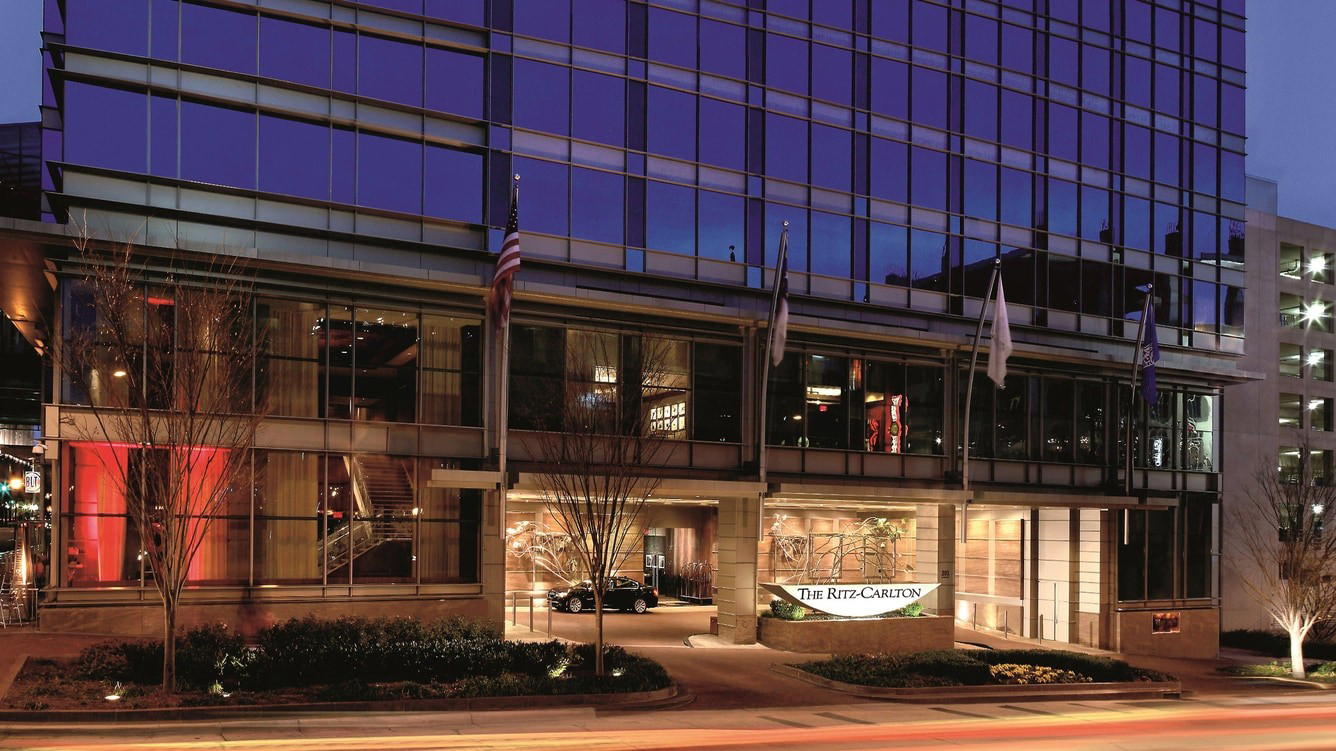
Walking into a restaurant on N Tryon St in Uptown Charlotte, the immediate spatial reference is almost always the surrounding architecture: glass-and-steel towers, wide sidewalks built for convention traffic, the visual language of mid-2000s urban redevelopment. A room that resists that register, that chooses warm materials and a scale calibrated for conversation rather than capacity, is making a deliberate argument. The restaurant's dining environment communicates that argument in how it positions itself against the more transactional hotel-dining model common to its neighborhood.
The atmosphere sits closer to the considered-casual register that Charlotte's better independent rooms have established, places like 1897 Market and Aura Rooftop, where the room is designed to slow the meal down rather than turn tables. That pacing is part of what separates the mid-tier Charlotte rooms from the volume-driven competition, and it is a meaningful signal for first-time visitors calibrating expectations.
Charlotte in the Broader American Dining Frame
Charlotte is less often grouped with the American restaurants that have defined the last decade of serious dining. Operations like Le Bernardin in New York City, Alinea in Chicago, Atomix in New York City, Lazy Bear in San Francisco, and Providence in Los Angeles have pulled critical attention toward a handful of coastal cities, and the interior South has remained largely outside that frame. That is starting to shift, partly through the kind of incremental institutional credibility that restaurants like The Asbury help build at the city level.
The comparison is instructive not because the restaurant operates at the same tier as those rooms, but because the mechanisms are similar. Sustained commitment to regional sourcing, a dining room designed for deliberate pacing, a kitchen willing to take the seasonal constraints seriously: these are the same building blocks that earned places like The Inn at Little Washington and Emeril's in New Orleans their long-term positions in the American dining conversation. The context differs; the ambition behind the method does not.
Charlotte's Gallery Restaurant, Supperland, and Customshop each occupy a distinct slice of the city's Southern dining register, and the competition keeps the tier honest. What separates the rooms that sustain a reputation over multiple years from those that plateau is usually discipline in sourcing and a willingness to let the menu reflect actual seasonal availability rather than an idealized version of it.
Planning a Visit
The restaurant's address at 235 N Tryon St places it within Uptown Charlotte's hotel cluster and near the LYNX light rail system. Reservations are recommended, and the room suits business dinners and relaxed weekend meals. The price register sits in tier 3.
Cost Snapshot
Comparable venues nearby, for context on price, style, and recognition.
| Venue | Cuisine | Price | Notes |
|---|---|---|---|
| The AsburyThis venue — the venue you are viewing | Uptown, Modern Southern | $$$ | Not listed |
| Rooster's Ballantyne | Ballantyne, Wood-Fired American | $$$ | Not listed |
| Rooster's Wood-fired Kitchen Southpark | Not listed | $$$ | SouthPark, Wood-Fired American Rotisserie |
| Barrington's | Not listed | $$$$ | Governor's Square, Upscale Seasonal American |
| Midwood Smokehouse - CLT Airport Concourse B | Berryhill, Carolina-Style BBQ | $$ | Not listed |
| Juniper Grill - Ballantyne | Not listed | $$ | Ballantyne, American Grill with Southwest Flair |
Continue exploring
More in Charlotte
Restaurants in Charlotte
Browse all →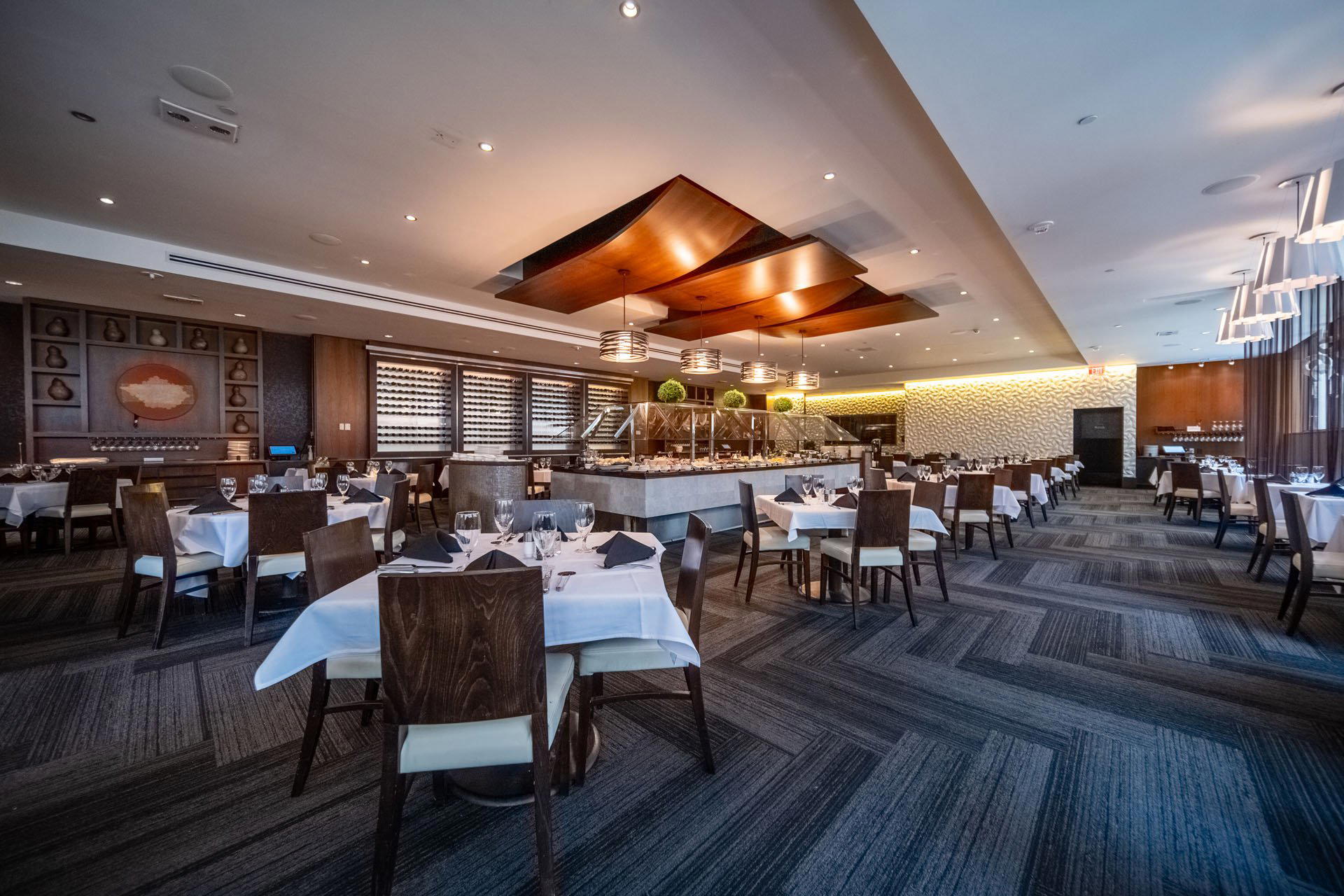
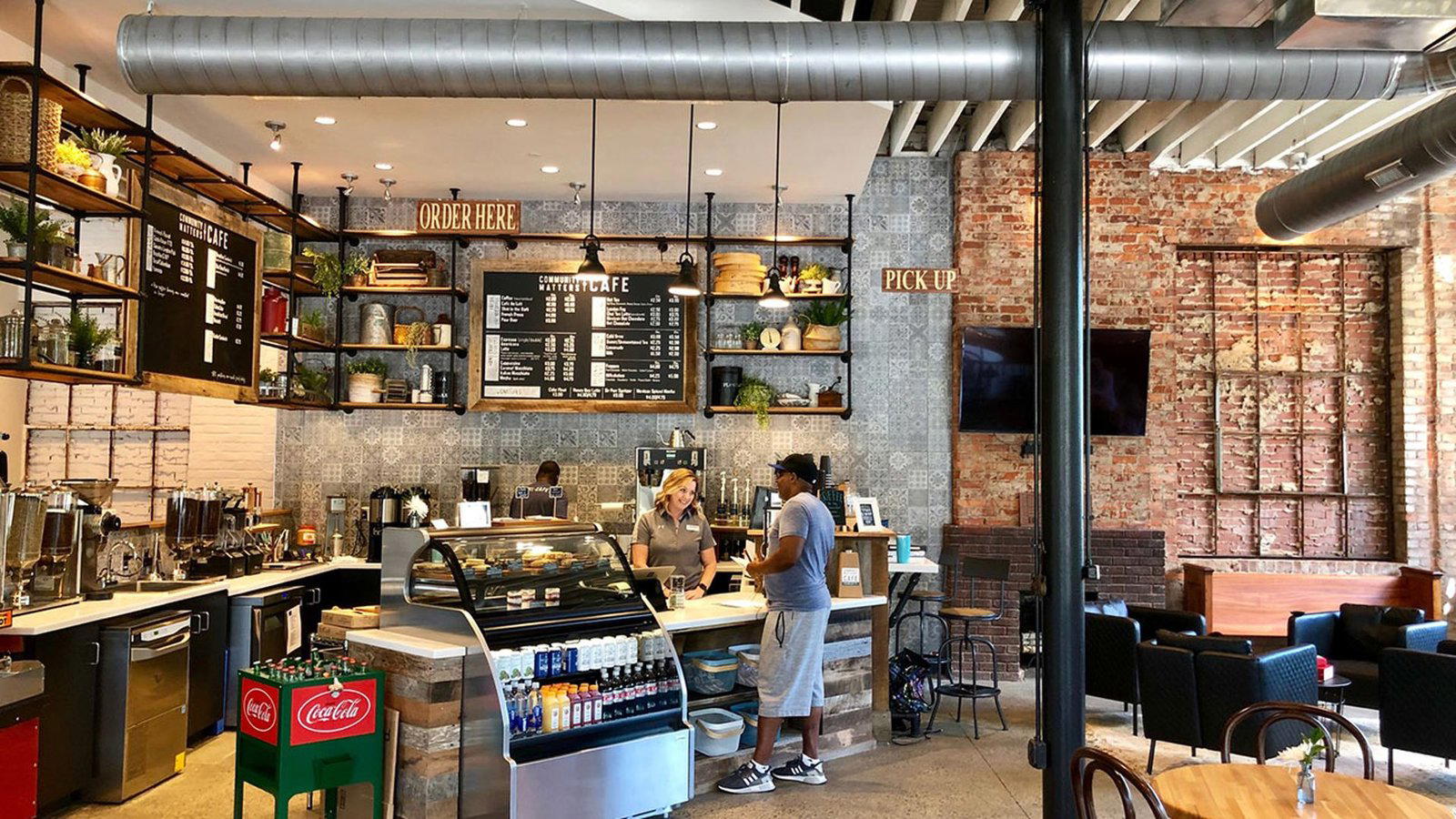
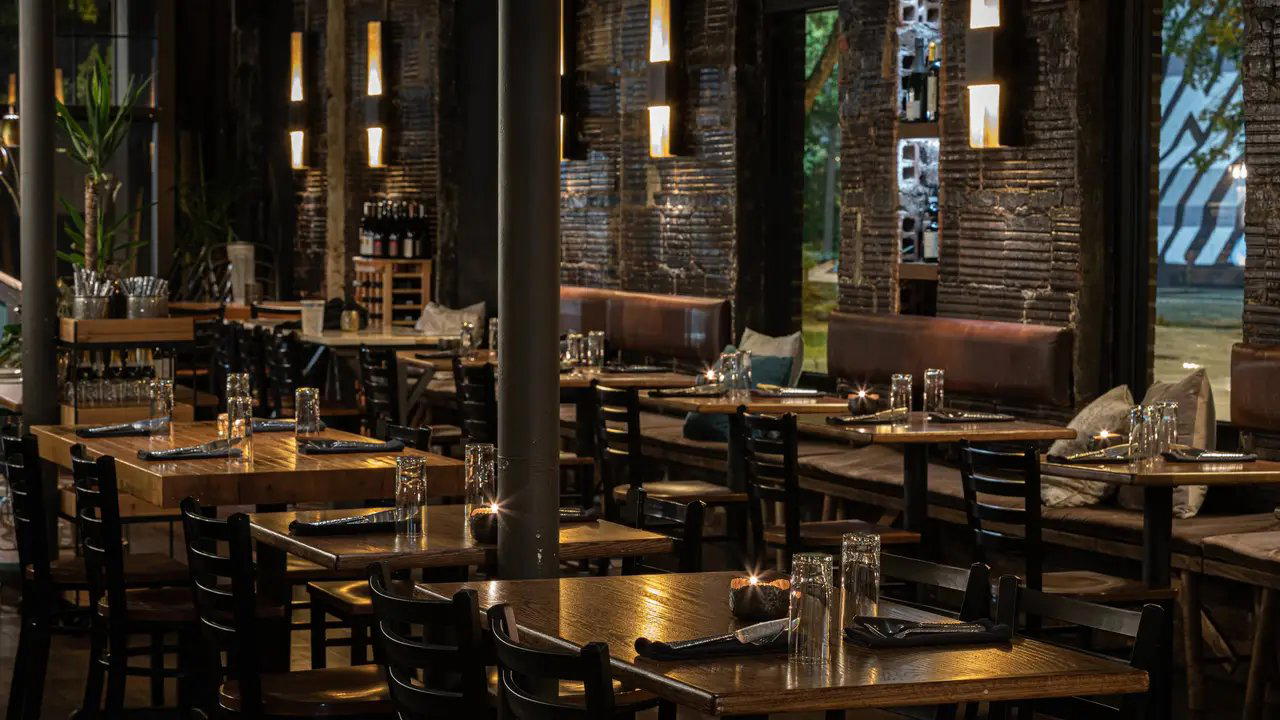
Bars in Charlotte
Browse all →
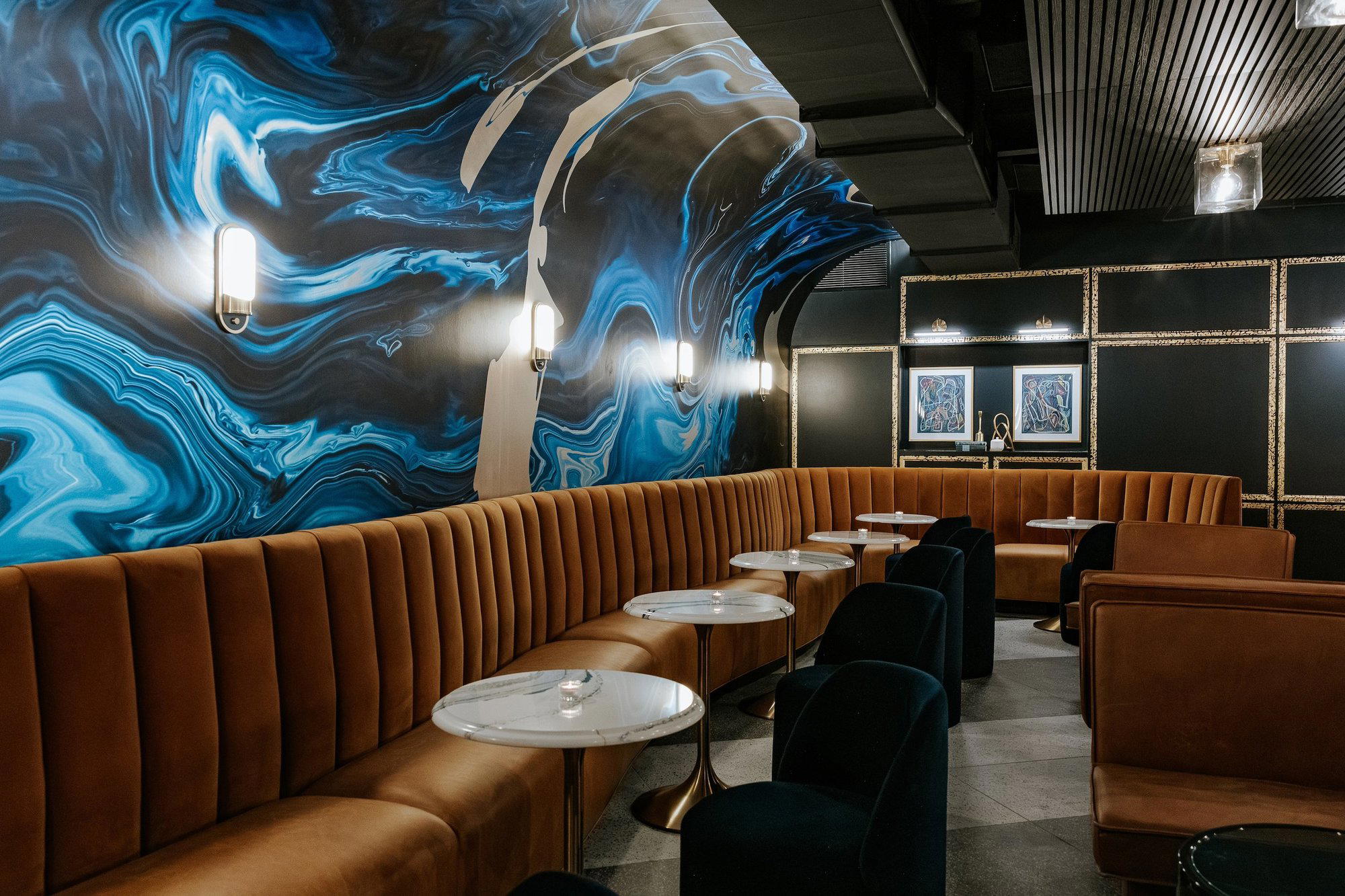
At a Glance
- Modern
- Elegant
- Sophisticated
- Date Night
- Brunch
- Business Dinner
- Historic Building
- Hotel Restaurant
- Craft Cocktails
- Local Sourcing
- Farm To Table
- Street Scene
Current opening hours
- Monday
- 7–10 AM, 11 AM–2 PM, 5–9 PM
- Tuesday
- 7–10 AM, 11 AM–2 PM, 5–9 PM
- Wednesday
- 7–10 AM, 11 AM–2 PM, 5–9 PM
- Thursday
- 7–10 AM, 11 AM–2 PM, 5–9 PM
- Friday
- 7–10 AM, 11 AM–2 PM, 5–10 PM
- Saturday
- 8 AM–2 PM, 5–10 PM
- Sunday
- 8 AM–2 PM, 5–7 PM
Hours can change for holidays and private events. Last verified .
Elegant atmosphere in the historic Dunhill Hotel lobby with fine dining vibe and moderate noise levels.