Thara

Michelin Plate
Our verdict
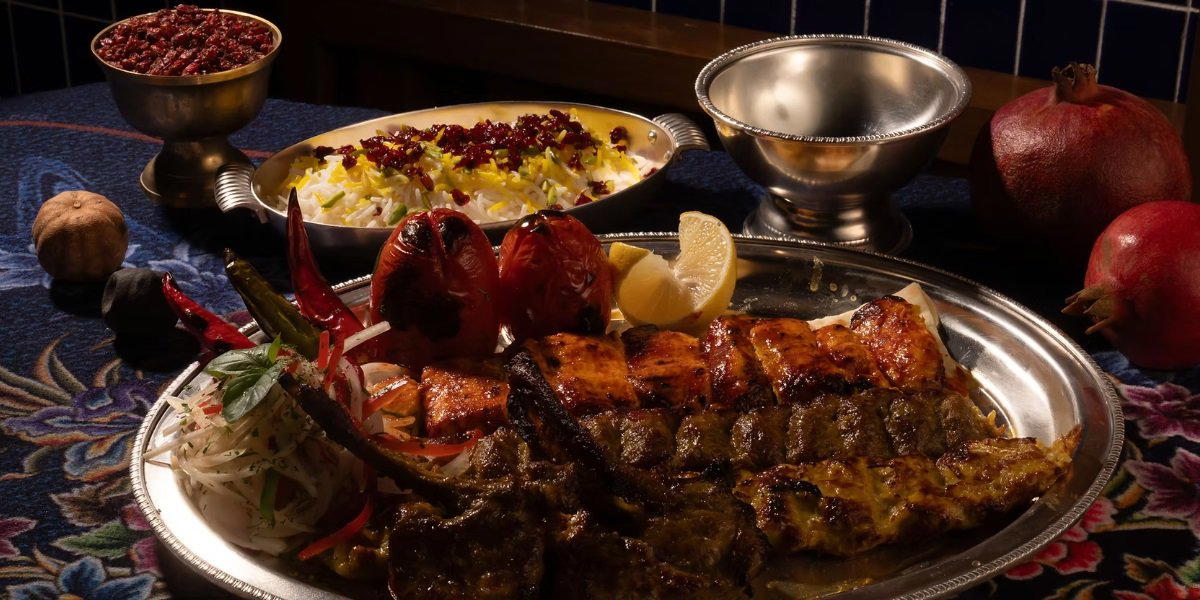
Thara occupies a considered position in Riyadh's traditional Saudi dining scene, where Najdi architectural detail sets the tone before a single dish arrives. The menu reads as a curated survey of the Kingdom's culinary heritage: machboos, jareesh, saleeq, and camel-meat sambosa prepared with visible refinement. For visitors and residents seeking an honest encounter with the flavours that define the Najd region, Thara is a reliable reference point.

Pearl is the En Primeur Club membership app — saves, bookings, and concierge access live there. Same editors, same standards.
- Address
- Abi Bakr As Siddiq Branch Road, An Narjis
- Phone
- +966 55 454 0039
- Hours
- Mon–Wed 12–11:30 PMThu–Fri 12 PM–12:30 AMSat–Sun 12–11:30 PM
- Website
- instagram.com
- Directions
- Get directions
Where Architecture and Appetite Are in Agreement
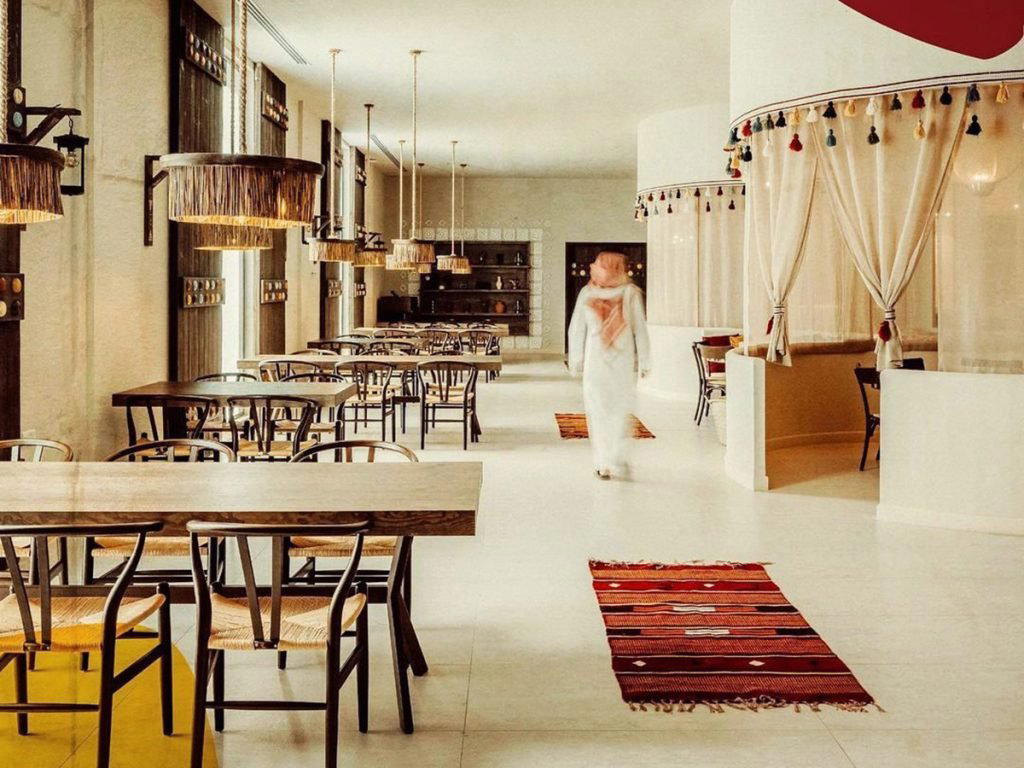
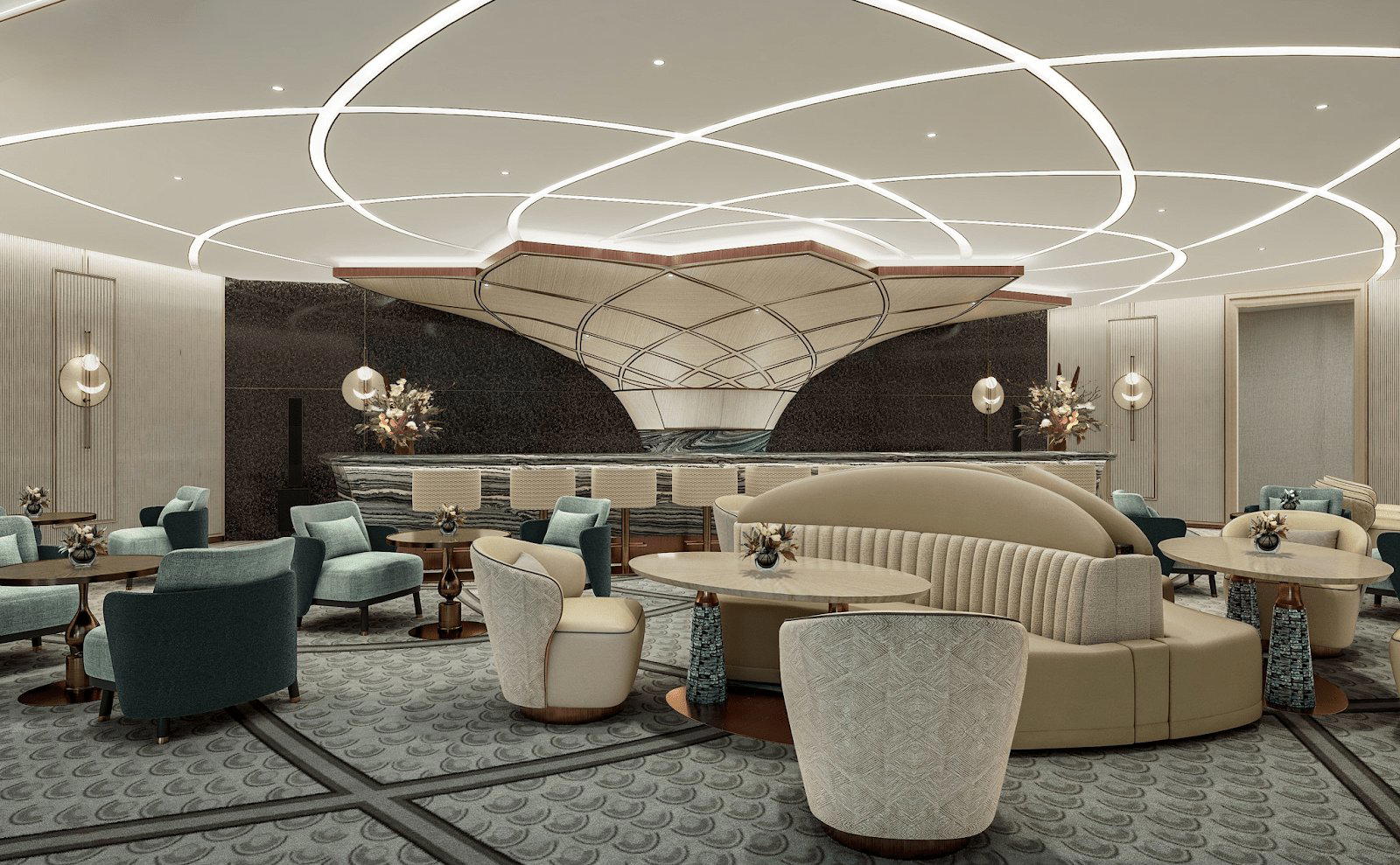
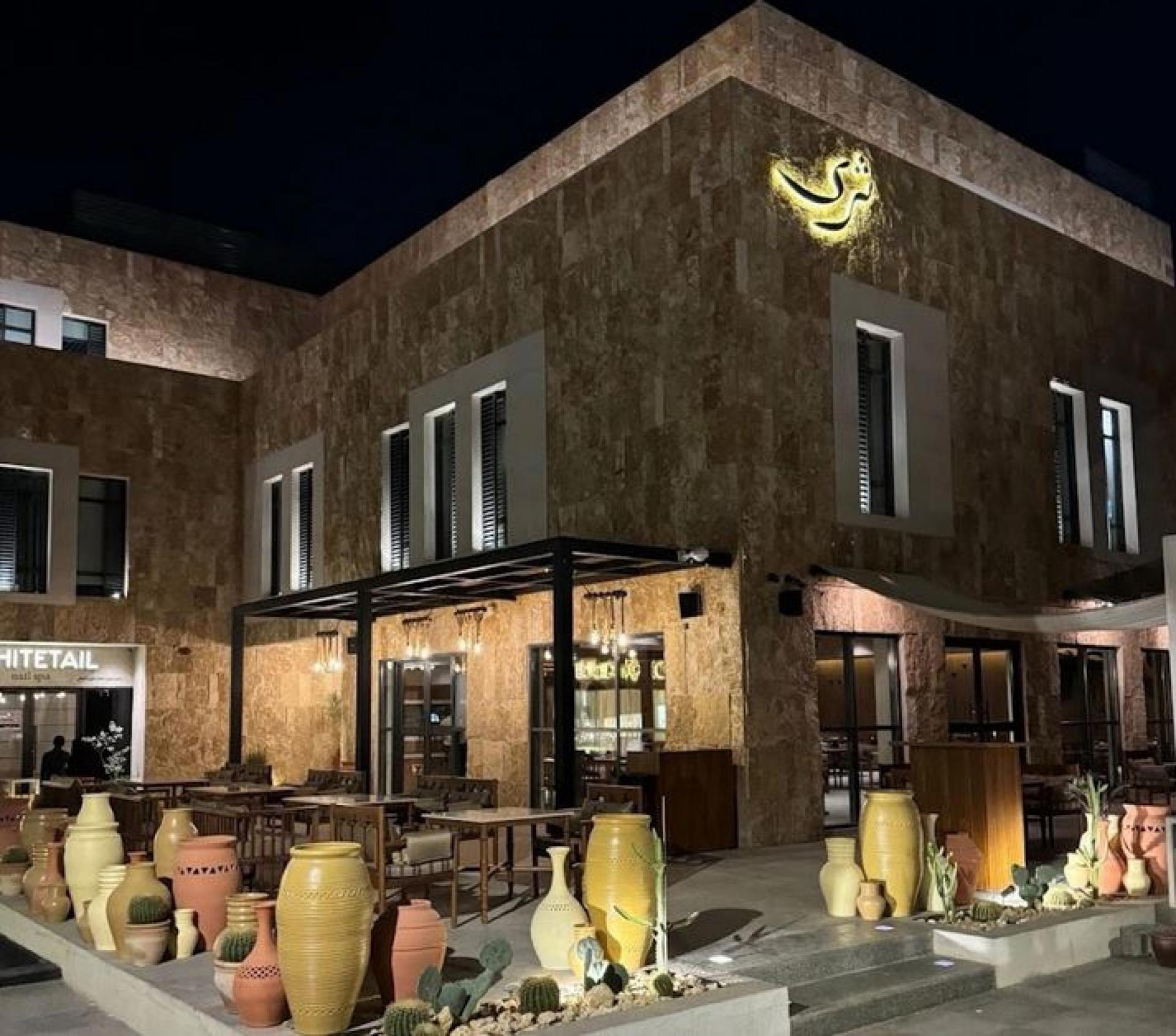
There is a particular discipline required to make a contemporary restaurant feel genuinely rooted in place rather than merely decorated to look that way. In Riyadh, where new dining rooms arrive at pace and the pressure to import reference points from London, Tokyo, or New York runs high, the restaurants that earn sustained attention are often those that resist that pull. Thara, on Abi Bakr As Siddiq Branch Road in An Narjis, belongs to that smaller cohort. The exterior reads as modern, but step through the heavy wooden entrance doors and the interior shifts register entirely: sand-blown walls, Najdi architectural proportions, and a spatial atmosphere that references the vernacular of central Arabia rather than any international hospitality template.
That physical commitment to a specific tradition matters because it frames everything that follows at the table. The design is not decorative in the way that many heritage-themed restaurants default to — a few carved panels, some brass lanterns, call it done. Here the spatial language is sustained through the room, and it creates the right conditions for a menu that takes traditional Saudi cuisine seriously rather than treating it as background.
The Tradition the Menu Is Working Within
Saudi cuisine, and Najdi cooking in particular, has for years occupied an underdiscussed position in the broader Middle Eastern food conversation. Outside the Kingdom, the regional repertoire — machboos, jareesh, saleeq, harees, and their variants, rarely receives the same critical attention given to Lebanese or Persian cooking, despite the depth and specificity of its techniques and spice logic. Inside Riyadh, a growing number of kitchens are pushing back against that imbalance by presenting these dishes with the same degree of care that international cuisines receive in high-end Saudi restaurants.
Thara operates within this movement. The menu spans traditional Saudi preparations alongside dishes from a wider Middle Eastern frame, but the Saudi cooking is clearly the anchor. Machboos, the spiced rice and meat dish that functions as a kind of regional identity marker across the Gulf, appears alongside jareesh, a cracked wheat preparation with a dense, layered texture, and saleeq, a creamy rice dish made with milk and broth that sits in a different register entirely from the drier grain preparations more commonly exported as representative of the region. These are dishes with specific technical requirements and strong opinions among those who grew up eating them, which makes the kitchen's stated approach of refinement and authentic flavour delivery a commitment with real stakes attached.
For context, this approach to native cuisine as fine-dining subject matter mirrors what has happened across other regional cuisines internationally. The shift from treating a tradition as comfort food or home cooking to treating it as material worthy of serious technical attention, and serious pricing, has driven some of the more interesting dining developments of the past decade, from the rise of Peruvian fine dining to the serious treatment of Japanese regional cuisines in venues like 8½ Otto e Mezzo Bombana in Hong Kong, where the discipline applied to a specific tradition is itself the proposition. In Riyadh, restaurants in the Saudi-heritage segment are increasingly being held to a comparable standard.
The Dishes Worth Orienting Around
The camel-meat sambosa is a useful entry point. Sambosa, the fried or baked pastry common across a wide arc of Middle Eastern and South Asian cooking, is familiar enough to serve as an accessible gateway, but the camel meat filling is specifically Saudi and specifically Najdi in reference. The dish bridges accessibility and regional specificity in a way that positions Thara's menu logic clearly: this is not a generic Middle Eastern menu with Saudi flags planted in it. The kitchen is drawing on a particular geography and a particular larder.
The meal opens with fresh dates and a tahini dip. In a Saudi context, dates are not merely an amuse-bouche or a gesture toward local colour; they carry cultural weight as a standard of hospitality and a reflection of the Kingdom's agricultural identity. Presenting them at the start of the meal signals the kitchen's orientation before the menu is even read.
Riyadh diners with a frame of reference for how this category of cooking is developing across the Kingdom will find useful comparisons at Aseeb, which operates in a similar heritage-focused lane. For a different angle on the city's dining scene, Marble and Myazu represent the international reference points that co-exist in Riyadh's current restaurant mix, while Benoit offers a French bistro counterpoint. Beyond Riyadh, comparable conversations around Saudi culinary heritage are playing out at Kuuru in Jeddah and Harrat in AlUla, each in a different geographic and cultural sub-register.
Riyadh's Saudi-Heritage Dining Tier
The city's dining scene has diversified sharply in recent years, with international brand entries accelerating alongside a growing domestic fine-dining programme. The Saudi-heritage segment sits in a specific position within that broader market: it addresses local diners with cultural fluency in the food as much as it addresses visitors seeking an informed encounter with regional cooking. Restaurants in this category are increasingly being evaluated on execution precision and sourcing credibility rather than simply on novelty of concept.
Thara's position in An Narjis, a developed residential and commercial district in northern Riyadh, places it within reach of a range of dining occasions. The neighbourhood context is practical rather than destination-specific, which means the restaurant draws on repeat custom as much as first-time visits.
For those planning a broader stay in the city, our full Riyadh restaurants guide maps the scene across categories and price points. Our full Riyadh hotels guide, our full Riyadh bars guide, and our full Riyadh experiences guide cover the wider picture for visitors building an itinerary. Those with an interest in the Saudi dining story at a national level will also find useful orientation in our full Riyadh wineries guide.
Planning Your Visit
Thara is located on Abi Bakr As Siddiq Branch Road in the An Narjis district of northern Riyadh. Phone and online booking details are not currently listed, so the most reliable approach is to arrive with flexibility or to confirm availability through Google Maps or a hotel concierge ahead of time. Given the restaurant's positioning in the heritage segment, and the growing appetite in Riyadh for this category of dining, peak evening periods are likely to see demand, particularly at weekends. As with most Saudi restaurants of this type, the experience is oriented around a shared-table, multi-dish format that works well with a group of at least two or three.
Frequently asked questions
Is Thara award-winning?
Thara has received recognition including: Fairly modern on the outside, but on the inside, the decor replicates classic Najdi architecture. Enter through heavy wooden doors, walk past sand blown walls before sitting down to enjoy a modern approach to traditional Saudi cuisine and o….
Where is Thara located?
Thara is located at Abi Bakr As Siddiq Branch Road, An Narjis, Riyadh.
What dish is Thara famous for?
The camel-meat sambosa draws consistent attention — crispy pastry filled with an ingredient that positions Thara firmly within Saudi culinary identity rather than regional generic. The menu also features machboos, jareesh, and saleeq, a creamy milk-and-broth rice dish that represents the depth of Najdi home cooking translated to a restaurant format.
Can I walk in to Thara?
Phone and online booking details are not currently listed for Thara on Abi Bakr As Siddiq Branch Road in An Narjis, Riyadh. Given the restaurant's focus on refined Saudi heritage cooking, arriving with a reservation secured through direct contact is advisable, particularly during evening service.
What's the standout thing about Thara?
The interior is the first thing that registers: heavy wooden doors, sand-blown walls, and Najdi architectural detailing inside a building that reads as contemporary from the street. That structural commitment to place shapes how the food lands — dishes like machboos and saleeq carry more weight when the setting isn't generic.
Comparison Snapshot
Comparable venues nearby, for context on price, style, and recognition.
| Venue | Cuisine | Price | Awards | Notes |
|---|---|---|---|---|
| TharaThis venue — the venue you are viewing | Modern Saudi Cuisine | Not listed | Michelin Plate | Not listed |
| MLLE | Modern Lebanese | Not listed | Michelin Plate | Umm Al Hamam Al Gharbi |
| Taleed by Michael Mina | Contemporary Hijazi-Mediterranean Fine Dining | $150–200 | Michelin Plate | Al Rooqiyah |
| Yawmiyat By Dalal | Homestyle Lebanese | $20–30 | Michelin Plate | Al Woroud |
| OVUN Bistro | Lebanese Bistro | Not listed | Michelin Plate | Al Sulaimaniyah |
| Long Chim | Modern Thai Street Food | Not listed | Michelin Plate | Al Diriyah |
Recognition history
Dated appearances from independent guides and award organizations, with the underlying list record or original source where available.
Michelin Plate
Michelin