Bouillon Batignolles occupies a distinct position in Metz's mid-market dining scene, where the bouillon tradition, hearty, sourced, unfussy, meets a city still finding its contemporary restaurant identity. Located on Rue Winston Churchill, it draws on a format that has seen significant revival across France: high-volume, ingredient-led cooking at prices that make the model accessible rather than aspirational.
Pearl is the En Primeur Club membership app — saves, bookings, and concierge access live there. Same editors, same standards.
- Address
- 10 Rue Winston Churchill, 57000 Metz, France
- Phone
- +33387227339
- Website
- bouillon-batignolles.com
- Directions
- Get directions
 Saves & bookings on Pearl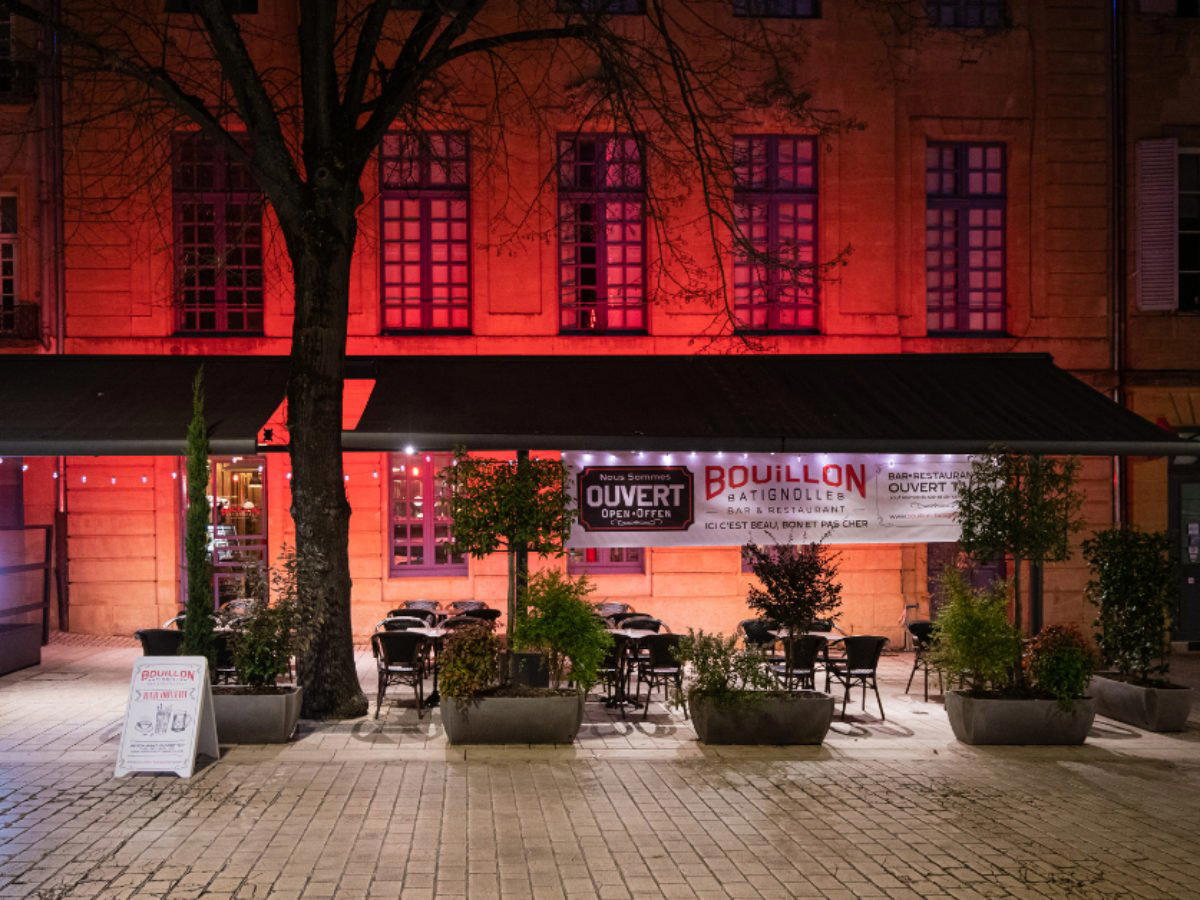
The Bouillon Tradition, Reframed for Metz
Bouillon Batignolles is a restaurant in Metz serving traditional French bouillon cooking at 10 Rue Winston Churchill. Born in nineteenth-century Paris as a utilitarian model, with big rooms, set menus, and affordable cuts cooked with care, it largely disappeared as brasserie culture absorbed its market. Then, in the 2010s, operators in Paris began reviving it deliberately: Bouillon Chartier Grands Boulevards drew queues that stretched around the block, and a new generation of diners discovered that the format's stripped-back logic, stock-based cooking, and sourced-ingredient discipline was a considered approach. Bouillon Batignolles in Metz carries that lineage into a city where it sits apart from the higher-end creative cooking at places like Yozora and the mid-range Italian programmes at venues such as 83 Restaurant and Cantino.
Rue Winston Churchill and What It Signals
The address, 10 Rue Winston Churchill, places Bouillon Batignolles in central Metz, a city whose dining culture has historically sat between the pull of Alsatian tradition to the south and the Franco-German border crosscurrents that have shaped the Moselle for centuries. Metz is not a city that typically generates the sustained international dining attention of, say, Lyon or Strasbourg, but it has a cohesive mid-market restaurant scene that rewards visitors who move beyond the tourist-facing brasseries near the cathedral. The bouillon format fits that context: it is a format premised on the idea that good sourcing and disciplined kitchen technique can exist independently of high price points or elaborate presentation.
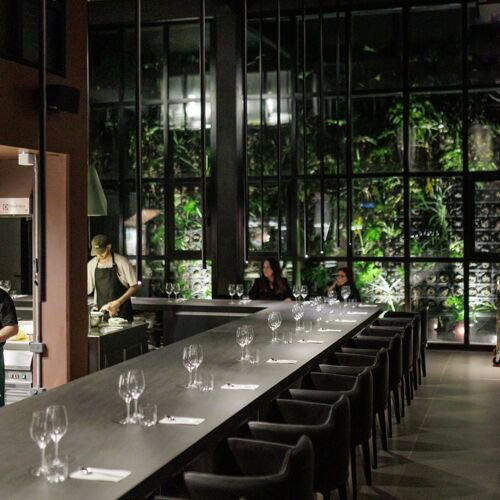
Walking into a bouillon-format room carries particular physical signals. These are not intimate spaces designed around hushed conversation. They tend toward large tables, shared seating where necessary, and a pace of service that reflects high covers rather than extended tasting sequences. The working assumption is that the food carries the experience rather than the theatrical architecture of the room or the ceremony of plating.
Sourcing as the Central Argument
The bouillon format's revival in France has been inseparable from a sourcing argument. The original model was built around cheap cuts and bone-based stocks, not because of poverty of imagination but because that is how you extract flavour from secondary material. When contemporary operators revived the concept, they updated the sourcing logic: relationships with specific producers, seasonal rotation of the menu, and a commitment to using the whole animal or the full harvest rather than cherry-picking premium cuts. This is the same underlying philosophy that connects, at different price points, places like Bras in Laguiole, where the terroir of the Aubrac plateau is the explicit subject of the cooking, and the everyday logic of a functioning bouillon.
In the Moselle specifically, the sourcing context is worth understanding. The region sits at the intersection of several strong agricultural traditions: the market gardens of Lorraine, the river fish of the Moselle itself, and the charcuterie and dairy culture that runs from Alsace westward. A kitchen working within the bouillon format in this setting has access to produce that carries genuine regional character, from quetsch plums and mirabelles in late summer to pork preparations rooted in a centuries-old Lorraine tradition. That supply chain, when used with discipline, gives the format a local specificity that distinguishes it from a generic French bistro menu.
For context on how French regional cooking at various price points engages with terroir-led sourcing, the spectrum runs wide: from Flocons de Sel in Megève and Mirazur in Menton at the haute end, through the multi-generational rigour of Auberge de l'Ill in Illhaeusern and Troisgros in Ouches, to the democratic accessibility that the bouillon model has always represented. What unites these formats across price tiers is the same underlying conviction: the quality of what arrives at the kitchen determines the quality of what reaches the table more than technique alone can compensate for.
Where It Sits in Metz's Dining Picture
Metz's restaurant offering has become more coherent in recent years. The city's position as a day-trip or short-break destination from Luxembourg, Nancy and Strasbourg has attracted a dining public with some sophistication and comparative reference points. Within that market, the restaurant occupies a different register from the creative menus at Yozora or the modern French approach at COUPOLA, and it is not trying to compete with those formats. The bouillon model operates on volume and accessibility, which makes it a legitimate option for a different kind of visit: a longer table, a wider group, an appetite for something generous rather than precise.
Alongside 2'Moiselles and the other mid-range options the city has developed, it forms part of a layer of Metz dining that doesn't require pre-planning months in advance or a commitment to a set tasting format. That accessibility is the point. The bouillon revival in France has always been partly a reaction to the over-formalisation of dining at the upper end, and venues like Alléno Paris au Pavillon Ledoyen, Paul Bocuse, Les Prés d'Eugénie, La Table du Castellet, Georges Blanc, and international reference points like Le Bernardin in New York City and Lazy Bear in San Francisco represent the scale of ambition that the bouillon format deliberately declines to engage with. That is not a limitation; it is a position.
Planning Your Visit
The restaurant is located at 10 Rue Winston Churchill in central Metz, accessible on foot from the main train station and the cathedral quarter. The bouillon format generally operates without a strict reservation requirement, the model depends on table turnover and walk-in capacity, though this can vary by venue and day of the week.
At-a-Glance Comparison
Comparable venues nearby, for context on price, style, and recognition.
| Venue | Cuisine | Price | Notes |
|---|---|---|---|
| Bouillon BatignollesThis venue — the venue you are viewing | Traditional French Bouillon | $ | Not listed |
| Gueuleton - Metz | French Grill & Wine Bar | $$ | centre historique |
| Les Copains d'Abord | Traditional French Bistro | $$$ | near Place de la République |
| Restaurant Le Paris | Traditional French Bistro | $$ | centre-ville |
| Kung Pao | Asian Sushi and Chinese | $$ | place Saint-Louis |
| L'Hédoniste | French Brasserie Chic | $$$ | centre-ville |


At a Glance
- Cozy
- Classic
- Rustic
- Lively
- Casual Hangout
- Group Dining
- Family
- Date Night
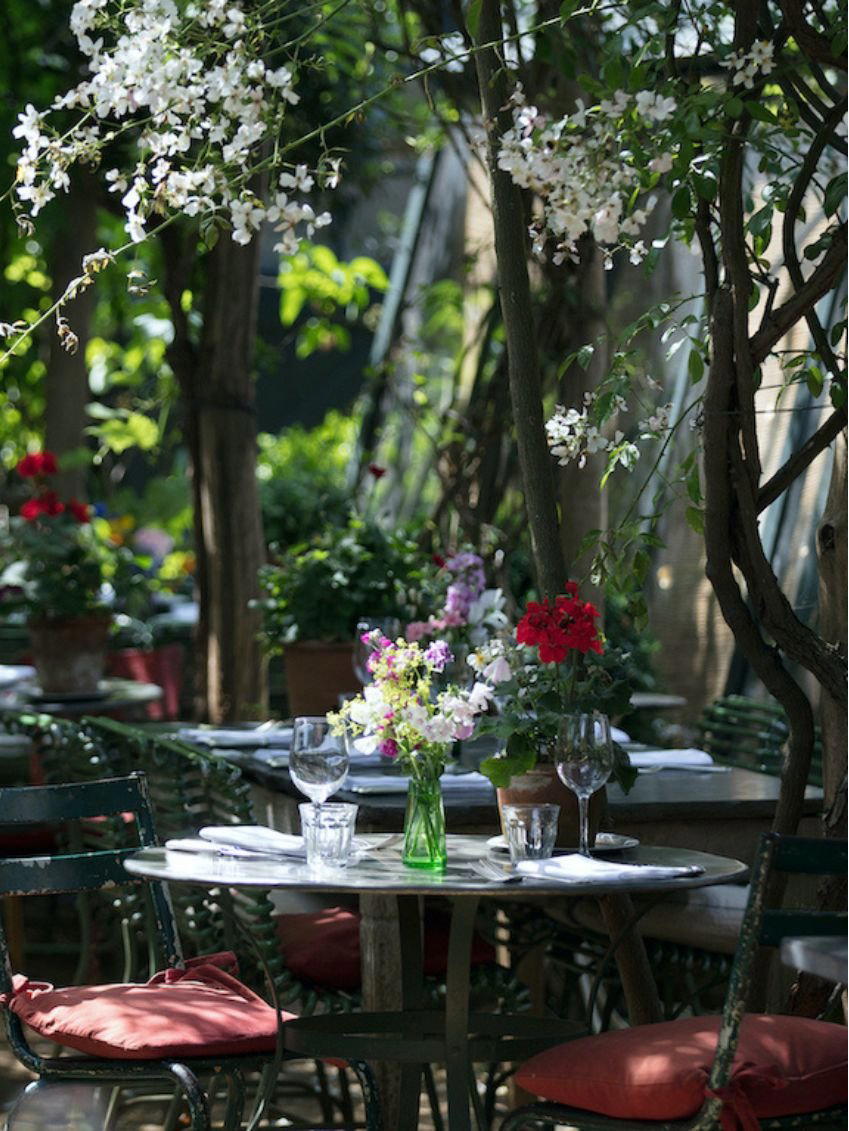
- Terrace
- Standalone
- Beer Program
- Local Sourcing
Current opening hours
- Monday
- 11:45 AM–2 PM, 6:45–9:30 PM
- Tuesday
- 11:45 AM–2 PM, 6:45–9:30 PM
- Wednesday
- 11:45 AM–2 PM, 6:45–9:30 PM
- Thursday
- 11:45 AM–2 PM, 6:45–9:30 PM
- Friday
- 11:45 AM–2 PM, 6:45–10:30 PM
- Saturday
- 11:45 AM–3 PM, 6:45–10:30 PM
- Sunday
- 11:45 AM–3 PM, 6:45–9:30 PM
Hours can change for holidays and private events. Last verified .
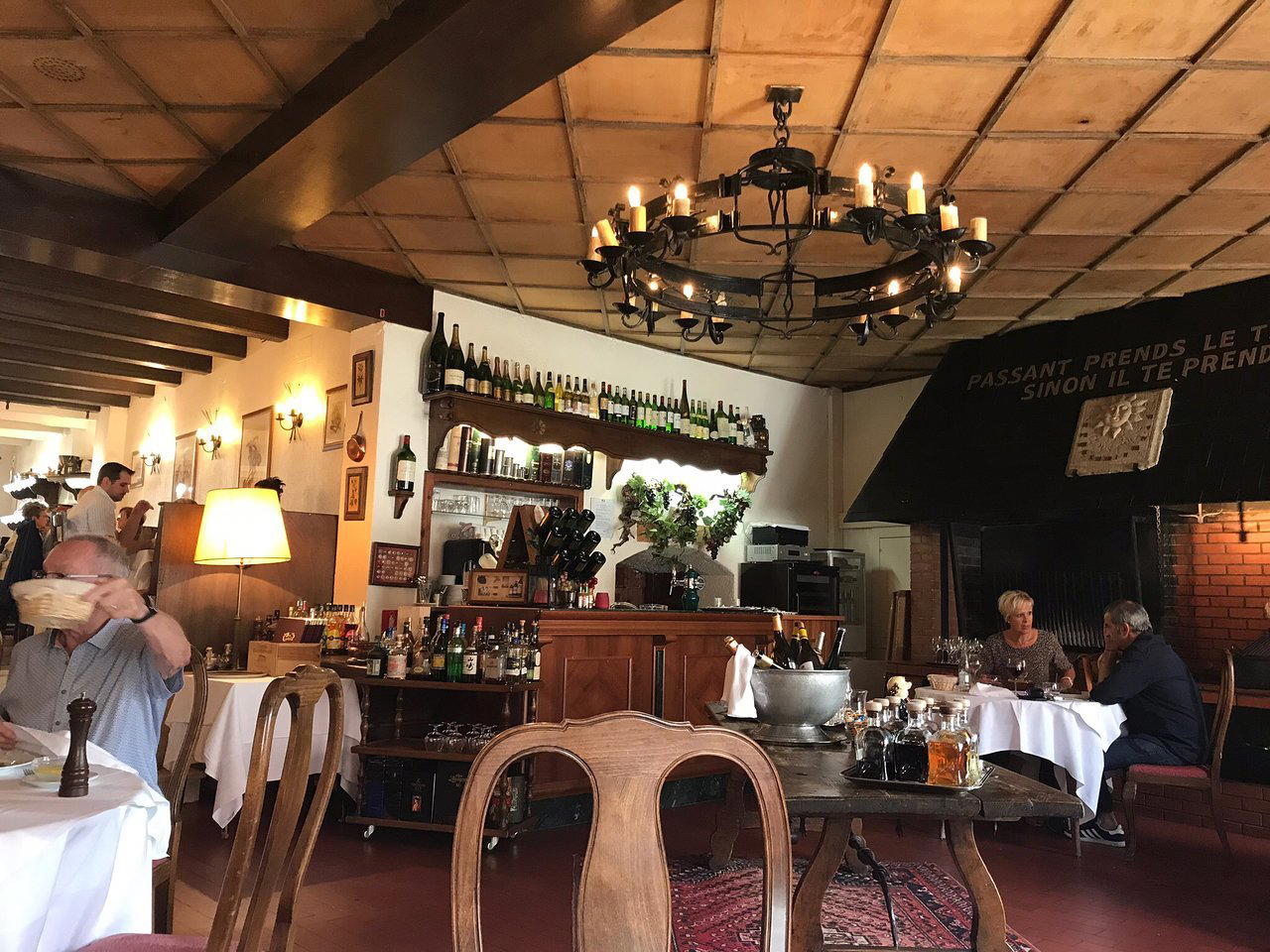
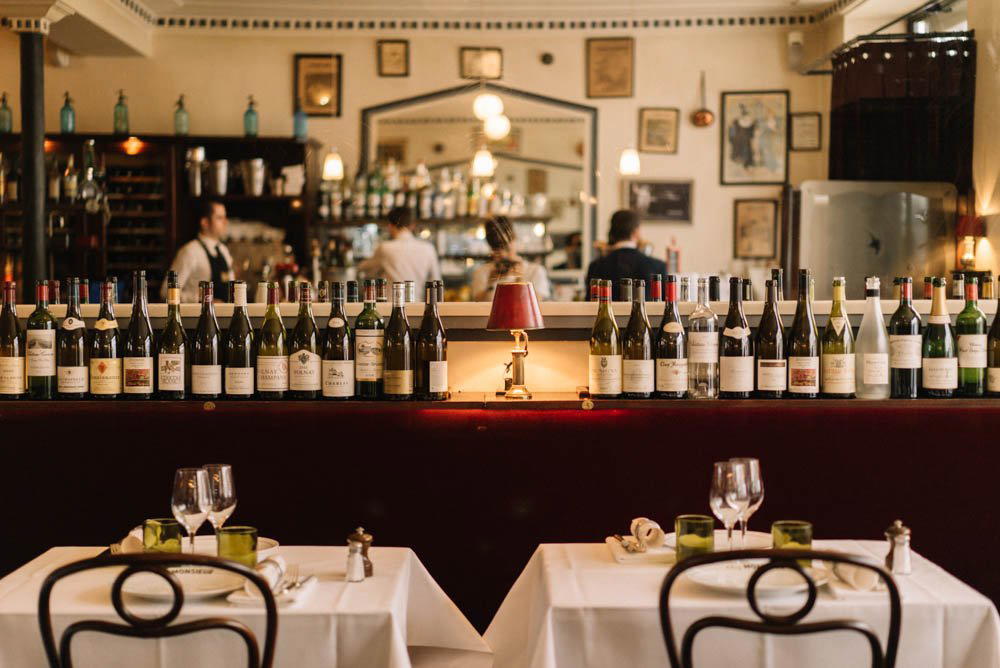
Warm, convivial, and nostalgic with vintage retro décor reminiscent of Paris; bustling and charmingly chaotic with a casual, generous atmosphere that evokes early 20th-century working-class bistros.