Our verdict
Quintessence occupies a considered position in Metz's fine dining tier, where the city's Franco-German culinary crossroads meets a broader French appetite for ingredient-led, ethically grounded cooking. Located on Rue de Paris, it sits within reach of the Centre Pompidou-Metz and the cathedral quarter, making it a natural choice for visitors with a serious interest in regional gastronomy at the upper end of the market.

Where the Rue de Paris Meets Fine Dining in Lorraine
Metz positions itself differently from its Alsatian neighbour Strasbourg and the Champagne capital to its west. The city's gastronomy has historically sat in the shadow of those more conspicuous culinary destinations, but a quieter, more deliberate restaurant culture has developed around its medieval lanes and the cultural pull of the Centre Pompidou-Metz. Quintessence, at 1 Rue de Paris, sits within this moment: a fine dining address in a city whose serious restaurants remain largely unknown to the broader French food press, which is precisely what makes the category worth watching here.
The Rue de Paris address places the restaurant within easy reach of both the cathedral quarter and the museum, the two gravitational points that draw most culturally motivated visitors to Metz. That proximity matters less for tourism and more as a signal of neighbourhood confidence: this part of the city has attracted investment in design, hospitality, and food in the past decade, and a restaurant choosing to operate at the upper end of the market here is making a statement about the audience it expects to find.
The Sustainability Frame in French Fine Dining
Across France's serious restaurant tier, the conversation around ingredient sourcing has shifted materially since the early 2010s. What was once the territory of a small number of pioneering houses, among them Bras in Laguiole with its long-documented commitment to the Aubrac plateau's wild plants and local producers, has become a structural expectation at the higher price points. Restaurants like Mirazur in Menton have built international reputations partly on the coherence of their environmental philosophy, while houses such as Flocons de Sel in Megève have demonstrated that alpine terroir and rigorous sourcing can anchor a three-star identity in a market town rather than a major city.
Lorraine has its own sourcing logic. The region's agricultural profile, which includes significant market gardening, dairy, and freshwater fish from the Moselle and its tributaries, offers a distinct raw material base from the Mediterranean-facing kitchens of the south or the forested Alsatian suppliers across the Rhine. A restaurant operating at this level in Metz has access to a supply chain that neither Paris nor Lyon can replicate, and the editorial question for any fine dining address here is how deliberately that geography is being used. The French northeast's produce, from Moselle carp to Lorraine mirabelle plums, is both genuinely local and underrepresented on the national fine dining stage.
The broader French sustainability conversation in hospitality is also running well ahead of messaging. Institutions like Troisgros in Ouches have restructured kitchen waste streams and supply relationships over multiple generations, not as a marketing position but as operational discipline. Closer to Metz, Au Crocodile in Strasbourg represents the Alsatian tradition of rigorous local sourcing applied to classic haute cuisine formats.
Metz's Fine Dining Context
Within Metz itself, Quintessence sits at the upper end of a market that spans a range of formats and price points. Yozora operates in the creative tier at the higher price bracket, while 2'Moiselles and Bouillon Batignolles represent more accessible price positions. 83 Restaurant and Cantino address the Italian and casual ends of the market respectively. For an overview of how these fit together, our full Metz restaurants guide maps the city's dining by neighbourhood and price tier.
The competition for a restaurant positioning itself at the fine dining level in Metz is not primarily local. For international reference points, the kind of ingredient-precision cooking that distinguishes the upper tier in France finds contemporary parallels in kitchens as different as Le Bernardin in New York City and Atomix, each of which has built a reputation on a clearly articulated culinary position rather than on spectacle.
What to Expect at This Level in Metz
Fine dining in a city like Metz operates with different commercial logic from Paris or Lyon. The audience is smaller, the international visitor share is meaningful but not dominant, and the restaurant must sustain its position across a local market that includes both corporate dining and serious private hospitality. Menus at this tier typically run as set formats rather than à la carte, both to control kitchen labour and to ensure the sourcing philosophy is expressed coherently across the meal. The Lorraine calendar gives kitchens a clear seasonal structure: spring asparagus and morel season, summer's mirabelle and soft fruit, autumn game from the Vosges foothills, and winter's root-vegetable and preserved larder repertoire.
For restaurants at this level that are also thinking seriously about waste and ethics, the sourcing conversation extends beyond what arrives at the pass. It includes what happens to trim and offal, how bread and dairy are managed, and whether the wine programme is built around producers whose farming practices match the kitchen's stated values. In France, the natural wine movement has given these conversations a commercial vocabulary, and many restaurants at the upper-mid tier now maintain a separate section of the wine list for certified organic or biodynamic producers, a practice visible at destination addresses across the country including AM par Alexandre Mazzia in Marseille and Alléno Paris au Pavillon Ledoyen.
Similarly, Paul Bocuse's L'Auberge du Pont de Collonges and Auberge de l'Ill in Illhaeusern demonstrate how eastern France's fine dining tradition has historically rooted itself in regional identity rather than cosmopolitan ambition, a posture that makes sourcing integrity feel less like a trend and more like a return to form.
Planning a Visit
Quintessence is located at 1 Rue de Paris in central Metz, walkable from the cathedral and the Centre Pompidou-Metz. Metz is served by direct TGV from Paris Gare de l'Est in approximately 85 minutes, which puts it within day-trip range for Paris-based visitors and well within range for those travelling the Alsace-Lorraine corridor.
Frequently asked questions
Where is Quintessence in Metz?
Quintessence is located at 1 Rue de Paris, 57000 Metz, France, Metz.
How does Quintessence compare to other fine dining options in Metz?
Metz operates with a different commercial logic from Strasbourg or Nancy: the dining audience is smaller, and restaurants at this level depend on a mix of loyal local regulars and visitors arriving via TGV or for the Centre Pompidou-Metz. That context tends to produce kitchens focused on consistency and regional identity rather than the seasonal-concept cycling common in larger French cities.
What should I order at Quintessence?
At a fine dining address in Metz operating at this level, the kitchen almost certainly runs a set menu format rather than à la carte, so the ordering decision is less about individual dishes and more about which menu length or wine pairing to commit to. The strongest case for any tasting menu in Lorraine is built around ingredients that reflect the region: freshwater fish, game from the Moselle valley, and produce from the agricultural belt between Metz and Luxembourg. Ask the front of house which courses reflect current seasonal sourcing from the surrounding area.
Do they take walk-ins at Quintessence?
At fine dining restaurants in smaller French cities like Metz, walk-in availability is inconsistent rather than impossible. Midweek lunch services carry the best odds, while Friday and Saturday evenings at a restaurant of this standing on Rue de Paris are likely booked in advance. Contacting the restaurant directly before arrival is the reliable approach, particularly during summer when Centre Pompidou-Metz draws significant visitor traffic to the neighbourhood.
What's the signature at Quintessence?
In eastern France's fine dining tradition, signatures tend to be built around ingredients that do not travel well and are therefore specific to the region: freshwater fish from the Moselle, Lorraine mirabelle plum preparations, or foraged elements from the surrounding forests. At a Metz address positioned at the upper end of the local market, the signature is likely something that anchors regional identity rather than chasing international trends. The specific dish would need confirmation directly with the restaurant at 1 Rue de Paris.
Just the Basics
A compact comparison to help you place this venue among nearby peers.
| Venue | Cuisine | Price | Awards | Notes |
|---|---|---|---|---|
| QuintessenceThis venue (the venue you are viewing) | Modern French Fine Dining | Not listed | Not listed | Not listed |
| Yozora | French-Japanese Omakase | Not listed | 1 Michelin Star | Creative |
| 83 Restaurant | Authentic Italian with Provençal Influences | $30–50 | Michelin Plate | Italian |
| La Lanterne | Modern French with Jura Influences | $50–100 | Michelin Plate | Modern Cuisine |
| La Goulue | Classic French Fine Dining | $50–100 | Not listed | Not listed |
| L'Assiette et le Verre | French Seasonal Bistro | $50–100 | Not listed | Not listed |
Quintessence
Featured Guides
Continue exploring
More in Metz
Restaurants in Metz
All restaurants in Metz →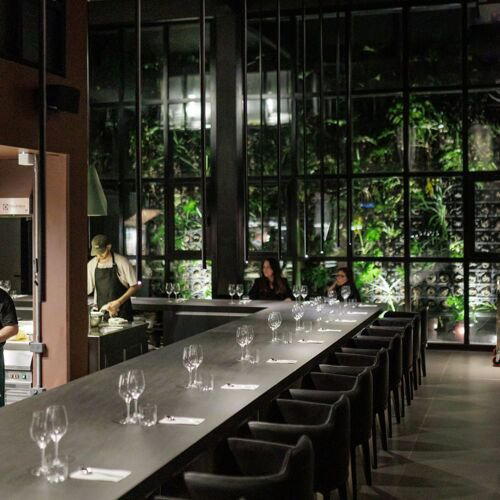
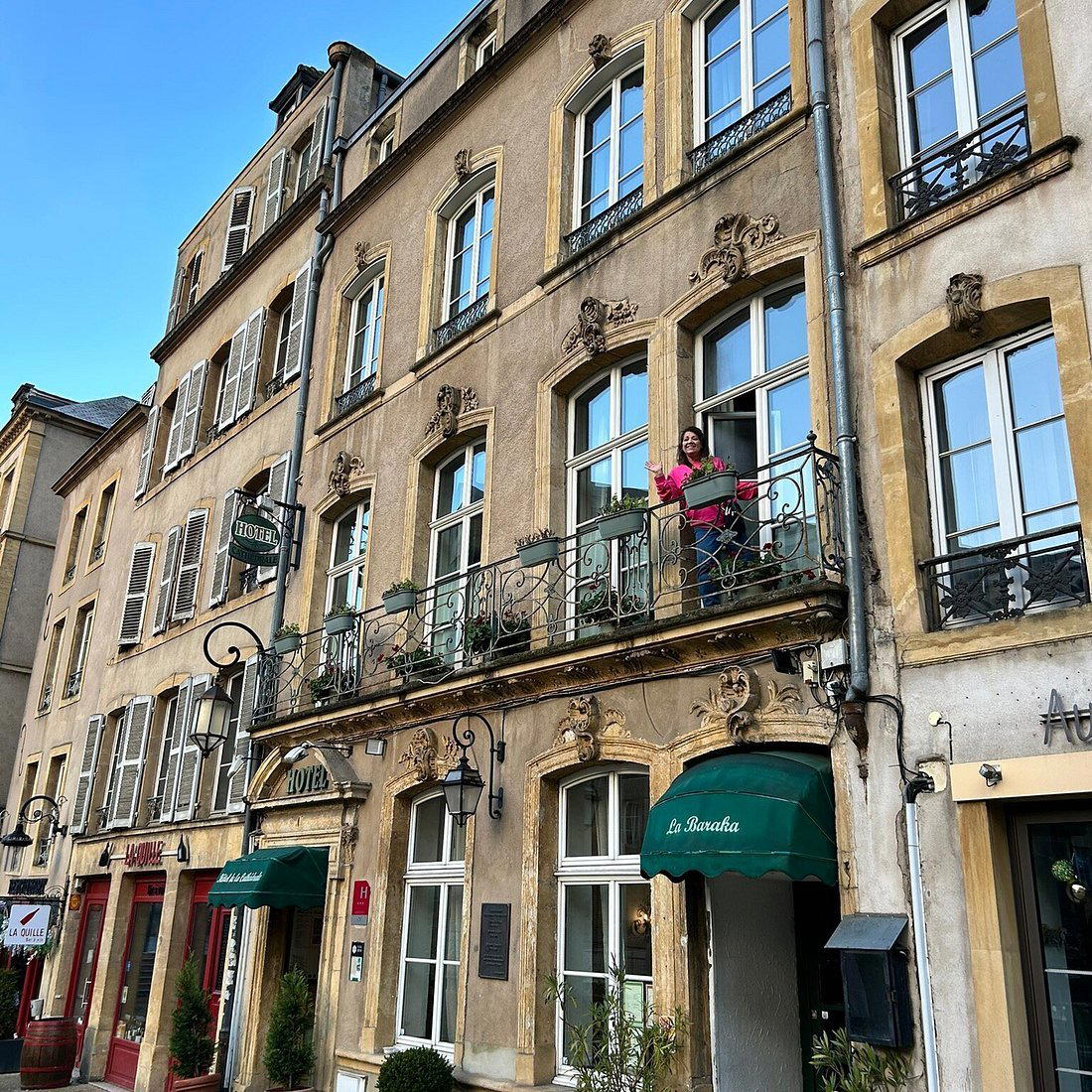
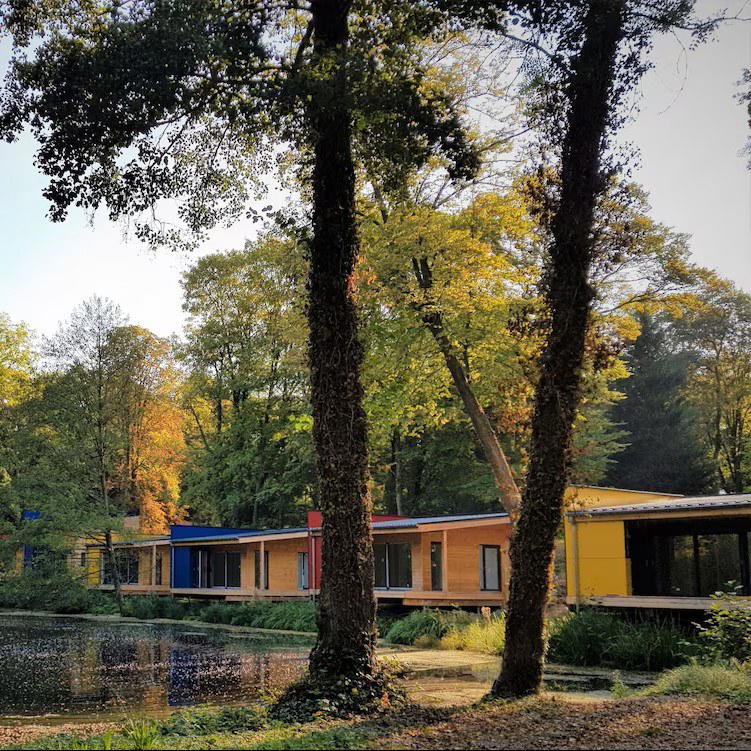
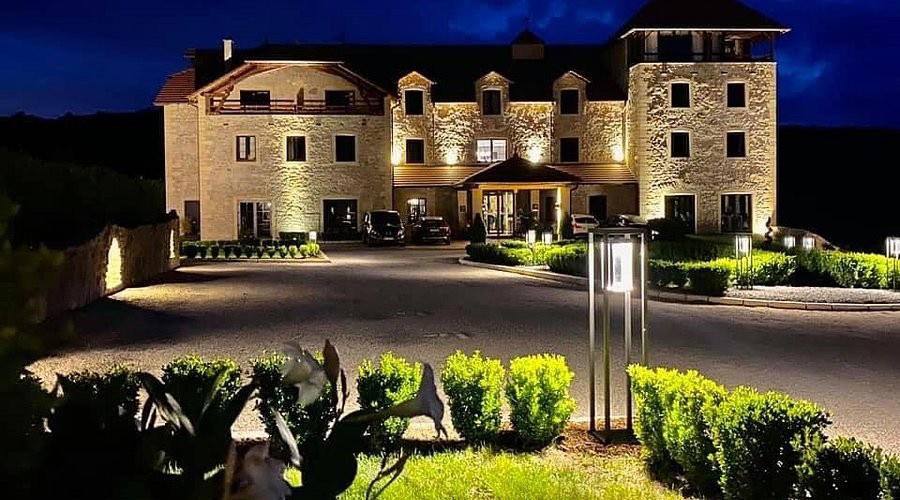
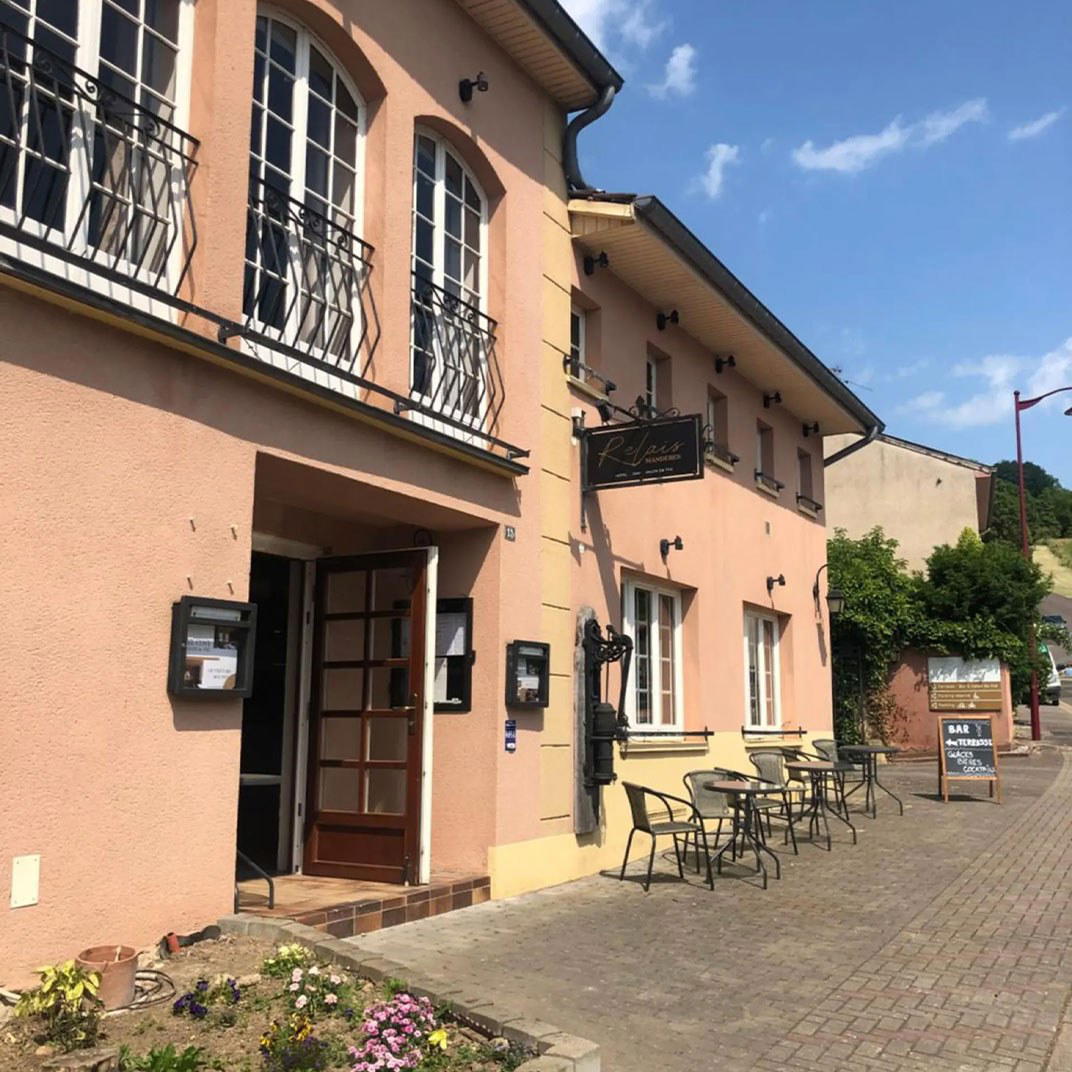

Details
- Elegant
- Cozy
- Sophisticated
- Intimate
- Date Night
- Special Occasion
- Business Dinner
- Open Kitchen
- Extensive Wine List
- Local Sourcing
- Tasting Menu
- A La Carte
- Vegetarian Friendly
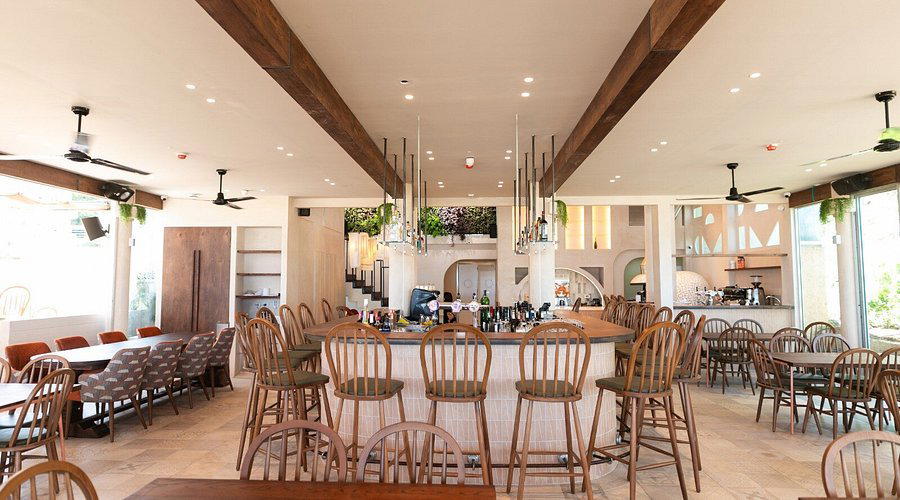
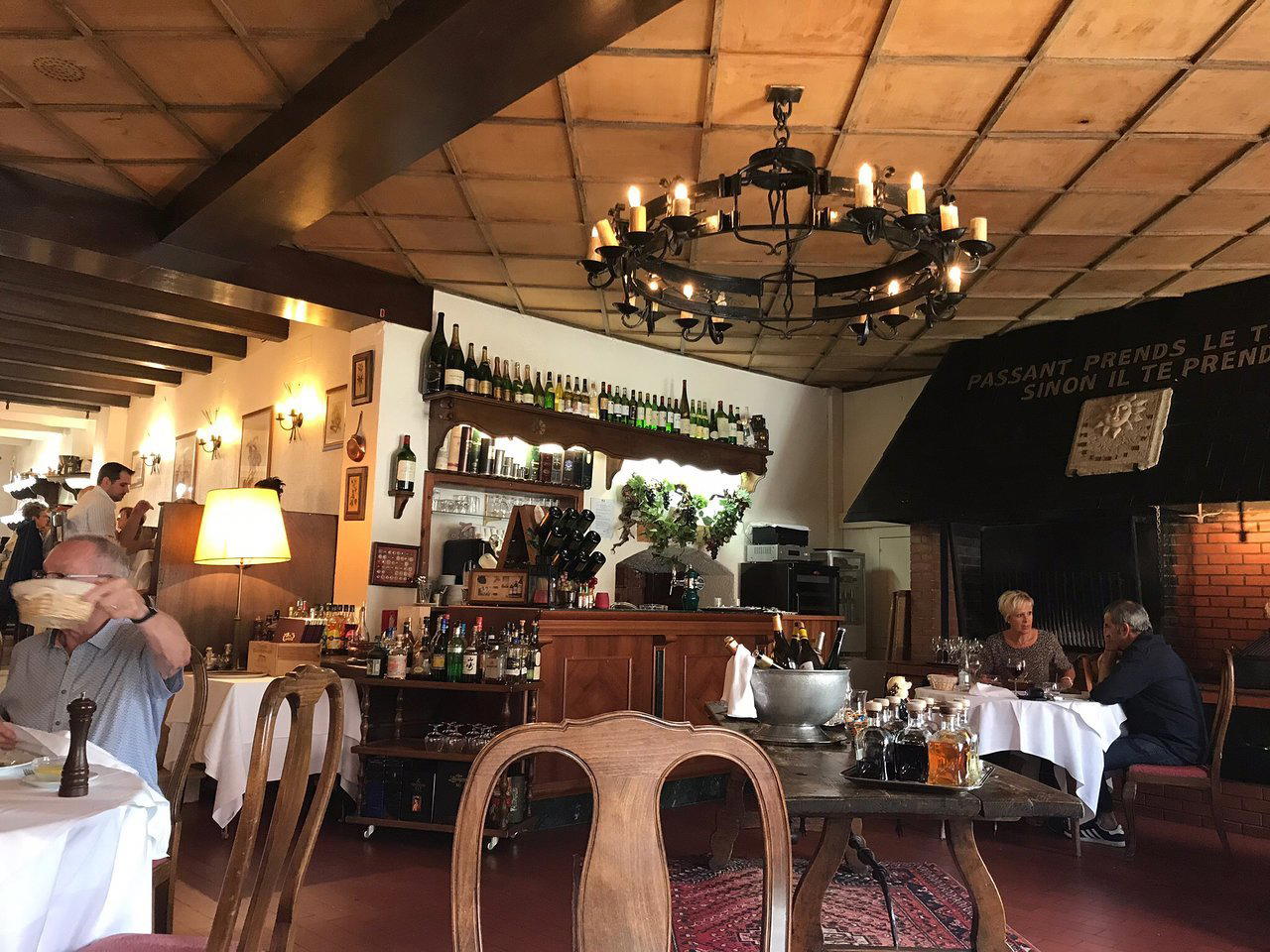
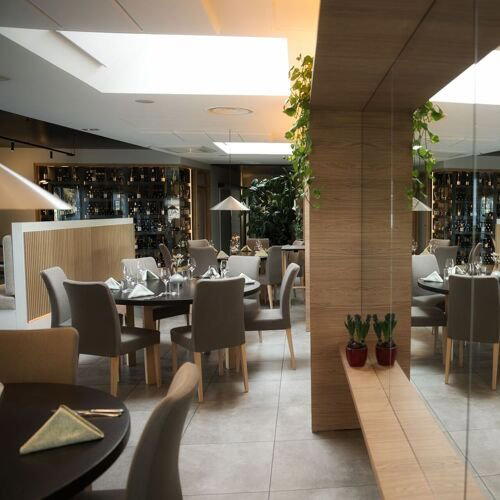
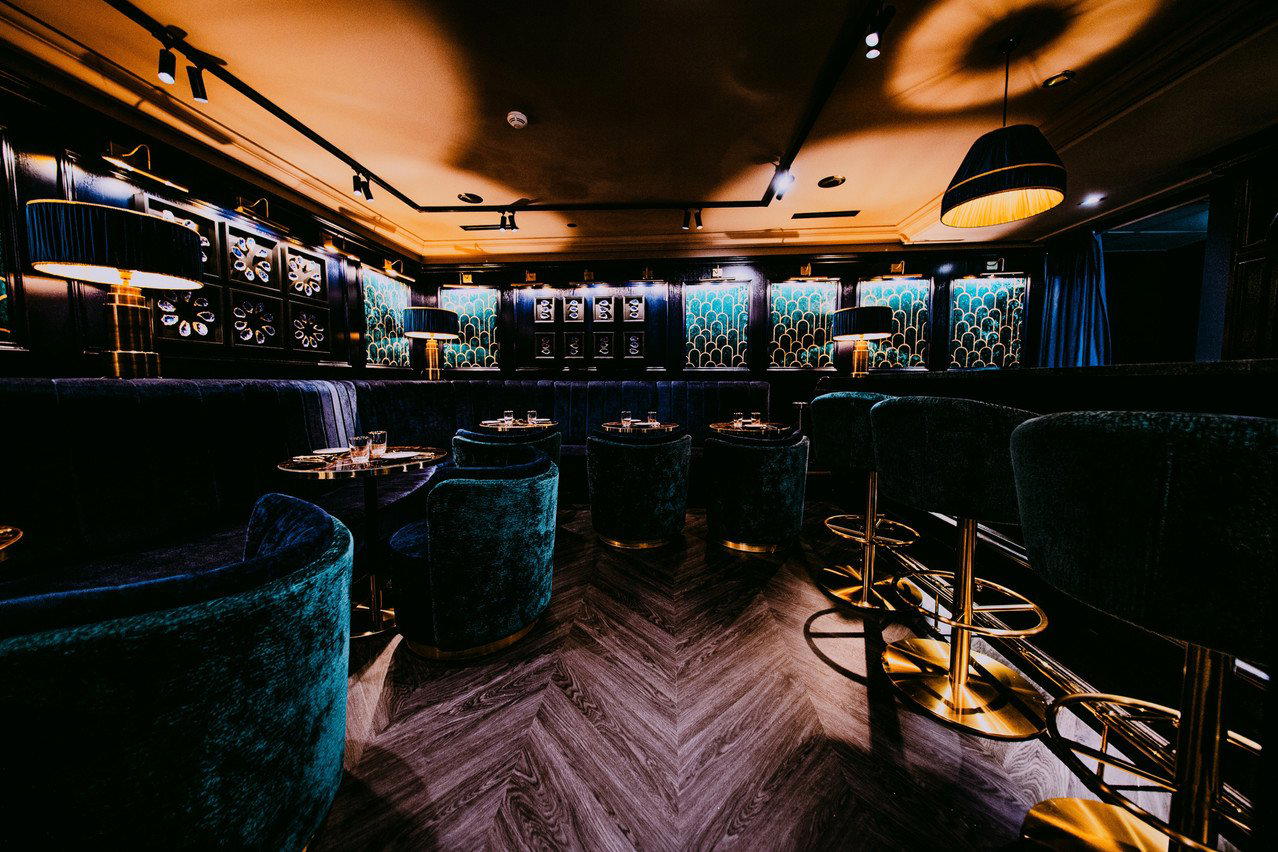
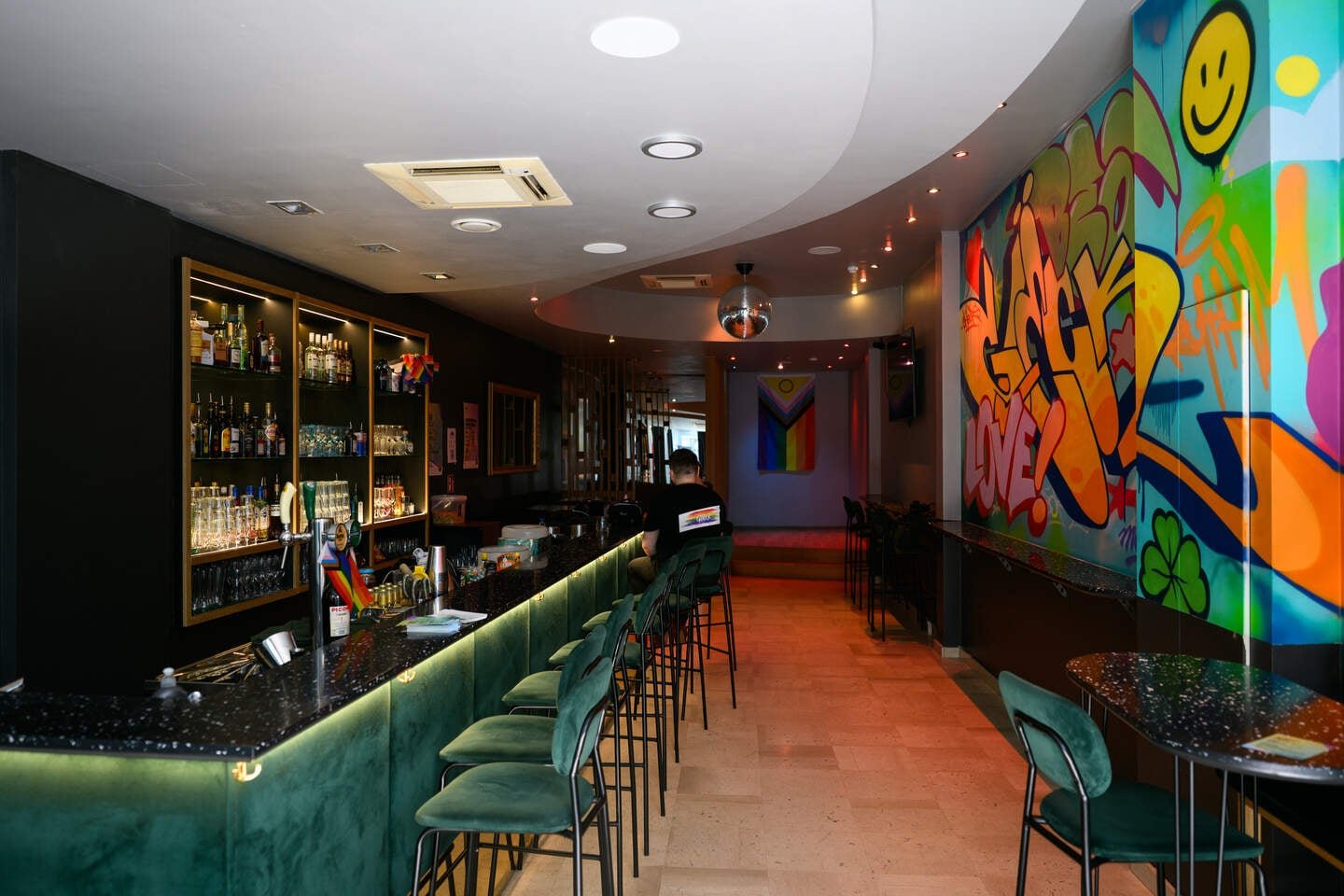
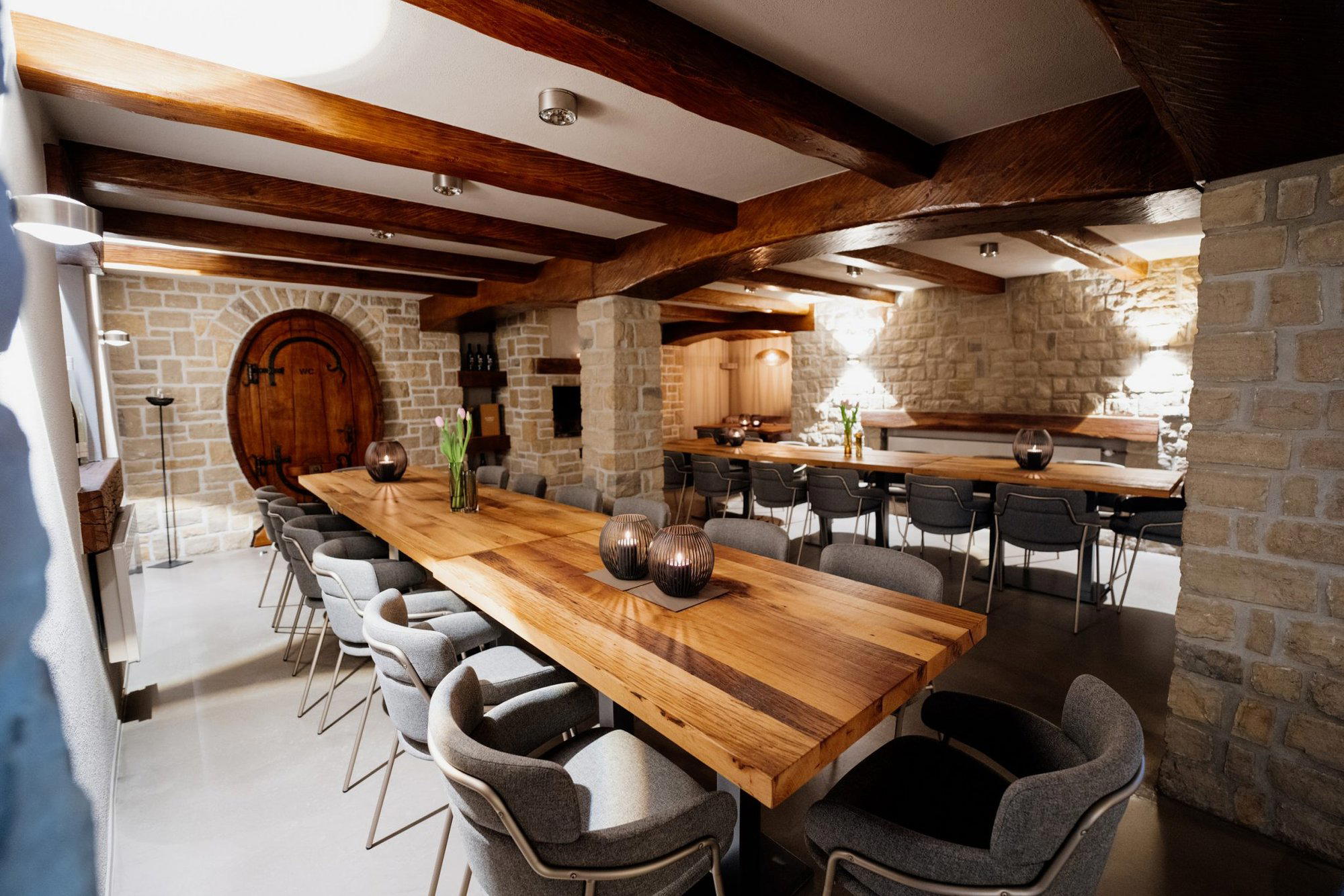
Warm, inviting, cozy, and welcoming atmosphere with clean, elegant decor.