On Taras Shevchenko Boulevard, Terracotta sits within Kyiv's growing tier of ingredient-led dining rooms where sourcing decisions shape the menu before a single plate reaches the table. The address alone signals intent: one of the city's most considered stretches of boulevard, where the restaurant joins a cohort of venues redefining what Ukrainian produce can do at a serious table.
Pearl is the En Primeur Club membership app — saves, bookings, and concierge access live there. Same editors, same standards.
- Address
- Tarasa Shevchenko Blvd, 5-7, Kyiv, Ukraine, 01004
- Phone
- +380673378587
- Website
- premier-palace.phnr.com
- Directions
- Get directions
 Saves & bookings on Pearl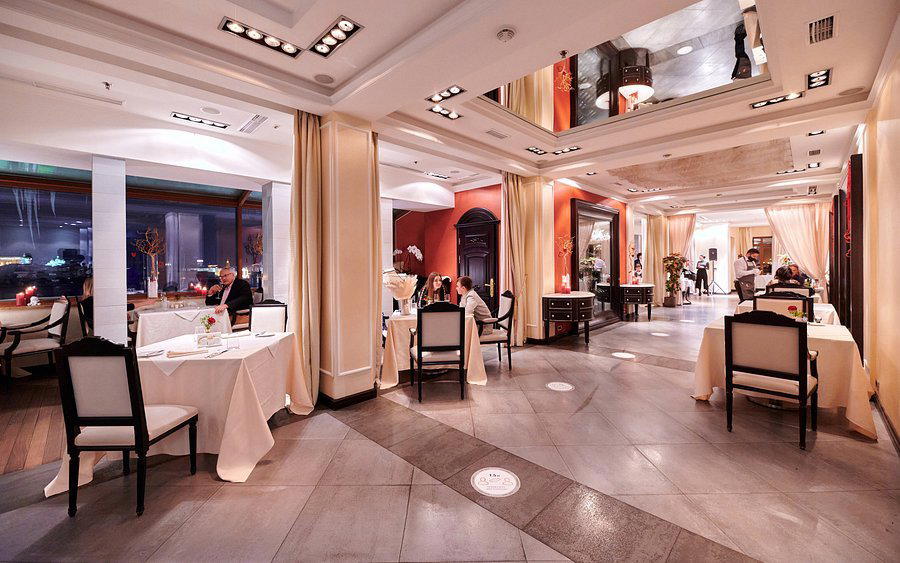
A Boulevard Built for This Kind of Dining
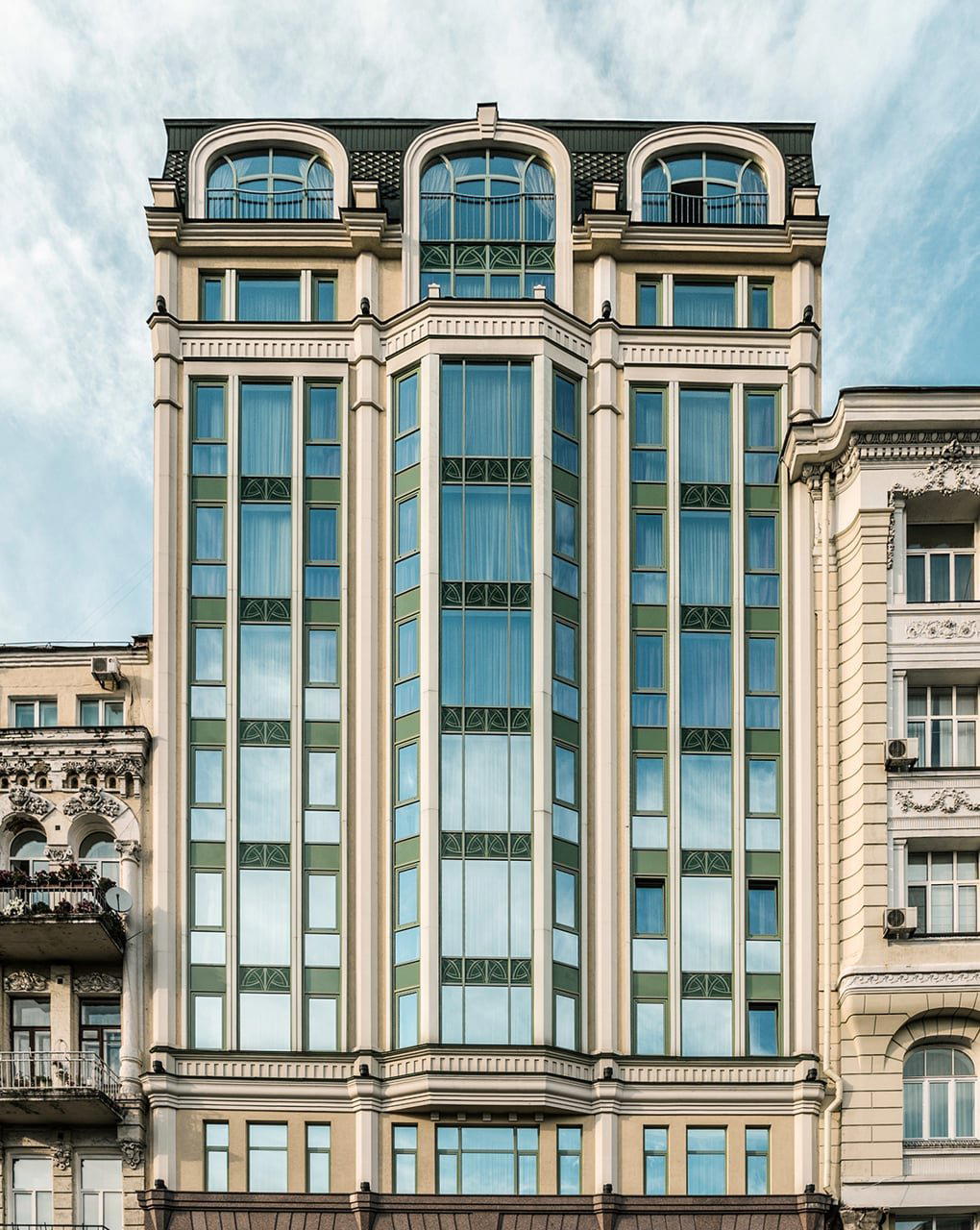
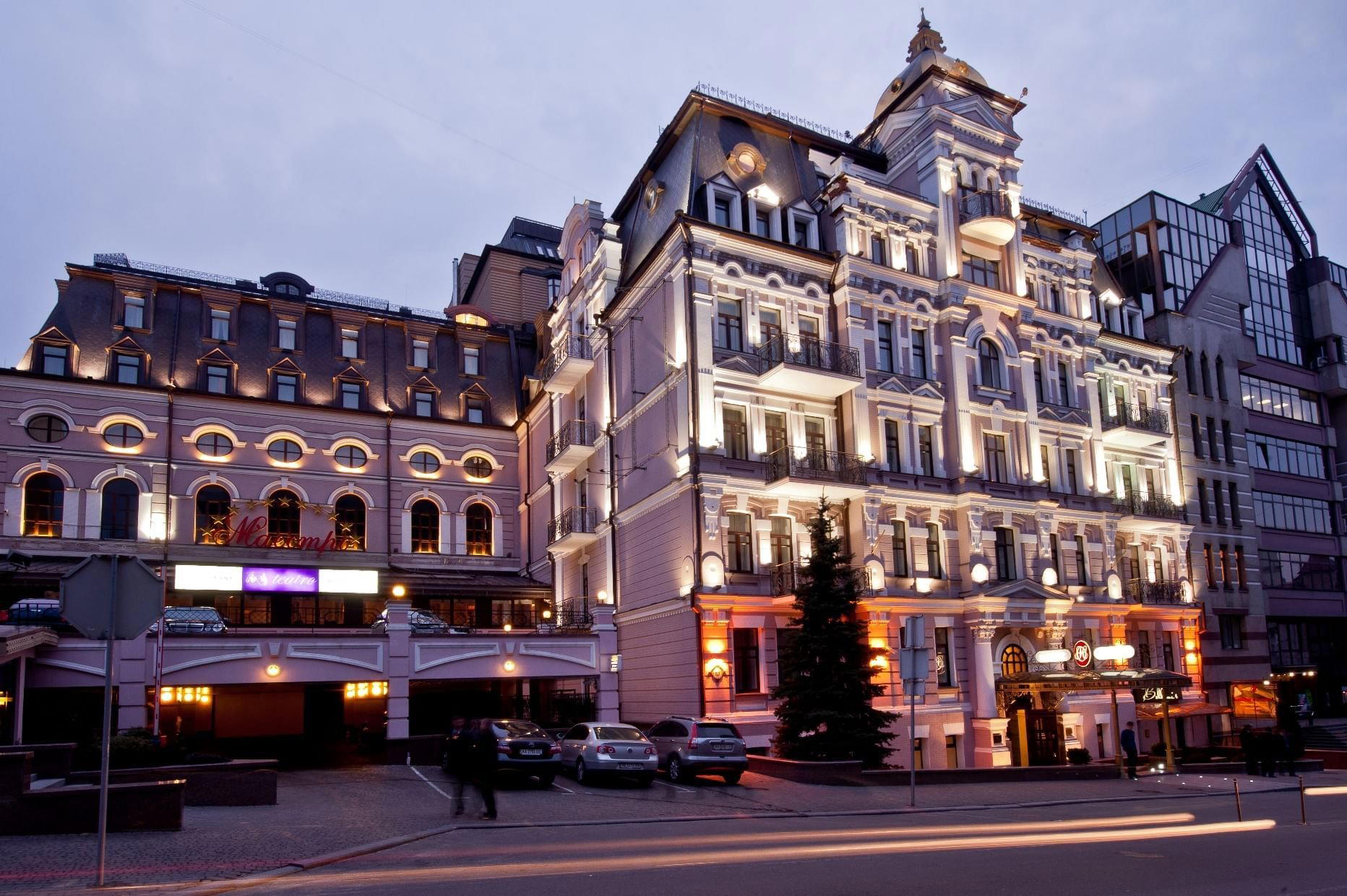
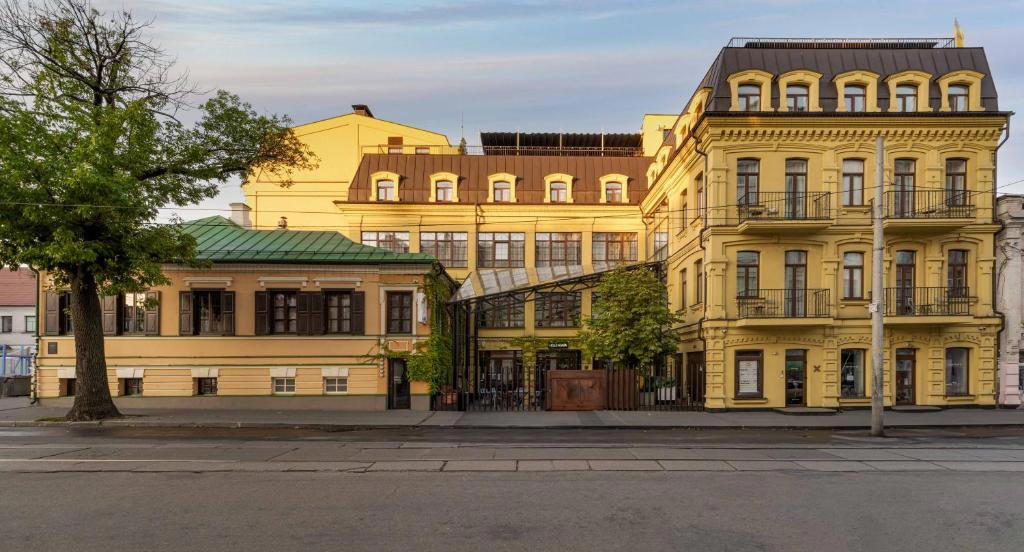
Taras Shevchenko Boulevard is one of Kyiv's more considered addresses for a restaurant to occupy. Tree-lined and dense with pre-war architecture, the boulevard has accumulated a cluster of dining rooms that operate at a different register from the city's louder, more casual centre. Walking into this stretch in the evening, the pace slows. The buildings carry weight, and the restaurants that succeed here tend to match it. Terracotta, at numbers 5-7, is positioned exactly where the boulevard's character suggests a serious, ingredient-focused operation should be.
Kyiv's dining scene has undergone a significant realignment over the past several years. The city that once leaned heavily on European imports and generic continental menus has developed a more confident, produce-led tier, one that draws on Ukrainian agriculture, seasonal availability, and regional larder traditions that were, for a long time, underrepresented on restaurant menus. Terracotta operates within that shift. The name itself, a reference to fired earth, points toward a kitchen philosophy grounded in material and terroir rather than technique for its own sake.
Where the Food Comes From, and Why It Shapes Everything
Consequential decisions in ingredient-led dining happen before service begins. Which producers to work with, which regions to source from, and how seasonal availability structures what goes on the menu: these choices determine the character of a restaurant more reliably than any single technique. In Ukraine, this is particularly meaningful. The country's agricultural geography spans the black-earth belt of central Ukraine, the cooler, forested north, and the more arid south, each producing distinct ingredients at distinct windows of the year. A kitchen that actually uses this geography, rather than defaulting to wholesale suppliers, will produce food that reads differently on the plate.
Terracotta's positioning on Shevchenko Boulevard places it in proximity to a peer group that includes Kanapa, one of Kyiv's most referenced addresses for Ukrainian produce-led cooking, as well as the European-leaning rooms at Al Fresco (Tuscan Italian) and the more internationally framed menus at Asia Bar & Grill. Within that competitive spread, a venue that foregrounds sourcing as its editorial identity occupies a specific niche: it asks the diner to care about where things come from, not just how they arrive.
This is a harder ask in Kyiv than it might appear. The city's dining public is sophisticated and has access to a wide range of international reference points through venues like BAO Modern Chinese Cuisine and the cocktail-forward rooms at Barbara Bar. Against that backdrop, a sourcing-led operation succeeds by making the ingredient story legible on the plate, not just in the menu copy.
The Physical Room and What It Signals
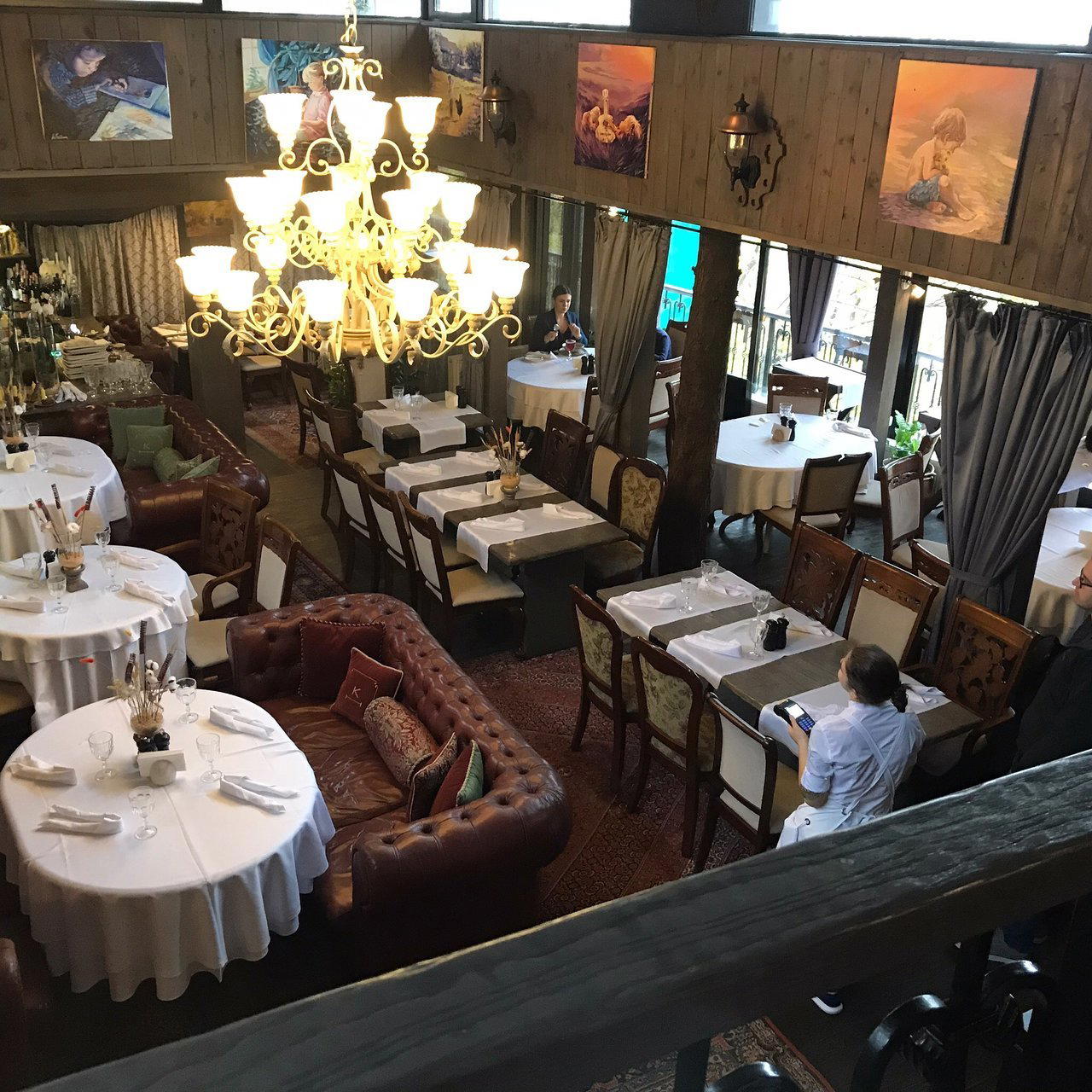
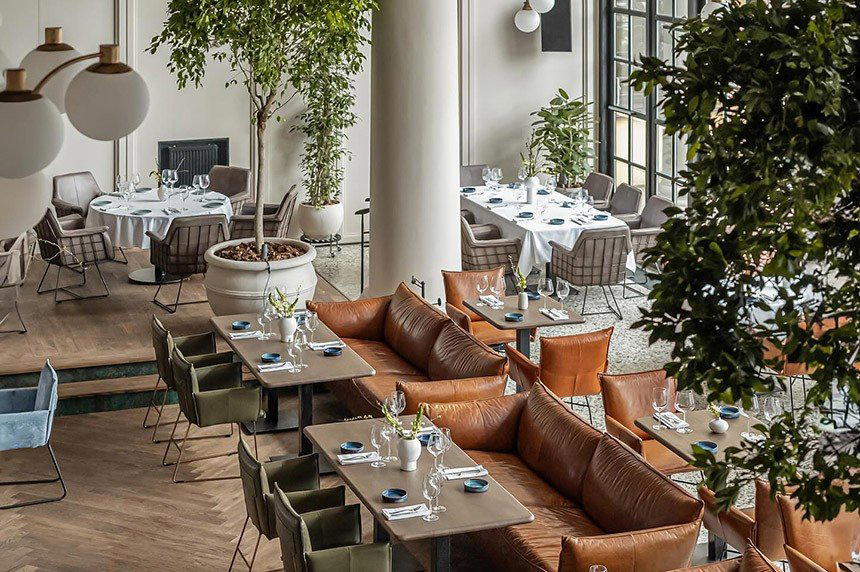
The terracotta palette, warm ochres, unglazed ceramic, and fired clay tones, has become a shorthand in European restaurant design for a certain kind of intention: earthy, material, anti-minimalist in a deliberate way. When deployed well, it signals a kitchen that thinks in seasons and textures rather than precision plating and high-gloss surfaces. The design vocabulary at Terracotta aligns with that reading. A room built around warm materials sets expectations for what arrives from the kitchen, and it does so before a menu is opened.
In cities where dining rooms are competing for a relatively small pool of repeat visitors, the physical environment carries editorial weight. Kyiv's better dining rooms have learned this. The jazz-inflected atmosphere at 32 JazzClub is as much a positioning statement as its menu. Terracotta's material choices make a comparable argument: this is a room built for a particular kind of evening, one that rewards attention rather than speed.
Terracotta in the Wider Ukrainian Context
Kyiv does not exist in isolation. Ukrainian restaurant culture has developed distinct regional characters across its cities, and understanding where Kyiv sits within that picture sharpens the case for a venue like Terracotta. In Odesa, Maiak works with the Black Sea's seasonal catch in ways that define its menu structure. In Lviv, Valentino sits within a city whose café culture and Central European culinary inheritance give it a different kind of produce identity. In Ivano-Frankivsk, Delikacia operates within a Carpathian larder tradition that is entirely its own.
Kyiv, by contrast, is a capital city with capital-city pressures: internationalism, scale, and the constant pull toward the broadly appealing. That makes the ingredient-specific commitment at a venue like Terracotta more pointed, not less. Other Ukrainian dining rooms worth noting across the country include Cafe de Vino in Lutsk, Kovcheg in Ternopil, Melange in Rivne, and Don Omar in Kharkiv, each operating within a distinct regional register. Terracotta's position in Kyiv places it at the summit of that geographic hierarchy by default, with the scrutiny that entails.
For those building a broader sense of what the country's dining culture looks like, Pron'to Piza in Chernivtsi and Hotel Desyatka in Chornobyl represent the geographic and experiential edges of the country's hospitality offer.
Internationally, ingredient-led cooking at this level of seriousness finds its comparable reference points in rooms like Le Bernardin in New York, where produce sourcing defines menu structure, or the tightly controlled seasonal focus of Atomix. The ambition, if not the price tier, is analogous. Emeril's in New Orleans offers another example of how a regionally grounded approach can anchor a restaurant's identity over decades.
Planning a Visit
Terracotta is located at Tarasa Shevchenko Boulevard 5-7, Kyiv, 01004, a central address with good access from the city's main metro lines. Given its boulevard position and the category of dining it represents, advance reservation is sensible, particularly on weekends when Kyiv's better dining rooms fill early. The venue's address and style place it in the mid-to-upper range of Kyiv's dining tiers, consistent with the sourcing-led model where ingredient quality is priced into the menu. Visitors during the spring and autumn months will find the seasonal Ukrainian larder at its most interesting, when transitional produce creates particularly distinct menus. The restaurant is in Kyiv, takes advance reservations, and sits at a high price tier with typical spending around $60 per person.
Comparable Options
Comparable venues nearby, for context on price, style, and recognition.
| Venue | Cuisine | Price | Notes |
|---|---|---|---|
| TerracottaThis venue — the venue you are viewing | Elegant Italian-Mediterranean Fine Dining | $$$$ | Not listed |
| Pantagruel | Authentic Italian Osteria | $$$ | Shevchenkivskyi |
| Asia Bar & Grill | Asian-European Fusion Grill & Sushi | $$$ | Lypky |
| Feniks | Pan-Asian, Italian & Mediterranean Fusion | $$$ | Pechersk |
| BAO • Modern Chinese Cuisine | Modern Chinese Cuisine | $$$ | Pechers'kyi |
| Oxota na Ovets | Asian Fusion Steakhouse | $$$ | Vozdvizhenka |
At a Glance
- Elegant
- Sophisticated
- Scenic
- Date Night
- Business Dinner
- Celebration
- Special Occasion
- Panoramic View
- Private Dining
- Hotel Restaurant
- Extensive Wine List
- Sommelier Led
- Skyline
- Street Scene
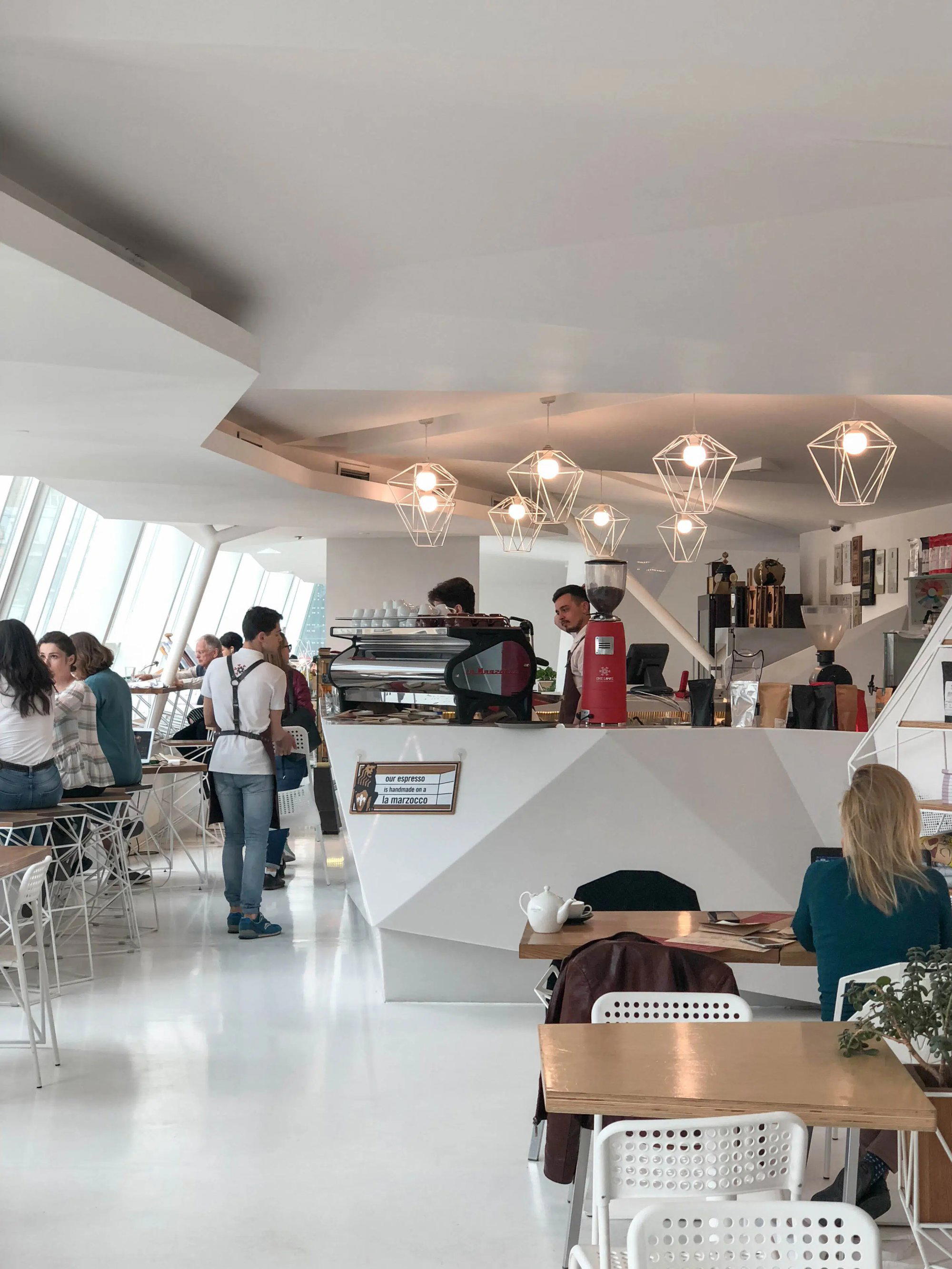
Classic European style interior with panoramic windows offering dramatic city views, especially beautiful at sunset.