Google: 4.5 · 334 reviews


Terra holds a Michelin star at its Scotts Road address, where chef Seita Nakahara works a Japanese-Italian format that sits outside Singapore's dominant fine-dining categories. The kitchen draws on Japanese precision and Italian ingredient logic, producing a tasting format with a 4.5 Google rating across 314 reviews. Lunch and dinner service run Tuesday through Saturday, with Sunday closed.
 Discover on Pearl
Pearl is the En Primeur Club membership app — saves, bookings, and concierge access live there. Same editors, same standards.
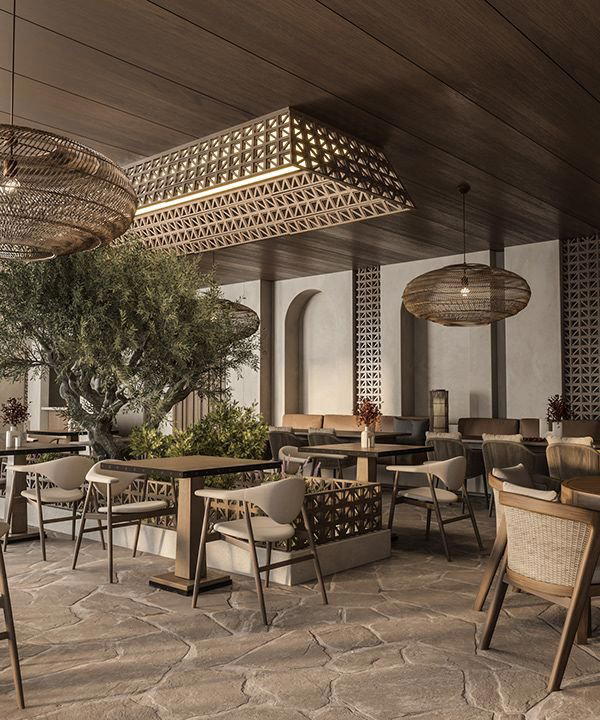
Where Scotts Road Meets a Different Kind of Fine Dining
Scotts Road runs through one of Singapore's more concentrated luxury corridors, lined with hotel towers and well-capitalized restaurant groups. It is not, on the surface, the address you'd expect for a quietly rigorous Michelin-starred kitchen working a Japanese-Italian format that has no obvious peer in the city. Terra, at number 29, occupies that gap. The surrounding area deals in spectacle and volume; the restaurant deals in something slower and more considered.
Singapore's fine-dining tier has consolidated around a handful of dominant idioms: French contemporary, Nordic-influenced tasting menus, and high-end Cantonese. Japanese-Italian fusion, as a category, sits in a smaller and more awkward position globally. In Asia, the format has genuine precedent: 8½ Otto e Mezzo Bombana in Hong Kong built its reputation on Italian cooking filtered through Asian luxury sensibility, while Tokyo has a history of Japanese chefs absorbing Italian technique and reinterpreting it with local produce. Terra belongs to that tradition, translated to Singapore's particular dining conditions.
The Logic of Japanese-Italian Cooking
The pairing of Japanese and Italian cooking instincts is less arbitrary than it appears to skeptics. Both traditions place significant weight on ingredient quality over technique complexity, both have strong regional produce identities, and both resist heavy sauce work in their more refined registers. What happens when a kitchen holds those instincts simultaneously is a menu that moves between umami-driven restraint and the structural clarity that Italian cooking demands from its ingredients.
Chef Seita Nakahara, who holds the kitchen at Terra, represents a type of chef that has become more consequential in Southeast Asian fine dining over the past decade: Japanese-trained professionals who arrived at Italian cooking through formal study in Italy rather than through fusion experimentation. The distinction matters technically. The result tends to be a more architecturally coherent hybrid than kitchens that treat Japanese-Italian as a flavour-pairing exercise.
The Michelin inspectors, who awarded Terra a star in 2024, are judging against a city peer set that includes Odette, Les Amis, and Zén at the three-star level, and a one-star cohort that is competitive enough that a single star represents meaningful recognition rather than a floor award. Terra's 2024 star places it in a peer conversation with kitchens like Jaan by Kirk Westaway and Meta, both of which work in different categories but occupy a similar tier on price and ambition.
Sustainability as Kitchen Discipline, Not Marketing Position
The restaurants that have made the most substantive progress on ethical sourcing and waste reduction in fine dining are rarely the ones leading with it in their communications. The pattern across the Michelin tier, from Aponiente in El Puerto de Santa María to Alléno Paris au Pavillon Ledoyen, has been toward ingredient systems thinking: understanding where a product comes from and using it in ways that reduce waste structurally rather than symbolically.
Japanese culinary training, at its more rigorous levels, builds in a procurement logic that aligns closely with what Western fine dining has been attempting to learn. The concept of mottainai, the regret over waste, has practical kitchen applications: using whole fish, understanding seasonal availability as a supply constraint rather than a marketing angle, and treating ingredient relationships with suppliers as long-term rather than transactional. When that training background meets Italian cooking's emphasis on provenance and regional specificity, the result is a kitchen that tends to be more thoughtful about sourcing than the category average.
In Singapore's context, that discipline faces particular pressure. The city imports the significant majority of its food supply, which means a fine-dining kitchen working with high-quality Japanese and Italian produce is making supply chain decisions across long distances. The serious operators in this space treat their import relationships as part of the product, which is why the menus at this price tier tend to change with seasons in Japan and Italy rather than with local produce cycles. Comparing notes with how kitchens at Le Bernardin in New York City or Lazy Bear in San Francisco approach sourcing transparency provides useful context for what this kind of commitment looks like in practice at the Michelin level.
Terra's Google rating of 4.5 across 314 reviews sits higher than the category average for Michelin-starred restaurants in Singapore, where ratings tend to compress in the three- to four-star range due to the price expectations the clientele brings. A 4.5 at this price point indicates that the experience is delivering against expectation at a high rate of consistency.
Format, Service Hours, and the Practical Shape of a Visit
Terra operates a format that is typical of serious tasting menu restaurants in Singapore: lunch and dinner service from Tuesday through Friday, dinner only on Saturday, and closed Sunday and Monday. The Saturday dinner-only format is worth noting for planning purposes, as it concentrates the week's most sought-after slots into four weekend-adjacent evenings for the dinner service.
Lunch runs 12:00 to 2:30 pm, dinner from 6:30 to 10:30 pm. The price tier sits at $$$, which in Singapore's fine-dining market positions Terra above mid-market but below the $$$$-tier rooms like Zén or Born. This is a meaningful distinction: the $$$ tier in Singapore at Michelin level represents a different decision matrix for a diner than it might in Paris or Tokyo, given the city's overall cost of living and the density of high-quality options in the same band. Jaan by Kirk Westaway operates in a similar price bracket, making the comparison relevant for diners choosing between the city's one-star options at this spending level.
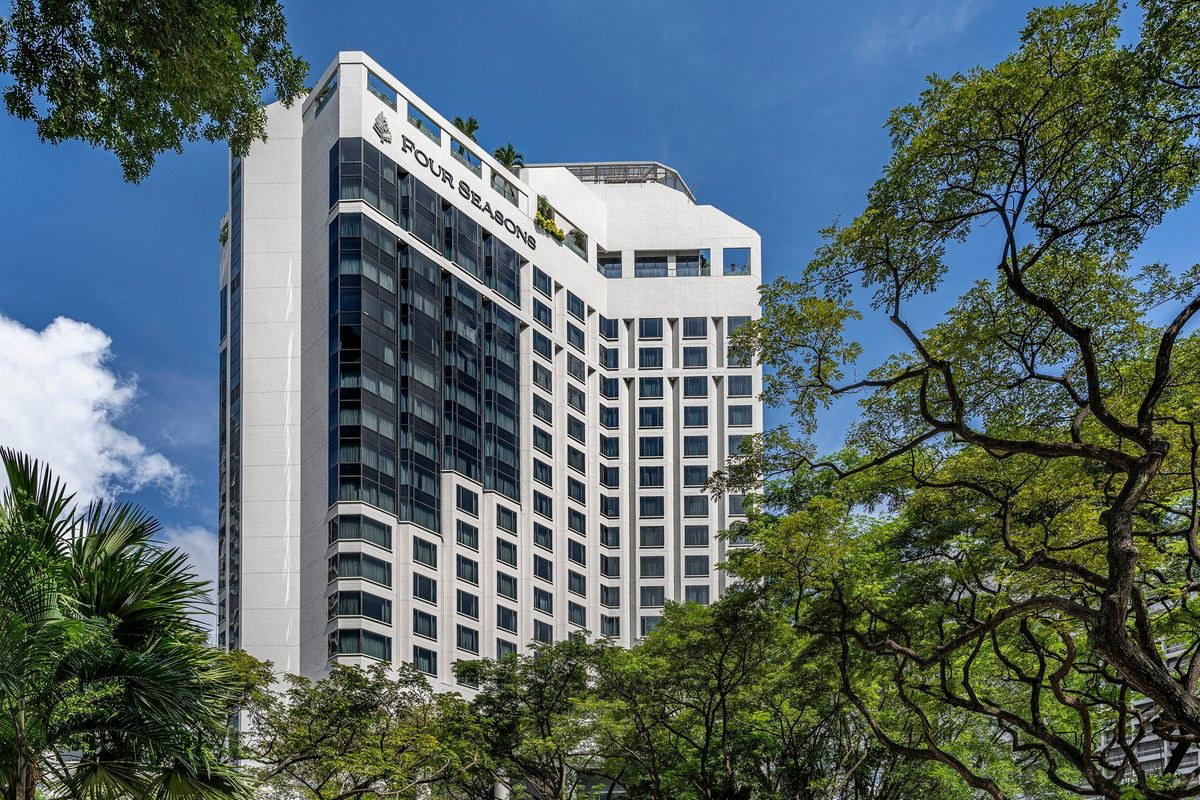
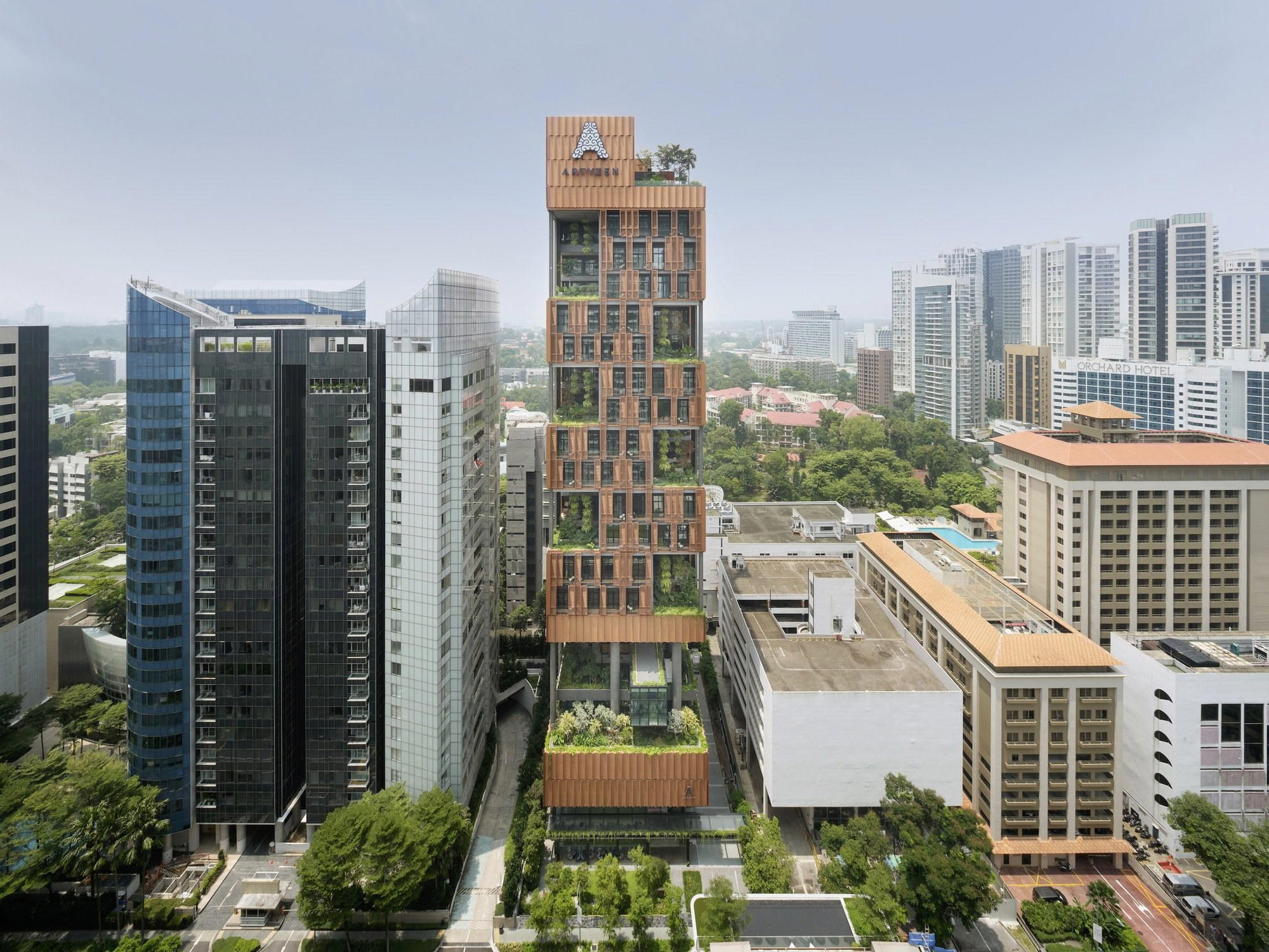
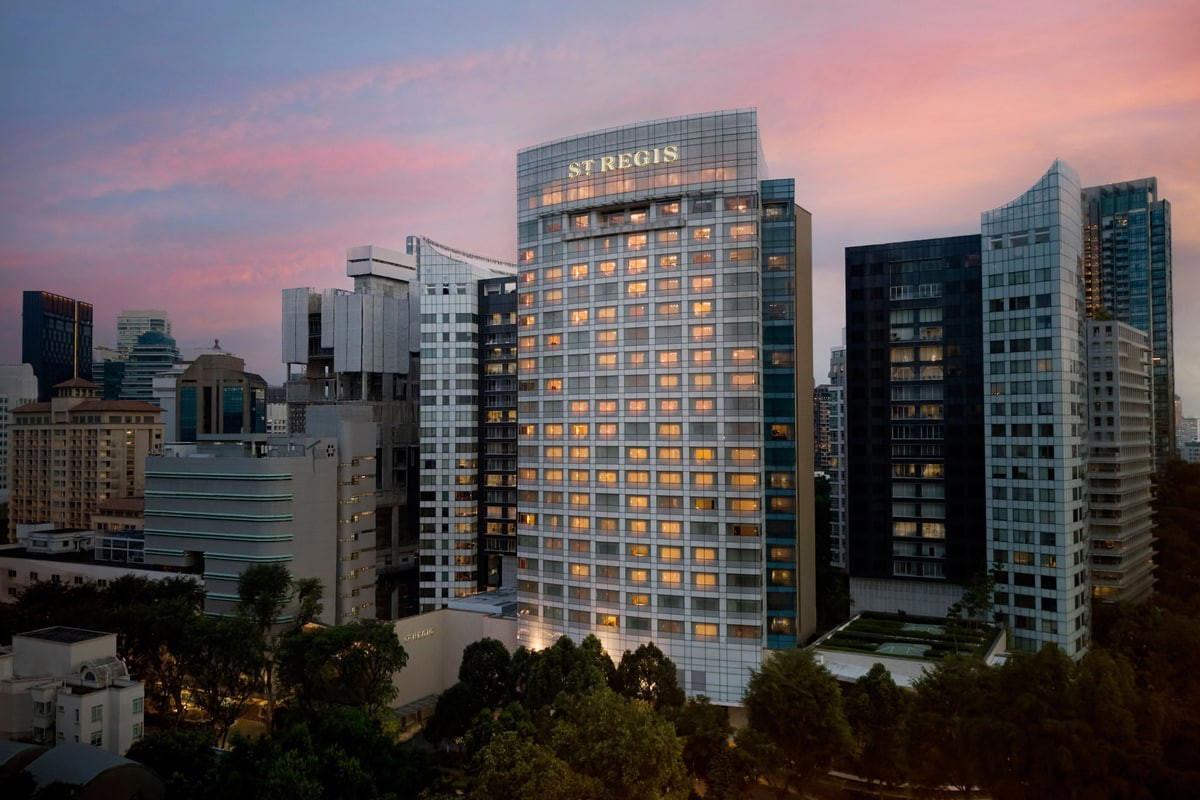
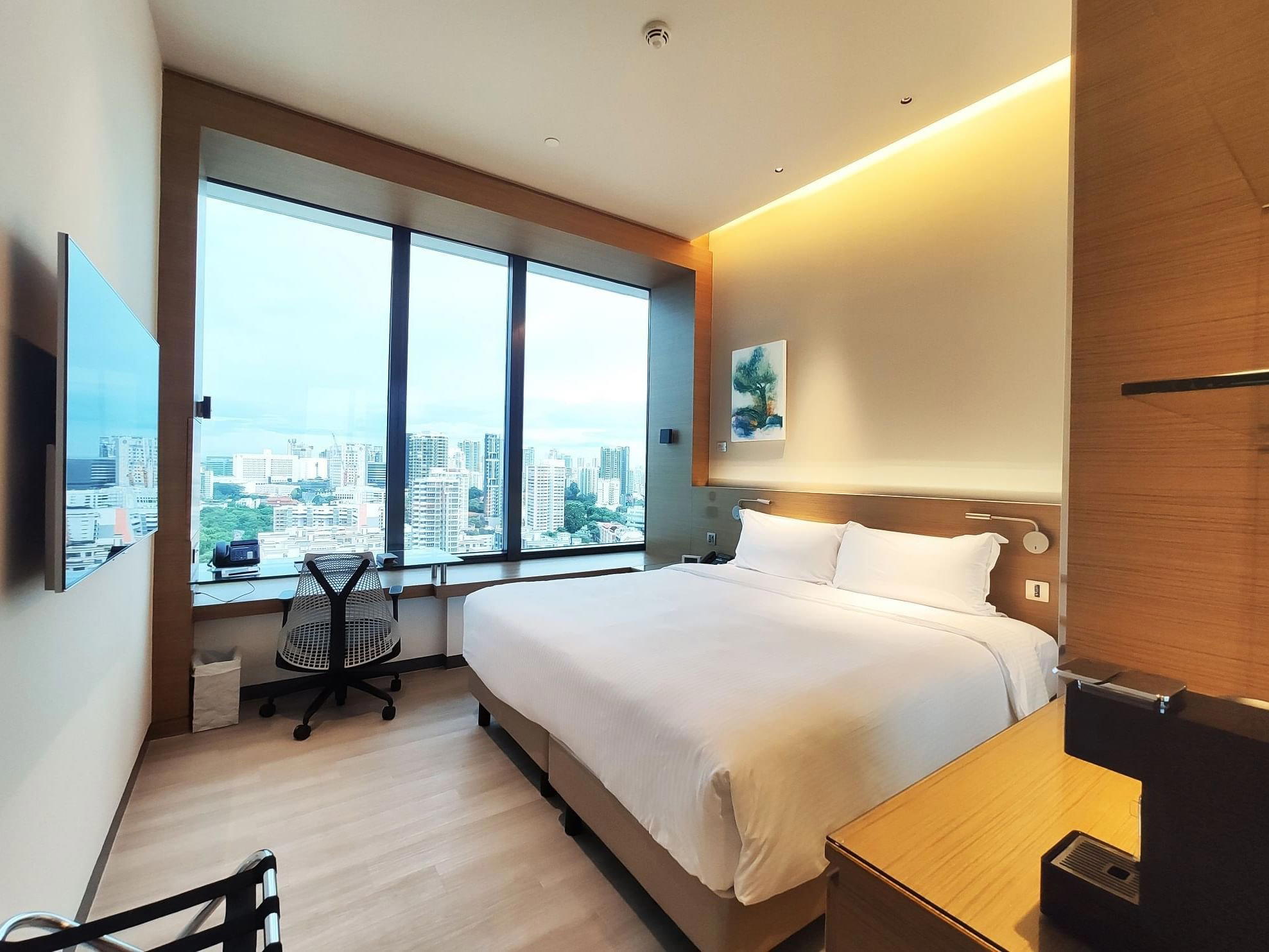
For the broader city context, including hotels that position well for a Scotts Road dinner and bars worth visiting before or after, see our full Singapore hotels guide, our full Singapore bars guide, and our full Singapore experiences guide. For wineries and producers whose work appears across Singapore's fine-dining wine lists, our full Singapore wineries guide covers the relevant import landscape.
Terra also fits into a broader pattern visible across Asian fine dining, where chefs trained in Europe return to the region and create formats that have no clean local equivalent. Atomix in New York City represents a comparable dynamic in the Korean-fine dining space; Emeril's in New Orleans and Alain Ducasse at Louis XV in Monte Carlo are useful reference points for what happens when a chef's cultural identity and technical training operate in productive tension with a local dining scene, though both operate in very different contexts.
Reservations: Booking method not confirmed in available data; advance planning is advisable given the Michelin star and limited seat availability implied by the format. Hours: Lunch Monday to Friday 12–2:30 pm; Dinner Monday to Friday 6:30–10:30 pm; Saturday dinner only 6:30–10:30 pm; Sunday closed. Address: 29 Scotts Rd, Singapore 228224. Budget: $$$ tier, consistent with Singapore's one-star Michelin cohort. Dress: Not confirmed; smart casual is standard for this tier in Singapore.
For the full picture of Singapore's Michelin and fine-dining options, see our full Singapore restaurants guide.
What to Order at Terra
Terra's Michelin star and chef Seita Nakahara's dual Japanese-Italian training are the two anchors for any ordering decision. The kitchen's 2024 recognition places it within a city peer set that rewards diners who commit to the full tasting format rather than approaching the menu selectively. At one-star level in Singapore, the kitchen's output is designed to be experienced in sequence: the interplay between Japanese precision and Italian structural logic is the point, and that logic operates across the arc of a meal rather than in individual dishes. Opting for the full tasting format, rather than à la carte where available, is consistent with how the kitchen builds its strongest arguments. Specific dishes cannot be confirmed from available data, but the format's logic, Japanese technique applied to Italian ingredient principles, points toward clean preparations where the sourcing quality carries the weight. The lunch service offers a more accessible entry point to the kitchen's work at this price tier and, for first visits, allows the diner to assess the format before committing to an evening tasting menu at full length. See also Meta for a comparable innovative format at the same Michelin tier in Singapore.
Recognition Snapshot
A quick peer reference to anchor this venue in its category.
| Venue | Awards | Cuisine | Notes |
|---|---|---|---|
| Terra | Michelin 1 Star | Japanese-Italian, Italian Contemporary | This venue |
| Zén | Michelin 3 Star | European Contemporary | European Contemporary, $$$$ |
| Jaan by Kirk Westaway | Michelin 2 Star | British Contemporary | British Contemporary, $$$ |
| Burnt Ends | Michelin 1 Star | Australian Barbecue, Barbecue | Australian Barbecue, Barbecue, $$$ |
| Summer Pavilion | Michelin 1 Star | Cantonese | Cantonese, $$ |
| Born | Michelin 1 Star | Creative Cuisine, Innovative | Creative Cuisine, Innovative, $$$$ |
Continue exploring
More in Singapore
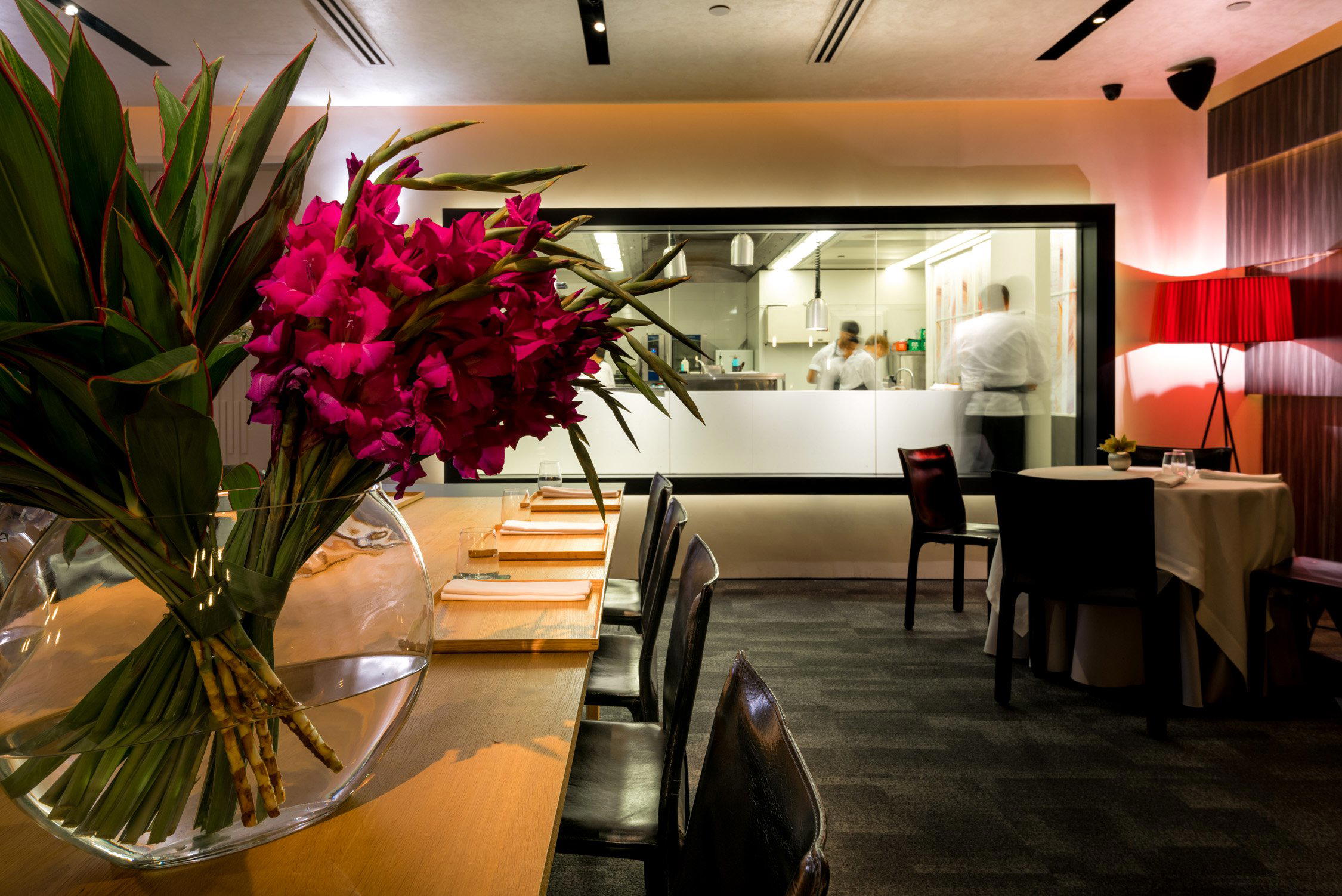
Restaurants in Singapore
Browse all →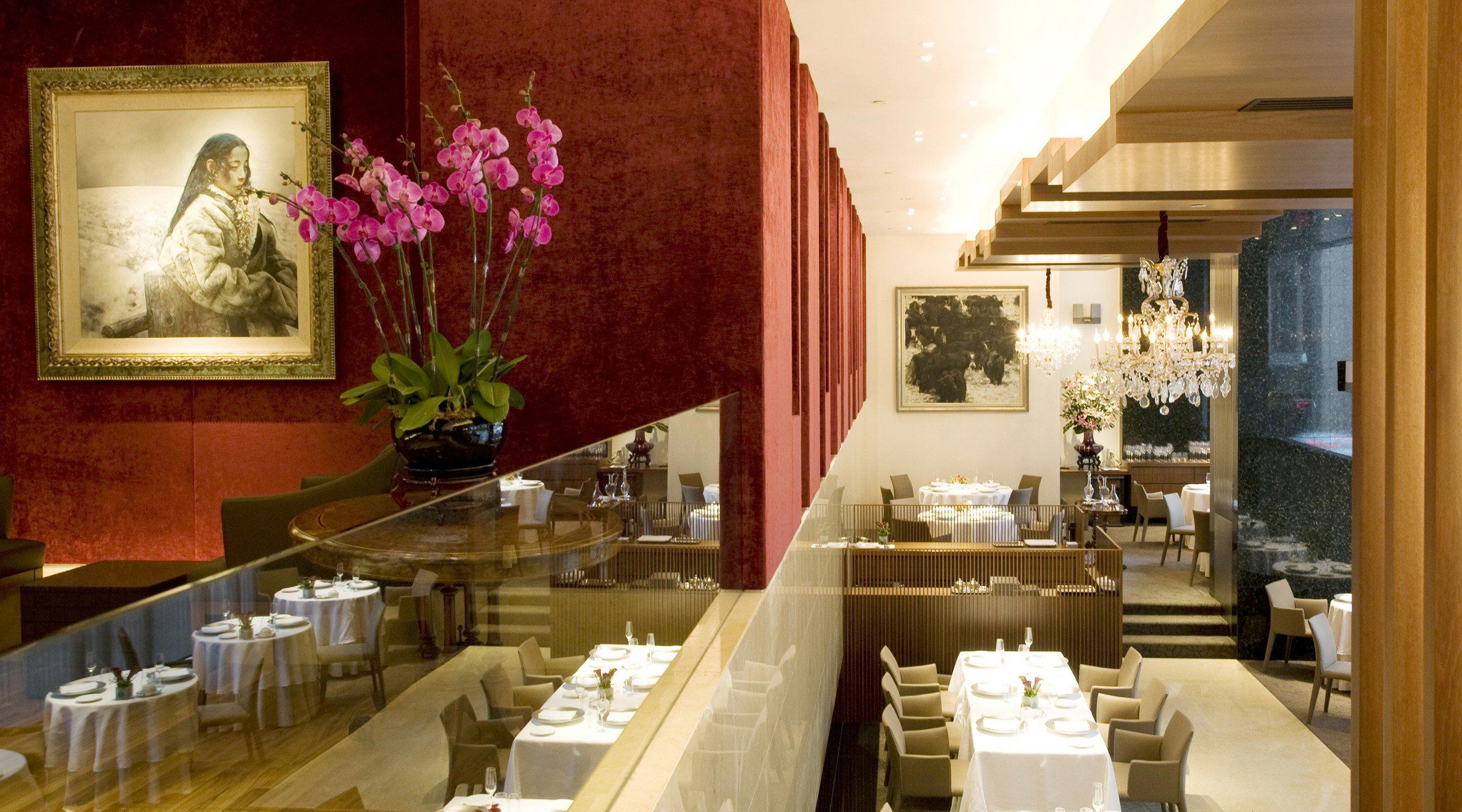
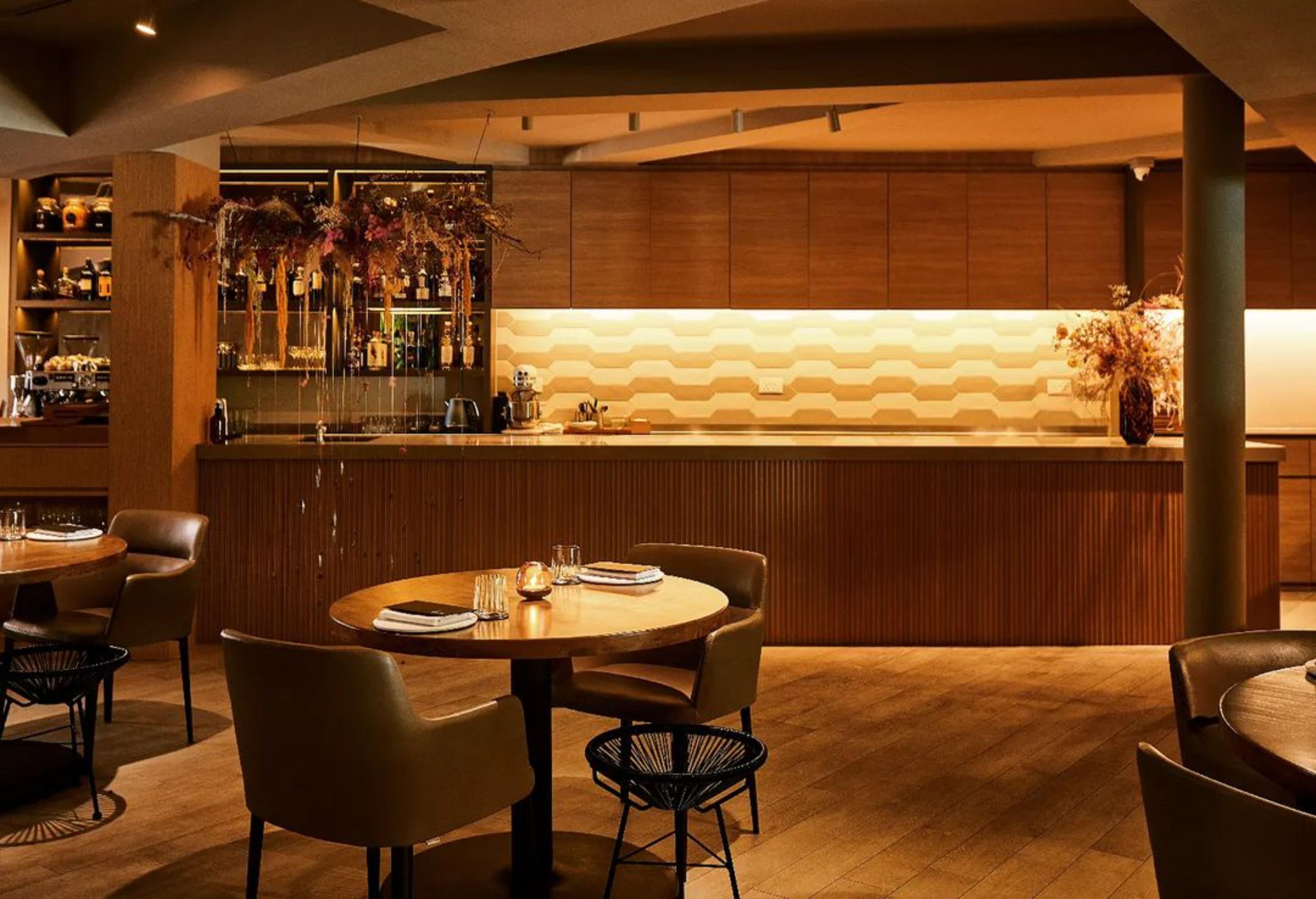
Bars in Singapore
Browse all →
At a Glance
- Elegant
- Cozy
- Intimate
- Sophisticated
- Date Night
- Special Occasion
- Celebration
- Private Dining
- Extensive Wine List
- Sommelier Led
- Local Sourcing
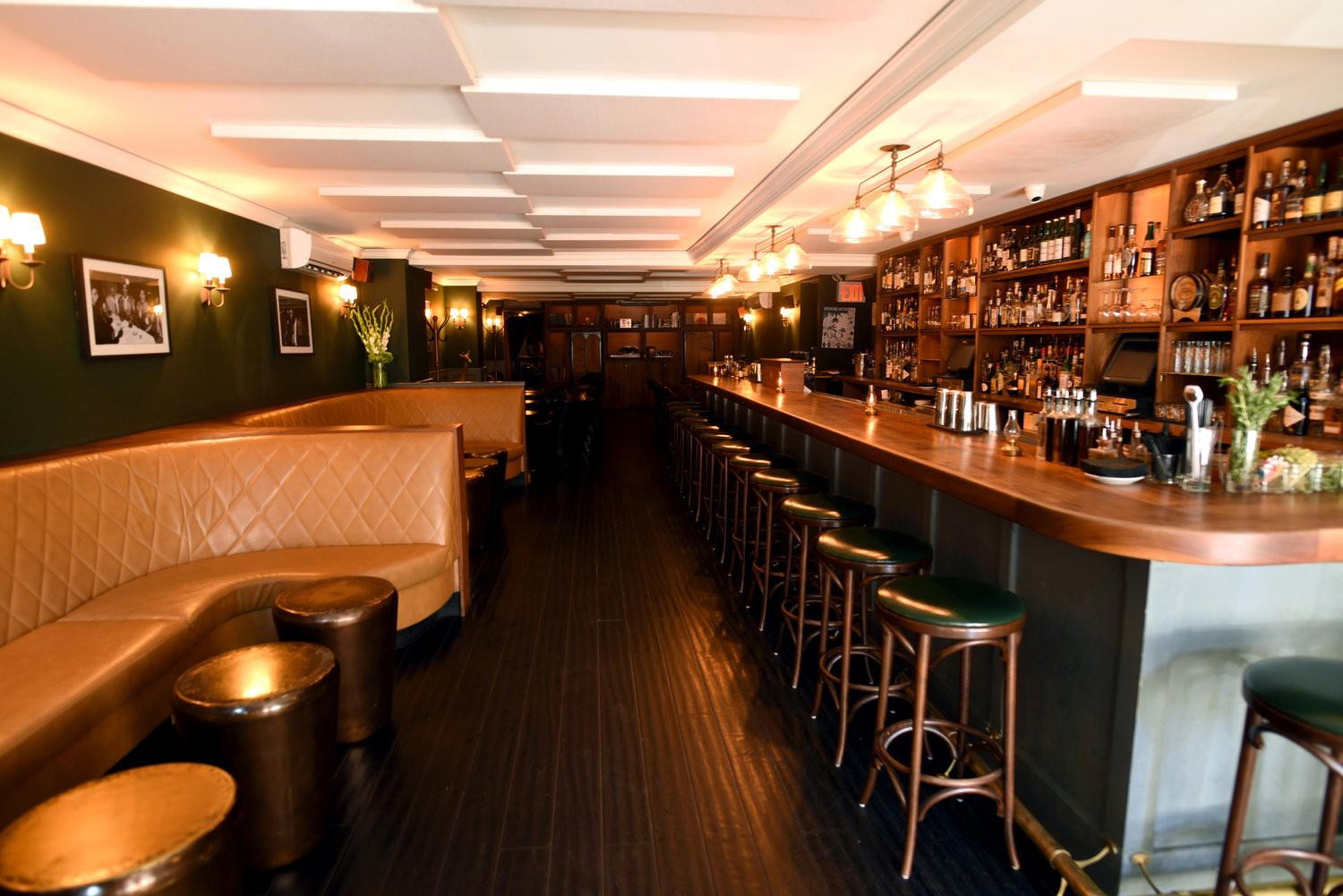
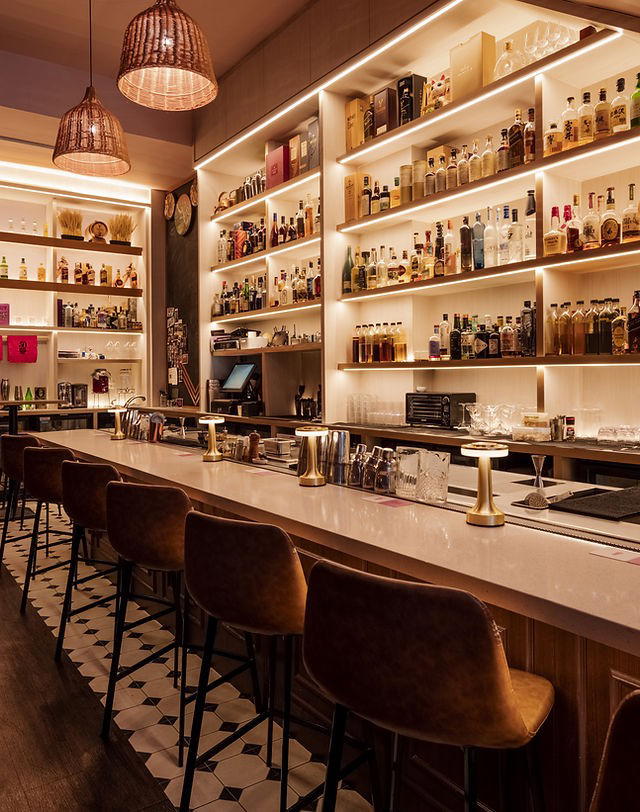
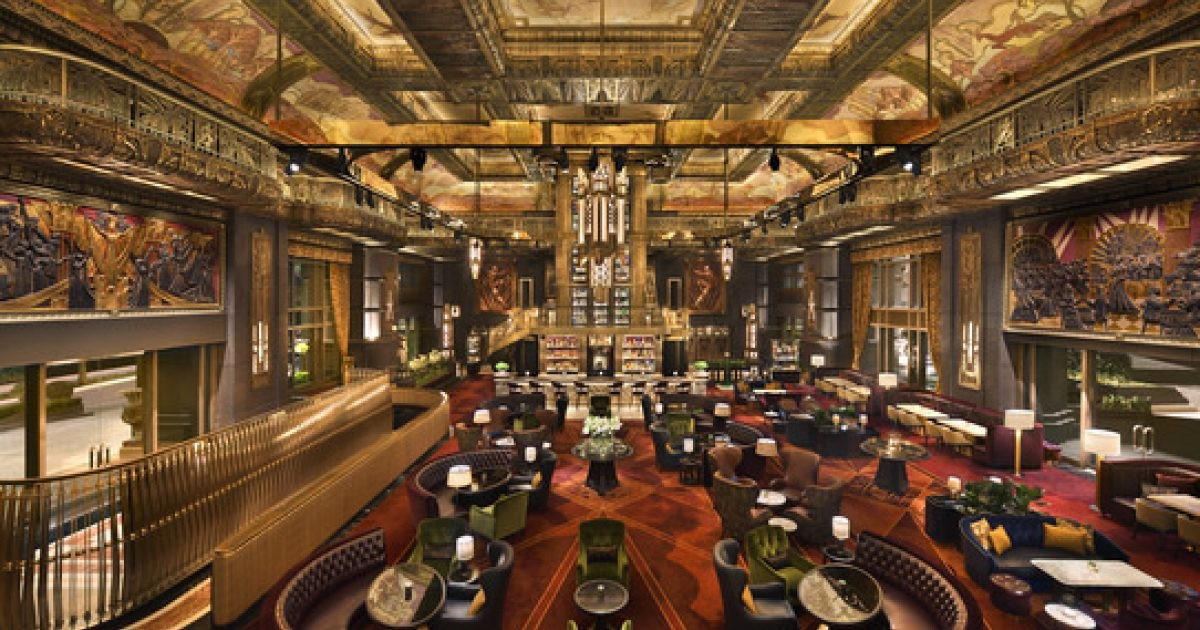
Homely and cosy with calm atmosphere, tasteful decoration, and well-spaced tables.