
Michelin Guide Plate · Michelin Plate
Our verdict
San Shu Gong brings Teochew cooking to Geylang at a price point that puts serious technique within reach of most budgets. The address on Geylang Road places it in one of the city's more characterful eating corridors, away from the polished mall settings that define much of the Teochew fine-dining tier.

Pearl is the En Primeur Club membership app, where members save venues, book tables and use the concierge.
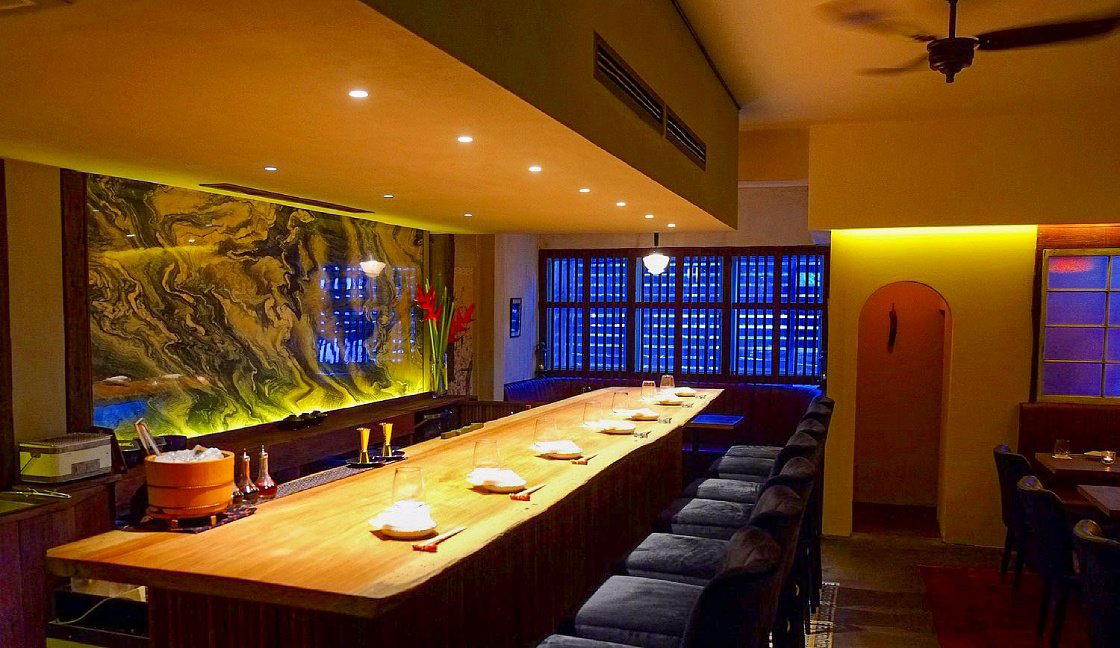
The menu
What to order
- Cold crab
- Oyster omelette
- Deep fried sea cucumber
- Ngoh hiang
- Chai poh kway teow
Geylang and the Teochew Table
Singapore's Teochew dining scene has always split along two clear fault lines: the white-tablecloth tier, where restaurants like Imperial Treasure Fine Teochew Cuisine (Orchard) price against the city's premium Chinese cohort, and a working register of zi char-adjacent houses where the cooking is less ceremonious but the technique can be just as serious. San Shu Gong at 135 Geylang Road sits in the second category, and the Geylang address is part of the point. This corridor has long functioned as one of the city's most honest eating districts, dense with long-running Chinese, Malay, and Southeast Asian houses, largely resistant to the aesthetic renovation that has reshaped dining in Tanjong Pagar or Keong Saik. Walking in from the street, the setting reads as functional rather than designed: the kind of room where the conversation is about the food on the table, not the room itself.
What the Menu Structure Says About the Cooking
Teochew cuisine organises itself around a few distinct principles that set it apart from Cantonese or Hokkien traditions. It prioritises clarity over richness, steaming and braising over wok-fired intensity, and a particular relationship with preserved and fermented ingredients that gives its flavour profile a savoury-sour tension absent from most other southern Chinese regional styles. A Teochew menu read in sequence is almost always a study in restraint: cold appetisers carrying the preserved-vegetable or soy-pickled register, a braised centrepiece (commonly pork belly or duck) that has absorbed hours of master stock, seafood handled with minimal intervention, and a congee or kway teow course that acts as both palate reset and comfort close.
The architecture of a menu like this tells you something about what the kitchen values. Dishes that require long preparation, overnight braises, slow-rendered stocks, signal a kitchen operating on a production cycle rather than à la minute improvisation. At the $$ price tier, that discipline is notable. Most Singapore restaurants at this price point lean toward speed and volume; a kitchen that commits to time-intensive Teochew braising while holding prices accessible is making a specific choice about what it wants to be. San Shu Gong's Michelin Plate recognition in 2024 suggests that choice has registered with the guide's inspectors, who use the Plate designation to flag cooking worth eating rather than cooking worth the price of the meal alone.
For context within Singapore's wider Chinese dining tier: the Plate sits below the star threshold occupied by establishments like Odette or Les Amis, but it is not a consolation signal. Michelin uses it consistently for cooking that demonstrates genuine craft, and in a category like Teochew, where the pool of recognised restaurants is smaller than Cantonese or contemporary European, a Plate at this price range represents a meaningful position.
Teochew in Context: A Smaller Niche Inside Singapore's Chinese Scene
Cantonese cooking dominates Singapore's premium Chinese tier by volume, with dim sum houses and roast meat specialists holding the broadest audience. Teochew operates as a more specific tradition, with a loyal diaspora following and a cuisine that rewards familiarity. Diners who understand the register, who know that a properly made Teochew braised duck should carry a deep soy depth without cloying sweetness, or that oyster omelette here differs from its Hokkien cousin in batter texture and seasoning, will read a Teochew menu differently from those encountering it fresh.
At the $$ tier, it competes with neighbourhood Chinese houses across the city rather than with the white-tablecloth Teochew restaurants. The Michelin Plate creates a distinction within that tier. Comparable positions in the Singapore Michelin ecosystem at accessible price points include Imperial Treasure Fine Teochew Cuisine at the higher end, and various one-star and Plate holders in the hawker and zi char register. San Shu Gong occupies a mid-table position in that hierarchy, above the hawker benchmark, below the fine-dining ceiling, and validated by the 2024 Plate as cooking that merits attention.
For regional comparison, Teochew cooking appears across the Malaysian peninsula as well. Teochew Lao Er in Kuala Lumpur and BM Yam Rice in Seberang Perai represent the tradition's reach beyond Singapore, each working in a different market context. The Teochew diaspora spread across Southeast Asia means the cuisine has developed distinct local inflections, but the foundational grammar, the braises, the preserved vegetables, the affinity for clean seafood, holds across borders.
Reading the Numbers
At higher price points, a 4.3 might reflect a mixed response to ambitious cooking. At this level, in this neighbourhood, it signals consistent execution across a broad audience that includes regulars for whom a Teochew meal is not an occasion but a routine. That kind of repeat-visit demographic is demanding in a different way from the special-occasion diner: they will notice a braised sauce that has been diluted or a congee that is under-salted, and they will say so in the review record.
Singapore's full dining picture extends well beyond this tier. For those planning a trip around serious eating, the city also offers European contemporary cooking at the level of Zén and Jaan by Kirk Westaway, and a full overview is available in our Singapore restaurants guide. For broader trip planning, our Singapore hotels guide, bars guide, and experiences guide cover the full city.
Planning Your Visit
| Detail | San Shu Gong | Imperial Treasure Fine Teochew (Orchard) | Summer Pavilion |
|---|---|---|---|
| Cuisine | Teochew | Teochew | Cantonese |
| Price tier | $$ | $$$ | $$ |
| Michelin recognition | Plate (2024) | Star-level | Star-level |
| Location type | Geylang shophouse | Orchard mall | Hotel |
| Booking method | Advance reservation | Advance reservation |
San Shu Gong is at 135 Geylang Road, #01-01, Singapore 389226. Hours and current booking details are best confirmed directly with the venue, as these are subject to change. The $$ price range places it among the more accessible Michelin-recognised options in the city for Chinese cooking.
Frequently asked questions
Is San Shu Gong suitable for children?
Is San Shu Gong formal or casual?
What's the signature dish at San Shu Gong?
Budget and Context
Comparable venues nearby, for context on price, style, and recognition.
| Venue | Cuisine | Price | Awards | Notes |
|---|---|---|---|---|
| San Shu GongThis venue (the venue you are viewing) | Teochew Private Dining | Not listed | Michelin Guide Plate · Michelin Plate | Not listed |
| Yong Fu | Authentic Ningbo Chinese | Not listed | Michelin Guide 1 Star · Michelin Plate | MARINA CENTRE, Authentic Ningbo Chinese |
| Hua Ting | Authentic Cantonese | $50–100 | World's Best Wine Lists Awards WBWL 3-Star | BOULEVARD, Authentic Cantonese |
| Wee Nam Kee Hainanese Chicken Rice | Hainanese Chicken Rice | $10–20 | Not listed | MOULMEIN, Hainanese Chicken Rice |
| People's Park Hainanese Chicken Rice | Hainanese Chicken Rice | $1–10 | Michelin Guide Plate · Michelin Plate | PEARL'S HILL, Hainanese Chicken Rice |
| Esquina | Modern Spanish Tapas | $50–100 | Michelin Guide Plate · Michelin Plate | CHINATOWN, Modern Spanish Tapas |
Recognition history
Dated appearances from independent guides and award organizations, with the underlying list record or original source where available.
Michelin Guide Plate
Michelin Guide
Michelin Plate
Michelin
Continue exploring
More in Singapore
Restaurants in Singapore
All restaurants in Singapore →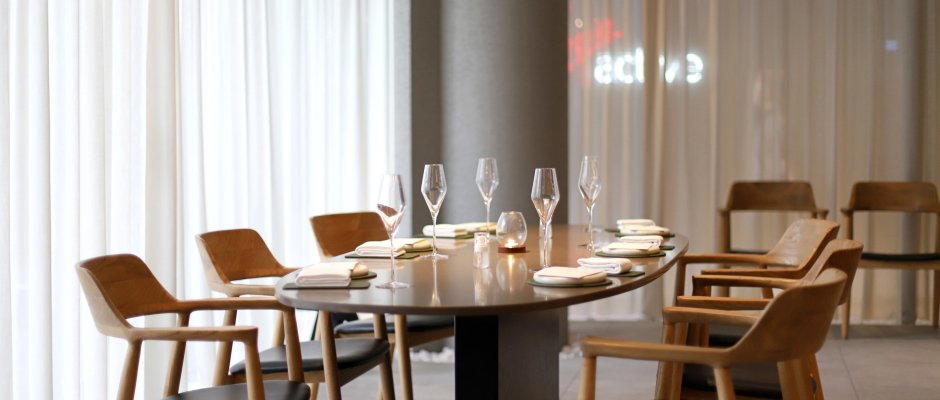
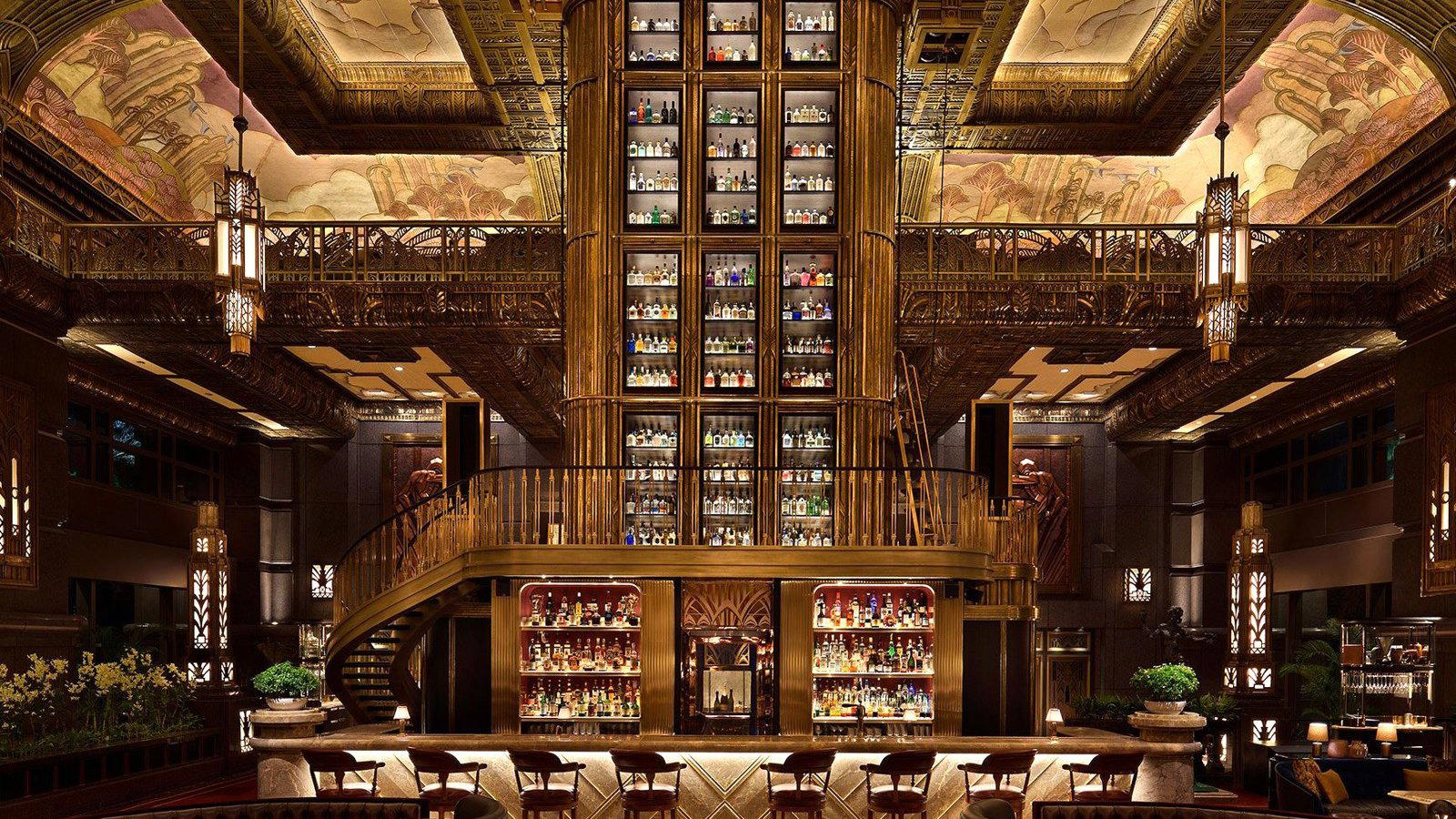
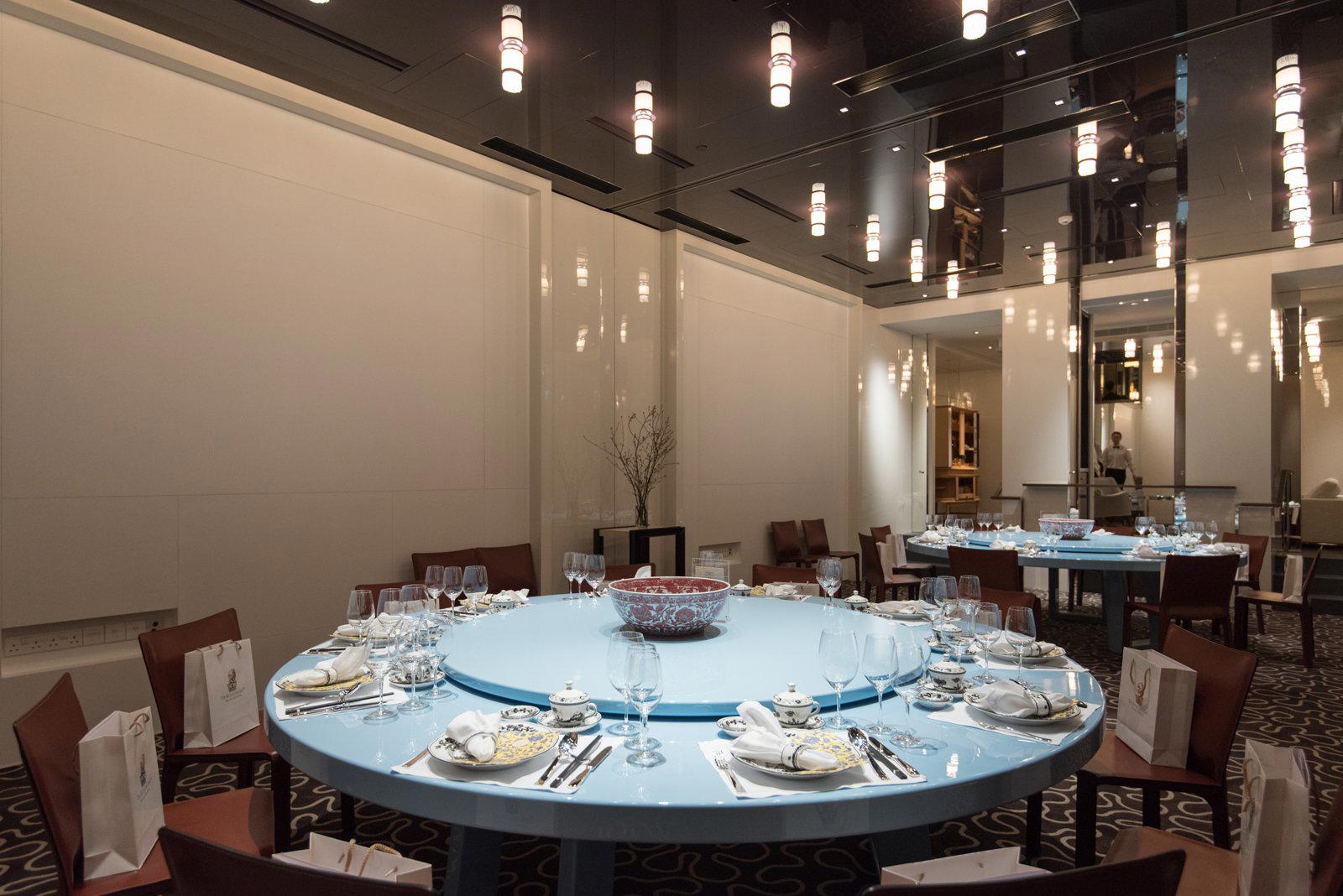
Bars in Singapore
All bars in Singapore →
Details
- Cozy
- Intimate
- Group Dining
- Special Occasion
- Family
- Private Dining
- Corkage Allowed
- A La Carte
Current opening hours
- Monday
- 12–2:30 PM, 6–11 PM
- Tuesday
- 12–2:30 PM, 6–11 PM
- Wednesday
- 12–2:30 PM, 6–11 PM
- Thursday
- 12–2:30 PM, 6–11 PM
- Friday
- 12–2:30 PM, 5:30–11 PM
- Saturday
- 12–2:30 PM, 5:30–11 PM
- Sunday
- 12–2:30 PM, 5:30–11 PM
Hours can change for holidays and private events. Hours as of .
Small, cosy restaurant with good ambience, though some find it cramped; warm and traditional atmosphere.