Tenz Momo Speichergasse
On a quiet stretch of Speichergasse in Bern's medieval old city, Tenz Momo brings Tibetan and Himalayan dumpling culture to a dining scene better known for Swiss-French formality. The momo, that hand-folded steamed staple of high-altitude kitchens from Lhasa to Kathmandu, is the organizing principle here. For Bern, a city with limited representation of Central Asian cuisines, this address fills a genuine gap.
Pearl is the En Primeur Club membership app — saves, bookings, and concierge access live there. Same editors, same standards.
- Address
- Speichergasse 27, 3011 Bern, Switzerland
- Phone
- +41787019933
- Website
- tenz.ch
- Directions
- Get directions
 Saves & bookings on Pearl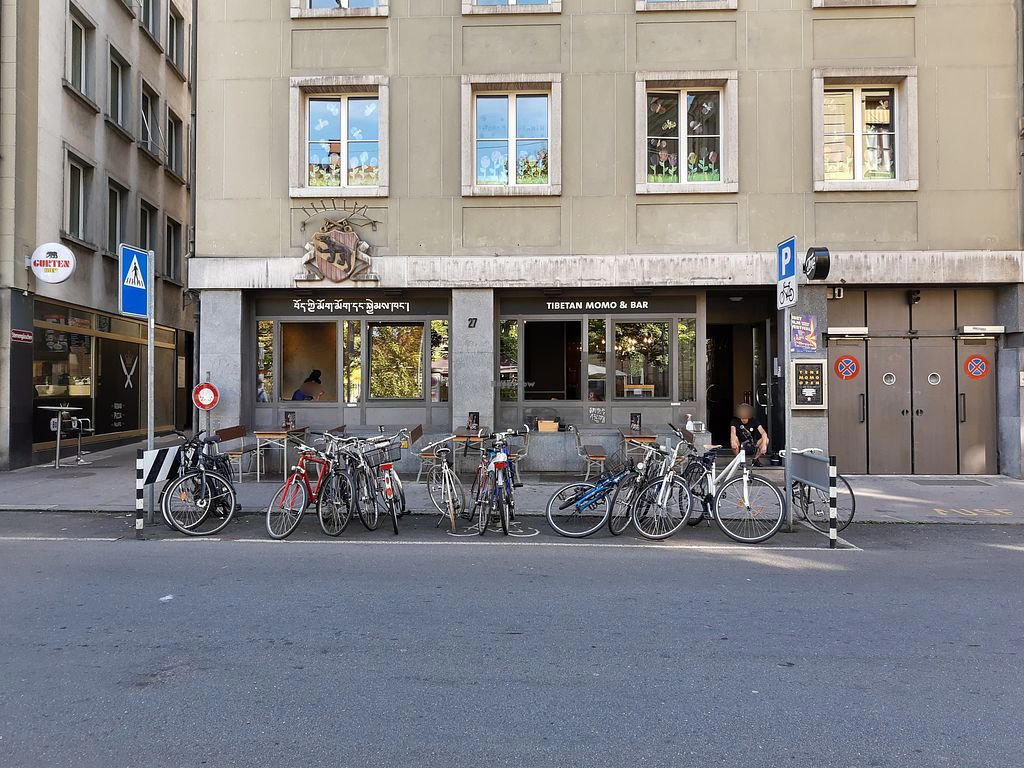
Where Himalayan Dumpling Culture Lands in Bern's Old City
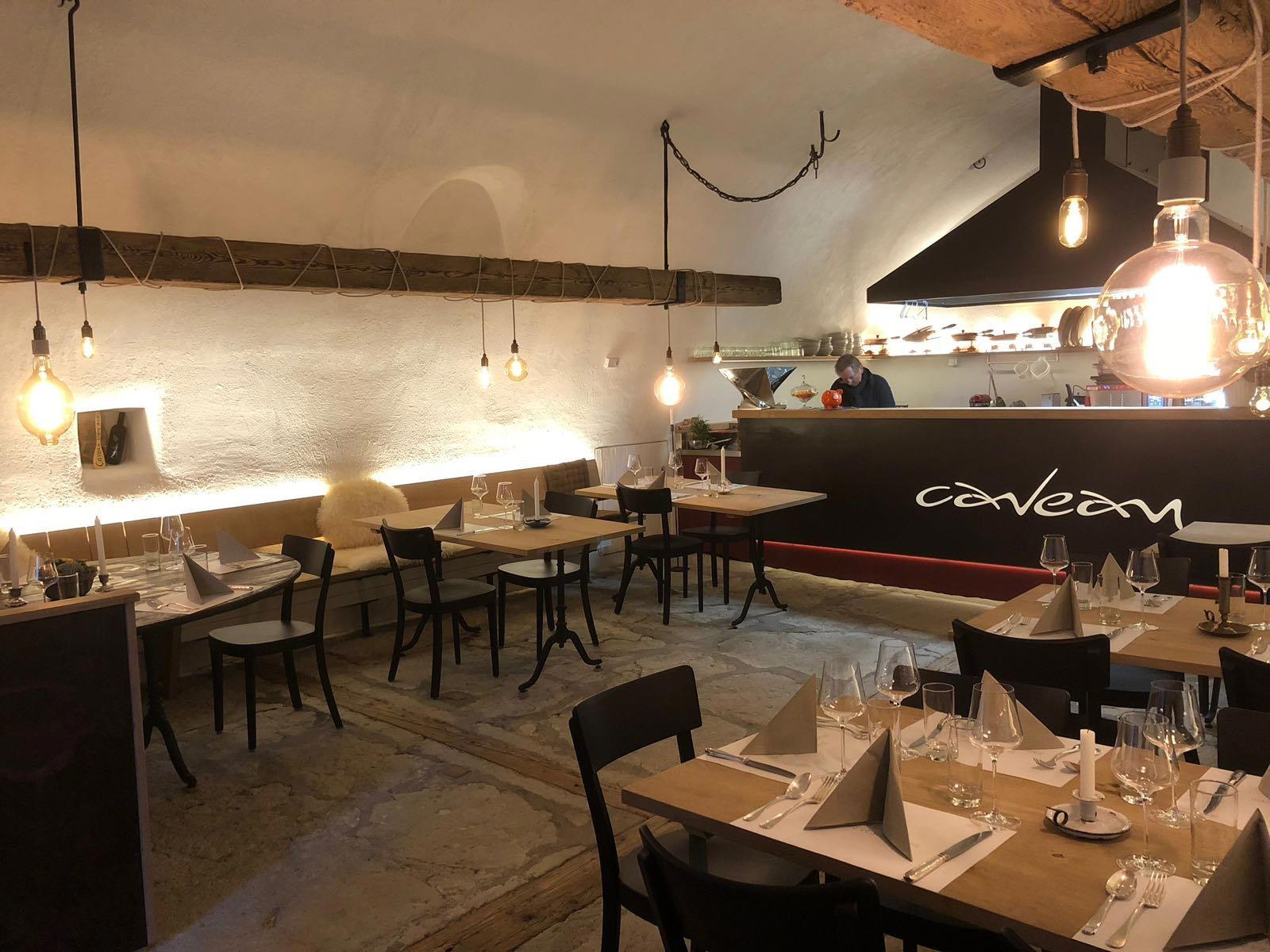
Speichergasse runs through the eastern edge of Bern's UNESCO-listed Altstadt, its sandstone arcades and worn cobblestones unchanged in character for centuries. The street is quieter than the main Kramgasse artery, which means venues here tend to draw regulars and deliberate visitors rather than foot traffic. Number 27, the address of Tenz Momo Speichergasse, sits inside that context: a dining room reached through a medieval building, serving food whose origins are about as far from a Swiss-German kitchen as geography allows.
The momo is, by any measure, one of the great dumplings of the world. Tibetan in origin, adapted across Nepal, Bhutan, and the Indian subterranean of Darjeeling and Sikkim, it is the product of high-altitude necessity: simple dough encasing spiced meat or vegetables, steamed or fried, served with a sharp tomato-chili achar. The technique is not elaborate in the way that Shanghai's xiao long bao or Cantonese har gow demand, but execution determines everything. Filling ratios, fold count, steam timing, and the quality of the dipping sauce are where the gap between a competent and a considered momo emerges. In cities across the Himalayan diaspora, dedicated momo houses have become neighborhood institutions — the kind of place that earns loyalty through consistency over years, not novelty over months.
What the Cuisine Brings to Bern's Dining Scene
Bern's restaurant scene skews toward its own culinary gravity: Swiss-French technique at the formal end, and hearty Bernese cooking — rösti, berner platte, and braised meats, at the traditional end. The city has a small but active international dining tier, with spots like Wein & Sein and Steinhalle representing the creative and modern end of the local market, and ZOE holding ground in plant-focused dining. Tibetan and Himalayan cooking occupies a narrower niche in Swiss cities generally, and Bern is no exception. That sparsity means Tenz Momo operates with limited direct competition for the format it represents.
Switzerland's broader fine dining circuit has concentrated much of its prestige in a handful of addresses: Hotel de Ville Crissier, Schloss Schauenstein in Fürstenau, Cheval Blanc by Peter Knogl in Basel, and Memories in Bad Ragaz among others. That tier competes on classical European technique and Michelin recognition. Tenz Momo operates in an entirely different register, where the credential is authenticity of tradition rather than institutional award, and the price point reflects an informal, community-grounded format rather than a tasting-menu architecture.
Across Swiss cities, comparable cuisines from Himalayan communities have built followings among both diaspora residents and Swiss diners interested in something outside the French-Italian-Japanese axis that dominates premium casual dining. In Zurich, for example, several Tibetan and Nepalese restaurants have held consistent audiences for well over a decade. Bern's version of that story is quieter, which makes addresses like Tenz Momo more significant within the local context than they might appear on a national scale.
The Cultural Logic of the Momo
Understanding why the momo travels well as a format requires understanding what it does structurally. Unlike many regional dishes that depend on hyperlocal ingredients that don't survive export, the momo's core, simple wheat dough, a spiced filling, steam heat, is reproducible anywhere with modest equipment. What defines the dish's character is the spice architecture: ginger, garlic, and warming aromatics in the filling; the fierce, slightly fermented heat of tomato-based achar on the side. Those flavors read clearly to a European palate trained on Italian pasta and French charcuterie, which partly explains the format's crossover appeal.
The steamed momo is the reference point, but fried variants are common across the diaspora. Kothey, half-steamed, half-pan-fried, represents a textural middle ground that has become popular in urban Himalayan restaurants globally. The dish lends itself to communal ordering, which shapes the social dynamic of a meal here: shared plates, multiple rounds, the kind of pacing that resists the formality of a set-course dinner.
For a broader view of how serious kitchens in different parts of the world handle dumpling-adjacent traditions, the precision and reverence those formats can carry, it is worth considering what venues like Atomix in New York City demonstrate about the elevation of heritage food forms within a fine dining frame, or how Le Bernardin sustains a cuisine identity across decades without dilution. The comparison is not direct, but the question of how a specific culinary tradition sustains itself in an adopted city applies equally to a momo house on Speichergasse.
Getting There and Planning a Visit
Speichergasse 27 sits within Bern's Altstadt, walkable from the main train station (Bern Hauptbahnhof) in roughly ten minutes through the arcade-lined streets. The neighborhood is dense with dining options, but the side streets off Kramgasse tend to be less saturated at peak dinner hours, making the area manageable for spontaneous visits outside summer tourist season. Given that no reservation system or booking method is confirmed in available data, arriving with flexibility and without firm time constraints is the pragmatic approach. Autumn and winter evenings, when the Altstadt empties of day-visitors and takes on a quieter character, tend to suit the format of a warming dumpling dinner better than the busy July-August window.
Bern's dining scene rewards those who look beyond the main corridors. For wider coverage of where the city's more considered eating and drinking happens, the full Bern restaurants guide maps the range from casual to formal, including entries like Al Toque and Azzurro – Terra e Mare for those planning a broader evening in the old city. For Swiss dining at the formal end of the spectrum, the country's scattered regional destinations, from 7132 Silver in Vals to focus ATELIER in Vitznau, Colonnade in Lucerne, Da Vittorio in St. Moritz, Einstein Gourmet in Sankt Gallen, and IGNIV Zürich by Andreas Caminada, represent a different tier of commitment and planning entirely.
Continue exploring
More in Bern
Restaurants in Bern
Browse all →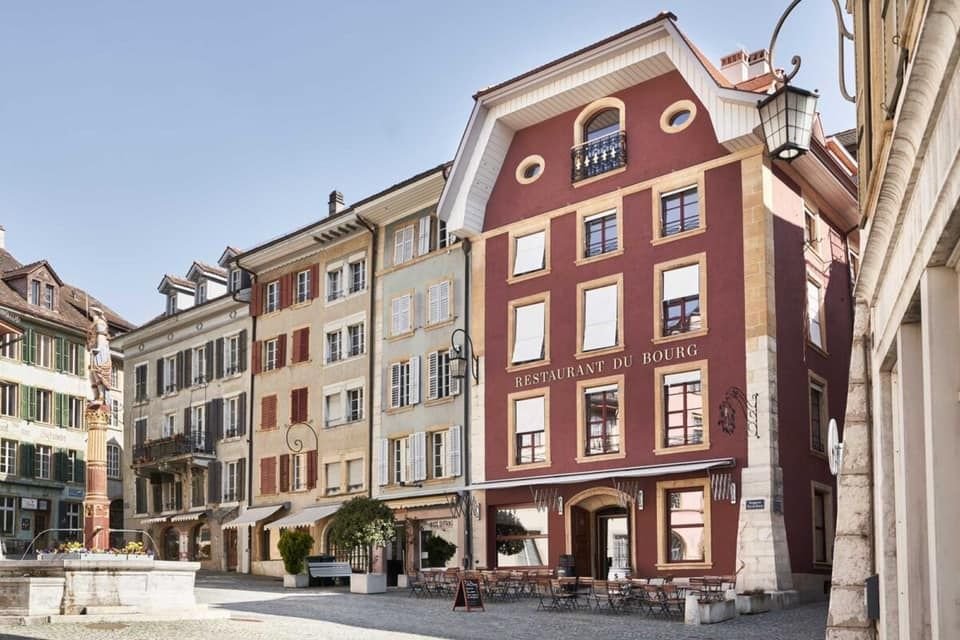
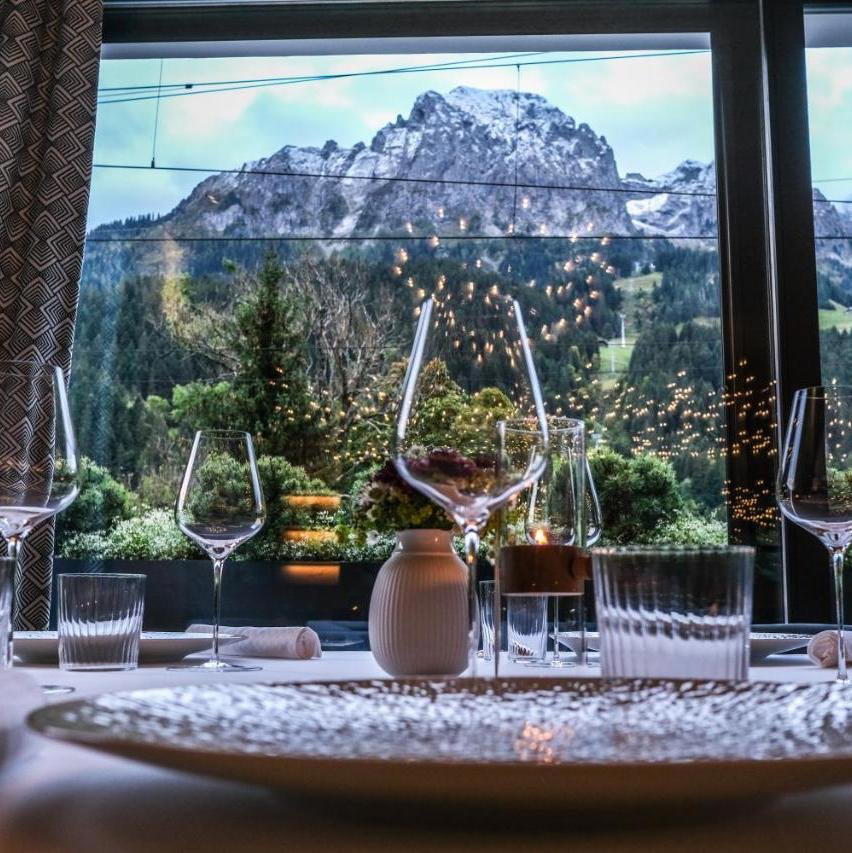
Bars in Bern
Browse all →
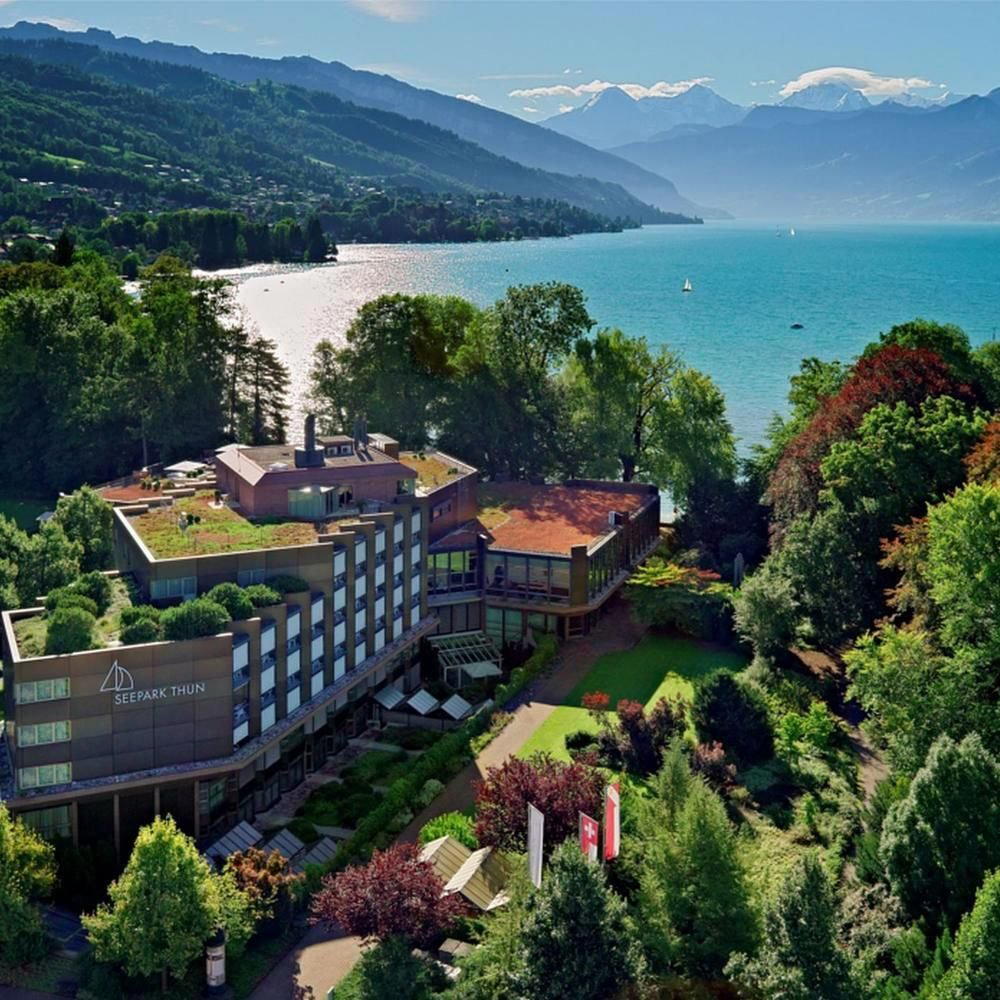
Hotels in Bern
Browse all →

At a Glance
- Lively
- Trendy
- Cozy
- Casual Hangout
- Beer Program
Current opening hours
- Monday
- 11:30 AM–2 PM, 5:30–10 PM
- Tuesday
- 11:30 AM–2 PM, 5:30–10 PM
- Wednesday
- 11:30 AM–2 PM, 5:30–10 PM
- Thursday
- 11:30 AM–2 PM, 5:30–11 PM
- Friday
- 11:30 AM–2 PM, 5:30–11 PM
- Saturday
- 4–11 PM
- Sunday
- Closed
Hours can change for holidays and private events. Last verified .
Casual and energetic atmosphere with hip-hop beats on Switzerland's lively party mile.