
Tenta sits in Osaka’s Sonezakishinchi/Kita-ku dining orbit as a high-price, membership-based Korean, Asian and ethnic restaurant with only 10 seats and two groups per day. Recognition on Tabelog’s Asian cuisine / Ethnic cuisine WEST 100 list in 2022, 2023 and 2024 places it in a narrower category than Osaka’s mainstream luxury counters.
Pearl is the En Primeur Club membership app — saves, bookings, and concierge access live there. Same editors, same standards.
- Address
- 大阪府大阪市北区曽根崎新地
- Website
- ten-holdings-group.com
 Saves & bookings on Pearl
In Sonezakishinchi, the mood changes block by block: office towers thin out, late-night dining rooms hide behind discreet façades, and the city’s expense-account culture becomes more private than theatrical. That setting matters for Tenta because Osaka’s premium dining scene is often read through sushi, kappo and wagyu, while high-priced Korean and broader Asian formats occupy a smaller, harder-to-parse tier. Here, the format is the first clue: 10 seats, two groups per day, private rooms, counter and sofa seating, non-smoking service, and a membership structure that limits access before the menu ever enters the discussion.
The restaurant’s public category is Korean, Asian and Ethnic, with a stated focus on fish and health-conscious cooking, and the drinks structure points toward Japanese and international pairing flexibility: sake, shochu and wine, with sommelier service and BYO noted. That combination says more about contemporary Osaka than a simple cuisine label can. The city’s upper-end Korean dining has moved beyond barbecue shorthand; at this price tier, Korean technique sits beside Japanese hospitality expectations, longer service pacing and cellar-minded drinking.
Osaka's private-room Korean dining has moved into luxury-counter territory
Tenta’s evolution is written less through chef biography than through format. Opened on 2019.7.15, it now operates as a completely membership-based restaurant, and membership has been capped at 2,000. That shift places the experience closer to Osaka’s closed-door kappo and sushi culture than to the city’s more public Korean dining rooms. The address is listed in Sonezakishinchi, but privacy is part of the operating model, which aligns with the neighbourhood’s long role as a business-dining district rather than a casual restaurant crawl.
The Tabelog signal is useful here because it classifies the restaurant inside Asian cuisine / Ethnic cuisine WEST rather than the more heavily covered Japanese fine-dining categories. Selection for Tabelog 100 in 2022, 2023 and 2024 gives the venue a repeat-recognition pattern, and the 2024 listing carries a Tabelog score of 3.68. In Japan, where Tabelog ratings can be conservative at the higher end, that score, combined with repeat list placement, marks a restaurant with committed demand rather than broad walk-in visibility.
The current direction is also unusually capacity-led. A 10-seat room limited to two groups per day produces a different kind of meal from the high-turnover dining that defines much of Osaka. Longer parties are part of the service language, and the presence of private rooms for four or six people makes the room legible for business meals, celebrations and family dining. This is not a counter-only purist format; it is a controlled, hosted setting where privacy and pacing carry as much weight as cuisine type.
The meal sits between Korean identity, wellness language and Osaka hospitality
Osaka rewards restaurants that understand generosity, but at Tenta the more interesting signal is restraint: fish is highlighted, a health and wellness menu is noted, and the drinks list spans sake, shochu and wine rather than locking the meal into a single national frame. That matters because Korean cooking in Japan is often publicly associated with grill smoke, heat and convivial volume. At this level, the category becomes quieter and more formal, with a format designed for longer, prearranged meals.
The family policy also complicates the usual luxury-restaurant assumptions. Children are welcome, including babies, preschoolers and school-age children; strollers are accepted; kids’ menu availability is listed; children’s chopsticks and plates are noted. In a city where many small premium counters effectively exclude families by size, tone or booking culture, this creates a rare overlap: high-spend, low-capacity dining that can accommodate multigenerational meals if access has already been solved.
There are practical limits. The restaurant is reservation-only, access is tied to members, parking is unavailable, and payment includes major credit cards and electronic money, while QR code payments are not accepted. A service fee of JPY 5,000 per person sits alongside the average dinner price band of JPY 30,000 to JPY 39,999. Dress expectations are explicit: no shorts, slippers or hats for adult guests, while children are exempt from that rule. The result is not casual Osaka hospitality with luxury pricing attached; it is a managed room with social rules, high cost and unusually narrow capacity.
Where it fits in an Osaka dining itinerary
For travellers, Tenta belongs in the part of an Osaka itinerary reserved for access-dependent dining, not spontaneous eating. The city’s pleasure is that both modes can coexist: a private, member-led dinner in Kita-ku one night, then bakeries, casual counters, bars and neighbourhood restaurants the next. For wider planning, start with Our full Osaka restaurants guide, then build the rest of the trip through Our full Osaka hotels guide, Our full Osaka bars guide, Our full Osaka wineries guide and Our full Osaka experiences guide.
Osaka’s range is better understood through contrast than hierarchy. Casual and specialist references across the city include.cafe, 52CHO-ME BAKERY, 551 Horai (551蓬莱), 99 Pizza Napoletana Gourmet and a canto (Italian). Broader Japan and overseas planning can also run through -Grilled beef Sukiyaki- KAMAKURA TANUKIAN 鎌倉 たぬき庵 in Kamakura. 鮪と炭火焼き うお炭 秋葉原店 in Tokyo.know in Kumamoto, (Shoku) Vietnam in Kawasaki, [Curry Senmon Ten] Maruyama Kyoju. in Sapporo, [ki:] in Kyoto, Jōdo Saké Bar in Los Angeles and Onigiri Time in Pasadena.
The editorial case for Tenta is not that it represents Osaka as a whole. It represents a narrower development: Korean and Asian fine dining adopting the privacy, pacing and access codes long associated with Japan’s small luxury counters, while retaining enough flexibility for wine, sake, shochu, family meals and private-room business dining. That is a specific slice of the city, and a telling one.
In Context
Comparable venues nearby, for context on price, style, and recognition.
| Venue | Cuisine | Price | Notes |
|---|---|---|---|
| TentaThis venue — the venue you are viewing | Not listed | $$$$ | Not listed |
| Tenpa | Not listed | $$$$ | Kita-ku (Kitashinchi), Korean Royal Cuisine (Members-Only) |
| Rakuraku Udon | Katano, Handmade Udon | $$ | Not listed |
| KOBEキッチン MUGUNI | Not listed | $$ | Amerikamura, Modern Omurice with Kobe Beef |
| Ult Coffee Roasters | Kyomachibori, Specialty Coffee Roasters | $$ | Not listed |
| Chitose (千とせ) | Minami Horie, Osaka-style Okonomiyaki | $$ | Not listed |
Recognition history
Dated appearances from independent guides and award organizations, with the underlying list record or original source where available.
Tabelog 100 #92 · No. 92
Tabelog · Tabelog 100 - Asian cuisine / Ethnic cuisine - WEST - 2024
Continue exploring
More in Osaka
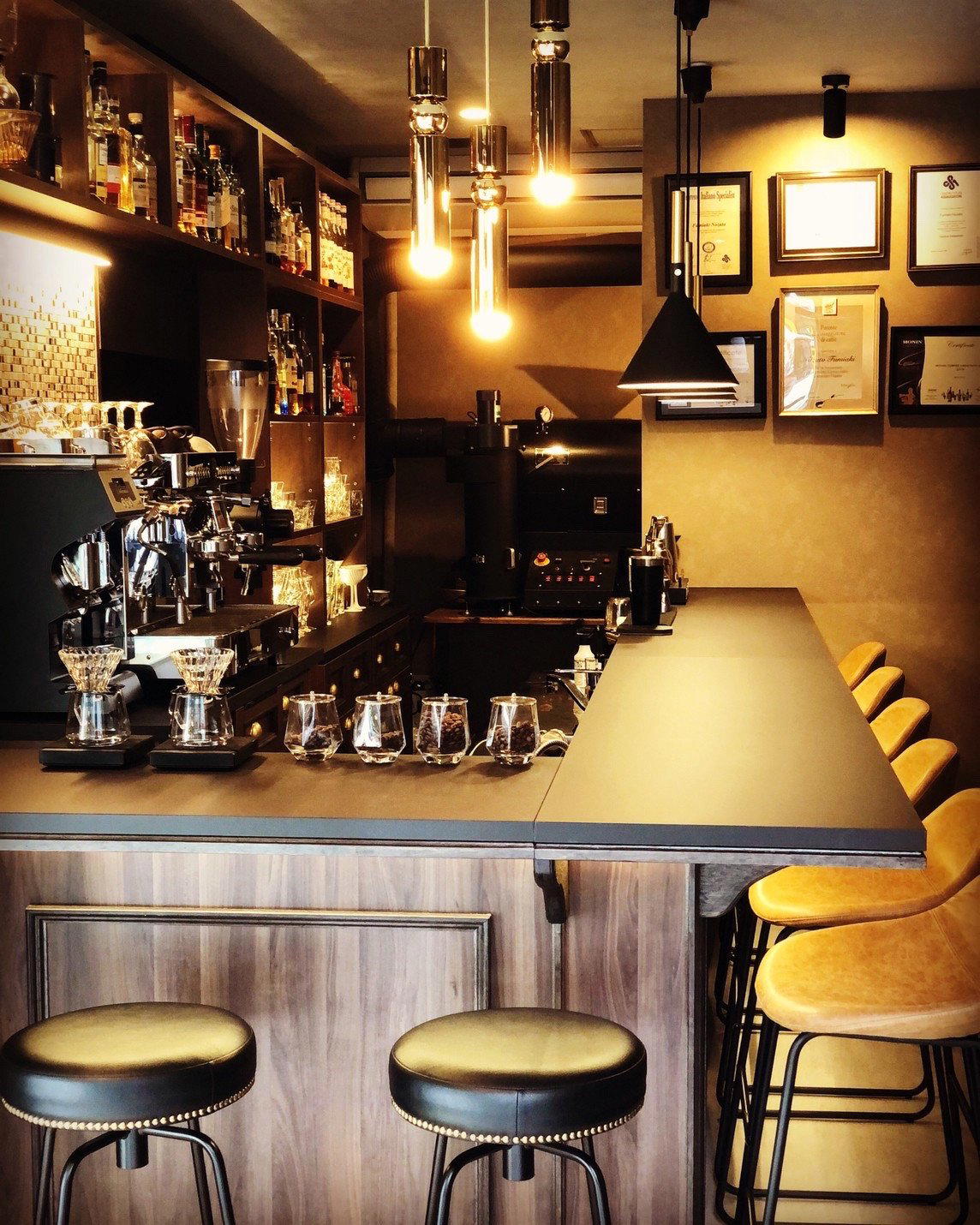
Restaurants in Osaka
Browse all →




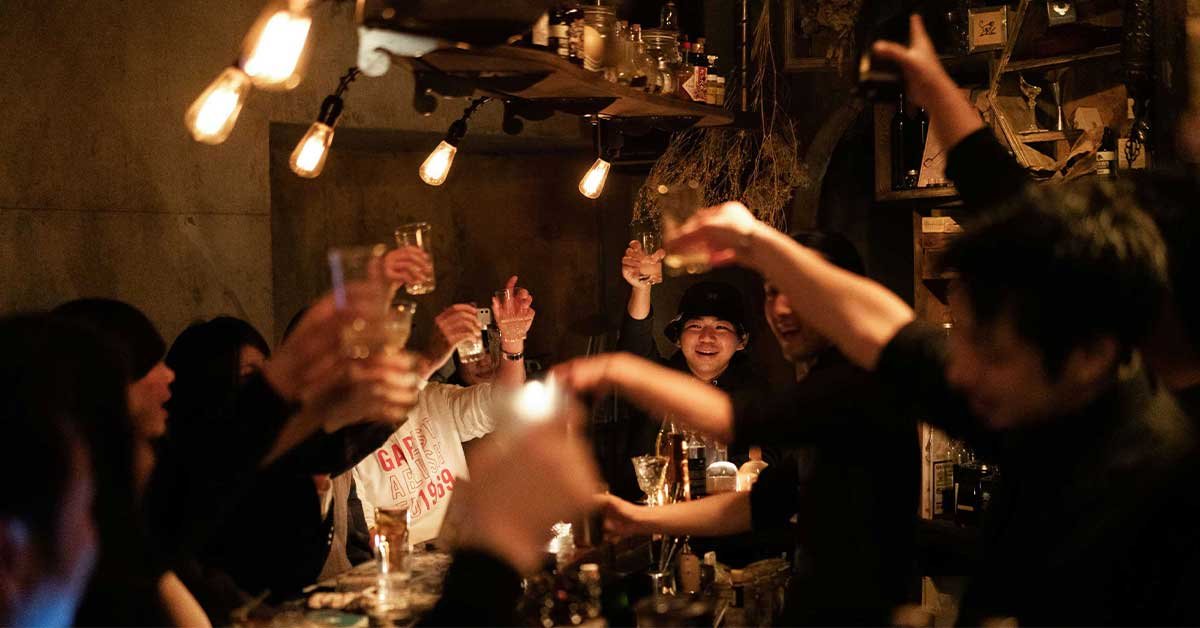
Bars in Osaka
Browse all →


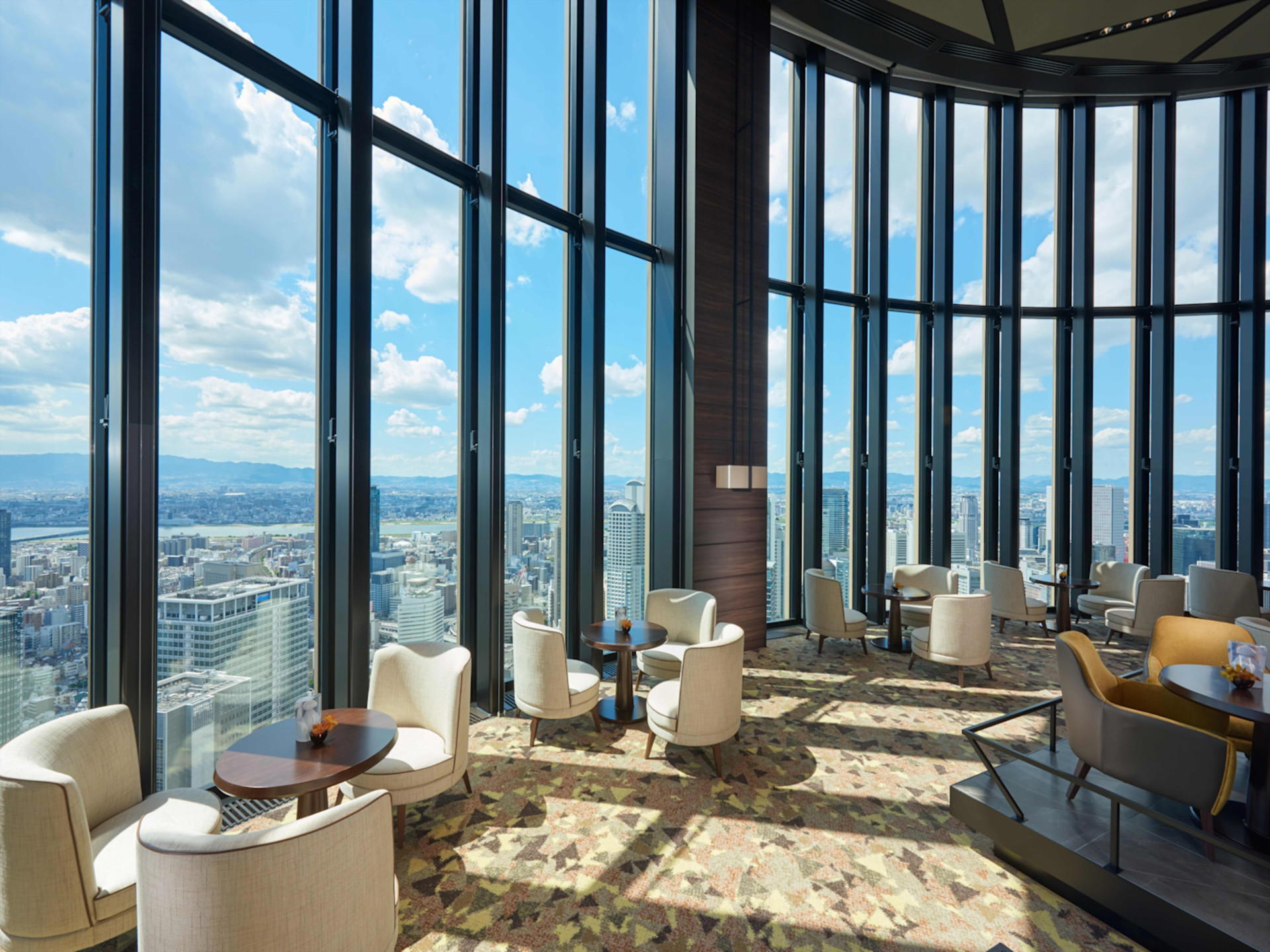
Hotels in Osaka
Browse all →



Wineries in Osaka
Browse all →
At a Glance
- Elegant
- Intimate
- Sophisticated
- Modern
- Date Night
- Business Dinner
- Group Dining
- Special Occasion
- Private Event
- Private Dining
- Standalone
- Design Destination
A discreet, high-end members club atmosphere in Osaka’s nightlife district, with a calm, private dining room feel tailored to just two groups per evening and service paced entirely around members’ requests.