Teal by Sally Abé
National Restaurant Awards Top 100 #95
Our verdict
Teal occupies a position within London's ambitious modern dining tier, where the city's appetite for reinvention keeps even established addresses in a constant state of recalibration. Positioned alongside peers like CORE by Clare Smyth and The Ledbury, Teal represents the kind of address London's serious dining scene produces when creative ambition meets sustained editorial attention.

Pearl is the En Primeur Club membership app, where members save venues, book tables and use the concierge.
The menu
What to order
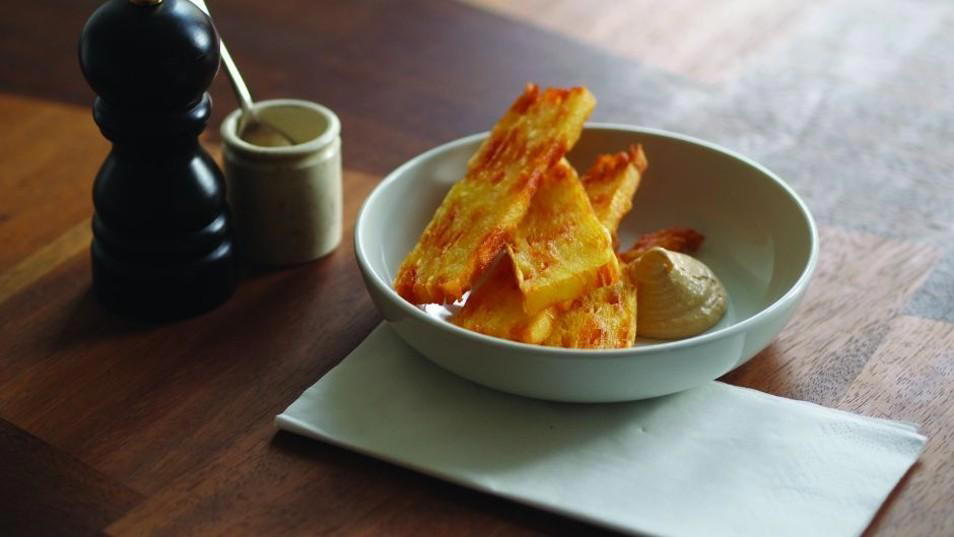
- Dorset crab royale
- Penny lick ice cream
- Cornish mussels with Jersey Royals
- Haunch of deer with pickled walnuts and cavolo nero
- Bone marrow with snails
London's Shifting Fine Dining Tier and Where Teal Sits Within It
London's upper dining bracket has never been static. Over the past decade, the city's most-watched restaurants have cycled through phases of classical French reverence, then molecular experimentation, then a hard pivot toward British produce and modernist restraint. That arc has produced a tier of addresses that compete less on tradition and more on creative direction, critical momentum, and the ability to reinvent without losing the room. Teal belongs to that conversation.
Sketch, The Lecture Room and Library operates at the same price tier with Modern French architecture, while Dinner by Heston Blumenthal and Restaurant Gordon Ramsay represent the longer-established institutional end of the London fine dining spectrum.
The Evolution Question: How London Restaurants Earn Their Place
In a city where critical attention moves fast and dining rooms that coast on reputation tend to lose their footing within a few seasons, sustained relevance requires visible evolution. The restaurants that hold their position in London's upper tier are almost never the ones standing still. They are the ones that change menus with enough frequency to keep critics returning, rethink their format when the room demands it, and absorb external pressure (from economic shifts, from changing diner expectations, from new openings) without losing their editorial identity.
This dynamic shapes how serious London diners read a restaurant like Teal. The name itself suggests a deliberate aesthetic positioning: specific, tonal, suggesting precision and restraint rather than spectacle. In a city where the headline-grabbing new opening competes with the quietly excellent long-runner, a restaurant that reads as considered from its branding outward tends to attract a particular kind of diner: one with a prior framework, not one looking for their first tasting menu experience.
For comparative context on what sustained editorial presence looks like outside London, the UK's wider fine dining circuit offers useful reference points. L'Enclume in Cartmel has built its reputation over two decades through a hyper-local produce philosophy that has only intensified over time. Waterside Inn in Bray represents the classical French continuity end of the spectrum, holding three Michelin stars across multiple decades. Moor Hall in Aughton is a more recent addition to the top tier, earning recognition quickly through a combination of estate-scale produce sourcing and technical precision. Each of these addresses has taken a distinct path to maintaining relevance, and each reflects something about how the broader UK fine dining scene has evolved.
What the London Fine Dining Room Asks of Its Guests in 2024
Dining at the upper end of London's restaurant tier now involves a set of expectations that have shifted considerably from even five years ago. The model mirrors what Le Bernardin in New York City represents at the transatlantic level: a room where the kitchen's rhythm, not the diner's preference for spontaneity, sets the pace.
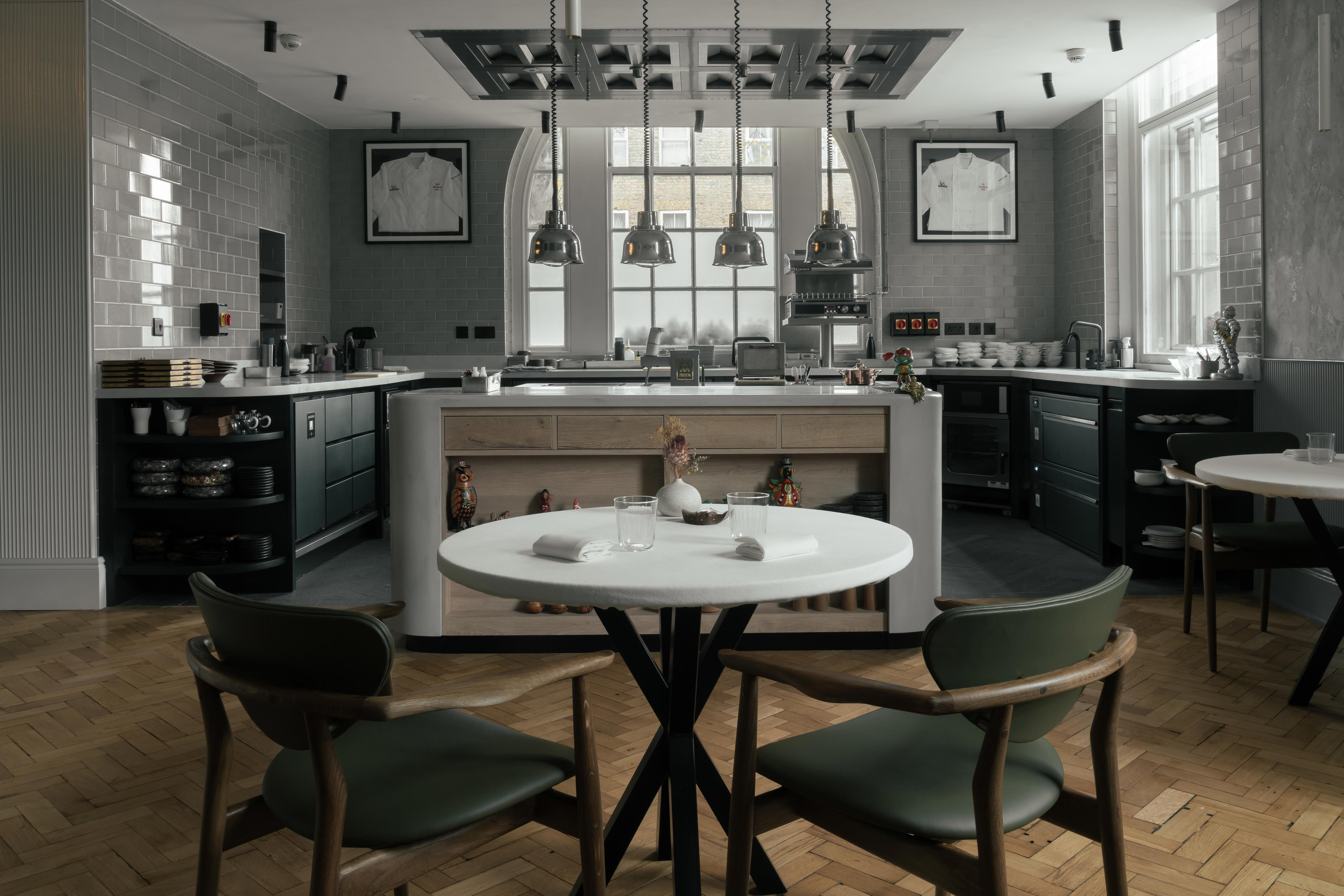
The rise of chef's counter formats, visible in venues like Atomix in New York City and increasingly adopted in London, has also changed diner expectations around transparency and kitchen interaction. Whether Teal participates in that format shift or maintains a more conventional dining room structure is part of what places it within a specific sub-tier of the London scene. Rooms that retain a classical separation between kitchen and dining room tend to signal a certain formality, while counter-focused formats signal technical theatre and intimacy.
Beyond London, the regional UK circuit continues to produce addresses worth benchmarking against. Gidleigh Park in Chagford and Le Manoir aux Quat'Saisons in Oxford hold the hotel-dining end of the spectrum, where the overnight stay and grounds form part of the total offering. Midsummer House in Cambridge, Opheem in Birmingham, and Restaurant Andrew Fairlie in Auchterarder each represent different regional interpretations of what serious dining looks like outside the capital. hide and fox in Saltwood and Hand and Flowers in Marlow operate in a slightly different register, where the pub-rooted format and accessible price points distinguish them from the full tasting-menu tier.
Reading Teal Against the Scene
The name Teal, the London address, and the positioning within the city's upper dining conversation are enough to locate this restaurant within a specific critical and commercial framework. London's fine dining tier is large enough to contain multiples of any given format, which means that what distinguishes one address from another tends to be granular: the sourcing philosophy, the pace of menu evolution, the degree to which the room has built a following among the city's most engaged diners rather than merely its most expense-account-driven ones.
The restaurants that hold position in this tier over multiple years do so because they keep giving critics and returning diners a reason to recalibrate their view. A restaurant that looks exactly the same at year five as it did at year one tends to slide in the critical hierarchy, even if the cooking remains technically sound. The evolution question, in other words, is not just about reinvention for its own sake. It is about demonstrating that the kitchen and the room are still in conversation with where the broader scene is heading.
For a fuller map of how London's serious dining addresses sit relative to each other, EP Club's full London restaurants guide covers the city's key rooms across price points and cuisines.
Know Before You Go
- Location: London, United Kingdom
- Booking: Advance reservation recommended given the peer-set norms of London's upper dining tier; specific booking method not confirmed in
- Dress code: Not formally specified; smart dress is standard practice across comparable London fine dining rooms
- Price range: Not confirmed; peer context (CORE, The Ledbury, Sketch) suggests ££££ tier
- Awards: Current award status
Frequently asked questions
Is Teal suitable for children?
Teal operates within London's upper fine dining bracket, where multi-course tasting formats and considered pacing are the norm. That context tends to suit adults and older teenagers comfortable with longer meals. Younger children are rarely the intended audience at restaurants positioned at this tier of London dining.
How would you describe the vibe at Teal?
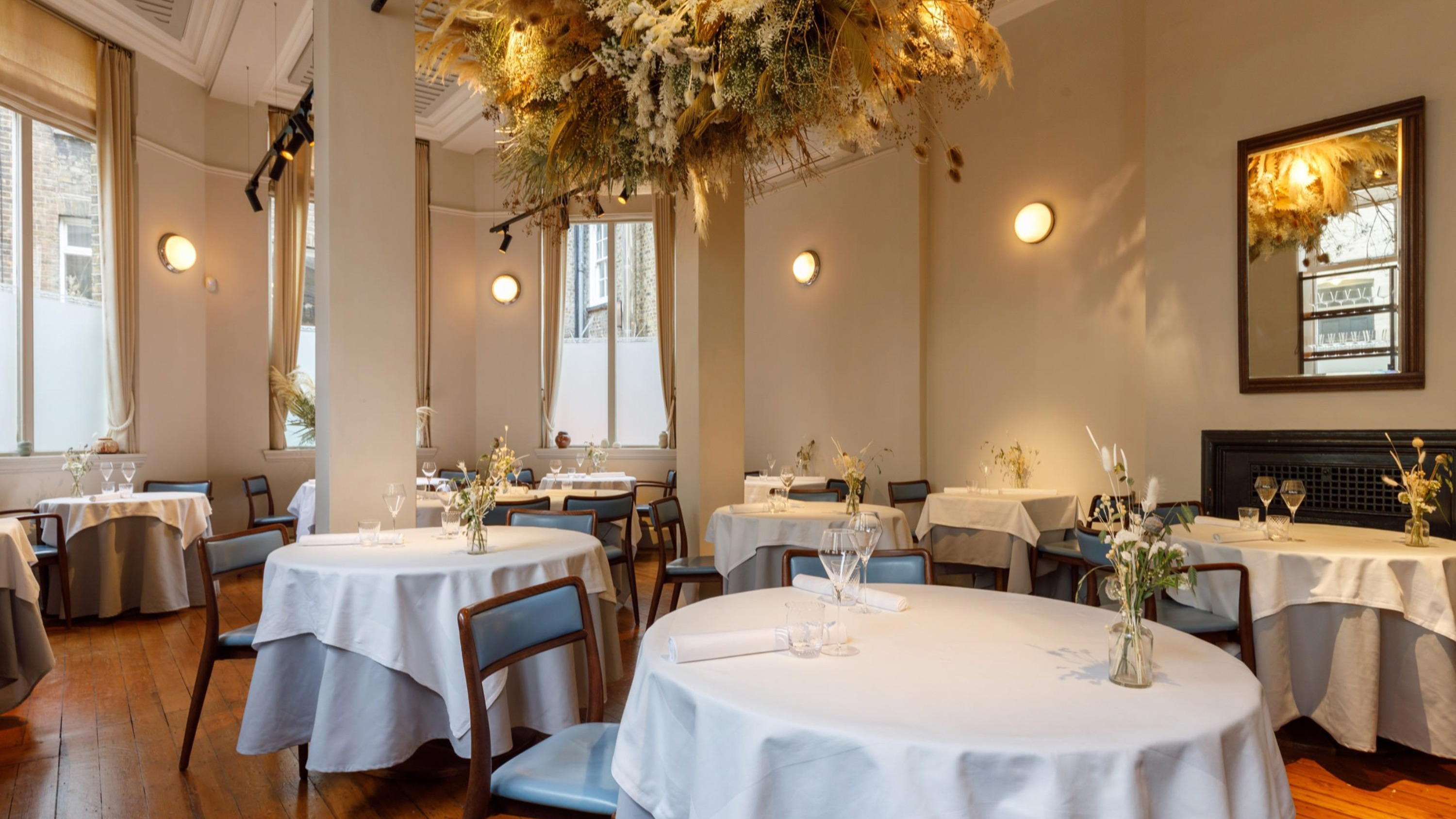
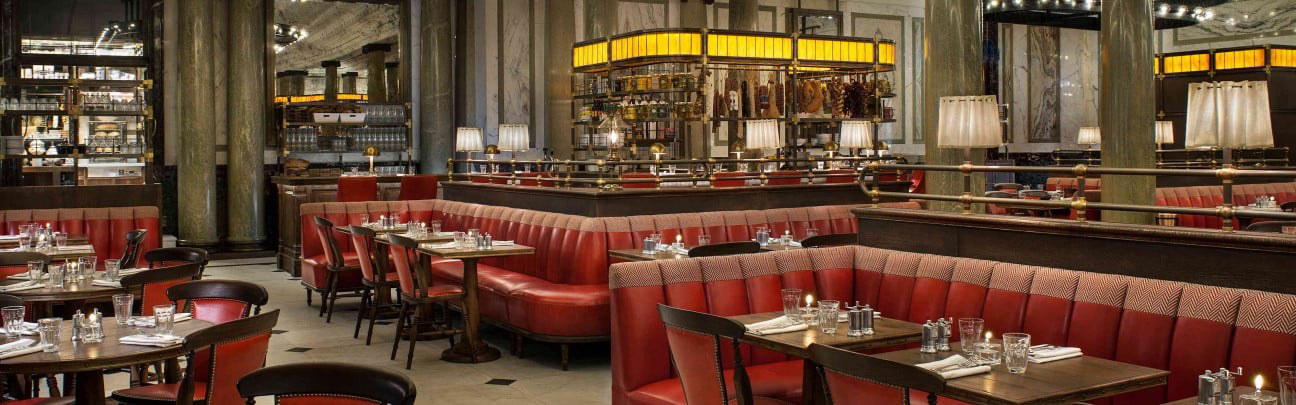
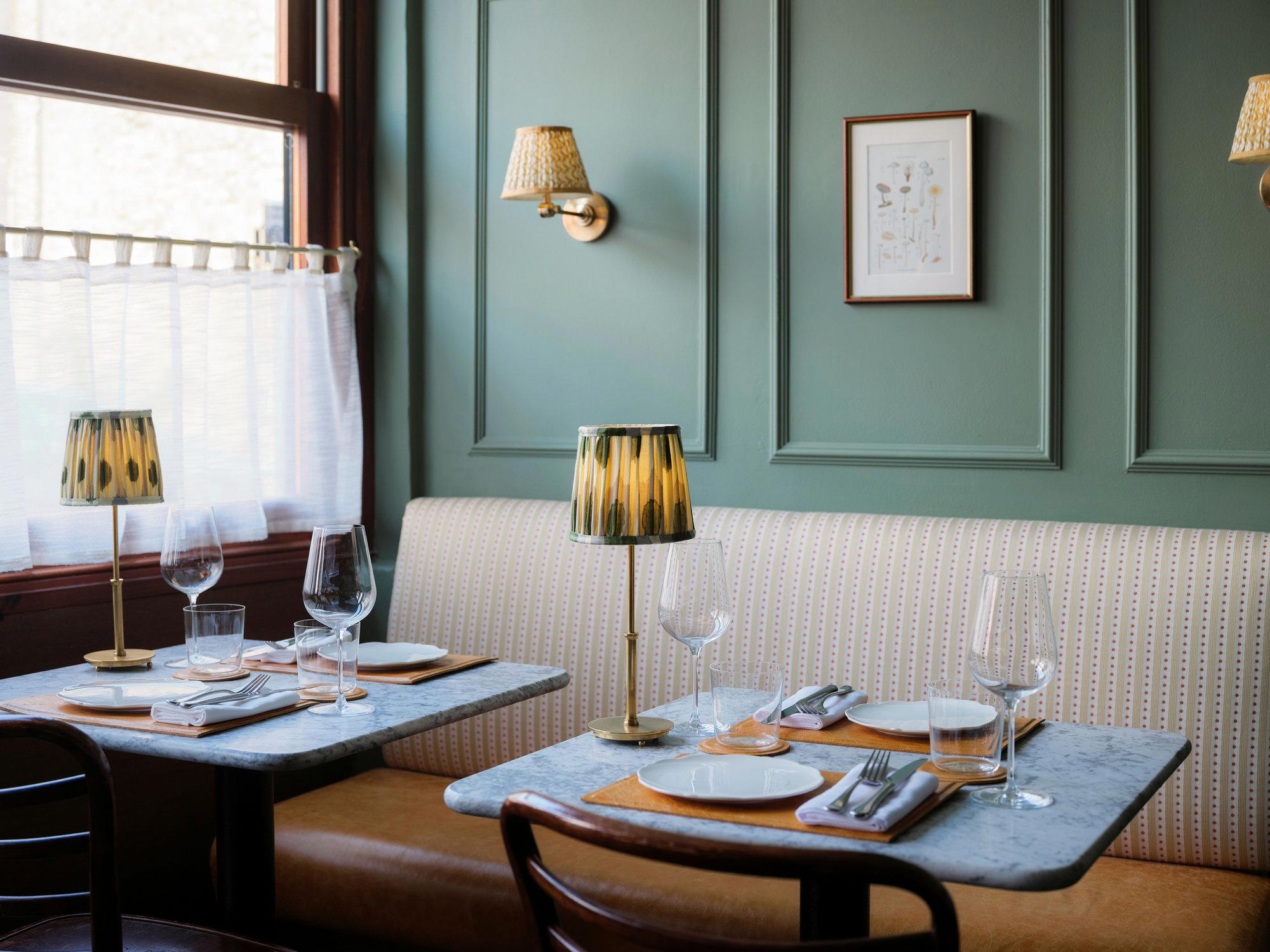
Teal sits in the part of London's dining scene where restraint tends to read as confidence. Expect a room calibrated for conversation rather than spectacle, with service that moves at the pace of the meal rather than around it. The positioning is serious without being stiff.
How does Teal fit into London's fine dining scene compared to other restaurants at the same tier?
London's upper dining bracket in 2024 is competitive in a specific way: restaurants that hold their position tend to do so through a clear point of view rather than accumulated accolades alone. Teal's London address places it in direct conversation with the city's most-watched rooms.
What should I order at Teal?
At restaurants operating at this level in London, the kitchen typically sets the direction through a tasting format, leaving little to individual selection. check the venue's official channels for current menu information before visiting.
Can I walk in to Teal?
Walk-in availability at London restaurants operating in the upper fine dining tier is limited by design. Advance booking is the standard expectation at this level. Checking directly with Teal on current availability is the most reliable approach.
What do critics highlight about Teal?
The restaurant's positioning within London's upper dining conversation suggests it has earned attention, but specific critical verdicts should be sought from named publications before factoring them into a booking decision.
The Quick Read
| Venue | Cuisine | Price | Awards | Notes |
|---|---|---|---|---|
| Teal | Contemporary British Bistro | $50–100 | Not listed | Not listed |
| CORE by Clare Smyth | Modern British Fine Dining | $150–200 | 3 Michelin Stars · World's 50 Best #97 | Modern British |
| Restaurant Gordon Ramsay | French Fine Dining | $200–300 | 3 Michelin Stars · World's 50 Best #13 | Contemporary European, French |
| Sketch, The Lecture Room and Library | Modern French Fine Dining | $200–300 | 3 Michelin Stars · World's 50 Best #18 | Modern French |
| The Ledbury | Modern British Fine Dining | $300–500 | 3 Michelin Stars · World's 50 Best #42 | Modern European, Modern Cuisine |
| Dinner by Heston Blumenthal | Historic British Fine Dining | $200–300 | 2 Michelin Stars · World's 50 Best #45 | Modern British, Traditional British |
Recognition history
Dated appearances from independent guides and award organizations, with the underlying list record or original source where available.
National Restaurant Awards Top 100 #95 · No. 95
National Restaurant Awards · 2026 National Restaurant Awards Top 100