Te Motu Vineyard
Our verdict
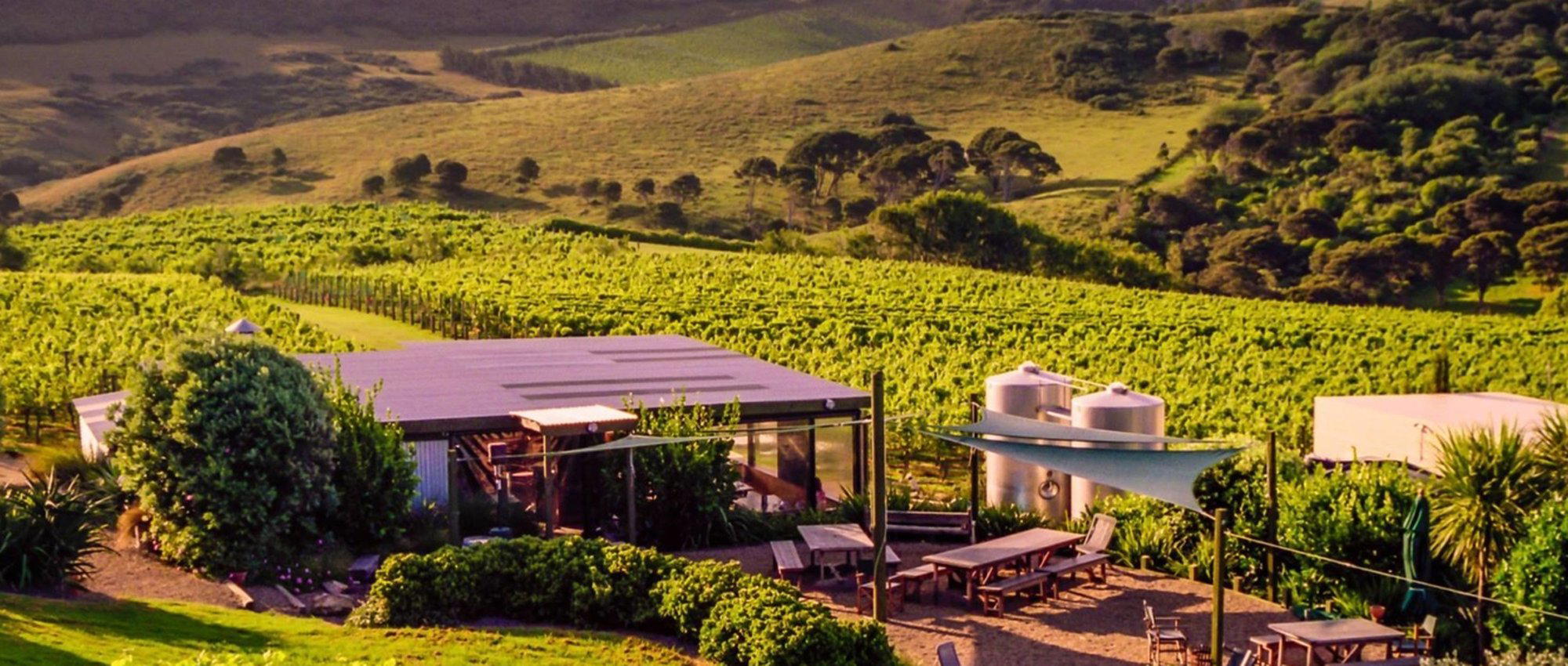
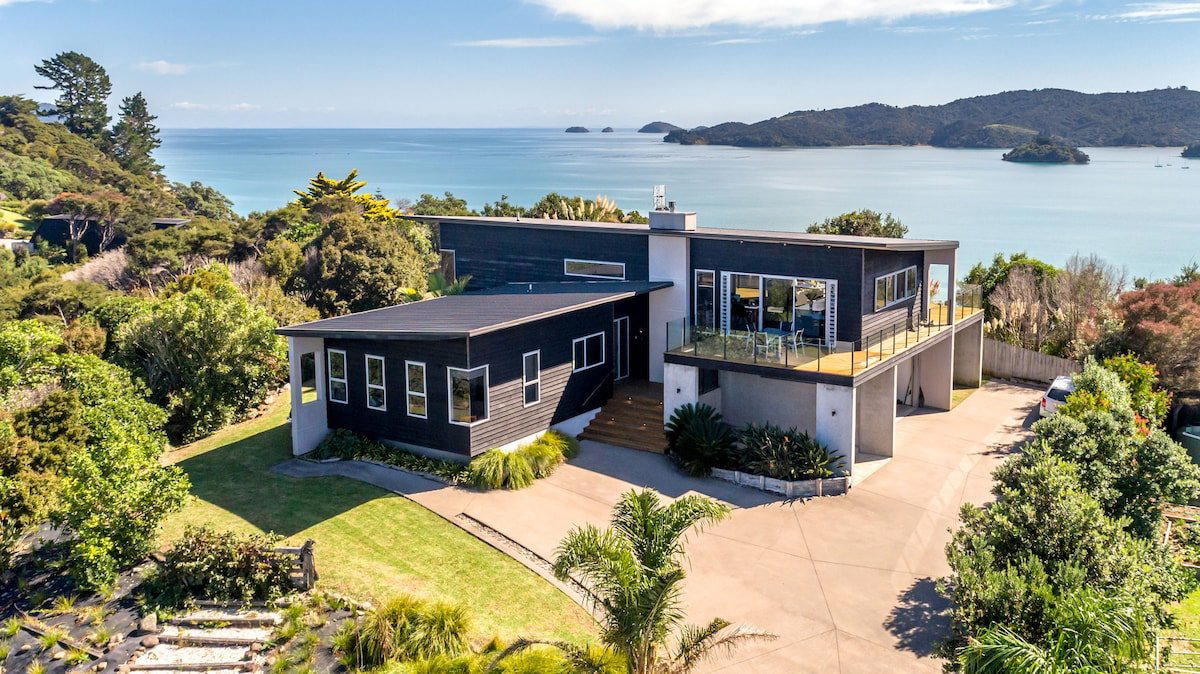
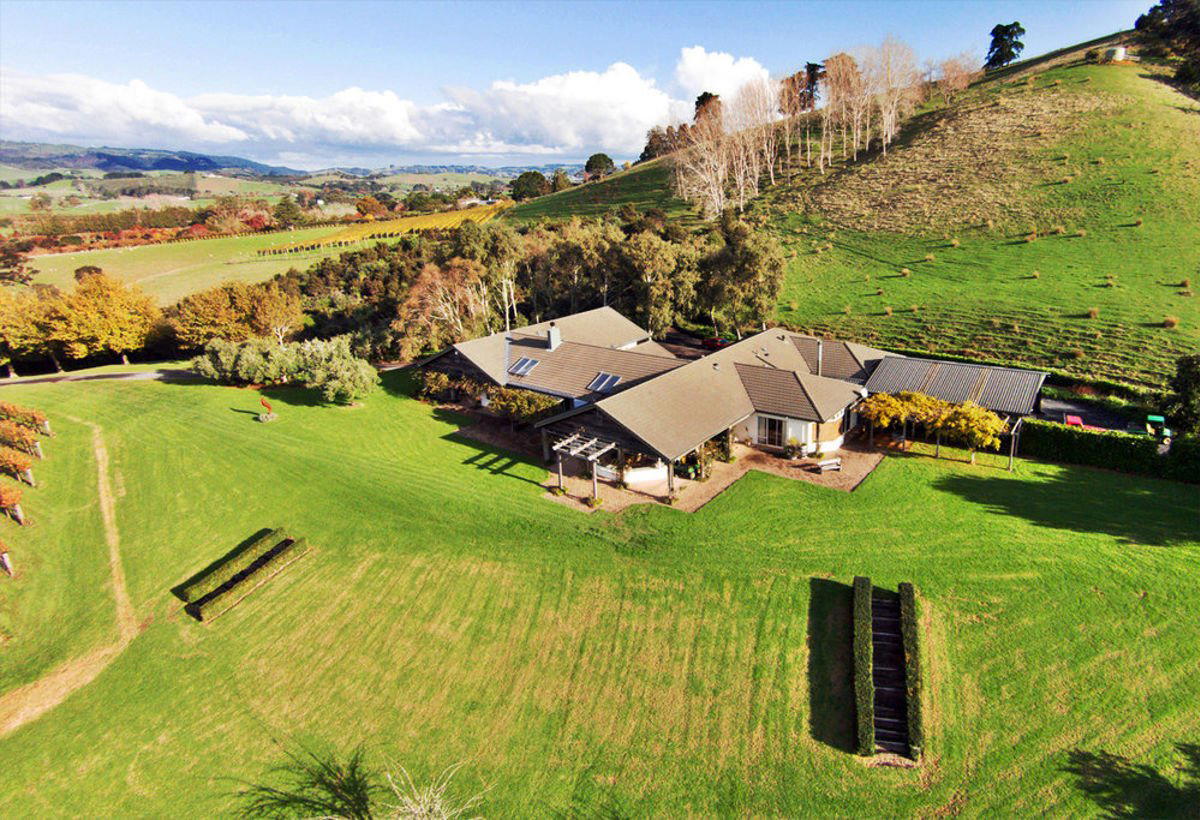
Te Motu Vineyard sits on Onetangi Road in the heart of Waiheke Island's wine country, where the island's volcanic clay soils and maritime breezes shape what ends up in the glass. One of Waiheke's longer-established addresses, it occupies the kind of working vineyard setting that reminds visitors why the island built its reputation on place-specific wine rather than volume production. Plan visits around ferry schedules from Auckland's Pier 2.

Pearl is the En Primeur Club membership app — saves, bookings, and concierge access live there. Same editors, same standards.
- Address
- 76 Onetangi Road, Onetangi, Waiheke Island 1971, New Zealand
- Phone
- +64 9 372 6884
- Hours
- Daily 12–5 PM
- Website
- temotu.co.nz
- Directions
- Get directions
The menu
What to order
- Slow-cooked lamb shoulder
- Fresh-from-the-oven focaccia with confit garlic brown butter
- House-cured pancetta with raw kawakawa fish
- Charred cabbage with garlic-infused honey and saffron
- Roast potatoes
Vines, Soil, and the Case for Staying on Waiheke
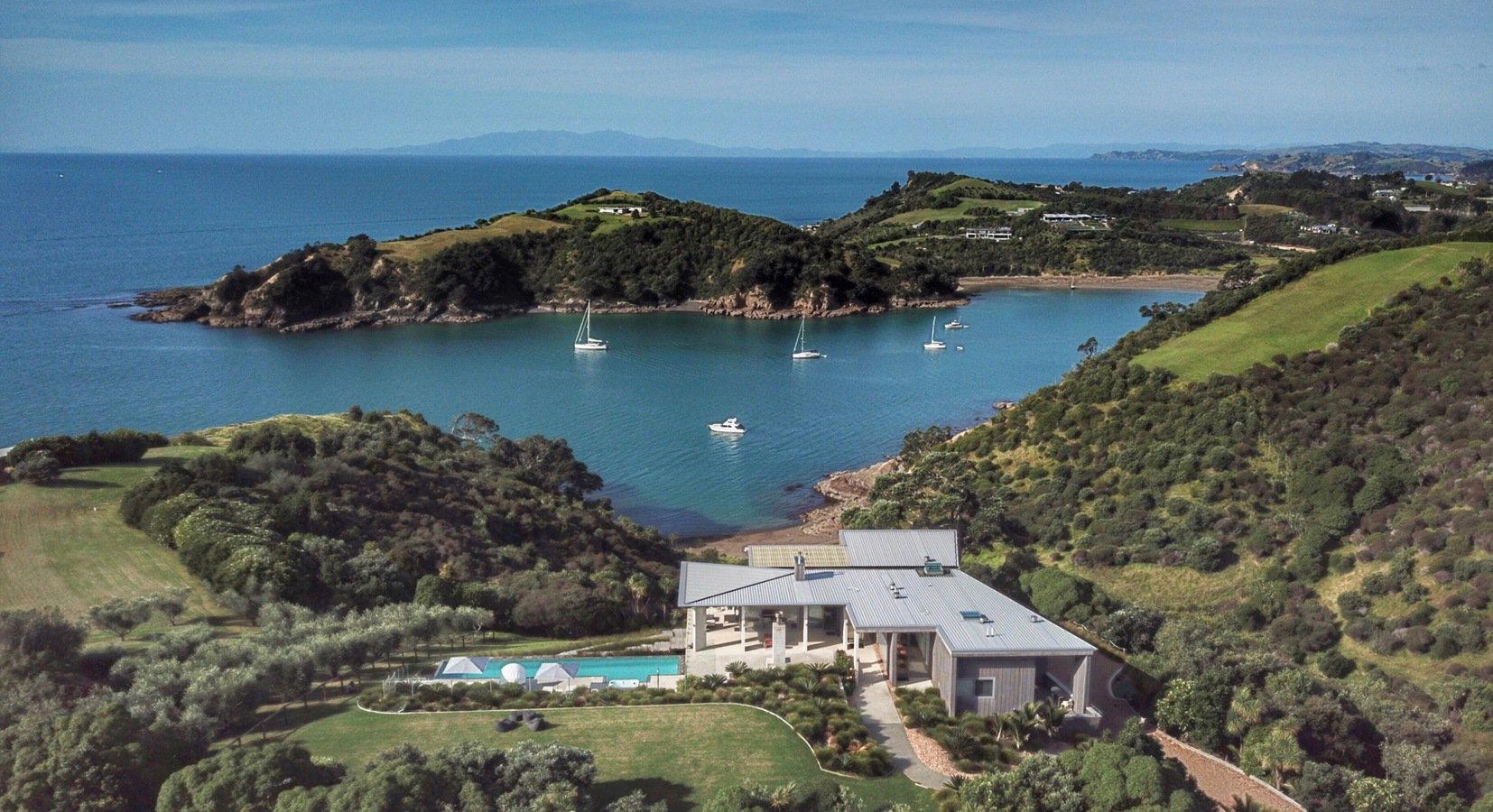
The ferry crossing from Auckland takes around 35 minutes, and by the time Waiheke's ridgeline comes into view, the logic of the island's wine reputation starts to make sense. This is not a region that succeeded because of scale. Waiheke has roughly 30 vineyards spread across a landmass you can cross in under an hour, and Te Motu Vineyard on Onetangi Road sits within that concentrated geography, where the distance between vine and table is short enough to matter. At this end of the island, volcanic clay soils, afternoon sea breezes, and relatively low rainfall add up to growing conditions that have made Waiheke a reference point for Bordeaux-style red blends in the southern hemisphere.
Waiheke's wine identity was never inevitable. The island's premium positioning took decades to establish, built on the argument that site-specific production — small yields, hand-harvested fruit, wines made to reflect their exact patch of ground — justifies both the price premium and the pilgrimage. Te Motu, located at 76 Onetangi Road in the Onetangi valley, is part of that founding argument. The address puts it in the island's interior, away from the ferry terminal crowds at Matiatia, on a road that runs through some of Waiheke's most productive vine country.
What Onetangi Produces and Why Provenance Defines the Experience
The editorial angle most relevant to understanding Waiheke's dining and wine scene is ingredient provenance, where the raw material comes from and how directly it connects to the place you're sitting. New Zealand's wine regions have increasingly made this argument against purely technical benchmarks: the question isn't just whether a wine scores well in Auckland or London, but whether it could only have come from this specific soil, this specific microclimate. Onetangi's growing conditions, with their relatively deep clay loam and the cooling effect of the Hauraki Gulf, produce fruit with a particular structure that differs from Waiheke's northern coastal slopes.
That specificity is what separates Waiheke's vineyard experiences from a conventional cellar door visit. When sourcing is the story, the experience works differently: the wine in the glass carries legible information about the ground beneath the vines you can see from wherever you're seated. This is why Waiheke's vineyard restaurants and tasting rooms have developed into genuine destination stops rather than secondary attractions to the beaches. For visitors working through the island's wine addresses, Te Motu sits alongside comparably positioned producers including Stonyridge, Passage Rock Wines, and Poderi Crisci, each operating from different soil types and aspects across the island.
The Wider New Zealand Wine-Dining Context
Waiheke's model of integrated vineyard and hospitality has parallels elsewhere in New Zealand. Amisfield in Queenstown and Amisfield Restaurant and Cellar Door in Lake Hayes operate on a similar principle in Central Otago, where the proximity of kitchen to vineyard shapes the menu logic. Elephant Hill in Napier and Elephant Hill in Haumoana apply the same approach in Hawke's Bay, where estate-grown fruit drives both the wine program and the kitchen's sourcing decisions. What these properties share is a resistance to treating wine and food as separate departments. The ingredients arrive from the surrounding land, and the wine program reflects the same geography.
On the wider Auckland dining circuit, the conversation about provenance plays out differently in urban settings. Ahi in Auckland has made indigenous ingredients and New Zealand sourcing a central editorial point, while Cassia in Auckland Central and Azabu Ponsonby in Grey Lynn work within different culinary traditions. None of them can replicate what a working vineyard offers: the immediate, visible connection between growing site and glass. That is the specific case Waiheke makes, and why the 35-minute ferry ride remains a reasonable proposition for visitors based in the city.
Further afield, the vineyard-restaurant format has global reference points. Le Bernardin in New York City and Lazy Bear in San Francisco represent the urban fine-dining end of the sourcing conversation, where provenance claims are made through supply chain rather than geography. The Waiheke model inverts that: the geography is the supply chain.
Planning a Visit to Te Motu
Reaching Te Motu requires a ferry from Auckland's downtown ferry terminal at Pier 2, with Fullers360 running regular sailings to Matiatia Wharf on Waiheke. Journey time sits at approximately 35 minutes under normal conditions. From Matiatia, Onetangi Road is a drive inland rather than a walkable distance, so hiring a vehicle on the island or booking a taxi is the standard approach. The island's geography rewards a full-day visit: Waiheke's vineyard addresses are spread across enough distance that a single winery stop rarely captures the range of what the island produces. Visitors planning a circuit should consult our full Waiheke Island restaurants guide for context on how the island's dining and wine scene is currently structured.
Waiheke's vineyard venues vary considerably in their walk-in policies, and some operate restricted hours outside the summer peak between December and March.
For visitors building a broader New Zealand wine-dining itinerary, Charley Noble in Wellington, Bistronomy and Vinotech in Napier South, Wharekauhau Country Estate in Featherston, Chameleon Restaurant in Wellington Central, and Blue Elephant Thai Restaurant Parnell in Parnell represent additional reference points across the country's main dining cities.
Frequently asked questions
Is Te Motu Vineyard suitable for children?
Te Motu sits on a working vineyard estate at 76 Onetangi Road, and the rural setting gives families open outdoor space. That said, the core offering is a wine-focused experience, so children are welcome in the way that most New Zealand vineyard properties accommodate families — as guests at a working estate rather than at a purpose-built family venue. Contact Te Motu directly ahead of your visit to confirm current arrangements.
Is Te Motu Vineyard formal or casual?
Waiheke Island has a settled culture of relaxed refinement — vineyard visits here tend to sit somewhere between a serious wine tasting and a long, unhurried lunch in the sun. Te Motu on Onetangi Road fits that register: the setting is agricultural and the island itself sets the tone. Arrive dressed comfortably but thoughtfully, as you would for any wine estate in the Auckland Region.
How does Te Motu Vineyard compare to other Waiheke Island wineries for a day trip from Auckland?
Te Motu's location on Onetangi Road places it toward the island's interior, roughly 35–40 minutes by road from Matiatia Wharf where the Fullers360 ferry arrives. That positioning, away from the cluster of properties closer to Okarito and Putiki Bay, means a visit to Te Motu tends to function as a destination in itself rather than one stop on a circuit.
What's the best thing to order at Te Motu Vineyard?
The estate wines are the primary draw, and Onetangi's clay-heavy soils produce reds with structure and depth — that geological profile is what drew serious winemakers to this part of the island in the first place. For current releases and food menu details, check directly with Te Motu before visiting, as seasonal availability shapes what's poured and served on any given day.
What's the address for Te Motu Vineyard?
Te Motu Vineyard is located at 76 Onetangi Road, Onetangi, Waiheke Island 1971, New Zealand, Waiheke Island.
Is Te Motu Vineyard reservation-only?
Waiheke Island vineyard restaurants typically run at capacity during summer weekends, and the ferry journey from Auckland's Pier 2 means spontaneous visits carry more logistical risk than on the mainland. Booking ahead for any sit-down experience at Te Motu is advisable, particularly between December and February. Confirm current booking policy directly with the estate.
What has Te Motu Vineyard built its reputation on?
Te Motu is among the earlier estate wineries to establish on Waiheke Island, a region that built its credibility through Bordeaux-style reds produced from vines planted in the island's distinctive clay and volcanic soils. The Onetangi Valley, where Te Motu sits at number 76, is considered one of the island's more favourable sub-zones for red varieties. That provenance — soil type, maritime climate, and a commitment to estate production — is the consistent thread in the property's standing.
A Quick Peer Check
Comparable venues nearby, for context on price, style, and recognition.
| Venue | Cuisine | Price | Notes |
|---|---|---|---|
| Te Motu VineyardThis venue — the venue you are viewing | Modern Kiwi with European Influences | $50–100 | Not listed |
| Poderi Crisci | Traditional Italian Trattoria | $50–100 | Awaawaroa Bay |
| Gerome | Modern Greek with Mediterranean Influences | $50–100 | Parnell |
Continue exploring
More in Waiheke Island
Restaurants in Waiheke Island
Browse all →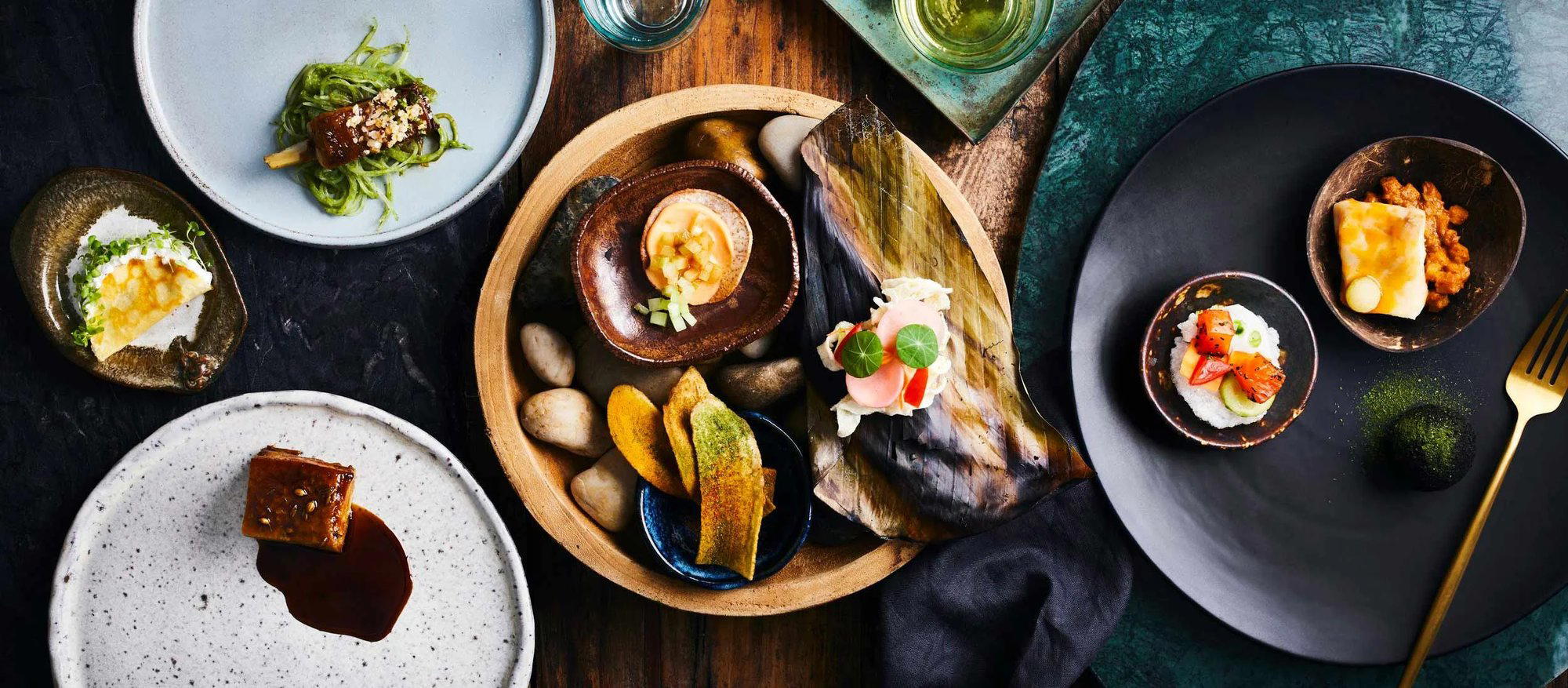
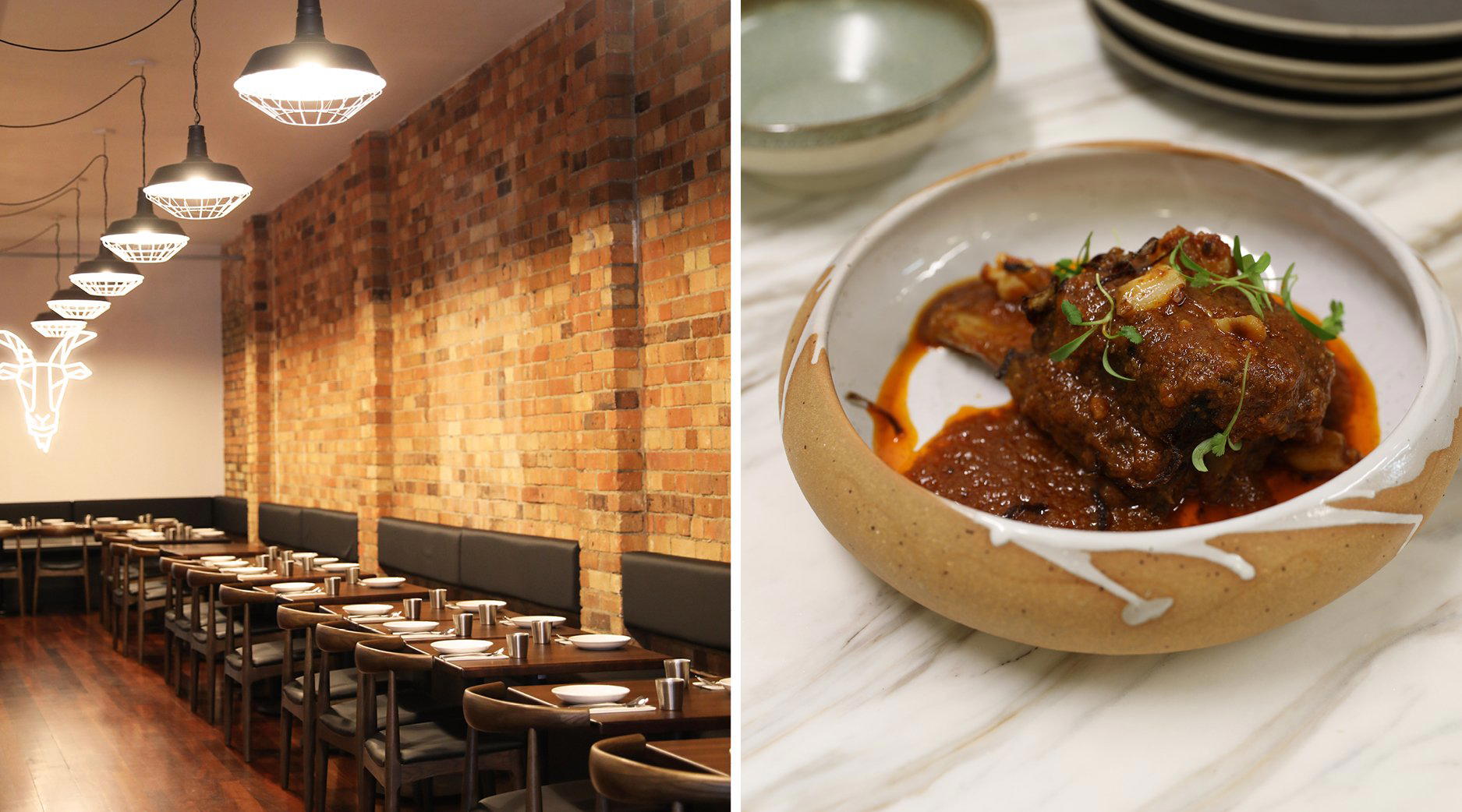
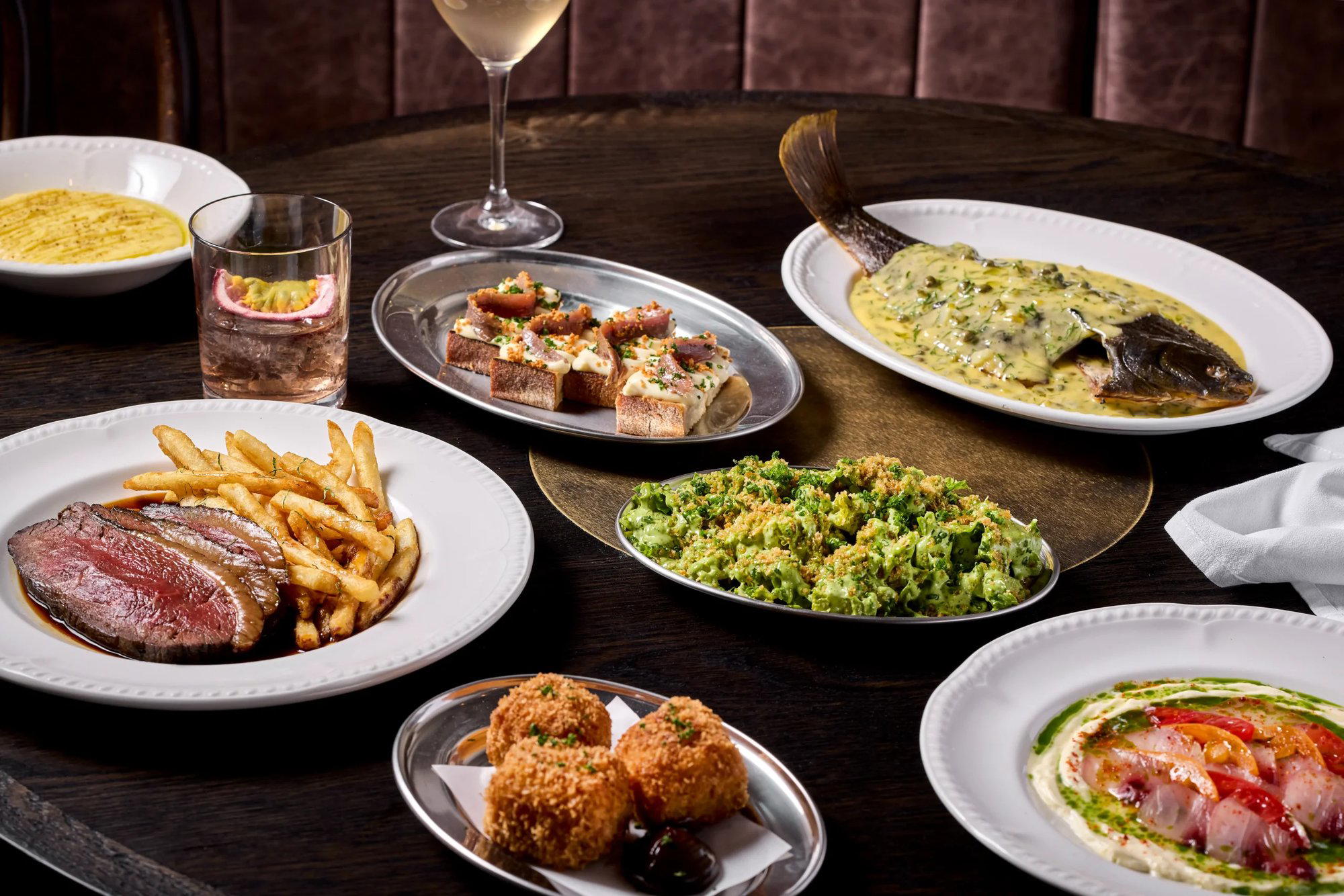
Bars in Waiheke Island
Browse all →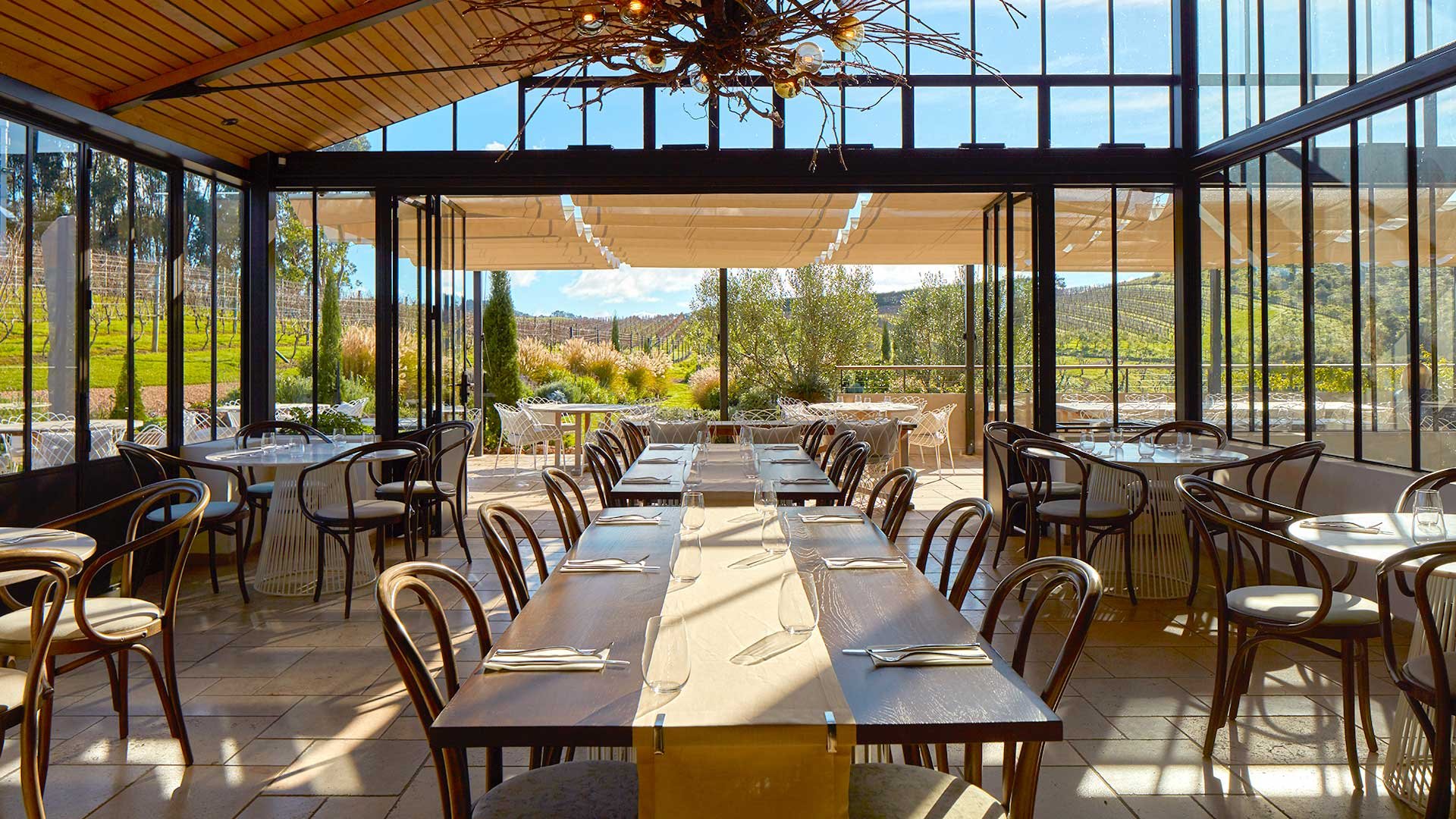
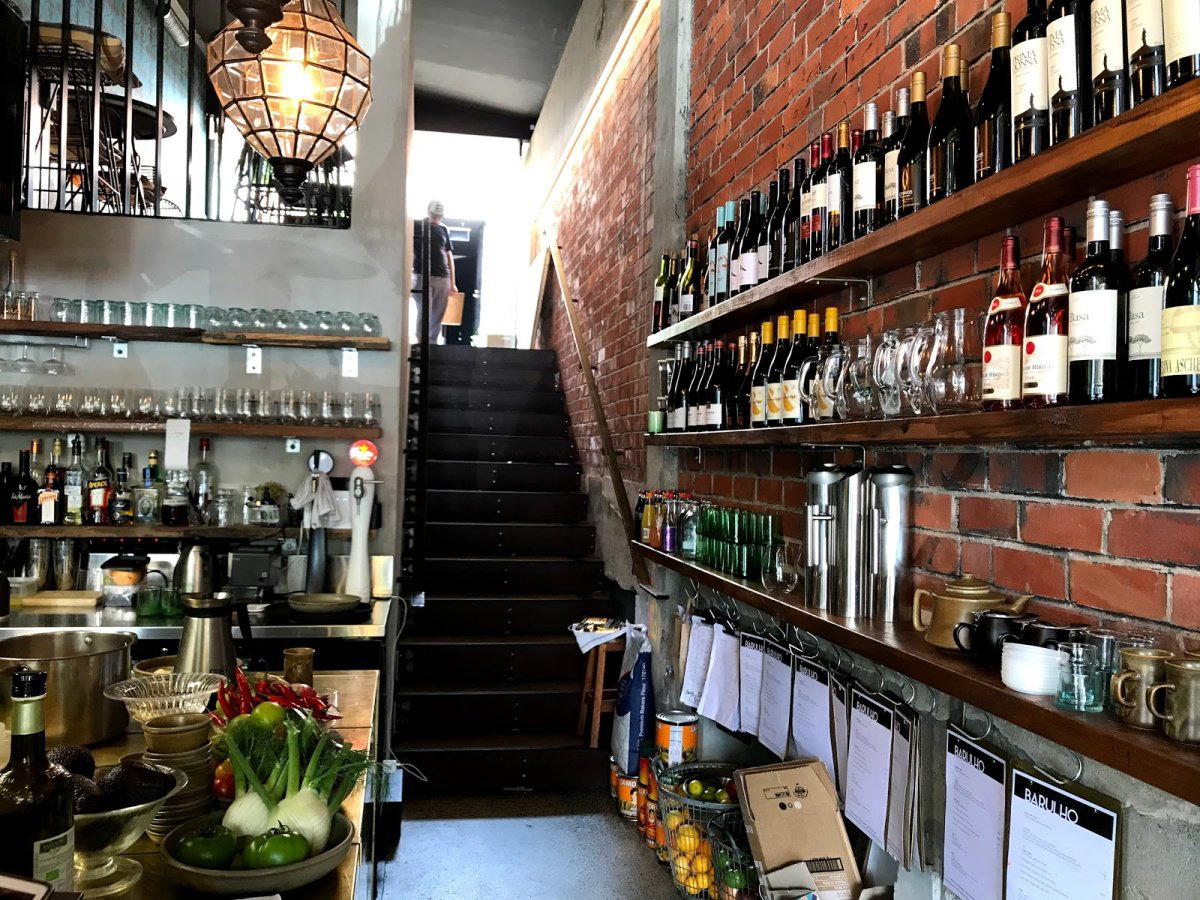
Hotels in Waiheke Island
Browse all →
Details
- Romantic
- Scenic
- Rustic
- Elegant
- Well Known
- Date Night
- Special Occasion
- Group Dining
- Open Kitchen
- Garden
- Panoramic View
- Standalone
- Extensive Wine List
- Sommelier Led
- Farm To Table
- Local Sourcing
- Organic
- Vineyard
- Garden
- A La Carte
- Set Menu
- Estate Wines
- Bordeaux Style Reds
- Vegetarian Friendly
- Vegan Options
- Gluten Free Options
Current opening hours
- Monday
- 12–5 PM
- Tuesday
- 12–5 PM
- Wednesday
- 12–5 PM
- Thursday
- 12–5 PM
- Friday
- 12–5 PM
- Saturday
- 12–5 PM
- Sunday
- 12–5 PM
Hours can change for holidays and private events. Last verified .
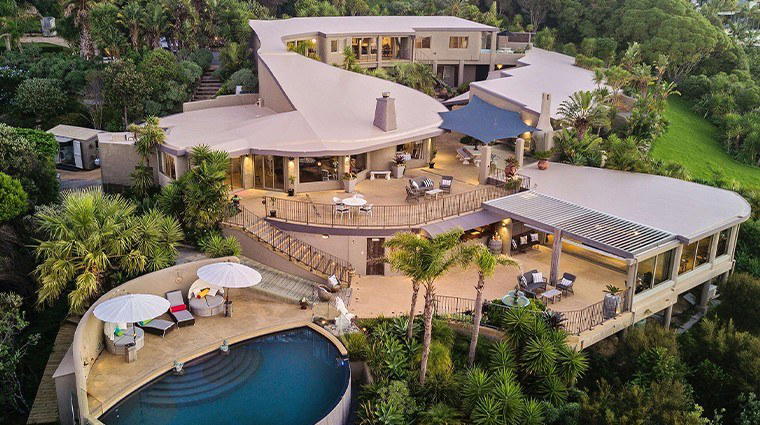
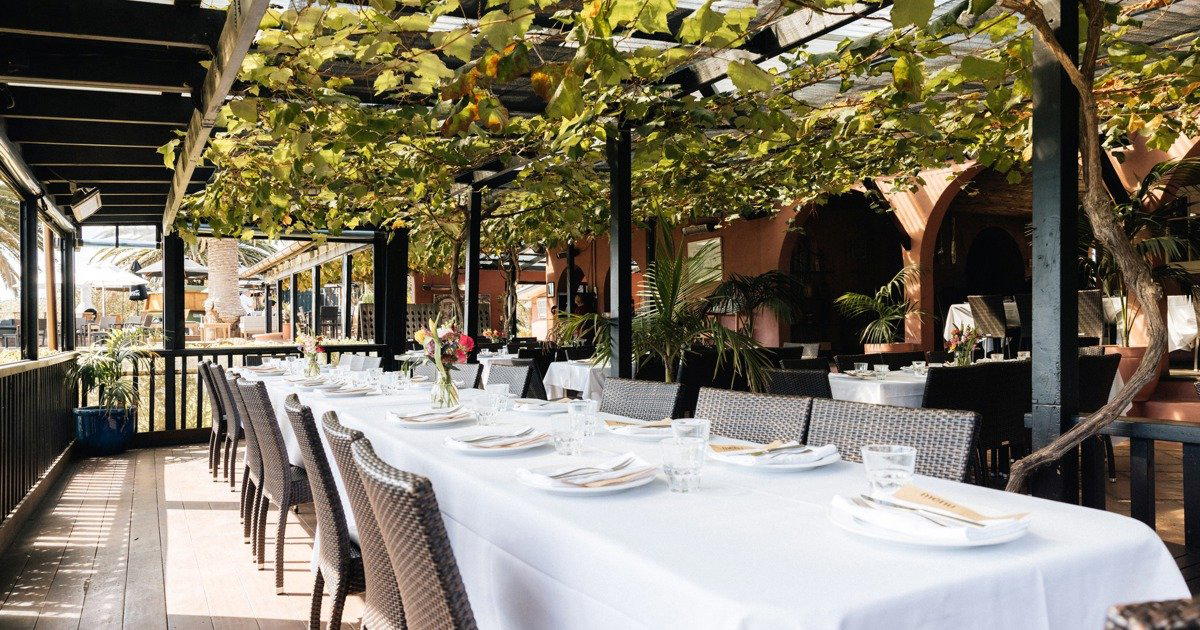
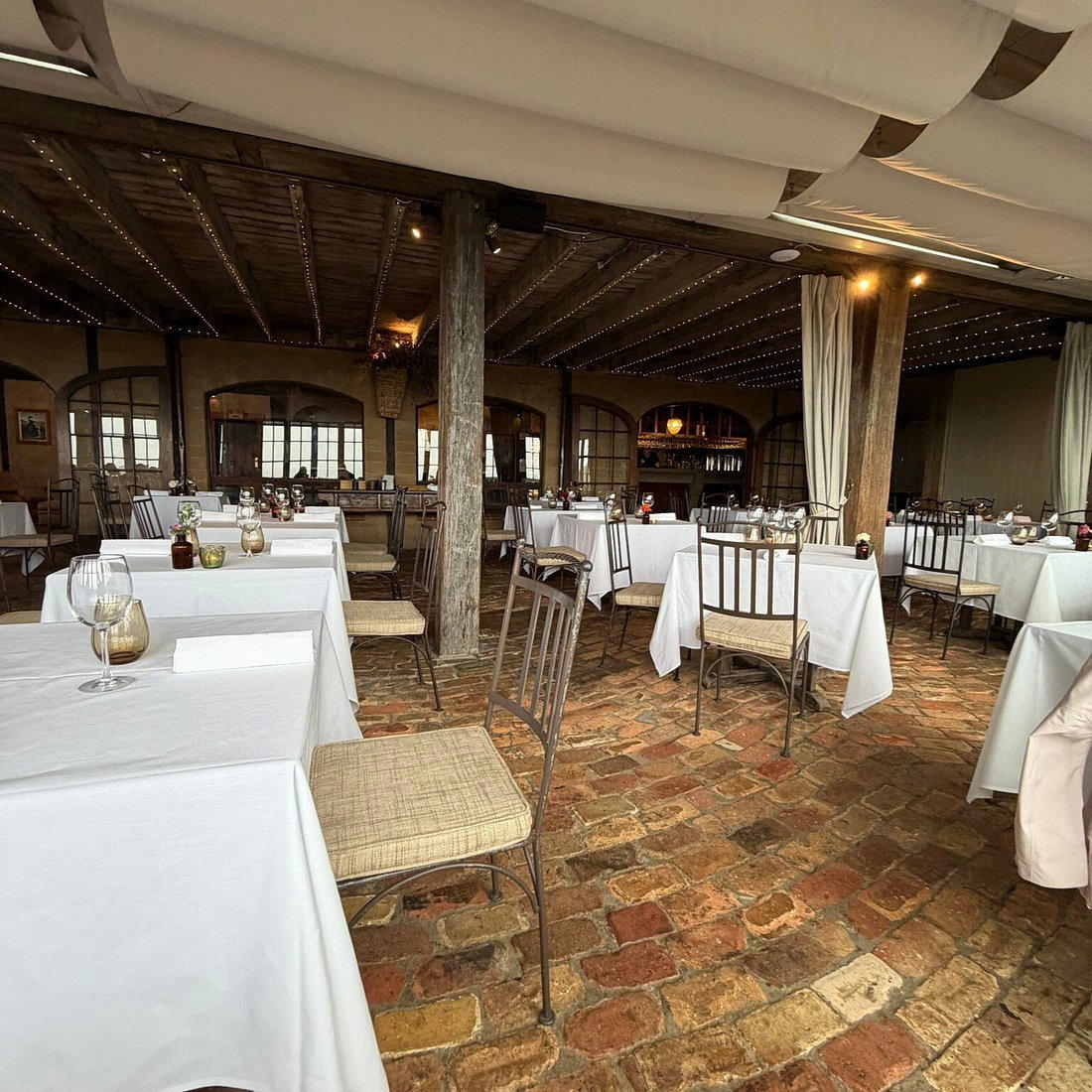
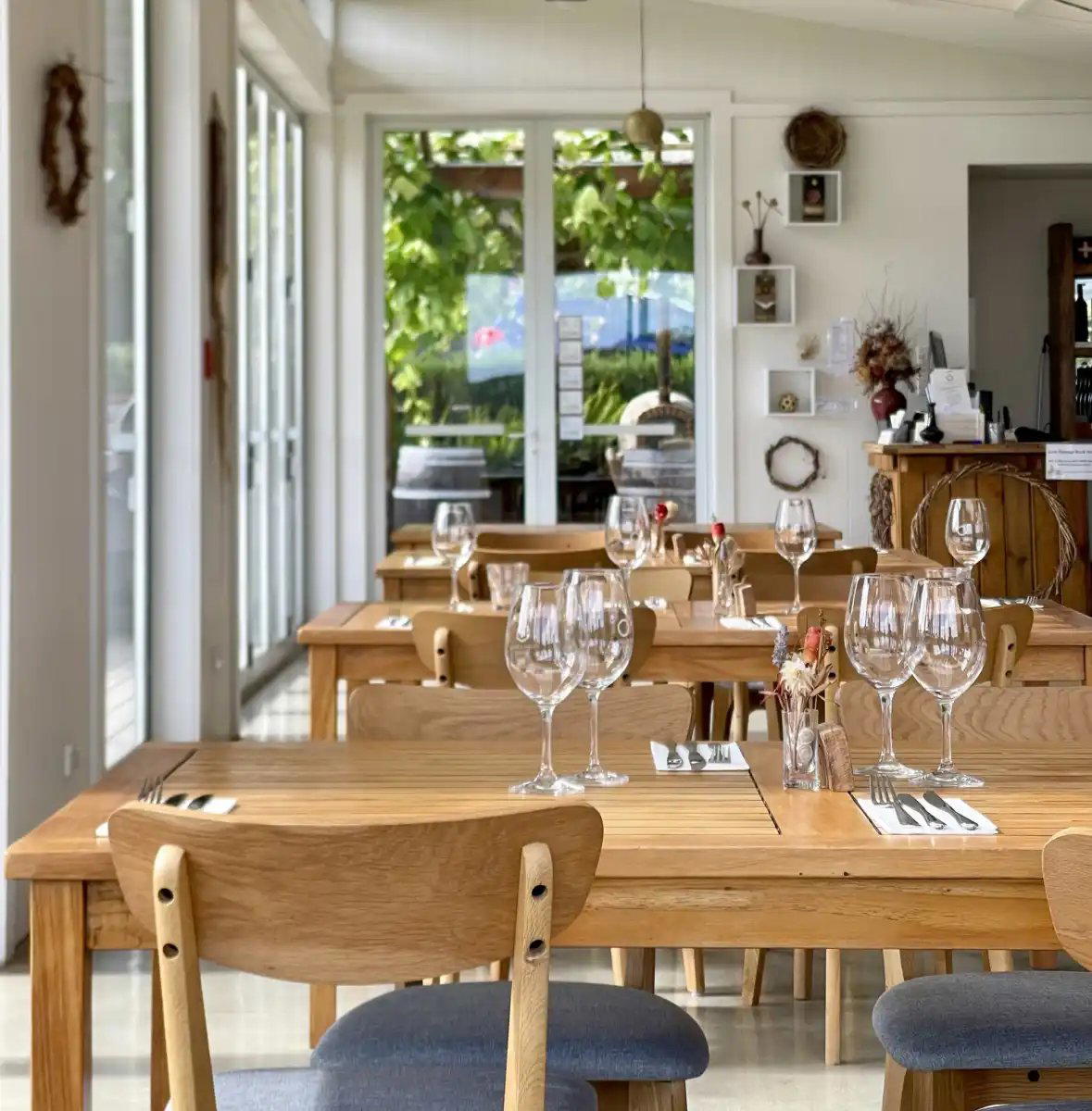
Warm and unpretentious modern-rustic atmosphere in a repurposed farm building with natural light, vineyard views, and an open kitchen where diners can watch chefs at work.