Stonyridge
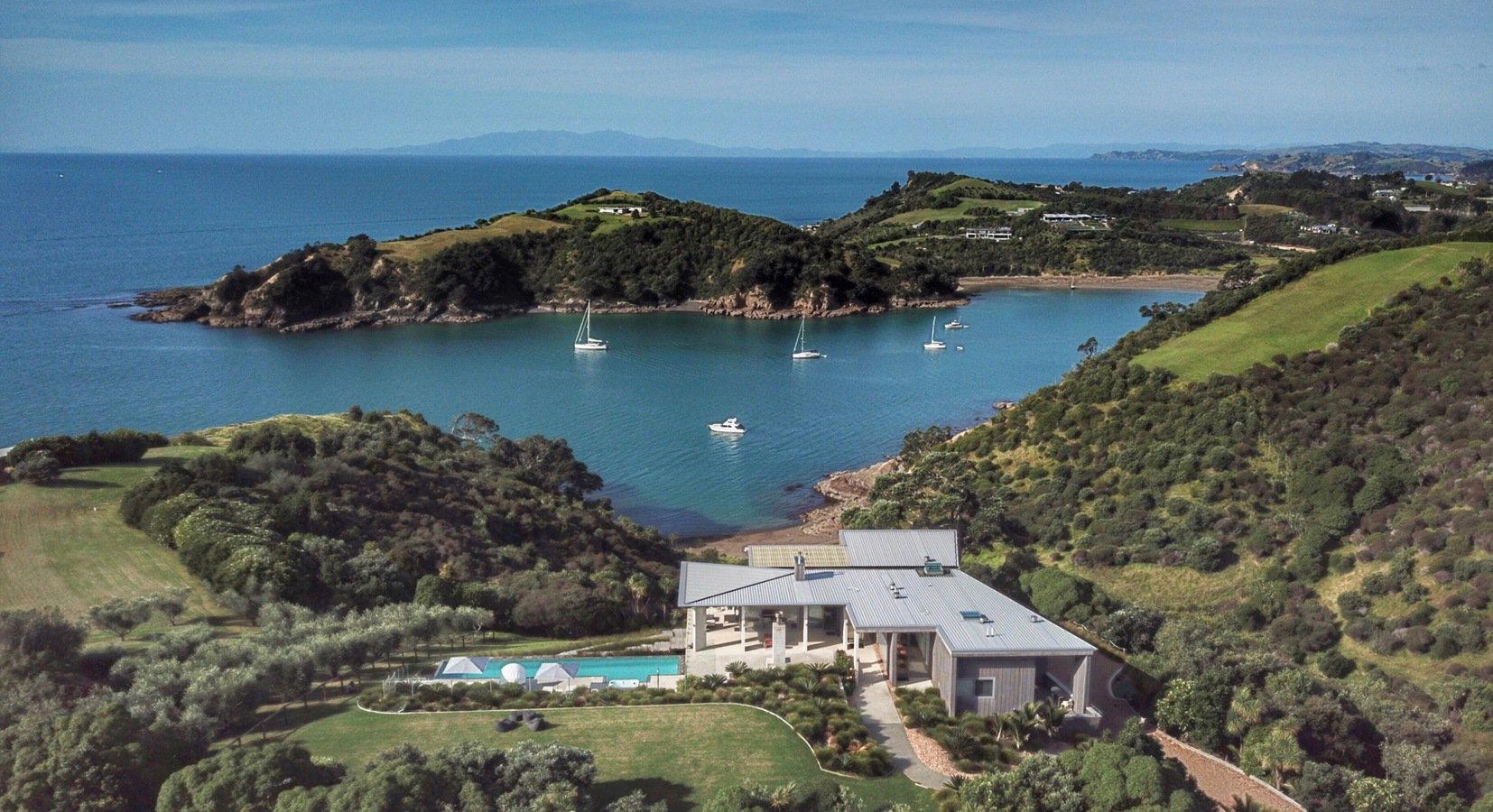
Stonyridge sits on Waiheke Island's Onetangi Road, where the island's volcanic soils and maritime climate produce some of New Zealand's most discussed Bordeaux-style reds. The property operates at the intersection of winery and destination dining, drawing visitors who cross the Hauraki Gulf specifically for the combination of estate-grown wine and food that reflects the island's produce traditions.
Pearl is the En Primeur Club membership app — saves, bookings, and concierge access live there. Same editors, same standards.
- Address
- Waiheke Island, Neuseeland
- Phone
- +6493728822
- Website
- stonyridge.com
 Saves & bookings on Pearl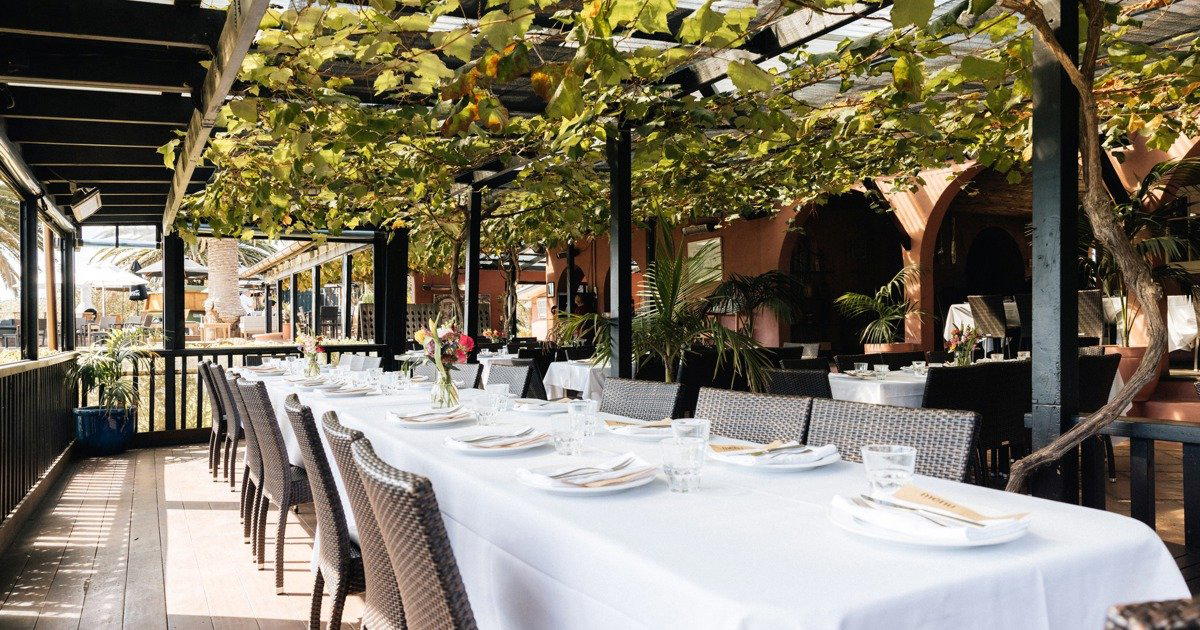
Waiheke's Vineyard Dining in Context
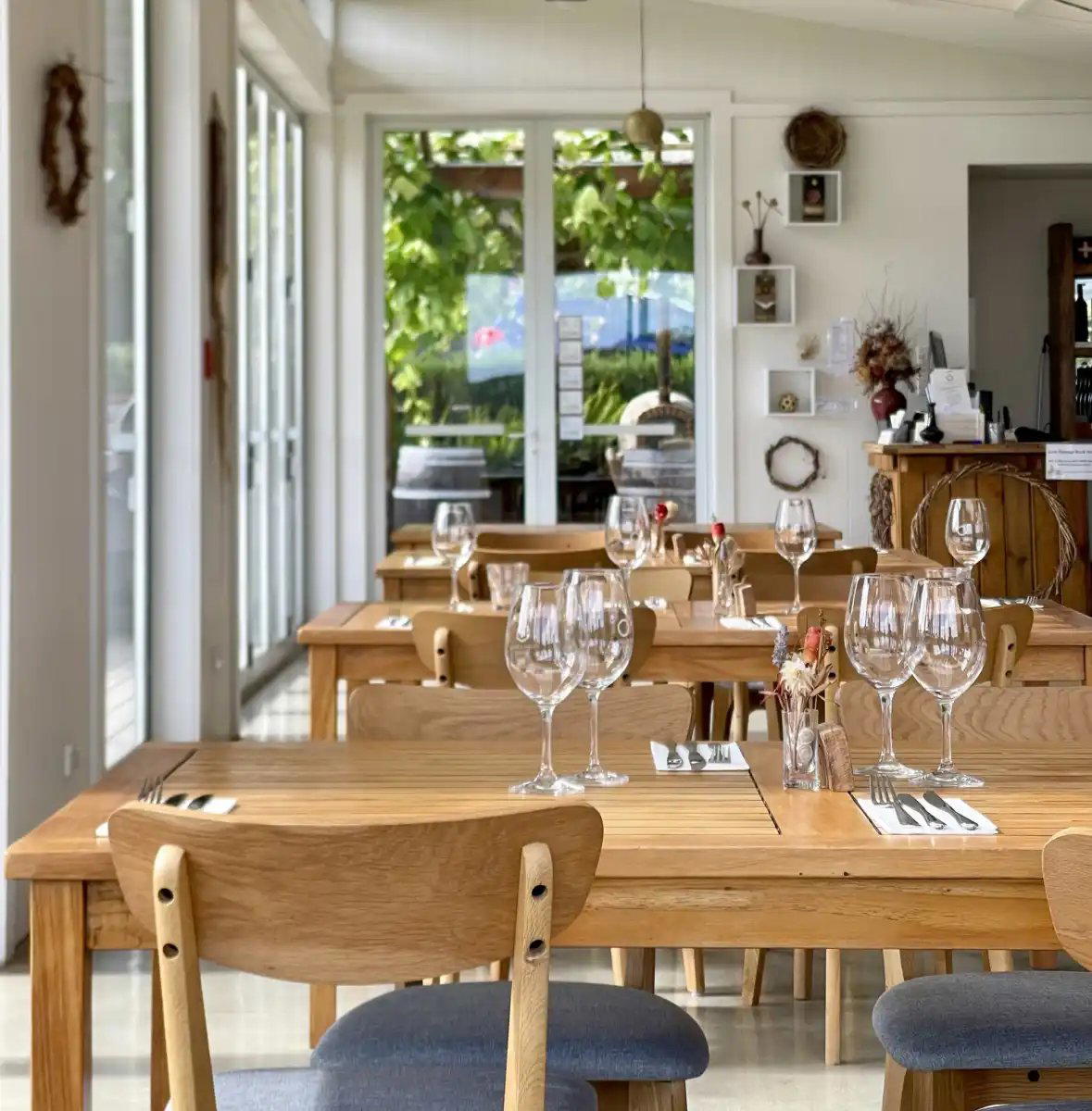
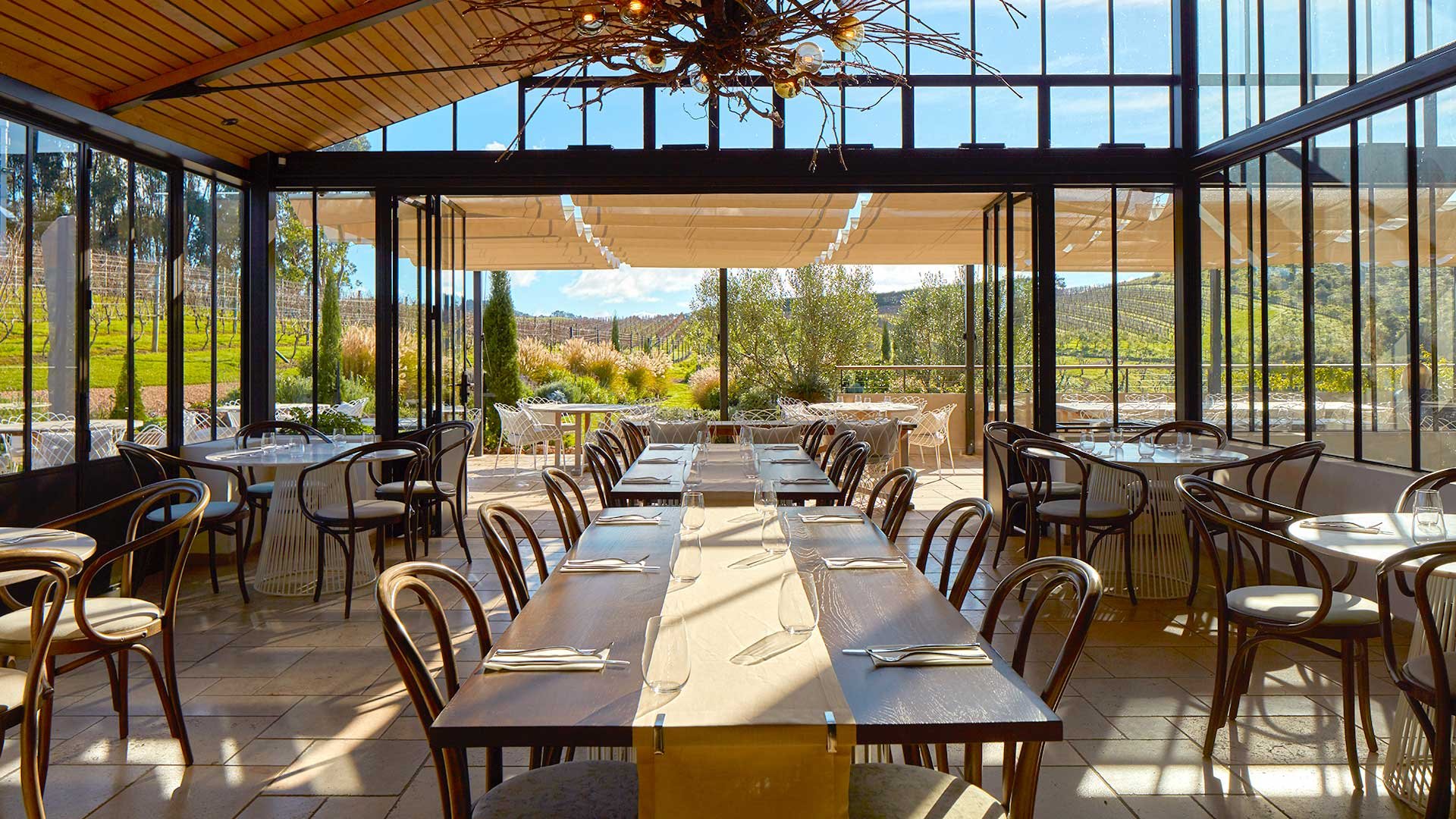
Stonyridge is a restaurant on Waiheke Island, New Zealand, serving seasonal New Zealand cuisine with Mediterranean influences at about US$75 per person. That temporal shift is not incidental to how vineyard dining works here. Waiheke's wine country, concentrated along the island's ridge roads and north-facing slopes, developed a dining culture that assumes the meal and the estate are inseparable, you are not going to a restaurant that happens to have wine, you are visiting a working property where the table sits inside the production story.
Stonyridge, at 80 Onetangi Road, occupies a position within that tradition that other Waiheke estate restaurants reference as a benchmark. The island's vineyards share a set of advantages: free-draining volcanic soils, a maritime climate moderated by the Gulf, and enough elevation and aspect variation across relatively small plots to produce concentrated fruit. What distinguishes individual estates is how they translate those raw conditions into a dining proposition, whether the food programme is built around the estate's own produce, sourced locally from the island, or treated as a secondary consideration to the cellar door experience.
The Sourcing Logic Behind Island Vineyard Dining
Ingredient sourcing on Waiheke operates under a specific constraint and a specific advantage. The island has no large-scale food supply infrastructure, which means serious kitchen operations either cultivate on-site, source from a tight network of island growers, or accept a ferry-crossing supply chain. The estates that have built reputations beyond day-trippers from Auckland, including Te Motu Vineyard, Passage Rock Wines, and Poderi Crisci, each resolve that constraint differently, and those decisions show up on the plate.
Stonyridge's address on Onetangi Road places it inland from the beaches but close to some of the island's most productive agricultural land. Onetangi is one of Waiheke's broader valleys, with properties large enough to support both viticulture and kitchen gardens. Estate-grown produce appearing alongside estate wine is not just a presentation choice in this context; it is a logistical response to the island's geography. When an ingredient travels meters rather than kilometers from soil to kitchen, it reflects the island's tempo, not a marketing position.
This sourcing approach places Waiheke's leading estate dining in a peer conversation with other New Zealand wine-country restaurant programmes. Amisfield in Queenstown and Amisfield Restaurant and Cellar Door in Lake Hayes represent the Central Otago equivalent, where the cellar door and the kitchen operate as a single hospitality statement. Bistronomy and Vinotech in Napier South does something similar in Hawke's Bay. What separates Waiheke from those wine regions is the island's relative isolation: the ferry crossing self-selects visitors, which means the lunch crowd at any serious Waiheke estate tends to be more engaged and more willing to stay for a second pour.
Bordeaux Varieties and the Waiheke Argument
Waiheke built its wine identity almost entirely on Bordeaux varieties, and Stonyridge has been part of that argument since the island first drew serious attention from New Zealand wine critics. The island's case for Cabernet Sauvignon-dominant blends rests on its warm, dry summers relative to much of the North Island, and on soils that drain quickly enough to avoid the waterlogging that can dilute concentration in wetter years. Those conditions produce reds with a structural character that sets Waiheke apart from Marlborough's Sauvignon Blanc dominance or Martinborough's Pinot focus.
For visiting diners, the wine-food pairing logic follows from the variety. Bordeaux-style reds want food with some weight: aged proteins, dishes built on reduction, preparations that can sit alongside tannin without being overwhelmed. A kitchen working with estate and island sourcing on Waiheke is making decisions about menu weight and structure that respond directly to what the winery is producing 50 meters away. That alignment between cellar and kitchen is the reason vineyard dining on Waiheke reads differently from restaurant dining in Auckland, the constraints are also the editorial brief.
Placing Stonyridge in the Waiheke Estate Tier
Among Waiheke's estate dining options, the properties along the island's ridge and valley roads occupy different positions. Some prioritise the cellar door tasting experience with food as accompaniment. Others have invested in kitchen programmes ambitious enough to anchor a full-afternoon visit on the meal alone. Stonyridge sits in the latter group, with a property scale and wine reputation that draws visitors whose primary motivation is the estate, not a walk-in lunch stop.
The comparison matters for planning purposes. Waiheke's estate restaurants are not interchangeable: Poderi Crisci leans into an Italian-inflected wine and food proposition, Te Motu has one of the island's more serious cellar door programmes, and Passage Rock operates at a different price point for a more casual visitor. Understanding where each sits helps structure a Waiheke day, or, for those coming from Auckland specifically for wine-country dining, helps identify which property merits the journey on its own terms.
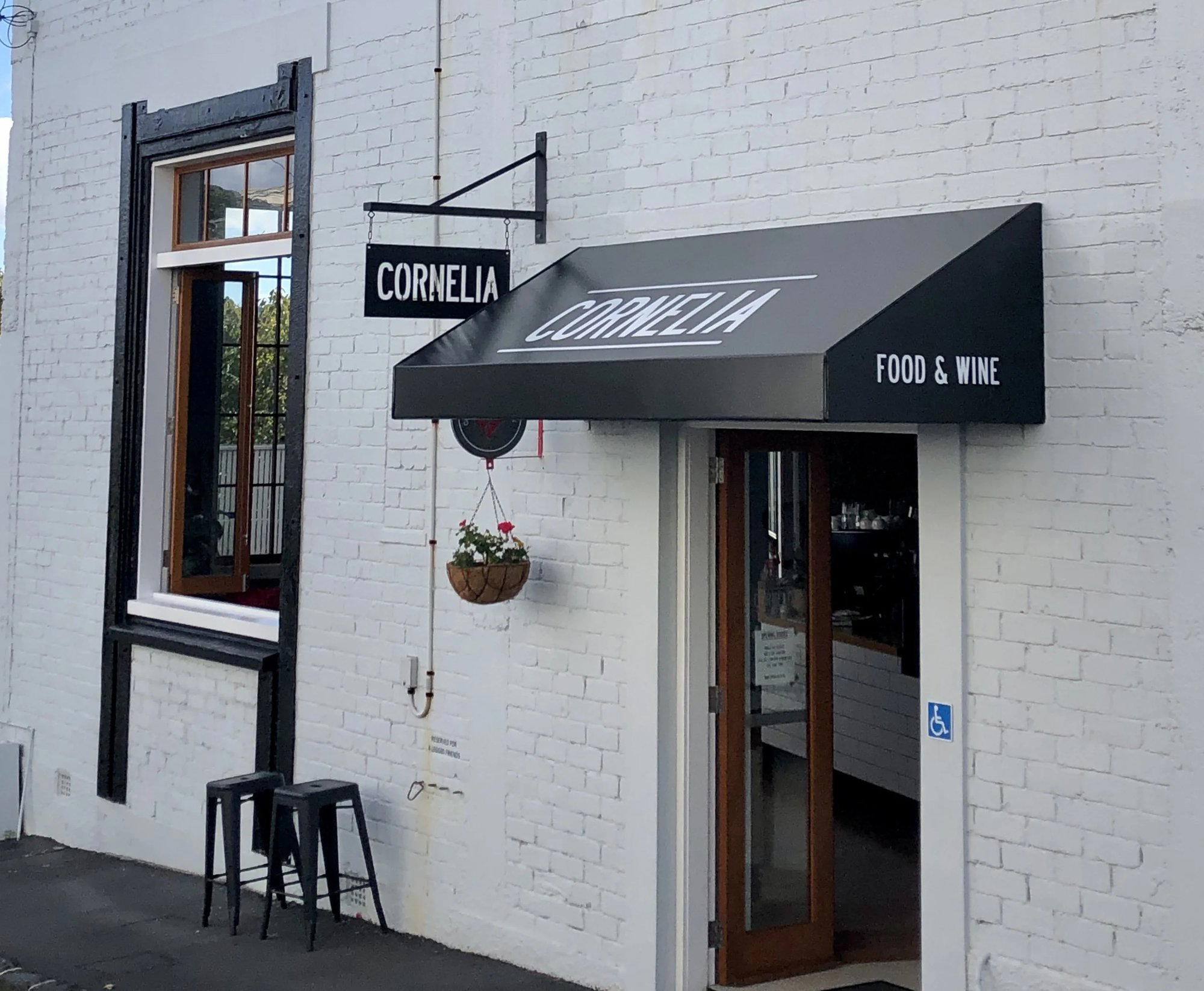
For context on where New Zealand wine-country dining sits globally, the benchmark conversations happen at properties like Le Bernardin in New York City and Atomix in New York City, not as direct equivalents, but as reference points for what serious sourcing and programme investment looks like at the top of a category. Within New Zealand, the relevant comparable set includes Cornelia in Auckland, Cassia in Auckland Central, and Field and Green in Te Aro for producers thinking seriously about ingredient provenance and kitchen programme depth.
Planning the Visit
Getting to Stonyridge requires crossing from Auckland's downtown ferry terminal to Matiatia Wharf, then travelling inland to Onetangi Road, a journey that benefits from pre-arranged transport on the island, since the road network around the central vineyards is not well served by the island's limited bus routes. Waiheke's estate restaurants, including Stonyridge, are leading visited with enough time to move between the table and the cellar without watching a departure screen.
Continue exploring