Elephant Hill


Cuisine Good Food Guide Selection · Falstaff Winery - 4 Stars
Our verdict
Positioned on the Te Awanga coastline south of Napier, Elephant Hill operates at the intersection of Hawke's Bay viticulture and produce-driven cooking. The restaurant draws directly from the region's growing reputation for ingredient provenance, placing locally sourced seafood, meat, and vegetables alongside an estate wine list that reflects the same coastal terroir. It belongs to a small tier of New Zealand winery restaurants where the kitchen program is as deliberate as the cellar.

Pearl is the En Primeur Club membership app — saves, bookings, and concierge access live there. Same editors, same standards.
- Address
- 86 Clifton Road, Te Awanga, Haumoana 4172, New Zealand
- Phone
- +64 6 873 0400
- Website
- elephanthill.co.nz
- Directions
- Get directions
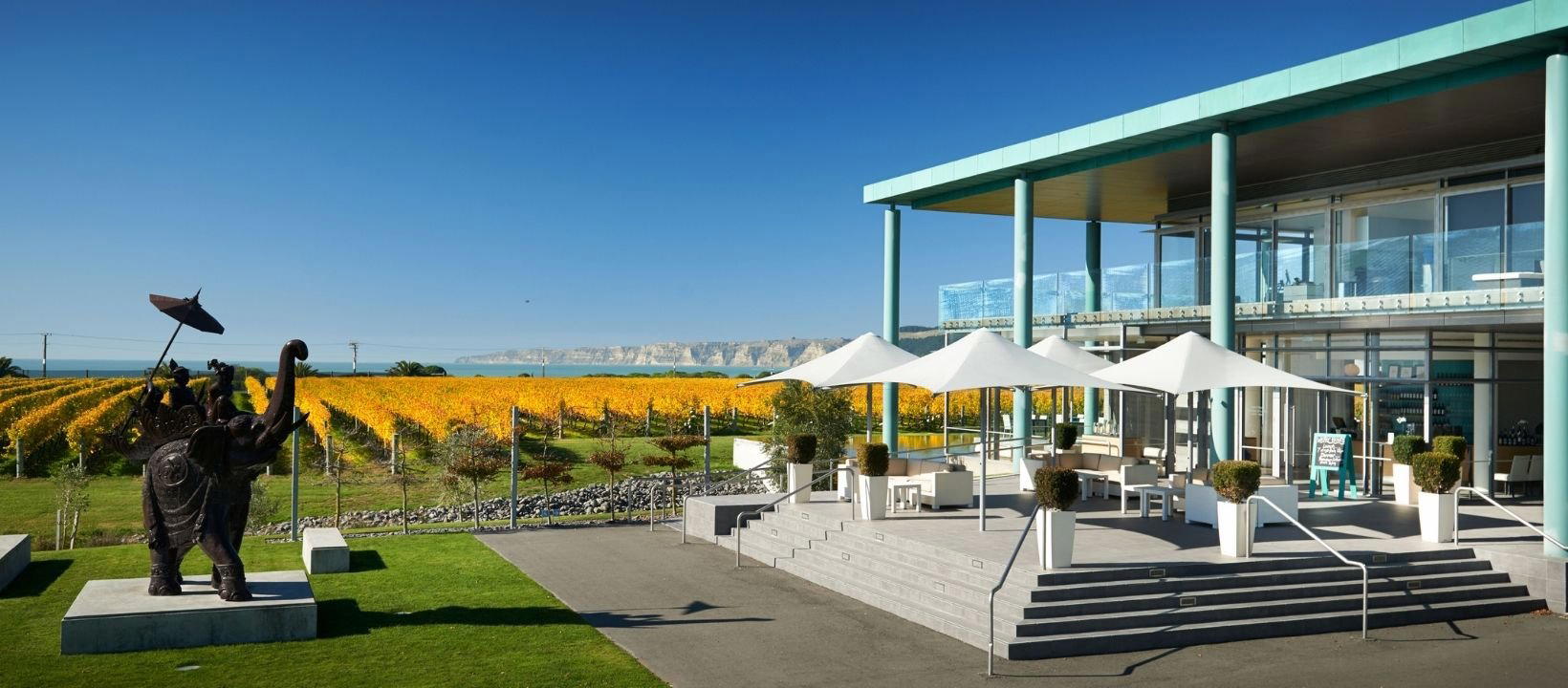
Where the Hawke's Bay Coast Meets the Table
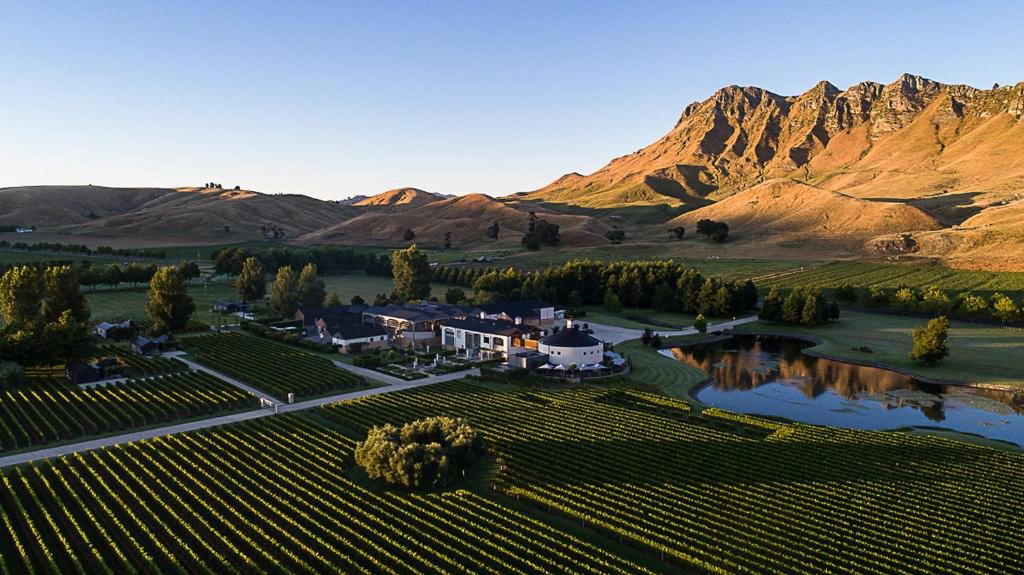
The approach to Te Awanga along Clifton Road tells you something before you arrive at the table. To one side, the Pacific pushes in hard against the shingle; to the other, the ordered rows of Hawke's Bay's coastal vineyards run toward the ranges. Elephant Hill sits at 86 Clifton Road within that particular stretch of geography, and the setting is not incidental to what happens inside. The relationship between this coastline, its soils, and what ends up on the plate is the premise the restaurant is built on.
Hawke's Bay has spent the past two decades repositioning itself as New Zealand's most produce-coherent wine region, a place where the conversation about food and terroir has moved well beyond the usual winery-restaurant model of an afterthought kitchen attached to a tasting room. Elephant Hill occupies a particular position within that shift, one where the sourcing logic of the kitchen and the estate vineyard operate as a joined argument rather than two separate departments.
The Hawke's Bay Ingredient Argument
New Zealand's wine regions have developed distinct dining personalities over the past decade. Marlborough built its identity on sauvignon blanc and relatively casual eating; Central Otago anchored its hospitality to landscape tourism and pinot noir. Hawke's Bay took a different route, developing a food culture alongside its wine identity that draws on genuine agricultural density. The region produces lamb, beef, stone fruit, seafood, and vegetables at a scale and quality that few New Zealand wine regions can match, and a serious restaurant in this setting has access to a supply network that many urban kitchens in Auckland or Wellington have to work considerably harder to replicate.
That ingredient density matters to how a place like Elephant Hill operates. The coastal position at Te Awanga means proximity to the fishing grounds that supply the region, while the inland growing areas of the Heretaunga Plains and the refined sites toward the Dartmoor Valley provide produce with a provenance that is measurable in distance rather than marketing language. For comparison, restaurants like Amisfield in Queenstown and Craggy Range in Havelock North work within similar frameworks, where an estate wine program and a kitchen committed to regional sourcing function as a coherent whole rather than two separate offerings. Elephant Hill belongs to that same category of winery restaurant, the tier where both the cellar and the kitchen carry independent weight.
Coastal Terroir on the Plate
The specific geography of Te Awanga shapes what the kitchen has to work with in ways that are worth understanding before you sit down. The shingle coast here is exposed and wind-scoured, a condition that influences the vine stress in the estate vineyard and also defines the character of seafood caught along this stretch of the bay. Hawke's Bay's fishing heritage runs through species like snapper, kahawai, and blue cod, all of which appear with frequency on menus that take the coastline seriously. The leading New Zealand winery restaurants, whether Blanket Bay in Glenorchy or Otahuna Lodge in Tai Tapu, operate with a similar philosophy: the landscape informs the sourcing, and the sourcing informs what discipline the kitchen chooses to apply.
Across New Zealand's more ambitious dining rooms, from Ahi in Auckland to Charley Noble in Wellington, the conversation around indigenous ingredients and provenance-led cooking has moved from optional talking point to structural commitment. Elephant Hill's coastal location places it in that conversation with a geographic specificity that urban restaurants have to construct more deliberately. The estate itself provides a direct line between site and glass that few stand-alone restaurants can claim.
The Estate Wine Program
Hawke's Bay's viticultural identity has diversified considerably from its earlier reliance on red blends and chardonnay. Syrah has emerged as one of the region's most compelling arguments for distinct terroir, and the gravelly, free-draining soils of the coastal sites at Te Awanga suit the variety well, producing wines with a Northern Rhône structural reference rather than the warmer, rounder profile that comes from heavier inland soils. An estate wine list at a property in this location carries that context automatically: when the restaurant pours its own labels, the connection between what the diner sees out of the window and what is in the glass is literal rather than figurative.
Within the broader geography of Hawke's Bay wine tourism, Elephant Hill's coastal address differentiates it from the cluster of producers centered around Havelock North and the Tuki Tuki Valley. That separation is partly logistical but also expressive: the oceanic influence at Te Awanga is a measurable factor in the wine style, and it is the kind of specificity that distinguishes serious estate restaurants from venues that simply happen to have a vineyard nearby.
Placing Elephant Hill in the New Zealand Winery Dining Tier
New Zealand's winery restaurant scene has stratified in ways that mirror international patterns. At one end, cellar-door tastings with a grazing board; at the other, a small number of operations where the kitchen program is serious enough to justify the visit independently of the wine. Elephant Hill sits closer to the latter end of that range, in the same general category as properties like Craggy Range in Havelock North, where the restaurant has a distinct identity rather than functioning purely as an amenity for wine buyers.
The comparison is useful for planning. If you are approaching from Napier, Indigo in the city center represents the urban end of Hawke's Bay's dining offer, while Elephant Hill operates in the estate-and-coast register that requires a short drive south along the bay. Both belong to a regional dining scene that has developed considerably in sophistication over the past decade, and both reward treating them as destinations rather than conveniences. Our full Napier restaurants guide maps the full range of options across the city and surrounding area.
For visitors building a Hawke's Bay itinerary, the practical geography places Elephant Hill at Te Awanga, roughly fifteen minutes from central Napier, which makes it easily combinable with a broader day along the coast or a circuit through the region's wine producers. Our full Napier wineries guide covers the wider estate landscape, and our Napier hotels guide, bars guide, and experiences guide provide the supporting infrastructure for a longer stay in the region.
Elsewhere in New Zealand, restaurants like The Bay House in Westport, Cod and Lobster in Nelson, Fife Lane in Mount Maunganui, and Malabar Beyond India in Taupo each demonstrate the geographic spread of serious regional dining across the country. Within that map, Hawke's Bay has established itself as one of the more coherent clusters, and Elephant Hill at Te Awanga sits at the point where the region's coastal identity and its wine culture intersect most directly.
Planning Your Visit
Reaching Elephant Hill requires a car; Te Awanga is not accessible by public transport from Napier. The coastal road along the bay offers a clear sense of the landscape before arrival, and the estate setting means that timing around the growing season, particularly autumn harvest through April and May, adds an agricultural dimension to the visit that summer or mid-winter trips cannot replicate in the same way. Booking ahead is advisable given the combination of limited coastal real estate and a reputation that draws visitors from across the region and beyond.
Frequently asked questions
Where is Elephant Hill in Napier?
Elephant Hill is located at 86 Clifton Road, Te Awanga, Haumoana 4172, New Zealand, Napier.
Is Elephant Hill worth visiting as a standalone destination rather than just a wine stop near Napier?
The location on Clifton Road in Te Awanga, roughly 20 kilometres southeast of Napier city centre, positions Elephant Hill as a deliberate half-day or full lunch destination rather than an incidental stop. The combination of an estate wine program and a kitchen working with Hawke's Bay coastal ingredients gives the visit a dual focus that goes beyond tasting-room format. If you are making the drive from Napier, the coastal road approach along the bay is part of the experience.
What should I eat at Elephant Hill?
The kitchen draws directly from Te Awanga's coastal geography, so dishes are shaped by what the shingle coast and surrounding Hawke's Bay region produces seasonally. Given that the estate sits on New Zealand's North Island, expect local seafood and produce to anchor the menu rather than a fixed signature. Specific dishes change with season, so checking the current menu before you visit is worth doing.
Should I book Elephant Hill in advance?
Yes. Elephant Hill sits at 86 Clifton Road in Te Awanga, a location that requires a car to reach and draws visitors specifically making the trip from Napier rather than passing foot traffic. That dedicated visitor model means covers fill on a reservation basis rather than walk-in availability. Booking ahead, particularly for weekend service, is advisable.
What has Elephant Hill built its reputation on?
Elephant Hill has positioned itself within the upper tier of New Zealand's winery restaurant scene by combining an estate wine program rooted in Hawke's Bay viticulture with a kitchen that takes the coastal terroir of Te Awanga seriously as a sourcing argument. Hawke's Bay's growing recognition for syrah and its diversified varietal range gives the wine side genuine depth beyond cellar-door staples.
Side-by-Side Snapshot
| Venue | Cuisine | Price | Awards |
|---|---|---|---|
| Elephant HillThis venue — the venue you are viewing | Modern New Zealand Bistro | $100–150 | Cuisine Good Food Guide Selection · Falstaff Winery - 4 Stars |
| Amisfield | New Zealand | Not listed | World's 50 Best |
| Blanket Bay | Australian Rustic | Not listed | Not listed |
| Otahuna Lodge Restaurant | New Zealand | Not listed | Not listed |
| Paris Butter | New Zealand | Not listed | Not listed |
| Wharekauhau Country Estate | New Zealand | Not listed | Not listed |
Recognition history
Dated appearances from independent guides and award organizations, with the underlying list record or original source where available.
Cuisine Good Food Awards Innovation & Design Award
Cuisine Good Food Awards
Cuisine Good Food Guide Selection
Cuisine Good Food Guide
Falstaff Winery - 4 Stars
Falstaff
Continue exploring
More in Napier
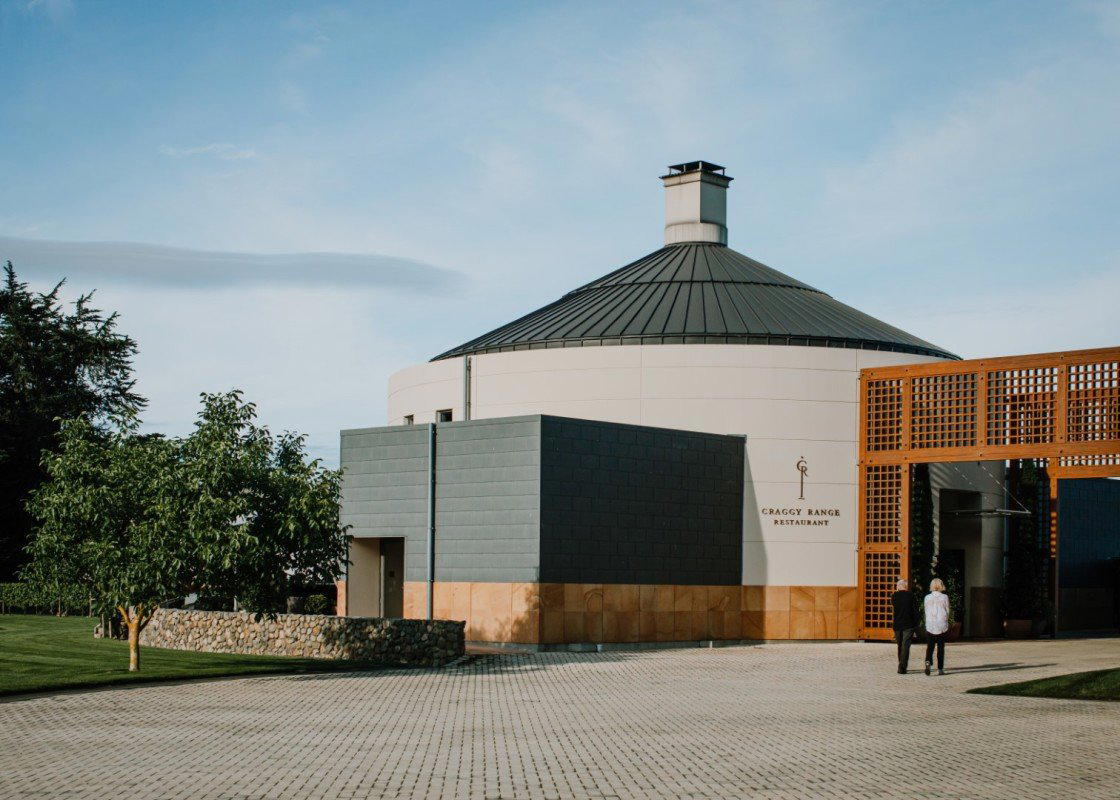
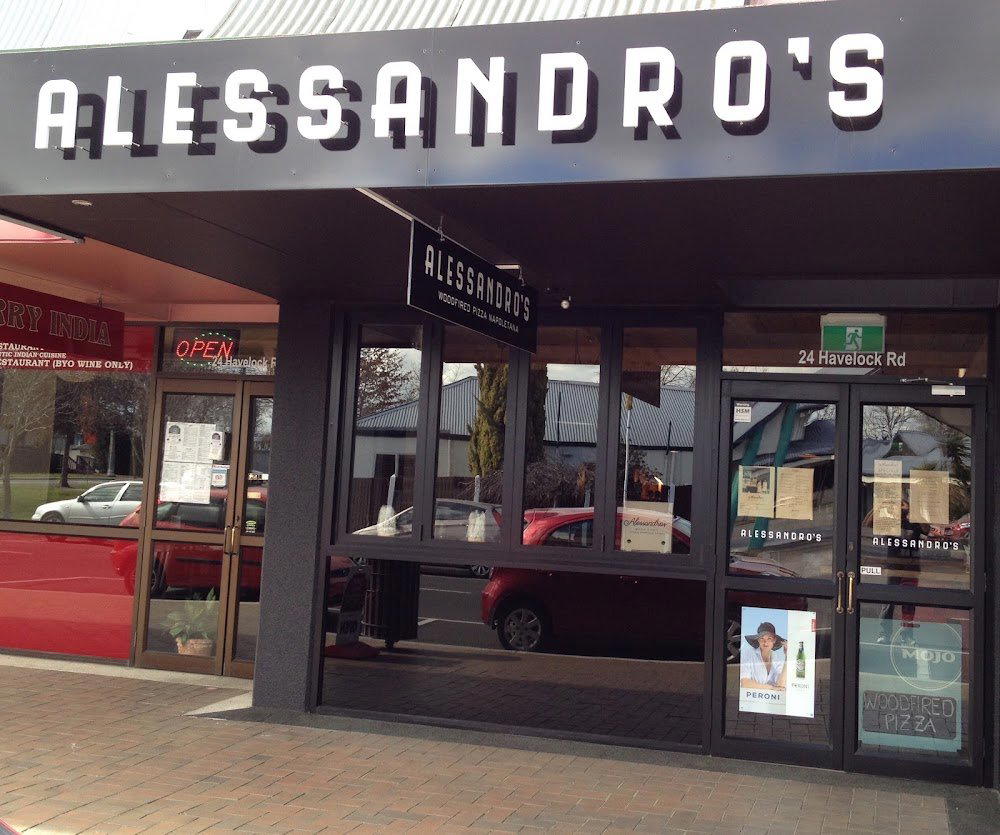
Restaurants in Napier
Browse all →
Bars in Napier
Browse all →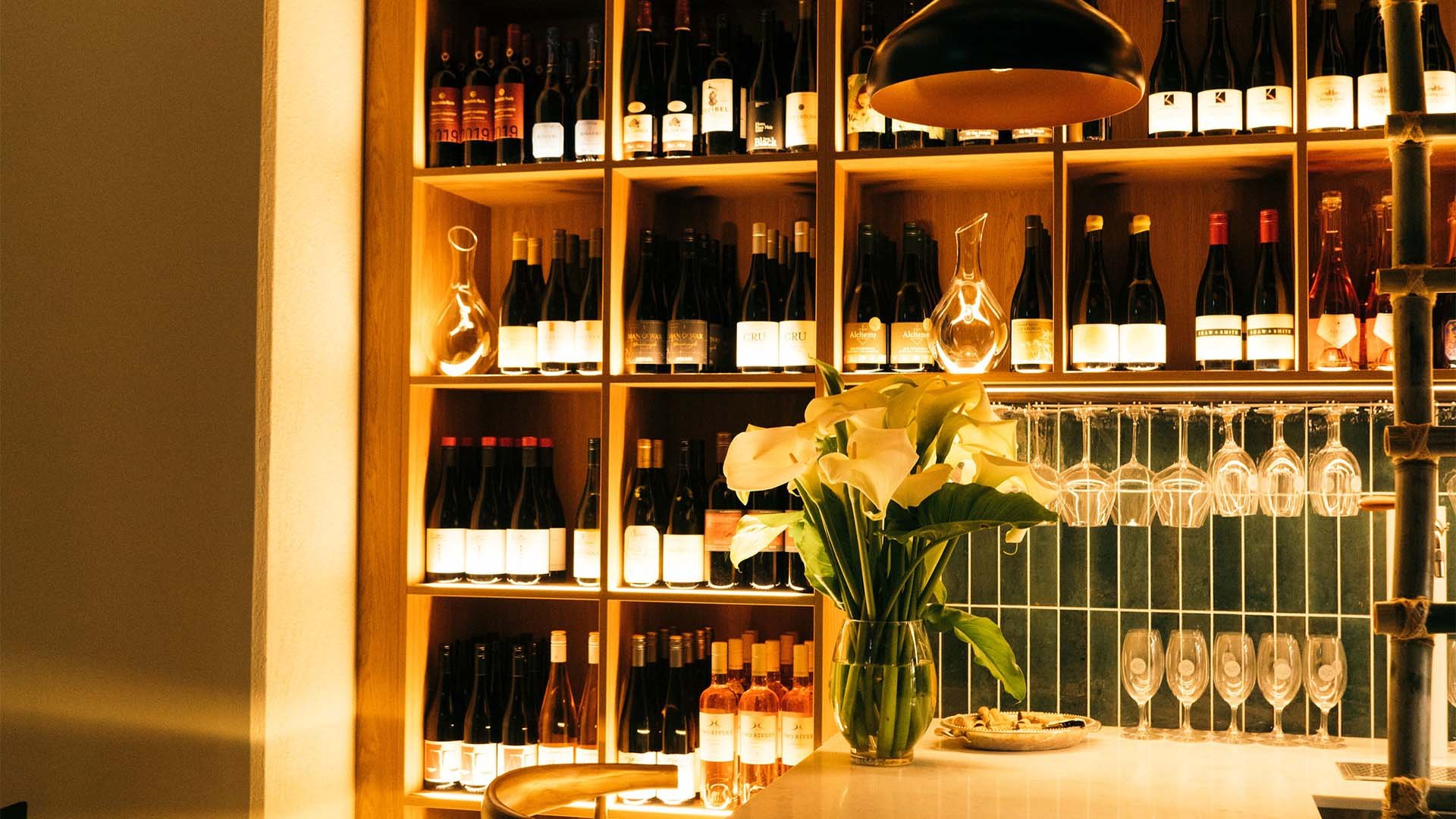
Hotels in Napier
Browse all →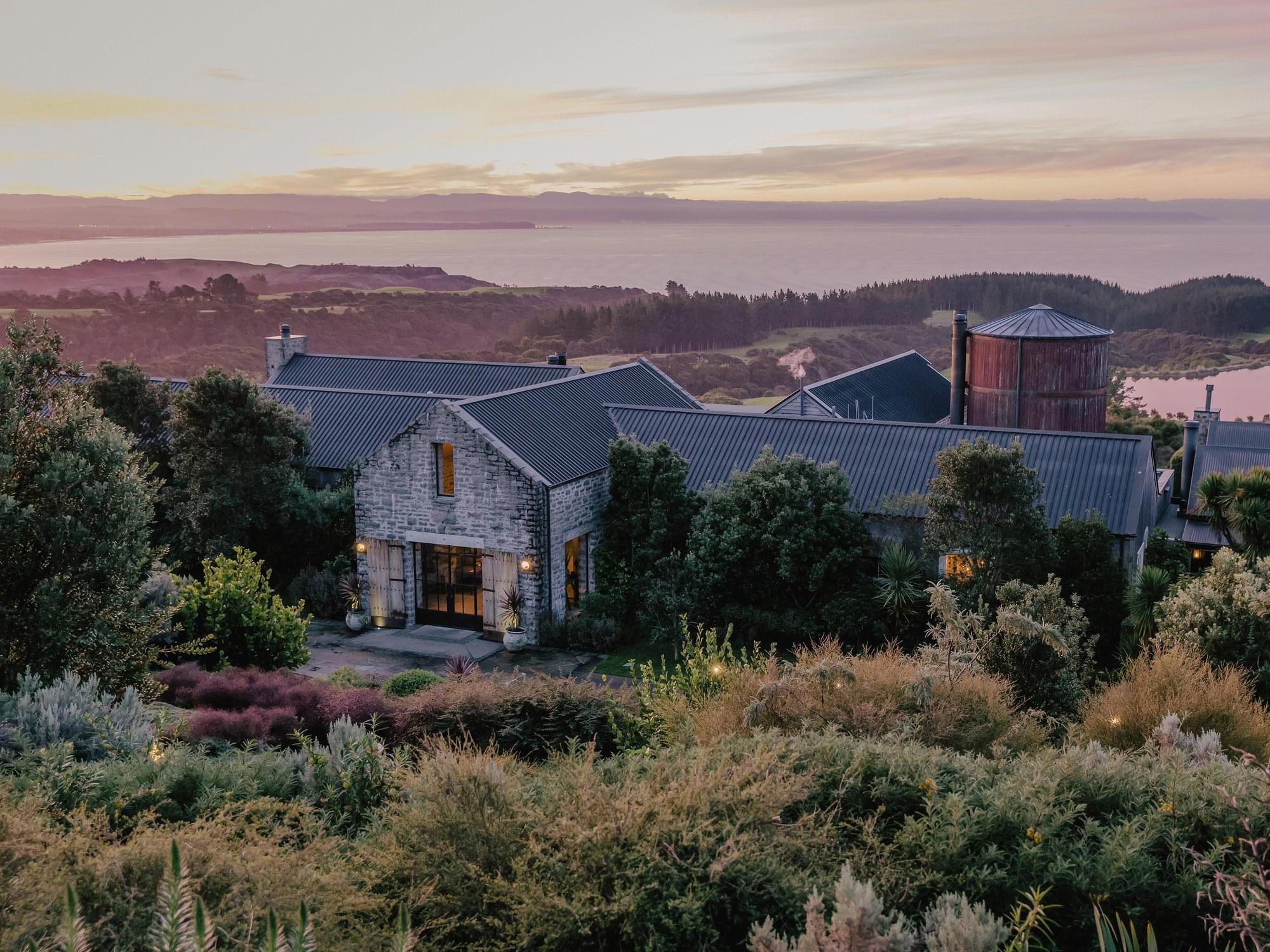

Details
- Elegant
- Scenic
- Sophisticated
- Date Night
- Special Occasion
- Terrace
- Panoramic View
- Extensive Wine List
- Sommelier Led
- Local Sourcing
- Sustainable Seafood
- Vineyard
- Waterfront
- A La Carte
- Wine
- Vegetarian Friendly
- Vegan Options
- Gluten Free Options
Stylish, warm, and inviting atmosphere with far-reaching vistas.