Passage Rock Wines
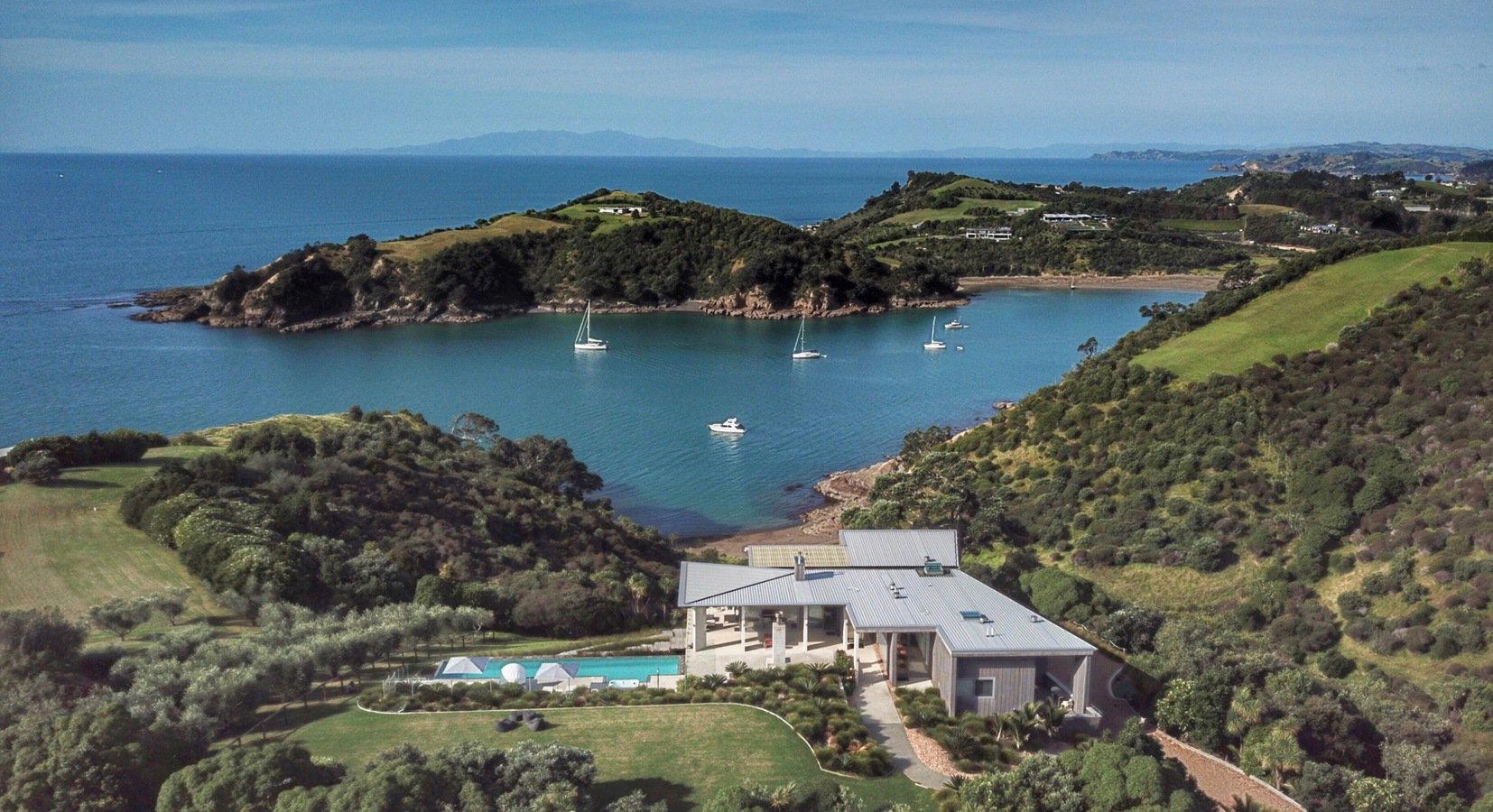
Passage Rock Wines sits along Orapiu Road on Waiheke Island's quieter southeastern edge, where the vineyard's distance from the ferry-crowd circuit keeps the atmosphere unhurried. The winery is part of Waiheke's serious wine-producing tier, an island that punches well above its size in New Zealand's premium wine conversation. For visitors making the crossing from Auckland, it rewards those willing to travel past the obvious stops.
Pearl is the En Primeur Club membership app — saves, bookings, and concierge access live there. Same editors, same standards.
- Address
- Waiheke Island, Neuseeland
- Phone
- +6493727257
- Website
- passagerock.co.nz
 Saves & bookings on Pearl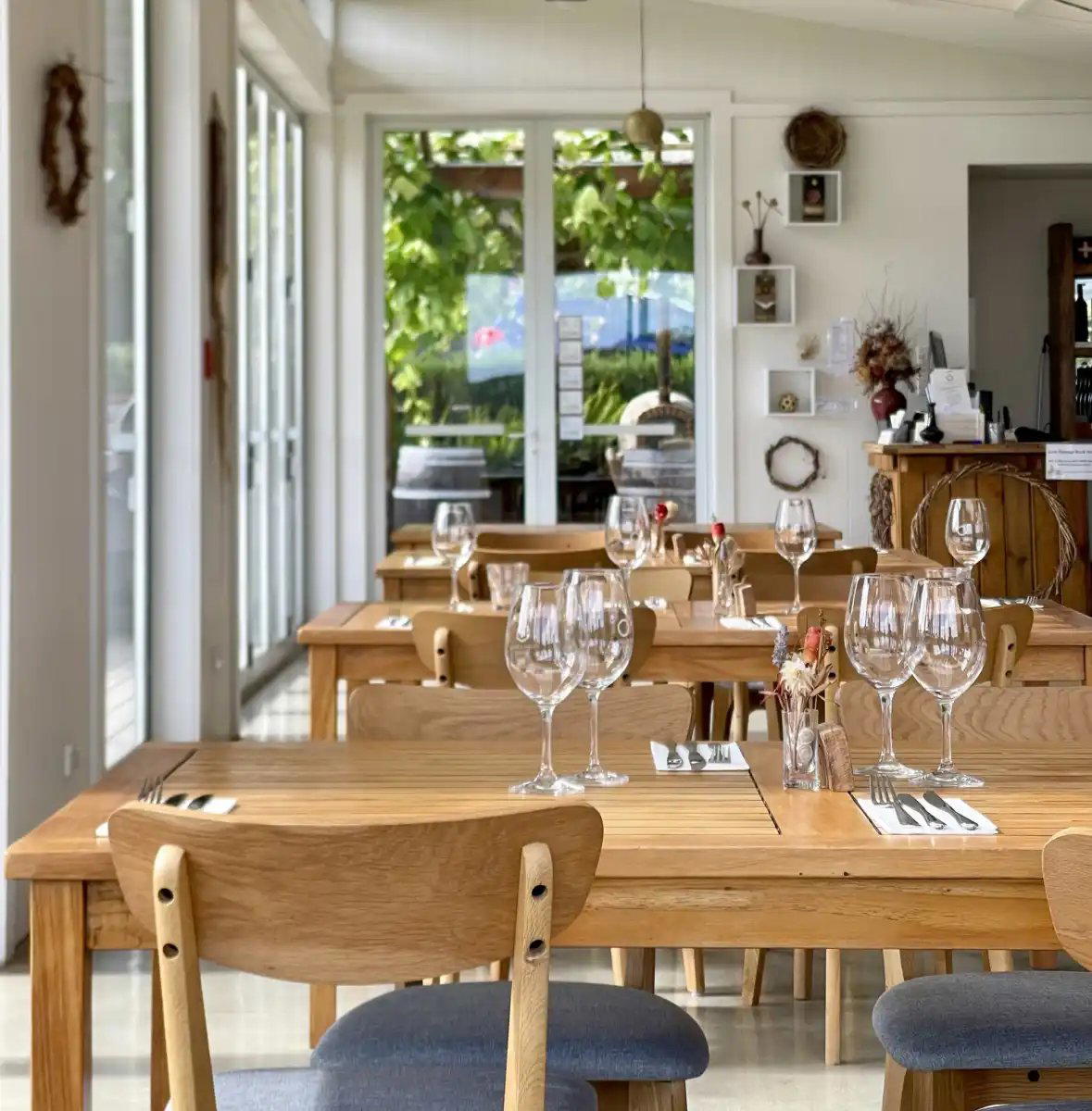
The Eastern Fringe of Waiheke's Wine Country
Waiheke Island's reputation in New Zealand wine circles is built on a specific geographic argument: the island sits in the Hauraki Gulf in a rain shadow that gives it more sunshine hours and drier conditions than Auckland's mainland, producing Bordeaux-variety reds and textured whites that bear little resemblance to what you'd expect from a 35-minute ferry crossing. That argument has been tested and largely vindicated over the past three decades, with a cluster of producers turning the island into one of the country's most discussed short-trip wine destinations. Passage Rock Wines, at 438 Orapiu Road, occupies the southeastern corridor of the island, a stretch of road that sees considerably less passing traffic than the Onetangi or Ostend precincts where many visitors concentrate.
That location is worth understanding before you make the drive. Waiheke's wine producers split, roughly, between those positioned along the main tourist circuit and those that require deliberate navigation to reach. The eastern end of the island, running toward the Orapiu ferry terminal, rewards the kind of visitor who treats the day as an itinerary rather than an impulse. The roads narrow, the vineyard views open up, and the sense of being somewhere the day-tripper crowd hasn't already claimed becomes part of the experience itself.
Waiheke's Sourcing Logic and Why Place Matters
The ingredient-sourcing argument that underlies Waiheke's wine identity is fundamentally about terroir specificity. The island's volcanic and clay-heavy soils, combined with the moderating influence of the surrounding gulf, produce growing conditions that Bordeaux-trained producers identified early as suitable for Merlot and Cabernet Sauvignon-led blends. Producers like Stonyridge made that case loudly and early, with cult allocations that established Waiheke as a premium address. Te Motu Vineyard built a similar reputation around estate-grown Bordeaux blends with genuine aging potential. Against that backdrop, the island's newer and smaller producers are working within a set of expectations already calibrated upward.
Where Passage Rock sits within that conversation is a question of geography as much as winemaking. Estate-grown fruit on Waiheke carries a specific cachet that bought-in grapes simply cannot replicate, and the island's small total landmass means that production volumes are inherently limited. That constraint, shared across Waiheke producers, is part of why the island's wines command the prices they do in Auckland restaurants and specialty retail. Limited output from a defined and credible growing area is the most honest version of the scarcity argument in New Zealand wine.
The Visitor Experience at Orapiu Road
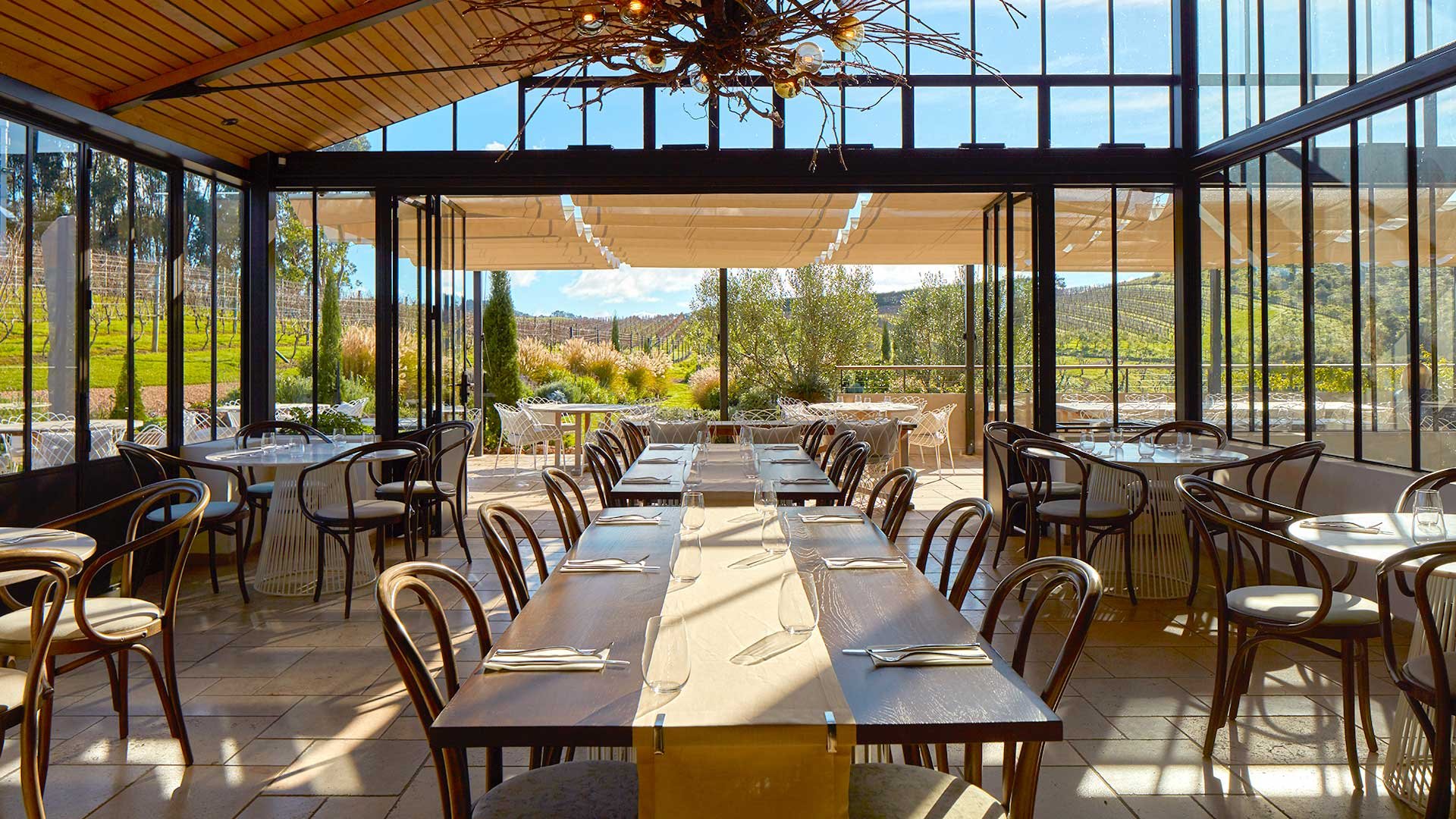
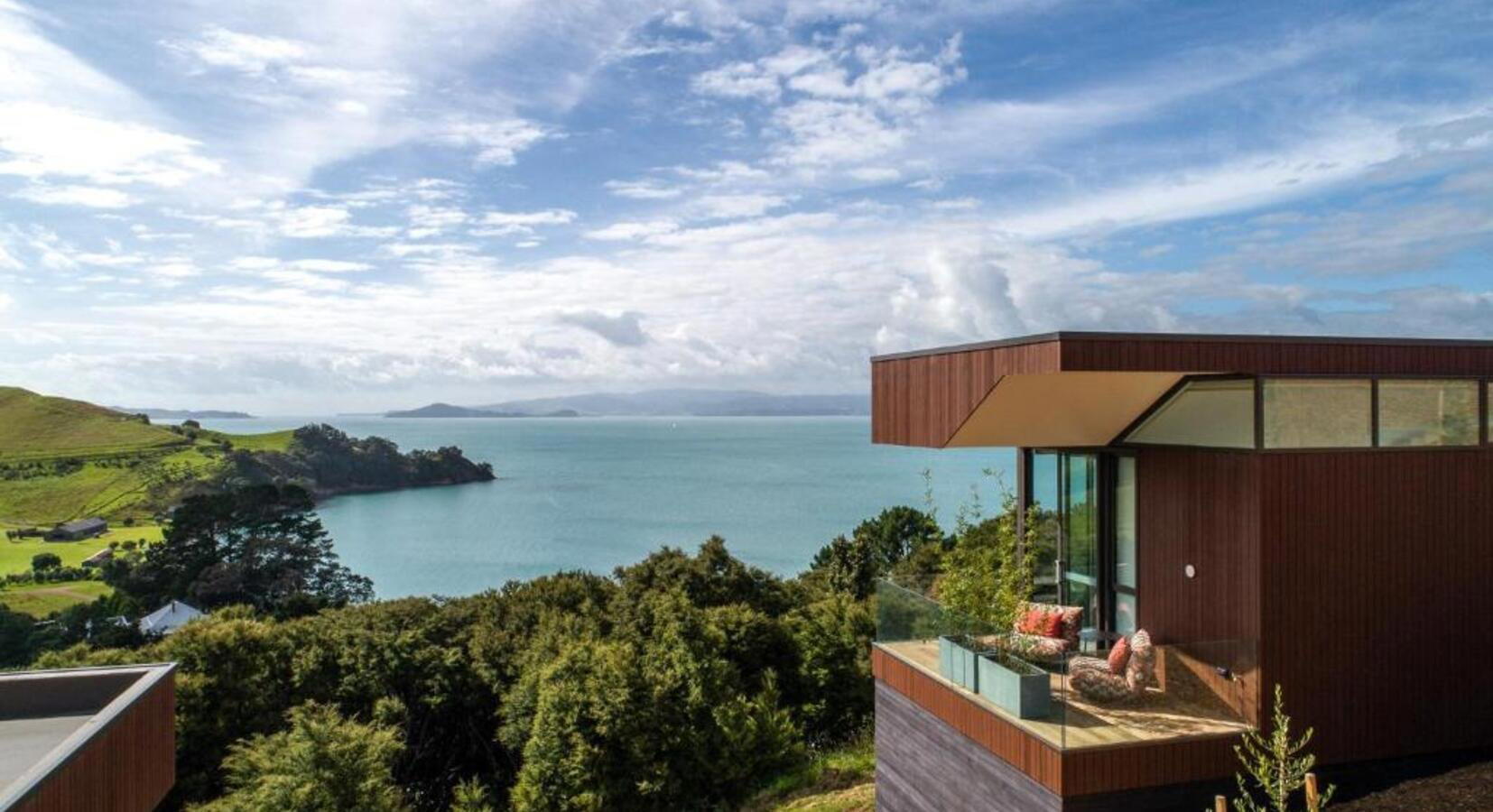
Approaching from the Orapiu Road direction, the property sits in a quieter arc of the island where the density of cellar-door tourism is lower than at Waiheke's western end. The physical setting follows the island's typical pattern of hillside vineyards with water views, a combination that has made Waiheke cellar-door visits as much about the visual context as the wine in the glass. For comparison, Poderi Crisci, on the island's northern side, has built an Italian-inflected dining operation around that same interplay of vineyard setting and food-and-wine matching. The eastern end offers a version of the same premise with less surrounding infrastructure, which cuts in both directions: fewer competing distractions, but also fewer backup options if timing doesn't align.
Visitors to Waiheke's wine corridor who are used to the kind of integrated cellar-door restaurant format found at, say, Amisfield in Queenstown or Amisfield Restaurant and Cellar Door in Lake Hayes will find Waiheke's overall offer somewhat more variable. The island's leading producers match the Central Otago benchmark on wine quality; the food and hospitality infrastructure around that wine is less uniformly developed. That gap is, itself, part of what makes the island's leading tables, , worth the planning effort.
Planning the Visit
Getting to Passage Rock from Auckland requires the Waiheke Island ferry from Downtown Auckland, followed by a drive across the island to the Orapiu Road address. The eastern location means the drive from the Matiatia ferry terminal runs roughly the length of the island, so building it into a half-day or full-day itinerary is more practical than a quick cellar-door stop.
Waiheke as a whole rewards sequential planning. Combining a visit to the eastern producers with lunch at one of the island's more established dining operations makes more logistical sense than fragmenting the day across both ends of the island. New Zealand's broader premium wine-and-dining circuit, which includes addresses like Kika in Wānaka, Bistronomy and Vinotech in Napier South, and Indigo in Napier, gives a useful reference frame for what integrated wine-country hospitality looks like when the food and cellar-door operations are developed in parallel. Waiheke's strongest producers are closing that gap; the eastern corridor is doing so more quietly than the west.
Continue exploring