Taverna del Capitano


1 Michelin Star
Our verdict
A Michelin-starred restaurant on a rooftop above one of the Sorrentine Peninsula's most sheltered beaches, Taverna del Capitano holds a one-star rating (2024) alongside an Opinionated About Dining Classical recommendation. Alfonso Caputo's kitchen draws on local fish and regional ingredients to produce Mediterranean-rooted cooking that reads as both deeply Campanian and quietly creative. Open Tuesday through Sunday for lunch and dinner; priced at €€€€.

Pearl is the En Primeur Club membership app, where members save venues, book tables and use the concierge.
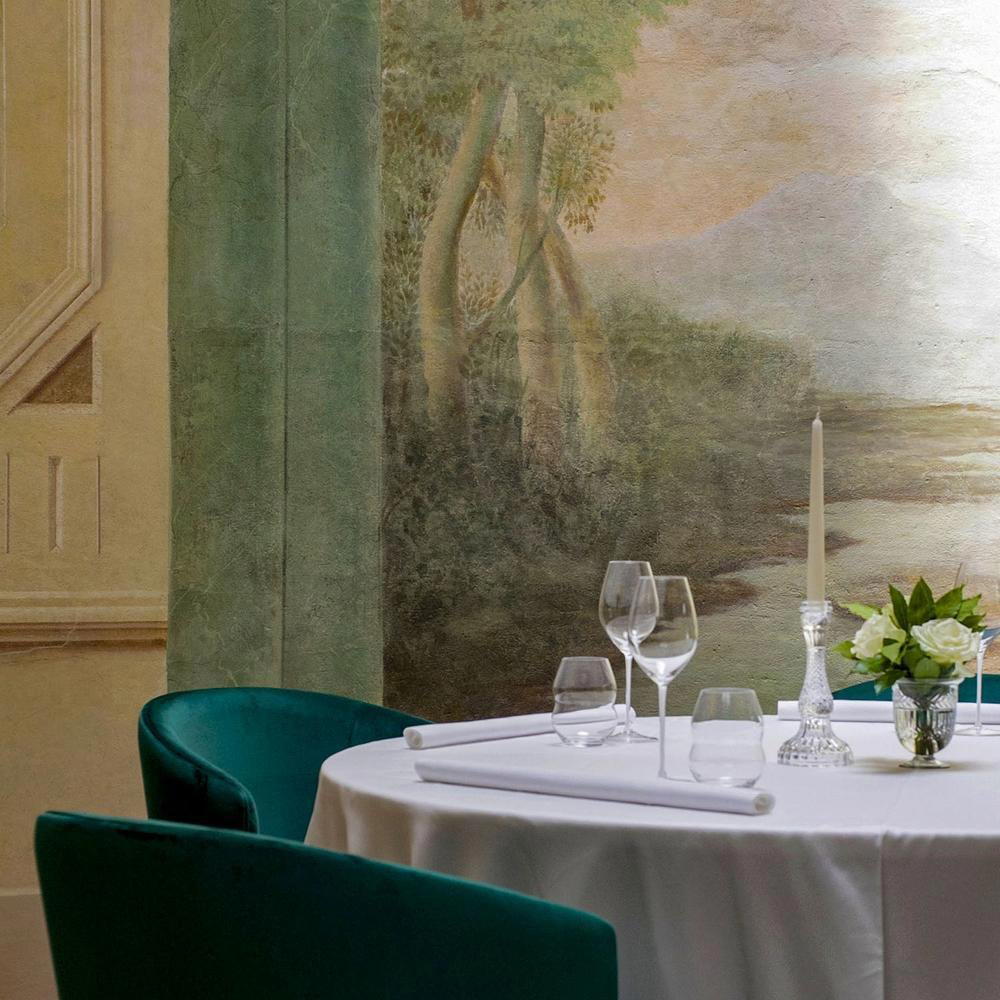
The menu
What to order
- Spaghetti alla Nerano
- Green Norway lobster
Where the Sorrentine Coast Meets the Table
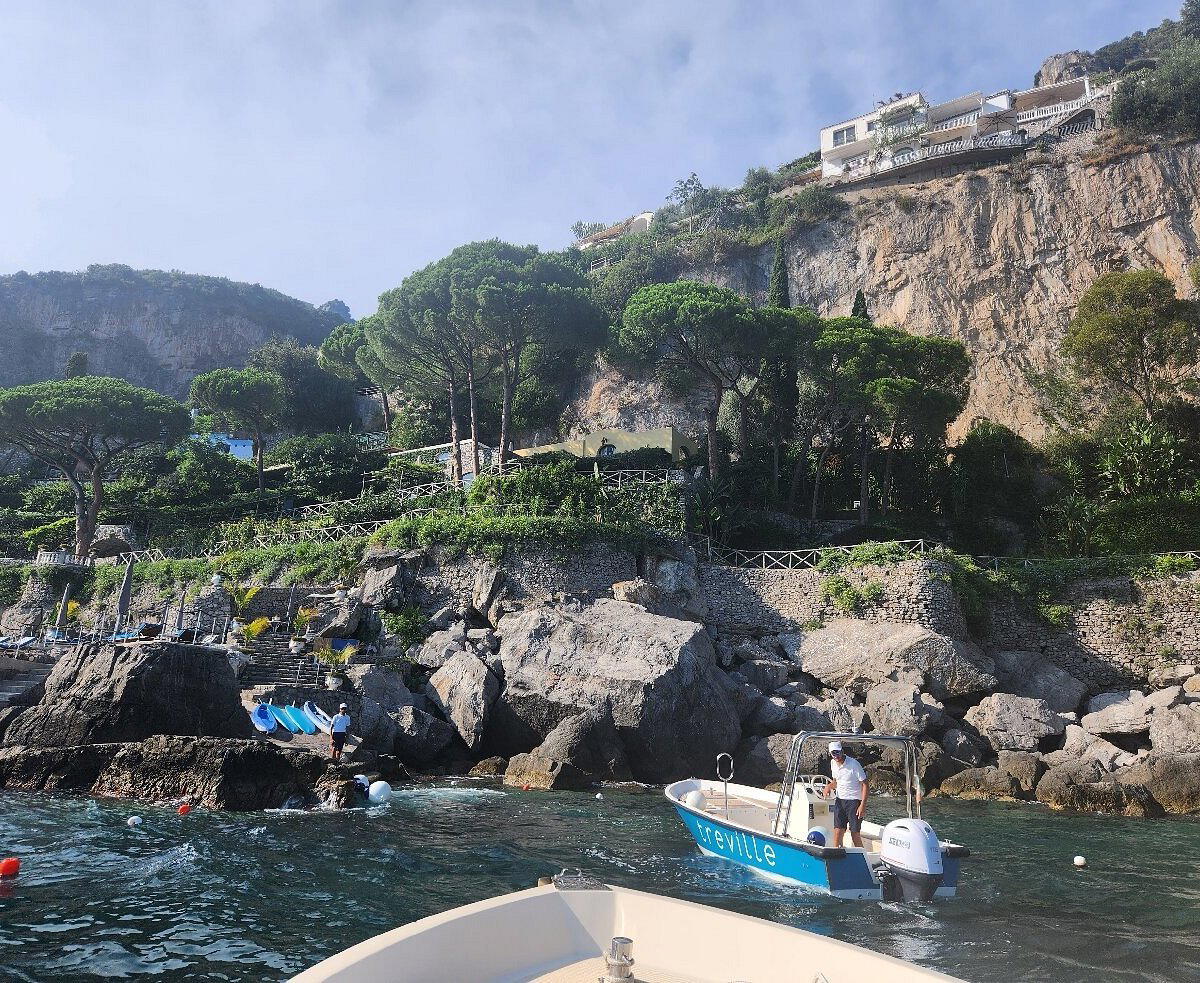
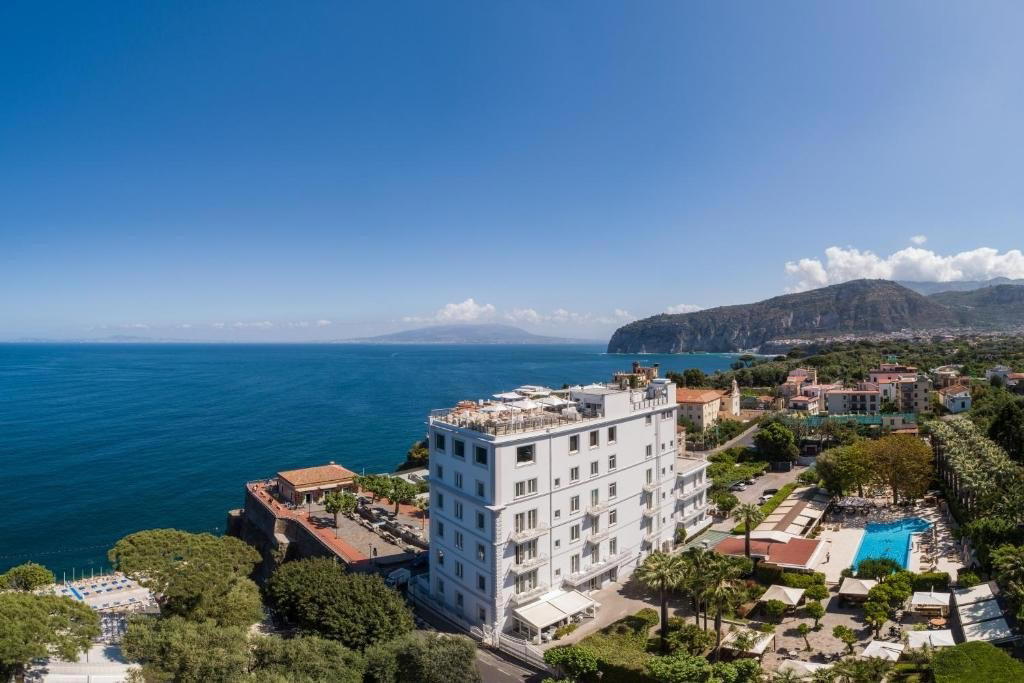
The road into Marina del Cantone doesn't ease you in gently. A sequence of tight hairpin bends descends through maquis and limestone until the bay opens below: a crescent of beach sheltered by the Tre Pizzi promontory, the water shifting between deep blue and green depending on the hour. This is a small, unhurried corner of the Sorrentine Peninsula, and the cooking that has emerged from it reflects that character precisely. The area's restaurant scene sits at the intersection of old-school Neapolitan hospitality and a newer coastal seriousness about produce, and Taverna del Capitano is the clearest expression of that intersection.
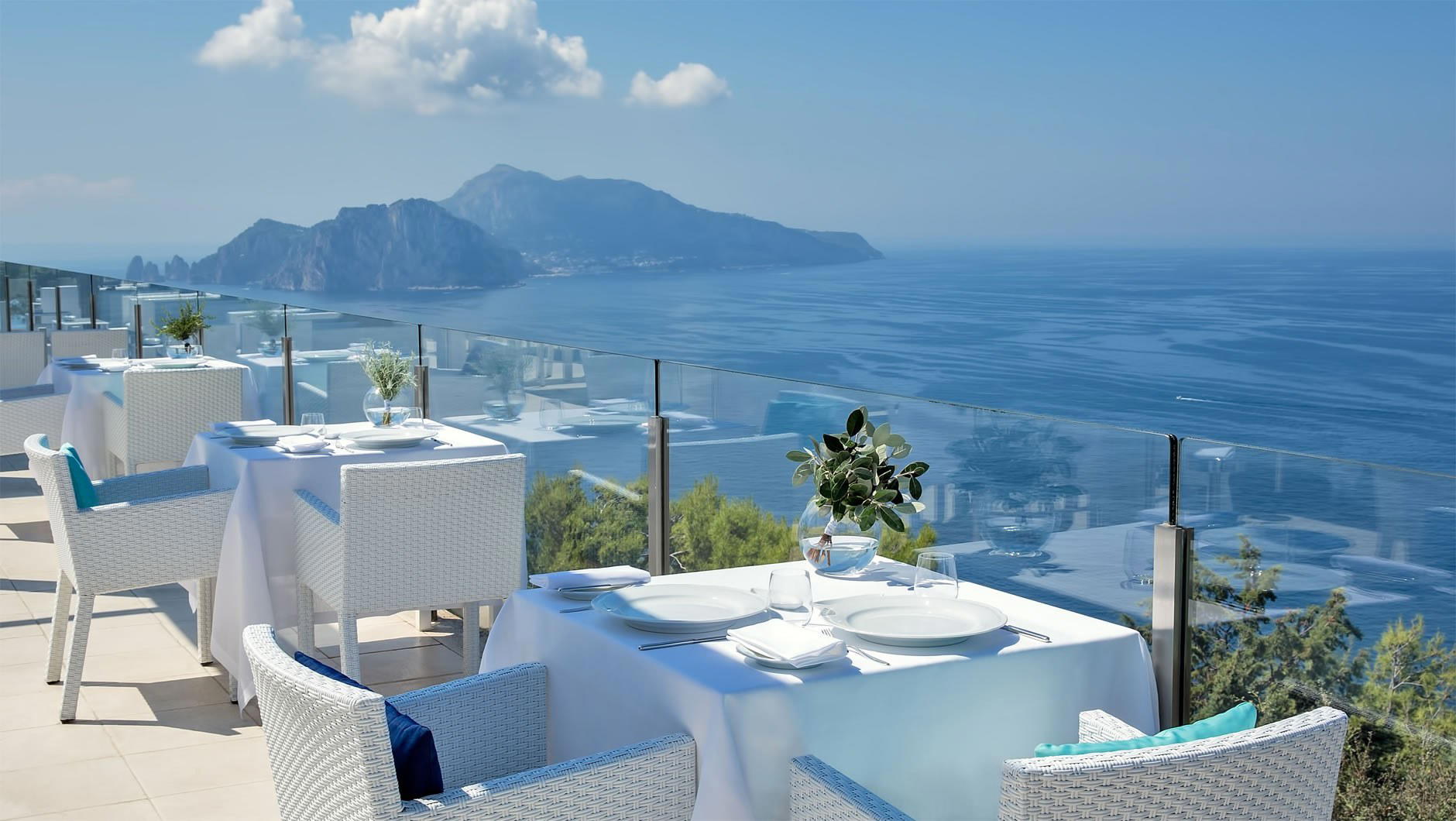
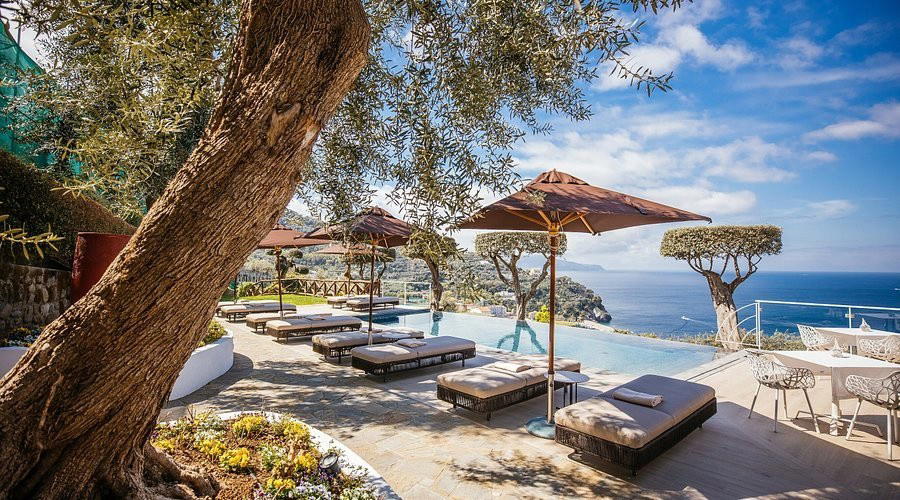
The venue operates across two distinct registers. The Casa Caputo dining room near the entrance handles traditional, unfussy food at a more accessible register. The Michelin-starred restaurant occupies a rooftop position above the beach, where the open-view kitchen sits directly behind the tables and the sound of the sea fills the room. That physical arrangement is not incidental: it frames every plate as something inseparable from its immediate geography, which is exactly the editorial argument the kitchen makes with its sourcing.
The Ingredient Argument: Campanian Waters and Sorrentine Land
Italian coastal fine dining has, over the past two decades, split into two recognisable camps. One prioritises technical transformation, where the origin of an ingredient is subordinate to what the kitchen does with it. The other is rooted in a more demanding discipline: letting high-quality, local produce set the ceiling, and treating technique as a servant rather than a protagonist. The southern Italian approach, and Campanian cooking in particular, has historically belonged to the second camp, and Taverna del Capitano positions itself squarely within that tradition.
The waters around the Sorrentine Peninsula and the broader Bay of Naples provide a particular class of fish and seafood. The Mediterranean diet orthodoxy that governs much of this coastline is not a branding exercise here; it reflects genuine proximity to supply. Alfonso Caputo's menu is built on local fish as its primary protein, supplemented by occasional meat options. What distinguishes the sourcing argument from generic claims about freshness is the combination of regional specificity and creative restraint: the dishes carry a Mediterranean identity that is recognisably of this stretch of coast rather than of the broader Italian south in a vague sense.
This matters in comparative terms. Look at how other Italian fine dining houses of similar or adjacent ambition, including Uliassi in Senigallia on the Adriatic or Reale in Castel di Sangro in the Abruzzo highlands, have constructed menus that derive their credibility from the specific geography of their location rather than from imported prestige ingredients. The logic is the same at Marina del Cantone: the Tre Pizzi headland, the bay's microclimate, the local fishing tradition, these are not backdrop details. They are sourcing infrastructure.
A Michelin One-Star on a Rooftop Above the Sand
Fine dining in remote coastal locations tends to face a legitimacy challenge that urban starred restaurants do not. The assumption, sometimes warranted, is that the setting is doing part of the work: that a view of the sea masks culinary mediocrity. Taverna del Capitano's Michelin one-star status in 2024 functions as a counter-argument to that assumption. The guide's assessors do not award stars for views, and a star held on a beach in Campania carries the same evidential weight as one held in a Milan dining room. The Opinionated About Dining Classical in Europe recommendation for 2023 reinforces the point: OAD's methodology, which aggregates assessments from a community of experienced diners rather than anonymous inspectors alone, tends to surface restaurants where the cooking itself, independent of atmosphere, justifies the trip.
Within Italy's broader fine dining tier, Taverna del Capitano occupies a specific niche: southern Italian coastal, ingredient-led, one-star, operating in a location that requires deliberate travel. Compare that positioning to the dense starred geography of the north, where restaurants like Le Calandre in Rubano, Enrico Bartolini in Milan, or Casa Perbellini 12 Apostoli in Verona compete within a tight geographic cluster. The Sorrentine Peninsula offers no such cluster: this is a destination visit by definition, which raises the stakes for what the kitchen needs to deliver on the plate.
Internationally, the template of high-precision seafood cooking in a remote coastal setting has produced some of the most compelling fine dining cases of recent decades. Le Bernardin in New York City built a multi-decade reputation on exactly the same discipline of fish as primary subject. That the format works equally in a small Sorrentine bay is an argument about what serious coastal cooking can achieve when geography and execution align.
The Neapolitan Creative Register
Taverna del Capitano's cuisine type is listed as Neapolitan and Creative, a pairing that captures the productive tension in the kitchen's approach. Pure Neapolitan cooking is among the most codified regional traditions in Italy: there are rules about what things should taste like, and deviation tends to be treated with suspicion by practitioners and diners alike. The creative designation signals that Alfonso Caputo is working within that tradition but applying a degree of latitude, pushing ingredients and combinations without abandoning the Mediterranean flavour logic that makes southern Italian cooking immediately legible.
This positions the restaurant in a different conversation than, say, the north Italian creative tradition represented by Osteria Francescana in Modena or the Alpine sourcing discipline of Atelier Moessmer Norbert Niederkofler in Brunico. Those kitchens operate with a different regional grammar. Campanian creativity is warmer, more generous, less architectural in its plating instincts, and Taverna del Capitano reflects those regional aesthetics while maintaining the precision that a Michelin star requires.
For comparison within the same coastal postcode, Quattro Passi, also in Marina del Cantone, occupies the Italian Mediterranean fine dining space at the same price tier. The presence of two serious restaurants in a village of this scale is itself a signal about what the area's local supply and visitor demand can sustain. Together they make Marina del Cantone a more compelling dining destination than its size alone would suggest.
Planning the Visit
Taverna del Capitano is open Tuesday through Sunday for both lunch (12:30 to 2:30 pm) and dinner (7:30 to 10:00 pm); it is closed on Mondays. Pricing sits at the €€€€ level, which places it in the upper tier of Italian restaurant spending: treat this as a destination meal rather than a casual dinner stop. The rooftop restaurant, not the Casa Caputo ground-floor dining room, is where the starred kitchen operates, so confirm at booking which reservation applies to which room.
Getting here requires intent. Marina del Cantone sits at the end of those hairpin descent roads from the Sorrentine ridgeline, roughly accessible from Sorrento or from the Amalfi Coast side via Positano and Praiano. The beach village has no rail connection; driving or hiring a car is the practical approach. If you are organising accommodation alongside the meal, our full Marina del Cantone hotels guide covers the local options. For anyone building a wider itinerary around this corner of Campania, our guides to Marina del Cantone bars, wineries, and experiences cover the rest. For a broader view of where Taverna del Capitano sits within the full dining picture here, see our complete Marina del Cantone restaurants guide.
Lunch service has a practical advantage over dinner at this latitude and address: the rooftop position above the beach means that midday light, the bay framed by the Tre Pizzi, and the kitchen's fish-forward menu align in a way that is harder to replicate in an urban setting. Those who have eaten seriously at the Italian classics further north, at Enoteca Pinchiorri in Florence, Dal Pescatore in Runate, or Piazza Duomo in Alba, will find the register here familiar in its seriousness but distinct in its geography and southern flavour logic. And the journey down those bends, with the bay appearing at the bottom, is the kind of arrival that makes context and place feel inseparable from what ends up on the plate.
What Do Regulars Order at Taverna del Capitano?
Given the kitchen's stated focus on local fish and Mediterranean ingredients from the waters around the Sorrentine Peninsula, dishes built around the catch of the day represent the clearest expression of what Caputo's cooking does at its most direct. The open-view kitchen design means the fish preparation is visible from the tables, which underlines the sourcing transparency that the Michelin citation and OAD recommendation both implicitly endorse. Regulars familiar with the Neapolitan creative register come specifically for the seafood menu rather than the meat options, which appear as supporting choices rather than the kitchen's primary argument. The rooftop restaurant is the destination, not the Casa Caputo room downstairs, and within that room the tasting-format dishes drawing on the bay's seasonal catch are where the starred cooking is most legible. For the Atomix in New York diner accustomed to highly constructed multi-course formats, the approach here will read as warmer and more regionalist in spirit, grounded in Campanian produce logic rather than abstract technique.
Booking and Cost Snapshot
| Venue | Cuisine | Price | Awards | Notes |
|---|---|---|---|---|
| Taverna del CapitanoThis venue (the venue you are viewing) | Modern Italian Seafood | Not listed | 1 Michelin Star | Not listed |
| Quattro Passi | Modern Mediterranean Fine Dining | $300–500 | 3 Michelin Stars · World's 50 Best #38 | Italian, Mediterranean Cuisine |
| Atelier Moessmer Norbert Niederkofler | Modern Alpine Fine Dining | $300–500 | 3 Michelin Stars · World's 50 Best #20 | Italian, Creative |
| Dal Pescatore | Classic Italian Fine Dining | $200–300 | 3 Michelin Stars · World's 50 Best #38 | Italian, Italian Contemporary |
| Enoteca Pinchiorri | Contemporary Italian Fine Dining | $200–300 | 3 Michelin Stars · World's 50 Best #32 | Italian - French, Italian Contemporary |
| Enrico Bartolini | Modern Italian Fine Dining | $300–500 | 3 Michelin Stars · World's 50 Best #85 | Creative |
Recognition history
Dated appearances from independent guides and award organizations, with the underlying list record or original source where available.
Michelin 1 Star
Michelin
Opinionated About Dining Classical in Europe Recommended
Opinionated About Dining
Full recognition history (4 entries)
Michelin 1 Star
Michelin
Michelin 1 Star
Michelin
Continue exploring
More in Massa Lubrense
Restaurants in Massa Lubrense
All restaurants in Massa Lubrense →
Bars in Massa Lubrense
Browse all →

Taverna del Capitano
The wine
- Wine program
- Deep wine list
- Extensive wine list
- Sommelier-led
Details
- Romantic
- Elegant
- Scenic
- Intimate
- Rustic
- Date Night
- Special Occasion
- Waterfront
- Terrace
- Panoramic View
- Extensive Wine List
- Sommelier Led
- Local Sourcing
- Waterfront
- A La Carte
- Tasting Menu
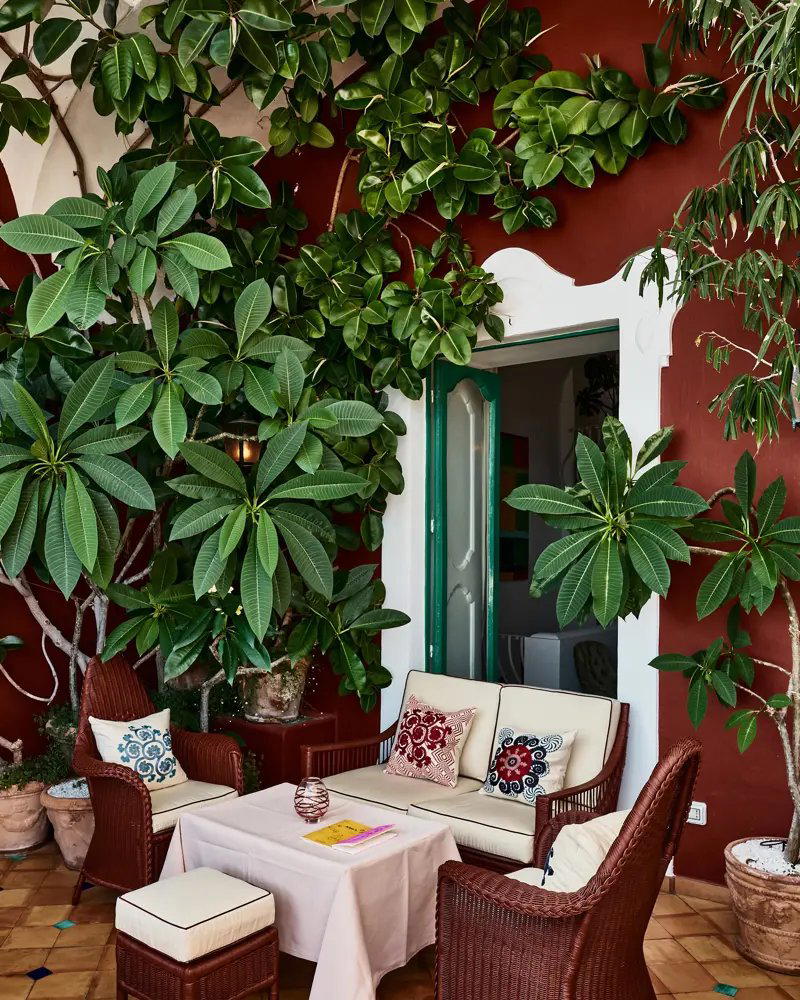
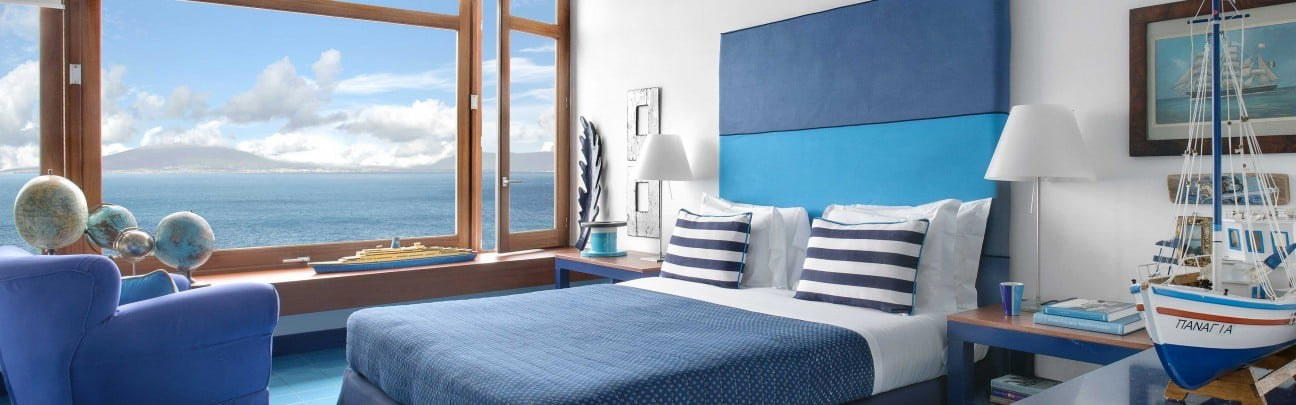
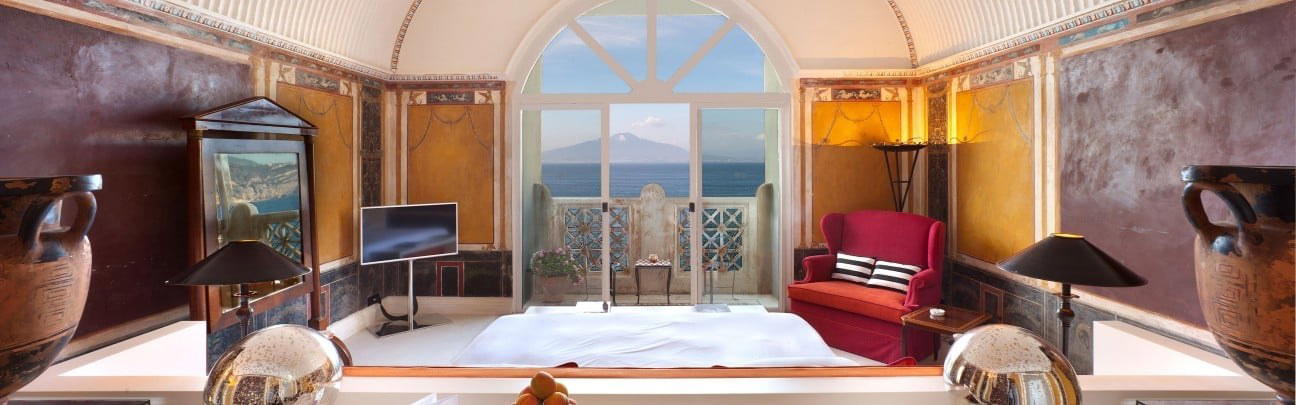
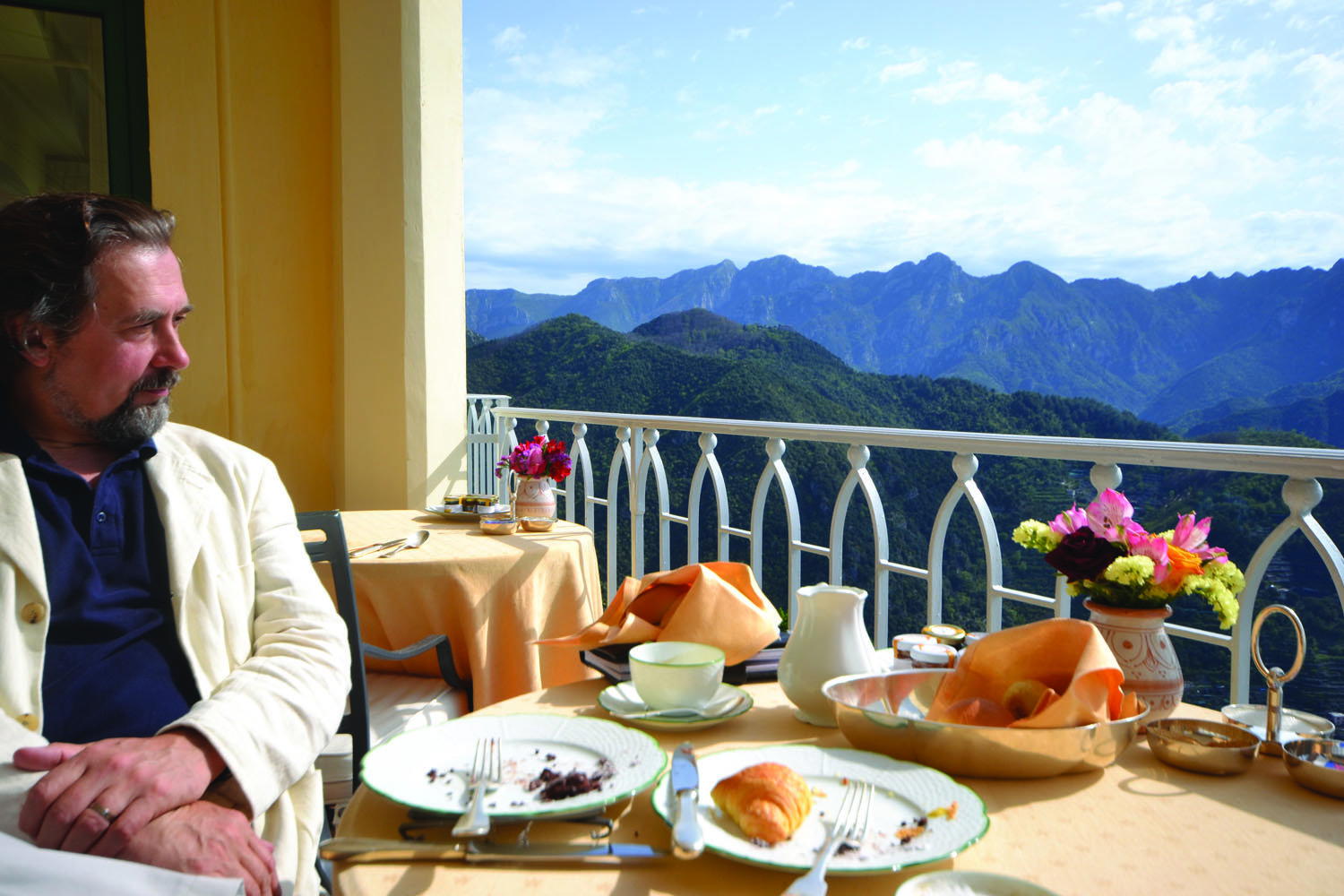
Refined and relaxed atmosphere with sea views, well-spaced tables, and warm family-run service.