On Hamilton Street in Yaletown, Tasty Indian Bistro occupies a corner of Vancouver's mid-range dining scene where subcontinental cooking meets a neighbourhood accustomed to contemporary tasting menus and Japanese omakase. The kitchen draws on a broad Indian culinary tradition spanning multiple regional styles. A practical entry point into Indian dining for a city still building its depth in that category.
Pearl is the En Primeur Club membership app — saves, bookings, and concierge access live there. Same editors, same standards.
- Address
- 1261 Hamilton St, Vancouver, BC V6B 1E2, Canada
- Phone
- +16044233300
- Website
- tastybistro.ca
- Directions
- Get directions
 Saves & bookings on Pearl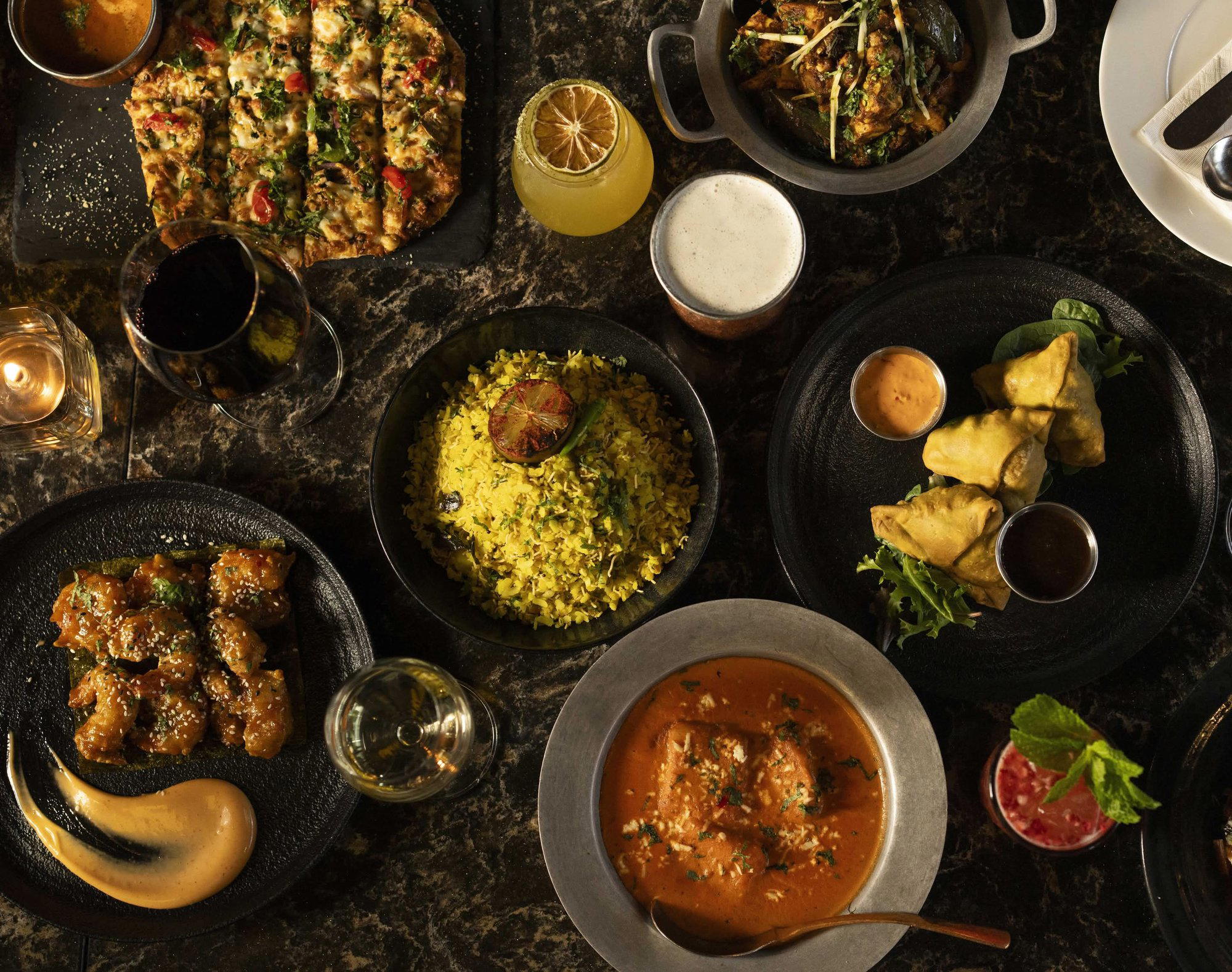
The Ritual of the Indian Meal in a West Coast Context
Indian dining, at its most considered, operates on a logic quite different from the tasting-menu format that defines much of Vancouver's higher-end restaurant culture. The meal arrives not as a linear sequence of courses but as a negotiated spread: breads ordered alongside mains, chutneys and pickles functioning as palate pivots rather than garnishes, dal as a constant rather than a featured dish. Tasty Indian Bistro is a Modern Indian Bistro at 1261 Hamilton Street in Vancouver, with a price tier around $40 per person. Kissa Tanto and the contemporary precision of AnnaLena, restaurants where the kitchen controls the tempo entirely. Indian dining asks something different of the guest: a willingness to drive the table's composition, to layer flavours through choice rather than through the kitchen's predetermined arc.
That distinction matters for how you approach a meal here. The etiquette of subcontinental eating, tearing bread to scoop rather than cutting, sharing plates as the default rather than the exception, building heat tolerance across the meal rather than spiking it, is embedded in the format itself, regardless of whether the dining room makes it explicit. Yaletown's foot traffic skews toward diners more familiar with omakase counters like Masayoshi than with thali logic, which makes a restaurant like this function as both a meal and a mild orientation.
Hamilton Street and Where This Fits
Yaletown is not Vancouver's primary node for South Asian dining. That geography sits further east, along Main Street and in Surrey's Newton district, where decades of diaspora cooking have produced a denser, more competitive field. Yaletown's restaurant identity has been shaped by its residential density and proximity to the convention centre corridor: the neighbourhood rewards accessibility and recognisable formats. An Indian bistro on Hamilton Street is, by position, aimed at convenience and neighbourhood regulars as much as destination diners.
That positioning places it in a different competitive set from the city's higher-commitment options. Where Barbara or iDen & QuanJuDe Beijing Duck House operate on reservation-led, occasion-driven traffic, a bistro format in this part of the city tends to function on a more fluid walk-in basis, absorbing the after-work crowd and hotel guests from the surrounding blocks. For a fuller picture of where this sits within Vancouver's restaurant ecosystem, the EP Club Vancouver restaurants guide maps the full range from neighbourhood staples to multi-award contenders.
The Architecture of the Indian Menu
Indian restaurant menus in Canada have followed a recognisable pattern since the 1980s: a hybrid menu that blends Punjabi staples, which arrived with the earliest large wave of South Asian immigration, with a broader pan-Indian selection added over successive decades as the market grew more familiar. Butter chicken and dal makhani anchor one end; regional outliers from the south or east appear in varying depth depending on the kitchen's provenance. The bistro framing, common in cities from Toronto, where Alo has demonstrated how bistro-adjacent formats can hold serious culinary ambition, to Montreal's more eclectic dining culture, signals a middle register: more composed than a canteen, less formal than a white-tablecloth dining room.
The ritual mechanics of the meal are worth understanding before you order. In a properly paced Indian meal, the sequence runs roughly from lighter, drier preparations toward richer, sauced dishes, with bread as the throughline. Tandoor-baked breads, naan, roti, paratha, arrive hot and are leading eaten immediately; a table that lets bread cool while managing other plates is losing the meal's leading textures. Rice-based mains function as a second register, better suited to the heavier curries that build heat and fat over the course of eating. For context on how deliberate pacing elevates a dining experience in a Canadian setting, the tasting architecture at Tanière³ in Quebec City or the produce-driven sequencing at Restaurant Pearl Morissette in Lincoln offer instructive contrasts in how meal structure shapes perception of value.
What Draws Regulars Back
In the bistro tier of Indian dining, the return visit is usually earned through consistency rather than novelty. The defining appeal of this format is that it removes the friction of occasion: you can eat here on a Tuesday without it feeling like a concession. That reliability is underrated in a restaurant culture that prizes innovation. The Indian kitchen tradition rewards long cooking times, fermentation, and spice blooming, techniques that benefit from repetition and calibration over time. A kitchen that has found its ratios for a dal or a korma delivers better results on the fiftieth service than the fifth.
Vancouver's Indian restaurant scene, considered against peer Canadian cities, remains thinner at the high end than Toronto or even Calgary, where institutional dining formats have pushed regional diversity into unexpected venues. The city's South Asian population is large and growing, but the restaurant infrastructure serving that population skews toward Richmond and Surrey rather than central Vancouver. A central-city Indian bistro fills a real gap in the Yaletown-to-Gastown corridor, where the nearest comparable options require transit or a rideshare. For diners calibrating how this compares to more ambitious Canadian cooking, Eigensinn Farm and The Pine in Creemore represent the farm-to-table pole of the national conversation, a different tradition entirely but a useful benchmark for thinking about where culinary ambition lives in Canada.
Planning Your Visit
The practical table below reflects the address, price tier, and booking recommendation that are currently available.
| Factor | Tasty Indian Bistro | Kissa Tanto (peer ref.) | Masayoshi (peer ref.) |
|---|---|---|---|
| Address | 1261 Hamilton St, Vancouver | Chinatown adjacent | South Granville |
| Price tier | $$$ | $$$$ | $$$$ |
| Booking | Recommended | Reservations required | Omakase booking |
| Format | Bistro / à la carte (assumed) | Set-menu fusion | Counter omakase |
| Walk-in likelihood | Higher than fine-dining peers | Low | low |
Where It Fits
Comparable venues nearby, for context on price, style, and recognition.
| Venue | Cuisine | Price | Notes |
|---|---|---|---|
| Tasty Indian BistroThis venue — the venue you are viewing | Modern Indian Bistro | $$$ | Not listed |
| Sula Indian Restaurant, Commercial Drive | Authentic Indian Street Food & Tandoori | $$ | Commercial |
| Urban Tadka | Awadhi Royal Indian Cuisine | $$ | Grandview-Woodland |
| KAVITA | Modern Indian Ammakase | $$$$ | Mount Pleasant |
| Zarak by Afghan Kitchen | Modern Afghan | $$$ | Mount Pleasant |
| 1305 Arbutus St | Fresh Seafood & Steakhouse | $$$ | Kitsilano |
Continue exploring
More in Vancouver
Restaurants in Vancouver
Browse all →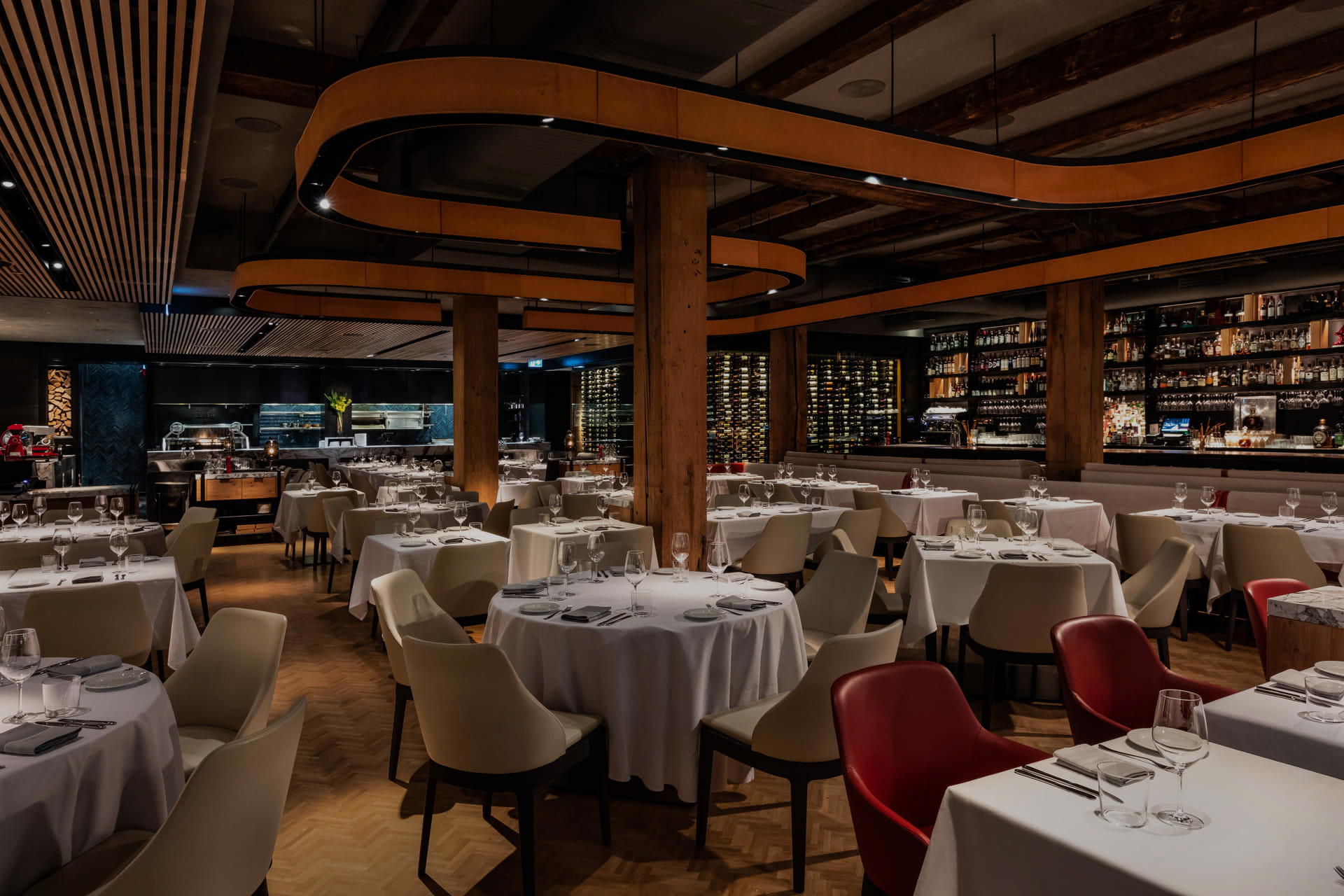
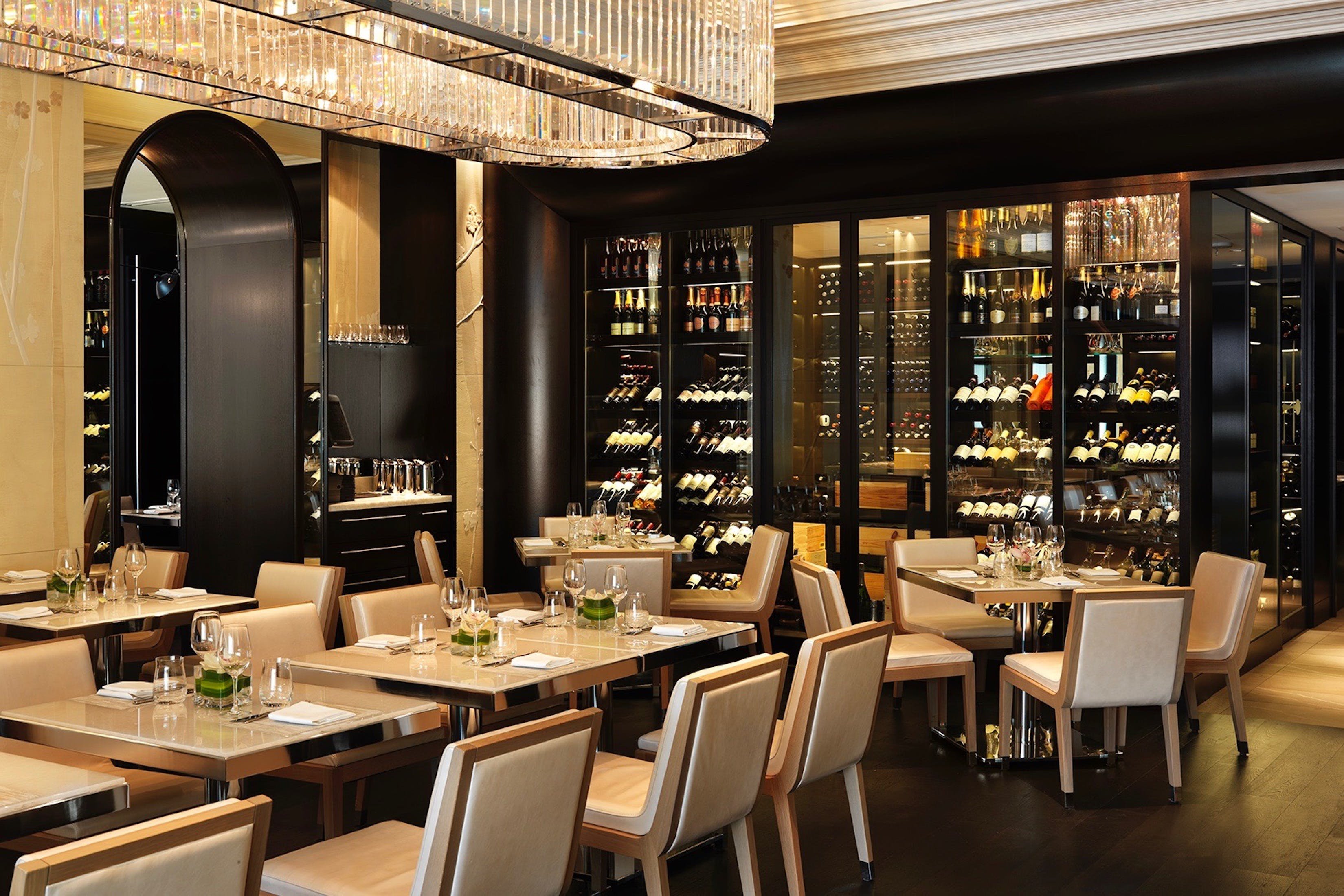
Bars in Vancouver
Browse all →
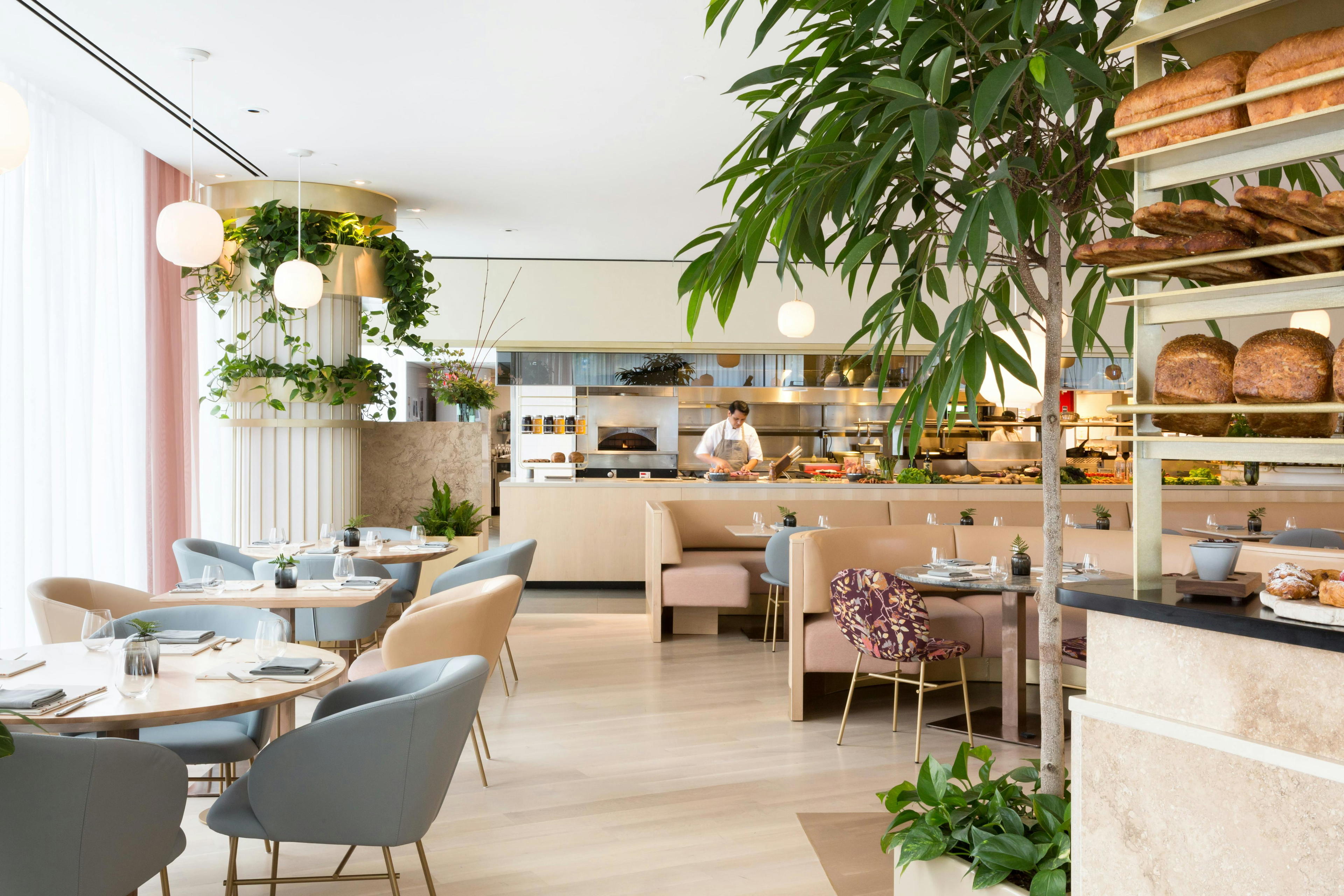
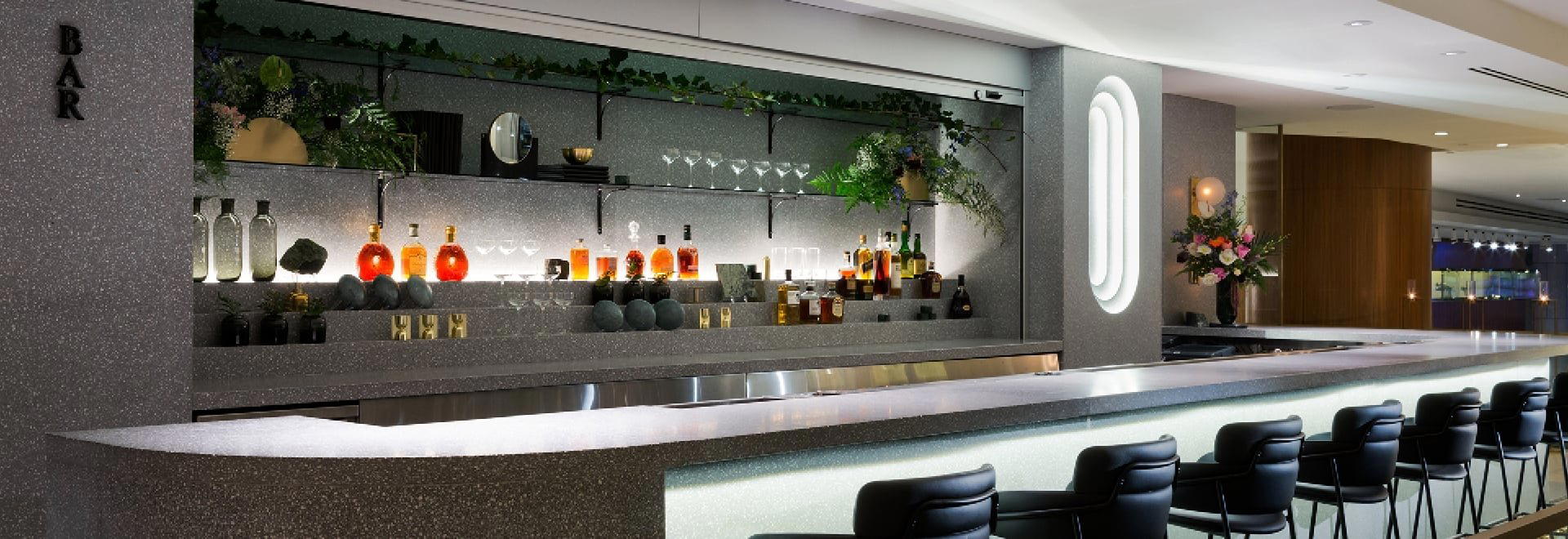

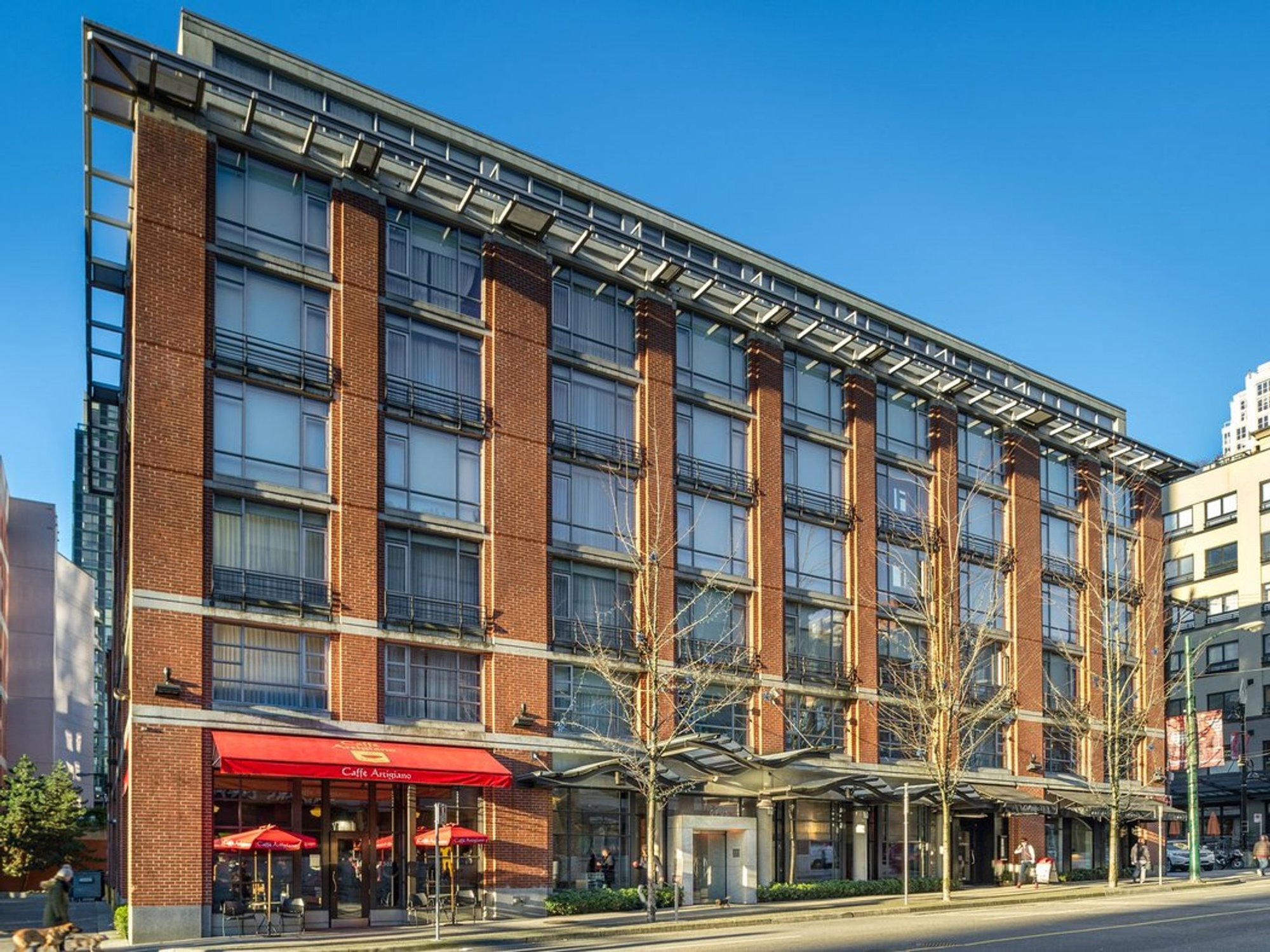
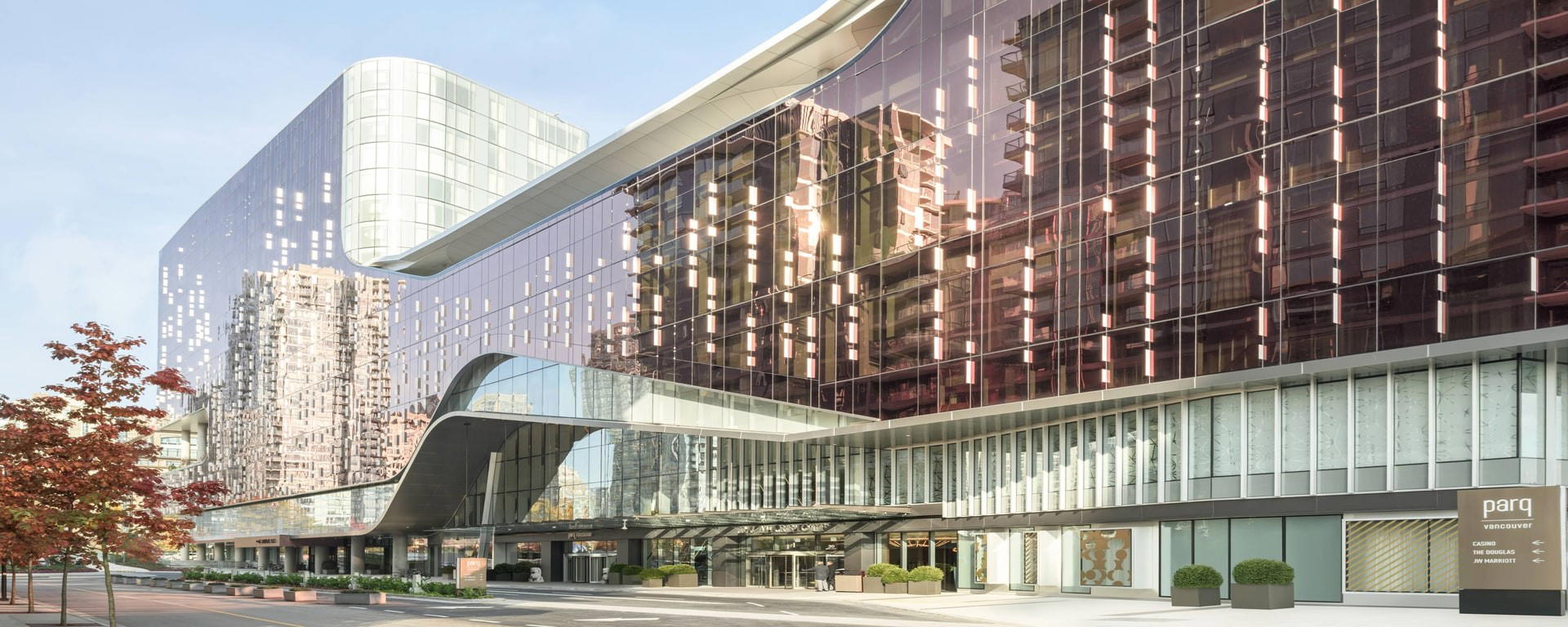
At a Glance
- Modern
- Cozy
- Sophisticated
- Date Night
- Group Dining
- Family
- Casual Hangout
- Open Kitchen
- Craft Cocktails
Current opening hours
- Monday
- 10 AM–11:30 PM
- Tuesday
- 10 AM–11:30 PM
- Wednesday
- 10 AM–11:30 PM
- Thursday
- 10 AM–12 AM
- Friday
- 10 AM–12 AM
- Saturday
- 10 AM–12 AM
- Sunday
- 10 AM–12 AM
Hours can change for holidays and private events. Last verified .
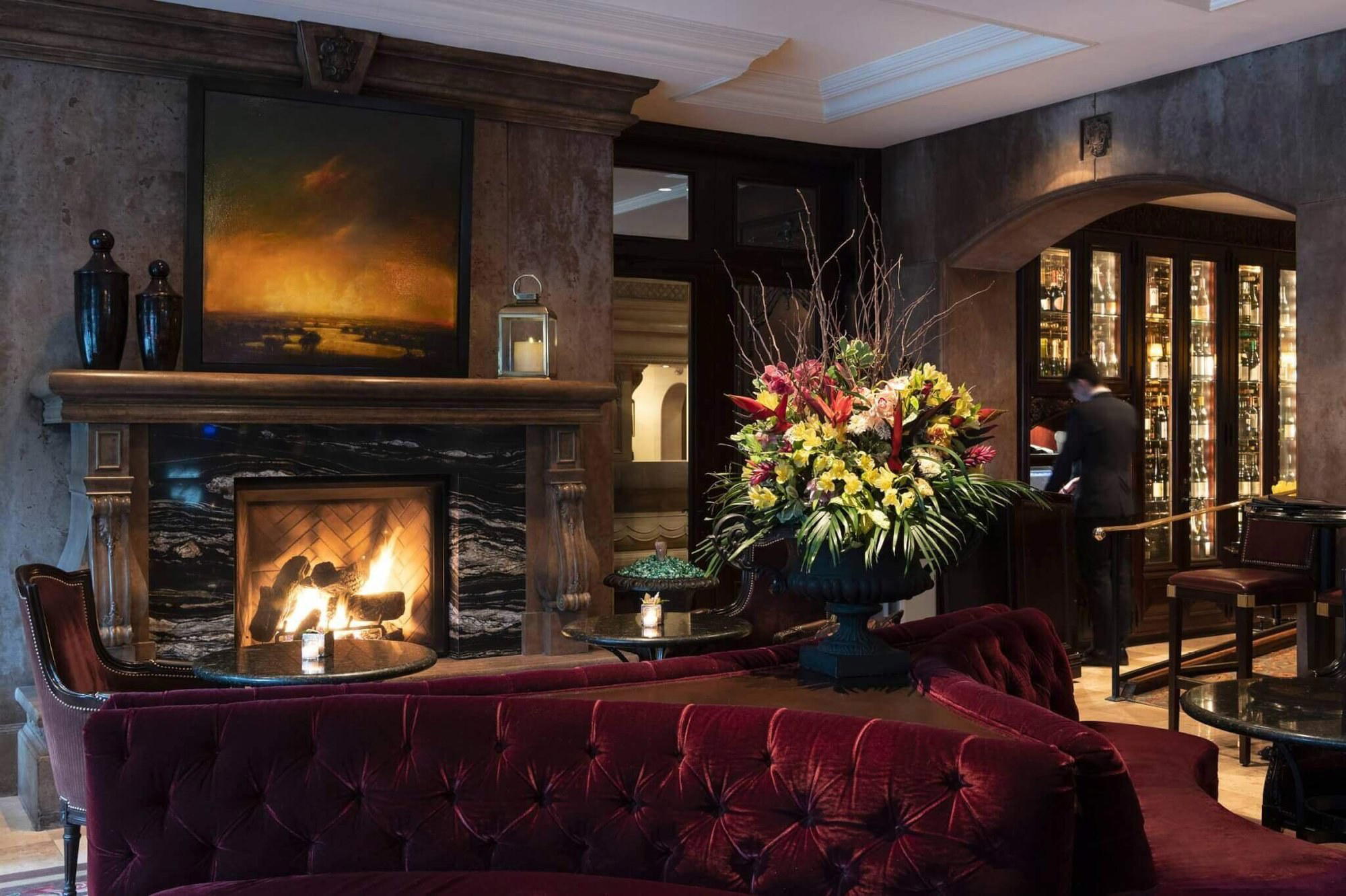
good ambiance with a service-driven design offering a polished dining experience.