Tartine Manufactory

Our verdict
Few addresses in San Francisco do more to define how the Bay Area eats than Tartine Manufactory, the Mission District operation that sits at the intersection of artisan baking, fermentation culture, and daytime hospitality. Ranked #61 in Opinionated About Dining's North America Gourmet Casual list in 2023 and holding, it occupies a tier above casual but below the tasting-menu circuit.

Pearl is the En Primeur Club membership app, where members save venues, book tables and use the concierge.

The menu
What to order
- Smoked Salmon Tartine
- Fig & Pig Pizza
- Almond Croissant
The Mission's Relationship with Bread
San Francisco's reputation for sourdough is old enough to be a cliché, but the city's modern relationship with fermentation-driven baking is a different thing entirely. Where the tourist-facing sourdough industry leans on heritage branding, a tighter cohort of bakeries has spent the past two decades reframing what a bread-focused space can be: part production facility, part dining room, part social infrastructure for the neighbourhood. Tartine Manufactory, at 595 Alabama Street in the Mission District, sits at the centre of that cohort. It is a direct expression of the Bay Area's long-standing belief that technique, provenance, and daily ritual belong in the same room.
The Mission itself has been the proving ground for that argument. The neighbourhood's food culture developed outside the fine-dining corridor, building credibility through farmers' market sourcing and grain-forward cooking before those phrases entered mainstream culinary conversation. The Manufactory's address on Alabama Street places it inside that tradition: an industrial block that reflects the Mission's ongoing negotiation between its working-class roots and its current role as one of the most food-literate zip codes in the country.
A Space Built Around Process
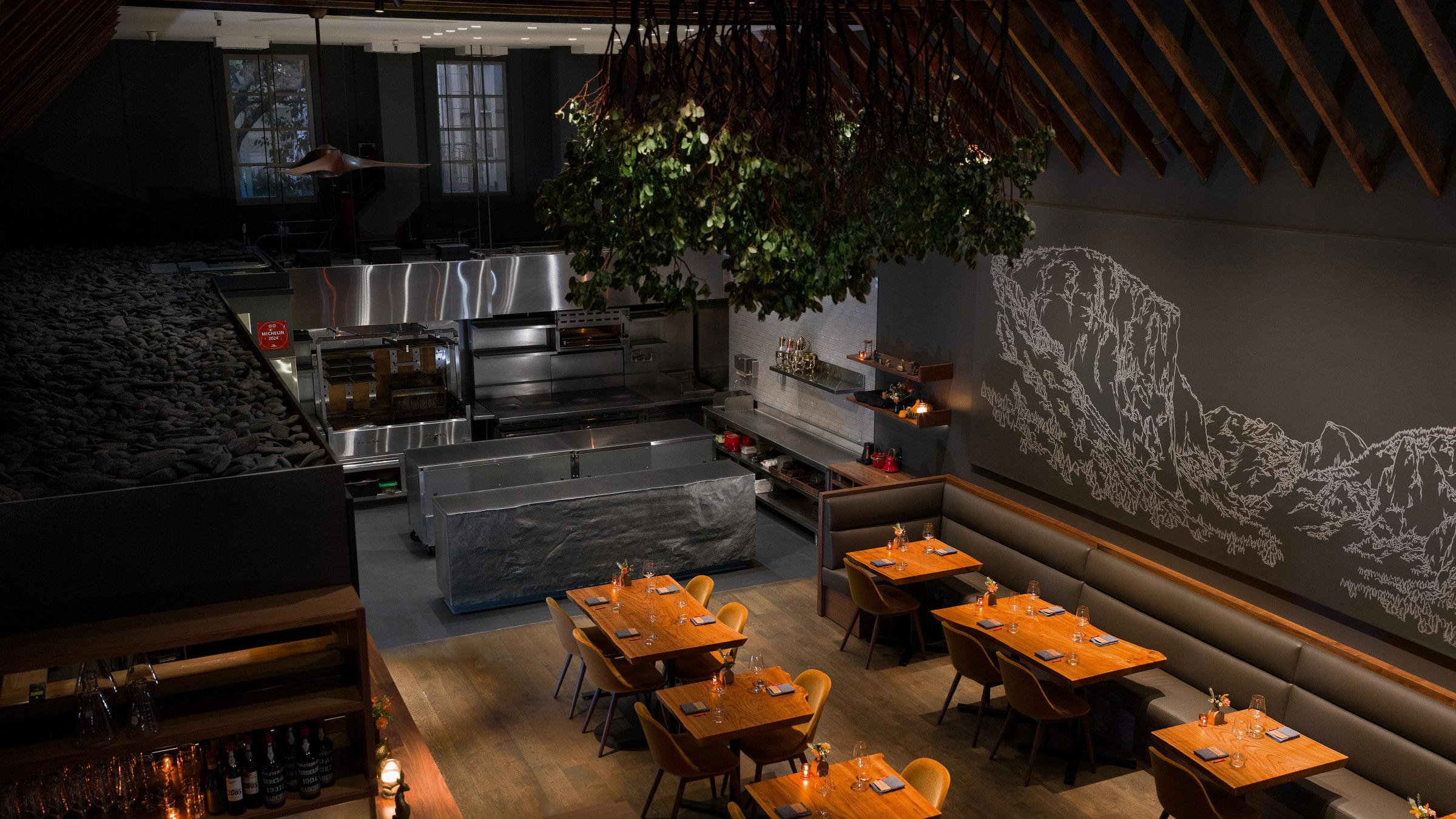
The physical scale of the Manufactory signals its ambitions immediately. Unlike the original Tartine Bakery on Guerrero Street, a compact neighbourhood operation defined by its afternoon queues, the Manufactory operates as a full production and hospitality facility. The baking apparatus is visible from the dining area, which places the process of making bread at the centre of the room rather than behind closed doors. This is a deliberate positioning choice that mirrors how the Bay Area's most serious food operations tend to present themselves: transparency about process as a form of credibility.
That transparency aligns the Manufactory with a broader West Coast approach to hospitality, one that differs from the enclosed formality of East Coast tasting-room culture. Compare the operating philosophy here to the controlled theatricality of Le Bernardin in New York City or the baroque precision of Alinea in Chicago, and the contrast is structural: the Manufactory externalises its craft rather than framing it as spectacle. That puts it in closer conversation with Northern California neighbours like Single Thread Farm in Healdsburg, where sourcing and production are as visible as the plate itself.
Regional Identity on the Plate
The editorial angle on the Manufactory is not primarily about bread, even though bread is its foundation. It is about how Pacific Coast culinary identity has evolved to treat fermentation, grain quality, and slow-process baking as serious intellectual territory rather than artisanal lifestyle markers. Chad Robertson and Elisabeth Prueitt built a body of work, across the original bakery, the Manufactory, and their published books, that belongs to a specific Northern California tradition of treating staple foods as worthy of fine-dining-level attention without the formal trappings of fine dining.
That tradition runs through Nopa, which applies similar sourcing rigour to wood-fired cooking across the divide at Divisadero, and through Marlowe, which channels California-sourced ingredients through a more urban brasserie format. None of these venues operate in the same category as the tasting-menu circuit represented by Lazy Bear, Atelier Crenn, or Benu, but they arguably carry more weight in defining how everyday San Franciscans eat at a high level.
The regional comparison extends southward and eastward. New American cooking at Providence in Los Angeles is built around California seafood in a formal-dining frame, while The French Laundry in Napa operates in a completely different register of formality and price. The Manufactory occupies the tier between those poles: serious enough about sourcing and technique to draw comparisons with the leading end, casual enough in format to serve a breakfast pastry and a cortado without ceremony. That positioning is not a compromise; it is the point.
Further afield, the comparison with Bayona in New Orleans or Emeril's in New Orleans illustrates how differently regional identity shapes New American cooking. Gulf Coast-inflected New American draws on French Creole technique and deep-rooted local ingredient culture. Northern California's version draws on Japanese fermentation influence, direct-from-farm grain sourcing, and a preference for restraint over richness. These are distinct culinary dialects within the same broad category, and the Manufactory speaks the Bay Area one fluently. The same contrast applies to the formality-led East Coast register at The Inn at Little Washington, where New American cooking takes on a very different set of aesthetic priorities.
What the Recognition Signals
Opinionated About Dining, which focuses on the food-literate, independently minded end of the restaurant spectrum, ranked the Manufactory at number 61 in its North America Gourmet Casual Dining category in 2023, and it held a position of 209 in the Casual category in 2024 before climbing back to greater visibility. Neither credential is a Michelin star, and that reflects something accurate about where the Manufactory sits: outside the formal fine-dining tier by design, operating in a category that OAD's Gourmet Casual framing was partly built to describe.
Hours and Access
The Manufactory operates on a split schedule that reflects its dual identity. Daytime hours run Monday through Sunday from 8 am to 4 pm, covering the bakery and café operation. Evening dinner service runs Wednesday through Sunday from 5:30 pm to 9:30 pm. Monday and Tuesday evenings are dark. The address is 595 Alabama Street, San Francisco, CA 94110, in the Mission District. Reservations: Check directly via the venue for current booking method. Dress: No stated dress code; Mission District casual is the standard. Budget: Price range not published; expect gourmet casual pricing, broadly consistent with the OAD Gourmet Casual tier.
For planning the broader trip, see our full San Francisco hotels guide, our full San Francisco bars guide, our full San Francisco wineries guide, and our full San Francisco experiences guide.
Frequently asked questions
Which chef is Tartine Manufactory associated with?
The chef associated with Tartine Manufactory is Chad Robertson & Elizabeth Pruitt.
What dish is Tartine Manufactory famous for?
The bread program is the anchor, built on the long-fermentation, open-crumb sourdough tradition developed by Chad Robertson and documented across his widely circulated baking books. That reputation earned the Manufactory a ranking of #61 in Opinionated About Dining's Gourmet Casual Dining in North America list for 2023. The evening menu extends the operation into full-service New American dining, but the bread remains the credential everything else is measured against.
What days is Tartine Manufactory closed?
Hours at Tartine Manufactory: Hours: Monday 8 am–4 pm Tuesday 8 am–4 pm Wednesday 8 am–4 pm, 5:30–9:30 pm Thursday 8 am–4 pm, 5:30–9:30 pm Friday 8 am–4 pm, 5:30–9:30 pm Saturday 8 am–4 pm, 5:30–9:30 pm Sunday 8 am–4 pm, 5:30–9:30 pm.
Where exactly is Tartine Manufactory?
Tartine Manufactory is located at 595 Alabama St, San Francisco, CA 94110, San Francisco.
A Lean Comparison
| Venue | Cuisine | Price | Awards | Notes |
|---|---|---|---|---|
| Tartine ManufactoryThis venue (the venue you are viewing) | Modern Bakery & Pizza | $50–100 | Not listed | Not listed |
| Lazy Bear | Modern American Tasting Menu | Not listed | 2 Michelin Stars · World's 50 Best #25 | Progressive American, Contemporary |
| Benu | Modern Asian Fusion Fine Dining | $150–200 | 3 Michelin Stars · World's 50 Best #33 | French - Chinese, Asian |
| Atelier Crenn | Contemporary French Fine Dining | $300–500 | 3 Michelin Stars · World's 50 Best #44 | Modern French, Contemporary |
| Quince | Modern French Fine Dining | $300–500 | 3 Michelin Stars · World's 50 Best #48 | Italian, Contemporary |
| Saison | Modern French-Italian | Not listed | Michelin Plate | Progressive American, Californian |
Recognition history
Dated appearances from independent guides and award organizations, with the underlying list record or original source where available.
Opinionated About Dining Casual in North America Recommended
Opinionated About Dining
Full recognition history (5 entries)
Opinionated About Dining Casual in North America Ranked #506
Opinionated About Dining
Opinionated About Dining Casual in North America Ranked #209
Opinionated About Dining
Opinionated About Dining Casual in North America Highly Recommended
Opinionated About Dining
Opinionated About Dining Gourmet Casual Dining in North America Ranked #61
Opinionated About Dining
Continue exploring
More in San Francisco
Restaurants in San Francisco
All restaurants in San Francisco →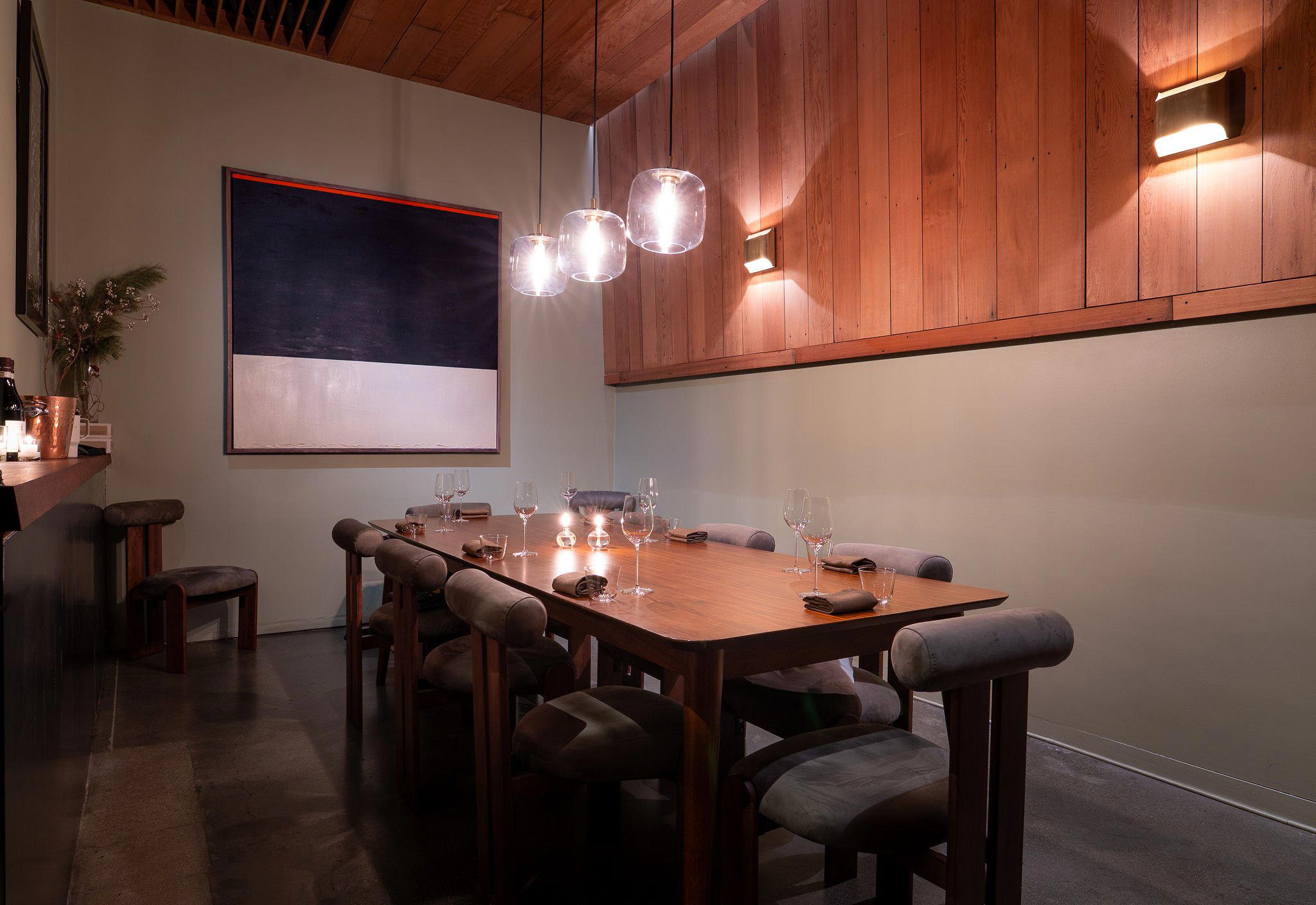
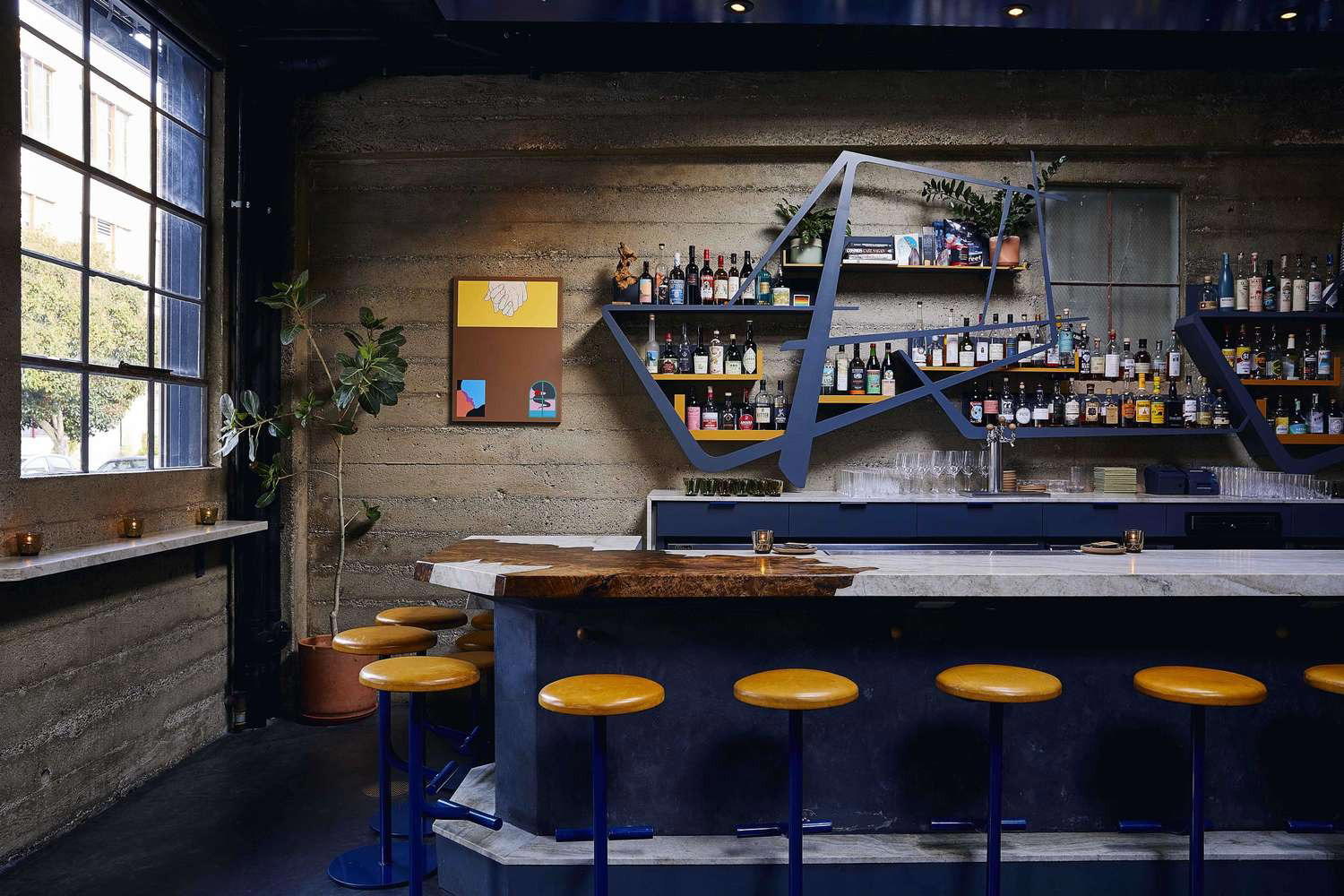
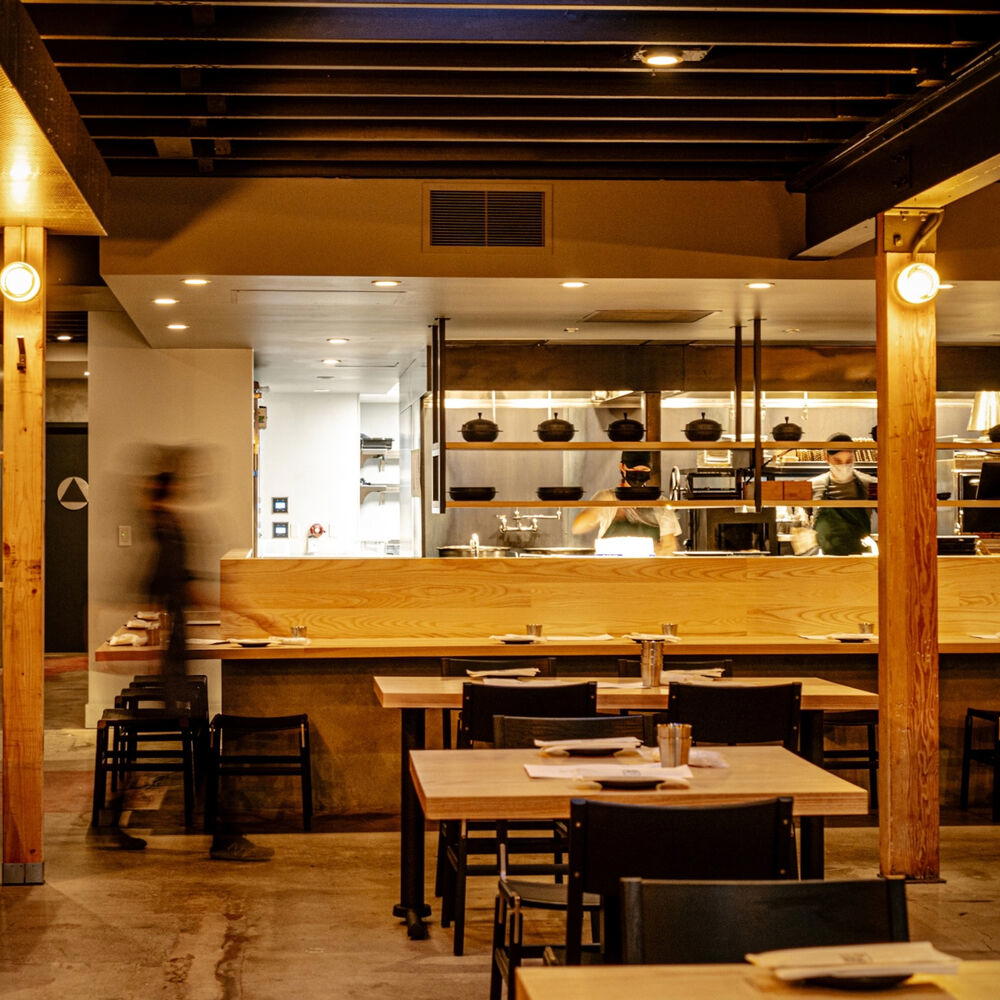
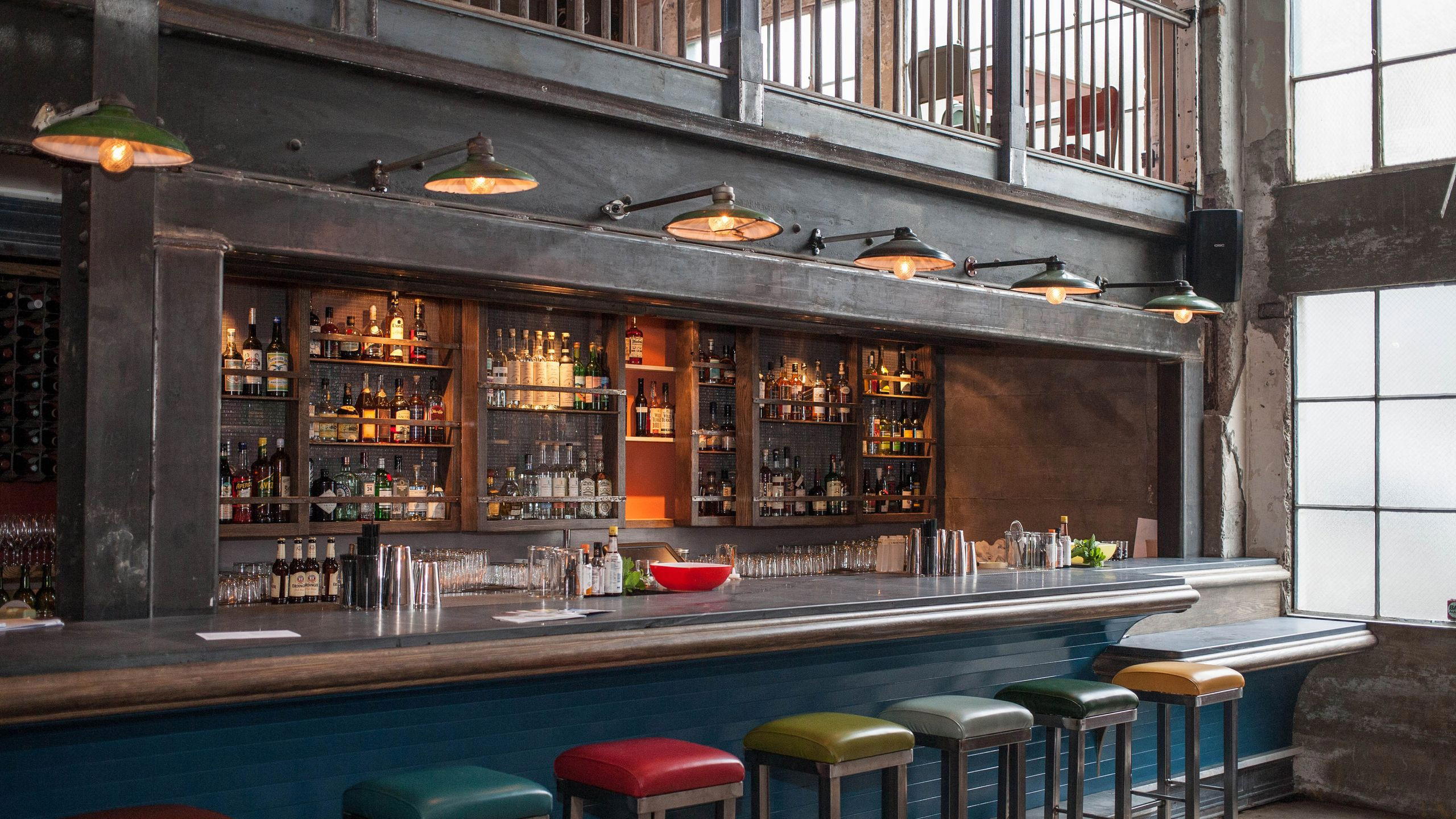
Bars in San Francisco
All bars in San Francisco →
Details
- Modern
- Trendy
- Industrial
- Brunch
- Casual Hangout
- Open Kitchen
- Craft Cocktails
- A La Carte
- Cocktails
- Wine
- Vegetarian Friendly
- Vegan Options
- Gluten Free Options
Current opening hours
- Monday
- 8 AM–4 PM
- Tuesday
- 8 AM–9 PM
- Wednesday
- 8 AM–9 PM
- Thursday
- 8 AM–9 PM
- Friday
- 8 AM–9 PM
- Saturday
- 8 AM–9 PM
- Sunday
- 8 AM–9 PM
Hours can change for holidays and private events. Hours as of .
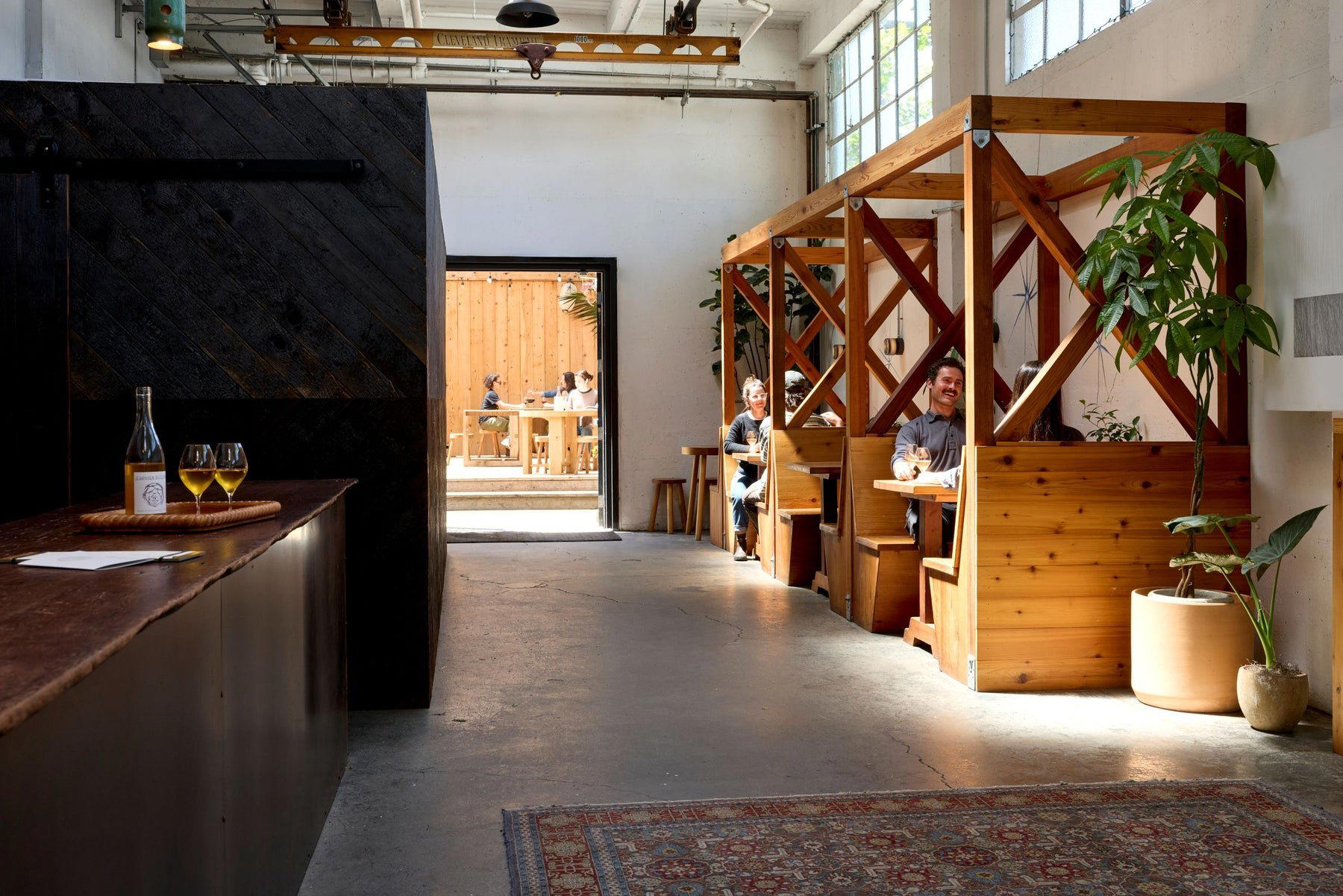
Bright, airy space with a hip modern industrial vibe featuring a massive central oven, though it can get loud when crowded.