Hotel Seehof Davos

A Michelin Selected property on Davos's central Promenade, Hotel Seehof occupies a position at the quieter, more residential end of the town's accommodation tier — closer in character to a well-kept Alpine house than a resort hotel.
Pearl is the En Primeur Club membership app — saves, bookings, and concierge access live there. Same editors, same standards.
- Address
- Promenade 159, 7260 Davos, Switzerland
- Phone
- +41 81 417 94 44
- Website
- seehofdavos.ch
- Directions
- Get directions
 Saves & bookings on Pearl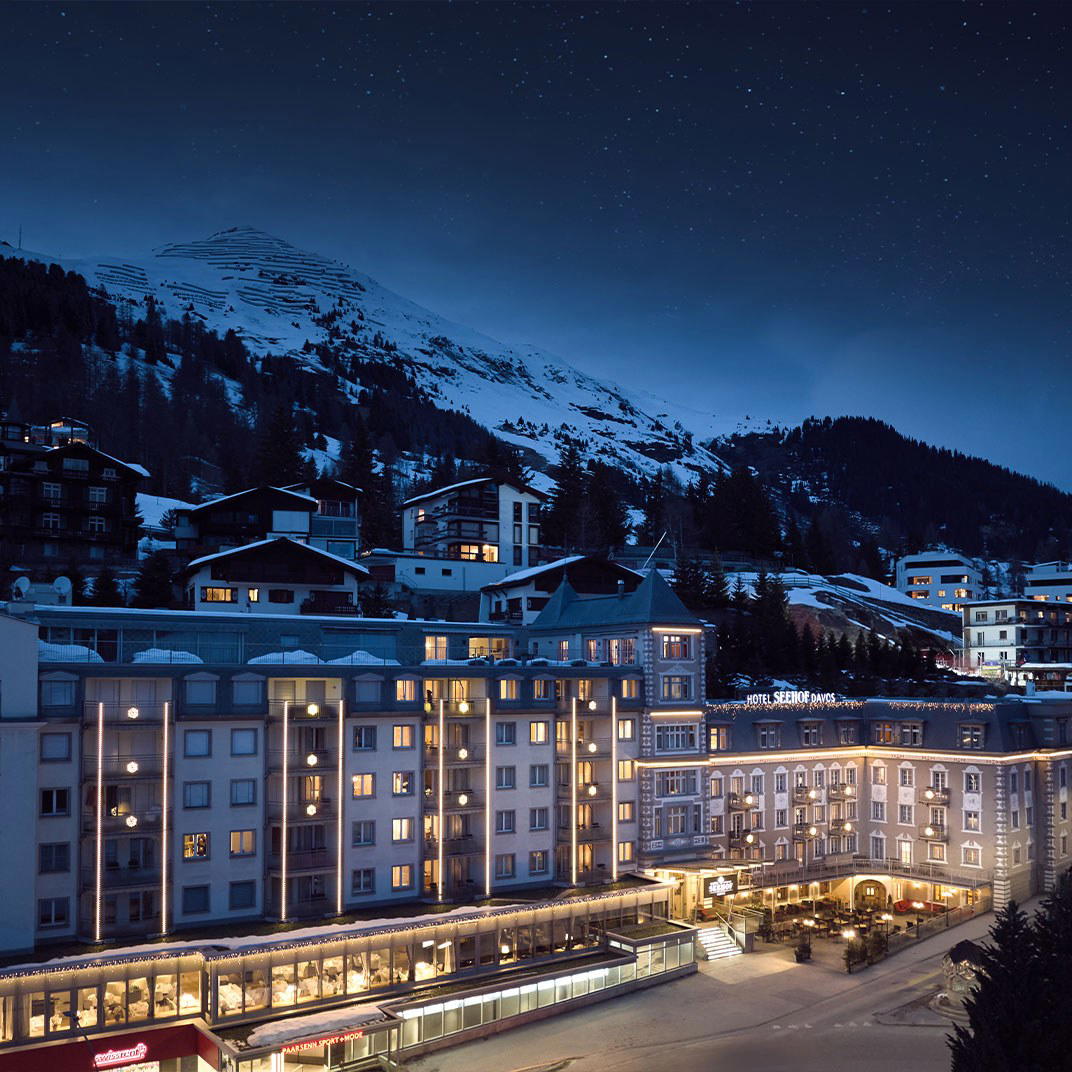
Where Davos Slows Down
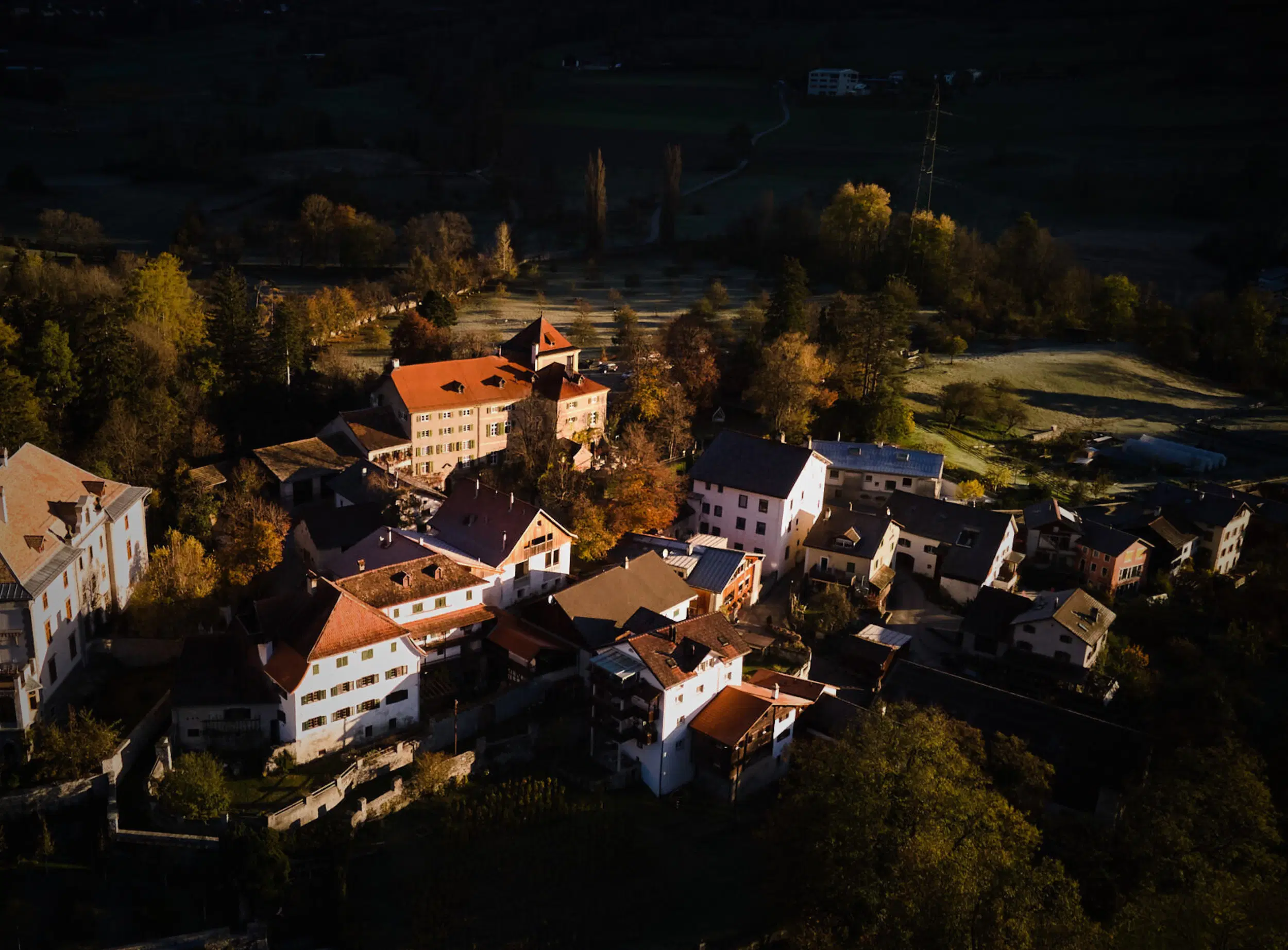
Davos has two faces. One is the conference-city version — Promenade-facing facades, delegates in transit, the global political machinery that descends each January. The other is quieter: the working Swiss mountain town that existed before the World Economic Forum, where the altitude and the quality of light are the main attraction rather than the guest list. Hotel Seehof Davos, positioned at 159 Promenade, sits closer to that second version. The address places it on the main artery, but its character belongs to the more settled, less transactional rhythm of the town.
That positioning matters when reading the Davos hotel market. The upper tier here is anchored by larger resort properties with full spa infrastructure and conference facilities; a secondary tier of Michelin Selected and design-conscious independents occupies a different register. Hotel Seehof falls into that second group, carrying a 2025 Michelin Hotels selection that signals a particular kind of quality — not the type measured in square metres or branded amenities, but the kind that comes from a physical environment maintained at a consistent standard over time. The Michelin Hotels programme selects properties on atmosphere, character, and setting as much as on facilities, which makes the distinction relevant context rather than mere certification.
The Physical Environment
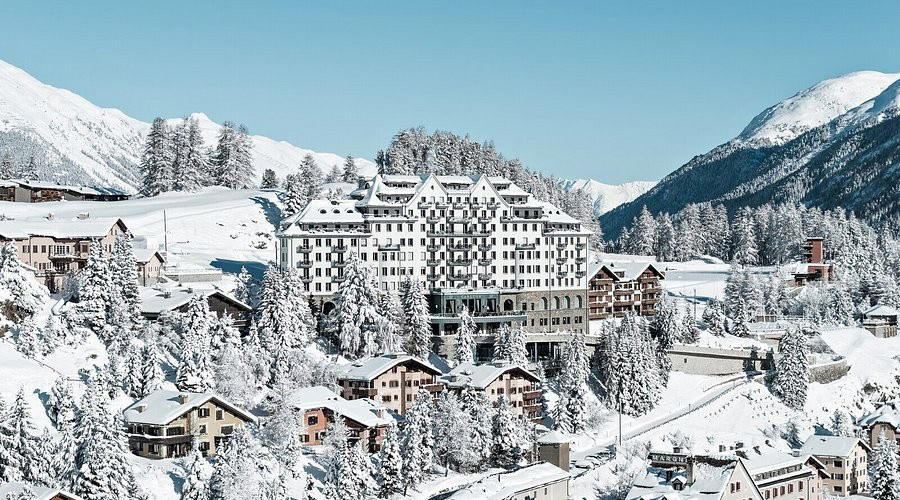
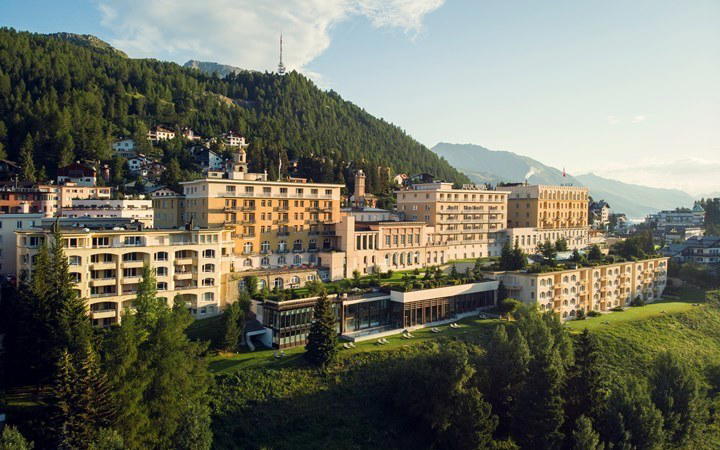
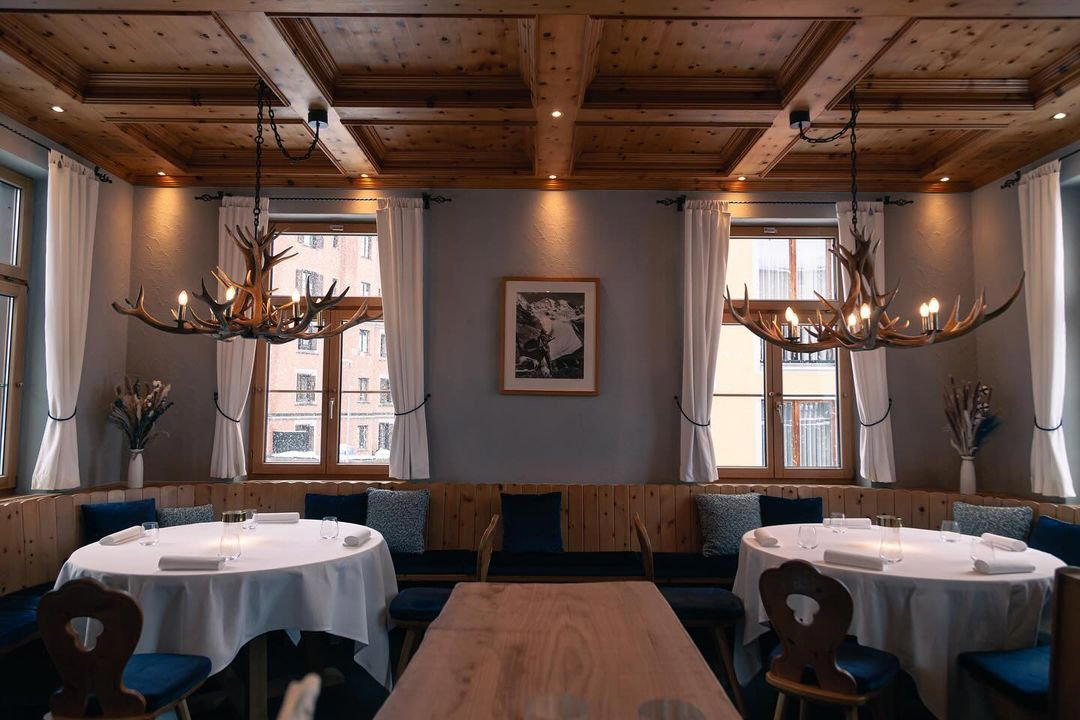
Alpine hotels in Davos operate inside a well-defined visual grammar: pitched roofs, timber detailing, the orientation toward mountain views, and facades that balance traditional form with interior comfort. The Seehof works within that grammar rather than against it. The Promenade frontage reads as mid-century Swiss resort architecture, neither the heavy Belle Époque stonework of the oldest properties nor the glass-and-concrete intervention of newer builds. It belongs to a generation of Alpine construction that understood the relationship between interior warmth and exterior severity, the principle that a hotel in a place where temperatures regularly drop below freezing should feel, from the first step inside, genuinely sheltered.
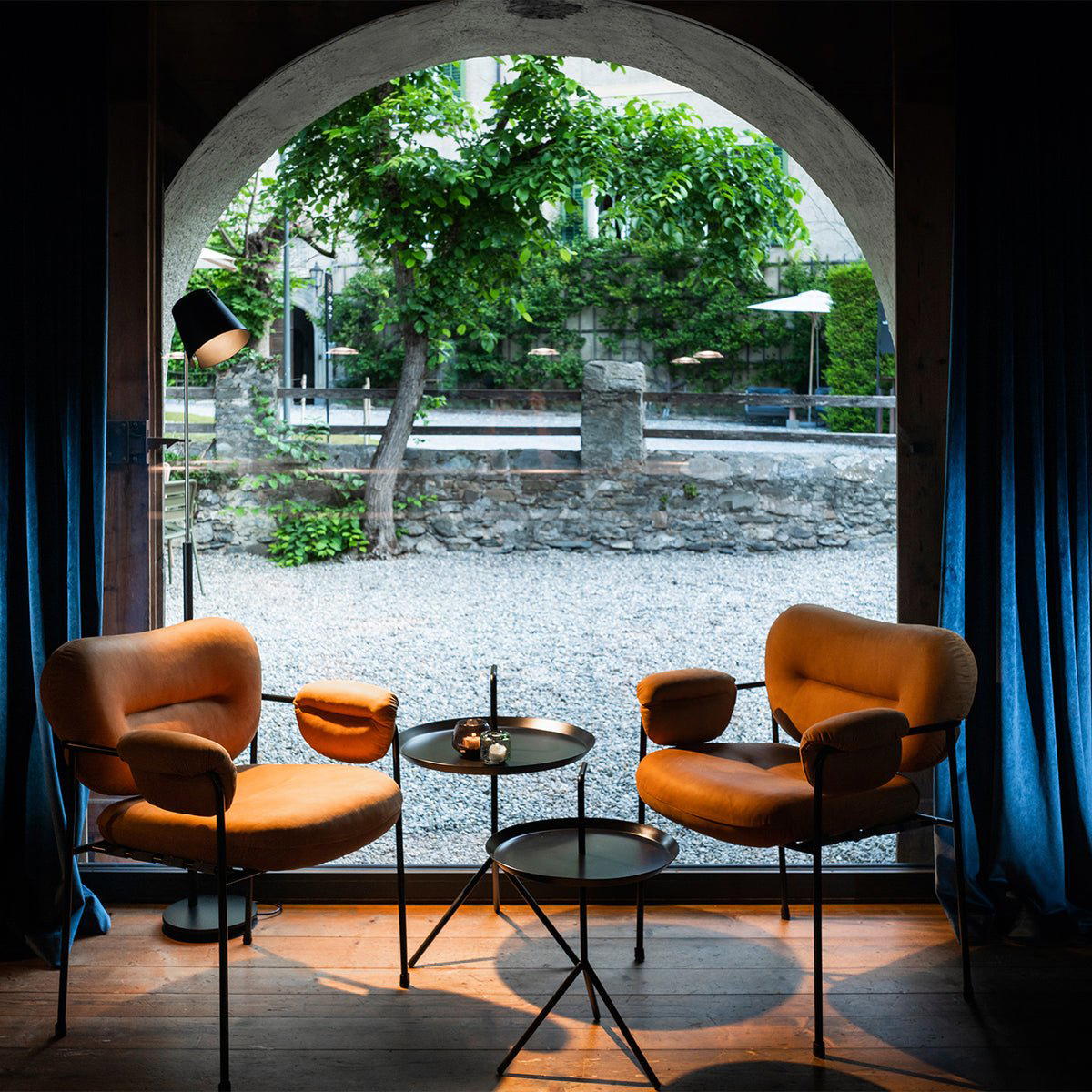
That quality of shelter, what Swiss hoteliers sometimes call Gemütlichkeit in its more precise, architectural sense, is harder to manufacture than it looks. It requires a particular calibration of scale: rooms sized for habitation rather than impression, communal areas that function as gathering points rather than lobbies to pass through, materials that age in ways that contribute rather than deteriorate. Properties that carry Michelin Hotels recognition tend to have solved that calibration in ways that larger, more recently built resort hotels have not always managed. The Seehof's Promenade address also means that the external context contributes: this is a live street in a working alpine town, not a managed resort enclave set apart from its surroundings.
Positioning Hotel Seehof within the wider Swiss alpine accommodation market requires some geographic and stylistic framing. Davos sits in the Graubünden canton, at 1,560 metres, the highest town in Europe at that elevation to hold city status, which immediately places it in a different category from lower-altitude resort towns. The comparison set for a Michelin Selected independent here is not the same as in St. Moritz, where Badrutt's Palace Hotel sets a palatial, historically weighted standard, or in Gstaad, where The Alpina Gstaad operates at the ultra-luxury end of the market with correspondingly scaled infrastructure.
Davos properties compete on a different proposition: proximity to the Parsenn and Jakobshorn ski areas, access to the congress and cultural infrastructure, and the particular quietness that comes from a town with genuine civic functions rather than being purely a resort. In that context, the Seehof's position on the Promenade, walkable to the main train station, within the town's commercial and cultural core, is a practical credential as much as an aesthetic one. For comparison, the Davos market also includes the AlpenGold Hotel and the AMERON Davos Swiss Mountain Resort, each occupying distinct positions within the town's accommodation range.
Across Switzerland more broadly, the independent alpine hotel tradition has produced a recognisable type: the family-run property with deep local roots, strong seasonal rhythms, and physical character that reflects accumulated investment rather than single-moment development. That tradition runs through Graubünden particularly strongly, given the canton's history as an early site of international alpine tourism in the nineteenth century. Properties like The Chedi Andermatt in Andermatt and Tschuggen Grand Hotel in Arosa represent the design-investment end of that spectrum; Hotel Seehof sits at the character-and-continuity end.
Seasonality and the Davos Calendar
Davos operates on two distinct seasonal cycles that shape how any hotel on the Promenade functions. The winter season runs from December through March, with peak demand concentrated around the ski school calendar and, critically, the World Economic Forum in late January, a period when accommodation across the entire town operates at near-total capacity and rates at all tier levels rise substantially. Booking for January requires planning several months in advance regardless of which property you choose; this is not a Seehof-specific constraint but a town-wide condition.
The summer season, running June through September, draws hiking and cycling visitors and a quieter medical-tourism cohort that has used Davos's altitude and air quality for respiratory health since the nineteenth century, the history that first put the town on the international map. Summer offers better availability across most properties and a different relationship with the surrounding landscape: the same Promenade that functions as a transit corridor in winter becomes a more relaxed pedestrian spine when the ski infrastructure goes quiet. For visitors whose interest is in Davos as an alpine environment rather than a ski resort, the summer window often represents the more considered choice.
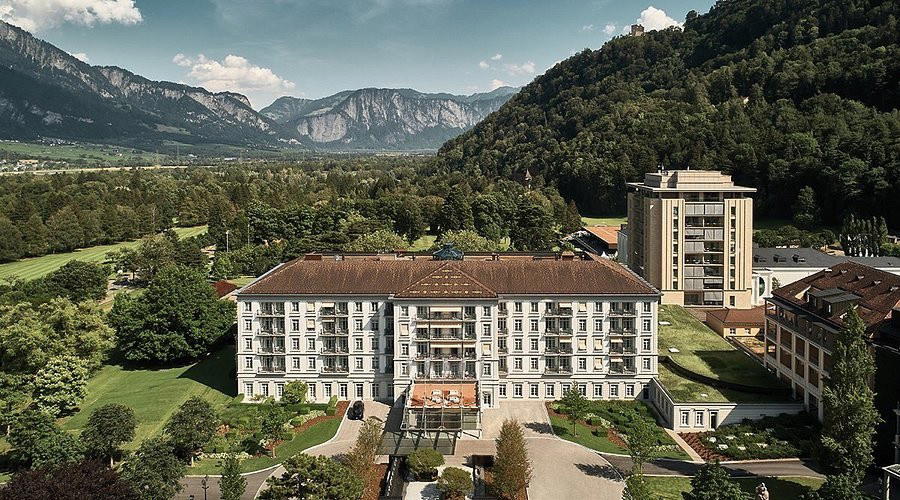
Readers planning a broader Swiss mountain itinerary will find relevant context in the Graubünden and wider alpine hotel market: Grand Resort Bad Ragaz in the Rhine Valley represents the spa-resort end of the eastern Switzerland spectrum, while Matterhorn FOCUS in Zermatt and The Capra in Saas-Fee show the design-led independent model applied in higher-altitude Valais settings. For urban Swiss hotel benchmarks, Baur au Lac in Zürich, The Woodward in Geneva, and Hotel Les Trois Rois in Basel set the city-hotel standard against which Swiss alpine properties are sometimes read. Further afield, Beau-Rivage Palace in Lausanne, Mandarin Oriental Palace, Luzern, and Hotel Bellevue Palace Bern complete the picture of Switzerland's wider luxury accommodation range.
Planning a Stay
Hotel Seehof Davos sits at 159 Promenade, the main street running through the centre of Davos Platz, walkable from the Davos Platz railway station on the Rhaetian Railway line that connects the town to Landquart and onward to Zürich. The Rhaetian Railway journey from Zürich takes approximately two hours and twenty minutes with the Landquart change, making the property accessible without a car. Direct bookings and pricing are best confirmed through the hotel directly or through the Michelin Hotels listing, given that tariffs vary substantially across the winter and summer seasons and that January WEF-period rates operate outside normal seasonal logic. Our full Davos restaurants and hotels guide covers the wider range of options across the town's eating, drinking, and accommodation offer.
For international context on comparable independent properties operating in major alpine or resort destinations, Hostellerie du Pas de l'Ours in Crans-Montana, Hotel Villa Honegg in Ennetbürgen, Park Hotel Vitznau in Vitznau, and Castello del Sole Beach Resort & Spa in Ascona each demonstrate the range of scale and approach within Swiss independent hotel culture.
How Hotel Seehof Davos compares with similar nearby venues.
| Venue | Awards |
|---|---|
| Hotel Seehof Davos | MICHELIN Guide, Hotels Selected (2025) |
Recognition history
Dated appearances from independent guides and award organizations, with the underlying list record or original source where available.
Michelin Selected
Michelin
Continue exploring
More in Davos
Hotels in Davos
Browse all →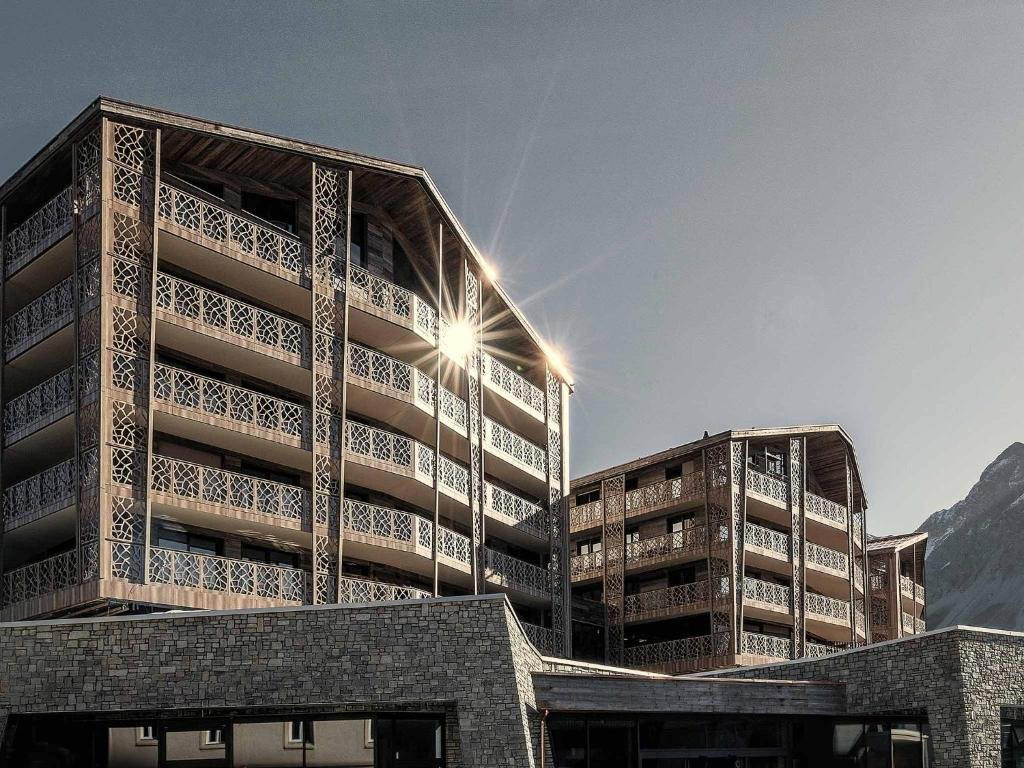
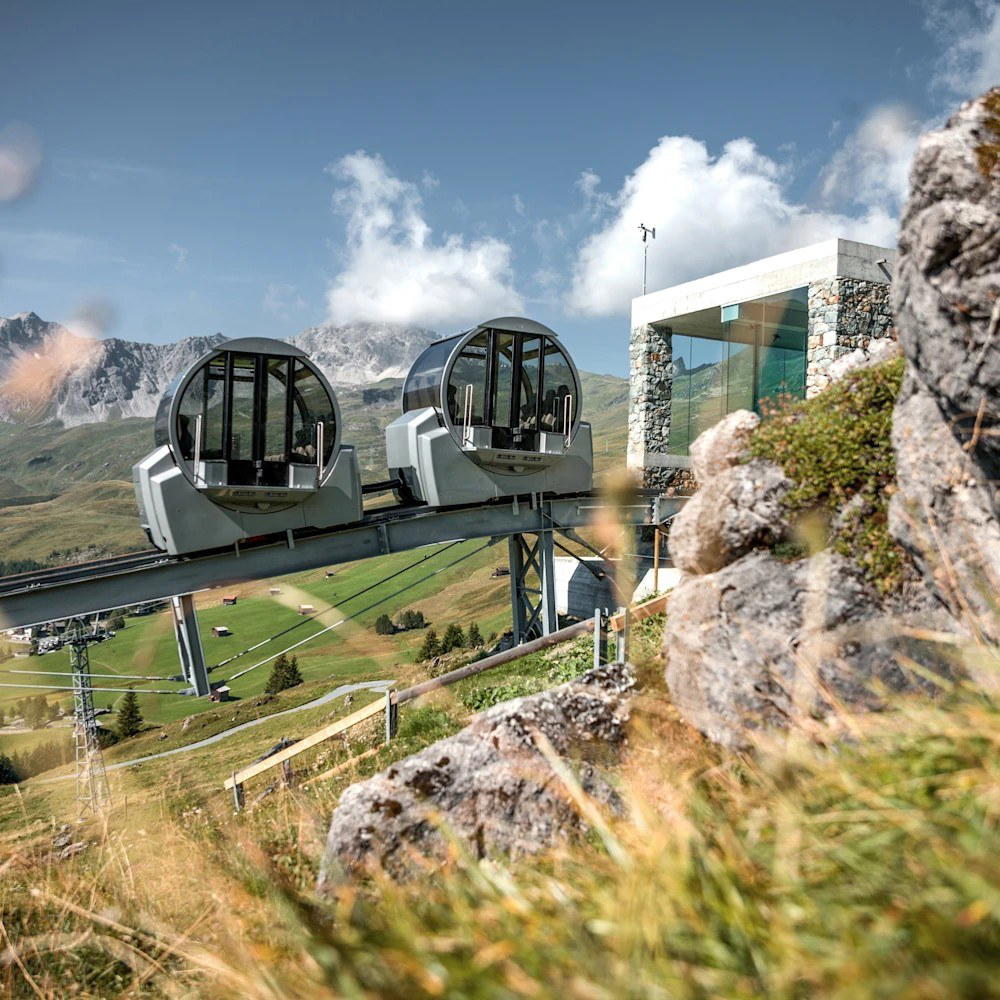
Bars in Davos
Browse all →
Restaurants in Davos
Browse all →

At a Glance
- Elegant
- Cozy
- Scenic
- Sophisticated
- Classic
- Family Vacation
- Wellness Retreat
- Romantic Getaway
- Panoramic View
- Terrace
- Spa
- Sauna
- Fitness Center
- Wi Fi
- Room Service
- Concierge
- EV Charging
- Mountain
- Spa
- Sauna
- Fitness Center
- Wi Fi
- Room Service
- Concierge
- EV Charging
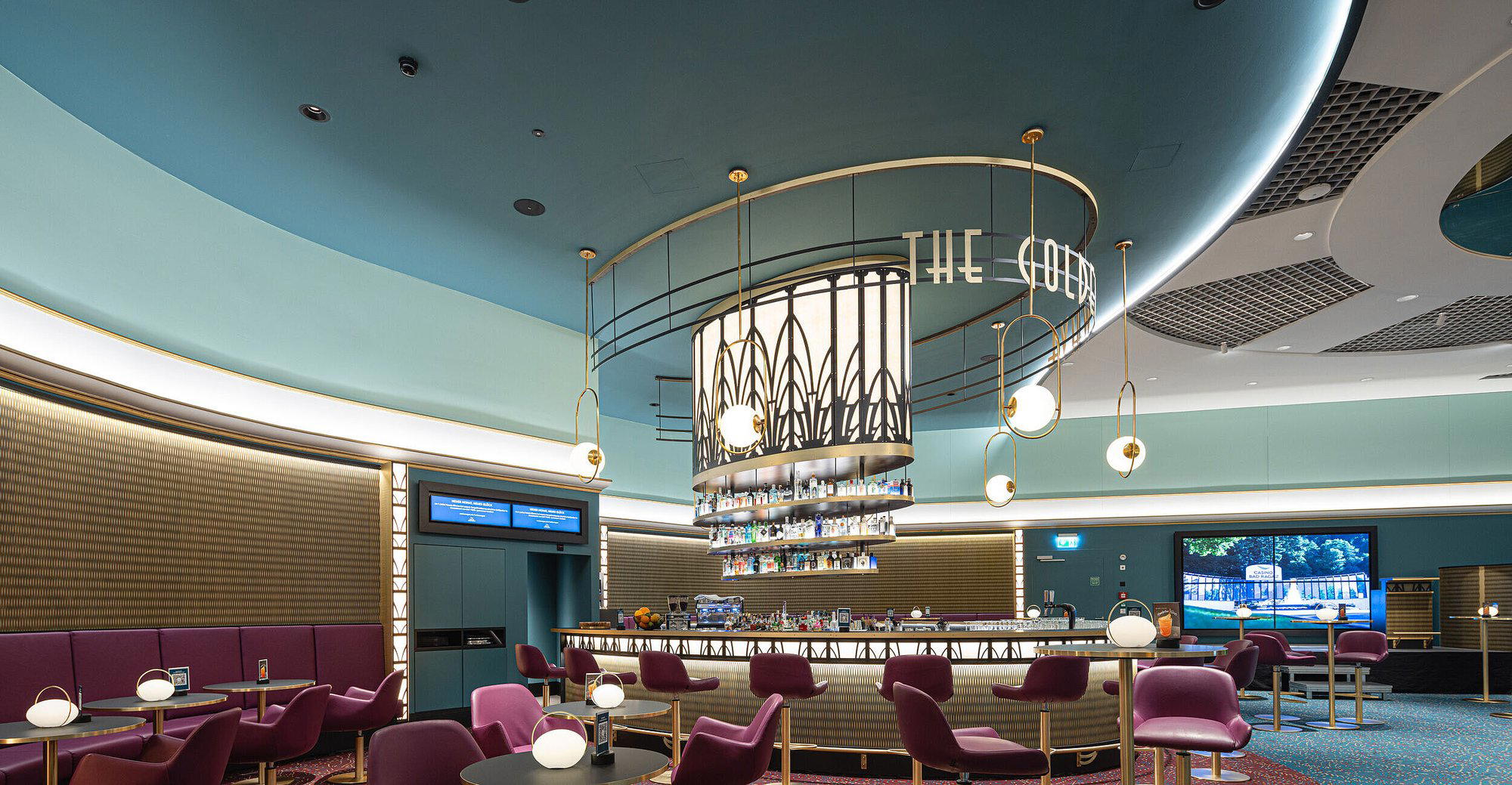
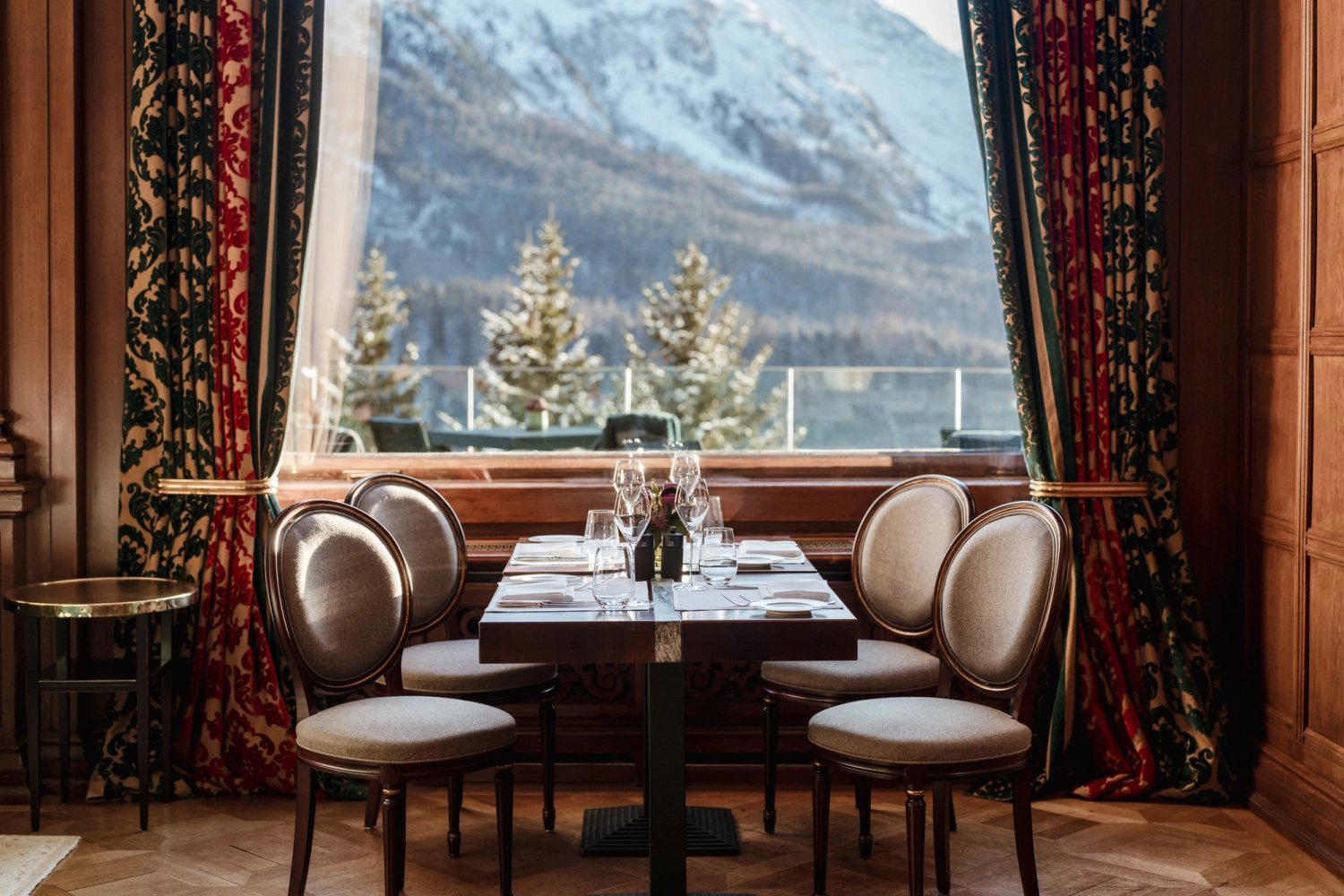
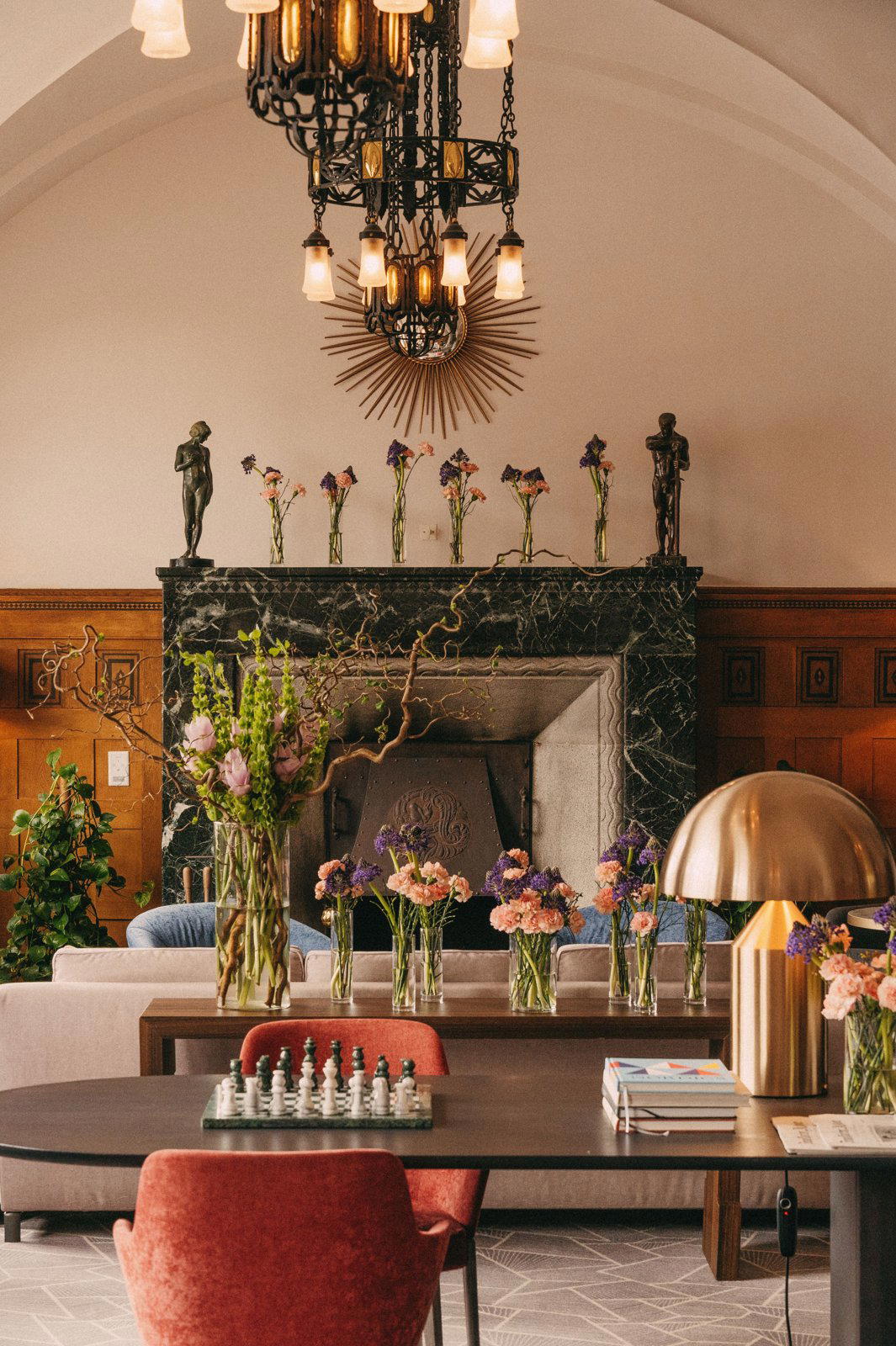
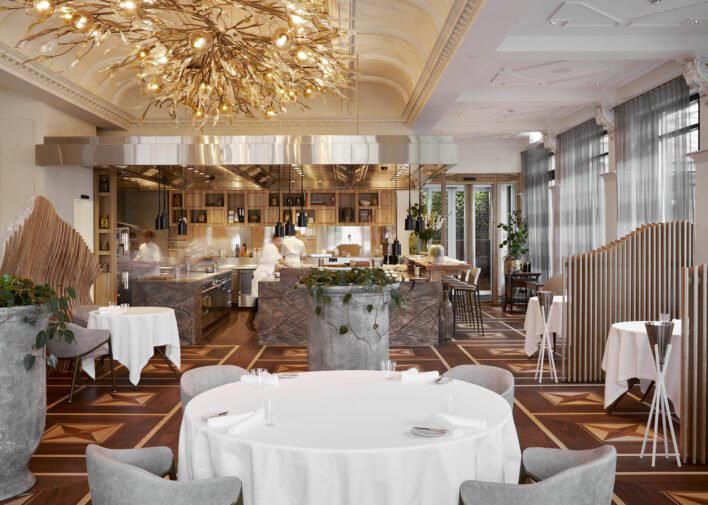
Fresh, bright, and contemporary interiors with classic Swiss mountain elements, cozy lounge areas featuring live piano music by a mesmerizing fireplace, and sweeping valley views from the Panorama restaurant.