Tanaka
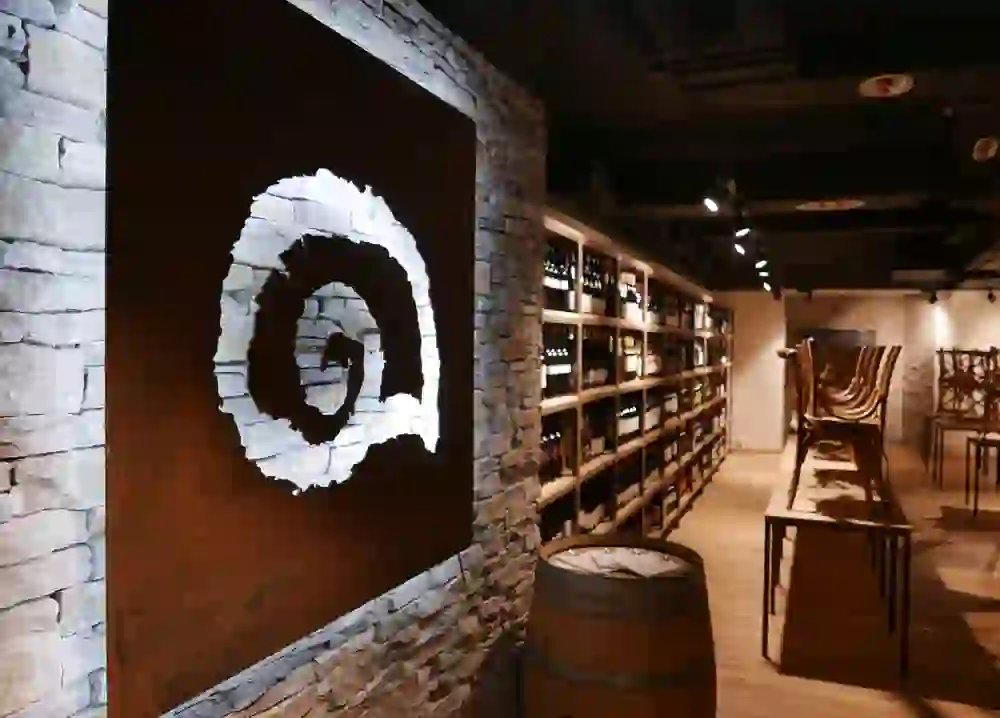
Tanaka pairs authentic Japanese cooking with European influences, a sake program, and an open kitchen at Bernapark 28 in Stettlen for lunch or dinner.
Pearl is the En Primeur Club membership app — saves, bookings, and concierge access live there. Same editors, same standards.
- Address
- Bernapark 28, 3066 Stettlen, Switzerland
- Phone
- +41319616622
- Website
- tanaka-restaurant.ch
- Directions
- Get directions
 Saves & bookings on Pearl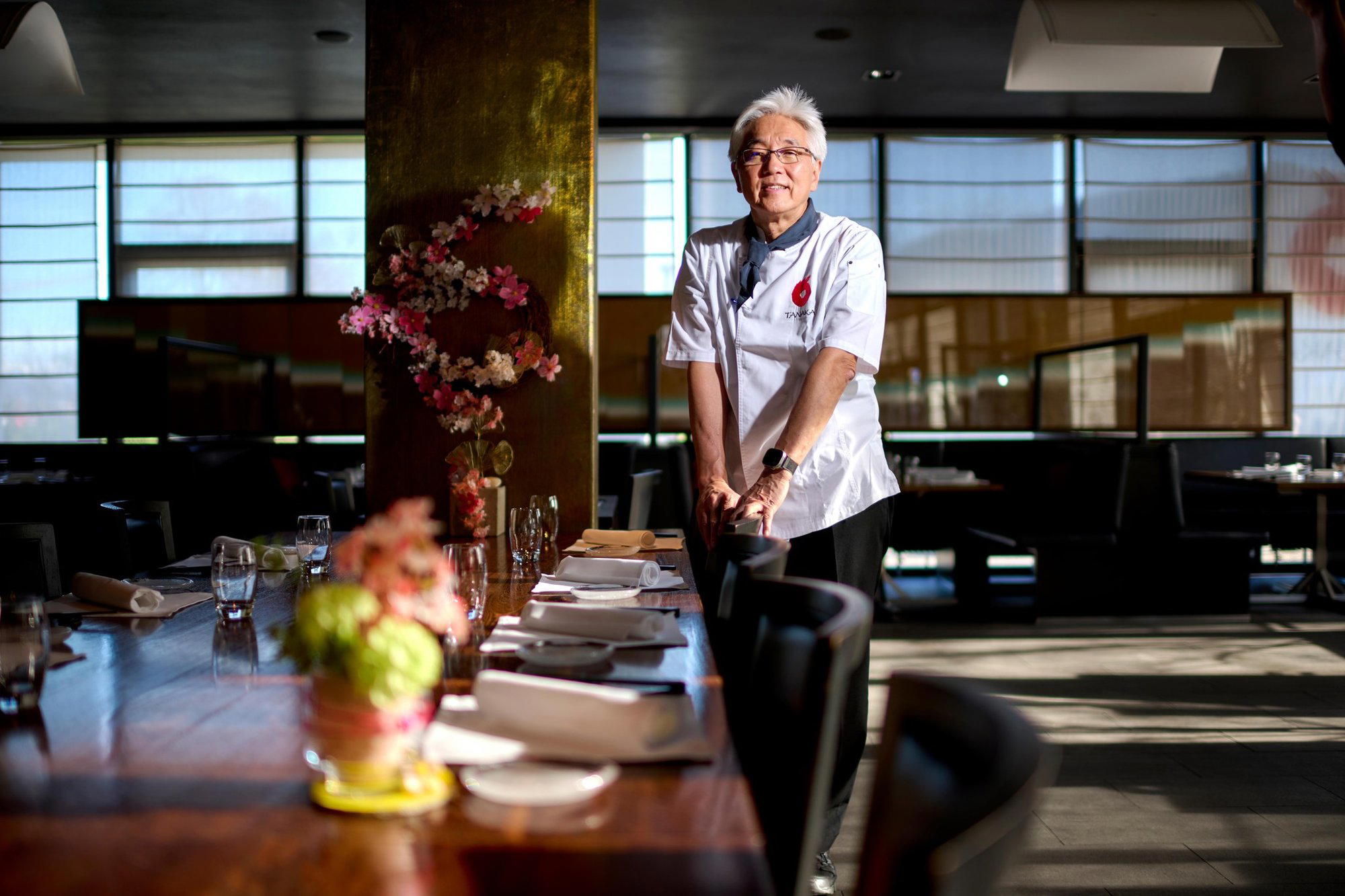
Japanese Dining in the Bern Orbit: What Stettlen's Bernapark Tells You About Switzerland's Appetite for Precision Cuisine
The Bernapark development in Stettlen sits just east of Bern, a mixed-use campus that has drawn a cluster of restaurants into an area that most dining guides would still classify as peripheral to the Swiss capital. That positioning is part of the point. Tanaka is a restaurant in Stettlen, Switzerland, serving authentic Japanese with European influences. As Bern's dining scene has matured, serious kitchens have stopped treating a central postcode as a prerequisite for credibility. Tanaka, at Bernapark 28, is one of the addresses that tests that proposition, placing Japanese cooking in a context where the competition is drawn from across the broader Bern agglomeration rather than from a single arrondissement.
Japanese cuisine in Switzerland occupies a specific position in the country's dining hierarchy. At the summit of the market, it competes directly with French-rooted fine dining for the same spending bracket, as illustrated by the fact that Switzerland's Michelin-recognized restaurants span everything from Andreas Caminada's modern European work at Schloss Schauenstein in Fürstenau to the precise French classicism of Cheval Blanc by Peter Knogl in Basel. Japanese kitchens enter that conversation on the strength of technique and sourcing discipline, qualities that Swiss diners, trained by decades of exposure to high-level French and modern European cooking, recognize and value.
The Cultural Weight Behind the Name
A Japanese restaurant named Tanaka carries a specific cultural shorthand. The surname is among the more common in Japan, which in a dining context often signals a deliberate choice to foreground the cuisine rather than a singular personality. This is a pattern visible across Japanese restaurant naming conventions globally: where French kitchens frequently attach the chef's given name to the door, Japanese establishments, particularly those rooted in traditional formats, more often name after a family lineage, a location, or a concept. The effect is to place the food and its traditions at the centre of the proposition.
That tradition matters in Switzerland because the country's appetite for Japanese cuisine has grown substantially over the past two decades, moving from a handful of sushi restaurants in Zurich and Geneva to a wider distribution of formats including izakaya-influenced casual dining, omakase counters, and teppanyaki rooms. The mid-tier has commoditized, which puts pressure on restaurants in Stettlen's position to articulate clearly where they sit in the range. Proximity to Bern's professional and international community, which includes embassy staff and the personnel attached to the numerous federal institutions in the canton, creates a demand base that is both consistent and reasonably sophisticated.
Switzerland's Japanese Dining Tier: Where Context Places Tanaka
To understand what Tanaka is doing in Stettlen, it helps to look at where Japanese cuisine sits in Switzerland's awarded dining tier. At the summit of the national market, the Michelin-recognized addresses are almost entirely French or modern European in orientation. Places like Hotel de Ville Crissier in Crissier and La Table du Lausanne Palace in Lausanne anchor the French-rooted end. Modern Swiss interpretations, as practiced at Memories in Bad Ragaz and focus ATELIER in Vitznau, have carved out a recognized niche. Japanese cuisine at the serious end of the market remains a smaller category nationally, which means individual restaurants in this space carry more of the representational weight for the cuisine in their region.
That dynamic is visible in cities like Zurich and Geneva, where Japanese restaurants occupy distinct rungs in the local hierarchy. A Japanese restaurant in the Bern orbit that maintains quality at the higher end of its format operates in a less crowded competitive field, which is both an advantage in terms of local market position and a challenge in terms of the critical attention it receives. The sharing-format model championed by places like IGNIV Zürich by Andreas Caminada in Zurich has shown that Swiss diners respond to formats that diverge from classical service structures, a precedent that opens space for Japanese formats that also rely on a particular service philosophy.
Comparing Notes: Japanese Precision and the Global Reference Points
The international reference frame for serious Japanese restaurants is set by addresses like Atomix in New York City, which has established how Korean-inflected Japanese technique can earn the highest critical recognition in a Western market, and by the French-Japanese dialogue evident at Le Bernardin in New York City, where precision seafood cookery operates at the intersection of two culinary traditions. These are not direct comparisons to a restaurant in Stettlen, but they illustrate the elevation that Japanese culinary philosophy has achieved in Western fine dining contexts over the past decade, a trajectory that creates the critical vocabulary through which Swiss diners now approach Japanese restaurants at every price point.
Within Switzerland, the Italian-Japanese dialogue is also active, as seen at Da Vittorio in St. Moritz and the broader conversation around Mediterranean-Asian crossover formats. Other Swiss addresses worth noting in this broader context include 7132 Silver in Vals, Colonnade in Lucerne, Einstein Gourmet in Sankt Gallen, Magdalena in Schwyz, La Brezza in Ascona, and L'Atelier Robuchon in Geneva, each of which occupies a defined position in the national fine dining conversation.
Planning Your Visit
Stettlen is accessible from Bern by public transport, with the Bernapark development designed to accommodate both car-based and transit-connected visitors. The address at Bernapark 28 places Tanaka within the commercial cluster of the development, which means parking is available on-site and the approach is functional rather than atmospheric in the way a historic city-center address might be. For visitors travelling from outside the canton, Bern's main station provides a logical hub, with local bus or taxi connections covering the remaining distance east toward Stettlen.
A Pricing-First Comparison
Comparable venues nearby, for context on price, style, and recognition.
| Venue | Cuisine | Price | Notes |
|---|---|---|---|
| TanakaThis venue — the venue you are viewing | Not listed | $$$ | Not listed |
| La Famiglia Bernapark | Bernapark, Italian Pizzeria & Ristorante | $$ | Not listed |
| Kozan | Les Delices, Authentic Japanese Sushi | $$$ | Not listed |
| Hoi Koi Sushi | Aussersihl, Modern Japanese Sushi | $$ | Not listed |
| Sappo Ramen | Not listed | $$ | Unterstrass, Authentic Sapporo Ramen & Tsukemen |
| Shibata | Not listed | $$$ | Varembe, Hokkaido Japanese with French influences |
Continue exploring
More in Stettlen
Restaurants in Stettlen
Browse all →
At a Glance
- Modern
- Elegant
- Sophisticated
- Date Night
- Special Occasion
- Open Kitchen
- Sake Program
Current opening hours
- Monday
- Closed
- Tuesday
- 11:30 AM–2 PM, 6–11 PM
- Wednesday
- 11:30 AM–2 PM, 6–11 PM
- Thursday
- 11:30 AM–2 PM, 6–11 PM
- Friday
- 11:30 AM–2 PM, 6–11 PM
- Saturday
- 11:30 AM–2 PM, 6–11 PM
- Sunday
- 12–4 PM
Hours can change for holidays and private events. Last verified .
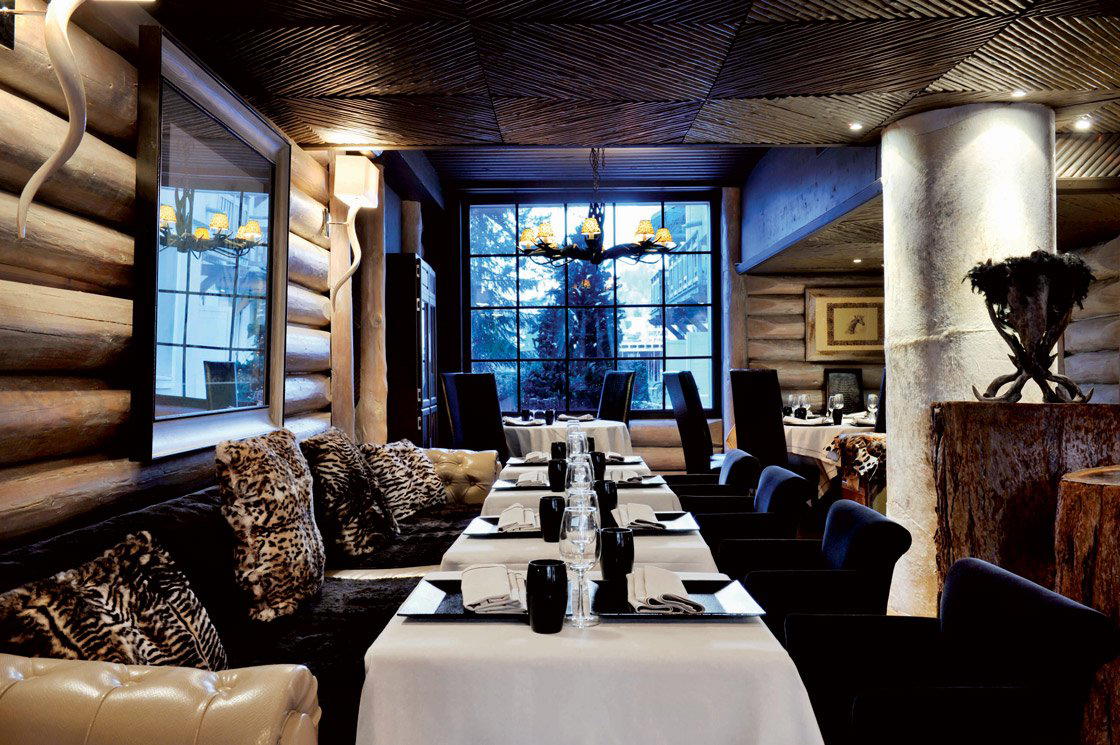
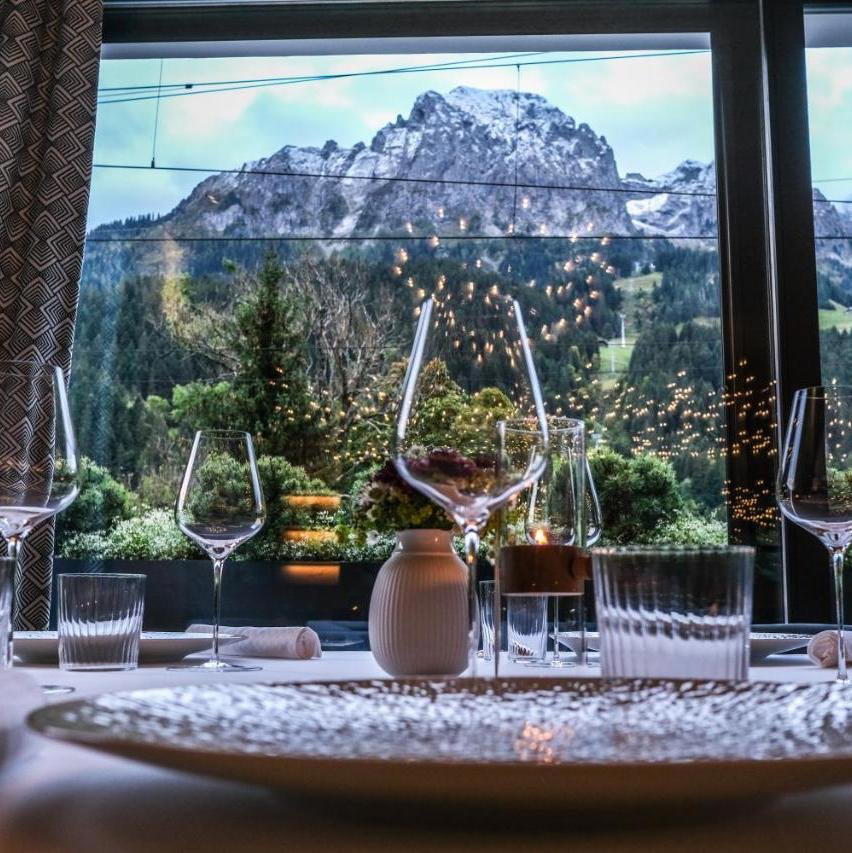
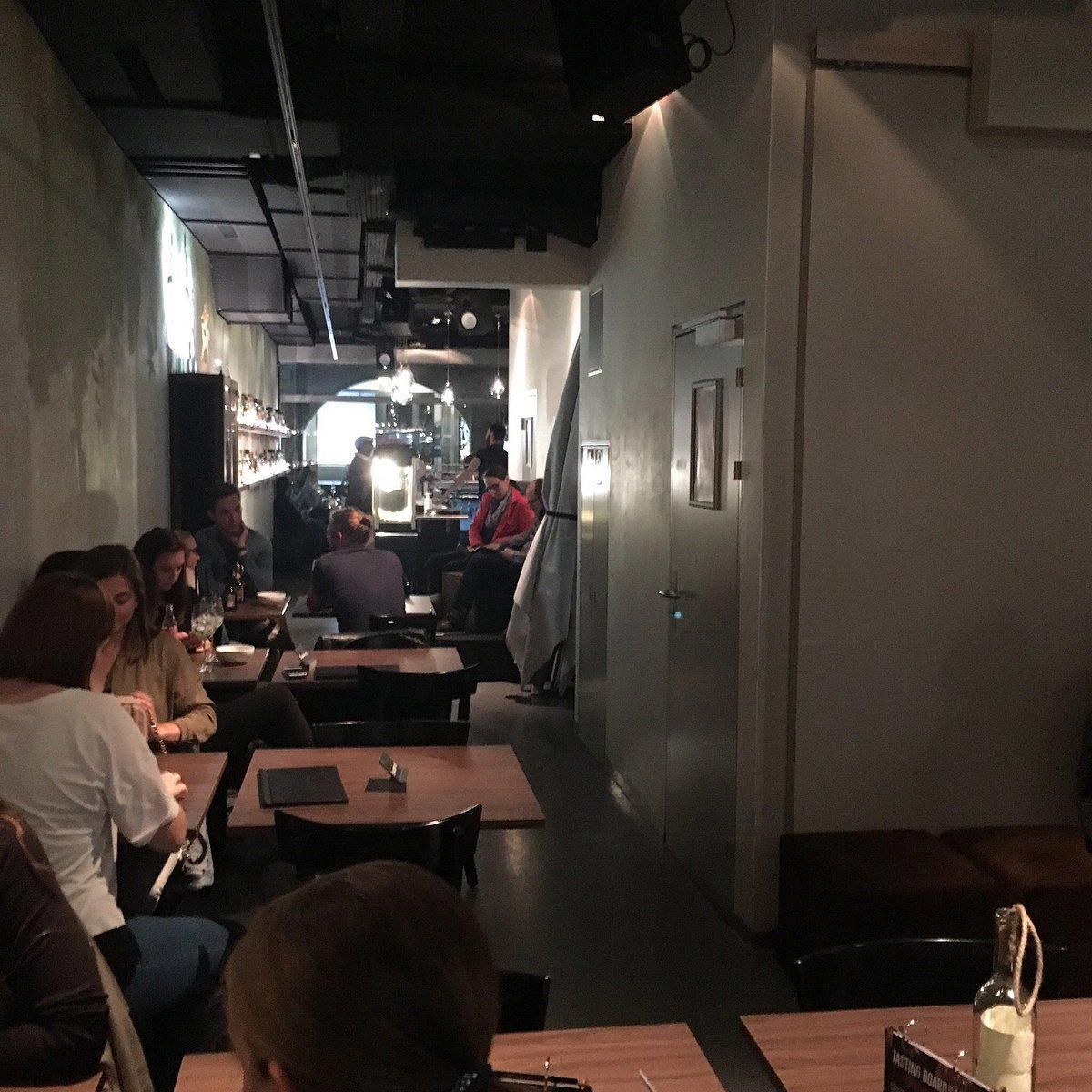
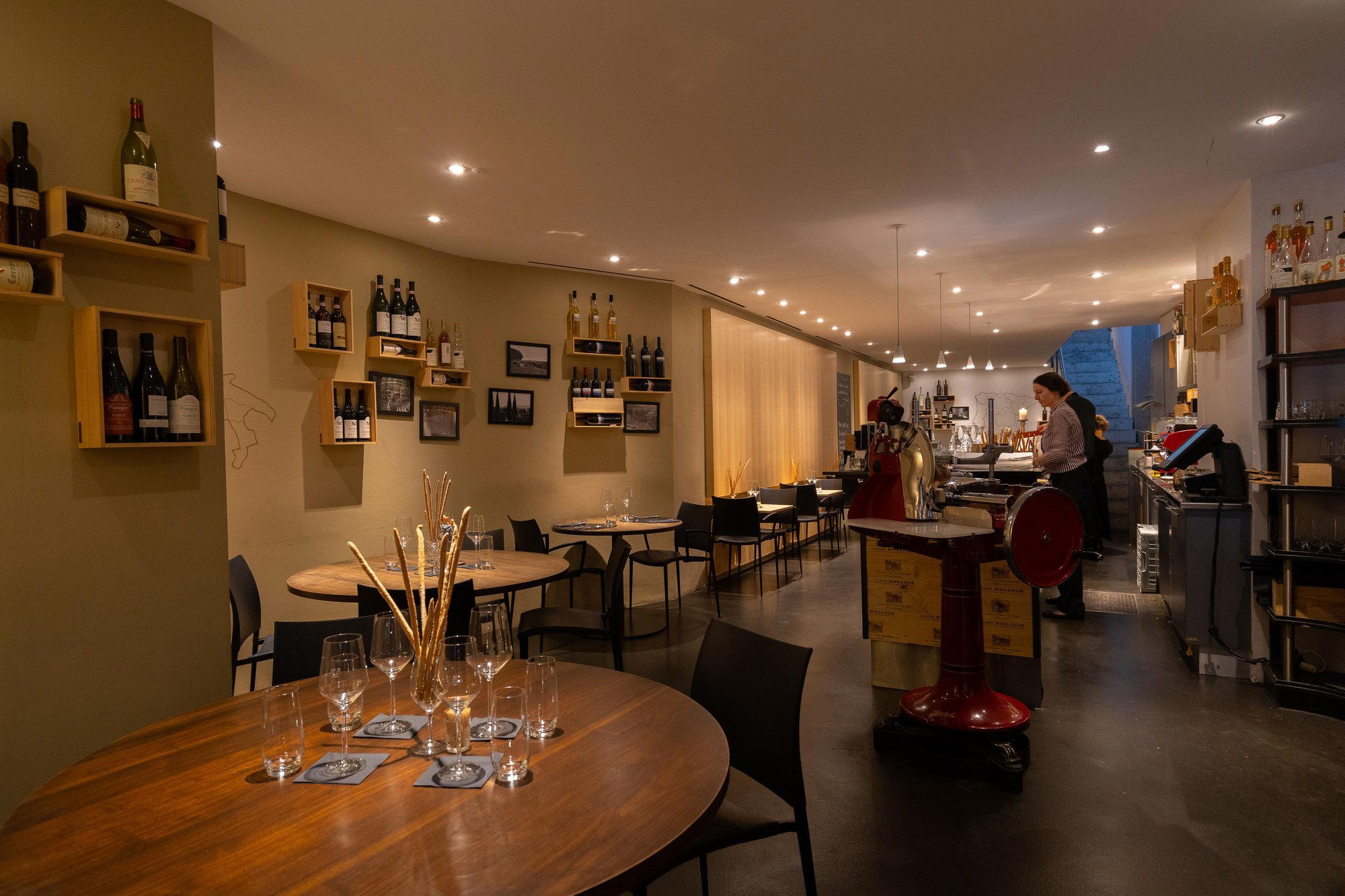
Modern, stylish design with Japanese aesthetic and excellent service.