Shibata

Shibata occupies a quiet address in Geneva's Champel-adjacent quarter, bringing Japanese dining discipline to a city where French-rooted fine dining has long set the tone. The address at Chemin Gilbert-Trolliet 4 signals a deliberate remove from the lake-front hotel dining circuit, positioning it alongside a growing cohort of focused, format-driven restaurants that prize ritual over spectacle.
Pearl is the En Primeur Club membership app — saves, bookings, and concierge access live there. Same editors, same standards.
- Address
- Chem. Gilbert-Trolliet 4, 1209 Genève, Switzerland
- Phone
- +41227403730
- Website
- shibata.ch
- Directions
- Get directions
 Saves & bookings on Pearl
Where the Ritual Begins Before You Sit Down
Geneva's fine dining scene has long been anchored by grand hotel rooms and French brigade kitchens, a format that suits the city's institutional formality well. But a parallel current has developed over the past decade: smaller, more concentrated restaurants where the structure of the meal itself carries the experience. Shibata, at Chemin Gilbert-Trolliet 4 in Geneva's 1209 postal district, sits inside that current. The address is residential in character, a deliberate departure from the lakefront dining corridor where Il Lago and L'Atelier Robuchon operate. Arriving here, you are already outside the default logic of Geneva dining.
That spatial remove is not incidental. Across the Japanese restaurant category globally, the most format-disciplined addresses tend to sit slightly off the main circuit, in neighbourhoods where foot traffic is not the point and the reservation list is. The walk from the nearest tram stop, the quiet street, the unassuming facade — these function as a kind of ante-room, calibrating the pace before you reach the counter or table.
The Architecture of a Japanese Meal in a French City
Geneva's restaurant culture is shaped by decades of French culinary dominance. The service codes, the pacing of courses, the wine-first approach to hospitality — all of it runs deep. Japanese dining, at the level Shibata occupies, operates from a different set of premises. The meal is not assembled à la carte but delivered in sequence, with the kitchen controlling tempo. The diner's role is to receive rather than direct, which requires a different kind of attentiveness and rewards a different kind of patience.
This format has gained ground across European cities precisely because it offers something the classic French tasting menu, however accomplished, does not: an entirely different philosophy of hospitality. Restaurants such as Atomix in New York City have demonstrated how a rigorous, sequenced Japanese format can hold its own against the most formally credentialled Western competition. In Switzerland, the broader fine dining field includes addresses like Hotel de Ville Crissier in Crissier and Schloss Schauenstein in Fürstenau, both operating within European classical traditions. Shibata offers a different register entirely.
The customs that govern a meal at a Japanese restaurant of this type are worth understanding before you book. Tea or water arrives before any decision is required of you. Conversation with the kitchen, where the format allows, is part of the experience rather than an interruption to it. Pacing is slower than you might expect at a Western tasting counter and faster than you might expect at an izakaya. Each course completes before the next begins, and the gaps between are not dead time but part of the structure.
Geneva's Position in the Swiss Fine Dining Map
Switzerland's high-end restaurant scene is more geographically distributed than its size might suggest. Cheval Blanc by Peter Knogl in Basel, Memories in Bad Ragaz, Einstein Gourmet in Sankt Gallen, and IGNIV Zürich by Andreas Caminada in Zurich each anchor a regional node. Geneva's own fine dining field includes Arakel and L'Aparté in the modern French register, as well as La Micheline in the Mediterranean space. Within that context, a Japanese address like Shibata fills a gap the French-dominant field does not cover, drawing a diner who specifically wants the ritual logic of Japanese service rather than a lateral move within the European tasting menu format.
For comparison points further afield, 7132 Silver in Vals, focus ATELIER in Vitznau, Da Vittorio in St. Moritz, and Colonnade in Lucerne each hold their own competitive positioning within the Swiss fine dining tier. What distinguishes Shibata from all of them is not price or recognition tier but format: the meal here is organized around Japanese hospitality codes, not European ones.
Etiquette, Pacing, and What to Expect
Diners arriving from a French fine dining background will notice the differences quickly. There is no bread course. The sequence of flavors tends to move from lighter to richer and back again, rather than escalating linearly toward a centerpiece protein. Soy, dashi, and fermentation appear as structural elements rather than garnishes. Temperature contrast within a single course is common and intentional.
At restaurants operating in this format, the drink pairing question is less settled than it is at a French kitchen. Sake is the canonical choice and, at a serious Japanese address, the selection should be taken as seriously as the wine list at a comparable European restaurant. That said, pairing Japanese food with European wine has a long track record, particularly with white Burgundy and aged Champagne. The Genevan diner, accustomed to deep wine lists, will find both routes viable.
Service in the Japanese hospitality tradition emphasizes attentiveness without intrusion. Staff at this level of restaurant are trained to read the table's pace and adjust accordingly. The expectation from the diner is presence at the table for the duration of the meal, not a fixed clock. Budget accordingly: a full sequence at a focused Japanese counter typically runs two to two and a half hours.
Planning Your Visit
Shibata is located at Chemin Gilbert-Trolliet 4, 1209 Geneva. The 1209 postal district covers the Servette and Châtelaine areas north of the city center, reachable by tram from Cornavin station. Given the format-driven nature of Japanese fine dining at this level, advance planning is advisable regardless of current demand. Reservations at comparable addresses in European cities typically open one to two months ahead, and weekend tables at in-demand Japanese restaurants tend to fill first. If Shibata is your primary destination, plan your Geneva visit around the booking rather than the reverse. For a broader view of where Shibata sits within the city's restaurant field, the full Geneva restaurants guide maps the competitive set across cuisine types and price tiers.
For those whose primary reference point is high-end Japanese dining in another city, the frame of reference matters. Le Bernardin in New York City represents the Western fine dining standard at its most technically serious; the gap between that register and a disciplined Japanese counter is one of format philosophy as much as technique. Both demand the same attentiveness from the diner. At Shibata, that attentiveness is the price of admission, and it is worth paying.
How Shibata Geneva compares with similar nearby venues.
| Venue | Cuisine | Price |
|---|---|---|
| Vieux-Bois | French | €€ |
Recognition history
Dated appearances from independent guides and award organizations, with the underlying list record or original source where available.
Opinionated About Dining Top Restaurants in Europe Recommended
Opinionated About Dining
Opinionated About Dining Newly Added European Restaurants
Opinionated About Dining
Continue exploring
More in Geneva
Restaurants in Geneva
Browse all →
Bars in Geneva
Browse all →
Hotels in Geneva
Browse all →

At a Glance
- Elegant
- Intimate
- Sophisticated
- Date Night
- Special Occasion
- Business Dinner
- Garden
- Terrace
- Garden
Current opening hours
- Monday
- 12–2 PM, 7–9 PM
- Tuesday
- 12–2 PM, 7–9 PM
- Wednesday
- 12–2 PM, 7–9 PM
- Thursday
- 12–2 PM, 7–9 PM
- Friday
- 12–2 PM, 7–9 PM
- Saturday
- Closed
- Sunday
- Closed
Hours can change for holidays and private events. Last verified .
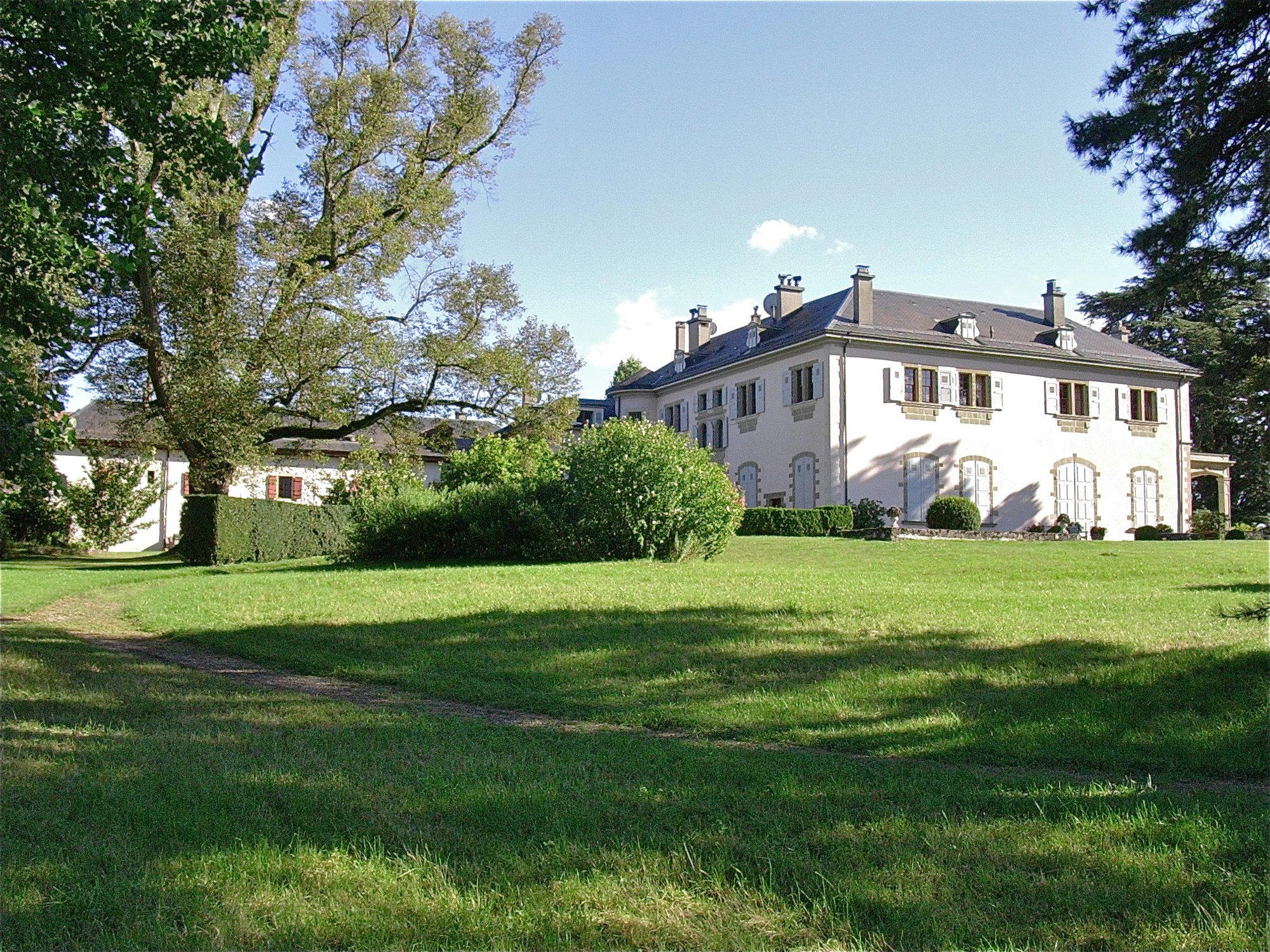
Refined and original atmosphere in a family-run setting with garden terrace.
Know Before You Go
- Getting there
- Chem. Gilbert-Trolliet 4, 1209 Genève, Switzerland