Takai by Kashiba

Takai by Kashiba positions itself in Bellevue's upper tier of Japanese dining, drawing directly on the lineage of Seattle sushi institution Shiro's. The room operates with the restrained architectural language of serious omakase counters, where the physical space does as much work as the fish. For Eastside diners seeking a counter experience calibrated to that standard, this is the primary reference point.
Pearl is the En Primeur Club membership app — saves, bookings, and concierge access live there. Same editors, same standards.
- Address
- 180 Bellevue Way NE, Bellevue, WA 98004
- Phone
- +14255027259
- Website
- takaibykashiba.com
- Directions
- Get directions
 Saves & bookings on Pearl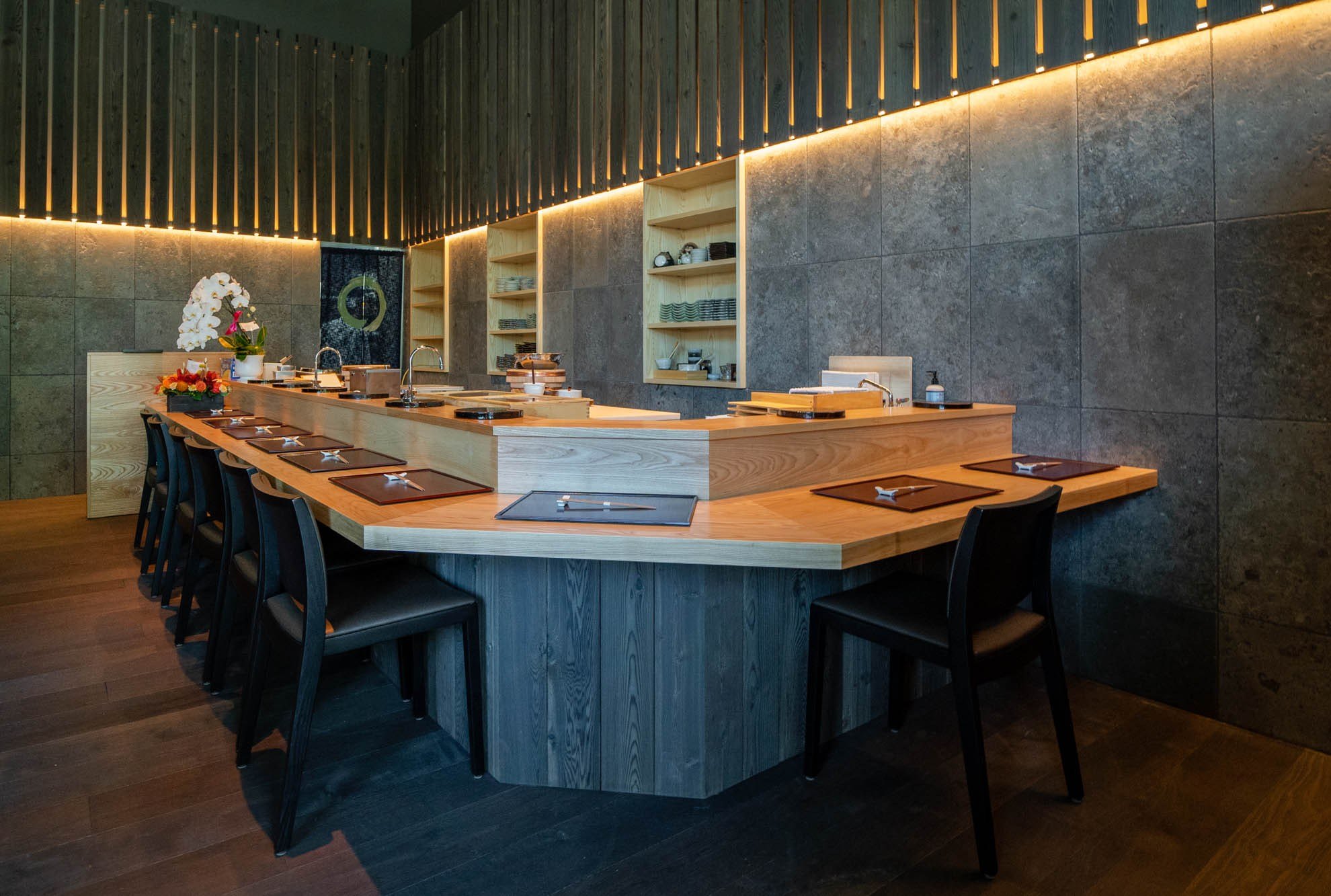
The Counter as Architecture
Takai by Kashiba is a Bellevue restaurant serving Edomae-Style Omakase at 180 Bellevue Way NE. Within that arc, Japanese fine dining has been a consistent driver, producing a tier of restaurants where the physical container, not just the menu, signals intent. Takai by Kashiba, at 180 Bellevue Way NE, belongs to that upper register. "Takai" translates from Japanese as high or refined in the spatial sense, a reference that frames how the room is designed to be read before a single piece of fish is served.
In the tradition of serious Japanese counter dining, the architecture of the space functions as the first course. Where omakase rooms in Tokyo and New York have converged on a visual grammar of pale hinoki wood, low-profile seating, and controlled sightlines to the chef's hands, Takai occupies that same design vocabulary in a Bellevue context. The counter format, standard for omakase, collapses the distance between preparation and consumption in a way that booth seating cannot replicate. Diners face the chef; the counter surface becomes a stage; the pacing of service is spatially encoded into the room itself. This is not decoration. It is an operational philosophy made physical.
Where Takai Sits in Bellevue's Japanese Dining Tier
Bellevue's Japanese restaurant spectrum runs from accessible conveyor-belt formats to omakase counters priced and paced for a different occasion. Takai operates at the serious end of that range, positioned against a small comparable set rather than the broader sushi market. For context, Fujiwara Omakase represents the city's other main reference point in dedicated counter service. The two occupy different design registers and lineages, but both address the same diner: someone who has experienced comparable counters in Seattle, Tokyo, or New York, and is calibrating expectations accordingly.
Within the Bellevue dining corridor, the contrast with neighboring formats is clarifying. Ascend Prime Steak & Sushi offers a high-volume, view-driven experience where sushi is one component of a larger American steakhouse proposition. Bis on Main operates in a European bistro register. Cactus Bellevue Square, Cascades Grille, and Cielo Cocina Mexicana each address distinct cuisine categories at varying price points. That includes Seattle's omakase counters and the national conversation around Japanese chef-driven restaurants like Atomix in New York City.
The Design Logic of an Omakase Room
The spatial decisions in a counter-format Japanese restaurant are rarely arbitrary. Seat count governs pacing, which governs quality control. A room with too many covers cannot maintain the synchrony that omakase requires; the chef's rhythm depends on the counter operating as a single unit, all diners moving through the sequence together. This is why serious counters treat seat count as a design constraint rather than a revenue variable. The same logic applies at the counter level: fewer seats mean tighter service, which is both a cost and a commitment.
The materials language of serious omakase rooms also communicates before service begins. Natural wood tones, minimal surface clutter, and controlled lighting are not aesthetic preferences so much as functional signals: this is a room where the fish is the focal point, and everything else is in service to that. Rooms that compete visually with the food, through dramatic views, theatrical lighting rigs, or complex decor programs, are making a different argument. Takai's design orientation, rooted in the Kashiba tradition's reverence for the ingredient, points toward the quieter end of that spectrum.
The Kashiba Lineage in Context
Counter-format Japanese dining in the Pacific Northwest carries a specific institutional history that differentiates it from the broader American sushi market. That lineage matters because it represents an approach to fish sourcing, rice temperature, and service pacing that has shaped how the region's serious Japanese restaurants operate.
Nationally, the chef-driven counter format has produced particularly scrutinized restaurants in the country. Le Bernardin in New York City established a template for ingredient-first fine dining that Japanese counter culture parallels in its own idiom. Providence in Los Angeles and Addison in San Diego have both demonstrated that west coast seafood-forward formats can sustain serious critical attention. Takai's placement within the Kashiba lineage positions it as a regional answer to that national conversation, rooted in a Pacific Northwest supply chain and a specific generational transmission of craft.
Planning a Visit
Takai by Kashiba is located at 180 Bellevue Way NE, in central Bellevue, accessible from the downtown core and within reasonable distance of the Bellevue Transit Center. As with most counter-format omakase rooms, advance booking is advisable; these formats fill quickly because seat capacity is structurally limited. Visiting diners who know comparable counters will find the format and pacing familiar, while the Kashiba lineage and Pacific Northwest sourcing provide the regional distinction. International reference points for the counter format at its most rigorous include 8 1/2 Otto e Mezzo Bombana in Hong Kong, which demonstrates how a chef-lineage-driven restaurant operates within a competitive luxury dining market.
At a Glance
Comparable venues nearby, for context on price, style, and recognition.
| Venue | Cuisine | Price | Notes |
|---|---|---|---|
| Takai by KashibaThis venue — the venue you are viewing | Bellevue, Edomae-Style Omakase | $$$$ | Not listed |
| Ascend Prime Steak & Sushi | Not listed | $$$$ | Lincoln Square, Asian-Influenced Steak & Sushi |
| Japonessa Sushi Cocina | Not listed | $$ | Lincoln Square South, Japanese-Latin Fusion Sushi Cocina |
| Wild Wasabi Signature | Bellevue, Japanese Teppanyaki & Sushi | $$$ | Not listed |
| JOEY Bellevue | Not listed | $$$ | Downtown Bellevue, Modern American Steakhouse with Sushi |
| Wild Ginger Bellevue | Not listed | $$$ | Downtown Bellevue, Southeast Asian Pacific Rim |
Recognition history
Dated appearances from independent guides and award organizations, with the underlying list record or original source where available.
James Beard Award Semi Finalist
James Beard Award
Continue exploring
More in Bellevue
Restaurants in Bellevue
Browse all →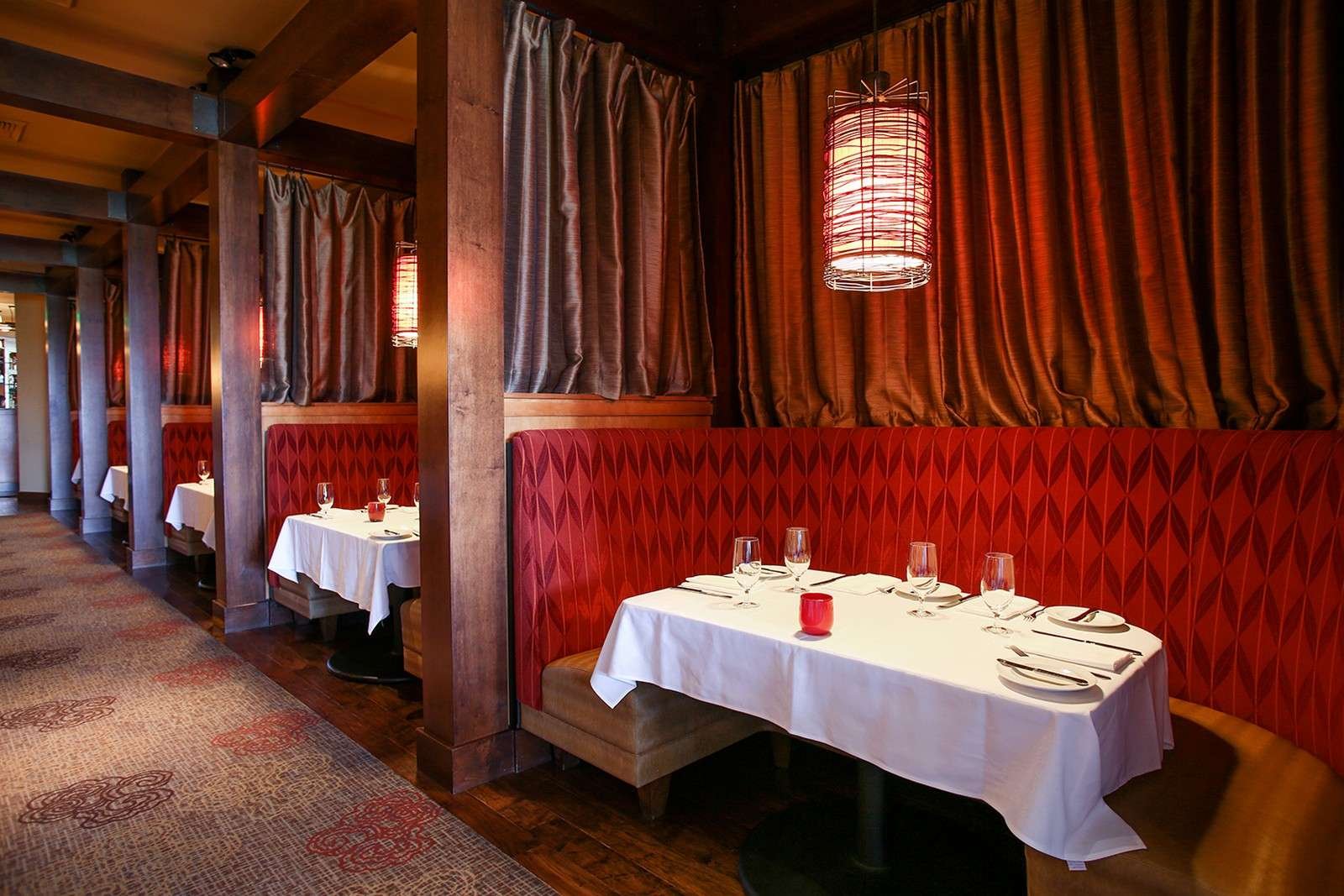
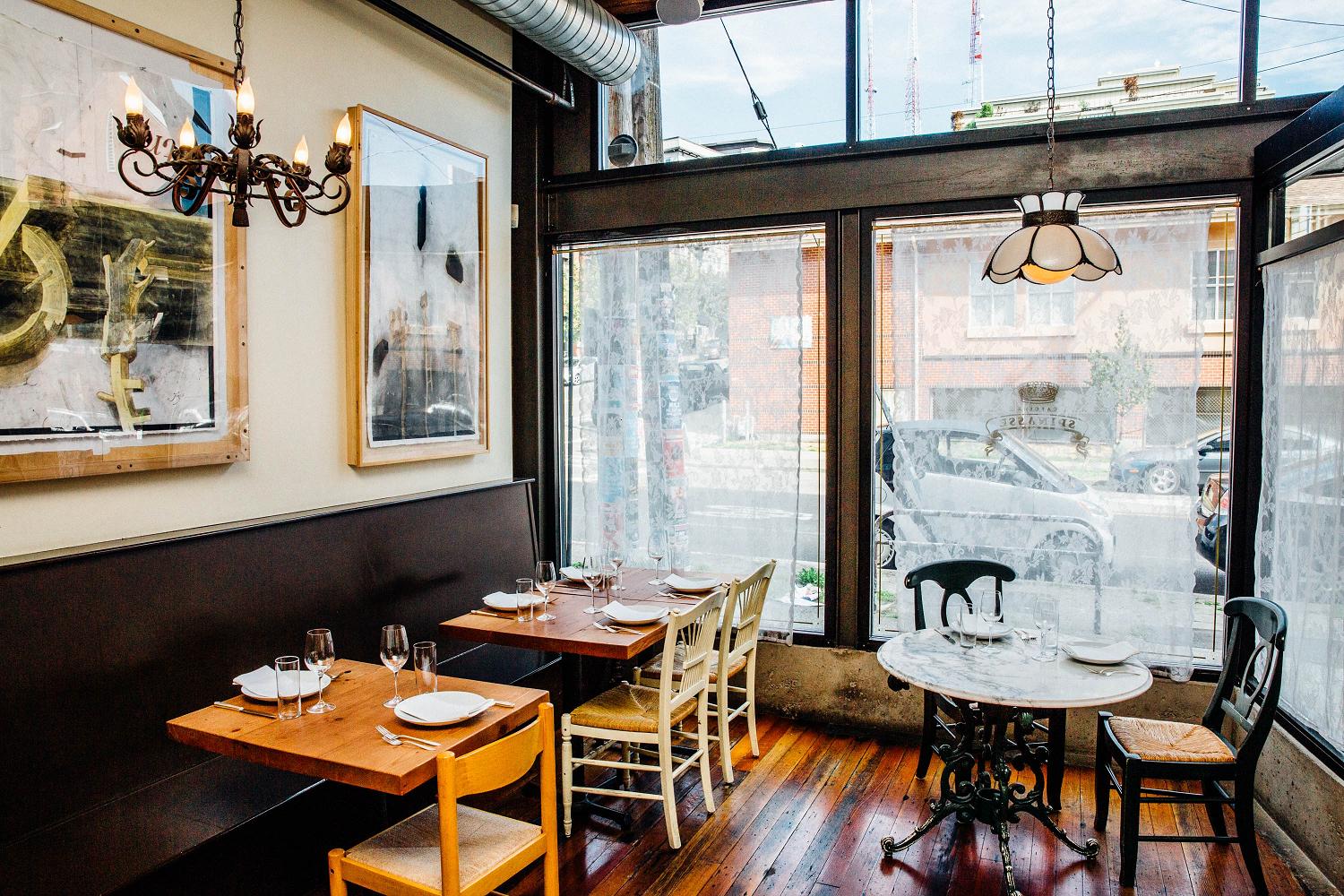
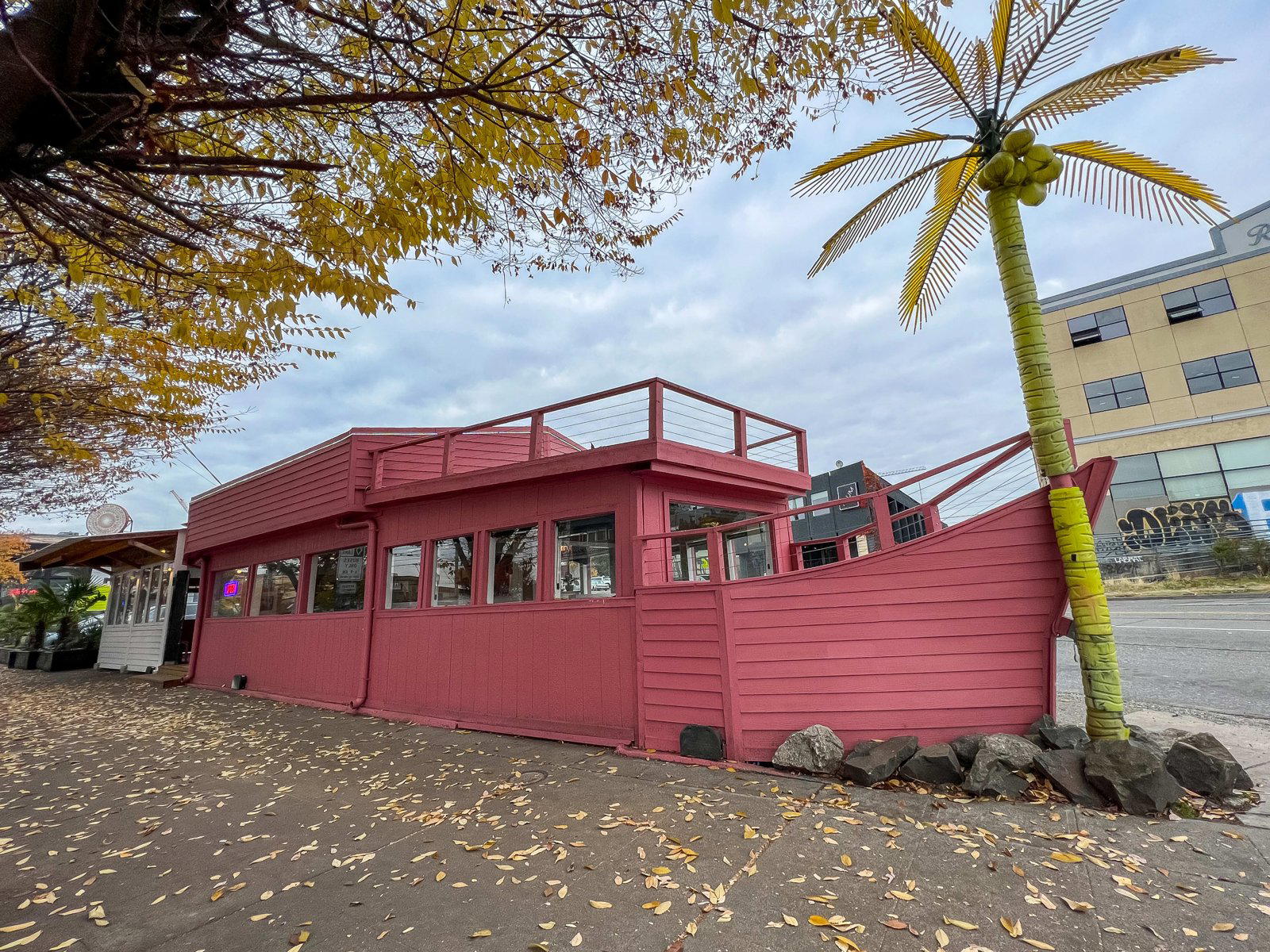
Bars in Bellevue
Browse all →
Hotels in Bellevue
Browse all →
At a Glance
- Intimate
- Elegant
- Sophisticated
- Modern
- Date Night
- Special Occasion
- Chefs Counter
- Open Kitchen
- Sake Program
Current opening hours
- Monday
- 5:30–9 PM
- Tuesday
- 5:30–9 PM
- Wednesday
- 5:30–9 PM
- Thursday
- 5:30–9 PM
- Friday
- 5:30–9 PM
- Saturday
- 5:30–9 PM
- Sunday
- Closed
Hours can change for holidays and private events. Last verified .
Glitzy modern Japanese dining room with an elegant, see-and-be-seen atmosphere.