Japonessa Sushi Cocina
Japonessa Sushi Cocina on Bellevue Way brings a Latin-Japanese crossover format to the Eastside's increasingly crowded sushi scene. The kitchen blends traditional nigiri and maki with Mexican-inflected sauces and preparations, producing a casual but considered menu that draws from both traditions without fully committing to either. It sits in Bellevue Square's retail corridor, making it accessible for pre- or post-shopping dining.
Pearl is the En Primeur Club membership app — saves, bookings, and concierge access live there. Same editors, same standards.
- Address
- 500 Bellevue Way NE Suite 130, Bellevue, WA 98004
- Phone
- +14254541585
- Website
- japonessa.com
- Directions
- Get directions
 Saves & bookings on Pearl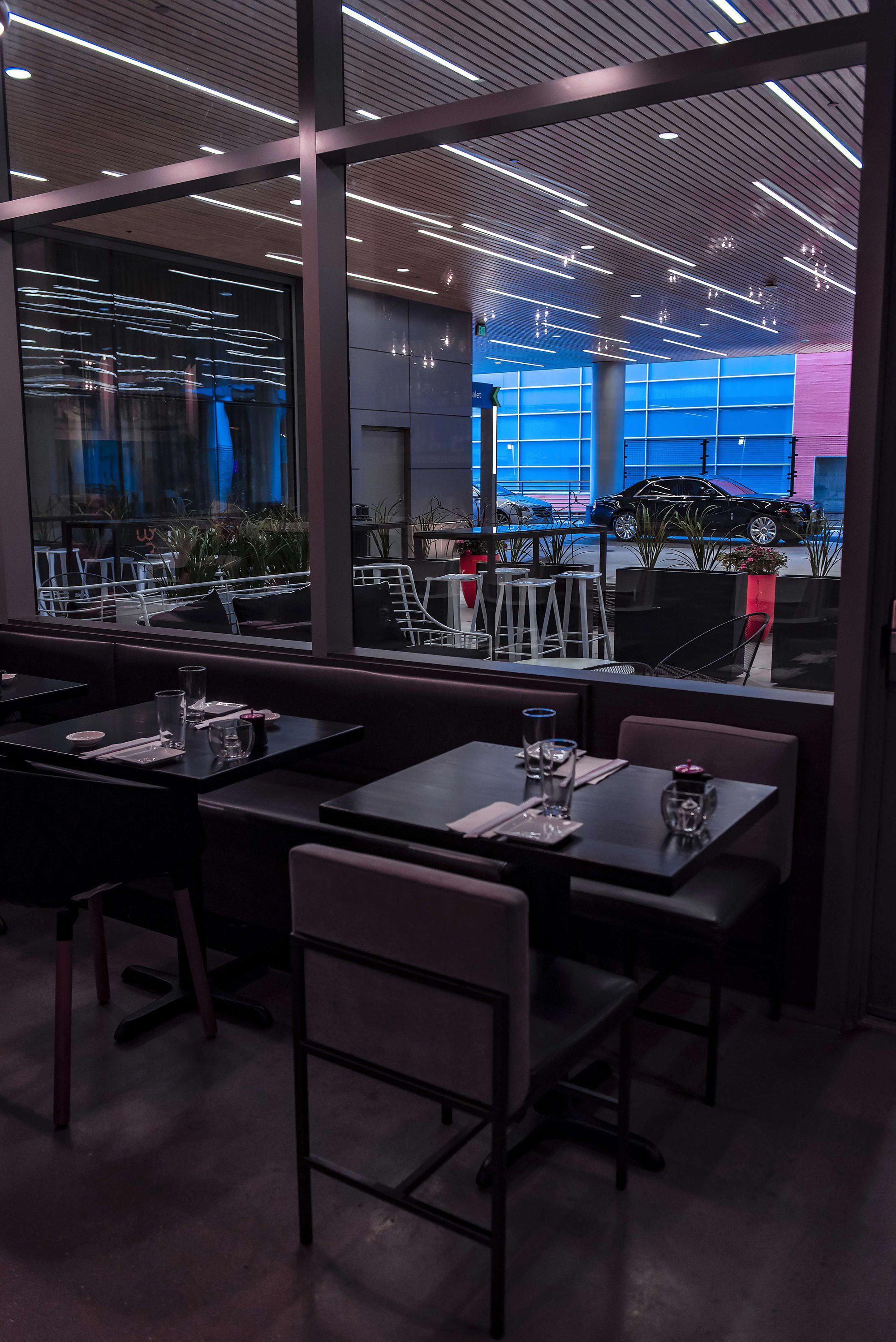
Where Pacific Rim Sushi Meets Latin Kitchen: Bellevue's Crossover Format
American sushi culture has been moving toward fusion for decades, but the specific pairing of Japanese technique with Mexican flavor logic remains a narrower category within that broader shift. Japonessa Sushi Cocina occupies that niche at 500 Bellevue Way NE, inside Bellevue Square's ground-floor retail corridor, a setting that places it in direct contact with the Eastside's densest concentration of casual-to-midscale dining. The room sits amid a stretch of restaurants serving everything from steakhouse cuts at Ascend Prime Steak & Sushi to European bistro cooking at Bis on Main, which means the competitive pressure is real and the format differentiation has to earn its place.
The Latin-Japanese crossover category draws from a culinary logic that predates the current fusion moment by several decades. Japanese immigration to Peru and Brazil beginning in the late nineteenth century produced Nikkei cuisine, a tradition now represented at the highest tiers of global dining, from Nobu's international footprint to Lima's Maido. What Japonessa does is move that tradition into a casual American register, pairing the structural vocabulary of Japanese sushi (nigiri, maki, sashimi) with the flavor registers of Mexican cooking: citrus-forward salsas, chili heat, avocado, and corn-derived elements. The result is a format that reads as accessible without being technically dishonest about either source tradition.
Sourcing Logic Inside a Crossover Kitchen
The ingredient question matters more in crossover formats than in single-tradition restaurants, precisely because the kitchen is drawing from two distinct sourcing ecosystems simultaneously. Japanese-style sushi depends heavily on fish quality, cold-chain integrity, and, at the higher end, relationships with specific fisheries or distributors handling product like Pacific albacore, King salmon from Pacific Northwest runs, or yellowfin sourced through Hawaii's commercial fleet. Mexican cooking's sourcing logic runs differently: it prioritizes fresh produce, dried chilis with verified origin, and tortilla-adjacent preparations where masa quality is traceable to corn variety and processing method.
In the Pacific Northwest, both sourcing chains have local advantages. The region's access to Pacific salmon, Dungeness crab, and halibut gives sushi-adjacent kitchens a genuine proximity edge over their counterparts in landlocked markets. That same geography supports strong produce supply from farms in the Snoqualmie Valley and the broader Puget Sound agricultural belt.
This is the distinction that separates the Latin-Japanese crossover category from mere novelty. When the component ingredients are treated with the same care as they would be in their respective source traditions, fish handled at sushi-grade temperatures, chilis sourced with attention to varietal character, the format produces something coherent rather than merely eclectic. Japonessa operates at a different price tier and with a different ambition scale, but the underlying question, where does the food come from, and does the kitchen treat those origins with respect, applies across all tiers.
Bellevue's Broader Dining Terrain
Bellevue's restaurant scene has matured considerably over the past decade, shifting from a suburb-adjacent dining satellite of Seattle into a city with its own culinary density. The Bellevue Square and Old Main Street corridors now host formats ranging from high-end steakhouse and omakase to regional Mexican and pan-Asian casual. Japonessa sits in a category, casual fusion with a defined concept, that has real competition on the Eastside. Cactus Bellevue Square operates nearby with a Southwest-inspired menu that draws from similar Latin flavor territory, and Cielo Cocina Mexicana approaches Mexican cuisine from a more direct traditional angle. The crossover format Japonessa works gives it a specific position that neither of those venues occupies.
Nationally, the restaurants that have pushed Japanese-Latin crossover into fine-dining territory, Atomix in New York City for Korean-influenced tasting menus, or Providence in Los Angeles for its precision seafood sourcing, demonstrate how seriously the question of ingredient origin gets taken when the format is operating at high ambition. At the casual end of the spectrum, where Japonessa operates, the format works differently: volume, accessibility, and flavor consistency matter more than the single-sourced fish narrative. But the sourcing logic still underlies the kitchen's credibility.
For broader regional context across the Western dining scene, Lazy Bear in San Francisco and Addison in San Diego represent the high end of Pacific Coast culinary ambition, while places like Le Bernardin in New York City set the benchmark for what serious seafood-forward sourcing looks like at the summit tier. See our full Bellevue restaurants guide for how the broader Eastside dining picture fits together, including comparisons with Cascades Grille and other anchor venues in the corridor.
Planning a Visit
Japonessa is located at Suite 130, 500 Bellevue Way NE, within the Bellevue Square complex, which means parking is shared with the mall structure and access is direct from both the garage and street level. The Bellevue Square location also puts it within walking distance of the downtown Bellevue transit hub, useful for visitors coming from Seattle via East Link or bus. Reservations are recommended, and the restaurant is open Mon to Thu and Sun from 11 AM to 10 PM, and Fri to Sat from 11 AM to 11 PM.
In Context: Similar Options
Comparable venues nearby, for context on price, style, and recognition.
| Venue | Cuisine | Price | Notes |
|---|---|---|---|
| Japonessa Sushi CocinaThis venue — the venue you are viewing | Japanese-Latin Fusion Sushi Cocina | $$ | Not listed |
| Cascades Grille | Pacific Northwest American Gastropub | $$ | Factoria |
| Fujiwara Omakase | Omakase | $$$$ | Bellevue |
| Rascals Public House | Upscale American Comfort Food with International Twist | $$ | Downtown Bellevue |
| Bis on Main | Northwest American Bistro with French and Italian Influences | $$$ | Old Bellevue |
| Cielo Cocina Mexicana | Authentic Jalisco Mexican | $$ | Downtown Bellevue |
Continue exploring
More in Bellevue
Restaurants in Bellevue
Browse all →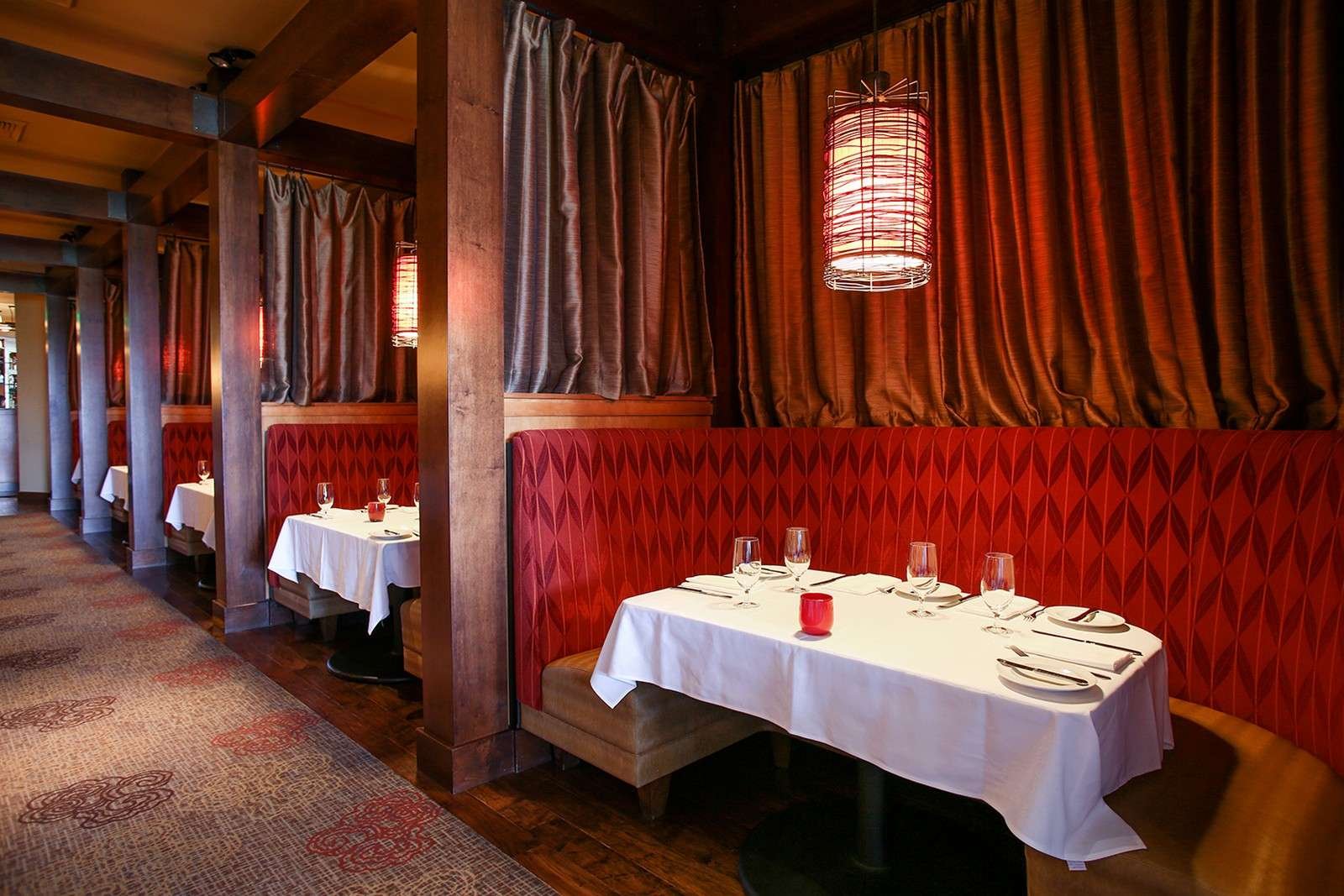
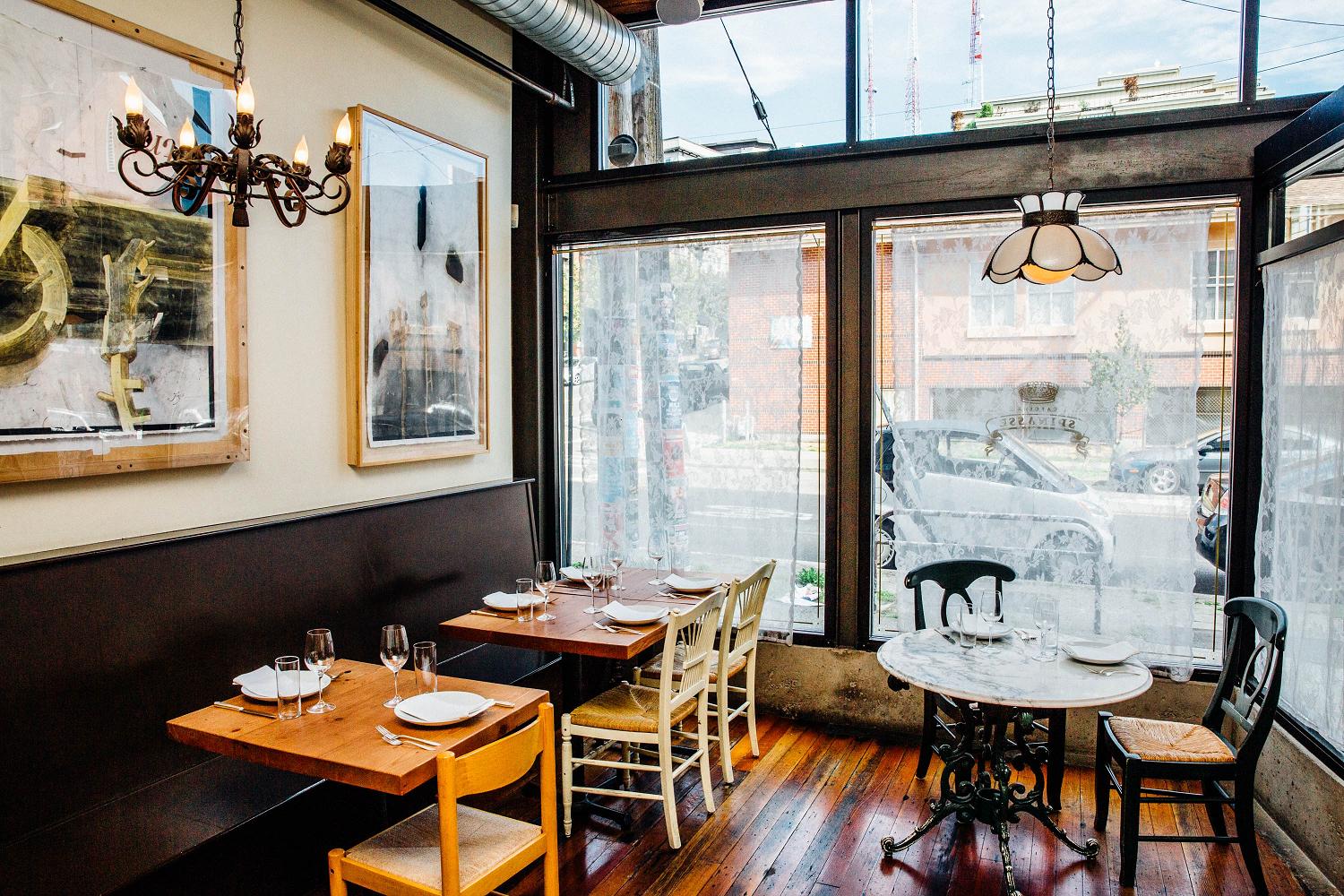
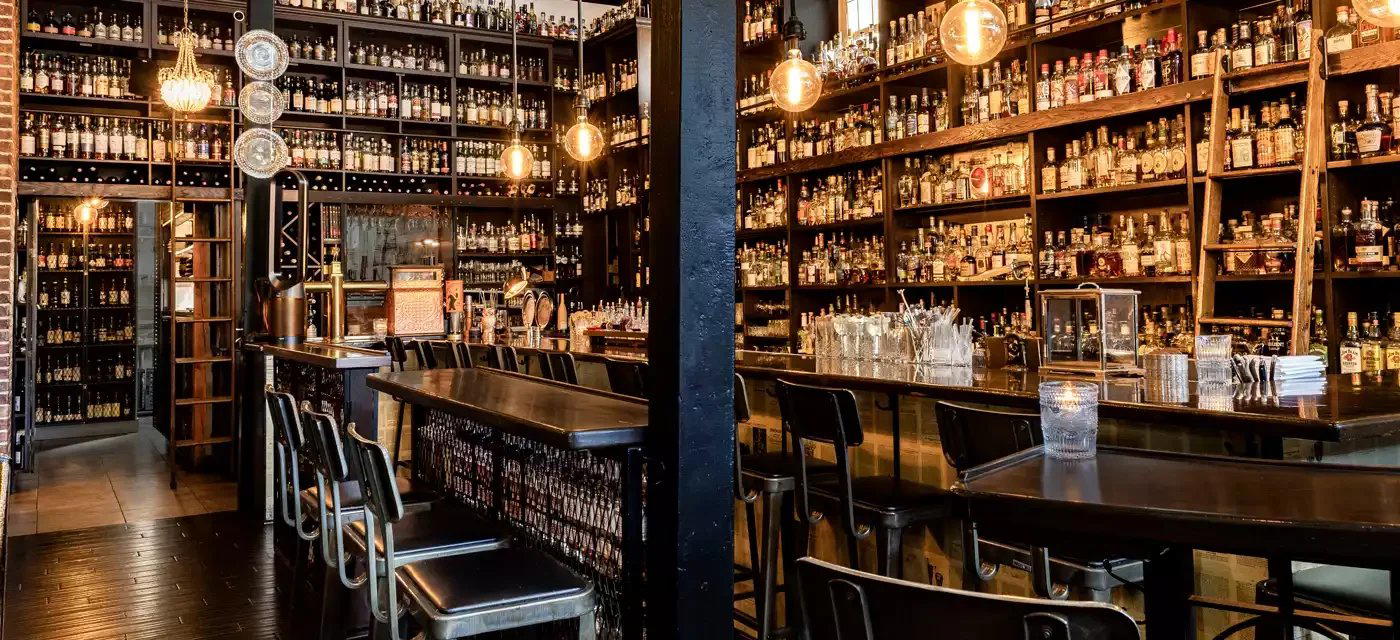
Bars in Bellevue
Browse all →
Hotels in Bellevue
Browse all →
At a Glance
- Trendy
- Lively
- Modern
- Group Dining
- Casual Hangout
- Late Night
- Open Kitchen
- Craft Cocktails
- Sake Program
Current opening hours
- Monday
- 11 AM–10 PM
- Tuesday
- 11 AM–10 PM
- Wednesday
- 11 AM–10 PM
- Thursday
- 11 AM–10 PM
- Friday
- 11 AM–11 PM
- Saturday
- 11 AM–11 PM
- Sunday
- 11 AM–10 PM
Hours can change for holidays and private events. Last verified .
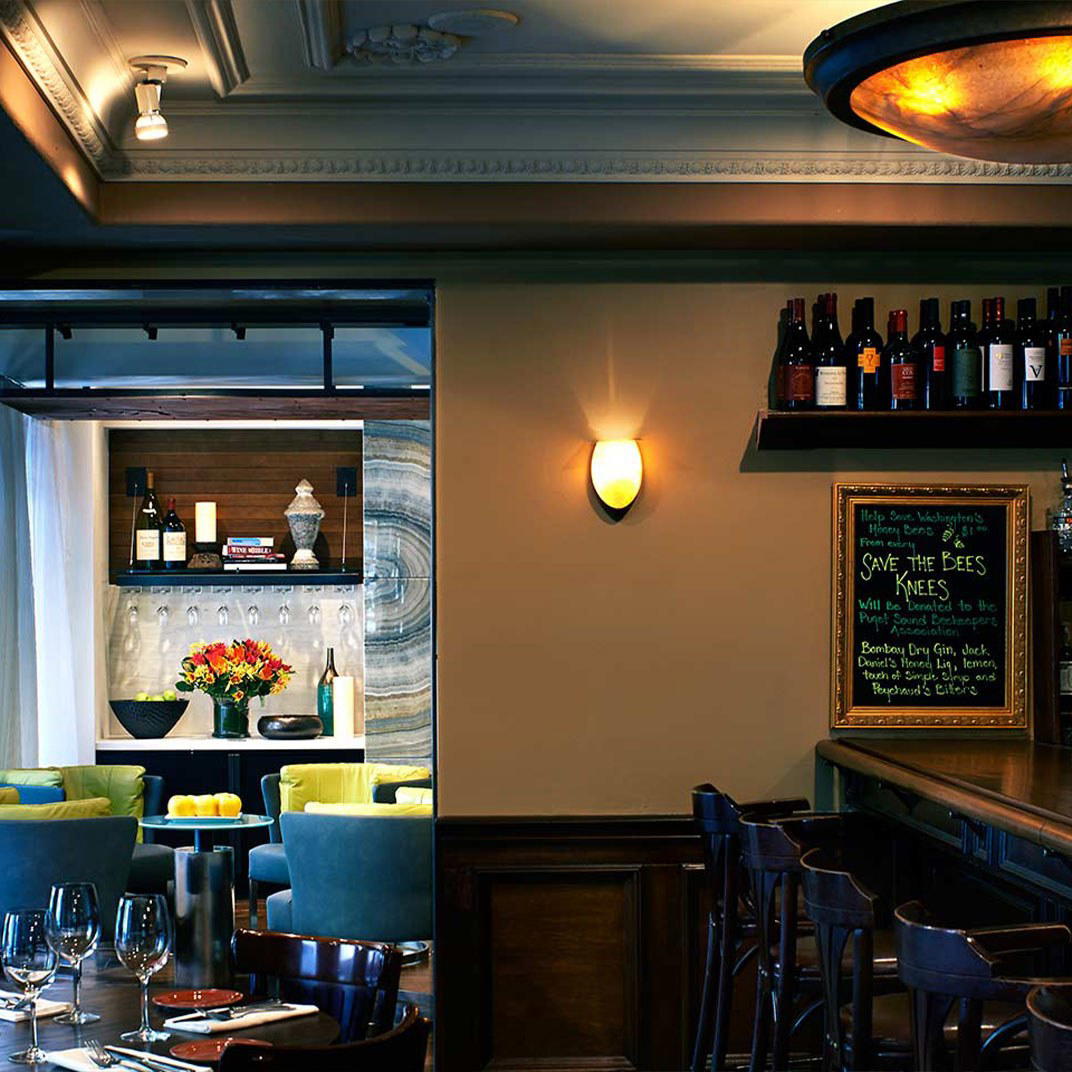
Fun and lively atmosphere with stylish setting, full bar, and heated patio dining.