Los Originales Tacos Arabes de Puebla

LA Taco Best Tacos in LA #17
Our verdict
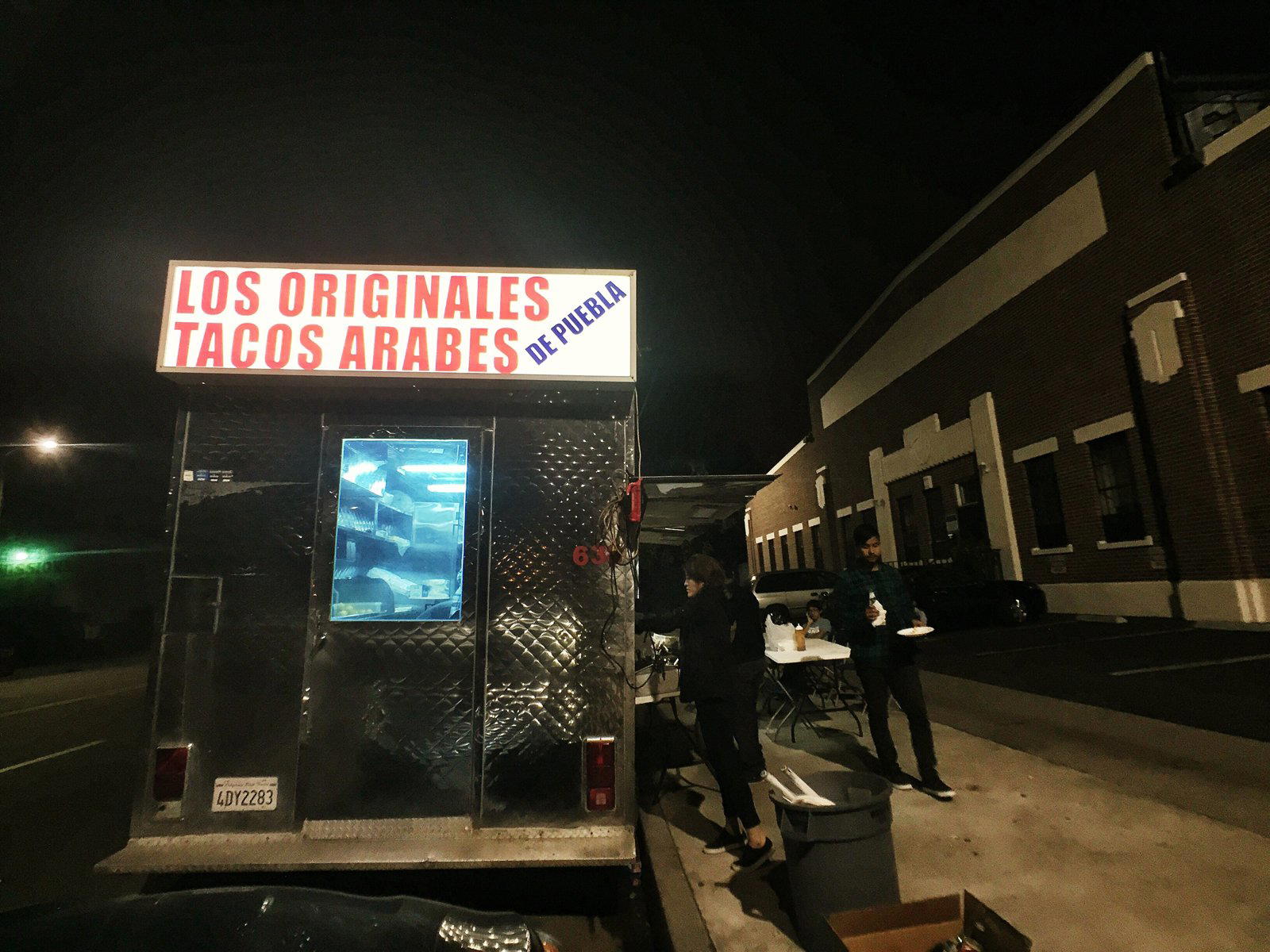
On East Olympic Boulevard in Boyle Heights, Tacos Arabes de Puebla carries a culinary tradition that traces directly to Lebanese immigration into Puebla in the early twentieth century. The kitchen's signature is the Taco Arabe Especial, a format built around spit-roasted meat and flatbread that diverges sharply from the flour-and-corn orthodoxy of most Los Angeles taqueria counters. It is one of the more historically specific taco formats available in the city.

Pearl is the En Primeur Club membership app, where members save venues, book tables and use the concierge.
The menu
What to order
- Especiale
- Tacos Arabes
A Lebanese Thread Running Through Puebla, Landing in Boyle Heights
The taco arabe is not a fusion invention or a trend-cycle creation. It is the direct product of Lebanese immigration into the city of Puebla during the early twentieth century, when Middle Eastern families brought vertical spit-roasting techniques that would eventually reshape the region's street food. The shawarma-adjacent preparation, seasoned pork or lamb on a trompo, served in a thick flatbread called pan arabe rather than a standard corn tortilla, spread across Puebla and later informed the development of tacos al pastor across Mexico. On East Olympic Boulevard in Boyle Heights, Tacos Arabes de Puebla holds this specific lineage, operating as one of the few places in Los Angeles where the Puebla-style arabe format rather than the more common al pastor derivation takes center stage.
Los Angeles has one of the most varied taco ecosystems in North America, stretching from Oaxacan-style tlayudas to Baja fish counters to Tijuana-style adobada, but the taco arabe remains a minority format across the city. The dish's presence here reflects the deep Poblano migration corridor that shaped large sections of eastern Los Angeles County. Boyle Heights and the surrounding neighbourhoods function as a concentrated expression of that migration, and the food available along Olympic Boulevard reads as a direct archive of where those communities came from.
The Taco Arabe Especial: What the Format Actually Is
The defining sensory signature of the taco arabe is the bread. Pan arabe is closer in texture and thickness to a pita than to a flour tortilla, chewier, with a slight char from the griddle that flour tortillas rarely develop. The vertical spit does its own atmospheric work: the smell of rendered fat and roasting spice tends to move outward before the counter itself comes into view. At Tacos Arabes de Puebla, the Taco Arabe Especial is the recognised draw, a preparation that concentrates the distinctive elements of the Puebla tradition rather than diluting them toward the al pastor format that most of the city's taqueria circuit has standardised around.
The spice profile of a proper taco arabe sits closer to Middle Eastern seasoning, cumin, allspice, sometimes cinnamon, than to the chile-and-achiote combination that drives al pastor. This distinction matters for the diner who comes expecting the citrus-forward, achiote-red preparation of Guerrero or Mexico City-style al pastor. The arabe is earthier, the bread adds structure, and the condiment set tends toward salsas verde and habanero rather than the pineapple garnish that became synonymous with al pastor in the northern taqueria belt. These are related formats with a shared ancestor, but they read as different dishes once placed side by side.
Boyle Heights as Context
Address on East Olympic Boulevard places Tacos Arabes de Puebla within a commercial stretch that functions more as a working neighbourhood corridor than a dining destination. There is no valet parking, no reservation infrastructure, and no surrounding cluster of wine bars to frame the experience as an evening out. This part of Boyle Heights operates on a different register than the restaurant ecosystems around, say, the counters at Kato or Hayato, or the formal dining rooms associated with Providence and Osteria Mozza. The point is not that one register is superior to the other; it is that they are measuring different things. A taco arabe counter on Olympic Boulevard is operating within a tradition where the quality signal is the preparation technique and the lineage of the recipe, not the room, the tasting menu structure, or the sommelier program.
Boyle Heights has historically resisted the dining-destination framing that neighbourhood branding tends to impose, and the food corridor along Olympic and César Chávez reflects that. The venues here mostly feed the neighbourhood first, and the broader city second. That ordering produces a different kind of eating experience than the formats found at Somni or in the price tiers occupied by Le Bernardin in New York City or Alinea in Chicago, but it is not a lesser one. The taco arabe format has endured across a century of migration precisely because it is a complete, self-contained thing.
Seasonal and Temporal Considerations
Los Angeles taqueria counters along the East Olympic corridor operate within the rhythms of the neighbourhood rather than tourist calendars. Weekend mornings tend to draw higher traffic as families from the surrounding blocks treat the strip as a regular destination rather than an occasional one. The vertical spit is typically running earlier in the day and may wind down as meat volume depletes through the afternoon, which is a common pattern among serious trompo operations. Arriving early in the day is the practical approach for anyone who wants the full spit in operation rather than a later-stage service where the remaining meat has been off the heat for an extended period.
Los Angeles broadly is a year-round dining city with no hard seasonal closures for outdoor-facing street food formats, but the eastside corridor is particularly active through the spring and autumn months when the weather supports sidewalk eating without the heat compression of July and August. For broader orientation across the city's dining range, our full Los Angeles restaurants guide covers the full spectrum from Boyle Heights counters to Bel Air formal rooms. Additional planning across lodging, bars, and experiences is covered in our Los Angeles hotels guide, bars guide, and experiences guide. Visitors with an interest in the regional wine context will find relevant coverage in our Los Angeles wineries guide.
For those building a broader West Coast dining circuit, the analytical approach at Lazy Bear in San Francisco and the farm-driven format at Single Thread Farm in Healdsburg represent distinct poles of California's formal dining axis. Further afield, the Napa benchmark remains The French Laundry. International reference points in the $$$$ tier include Atomix in New York City, Emeril's in New Orleans, and 8 1/2 Otto e Mezzo Bombana in Hong Kong. These are reference points for a different category of dining, but the same editorial framework applies: the dish, its history, and its context are more instructive than the room.
Quick Reference
Tacos Arabes de Puebla, 3600 E Olympic Blvd, Los Angeles, CA 90023. Signature order: Taco Arabe Especial. No reservation required; counter service. Arrive early for full trompo operation.
Frequently asked questions
What should I eat at Tacos Arabes de Puebla?
The Taco Arabe Especial is the recognised dish and the correct starting point. It is the preparation that carries the Puebla-Lebanese lineage most directly: spit-roasted meat in pan arabe flatbread, seasoned with a spice profile closer to Middle Eastern tradition than the chile-achiote combination of al pastor. If you want to understand what separates the taco arabe format from the al pastor preparations that dominate most of Los Angeles, the Especial is the clearest single point of comparison available in the city.
How far ahead should I plan for Tacos Arabes de Puebla?
No advance booking is required. This is a counter-service format in a working neighbourhood on East Olympic Boulevard, and the planning variable is timing rather than reservation. The practical consideration is arriving while the vertical spit is at full operation, which means earlier in the day rather than later. Los Angeles has a large range of formally bookable dining, from counters that fill three months out to tasting rooms that require deposit-based reservations, but Tacos Arabes de Puebla sits entirely outside that infrastructure. The only cost of poor timing is a shorter menu; the only barrier to entry is the drive to Boyle Heights.
Similar Picks
| Venue | Cuisine | Price | Awards | Notes |
|---|---|---|---|---|
| Tacos Arabes de PueblaThis venue (the venue you are viewing) | Puebla-Style Tacos Arabes | $10–20 | LA Taco Best Tacos in LA #17 | Not listed |
| Kato | Modern Taiwanese Fine Dining | $300–500 | 2 Michelin Stars · World's 50 Best #49 | New Taiwanese, Asian |
| Hayato | Traditional Japanese Kaiseki | $300–500 | 2 Michelin Stars · La Liste Top Restaurants | Japanese |
| Vespertine | Avant-Garde Tasting Menu | $200–300 | 2 Michelin Stars · La Liste Top Restaurants | Progressive, Contemporary |
| Camphor | Modern French with Southeast Asian influences | $150–200 | Michelin Plate · World Best Burgers World's 101 Best Burgers #15 | French-Asian, French |
| Gwen | Contemporary American Steakhouse | $50–100 | Michelin Plate · Wine Spectator Best of Award of Excellence | New American, Steakhouse |
Recognition history
Dated appearances from independent guides and award organizations, with the underlying list record or original source where available.
LA Taco Best Tacos in LA #17
LA Taco
Continue exploring
More in Los Angeles
Restaurants in Los Angeles
All restaurants in Los Angeles →
Bars in Los Angeles
All bars in Los Angeles →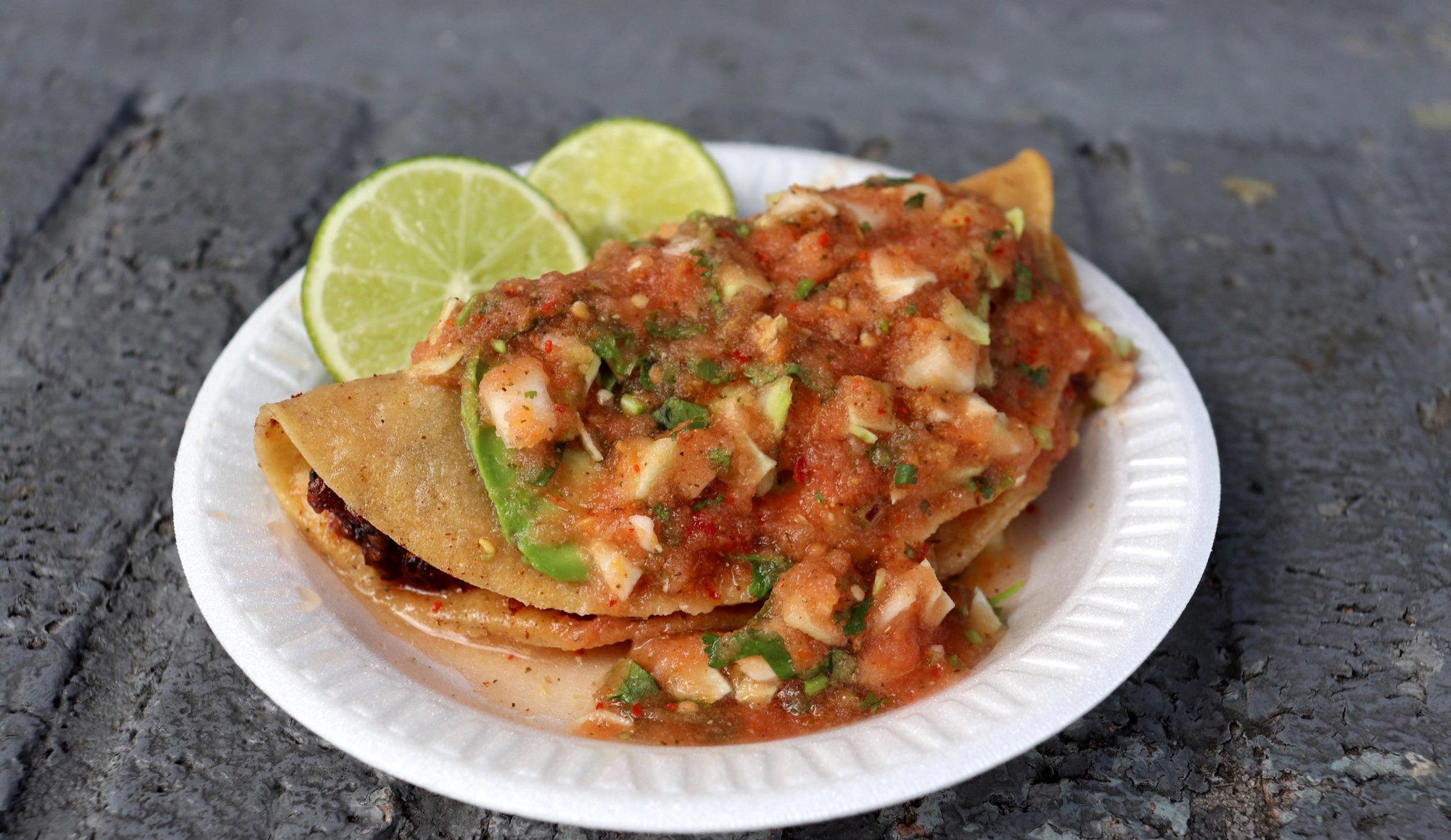
Hotels in Los Angeles
All hotels in Los Angeles →
Wineries in Los Angeles
All wineries in Los Angeles →
Details
- Casual
- Casual Hangout
- Late Night
- Standalone
- A La Carte
Current opening hours
- Monday
- Closed
- Tuesday
- Closed
- Wednesday
- 3–10 PM
- Thursday
- 3–10 PM
- Friday
- 3–11 PM
- Saturday
- 3–11 PM
- Sunday
- 3–10 PM
Hours can change for holidays and private events. Hours as of .
Casual street food truck atmosphere with average noise levels and simple, unpretentious setup.