't Kantientje

Holding a Michelin Plate in both 2024 and 2025, 't Kantientje on Ramskapellestraat brings traditional Belgian cooking to the quiet polderlands outside Knokke-Heist. The kitchen leans on regional produce and a €€€€ price point that positions it firmly in West Flanders' serious dining tier.
Pearl is the En Primeur Club membership app — saves, bookings, and concierge access live there. Same editors, same standards.
- Address
- Ramskapellestraat 61, 8300 Knokke-Heist, Belgium
- Phone
- +32 50 60 54 11
- Website
- kantientje.be
- Directions
- Get directions
 Saves & bookings on Pearl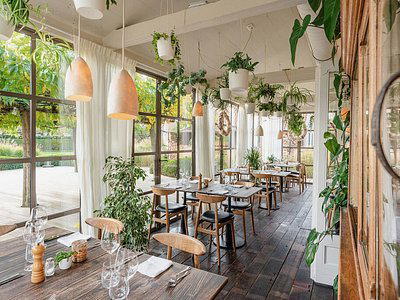
Where the Polder Meets the Plate
The coastal hinterland between Knokke-Heist and the Dutch border is not obvious dining territory. The flat polder landscape, criss-crossed by drainage ditches and windbreaks, reads more agricultural than gastronomic — which is precisely why restaurants that take root here tend to draw from their surroundings rather than importing an identity from the coast. 't Kantientje, at Ramskapellestraat 61 in Ramskapelle, sits inside that dynamic: a traditional kitchen operating in a region where the ingredients are as much a condition of the setting as the building itself.
The address alone signals something. Ramskapelle is a small, low-profile community absorbed into the wider Knokke-Heist municipality, far enough from the seafront promenade that visitors who find the place are generally looking for it. That self-selection filters the room toward guests who prioritise the food over the postcode, a distinction that shapes the entire atmosphere of a meal here.
Traditional Cuisine in a Modern Belgian Context
Belgium's traditional cuisine category carries a specific weight. It is not a catch-all for old-fashioned cooking; at its more serious end, it represents a deliberate decision to stay close to regional product and classical technique at a time when neighbouring kitchens are chasing tasting-menu minimalism or Scandinavian-inflected creativity. Operations in this tier — from village auberges in the Ardennes to established Flemish addresses, tend to source within shorter supply chains and let seasonal availability dictate the menu more directly than their contemporary counterparts.
At the €€€€ price point, 't Kantientje occupies the same spending bracket as multi-starred Flemish kitchens: Boury in Roeselare, De Jonkman in Sint-Kruis, and Castor in Beveren all operate at €€€€ but with Michelin star counts of two or three. The Michelin Plate recognition 't Kantientje has held in both 2024 and 2025 signals that inspectors find the cooking worth noting, the Plate designation marks a restaurant serving food of good quality, while still leaving the operation in a distinct tier from the starred houses. For a traditionally oriented kitchen in a polder village, consistent Michelin attention across two consecutive years is a meaningful credentialing signal.
Across the broader Knokke-Heist area, the premium dining conversation tends to move toward the coast. Bartholomeus in Heist draws on North Sea produce; coastal fish and shellfish define much of the region's serious restaurant identity. 't Kantientje's inland orientation gives it a different product logic, one shaped more by the agricultural calendar than by the tides.
The Sourcing Argument for Inland Flemish Cooking
West Flanders' agricultural output is substantial: poultry and game from the polders, root vegetables from clay-heavy soils, dairy from the region's long pastoral tradition, and proximity to artisan producers who supply both farmhouse and restaurant kitchens. Traditional cuisine at this price level depends on that supply infrastructure. The premium is justified, in part, by sourcing decisions, working with producers who do not scale to supermarket volumes, accepting shorter seasons, and building menus around what is available rather than what is consistent year-round.
This is the operational logic that separates a Michelin Plate-recognised traditional kitchen from a neighbourhood bistro running the same genre. The rating implies a standard of ingredient quality and execution that goes beyond comfort-food familiarity. At 't Kantientje, the traditional format should be read as a commitment to that sourcing discipline rather than a limitation of ambition. Comparable traditional kitchens operating at this tier across northern France and the Low Countries, see Auberge Grand'Maison in Mûr-de-Bretagne or Auga in Gijón, demonstrate that the traditional label, when applied seriously, demands rigour in both procurement and preparation.
Belgium's interior Flemish belt also intersects with a strong game and charcuterie tradition that feeds naturally into a kitchen of this style. The seasonal availability of hare, partridge, and wild boar from the polders and surrounding woodland areas gives traditional Flemish menus a distinct autumnal and winter dimension that creative-modern kitchens frequently bypass in favour of year-round consistency.
Placing 't Kantientje in the Wider Belgian Scene
Belgium's dining scene at the leading end is well-documented. Hof van Cleve in Kruishoutem, Zilte in Antwerp, and Bozar Restaurant in Brussels define one end of the national range. Further along the Flemish coast, Willem Hiele in Oudenburg has built recognition for its hyper-local coastal product focus. Closer to Ramskapelle, De Kruier represents the classic cuisine tradition in the same village, giving the hamlet an unusual concentration of serious cooking for its size.
Within this broader geography, 't Kantientje's position is that of a regionally rooted traditional kitchen holding its own against well-resourced competition. Guests return to these tables because the standard is reliable, not because the menu chases novelty. That consistency is its own editorial argument.
For visitors exploring this corner of the Belgian coast, [our full Ramskapelle restaurants guide]() maps the available options across style and price. Those extending their stay can also find context in [our Ramskapelle hotels guide](), [bars guide](), [wineries guide](), and experiences guide.
Further afield, the Flemish creative tradition is well represented by Cuchara in Lommel and d'Eugénie à Emilie in Baudour for those building a broader Belgian itinerary.
Planning a Visit
The restaurant sits on Ramskapellestraat in the small polder settlement of Ramskapelle, administratively part of Knokke-Heist. The address is Ramskapellestraat 61, 8300 Knokke-Heist. At the €€€€ price range, guests should expect a meal cost consistent with West Flanders' serious dining tier. Booking in advance is advisable, particularly given the village location, which does not carry passing trade in the way a town-centre address would. Michelin Plate status across two consecutive years means the kitchen is on the radar of informed diners across the region, so demand at weekends is likely to outpace availability for walk-in guests. No direct booking link or phone number is listed in the public record; checking directly with the restaurant or arriving via Flemish dining reservation platforms is the practical approach.
Side-by-Side Snapshot
| Venue | Cuisine | Price | Awards |
|---|---|---|---|
| 't KantientjeThis venue — the venue you are viewing | Traditional Cuisine | €€€€ | Michelin Plate (2025); Michelin Plate (2024) |
| Boury | Modern Frlemish, Creative French | €€€€ | Michelin 3 Star |
| Comme chez Soi | French - Belgian, Classic Cuisine | €€€€ | Michelin 1 Star |
| Hertog Jan at Botanic | Modern Flemish, Creative | €€€€ | Michelin 2 Star |
| L'Eau Vive | French, Modern French | €€€€ | Michelin 2 Star |
| La Durée | French-Belgian, Creative | €€€€ | Michelin 2 Star |
Recognition history
Dated appearances from independent guides and award organizations, with the underlying list record or original source where available.
Michelin Plate
Michelin
Michelin Plate
Michelin
Michelin Plate
Michelin
Continue exploring
More in Ramskapelle
Restaurants in Ramskapelle
Browse all →
Bars in Ramskapelle
Browse all →
At a Glance
- Classic
- Cozy
- Intimate
- Rustic
- Date Night
- Family
- Special Occasion
- Open Kitchen
- Terrace
- Extensive Wine List
- Local Sourcing
- Street Scene
Current opening hours
- Monday
- Closed
- Tuesday
- Closed
- Wednesday
- 12–2 PM, 6:30–9 PM
- Thursday
- 12–2 PM, 6:30–9 PM
- Friday
- 12–2 PM, 6:30–9 PM
- Saturday
- 12–2 PM, 6–10 PM
- Sunday
- 12–2 PM, 6–9 PM
Hours can change for holidays and private events. Last verified .
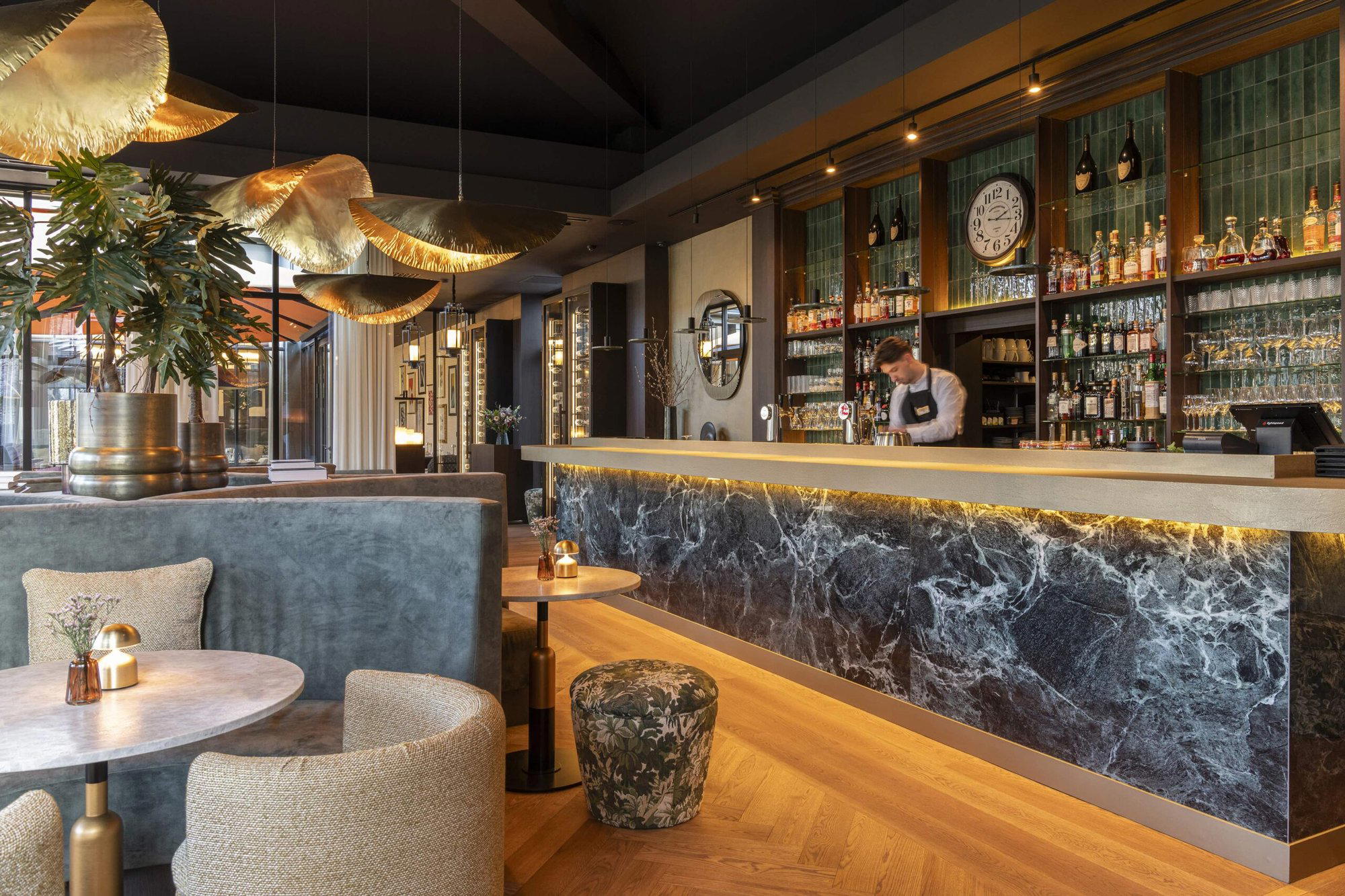
Calm and composed classic dining room with warm lighting, intimate tables, open kitchen view, and a popular summer terrace.
Know Before You Go
- Getting there
- Ramskapellestraat 61, 8300 Knokke-Heist, Belgium