Christopher's at Wrigley Mansion
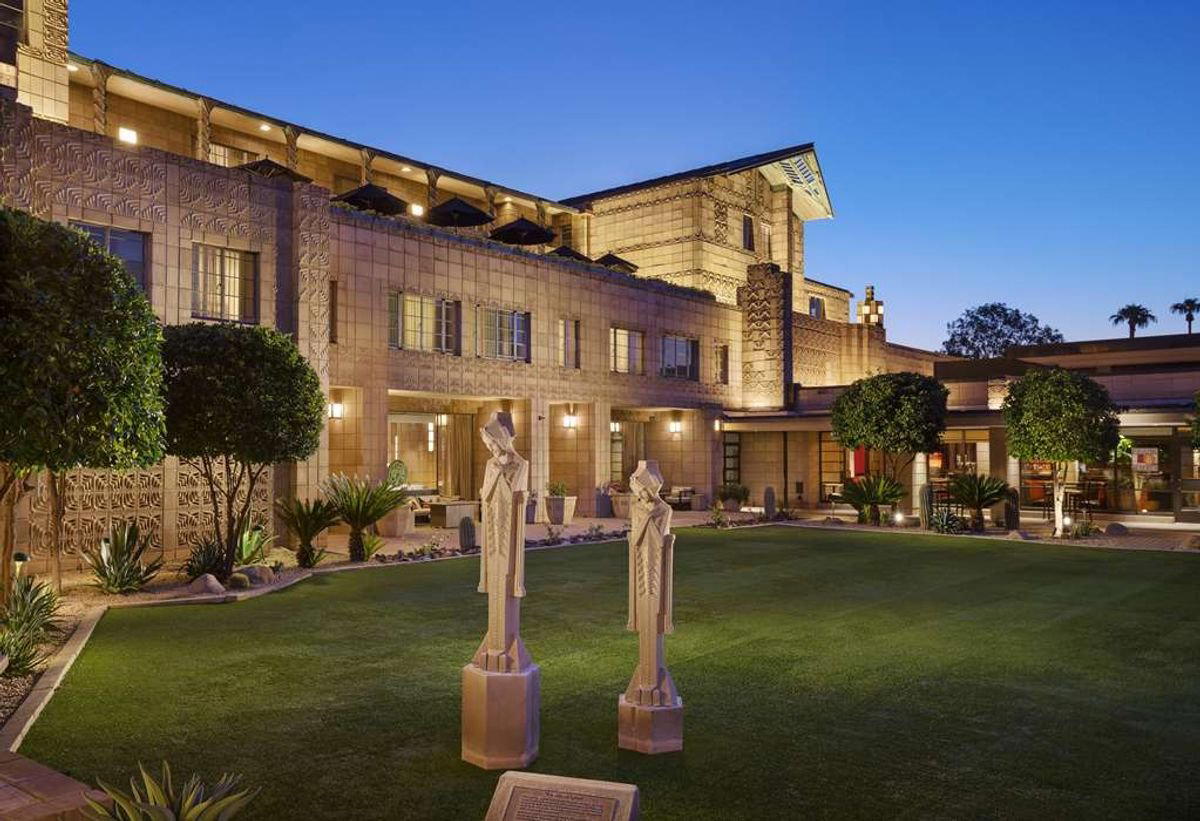
Christopher's at Wrigley Mansion occupies one of Phoenix's most architecturally significant addresses, a 1930s hilltop property that has shaped the city's fine-dining conversation for decades. The setting frames a meal built around ritual and pacing rather than mere occasion, placing it among the Arizona capital's most deliberate dining experiences. For those tracing Phoenix's serious restaurant lineage, this address remains a fixed point of reference.
Pearl is the En Primeur Club membership app — saves, bookings, and concierge access live there. Same editors, same standards.
- Address
- 2501 E Telawa Trail, Phoenix, AZ 85016, United States
- Phone
- +1 602-522-2344
- Website
- wrigleymansion.com
- Directions
- Get directions
 Saves & bookings on Pearl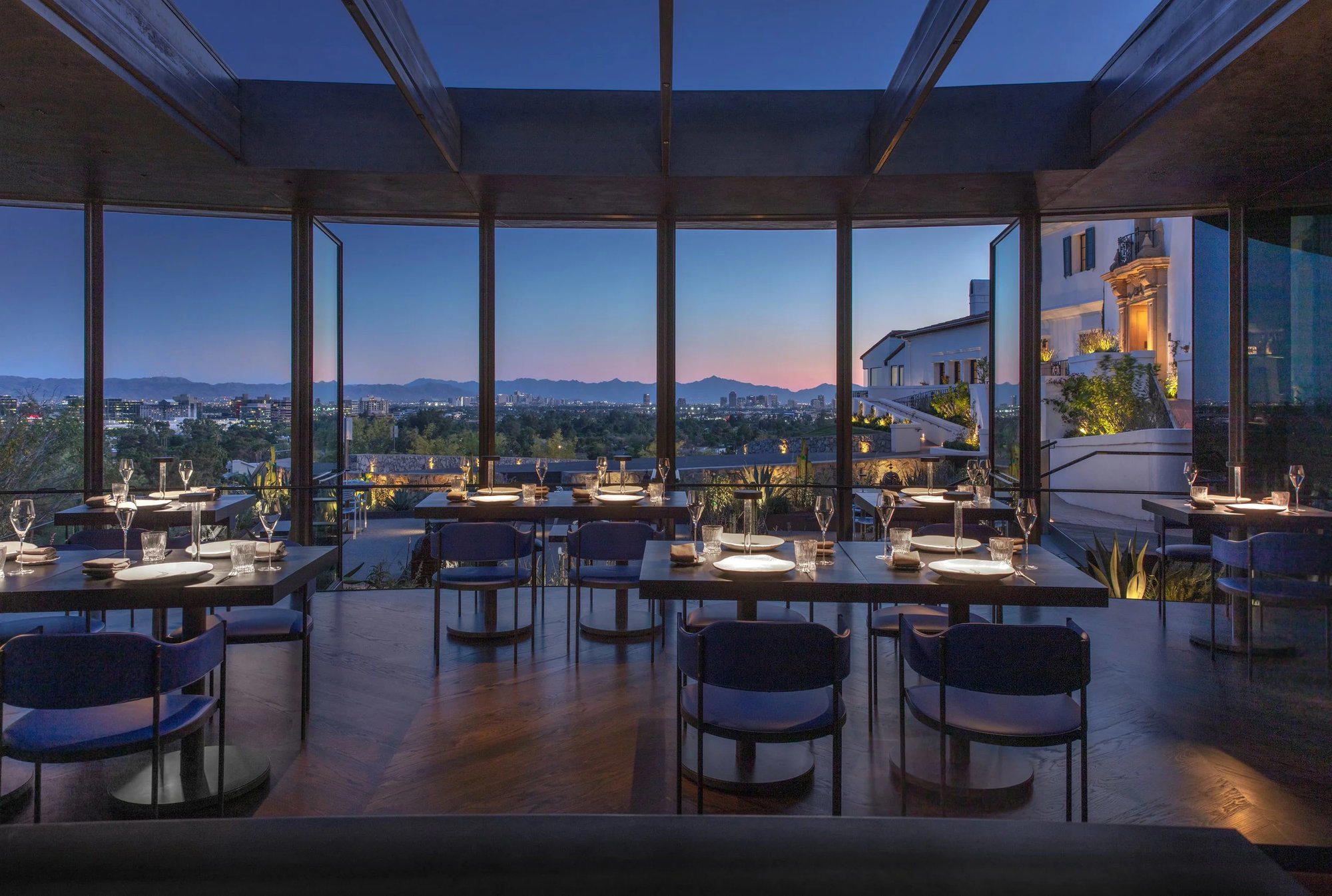
A Hilltop Address and What It Asks of You
There is a particular category of American fine dining that uses architecture as a first course. Before a dish arrives, before a wine list is opened, the building itself establishes a contract with the guest: slow down, pay attention, this will take time. Christopher's at Wrigley Mansion, set on a rise above the Biltmore corridor at 2501 E Telawa Trail, operates precisely within that tradition. The 1930s Spanish Colonial structure, originally built as a private hilltop retreat, imposes a certain ceremony on arrival that most contemporary Phoenix restaurants, however accomplished, cannot manufacture.
Phoenix's fine-dining scene has shifted considerably over the past two decades, moving from mid-century Continental formality through a period of New American loosening, and more recently toward a generation of chef-driven independents drawing on Sonoran and broader Southwestern ingredients. Venues like Bacanora and Chilte represent that newer current, where the emphasis is on regional specificity and informal precision. Christopher's occupies a different position in that map: it belongs to the older lineage of destination dining rooms where the room itself is part of the argument, a tradition it shares nationally with restaurants like The French Laundry in Napa and Single Thread Farm in Healdsburg, where place and setting carry deliberate weight.
The Ritual Structure of the Meal
Fine dining at this tier functions less like a transaction and more like a sequence of choreographed decisions. The pacing at establishments anchored in Classic French or French-influenced American tradition typically moves through a series of deliberate intervals: an amuse-bouche that resets the palate from the commute, a menu consultation that expects engagement rather than speed, wine service timed to the kitchen's rhythm rather than the guest's impatience. This is the grammar of a formal dining room, and Wrigley Mansion's setting reinforces it at every turn.
The contrast with Phoenix's broader restaurant culture is instructive. The city's strength increasingly lies in casual-to-mid formats. Pane Bianco and Lom Wong represent a Phoenix that is at its most confident operating without white tablecloths, and rightly so. Christopher's at Wrigley Mansion is the counterweight: a place where white tablecloths are not affectation but function, where the length of the meal is not a flaw in the service but the point of the evening.
In cities like New York, restaurants such as Atomix and Le Bernardin have formalized this ritual pacing into multi-act experiences with codified guest protocols. In Phoenix, where the dining culture is less hierarchical by tradition, Wrigley Mansion's architecture does much of that framing work organically. The hilltop approach, the formal entry, the layered dining spaces across the historic structure: each functions as a transition zone, preparing the guest for a different register of attention.
French Lineage in an Arizona Context
The French-American fine dining tradition that Christopher's represents has a specific genealogy in Phoenix. Vincent Guerithault on Camelback, which brought French Southwestern cooking to the city at a time when that synthesis was genuinely novel, established a model for how European classical technique could absorb local ingredients without condescension. Christopher's has historically occupied adjacent territory: classical foundations, local and seasonal overlays, a wine program weighted toward France and California.
That approach places Christopher's in a national comparable set that includes Emeril's in New Orleans, where French-American hybridity is similarly used as a framework rather than a constraint. The significant difference is geography: Phoenix's terroir is desert, not delta, and the ingredients available to any serious kitchen here carry a different seasonal logic than those of the Gulf Coast or Napa Valley.
More technically adventurous programs, like Alinea in Chicago or Lazy Bear in San Francisco, have pushed the dining ritual into explicitly theatrical territory, collapsing the distance between kitchen and guest. Christopher's occupies a more traditional position: the kitchen remains distinct from the dining room, the service remains formal, the ritual observes classical rather than avant-garde conventions. There is a reader for whom that reliability is itself the draw.
The Wrigley Mansion Setting as Editorial Context
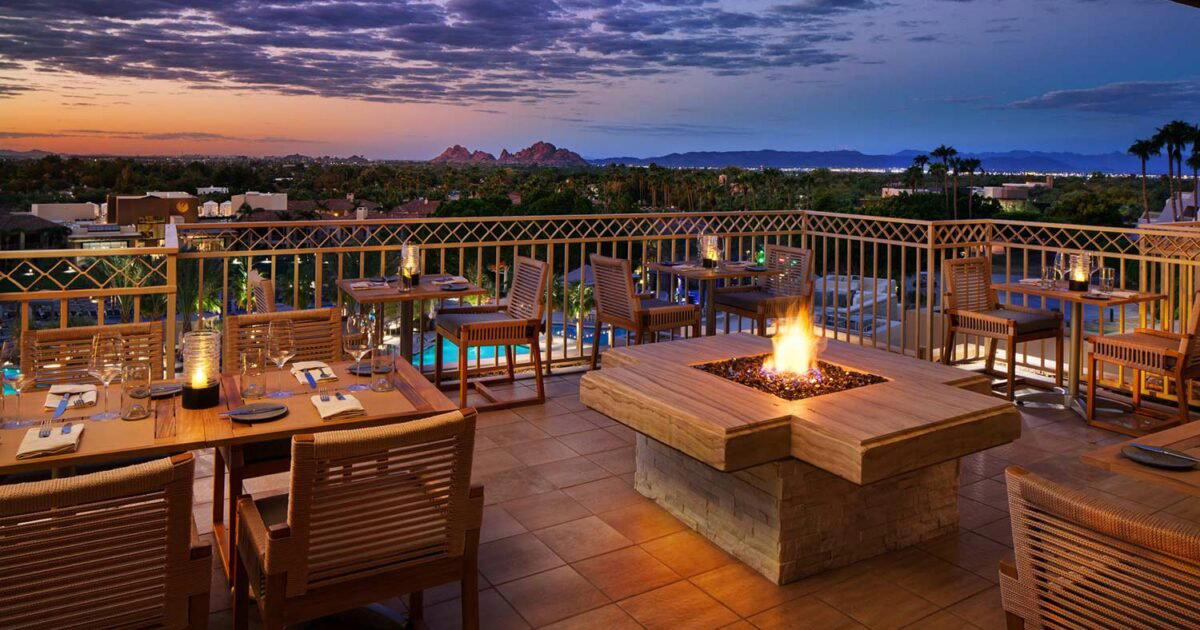
It is worth being precise about what the mansion contributes to the dining experience, because the building does more than provide backdrop. The structure was commissioned by William Wrigley Jr. as a gift for his wife in 1931, making it a piece of Phoenix architectural history that predates the city's postwar expansion by two decades. Dining in a room of this provenance is a different kind of temporal experience than eating in a purpose-built contemporary restaurant, and that difference is felt rather than explained at the table.
This is a pattern found at a handful of American restaurants that occupy historic properties. 8½ Otto e Mezzo Bombana in Hong Kong demonstrates how a luxury restaurant can use setting as an argument for seriousness; Wrigley Mansion makes a comparable case in Phoenix, where the city's relatively recent development history makes 1930s heritage meaningful in a way that it would not be in Boston or New Orleans.
For those building an itinerary around Phoenix's serious dining, the mansion works well as an anchor for a longer evening rather than a quick dinner. For context on the full range of the city's restaurants, bars, and hotels, our full Phoenix restaurants guide, bars guide, hotels guide, wineries guide, and experiences guide provide a broader map of what the city currently offers across categories and price points.
Planning a Visit
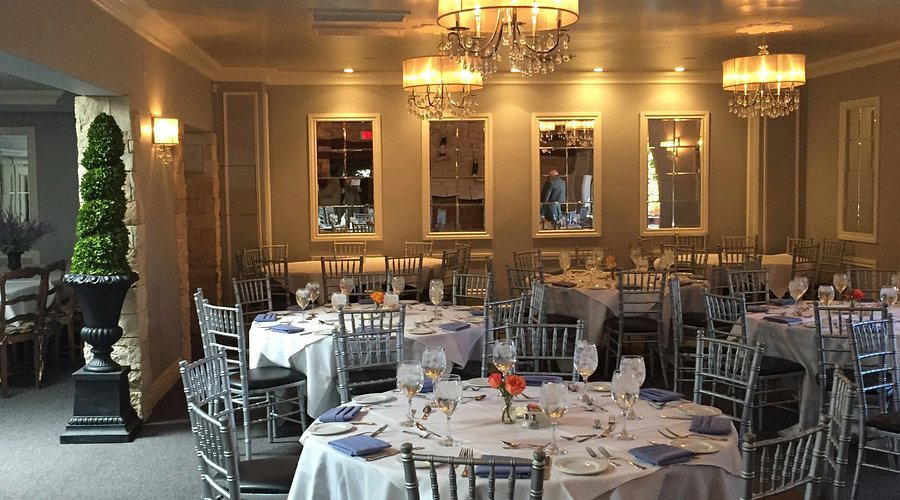
Reservations are essential, particularly for weekend evenings and the October-to-April high season when the city draws significantly more visitors. The Biltmore corridor location is accessible by car from central Phoenix and the major resort districts, and the approach and exterior arrival warrant arriving without rushing. Dress expectations at a formal dining room within a historic mansion lean toward smart casual at minimum, and the setting rewards the effort of dressing to the room.
Category Peers
Comparable venues nearby, for context on price, style, and recognition.
| Venue | Cuisine | Price | Notes |
|---|---|---|---|
| Christopher's at Wrigley MansionThis venue — the venue you are viewing | Modern French Fine Dining | $$$$ | Not listed |
| Le Âme | French Parisian Steakhouse | $$$$ | Camelback East |
| Geordie's | American with Mediterranean Influences | $$$$ | Biltmore Gates |
| T. Cook's at Royal Palms Resort & Spa | Modern Mediterranean | $$$$ | Camlback Corridor |
| The Compass | New American with International Influences | $$$$ | Copper Square |
| Tours at Wrigley Mansion | Modern American Fine Dining | $$$$ | Biltmore Gates |

At a Glance
- Elegant
- Sophisticated
- Intimate
- Romantic
- Well Known
- Date Night
- Special Occasion
- Celebration
- Panoramic View
- Historic Building
- Chefs Counter
- Open Kitchen
- Private Dining
- Terrace
- Extensive Wine List
- Sommelier Led
- Local Sourcing
- Skyline
- Mountain
Current opening hours
- Monday
- Closed
- Tuesday
- 5–10 p.m.
- Wednesday
- 5–10 p.m.
- Thursday
- 5–10 p.m.
- Friday
- 5–10 p.m.
- Saturday
- 5–10 p.m.
- Sunday
- Closed
Hours can change for holidays and private events. Last verified .
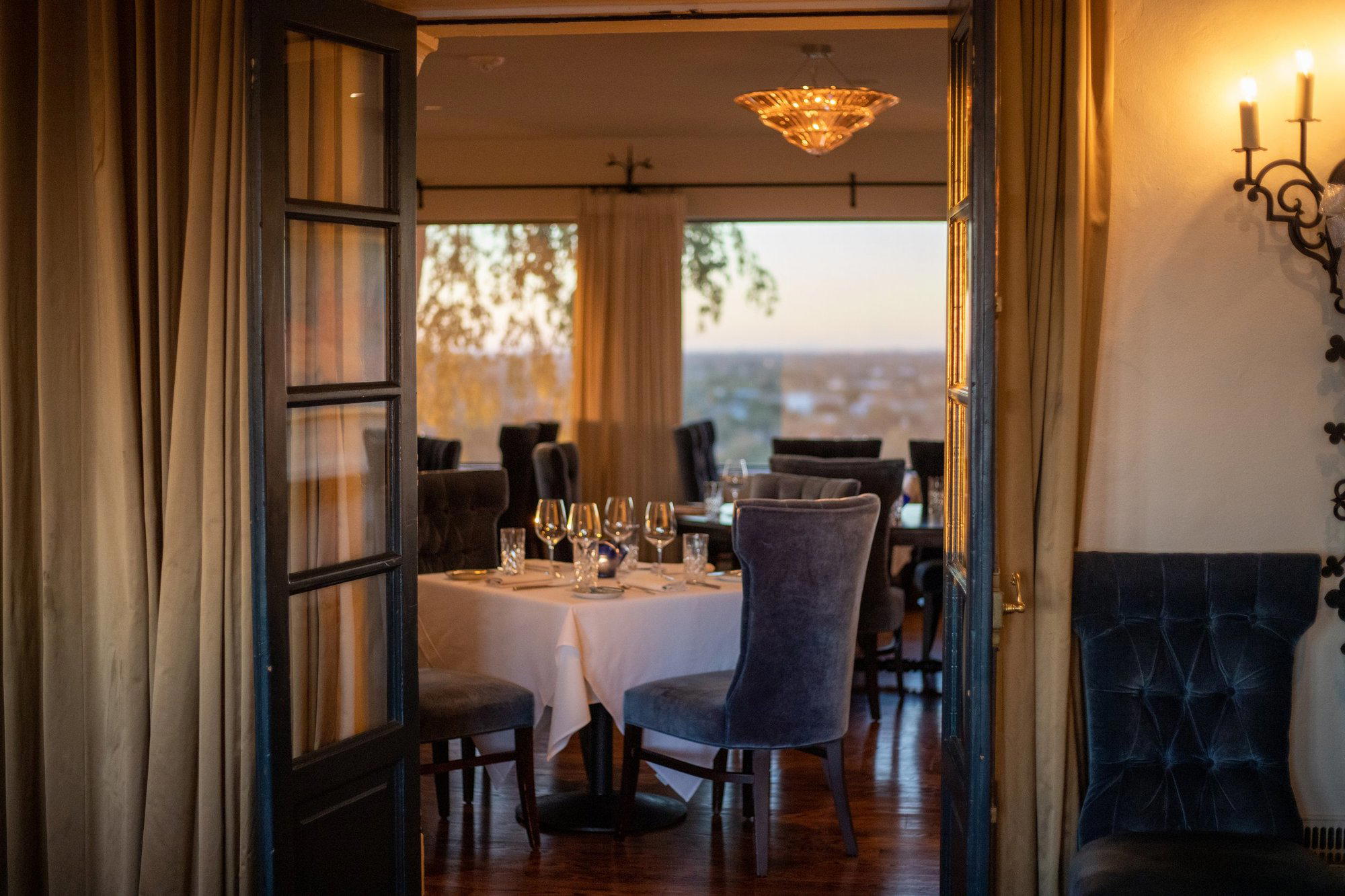
Intimate glass-enclosed dining room with floor-to-ceiling windows offering spectacular sunset views, retractable roof, dim romantic lighting with candelabras, and a comfortable yet elegant atmosphere.