The Stockyards Steakhouse
Our verdict
The Stockyards Steakhouse serves Classic Arizona Steakhouse cooking in a historic building, with an extensive wine list and leisurely pacing for dinner or late night.

Pearl is the En Primeur Club membership app, where members save venues, book tables and use the concierge.
Where Phoenix Keeps Its Steakhouse Tradition
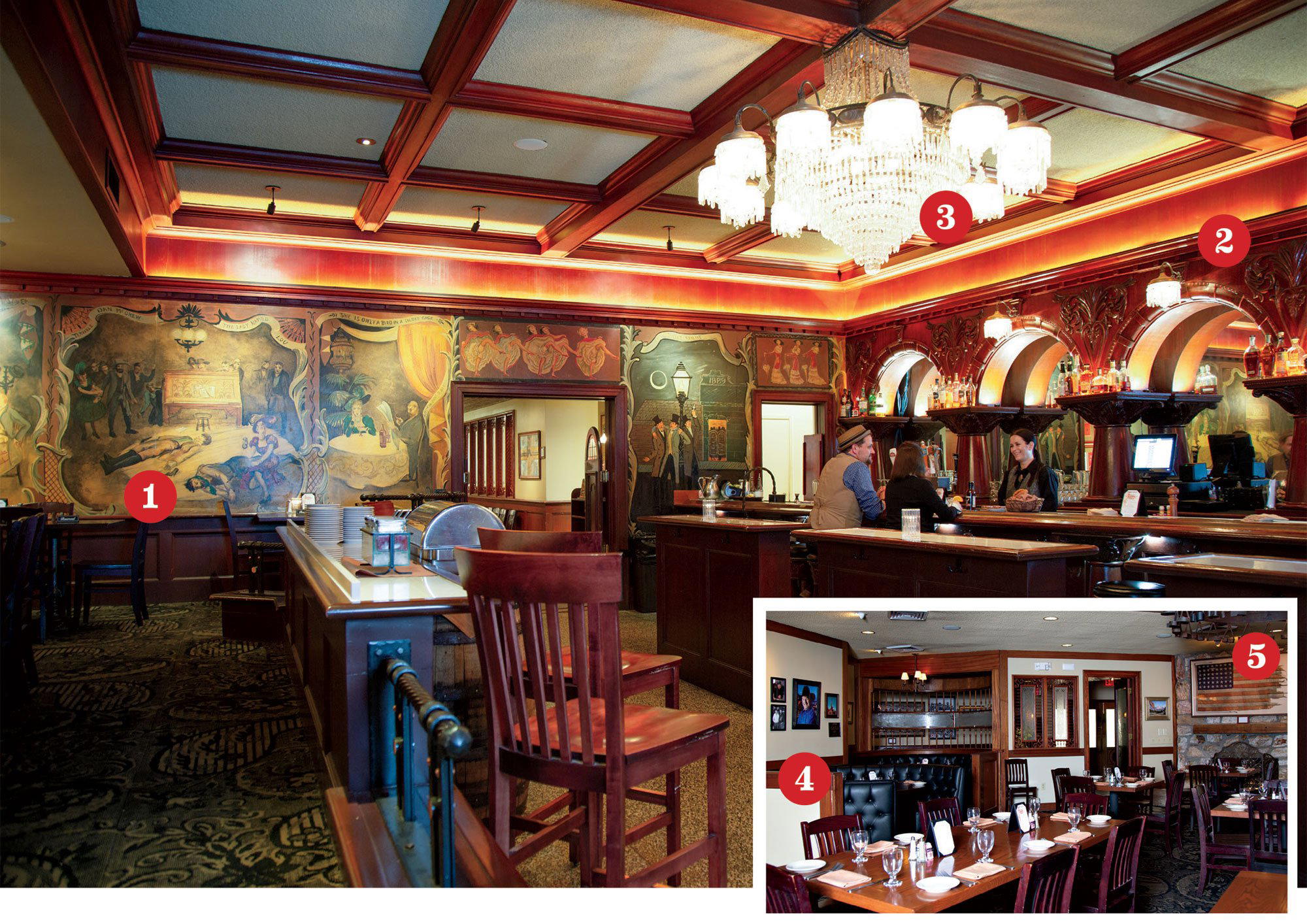
East Washington Street in Phoenix carries a particular kind of character that the city's more polished corridors tend to obscure. It is the kind of address where industrial heritage and workaday commerce coexist without apology, and The Stockyards Steakhouse fits that setting in a way that signals something about its positioning. This is not a restaurant built around the conventions of a hotel steakhouse or a national chophouse chain. It occupies a space where the American steakhouse tradition is taken seriously on its own terms, without the ambient noise of a resort dining room or the performative theatre of a celebrity-chef spin-off.
The American steakhouse, as a category, carries more cultural weight in the Southwest than a glance at the menus might suggest. The region's cattle economy shaped the way people ate long before the fine-dining era arrived, and Phoenix specifically has a documented ranching history that predates its emergence as a major metropolitan area. Steakhouses in this city are not simply restaurants serving beef; at their most serious, they function as nodes in a longer tradition of land, livestock, and the economics of the American West. The Stockyards name itself gestures at that lineage rather than the contemporary chophouse vocabulary of dry-aging rooms and sommelier-curated beef flights.
The Cultural Weight of the American Chophouse in Arizona
Arizona sits within one of the country's historically significant cattle corridors. The territory that became the state was shaped in large part by the open-range cattle industry of the late nineteenth century, and that history runs directly into the foodways that defined what a proper dinner looked like for generations of residents. The steakhouse, in this context, is not a luxury import but something closer to a regional vernacular. When other American cities were building their steakhouse traditions around the theatrical presentation of the New York strip or the prestige of Midwestern corn-fed beef, Arizona was establishing its own relationship with the cut and the cook based on proximity to the source.
That historical grounding separates the better Phoenix steakhouses from the genre's more transactional expressions. Across the American dining spectrum, the chophouse has bifurcated sharply: on one side, the high-concept tasting-menu format found at venues like Alinea in Chicago or Lazy Bear in San Francisco has redefined what a special-occasion dinner looks like; on the other, the traditional steakhouse has doubled down on the primacy of the protein, the tableside ritual, and a kind of unapologetic directness that tasting-menu culture specifically avoids. The Stockyards sits closer to the latter current.
Phoenix's dining scene has expanded considerably in recent years. Sonoran-inflected cooking at places like Bacanora and the French-Southwestern synthesis represented by Vincent Guerithault on Camelback reflect the city's more cosmopolitan turn. But the steakhouse occupies a different register altogether. It answers a different question: not what is possible in Arizona dining, but what has always been reliable.
Situating The Stockyards in Phoenix's Dining Pattern
The East Washington location places The Stockyards outside the more frequented dining corridors of Scottsdale Road or downtown Phoenix proper. That geography matters, because the venues that attract destination diners tend to cluster in areas where foot traffic and hotel proximity create organic audiences. A restaurant at this address is, by design or circumstance, drawing from a different pool: regulars who know where they are going, visitors who have done their research, and the kind of clientele that treats the trip across town as evidence of commitment rather than inconvenience.
Phoenix's restaurant geography has expanded in several directions simultaneously. The casual end of the market is well covered, from the efficient morning format of Matt's Big Breakfast to the sandwich-focused precision of Pane Bianco. The retro American diner sits comfortably alongside contemporary Southeast Asian cooking at Lom Wong. Against that range, the steakhouse occupies its own position: a category where consistency and ingredient quality tend to matter more than conceptual novelty, and where the regulars' opinions carry more weight than the annual critical consensus.
For context on what serious American dining looks like at other price tiers and in other cities, the EP Club archive covers venues from The French Laundry in Napa and Blue Hill at Stone Barns in Tarrytown to Addison in San Diego and Providence in Los Angeles. The steakhouse format sits apart from all of those, governed by its own set of expectations about format, pacing, and what the diner is actually paying for.
What the Format Demands of a Steakhouse
The steakhouse is one of the few remaining formats where the kitchen's job is almost entirely defined by sourcing and technique rather than concept. There is no narrative to construct around the menu, no provenance story to build across twelve courses. The question is simpler and in some ways more demanding: is the beef good, is it cooked correctly, and does the room make you feel the meal was worth the commitment? These are not easier questions to answer well. They are simply more direct ones.
Within that framework, the steakhouse depends on a set of operational disciplines that differ from those of the contemporary tasting-menu restaurant. The rhythm of the dining room, the temperature of the plate, the calibration of doneness across a service that may involve dozens of simultaneous orders rather than a choreographed sequence for a single seated group, these are what separate a steakhouse that functions from one that merely exists. Where Phoenix's chophouse tradition draws from its cattle-country roots, the better expressions of the format in the city tend to reflect that grounding in the directness of the offer rather than the sophistication of the surrounding details.
For the broader sweep of American and international fine dining at the format's upper reaches, EP Club also covers Le Bernardin in New York City, Emeril's in New Orleans, The Inn at Little Washington, Atomix in New York City, Single Thread Farm in Healdsburg, and 8 1/2 Otto e Mezzo Bombana in Hong Kong, all of which help calibrate what ambition looks like across different formats and price tiers. The steakhouse sits outside that orbit almost by definition, and that separateness is part of its appeal.
See our full Phoenix restaurants guide for a wider map of what the city's dining scene currently offers across formats, neighbourhoods, and price points. For the American diner format, 5 & Diner offers a contrasting point of reference on the casual, nostalgia-forward end of the spectrum.
Know Before You Go
- Address: 5009 E Washington St, Unit 115, Phoenix, AZ 85034
- Neighbourhood: East Phoenix, outside the main Scottsdale Road and downtown corridors
- Phone: Not listed, check current listings for contact details
- Reservations: Availability not confirmed, contact directly or check third-party booking platforms
- Dress code: Not specified; steakhouse convention in Phoenix typically ranges from smart casual to business casual
- Parking: Surface parking available given the commercial strip location on E Washington St
Frequently asked questions
Where is The Stockyards Steakhouse in Phoenix?
The Stockyards Steakhouse is located at 5009 E Washington St UNIT 115, Phoenix, AZ 85034, Phoenix.
What is the history and setting of The Stockyards Steakhouse in Phoenix, and how does it connect to Arizona's ranching past?
The Stockyards Steakhouse is located at 5009 E Washington Street in Phoenix, a corridor that carries direct historical ties to Arizona's cattle-trading industry, which shaped the territory before statehood. The restaurant's name references that livestock heritage, positioning it within a lineage of American chophouses that grew alongside the western beef trade rather than importing the format from the East Coast. That context distinguishes The Stockyards from Phoenix's newer steakhouse entrants, which tend to draw on national brand frameworks rather than local ranching identity.
What should I eat at The Stockyards Steakhouse?
The Stockyards operates within the American chophouse format, where the menu is anchored by steak cuts prepared with direct, technique-driven cooking rather than elaborate garnishes. At any serious chophouse in the Arizona cattle corridor, the prime rib and dry-aged cuts are the reference points, order accordingly. Side dishes at this format typically follow the canon: potatoes, creamed spinach, and house-made sauces.
Is The Stockyards Steakhouse reservation-only?
Reservation policy details for The Stockyards at 5009 E Washington St, Phoenix are not confirmed in current documentation. For a venue of this format in Phoenix, contacting the restaurant directly before visiting is the practical approach, particularly on weekends when demand for chophouse seating in the city tends to be heaviest.
What makes The Stockyards Steakhouse worth seeking out?
Its position on East Washington Street places it away from the Scottsdale Road corridor and downtown Phoenix's more curated dining districts, which tends to filter out the casual foot traffic that dilutes other steakhouses. The chophouse format itself, sourcing, fire, and technique over concept, rewards venues that commit to it without distraction. In Phoenix, that combination is less common than the city's size might suggest.
Can The Stockyards Steakhouse handle vegetarian requests?
The steakhouse format is not designed with vegetarian dining as a primary consideration, and The Stockyards is no exception. Most American chophouses can accommodate vegetarians through side-dish combinations, potatoes, vegetables, salads, but the kitchen's focus and sourcing budget are concentrated on beef. Guests with dietary restrictions should call ahead to confirm what the kitchen can prepare.
Is The Stockyards Steakhouse good value for money?
The value proposition at any traditional chophouse is consistency of execution rather than price-point novelty.
The Quick Read
Comparable venues nearby, for context on price, style, and recognition.
| Venue | Cuisine | Price | Awards | Notes |
|---|---|---|---|---|
| The Stockyards SteakhouseThis venue (the venue you are viewing) | Classic Arizona Steakhouse | $50–100 | Not listed | Not listed |
| Steak 44 | Modern American Steakhouse | $150–200 | OpenTable Top 100 Restaurants | Camlback Corridor, Modern American Steakhouse |
| Durant's | Classic American Steakhouse | $50–100 | Not listed | Encanto, Classic American Steakhouse |
| T. Cook's at Royal Palms Resort & Spa | Camlback Corridor, Modern Mediterranean | $50–100 | Not listed | Not listed |
| The Compass | New American with International Influences | $50–100 | Not listed | Copper Square, New American with International Influences |
| Grand Ballroom at the Peak | American Banquet Cuisine | $50–100 | Not listed | Skyline Heights, American Banquet Cuisine |